Blog

  • Mylar Bag vs Stand Up Pouch

    Mylar Bag vs Stand Up Pouch

    Mylar Bag vs Stand Up Pouch | Mylar Bags & Pouches
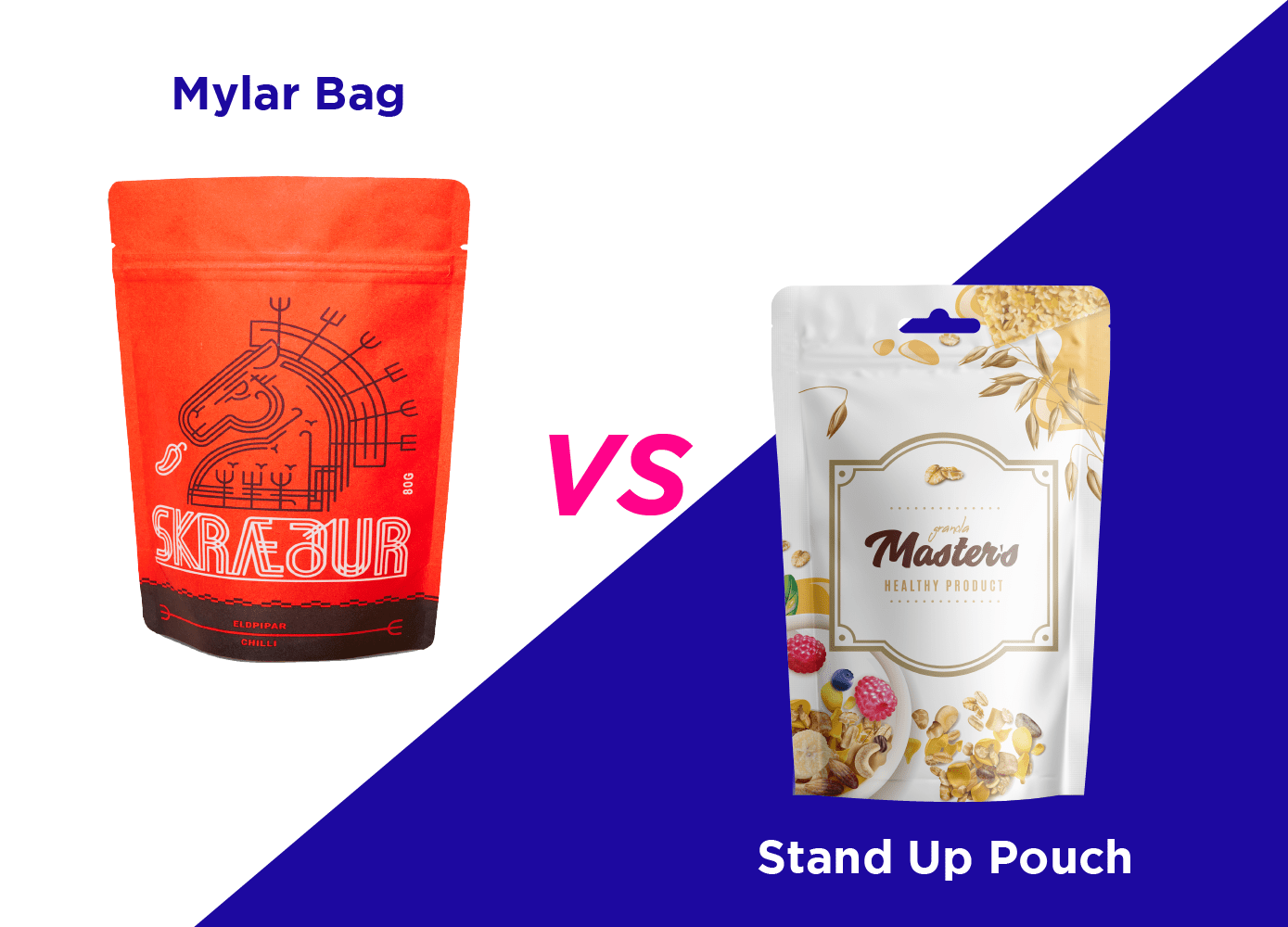
    Mylar bags and stand-up pouches are both popular packaging options for a variety of products. However, there are some key differences between the two that should be considered when choosing the best packaging solution for your products.

    What Are Printed Mylar Bags
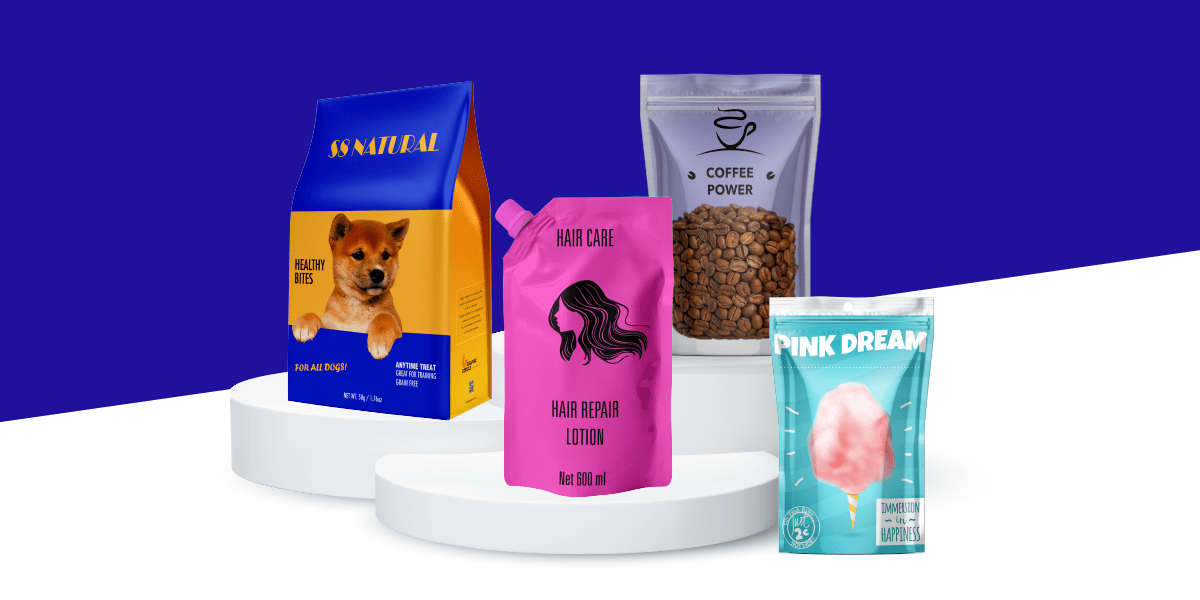
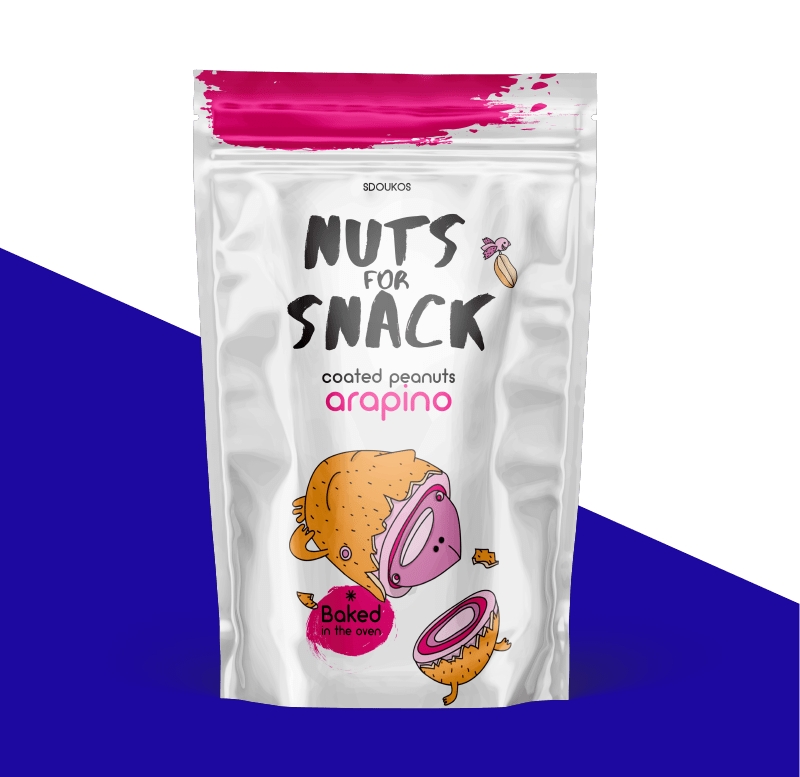
    Custom resealable mylar bags are a popular option for packaging food products such as snacks, dried fruits, and nuts. These bags are made from a material called mylar, which is a type of vapor metalized plastic film that is known for its strength and durability. Mylar bags are also known for their ability to protect products from ultraviolet light, as well as moisture and oxygen migration, making them an ideal choice for food products that need to be kept fresh.

    One of the main advantages of printed mylar bags is that they can be customized to include your logos and graphics directly on the pouch, reducing or eliminating the need to apply labels to the bags. This can be a great way to make your products stand out on store shelves and attract the attention of potential customers. Additionally, printed mylar bags can be produced in a variety of different sizes and shapes, making them a versatile packaging option for a wide range of products.
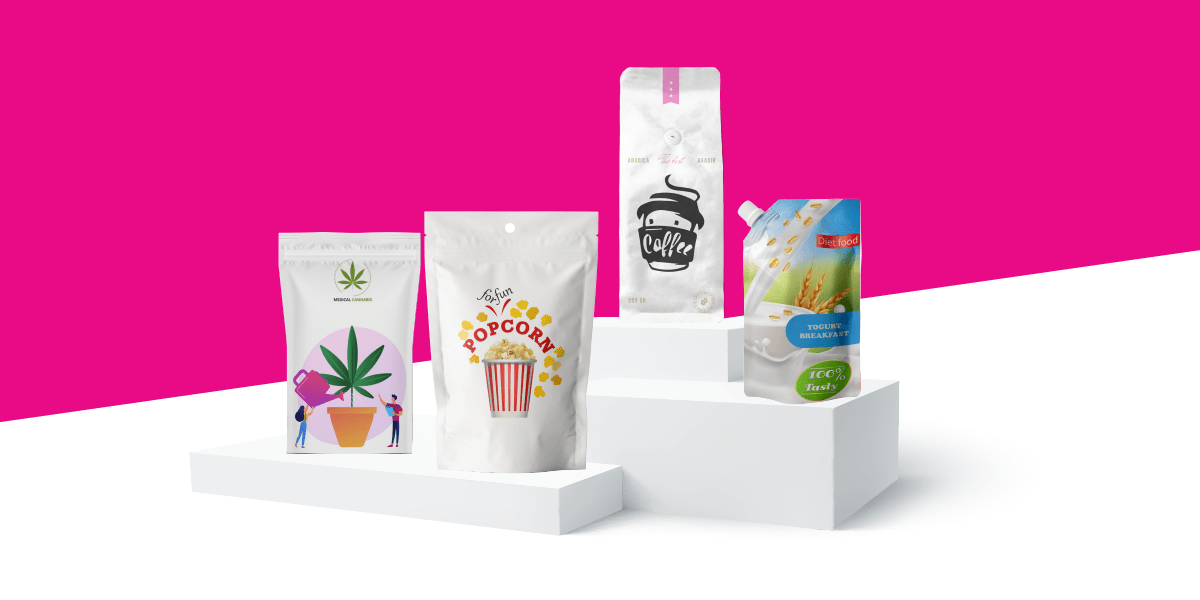
    Mylar Bags Pros

    Mylar bags have many pros which include durability, flexibility, and cost-effectiveness.

    They are also resistant to punctures, tears, and moisture.

    They are also a great option for products that need long-term storage and have a long shelf life.

    What Are Custom Printed Pouches? 
    Stand-up pouches, on the other hand, are a broader category of packaging that has become increasingly popular in recent years. Stand up pouches can be made from a variety of different material laminations, including plastic, aluminum, and paper. They are designed to stand up on their own, making them a convenient option for displaying products on store shelves.

    Stand-up pouches can be made from vapor metalized plastic, just like mylar bags and thus can protect products from light, moisture, and oxygen. They are also great for products like snacks, dried fruits, and nuts as the gusset helps these bags hold the product and stand up on a shelf.
    The Main Differences Between Mylar Bags and Stand-Up Pouch Products 
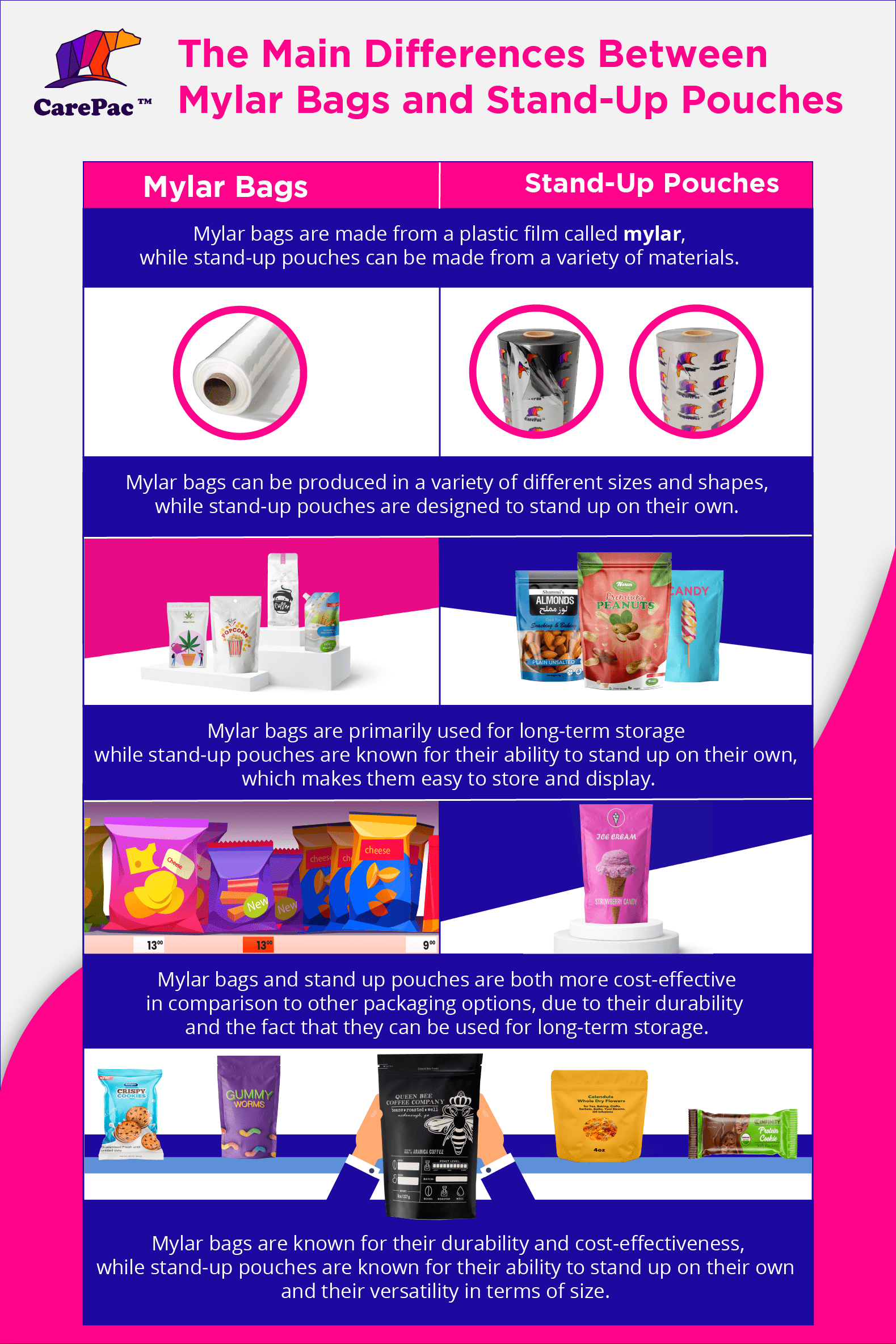
    Mylar bags are made from a plastic film called mylar, while stand-up pouches can be made from a variety of materials.

    Mylar bags are known for their durability and resistance to punctures and tears, whereas stand-up pouches may not be as durable depending on the material used.

    Mylar bags can be produced in a variety of different sizes and shapes, while stand-up pouches are designed to stand up on their own.

    Mylar bags are known for their durability and resistance to punctures and tears, whereas stand-up pouches may not be as durable depending on the material used.

    Mylar bags are primarily used for long-term storage while stand-up pouches are known for their ability to stand up on their own, which makes them easy to store and display.

    Mylar bags and stand up pouches are both more cost-effective in comparison to other packaging options, due to their durability and the fact that they can be used for long-term storage.

    In conclusion, both mylar bags and stand-up pouches have their own unique pros and cons. Mylar bags are known for their durability and cost-effectiveness, while stand-up pouches are known for their ability to stand up on their own and their versatility in terms of size. Ultimately, the best packaging solution for your products will depend on your specific needs and preferences. Custom printed mylar bags and stand-up pouches can provide an excellent solution for packaging and branding your products.

    Commonly Asked Questions:

    Q: Can mylar bags and stand-up pouches be printed with custom designs?

    Yes, both mylar bags and stand-up pouches can be printed with custom designs and logos. This can be a great way to make your products stand out on store shelves and attract the attention of potential customers. For more information about our printed pouch offerings, click here.

    Q: Which one is more durable, mylar bags or stand-up pouches?

    Mylar bags are known for their durability and ability to resist punctures and tears. Stand-up pouches also have a good level of durability, depending on the material used.

    Q: Which one is better for products that need to be kept fresh?

    Both mylar bags and stand-up pouches are good options for products that need to be kept fresh, such as snacks, dried fruits, and nuts. They both protect products from light, moisture, and oxygen.

    Q: Which one is more cost-effective?

    Mylar bags are known for their cost-effectiveness due to their durability and the fact that they can be used for long-term storage. Stand-up pouches can also be cost-effective, depending on the material used and the volume of the order. It’s best to compare the costs of both options for your specific needs and preferences.
    Overwhelmed with all the options? Buy mylar now from CarePac

  • Bag Sealing Temperatures

    Bag Sealing Temperatures

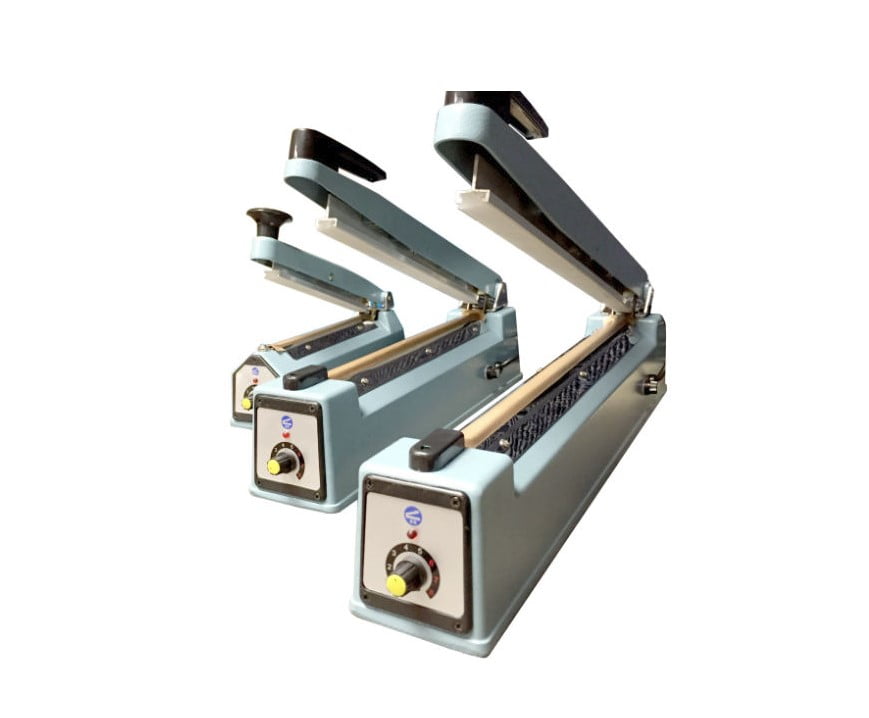
    The question is often asked “What temperature setting do I use to seal my bags?” This question is pretty straight forward but the answer to it can be effected by many variables. Setting your heat-sealing machine to the right temperature is only one factor. Other factors include how long heat is applied to the material (dwell), and how much pressure you apply while sealing. One temperature, Dwell, and PSI setting is not uniformly recommended for each material. For example a better seal can sometimes be obtained with a lower temperature allowed to dwell longer allowing the sealant layer polymers to fully melt together.

    Heat Sealer Settings

    Here is a table of heat sealer settings which are a good starting point for your testing process. 

    Material

    Temperature Range

    PSI

    Dwell Time

    CareSilver

    375 F – 400 F

    40 PSI

    1 Sec

    CareFoil

    400 F – 450 F

    40 PSI

    1 Sec – 1.5 Sec

    CareFoil-N

    450 F – 500 F

    40 PSI

    1.5 – 3 Sec

    CareKraft

    400 F 425 F

    50 PSI

    2 Sec

    CareClear

    350 F – 375 F

    40 PSI

    1 Sec

    Factors effecting heat sealer settings

    Many customers focus on the machine settings when dialing in their heat seal settings, but all the factors below should come into consideration to get the highest strength heat seal. 

    Material Type

    Seal strength, and sealer machine settings will be adjusted to the physical properties of the material  being sealed to. Clear PET based material generally will use different settings than nylon or foil based material. The material thickness, flange or surface design, physical pouch configuration, size, and feature placement will also be considerations. Some materials like Carefoil reduce the amount of heat that can get through to the sealant layer so they require more heat or long dwell time. Material Thickness can effect the overall mount of dwell that is required. 

    Dwell

    Dwell time relates to how long heat is applied to the pouch. Heat and dwell time are not independent variables, they go hand in hand and should not be evaluated separately. Dwell time requires adjustment based on the same factors that effect temperature. Some heat sealable flexible barrier materials require lower heat for a longer time to properly sell. While you can “seal” a bag with high heat for a short duration. The sealant layer may not form a high strength bond. 

    PSI

    The pressure at which heat is applied to the pouch can effect bag seal strength.The amount of pressure applied by the heat-sealing equipment will create differences in the heat and dwell settings.  Thicker materials and those which are more rigid such as CareKraft require more pressure, while with thinner materials if too much pressure is applied the heated selant layer can be pressed too thin. 

    Fouling

    Fouling can occur during the loading process particles, dust, or liquid we left in the sealing zone. If so, these contaminates can affect the settlings required on your sealing machine to seal the bag properly. Foreign material in the seal zone can also reduce the seal effectiveness. Powder products are notorious for causing fouling. Dust acts like corn meal on the bottom of a baking pan inhibiting the polymers from adhering to each other. 

    Type of Machine

    The type and condition of your heat-sealing machine will create another variable to consider.  There are several types of heat-sealing machines and how these machines apply heat. Types of heat sealers include Impulse sealers, roller sealers, platen seal.  

    External Environment

    Ambient temperatures, and humidity can have a small impact on heat or dwell time as well.

    There isn’t going to be an exact specification because proper temperature will vary widely based on the conditions mentioned in this article. But here are some of the settings that have been reported to us by customers, as well as our own understanding. 

    The information provided should only be used as a starting point for the customer’s own investigation, and testing when determining the best settings for your heat sealer machine. 

  • CareClear-PXAOP

    CareClear-PXAOP

    CareClear-PXAOP

    Overview

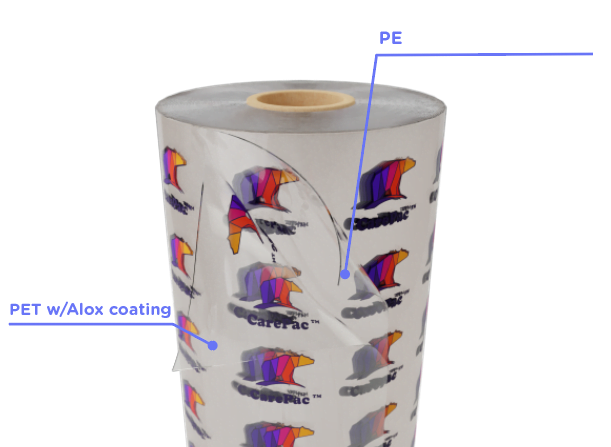
    This film is designed to provide very good moisture and oxygen barrier potential in a transparent film. The ALOX coating enhances the barrier of the PET film

    This film prints well both digitally and Rotogravure, with high clarity. ALOX is an alternative coating treatment to EVOH or PVDC.

    The ALOX coating is designed to not set off a food process metal detector. This film can also be subjected to irradiation. 

    Note: The performance of any film will be influenced by a number of factors and testing must always be performed to ensure the film meets the use.

    Relative Performance Indications

    Oxygen Barrier

    Moisture Barrier

    Light Barrier

    STrength

    Metal Detector

    Material Data

    Here are some of the common indicated properties for this film.

    Film Property

    Standard / Test / Unit

    Sample Data

    Available Thicknesses

    Caliper

    4.0 mil nominal

    Tested As 

    Pouch

    120x200x76 +/- 3mm 

    MVTR / WVTR

    JIS 0208

    0.065 gms/100 sq. in./ day

    OTR

    JIS 1707

    .0.065 cc/100 sq. in./ day

    Tensile MD

    ASTM D-882

    42

    Tensile XD

    ASTM D-882

    42

    Tear MD

    ASTM D 1938

    1.6

    Tear XD

    ASTM D 1938

    1.2

    Compressive Strength

    JIS 0238

    80-600

    Temperature Test

    Pilot Retort 

    100C/30min, 2.2 kgsf/cm2

    Sealing Test

    Side / Top Universal

    6.0 kg/15mm

    Elongation at Break MD

    ASTM D 882

    55

    Elongation at Break XD

    ASTM D 882

    50

    Thrust Strength

    FED-STD-101-2065

    84.6

    All values indicated regarding film properties or characteristics, were provided by our film supplier and are given as an indication and should be considered as average indicative values. This document is based on our film supplier statements and / or independent lab testing, data from multiple tests, or different film suppliers of the same film family may be combined in the above table. While unexpected, it is possible that the validity of the statements could change without notice.

    Environmental Impact

    This material is a multi-layer laminated plastic and will typically fall into the check-locally, or store drop off category. 

    Property
    Sample Data

    Recyclable

    Multi-Layer Check Locally

    PCR Option Available

    No

    At Home Compostable

    No

    Commercial / Industrial Compostable

    No

    Recyclability and composability varies by jurisdiction. Composability claims are limited by law, and vary by jurisdiction, consult a qualified professional in your state. 

    Compliance

    Compliance is important, and here are CarePac we can support your compliance needs with extensive film supplier and lab testing data.  
     

    BPA FREE

    FDA Food Approved

    PROP 65

    Property
    Sample Data

    CEPE/EuPIA

    Manufactured in accordance with

    Cal. H&S (25214.16)

    Compliant

    PFAS – perfluoroalkyl and polyfluoroalkyl § 37-0209, RCW 70A.222.070

    Does not knowingly add

    Prop 65 (OEHHA)

    Listed Chemicals not intentionally added. 

    SR 817.023.021

    Not in excess of overall or specific migration

    EU directive 10/2011/ED

    Compliant

    EU directive 1935/2004

    Compliant

    FDA 21 CFR 73

    Compliant

    Cal. H&S (25214.16)

    Compliant

    RoHS Directive 2011/65/EU

    PASS

    Compliance information above is derived from lab testing, or film supplier statements. Independent verification is advised, and Lot specific testing available

  • CareCompost-KP

    CareCompost-KP

    CareCompost-KP

    Paper / PLA Overview

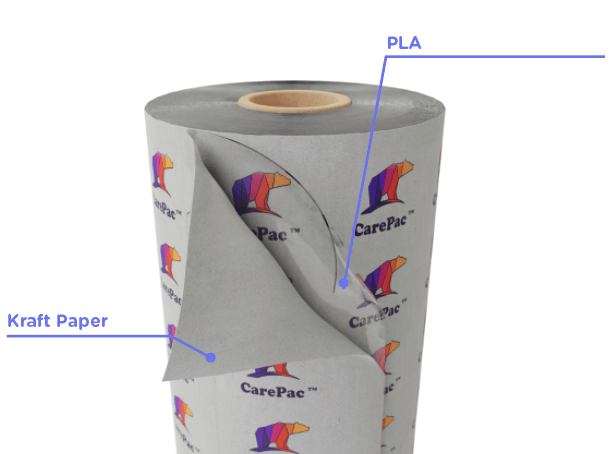
    A bi-layer lamination designed for flexographic printing made of natural un-coated kraft paper (white or brown) laminated to a proprietary PLA sealant layer.  

    Passed for FDA use in food contact applications, used by customers for coffee, nuts, dried foods, cannabis, and other applications. This material maybe accepted for composting, but check local jurisdiction for current acceptance by your refuse agency. 

    Note: The performance of any film will be influenced by a number of factors and testing must always be performed to ensure the film meets the use.

    Relative Performance Indications

    Oxygen Barrier

    Moisture Barrier

    Light Barrier

    STrength

    Compostable

    Material Data

    Here are some of the common indicated properties for this film.

    Film Property

    Standard / Test / Unit

    Sample Data

    Available Thicknesses

    Caliper

    5 mil

    MVTR / WVTR

    JIS Z 0208

    <15 g/㎡.24hr

    OTR

    JIS Z 1707

    <18 cc/㎡.24hr

    Tensile MD

    ASTM D-882

    >25

    Tensile XD

    ASTM D-882

    >25

    Tear MD

    ASTM D-1938

    >1.2

    Tear XD

    ASTM D-1938

    >1.0

    Elongation at Break

    AST D-882

    >30 MD / >30 TD

    Heat Seal Strength 

    Generic

    >6 kg/15mm

    Drop Performance

    Fill 5 bags with 140g of similar content and seal, drop from a  height of 500mm, drop at least once each in horizontal and once in vertical direction. The bag should have no visible leakage, or rupture.

    Meets the standard

    Pressure Test

    Fill 5 bags with 140g of similar content and seal, load to 400 N and maintain 1min, the bag should have no visible leakage, or rupture. 

    Meets the standard

    All values indicated regarding film properties or characteristics, were provided by our film supplier and are given as an indication and should be considered as average indicative values. This document is based on our film supplier statements and / or independent lab testing, data from multiple tests, or different film suppliers of the same film family may be combined in the above table. While unexpected, it is possible that the validity of the statements could change without notice.

    Environmental Impact

    This is a film intended for composting. If properly disposed of this film will compost and return to usable soil. Compostable films are not recycable. 

    Property
    Sample Data

    Recyclable

    No

    PCR Option Available

    No

    At Home Compostable

    No

    Commercial / Industrial Compostable

    Yes

    Heavy metal(Pb)4% Acetic acid,60℃,2h

    <1 Pass

    Recyclability and composability varies by jurisdiction. Composability claims are limited by law, and vary by jurisdiction, consult a qualified professional in your state. 

    Compliance

    Compliance is important, and here are CarePac we can support your compliance needs with extensive film supplier and lab testing data.  
     

    BPA FREE

    FDA Food Approved

    PROP 65

    Property
    Sample Data

    CEPE/EuPIA

    Manufactured in accordance with

    Cal. H&S (25214.16)

    Compliant

    PFAS – perfluoroalkyl and polyfluoroalkyl § 37-0209, RCW 70A.222.070

    Does not knowingly add

    Prop 65 (OEHHA)

    Does not contain listed substances

    SR 817.023.021

    Not in excess of overall or specific migration

    EU directive 10/2011/ED

    Compliant

    EU directive 1935/2004

    Compliant

    FDA 21 CFR 73

    Compliant

    Cal. H&S (25214.16)

    Compliant

    RoHS Directive 2011/65/EU

    PASS

    Compliance information above is derived from lab testing, or film supplier statements. Independent verification is advised, and Lot specific testing available

  • Pouch Designs Proofs

    Pouch Designs Proofs

    Proofing Pouch Designs

    What is Proofing? 

    Proofing is a preliminary version of a printed piece that shows the features and design of the final piece. It’s intended to be a confirmation of the print and bag specifications — think of proofing like a preview or sneak peek of your project. At CarePac, our printed pouches are made to order, so before we can make your pouches, we need to make sure all pouch specifications and printing are correct. 

    Proofing is an essential part of the design process, as we don’t want to print pouches that don’t meet your exact expectations. We hold ourselves to a high standard, and creating the perfect bag does require some input from you. During the proofing stage, you’ll need to make sure that everything is exactly the way you want it, from the font and the logo placement to the colors and customization features. Don’t forget to check the spelling! 

    Why is Proofing Important?

    Proofing is a critical step to ensure that the bag that CarePac is being told to make is the one you want. The last thing we want is to send you a bag that you can’t use because the size or configurations are all wrong. We recommend having multiple people on your team take a look at the proof – you never know what someone else might catch that you may have missed.

    Steps of the Proofing Process at CarePac

    At CarePac, we’re all about transparency, so here is what you can expect from our proofing process: 

    How are pouch designs proofed?

    The industry standard is using digital art files to proof, which is why we’ll send you a digital proof. This type of proofing is quick and efficient and typically works perfectly well. The design schematic is a to-scale layout of the bag showing the art, color and placement of various elements on the bag, including features like zippers and tear notches. 

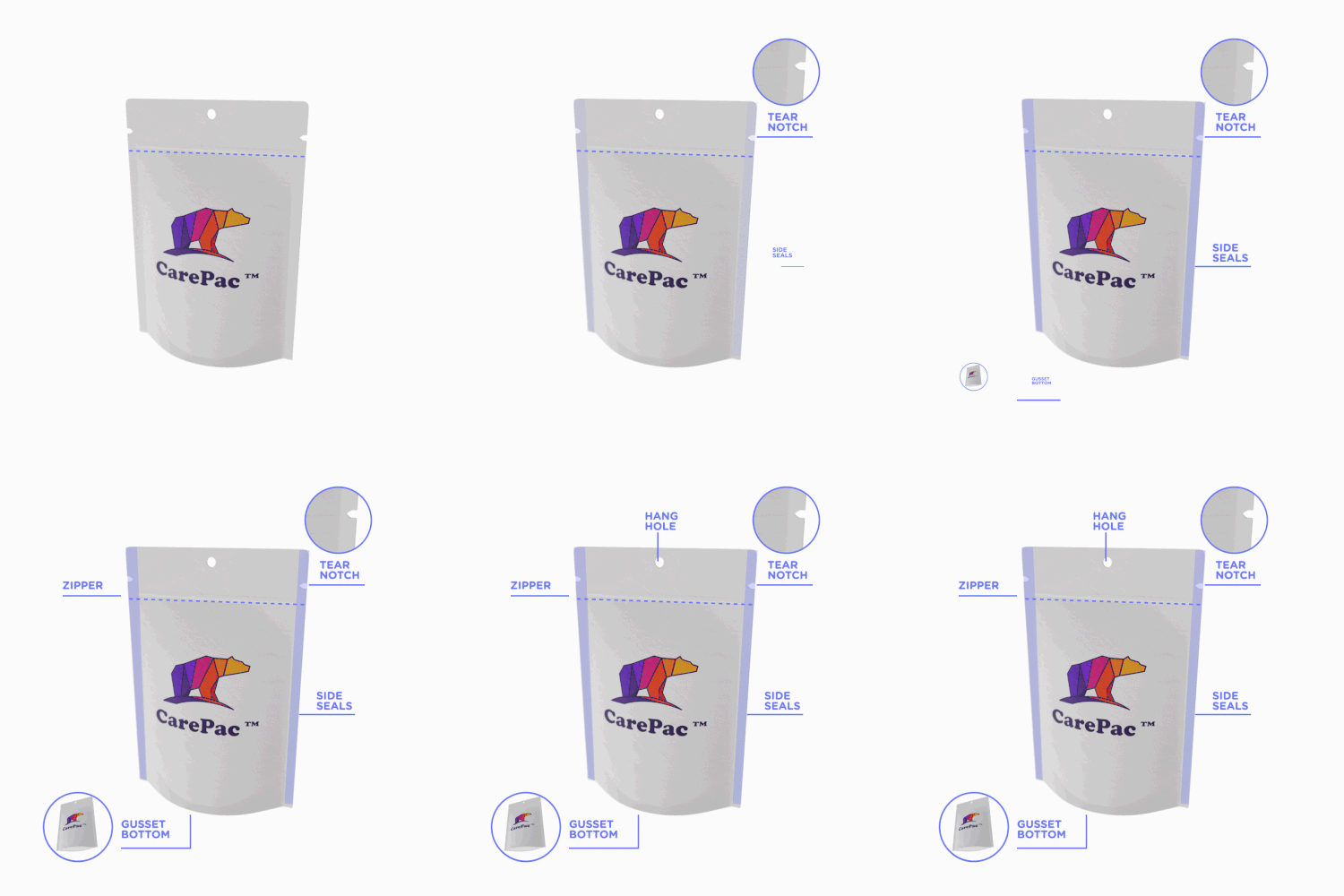
    At CarePac, we use multiple-up dielines which show the different sides of the bag individually. This format makes proofing much easier to perform, as you can see all sides of the bag. Some competitors will show you a print layout which can be harder to proof because the back of the back will be shown upside down. 

    In addition to text and imagery, finishes, their location and other elements will also be depicted on the design file to be reviewed. Most bag features will be depicted on the bag dieline along with relative positions. 

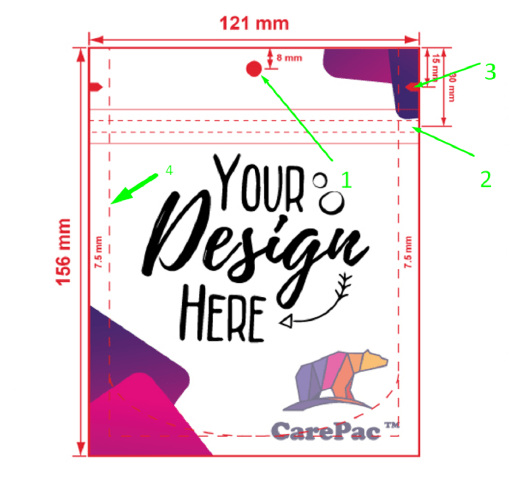
    In the picture below, we have four features:

    Side Seals are where the bag materialconnects together

    1. Hang hole 

    2. Zipper

    3. Tear Notch

    4. Side seals

    Optional Additional Proofing Steps

    Occasionally some projects require additional proofing steps due to their complexity or specific concerns. There are three main types of additional proofing: Draw Downs, Film Print Proofs, and Prototyping. You can learn more about each optional and additional proofing step below. 

    Draw Downs

    A draw down is where the color(s) used in a bag’s print design are placed by hand on the material to see how they appear on the film. Not all films can be used with draw downs because some films require additional treatment to get the ink to stick to the plastic. Draw downs are best accomplished with bags that incorporate a printed layer of paper in their makeup. 

    If you want to see exactly how the colors will appear on the film material, a draw down is the best (and only) way to see this. Producing a draw down does add expense (and time) to a print project, and is typically reserved for very large runs or if the ink or material is a concern. In most cases, reviewing the digital proof is satisfactory. 

    Optional Film print proof

    This process does create some delay as we cannot schedule additional steps of the production process like laminating, curing, or bag making until the film has been approved. Please keep in mind that film print proofing can add 1-2 weeks to the production beyond normal lead-times. (This estimate assumes that you’ll review your proofs in a speedy manner.) If, after receiving the film print proof, you want to make changes, there will be some cost for the machine time, labor, and materials used to produce the film print proof. This varies by the type of printing being used, and the complexity of the printing. 

    With film print proofs, after the design file is approved, we perform the actual printing of the material but then stop and send a cut-off of that film to you for review. 

    With a film print proof, you can see the actual print on the material that will be used to make your bags. Once you approve the film, then we will continue on with the production of the bags. 

    Optional Prototyping 

    For the ultimate in proofing, we offer CarePac Express. With CarePac Express, we offer very small quantities, as few as 100 bags, which can be made to your specifications and are fully completed bags. 

    Digital Proofing

    is Included!

    Although draw downs, film print proofs, and CarePac Express all incur an additional cost, standard digital proofing is included in our pricing models. If you need help understanding a digital proof or have any questions whatsoever about our proofing options, please don’t hesitate to reach out to your representative. For an instant online quote for your project, please click here. 

  • Popular Paper Bag Materials

    Popular Paper Bag Materials

    Popular Paper Bag Materials – Paper Bags & Their Materials

    Popular Material for Paper Bags

    Paper bags have been gaining a lot of attraction in the packaging industry. Not only are they cheap to purchase in bulk and easy to customize, but as cities and states pass laws against plastic bags, they’re becoming the only packaging option for many companies. Even if plastic isn’t currently banned where you do business, transitioning away from plastic to recyclable, biodegradable, and eco-friendly materials like paper is a good move to make.

    As with bags made from other materials, paper bags come in many shapes and sizes. Each of these bags serves a different purpose and are manufactured for different properties. In this blog, we’ll discuss the most common paper bag materials before diving into the different types of paper bags that are manufactured from these materials.

    Bags Made from Paper

    Paper bags have been gaining a lot of attraction in the packaging industry. Not only are they cheap to purchase in bulk and easy to customize, but as cities and states pass laws against plastic packaging, they’re becoming the only packaging option for many companies. Even if plastic isn’t currently banned where you do business, transitioning away from plastic to recyclable, biodegradable, and eco-friendly materials like paper is a good move to make. 

    As with bags made from other materials, paper bags come in many shapes and sizes. Each of these bags serves a different purpose and are manufactured for different properties. In this blog, we’ll discuss the most common paper bag materials before diving into the different types of paper bags that are manufactured from these materials.

    What’s the difference between Kraft Barrier and Normal Paper Bag Material

    Kraft Barrier materials are laminated films which combine kraft paper with other materials like aluminum or nylon as well as polyethylene. kraft barrier materials are not glued, but are laminated, while normal paper bags are made of paper that is glued together. 

    Common paper bag materials

    Though the raw material for making paper bags is natural wood fiber, each of the materials included in this list has different properties because of different processing methods. Think of it like this: apple juice, applesauce, and apple cider are all made from apples, but since they’re processed differently the end result is different. 

    Kraft paper 

    This is the most common kind of paper used in making paper bags, and customers come across Kraft paper bags most often at grocery stores. It typically weighs 80-120/g square meters, making it a light, yet strong, packaging option. It has great flexibility and tear resistance, so it can be used to carry heavy things. Its natural look is brown, but the fibers can be bleached white or dyed a different color after bleaching. 

    The largest advantage of brown Kraft paper is its cost. It is the lowest cost option on this list, making it the ideal choice for even the most for cost-conscious customers. 

    White cardboard

    As the name would suggest, these bags are composed of single or multiple layers of bleached chemical pulp. The end result is a firm white bag with a smooth surface. If you’re looking for top-of-the-line gift boxes or bags, they will likely be manufactured from white cardboard. They tend to be thicker with a more premium texture, so they make wonderful promotional items for clients who expect something with a bit more oomph. These bags also often have handles

    Coated paper 

    This is another common material used for shopping bags. It’s a little thicker than Kraft paper, typically flailing between 80-250g/square meters. It is also softer than white cardboard and can be coated on one or both sides. One of the primary benefits of coated paper is that ink latches onto the paper better, so it’s a great choice for companies that plan on using a lot of color on their bags. 

    Recycled/eco-friendly paper 

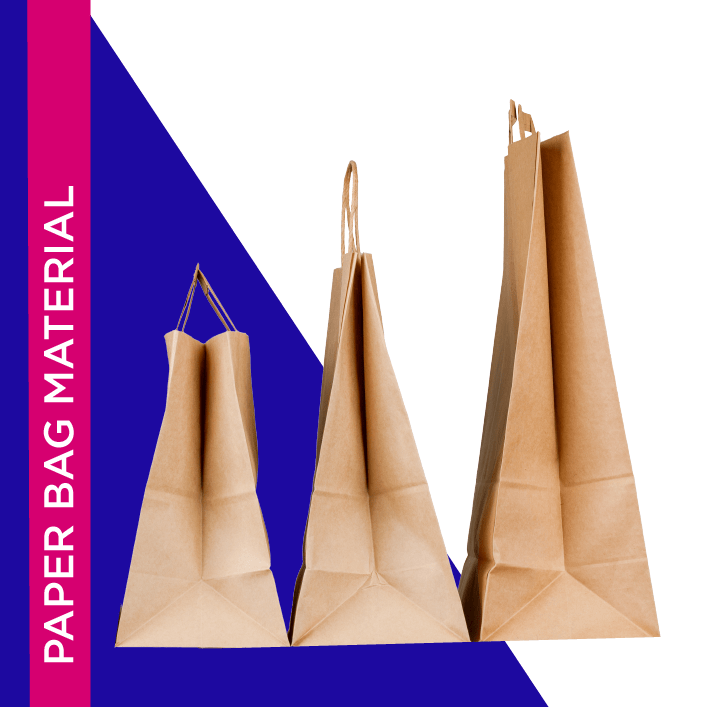
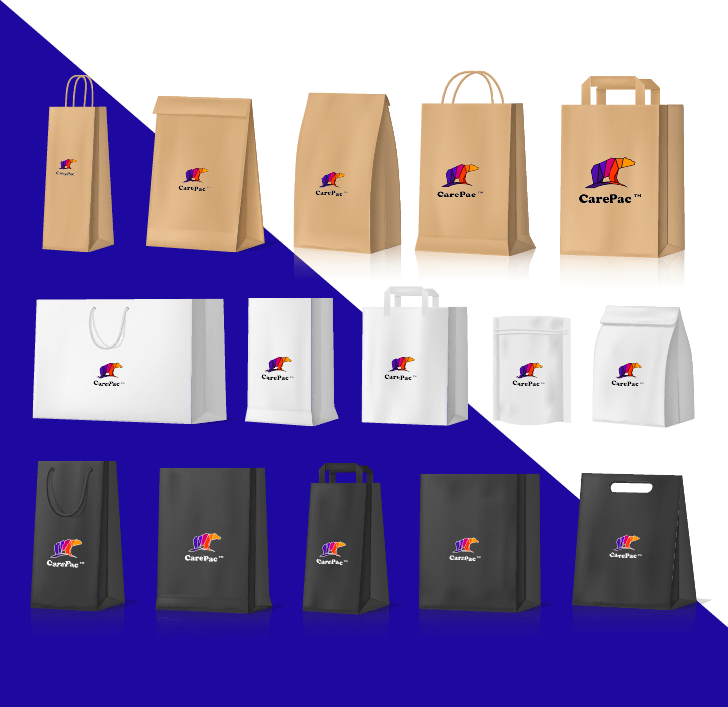
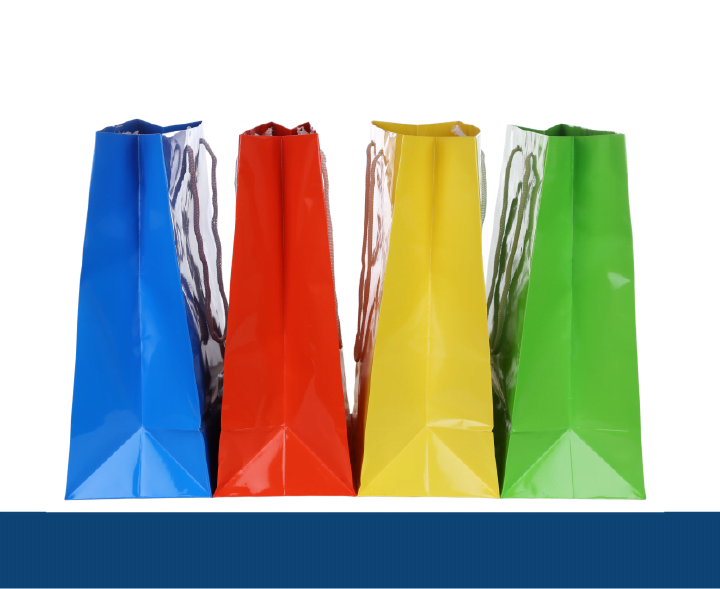
    A family group shot of all the different types of Custom Shopping Bags Carepac offers

    This is another common material used for shopping bags. It’s a little thicker than Kraft paper, typically flailing between 80-250g/square meters. It is also softer than white cardboard and can be coated on one or both sides. One of the primary benefits of coated paper is that ink latches onto the paper better, so it’s a great choice for companies that plan on using a lot of color on their bags. 

    Common paper bag types

    So, now that you understand the different types of paper bag materials, we think it’s important to explore the different types of paper bags made and their applications. Here are some of the most common paper bag types and their uses: 

    Stand on shelf bags

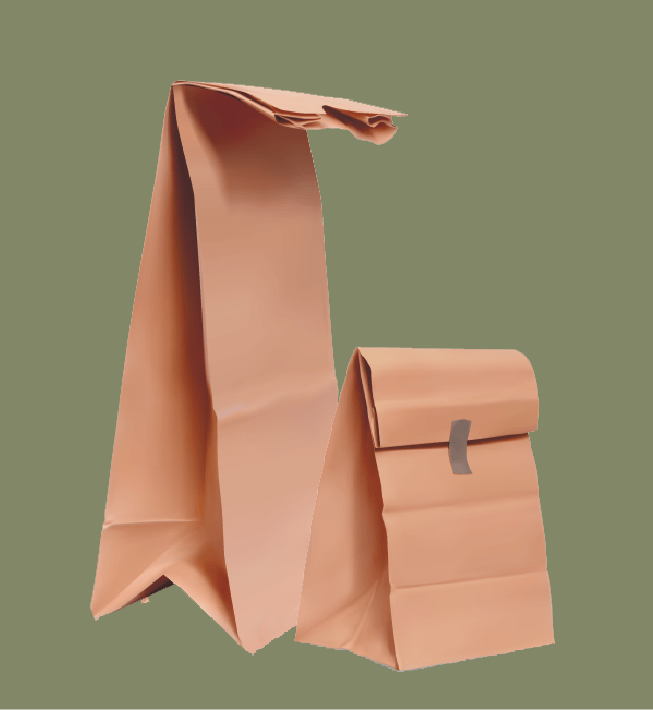
    Sometimes called SOS bags, these are most often used for carrying food and drinks (think: brown paper bag lunches!) SOS bags come in a wide range of colors and are a great option for companies looking to package their products in an affordable and attractive way. 

    Pinch bottom bags

    Similar to envelopes, these bags are most commonly used in bakeries. They tend to have a built-in grease-resistant lining, making them a great option for packaging food. 

    Merchandise bags

    Retail chains and smaller brick and mortar shops both use merchandise bags to package their products and clothing. Sometimes online retailers ship their products in merchandise bags, too! They’re colorful, stylish, and often include the name or logo of the shop. 

    Party bags

    These take the shape of standard Kraft paper bags but are bright and colorful – perfect for parties and to package gifts. 

    Mailing bags

    These bags are used to ship small and large items, and often have a self-adhesive stirp for easy sealing and mailing. 

    Recycled bags

    Like the bags mentioned in the previous section, these are manufactured from recycled materials (paper) or other waste materials (sugarcane pulp.)

     FAQ on Brown Paper Bags

    As one of the largest manufacturers of packaging, including paper bags, we get a lot of questions from prospective customers about our bags. Here are a few of the most frequently asked questions about paper bags in particular. 

    Q: Are all paper bags eco-friendly? 

    Yes, since paper bags are made from a natural material (paper) that easily degrades over time or recycled materials, paper bags are an eco-friendly packaging option for your organization. Some dyes are difficult to recycle, so check with CarePac before customizing your bag if recycling is important to you. 

    Q: Are all paper bag materials safe? 

    If you’re purchasing food-grade paper bags, yes — they are safe to come into contact with food and drinks. Some bags, though, particularly coated bags, can be toxic if burned.

    Q: What other options can I add to my bags? 

    At CarePac, we’re all about customization! This means you can add your logo, an image, brand colors, or other design elements to your bag. Some of the customizable features we can add to bags include zippers and hang holes.

    The CarePac Guarantee

    Still not sure? CarePac focuses exclusively on barrier bags and custom packaging for a variety of industries, from cannabis wholesalers to food and beverage distributors. We have exceptional customer service reps who are committed to making sure your order bundle is completed to perfection. With our CareDesign® process  you can rest assured that your barrier pouches will be done right, no matter what. 
    Ready to experience the CarePac difference? 
    We think now is the right time to give us a try.
  • How is Commercial Cannabis Dried

    How is Commercial Cannabis Dried

    How Is CommercialCannabis Dried – Cannabis Drying Tips

    Cannabis Growing and Processing Strategies

    Although cannabis growing and processing strategies vary from one facility to the next within the hemp industry, all cannabis companies have the same goal: to provide the best-quality cannabis at an affordable price. By doing so, more and more people can take advantage of cannabis’ medicinal properties without having to worry about the affordability.

    One very important area of the cannabis lifecycle that’s often overlooked and doesn’t vary much between wholesalers is the drying and curing process. Whether you’re a new company in the cannabis space or a curious customer that’s wondering how their favorite cannabis strain is harvested and dried, this blog is for you. Read on to learn more about how commercial cannabis is dried before distribution.

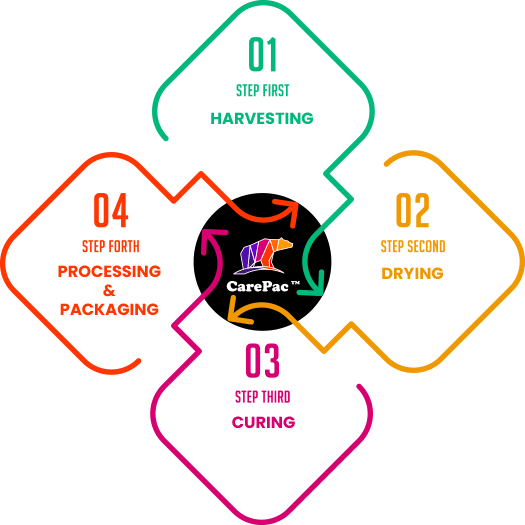
    Step 1: Cannabis Grow & Harvesting

    First things first is harvesting. During harvesting season, usually late September into October, cannabis farms throughout the United States begin harvesting their cannabis crops. This time of the season is often affectionately referred to as “Croptober” since it combines the words “crop” and “October.” Please note: Croptober is for sun-grown/outdoor cannabis only — indoor cannabis can be harvested at any time, as the lighting, humidity, and other elements that promote growth can be manually adjusted. 

    To learn more about Croptober, check out this blog.

    Step 2: Cannabis Drying

    Once the cannabis is harvested, it’s time for drying cannabis on racks or bins. During cannabis drying, the initial moisture is removed from the plants via traditional drying methods. During drying, cultivators hang the whole plant or wishbone-shaped branches to dry when they’ve cut it down, and this is done in an environmentally controlled space. This is one of the most important, if not the most important, aspects of the cultivation process. If rushed or done incorrectly, the quality of your end product can be severely impacted. In some cases, an improper drying process can lead to cannabis that’s unusable. 

    When it comes to drying via traditional drying methods, the environment where drying takes place is everything. Drying always occurs indoors because cultivators must be able to control all environmental factors, from temp and humidity to light and airflow. Although most commercial growers dry their plants in 10 days or less, it’s not uncommon for drying to take as long as 21 days or as few as 5. The actual length varies less than the end product — a properly dried cannabis plant.

    Step 3: Curing

    Once cultivators have completed the drying process, it’s time to move on to the next step: curing. Curing is important because, although drying does remove excess moisture, there will always be additional moisture that needs to be removed. 

    The curing process removes any remaining moisture, by encouraging it to move from the center of the plant toward the outside of the buds. Each grower has their own cure method, and most cultivators learn how to cure from someone on the team who has done it before. 

    Not only does curing involve knowing the perfect temperature and humidity levels, but it also requires special containers, equipment, and environmental monitoring. Curing has many benefits, including: 

    • It helps improve the taste 
    • It preserves and enhances terpenes and cannabinoids
    • It breaks down sugars that can encourage mold growth 

    Ultimately, curing recreational retail hemp is important because it makes your product better, tastier, and less prone to mold.

    Step 4: Processing and packaging

    Once cannabis is harvested, dried, and cured, it’s time to process and package. Processing refers to getting the cannabis ready for whatever its intended purpose is — trimmed for smokable hemp flower, ground for pre-rolls or edibles, or turned into a distillate for vape cartridges or oils. Afterward, the product is packaged for sale and distributed to dispensaries.

    Cannabis Curing & Drying Process FAQs

    Here are some common cannabis drying, curing, and processing FAQs.

    Q. How long does cannabis need to be dried on racks?

    The average drying time is about ten days, although some cultivators dry for as few as five days and others as long as 21 days. The amount of drying time doesn’t matter — what matters is that the cannabis is properly dried before being cured, and, ultimately, processed, packaged, and sold.Q. How long does cannabis need to be dried? As cannabis dries, any excess moisture is released from the plant. By removing this moisture, the plant won’t attract mold or mildew and will last longer on the shelves. If you’ve ever come across moldy cannabis, this is almost always the direct result ofimproperly drying and curing.

    Q: What are the perfect conditions for dryingcannabis?

    To effectively dry cannabis, there needs to be the perfect blend of lighting, humidity, and airflow. Those conditions vary from cultivator to cultivator and are adjusted depending on the moisture content of the cannabis they harvested.

    Q: Can cannabis complete drying in 2 days? 

    No, in most cases cannabis won’t be dried in two days, and especially not faster. The industry’s average is around 10 days we don’t recommend drying cannabis for anything less than five days. In some cases, it generally takes three to four weeks to properly dry and cure cannabis. 

    Q: Can you dry bud too long?

    Yes, just like you shouldn’t dry cannabis for only two days, you shouldn’t dry cannabis for longer than a month. Like under-drying, over-drying can also cause mold to grow.

    Q: Can you dry buds without hanging them?

    Yes! If you prefer not to hang your buds to dry them, you can trim them and use a flat rack. Flat racks are circular and have layers of mesh, which is ideal for airflow. If you use the flat rack method, the buds should be checked every 2-3 days. Note: this methodrequires that the buds be trimmed before drying.

    Protect your product with the right packaging     

    Properly drying and curing cannabis occurs after harvest is only the first step in producing quality smokable flower and protecting cannabis from mold, mildew, and other environmental contaminants. Ensuring that you’re using the right cannabis packaging is just as important. All custom cannabis packaging should protect the cannabis within from exposure to the elements, including air and light, and should be resealable so customers can close their package and keep their cannabis fresh in between use.

    For the best cannabis packaging on the market, look no further than CarePac. As a California-based company, we were an early adopter and have had time to perfect our cannabis packaging. The process is simple, our customer service team is helpful, and we offer many different sizes, styles, and bag materials. To get the process started, get an Instant Online Quote today!

    Overwhelmed withall the options?

  • Cannabis as a Consumer Packaged Good

    Cannabis as a Consumer Packaged Good

    Is Cannabis a Consumer Packaged Good? | Cannabis as a CPG

    Legal Cannabis as a CPG

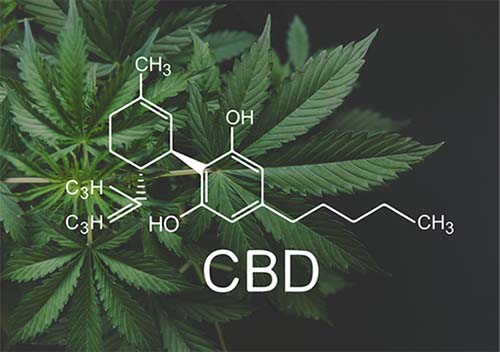
    If you live in a state that has a legal cannabis market, it’s a game-changer for the consumer packaged goods (CPG) industry. Why? Well, basically every single mainstream product on the shelves, from lotions and shampoos to drinks and snacks, can be infused with tetrahydrocannabinol (THC) or cannabidiol (CBD), the most common (and popular) cannabinoids found in cannabis.

    Unless you’ve been living under a rock, you’ve probably seen (or even tried!) a product infused with CBD – it’s a billion dollar cannabis industry! Long heralded as the property of cannabis that “heals”, cannabidiol is growing in popularity. In fact, major food and beverage companies and brands — including Ben and Jerry’s, Coca-Cola, Hershey Co., and General Mills — have shown interest in incorporating CBD into their products. 

    Cannabis, particularly CBD, is no longer a product consumers use in secret. Now that it is legal in almost every state, you can guarantee that more and more CBD-infused products will pop up on the shelves. So, what does this mean for the billion-dollar consumer packaged goods CPG cannabis industry? Read on to learn more.

    It All Started With The 2018Farm Bill Impacting CBD Market

    The 2018 Farm Bill, officially The Agriculture Improvement Act of 2018, was groundbreaking for the cannabis industry. It authorized the industry to produce hemp and removed hemp and hemp seeds from the DEA’s schedule of controlled substances. Additionally, it directed the USDA to issue regulations and guidance to implement a program to create a consistent regulatory framework around the production of hemp in the United States. 
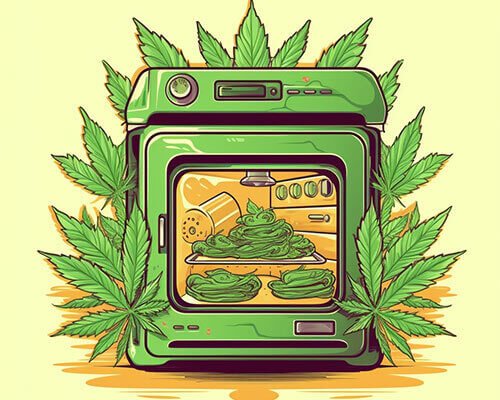

    Although it did not legalize cannabis to the level it’s legalized today (cannabis with THC was still illegal!), it did pave the way for a billion products containing CBD to become more mainstream and make their way into the legal cannabis market. Without the 2018 Farm Bill, cannabis as a consumer packaged goods CPG wouldn’t exist. 

    Snacks As A ConsumerPackaged Good

    Cookies. Crackers. Candy. What do they all have in common? Well, they can all be infused with CBD, and in states where marijuana is legal beyond just CBD, they can even be infused with THC. Beyond CBD and THC-infused snacks themselves, it’s no secret that using cannabis can increase your appetite. This means that if cannabis is legalized in your state, you can expect snack sales to go up. In fact, Nielsen data shows that the growth rates for candy and snacks are rising faster in areas where cannabis is legal for recreational use than in states that haven’t yet legalized it.
    Whether customers are snacking ON cannabis or snacking AFTER they use cannabis, one thing is for sure: the legalization of American and Canadian cannabis will increase the demand for packaged snack foods in one way or another.

    The Cannabis Market And C​ustomersAre Diverse

    The other important thing to consider is that mainstream cannabis consumers are super diverse. Although the average cannabis consumer is men and women in their early 40s, individuals as young as 18 and as old as 100+ use cannabis, either in its flower form or in more mainstream lotions or foods infused with CBD and THC.

    Although 26% of consumers purchase their products at a dispensary, 18% purchase them online and 9% at the grocery store. All this to say: as with other CPGs, how you package and present your product to the public is essential. The cannabis market is saturated with competition, so standing out from the crows through superior and stylish packaging is a must.

    Cannabis As a CPG FAQ’s

    Here are some frequently asked questions about cannabis consumers and cannabis as a consumer packaged good:

    Q. Who is the typical cannabis consumer?

    Data shows that there is no typical cannabis consumer, as many different people use cannabis for many different reasons. Although most users are in their 40s, it’s legal for individuals as young as 18 or 21 to use cannabis or cannabis-infused products. It has also been growing in popularity among senior citizens and the elderly. 

    Q: What is a CPG business?

    A CPG business often produces on a large scale and with a short lifespan. CPG companies sell their goods to retailers, who then sell directly to consumers. They often rely on big data technology and analytics to perfect their products and marketing and improve their CPG economic indicators. 

    Q: Which state consumes the most cannabis?

    Unsurprisingly, big data and market performance shows that the states with the highest cannabis consumption are states with legal cannabis sales. The number one state is Oregon, followed by Colorado, Vermont, Maine, and Alaska.

    Q: What do cannabis consumers want?

    Most cannabis consumers want a potent product at a low price. To help keep costs down, we recommend partnering with CarePac for your cannabis packaging needs. With low MOQs and competitive pricing, we can help you keep your costs down.

    Q: Which country consumes the most cannabis?

    As of 2022 news, Chile consumes the most cannabis, with Canada, Papa New Guinea, Israel, and Australia rounding out the top 5. The United States is #9 on the list of countries that consume the most cannabis. 

    Q: What age group uses cannabis the most?

    Although all age groups use cannabis, big data and market performance show it is most prevalent among users 18-25

    Don’t forget retail cannabis itself as a CPG

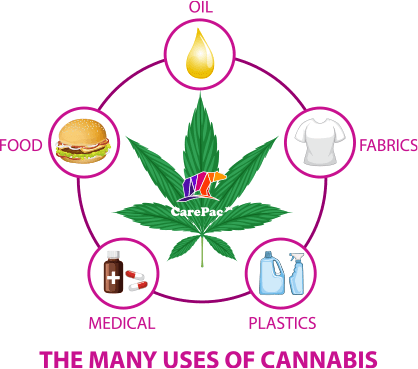
    Though most of this article has focused on items infused with CBD and THC, it’s important to note that cannabis itself needs to be packaged and has an influence on the CPG industry. After all, cannabis as the product itself remains foundational to cannabis as  CPG. Cannabis comes in so many forms (flower, edibles, drinks, vapes, oils, etc.), and each type of cannabis product needs to be packaged in a way that’s compliant with the cannabis industry laws and regulations.People tend to use cannabis for many different reasons, from pain relief or medical purposes to those who use it as a replacement for alcohol or nicotine during a night out with friends. Cannabis can also be used topically, either through creams infused with CBD or by rubbing a tincture into your skin.All this to say: not only are cannabis-infused products a CPG but so is cannabis itself and in many different formats. Whether you package cannabis itself or products infused with cannabis, you need to package it in a stylish and compliant way.

    Trust CarePac With Your Cannabis Packaging

    If you’re interested in cannabis as a CPG, we’re your one-stop shop for weed packaging of all shapes and sizes. Whether you’re packaging edibles, flower, vape cartridges, or anything in between, our selection of stand-up pouches and other types of cannabis packaging are guaranteed to exceed your expectations.

    All our packaging can be custom ordered or, for quicker delivery, purchased in standard sizes. Want to learn more? Reach out to us today, or get an Instant Quote now. 

  • Foods To Package in Mylar

    Foods To Package in Mylar

    Foods to Package in Mylar Bags | Mylar Food Storage

    Mylar Bags for Long-TermFood Storage: A Guide

    Ever noticed that “space food” and camping/hiking “survivalist” type foods are often packaged in shiny mylar packaging instead of plastic bags? Well, it isn’t because it looks futuristic — it’s because mylar packaging is accessible and is simply the best packaging and long-term storage method for sundries and dry foods like rice, beans, and flour. In fact, some foods packaged in mylar can last for up to 30 years, and others can even be kept indefinitely!

    In this guide, we’ll discuss why mylar packaging is ideal for long term food storage, what types of food can be packaged and stored in custom mylar bags, which foods should NOT be stored in mylar, and how to select the mylar packaging that’s right for your meal. Learn more about how to store food in mylar. 

    Using Mylar to Store Food

    Mylar packaging is made from several layers of laminated food-grade plastic and aluminum. The fact that there are multiple layers means that the food inside is protected from exposure to oxygen and the elements. They’re ideal for long-term food storage for a few reasons. First, they are very strong and can resist punctures, rips, and tears, at least to a degree. Second, the material is flexible, meaning you can store foods of many shapes and sizes in mylar. And finally, it has built-in barrier properties. As mentioned above, this means the food inside is protected from light and air. 

    If purchased from a company like CarePac, mylar bags are also an economical choice to store food, as you can purchase them in bulk and save money. But, you also aren’t tied to large quantities with CarePac, as we’re proud to offer low MOQs for small companies or product runs. 

    Advantages and disadvantages of storing food in a mylar bag

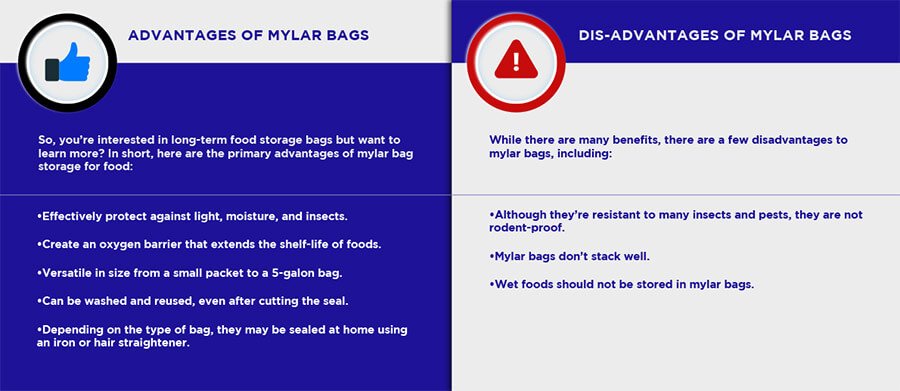
    As you can see, a sealing mylar bag is best for dry food storage, such as nuts, crackers, dehydrated fruits and vegetables, and sundries, like flour and rice. We’ll discuss which foods can be stored in a mylar bag (and for generally how long) in the next section.

    Which foods can be stored in mylar bags?

    Dry, low-fat foods can be stored in mylar food bags long-term. Any food with moisture content may start to go bad in mylar bag storage, and there is a risk of botulism if food is packaged and stored incorrectly. All food should be stored with an oxygen absorber, and only foods with 10% or less moisture content can be packaged in mylar bags with an oxygen absorber. Here is just a small sampling of the types of food that can be stored in mylar food bags long-term with an oxygen absorber and how long you can expect them to last: 

    Common Mylar Bag Food Storage Times
    Less than 1 year:
    • Nut
    • Chip
    • Chocolate and candy 
    • Brown rice
    1-3 years:
    • Dehydrated meat
    • Dry biscuits
    • Crackers
    • Roasted coffee beans (if placed in the freezer)
    3-5 years:
    • Baby formula and powdered milk
    • Cornmeal
    • Ground herbs
    • Sprouting seeds
    • Unroasted coffee beans
    5-10 years:
    • Granola
    • Herbs (whole)
    • Quinoa
    • Peanut butter powder
    • Powdered egg
    • Unbleached flour
    • Wheat flakes
    10-20 years:
    • Black-eyed peas
    • Buckwheat
    • Powdered butter/margarine
    • Chickpeas
    • Cocoa powder
    • Flax
    • White flour
    20-30 years:
    • Instant coffee
    • Freeze-dried fruit and veggies
    • Lentils
    • Lima beans
    • Noodles and pasta
    • Rolled oats
    • Tea (bags or loose)
    • White rice
    Indefinitely:
    • Baking soda
    • Baking powder
    • Honey
    • Salt
    • Sugar

    Please note: the list above is a generalization, and assumes that the food was initially preserved, packaged, and stored correctly. If the bag is bulging, this is a sign that bacteria is growing inside, and the bag should be thrown awayimmediately.

    Which Foods CANNOT Be Stored In Mylar Bags?

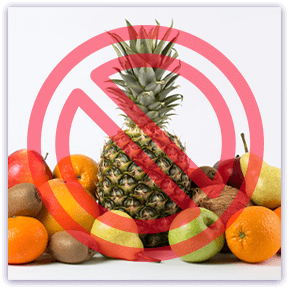
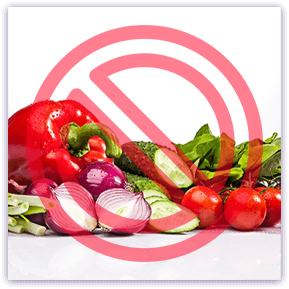
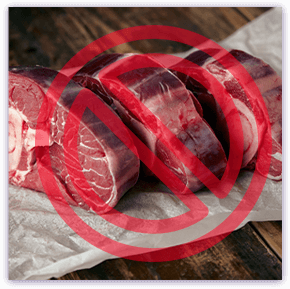
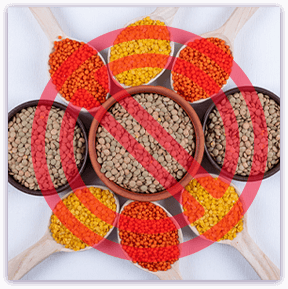
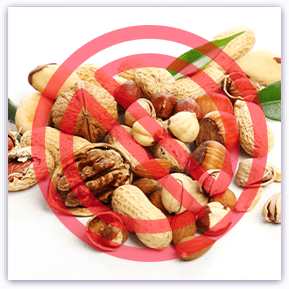
    Due to their moisture content and the risk of botulism, any foods with more than 10% moisture content cannot be stored in sealing mylar bags and should be stored in another type of bag, like plastic bags. Fruits and vegetables must be dehydrated before storing, and meats, nuts, and legumes will go rancid regardless of how they’re prepped or stored.

    Mylar bags for food storage: FAQs

    Here are some common questions we receive about packaging foods in mylar bags for long-term storage:

    Q. How long will foods last in mylar bags?

    If prepped and stored correctly, some foods can last up to 30 years in mylar bags. Foods like coffee beans and brown rice can last 1-3 years, while items like baking soda/powder and salt can last indefinitely in mylar bags.

    Q: How long will pasta last in mylar bags?

    On average, noodles and pasta can last 20-30 years in mylar bags.

    Q: Which foods cannot be stored in mylar bags?

    Anything with moisture content that exceeds 10% cannot be stored in mylar bags. This includes fruits and vegetables, meats, nuts, and legumes.

    Q: What foods are best stored in mylar?

    Dried foods (10% or less moisture content) are best stored in mylar bags. This includes rice, flour, pasta, granola, beans, rolled oats, coffee, and tea.

    Purchase food storage mylar bags at CarePac

    So, interested in long-term food storage bags but aren’t sure where to start? CarePac has you covered with our wide selection of mylar food bags. Shop our selection today! If you plan on customizing your bags, we’ve got you covered there, too. We can add custom colors, labels, tear notches, or anything else you’d like to add to your bags. Get an Instant Quote now to get started. 

  • CareCompost-PVP

    CareCompost-PVP

    CareCompost-PVP

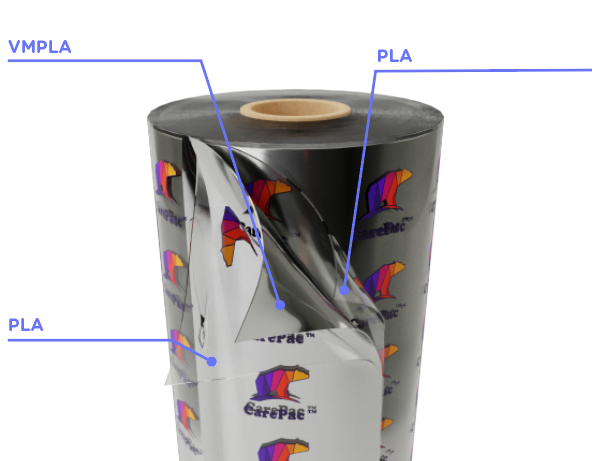
    PLA/VMPLA/PLA Lamination Overview

    This film is a multi-layer Poly-Lactic based laminated compostable metalized film providing enhanced barrier to oxygen and moisture over un-metallized PLA with an attractive price point and more reliable supply chain than other high barrier compostable films. Great for plate printing. 

     This FDA approved film has minimal stretch due to the orientation of layers during the laminating process. The material consists of a lamination of PLA/MetalizedPLA/PLA.

    Note: The performance of any film will be influenced by a number of factors and testing must always be performed to ensure the film meets the use.

    Relative Performance Indications

    Oxygen Barrier

    Moisture Barrier

    Light Barrier

    STrength

    Compostable

    Material Data

    Here are some of the common indicated properties for this film.

    Film Property

    Standard / Test / Unit

    Sample Data

    Available Thicknesses

    Caliper

    4.33 mil

    Composability

    ASTM D6400:2012-01

    Pass

    MVTR / WVTR

    JIS Z 0208

    <10 g/㎡.24hr

    OTR

    JIS Z 1707

    <8 cc/㎡.24hr

    Tensile MD

    ASTM D-882

    >42

    Tensile XD

    ASTM D-882

    >42

    Tear MD

    ASTM D-1938

    >1.6

    Tear XD

    ASTM D-1938

    >1.2

    Elongation at Break

    AST D-882

    >20 MD / >30 TD

    Sealing Bond

    Standard test

    PLA/VMPLA/PLA >350 g/15mm

    All values indicated regarding film properties or characteristics, were provided by our film supplier and are given as an indication and should be considered as average indicative values. This document is based on our film supplier statements and / or independent lab testing, data from multiple tests, or different film suppliers of the same film family may be combined in the above table. While unexpected, it is possible that the validity of the statements could change without notice.

    Environmental Impact

    This is a film intended for composting. If properly disposed of this film will compost and return to usable soil. Compostable films are not recycable. 

    Property
    Sample Data

    Recyclable

    No

    PCR Option Available

    No

    At Home Compostable

    Managed

    Commercial / Industrial Compostable

    Yes

    Heavy metal(Pb)4% Acetic acid,60℃,2h

    <1 Pass

    Recyclability and composability varies by jurisdiction. Composability claims are limited by law, and vary by jurisdiction, consult a qualified professional in your state. 

    Compliance

    Compliance is important, and here are CarePac we can support your compliance needs with extensive film supplier and lab testing data.  
     

    BPA FREE

    FDA Food Approved

    PROP 65

    Property
    Sample Data

    CEPE/EuPIA

    Manufactured in accordance with

    Cal. H&S (25214.16)

    Compliant

    PFAS – perfluoroalkyl and polyfluoroalkyl § 37-0209, RCW 70A.222.070

    Does not knowingly add

    Prop 65 (OEHHA)

    Does not contain listed substances

    SR 817.023.021

    Not in excess of overall or specific migration

    EU directive 10/2011/ED

    Compliant

    EU directive 1935/2004

    Compliant

    FDA 21 CFR 73

    Compliant

    Cal. H&S (25214.16)

    Compliant

    RoHS Directive 2011/65/EU

    PASS

    Compliance information above is derived from lab testing, or film supplier statements. Independent verification is advised, and Lot specific testing available