Blog

  • Packaging Procurement Strategy: Choosing the Right Packaging Partner

    Packaging Procurement Strategy: Choosing the Right Packaging Partner

    Packaging Procurement Strategy: Choosing the Right Packaging Partner

    What is a Packaging Procurement Strategy?

    A packaging procurement strategy is a systematic approach to sourcing and acquiring packaging materials and supplies. At its core, the packaging procurement process aims to find a balance between cost-effectiveness, material quality, and operational efficiency. 

    A company’s packaging procurement process impacts several areas of the business, including supply chain resilience and overall business performance. When done correctly, it can also improve their competitive advantage, help streamline operations, and enhance their sustainability goals. 
    Businesses need to take a structured approach to their packaging procurement efforts because it plays a vital role in every business operation. Key elements include supplier collaboration and selection, material sourcing, quality assurance, logistics, and technology. If your business puts an emphasis on customized packaging solutions, it’s time to consider implementing a packaging procurement strategy.

    How to Establish Your Packaging Procurement Process

    Are you looking to improve your existing packaging procurement process? If you want to enhance supply chain resilience by improving your packaging solutions, here are some tips.

    Evaluate Your Current State

    Before you can make more efficient packaging procurement for your company, you’ll need to evaluate where you’re currently at. To thoroughly assess the current state of your packaging procurement, you can analyze your spending trends, identify your key suppliers, and honestly assess your current process. Identify what’s working, what’s not, and what you think can be changed.

    Engage Team Members Across the Company

    Evaluating or finding a packaging supplier is a cross-functional process that involves every part of your organization. If you’re evaluating packaging material quality and other packaging details on your own, consider using collaboration tools like a shared document or project management software to get others involved. You should be regularly reviewing your processes with others on an ongoing basis.

    Analyze Your Current Packaging Solutions

    From packaging printers to the different suppliers involved in designing and manufacturing your packaging solutions, you need to make sure to assess the capabilities of your existing procurement teams. What are their strengths and weaknesses?

    Minimize Planning Fallacy

    Planning fallacy isn’t often discussed, but it’s a major issue within the packaging industry. It also impacts everyone from procurement teams to the print provider and everyone in between. People always underestimate how long it will take to get packaging. They underestimate the utilization and almost always purchase less than they will actually use. This is one major benefit of working with a packaging partner with a lead time menu.

    Develop a New Framework

    Now that you’ve analyzed your existing state, gotten various stakeholders’ feedback, and understand the impact planning fallacy has on your packaging supply chain, it’s time to use all that intel to develop a brand new framework. Things to include: a clear strategic sourcing process, your desired results, a clear timeframe, define roles and responsibilities for various team members, and any technology solutions you’ll be using as part of your new strategy.

    Execute, Execute, Execute

    With a clear strategy in place, the final step is execution. Communicate the strategy, make sure your employees are trained, assign responsibilities, and monitor progress. Consider outside elements like customer satisfaction, transportation costs, a customer’s location, your carbon emissions, and other aspects as you execute your new packaging vision.

    Managing Inventory for Packaging Success

    Managing inventory properly is an essential part of the packaging process. You want to source eco friendly packaging materials in the right volume, so you aren’t running out of packaging too quickly. But, at the same time, you don’t want to purchase too many packaging materials and have to pay extra for storage. There is a fine balance, which is why minimizing planning fallacy is so important. 

    By working with a professional and experienced packaging supplier, you can avoid some of these pitfalls. Leverage their tools and expertise and seek advice on the right packaging materials (and volumes) for your job.

    The Role of Software in Packaging Procurement Strategy

    So, you’ve found the best packaging supplier and have ensured your packaging solutions align seamlessly with your company’s larger goals. If you’re not using a procurement software solution, it’s time to enter the 21st century. A robust procurement process utilizes technology, like specialized software, to enhance their organization’s procurement strategy. 

    Look for procurement software that’s functional, scalable, user-friendly, can integrate with your existing platform of tools and technology, and offers robust security features.
    Choosing the Right Packaging Supplier for Your Business

    Selecting the right packaging supplier is just as important to your procurement strategy as finding opportunities to reduce costs or enhance your brand image. Whether you’re seeking food safe folding cartons, packaging that meets the regulatory compliance standards in your industry, or hope to find packaging options that will help minimize waste, finding a packaging supplier you can trust is key.

    When evaluating potential partners, consider these essential factors: 
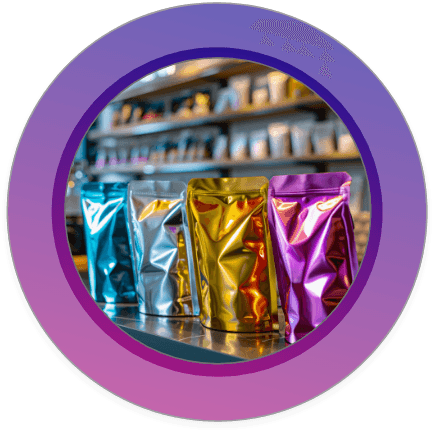
    Materials​​​​

    Does your packaging provider offer high quality materials? What about eco friendly materials that can help enhance your sustainable practices? Your supplier should offer packaging to suit your diverse product lines, and should offer several options to support consumer preferences.
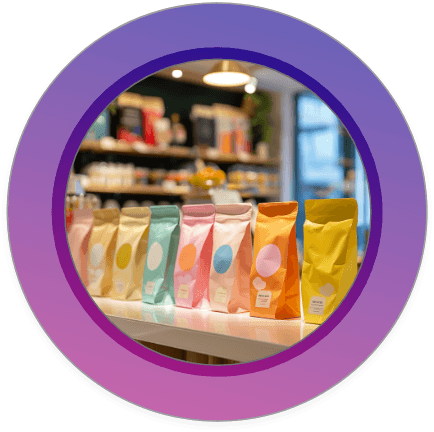
    Customizabili​​​​ty

    If your packaging partner can’t customize your packaging to enhance your brand’s essence, it’s time to find a new partner. A good supplier should offer tailored solutions, including sizing, printing, and design flexibility. 

    Production & Lead Times

    If your supplier isn’t consistent with their delivery schedules, it’s time to find one who is. We provide a clear lead time menu so you know exactly what to expect and how long you’ll be waiting for your finalized design files and packaging.

    How CarePac Delivers Tailored Packaging Solutions

    We specialize in custom, flexible barrier packaging designed to meet the unique needs of businesses across industries. With a focus on quality, compliance, and customization, CarePac helps brands create durable, visually appealing, and functional packaging solutions. Whether you need stand-up pouches, child-resistant bags, or eco-friendly alternatives, CarePac offers flexible MOQs, fast lead times, and expert guidance to ensure your packaging aligns with your business goals.

    Want to learn more? Explore our custom packaging solutions today!
    Let’s Get Started

    Made In The USA

    Full PouchCustomization

    Scalable Printing Digital & Plate

  • LTL Shipping Tracking and FAQ

    LTL Shipping Tracking and FAQ

    LTL Carrier Tracking & Freight Shipping FAQS

    What is LTL Freight?

    LTL stands for “less-than-truckload” and refers to a freight shipment that consists of goods, commodities, or cargo that weights more than 150 pounds, but less than a full truckload. This type of shipment is usually shipped on pallets and, as the name suggests, is shipped via semi truck and only requires a portion of the truckload or trailer space. This type of shipping is often considered less urgent, which is why reliable shipping and tracking is so important.

    Carrier Tracking Links

    To make tracking your truckload shipping needs even easier, below is a list of LTL tracking pages with links. By clicking the links below, you’ll be able to more accurately access and track the freight shipping documents that were provided to you by your carrier. This way you can track your shipping status and you’ll be better prepared when your products do finally arrive. 

    FedEx Priority

    TForce Freight

    Numark Transportation

    XPO

    Estes Express

    YRC Freight

    R+L Carriers

    Dependable Supply Chain Services

    Central Transport

    Total Transportation & Distribution, Westset Logisitics

    SAIA LTL Freight

    Old Dominion Freight Line

    Reddaway Freight

    LTL FAQs

    Here are some common LTL questions we receive from businesses regarding their freight shipping and packaging.

    Let’s Get Started

    Made In The USA

    Full PouchCustomization

    Scalable Printing Digital & Plate

  • Contract Converting Services Tailored to Your Packaging Needs

    Contract Converting Services Tailored to Your Packaging Needs

    Contract Converting Services Tailored to Your Packaging Needs

    What is Contract Converting?

    Contract converting is the process in which manufacturers (like you) outsource their converting needs to a third-party provider (like us). Instead of doing all the converting in-house themselves, manufacturers can ship their materials to a third-party company that will convert the materials on their behalf. It’s easy, cost-effective, and can help free up time to focus on important pursuits like gaining more customers or improving your cashflow.

    CarePac’s Converting Capabilities

    CarePac is proud to be expanding our service offerings to include several common contract converting services for laminated barrier plastics, including:

    Slitting

    If you’re seeking a high quality custom slit, we can certainly help. Send your materials to us and we’ll help you cut wide rolls of material (Kraft paper, film, foil, fabric, etc) into narrower rolls or slits. Contact us to learn more about our custom slitting options.

    Laminating

    We offer solventless laminating of printed and non-printed skins to base materials such as VMPET, AL, or NY.

    Die-Cutting

    We can help cut, shape, and form your raw fill stock into specific shapes or patterns through our die-cutting contract converting services. Whether you need die-cutting for pouches big or small for your retail or promotional items, contact us today to learn more.

    Converting

    Most importantly we offer pouch converting of your roll stock into finished pouches.

    Stand Up Pouches

    Flat Pouches

    Other Pouch Configurations

    At CarePac, we have access to state-of-the-art equipment and use the latest technology to help support you with your contract converting services. Whatever challenge you have, contract it to us and we’ll offer you exceptional service and quick turnaround.

    Industries We Serve

    There are several industries that can benefit from CarePac’s converting services, including food and beverage, health and wellness, beauty and personal care, pet food, and industrial applications. We offer tailored solutions for specific industry needs, and will earn our customer trust by listening carefully to their needs. For a full look at the industries served by CarePac, browse our website.

    Why Choose CarePac for Contract Converting?

    By partnering with CarePac, businesses can tap into the company’s extensive experience and expertise in converting materials and packaging. Here’s a deeper dive into the key benefits of partnering with CarePac for contract converting:

    Expertise and Experience in Packaging and Converting

    We bring decades of industry knowledge and technical expertise to the table, meaning we can handle complex converting processes with precision and efficiency.

    Commitment to Quality and Precision

    CarePac is committed to maintaining high-quality standards across all our contract converting services, ensuring that every product produced meets or exceeds client specifications, carefully executing with precision each toll converting job.

    Flexible and Scalable Solutions

     We understand that businesses have unique needs that can vary in scale, and we’re equipped to meet the demand. We can cater to short-run, custom orders as well as large, long-term projects with seamless scalability.

    Cost-Effective Services

    Partnering with CarePac provides cost-effective solutions without compromising on quality. Our production processes and inventory of high quality stock available for shipment allow us to offer competitive pricing on our converting services.

    Quick Turnaround Times

    Time is often a critical factor in business, especially when it comes to packaging and converting. We’re proud to offer quick turnaround times without sacrificing quality.

    Other converters might claim to offer all of the above, but our technical abilities go beyond what many other converters are able to offer. From our distribution logistics management to our knack for precision and exceeding expectations, we’re a cut above our competition.

    Our Process 

    Here’s a quick look at how we handle our contract converting projects:

    Initial Consultation and Needs Assessment

    The first step is understanding your requirements and objectives. During our initial consultation, we’ll work with your team to assess your needs.

    Material Selection and Sourcing

    With a clear understanding of your needs, we’ll move forward with selecting the most suitable materials for your project.

    Custom Converting Process

    Whether it’s slitting, laminating, printing, sheeting, or other specialized converting processes, we use advanced equipment and techniques to produce high-quality results.

    Quality Control and Assurance

    Quality is a top priority throughout every phase of the converting process and our dedicated quality control team inspects the materials, processes, and final products to ensure everything is defect-free.

    Packaging and Delivery

    We ensure that the final products are packaged securely and according to your specific requirements and coordinate the timely and efficient delivery to ensure that your products arrive on schedule and in perfect condition.

    Get Started with CarePac’s Contract Converting Services

    Are you ready to streamline your manufacturing process, improve product quality, and enhance your packaging solutions? At CarePac, we offer comprehensive contract converting services tailored to your needs, helping you transform raw materials into finished products that meet your exact specifications. Contact us today to get started.

    Contract Converting FAQs

    Can CarePac customize converting services to fit my needs?

    Absolutely! At CarePac, we understand that every project is unique, and we pride ourselves on offering customized converting services tailored specifically to your requirements.

    What Quality Control measures are in place?

    We are deeply committed to delivering high-quality products, and we have rigorous quality control measures. These measures include material inspection, quality testing, and final inspection.

    What is the typical lead time for contract converting orders?

    A typical lead time for contract converting orders can range from 2 to 4 weeks, depending on the complexity of the product and the volume of the order. This range can be shorter or longer, depending on several factors, so please contact us for a better idea of our lead times for your specific project.

    Let’s Get Started

    Made In The USA

    Full PouchCustomization
    Scalable Printing Digital & Plate

  • Meeting Food Safety Standards for Large-Scale Distribution

    Meeting Food Safety Standards for Large-Scale Distribution

    Meeting Food Safety Standards for Large-Scale Distribution

    Why Food Safety Standards Matter for Large-Scale Distribution

    Food safety is critical for large-scale operations because it protects consumers from potential hazards, can help prevent cross contamination, and reduce the likelihood of food-borne illnesses from inefficient processes or dirty equipment. Not only do food safety regulations protect consumers, but good manufacturing practices can protect food manufacturing companies from legal repercussions and severe damage to their reputation. 

    Regular inspections, refresher training courses, adhering to regulatory requirements, routine pest control, proper storage processes, equipment inspections, and good record keeping can reduce food safety risks and enhance consumer trust. Risks of non-compliance with established regulations for food manufacturing facilities include product recalls, health hazards due to an increased risk of cross contamination, legal issues, and a loss of consumer trust. 

    Fortunately, a comprehensive food safety manufacturing plan, including proper packaging and distribution practices across the food industry, is essential to preventing food-borne illnesses and maintaining consumer confidence. Even if your customer will end up cooking the food, the bulk of food safety falls on food manufacturing companies.

    Key Food Safety Regulations for Large-Scale Distribution

    Major food safety regulatory bodies in the United States include the FDA, USDA, and the Food Safety Modernization Act. These regulatory bodies provide general guidelines for food safety across many aspects of the food industry, including food production and food manufacturing, how raw materials are handled during manufacturing and distribution, and safe food handling practices. Below we’ll discuss a little more about these food safety procedures and processes.

    FDA Food Safety Standards

    The food safety guidelines outlined by the FDA focus on proper food manufacturing processes, including sanitation, hazard analysis, and critical control points for food production facilities. The FDA has very specific regulations for different food categories, including seafood, juice, frozen food, and quality standards for other foods. They also regulate the proper temperature a food thermometer needs to reach to prevent foodborne illnesses and things like avoid thawing chicken under cold water.

    Food Safety Modernization Act (FSMA)

    The Food Safety Modernization Act requires food facilities to develop and implement food safety plans and tips with hazard analysis and risk-based preventive controls. Key components of the FSMA include regulations for handling fresh produce and specific food safety temperatures during transportation.

    USDA Food Safety Requirements for Meat, Poultry, and Dairy

    The USDA food safety regulations focus on meat, poultry, and dairy specifically. Their corrective actions include mandatory inspections of meat and poultry processing plants, which includes pathogen testing and grading based on manufacturing quality. Not only do they focus on the food production process, but they also have strict guidelines for distribution of food products, so the meat, poultry, and dairy products are regulated throughout the supply chain.

    Food Safety Packaging Best Practices for the Food Industry

    When it comes to food packaging and safety, specifically, there are several food safety best practices to keep in mind. These are intended to protect the safety and quality of food products as they make their way through the supply chain. Below are a few things to keep in mind:

    Choose the Right Packaging Materials

    To adhere to the critical control points for food packaging, you’ll need to choose packaging that’s FDA-approved, durable, and leak-proof. Proper packaging can prevent raw materials from coming into contact with each other during transport and protects things like fresh beef and dietary supplements from spoilage during transport. Browse our materials here.

    Pay Attention to Barrier Properties

    By selecting the appropriate barrier properties, you can prevent moisture, oxygen exposure, and contamination. After all, what’s the point of going through risk assessment, training programs, and maintaining proper hygiene and equipment safety at the food manufacturing plant if your transport and storage practices cause the food to spoil before arrival?

    Use Tamper-Proof and Resealable Features

    Another important thing to keep in mind is adding tamper-proof or resealable features to your packaging. Although these safety standards aren’t mandated by the FDA or USDA, it can enhance food security during transit and throughout the food supply chain. The best food defense is taking the extra steps during both transport and during the manufacturing process.

    Preventing Contamination & Ensuring Safety Throughout Food Production & Distribution

    There are several food safety best practices to keep in mind as you package and distribute your product, whether you’re producing raw materials like flour or sugar or processed food products that are ready-to-eat. These corrective actions and internal processes can help ensure your products meet safety standards and protect the American food supply chain from major issues.

    Temperature control & cold chain logistics

    Ensuring proper temperature control and cold chain logistics throughout your operations can help keep perishable foods safe. Even if your customers will be cooking food to the appropriate temperature before eating, the responsibility still falls on you to maintain the proper temperature of your finished products during transport.

    Proper storage & handling

    If you haven’t already, you’ll need to come up with standards to help avoid cross-contamination in warehouses. Some standards to consider include how to handle dirty cutting boards, if your employees need to change clothes after coming in contact with certain raw materials, hygiene standards for your employees and contractors, washing hands with soapy water, ensuring running water in your facility is clean, and outlining other operations processes you can think of.

    Labeling & tracking

    Another thing you’ll need to ensure is accurate food product identification for consumers. Do your labels outline proper cooking instructions? Does it provide tips for keeping the food fresh and safe? Food safety might start with the individuals in the food manufacturing industry, but it ends with the consumer. Make sure they have the hygiene and sanitation tips they need for proper cooking, storage, or consumption.

    How CarePac Helps You Meet Food Safety Manufacturing Standards

    When it comes to food safety, compliance with food manufacturing regulations isn’t just important—it’s essential. Our food-safe packaging solutions are designed to help food manufacturing businesses meet strict FDA, USDA, and other industry standards. Our packaging is made from food-grade materials that meet regulatory requirements and will protect your food products against product contamination. This way, your food products stay safe for consumption throughout their life cycle. 

    We’re proud to provide custom packaging solutions for large-scale food distributors, whether you need packaging for bulk food distribution, ready-to-eat meals, or fresh food products, like fruits and vegetables. Choose barrier films, resealable pouches, and tamper-evident options to ensure the safety and quality of your food after manufacturing. 

    Don’t leave the safety and quality of your food to chance. Contact us today to find the right packaging solutions that will keep your business compliant and customers safe.

    Packaging for Food Safety: FAQs

    Here are some common questions we receive about food safety and how it is impacted by proper packaging.

    Lets Get Started

    Made In The USA

    Full PouchCustomization

    Scalable Printing Digital & Plate

  • FDA Food Packaging Requirements

    FDA Food Packaging Requirements

    FDA Food Packaging Requirements: What You Need to Know

    What Are FDA Food Packaging Requirements?

    The FDA regulates many aspects of the food supply chain, including how food products are packaged, labeled, and prepared. The FDA’s food packaging requirements ensure that food does not become contaminated by its cardboard or plastic packaging, is safe for consumers to eat, and doesn’t pose a health risk. This impacts packaging suppliers directly since this requirement regulates direct food additives and contact substances and ensures that food labels and packaging doesn’t change the food’s smell, taste, or composition. 

    Although the FDA does not require testing for all of its requirements, typically testing or vendor assurances are permitted for its packaging regulations for food products. In order to be FDA compliant, the FDA requires tests to ensure that the packaging material is safe for use in contact with food.

    Considerations when selling food products in the Global Market

    As you might imagine the FDA is not the only regulator of food products in the world. While the FDA has stringent standards there are other regulatory bodies that you should be aware of that also will regulate your food, its labeling, and container packaging. 

    Key FDA Regulations for Food Packaging Materials

    There are several specific regulations the FDA requires food packaging providers to comply with, these regulations are found in the CFR Code of Federal Regulations. There are various regulations from food contact material requirements, to nutrition facts label requirements, and the requirements for other information panel contents.

    Understanding FDA’s CFR Parts 170-199

    The FDA’s Code of Federal Regulations (CFR) Parts 170-199 are a set of rules and regulations that govern food products and drugs intended for human consumption. These parts focus on direct and indirect food additives, food additive petitions, and irradiation of food. These regulations are generally recognized as the holy grail of FDA regulations for food packaging suppliers.

    The CFRs worth noting for food contact are found in Title 21 and include: 

    Food Contact Substances and Indirect Food Contact Materials

    Food contact substances are exactly what they sound like: materials that come into direct contact with food during processing, packaging, transport, or storage. These substances are generally recognized as coatings, adhesives, and the packaging materials themselves. Indirect food contact materials are substances that do not directly touch food, but may still transfer to the food through migration. Examples of indirect food additives include inks, adhesives, and processing equipment coatings.

    Notifications and FDA Approval Process

    Food packaging manufacturers that want FDA approval for a new food contact materials must comply with the complicated food contact notification process outlined by the FCN program. This process means manufacturers need to notify the FDA of their intent to use a new substance in food packaging. The steps of this notification process are as follows: safety assessment and testing, submission of notification, an FDA review period, and final authorization.

    How FDA Regulations Impact Packaging Design and Manufacturing

    In this section, we’ll discuss how the FDA’s regulations impact the design and manufacturing of your product packaging and how manufacturers and suppliers can ensure your packaging is FDA compliant.

    Packaging Materials Approved by the FDA

    There are several materials that are approved by the FDA for food contact applications, including plastics, metals, glass, and paper and paperboard. Flexible barrier packaging, which combines several layers of these materials, is a great option: not only does it meet the FDA’s requirements but it offers superior protection against moisture, oxygen, the elements, and other contaminants.

    CarePac is committed to providing safe, compliant, and quality flexible barrier packaging solutions for your food packaging needs. We utilize FDA-approved materials that adhere to regulatory standards and are free from chemical or food additives.

    Why Meeting FDA Food Packaging Requirements is Critical for Consumers

    Meeting FDA food packaging requirements is critical for consumers because, at its core, it protects them from harm. Since these regulations prevent harmful substances from contaminated food, this means that the food consumers consume won’t pose a health risk. By complying to these regulations, not only are you avoiding litigation due to non-compliance, but you’re helping to build trust with your customers. This can help re-enforce your brand reputation.

    Steps to Ensure FDA Compliance for Your Packaging

    Ensuring that food packaging meets FDA food packaging requirements is essential for consumer safety and the compliance of your company. Here’s a quick checklist that can help you navigate the regulatory process effectively: 

    • Identify applicable FDA regulations
    • Select safe and approved materials and substances
    • Conduct in-house safety and migration testing
    • Submit documentation for FDA review
    • Maintain ongoing compliance by establishing an internal audit process

    By following these steps, you can ensure that your packaging materials meet the requirements outlined by the FDA. Additionally, the food itself should be free from harmful additives and the packaging may need to include a nutrition facts label that outlines things like saturated fat, the net quantity that’s inside the bag, and total fat.

    How CarePac Helps Packaging Manufacturers Meet FDA Requirements

    If meeting these regulations seems complex, it certainly can be. Fortunately, we can help. Our family-owned flexible packaging company specializes in custom printed barrier packaging for a variety of industries, including the food and beverage industry. By utilizing FDA-approved materials and adhering to regulatory standards, we can help ensure that your packaging is safe for direct food contact. This enables you to maintain compliance while delivering your high-quality product to consumers.

    Learn more about our flexible barrier packaging compliance and custom FDA food packaging. Ready to get started? Get a quick quote today!

    Let’s Get Started

    Made In The USA

    Full PouchCustomization

    Scalable Printing Digital & Plate

  • How to Master the Packaging Design Process

    How to Master the Packaging Design Process

    How to Master the Packaging Design Process: A Complete Guide for Businesses

    Introduction to the Packaging Design Process

    The packaging design process is critical for businesses, since the outer packaging of your product is often the first thing your target market sees. Whether they’re walking past your product at retail stores or opening their Amazon package, more and more customers seek out attractive visual elements in product packaging. Fortunately, your design production team can make a huge impact on the final version of your retail packaging with these design packaging tips.

    In this blog, you’ll discover a complete guide to the packaging design process for businesses of all sizes and in all industries. Learn how to create an impactful packaging design strategy that attracts customers and elevates your brand. From graphic design tips and the package printing process to the structural integrity of your packaging, here’s everything you need to know about the packaging design process.

    Why Packaging Design Matters

    There are several key cold chain challenges, including maintaining temperature integrity, preventing condensation and moisture damage, and ensuring compliance with industry standards. We’ll cover each of these cold supply chain challenges more in-depth below.

    The design of your product packaging can make or break the success of your product. As mentioned, your packaging design is often the first thing your target audience sees as they walk through their local store, and over 70% of customers agree that the packaging design (i.e., font style and other elements of the finished art) influences their purchasing decision. 

    Whether you’re just barely starting market research for your packaging design or have been crafting outer and inner packaging for decades, there are a few key things and creative ideas to keep in mind before you sign off on the final packaging for your product.

    Step-by-Step Packaging Design Process

    When it comes to the packaging design process, there are quite a few things any packaging design project will need to focus on. Below, we’ll discuss the step-by-step packaging process in depth so your packaging designer can make sure the final design will protect your product and “wow” your target customer.

    Define Your Goals

    Your packaging design should align with your business objectives. The print ready files should stick to your brand guidelines, and if things like being eco-friendly are important to your organization then you should seek out sustainable packaging options. Remember: your product packaging is an extension of your brand, so your packaging should tell your brand story.

    Research Your Competitors

    This is one area where your marketing team can really help you out. They have probably already analyzed your competitors to identify opportunities for differentiation with your positioning details and graphic imagery. Yes, your overall design strategy and concept development should discuss your brand story in depth, but it needs to do so in a way that will help you stand apart from the competition, regardless of your core sales channels.

    Create the Dieline

    Once you’ve finalized your packaging design ideas, it’s time to create your dieline. A dieline is a template, often times in Adobe Illustrator, that allows you to be as creative as you’d like with your product packaging design while still falling within the appropriate dimensions of the final packaging. A dieline outlines the cut lines and other fold and glue lines of your packaging boxes, so there’s no surprises when you receive the final packaging or test print.

    Prototype and Test Your Packaging Design

    Prototyping is an often overlooked part of the packaging design process. By getting real feedback from your target audience, you can further refine your project objectives and shipping features to align with what you learned during your in-depth client research. Every good packaging company or design team will encourage prototyping and testing so your product packaging incorporates real life feedback. It starts with getting the usage contact information from your customers and using that post packaging feedback to refine your product.

    Understand Your Audience

    If your project manager hasn’t already done style research or market research to truly understand what your finished package should look like, now is the time to incorporate that into your package designing process. Tailor your packaging design to appeal to your target customers, and talk about key messaging instructions for each industry. (Ex: if you’re a cosmetic company, make sure your visually appealing packaging discusses things important to your brand identity, like animal testing and product lifespan.)

    Choose the Right Packaging Material

    Regardless of what you’re packaging, your packaging project manager can help you choose the right packaging material. This is actually one of the most important parts of the packaging design process, as the wrong material could cause your product to break or spoil, completely ruining the creative magic of your packaging design. We offer several different packaging materials, including foil barrier films and compostable options. We also offer several options for FDA-approved food packaging, so let your packaging designer know if this is a non-negotiable.

    Finalize Your Packaging Design

    Once you have the dieline that clearly outlines the cut lines and offset printing instructions, it’s time to create mockups for your design team to review. During this design phase, you’ll be making sure your packaging design aligns with branding. CarePac can support custom designs with low MOQs, so you can test new package printing ideas without having to worry about budget. Regardless of your desired price range, we can try to ensure our design concepts will fall within the range.

    Approve and Produce the Product Packaging Design

    Now that your graphic designer has designed packaging that aligns with your brand identity, the next step of the packaging design process is to send your design concepts to the printing press! The printing process is a relatively quick part of design packaging, but the timeline does depend on the printing technique selected. For example, using printing plates might take a little longer than digital printing. To explore the pros and cons of your different package printing options, click here.

    CarePac Can Help with Packaging Design

    Regardless of your current sales channels or where you’re at in the design process, we can help you finalize and perfect your packaging design. We specialize in providing custom packaging design solutions that spans the entire packaging lifecycle, from design and development to manufacturing. Our graphic designer will work with you to ensure that your packaging design is aesthetically pleasing, and our packaging experts will make sure it’s functional, protective, and cost-effective. 

    Our deep knowledge of material selection, design optimization, and production capabilities enables us to deliver packaging design solutions that will enhance product presentation, reduce costs, and ensure sustainability. Ready to get started with your packaging design?

    Lets Get Started

    Made In The USA

    Full PouchCustomization

    Scalable Printing Digital & Plate

  • Meet CarePac at the 2025 White Label World Expo in New York & Las Vegas

    Meet CarePac at the 2025 White Label World Expo in New York & Las Vegas

    White Label World Expo

    Meet CarePac at the 2025 White Label World Expo in Las Vegas

    The White Label World Expo is the world’s largest event for professional online sellers to meet white label goods suppliers. With speakers from Google, Amazon, Verizon, and the SBA scheduled for this year’s event, it’s a great opportunity to network, attend a seminar, view product showcases, and learn more about sustainable sourcing.

    If you’ll be attending the White Label Expo Las Vegas in 2025, connect with us at the events to discuss your white label packaging needs. Unlike other white label packaging solutions, we allow for full customization and low MOQs and work with brands of all sizes to help them craft the perfect packaging for their white labeled products.

    Event Details: White Label Expo Las Vegas

    Attendees can expect over 300 exhibitors, 150 seminars, innovation awards, an e-market hub, product showcasing, keynote speakers, a business connections wall, a speed networking area, and exclusive offers at the events. We invite you to attend so you can learn how to maximise your online sales and uncover the latest industry trends. It’s the perfect place for start up businesses entrepreneurs who want to learn more about selling white labeled goods.

    This year, the White Label World Expo will be held in both New York and Las Vegas:Las Vegas- October 15th and 16th 2025 at the Las Vegas Convention Center

    CarePac’s Booth and Offerings

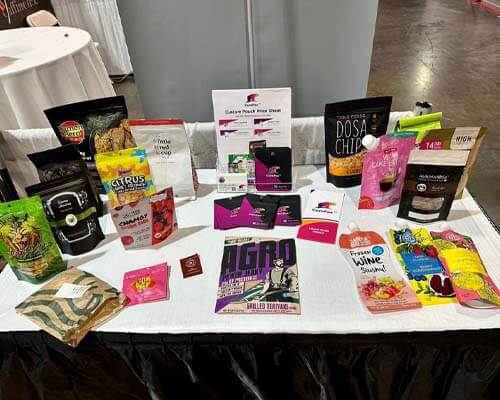
    At White Label Expo Las Vegas, you can find our booth to learn more about custom offerings. We’ll be showcasing our custom flexible packaging solutions, in addition to our innovative features and eco-friendly options. Stop by to learn more about our product demonstrations, promotions, and special consultations available live and in-person at the White Label Expo Las Vegas.

    Why Visit CarePac at the White Label World Expo?

    There are several key benefits to visiting our booth at the White Label World Expo, including one-on-one consultations, learning about market trends, and tailored support for white label brands.

    One-on-One Consultations

    CarePac offers personalized one-on-one consultations, ensuring each client’s unique needs are thoroughly understood. This enables you to discuss specific requirements, explore options in depth, and receive expert advice on how to best package your products for maximum impact.

    Learning About Market Trends​

    We keep a close eye on emerging market trends and innovations in the packaging industry. This knowledge helps you make informed decisions that can positively influence your product’s success in the market

    Support for White Label Brands with Tailored Packaging Solutions

    CarePac excels in providing white label brands with fully customized, ready-to-market packaging solutions. This includes tailored branding and design, scalability, and a focus on sustainability.

    In short, we provide white label brands with expert packaging solutions that support their growth, align with ever-changing market demands, and help enhance brand visibility in a crowded market.

    CarePac’s Expertise in White Label Solutions

    We have extensive experience working with a diverse range of white label brands across a variety of industries, including food and beverage, health and wellness, pet food, and more. Our expertise is wide-ranging and allows us to provide highly specialized packaging solutions that will meet the unique demands of each sector. By partnering with us, white label brands will benefit from market-ready solutions, packaging that meets compliance and safety regulations, and our cost efficiency.

    If your brand’s white label packaging needs a competitive edge, you can’t go wrong with CarePac.

    Custom Packaging Solutions for White Label Brands

    In addition to high-quality packaging, we also offer an impressive range of customization options to help your brand’s packaging stand out on the shelves. Our customization capabilities include:

    Design and Artwork

    We work closely with our clients to create eye-catching designs that reflect their identity and will appeal to their target customers. From logo placement to color schemes, every square inch of your packaging can be customized to align with your brand’s vision.

    Material Selection

    CarePac is proud to offer a variety of materials for packaging, including sustainable and eco-friendly materials. Our clients can choose the material that best suits their product and brand identity, whether it’s premium finishes or sustainable options.

    Packaging Size and Shape

    We offer a variety of shapes and sizes to suit different product types. Whether you need small stand up pouches or large-format packaging, we can create a solution that’s functional, cost-effective, and visually appealing.

    Branding and Market Differentiation

    Custom packaging not only protects and preserves the product but also plays a crucial role in brand differentiation. Our design team can help create distinctive packaging that will help your product stand out in competitive markets.

    How to Connect with CarePac During the Expo

    To connect with us at the White Label World Expo, visit our booth, schedule a one-on-one consultation ahead of time, or engage with us on Facebook or Instagram. Visit our booth to pick up samples and brochures or to exchange contact information with our representatives.

    We’re excited to meet you at White Label World Expo and are ready to help make your vision for your packaging a reality.

    Lets Get Started

    Made In The USA

    Full PouchCustomization

    Scalable Printing Digital & Plate

  • Optimizing Packaging for Cold Chain Logistics

    Optimizing Packaging for Cold Chain Logistics

    Optimizing Packaging for Cold Chain Logistics

    Introduction to Cold Chain Logistics

    Cold chain logistics is essential for maintaining the quality, safety, and sustainability of temperature sensitive products, like food and certain pharmaceuticals. If you’ve ever tried to keep food cold during a long day at the beach, though, you already understand that keeping things at a specific temperature is more difficult than it sounds. That’s where cold chain packaging solutions come into play.

    The right cold chain packaging solutions ensure the integrity of vaccines, biologics, medication, and food products as they make their way from the manufacturing and shipping facility to the store or pharmacy shelves. There are three types of cold chain packaging: active, passive, and hybrid, all of which use different methods to maintain a consistent temperature for temperature sensitive items.

    In this blog, we’ll discuss the key challenges of cold chain packaging, how cold chain packaging manufacturers can better optimize their processes, and how CarePac can help support your cold chain products with our customized and high-quality packaging.

    Key Challenges in Cold Chain Packaging

    There are several key cold chain challenges, including maintaining temperature integrity, preventing condensation and moisture damage, and ensuring compliance with industry standards. We’ll cover each of these cold supply chain challenges more in-depth below.

    Maintaining Temperature Integrity

    Whether you’re transporting vaccines or shipping frozen goods and dairy products, you’ll need to maintain temperature integrity via insulated box liners, gel packs, and robust seals. Finding packaging solutions that fit the bill can be difficult and expensive, especially for an industry that’s already strained.

    Preventing Condensation and Moisture Damage

    You’ll need to find moisture-resistant packaging that will help protect your products from moisture damage. Additionally, you’ll need to invest in expensive technology to protect your frozen foods and pharmaceuticals from drastic temperature changes in the first place.

    Ensuring Compliance with Industry Standards

    Cold chain packaging materials will need to meet strict industry standards that are set forth for the cold chain industries. This protects the end user from sickness (or even death) due to consuming spoiled food or expired vaccines or pharmaceuticals that spoiled during transport.

    Best Practices for Optimizing Cold Chain Packaging

    Optimizing cold chain packaging is crucial for ensuring product integrity and reducing costs throughout the supply chain. Here are a few best practices:

    Use Insulated and Durable Materials

    By using cold chain solutions that focus on insulated and durable materials you can avoid damage during transit. Higher quality materials may be more expensive on the onset, but they’ll save you money in the long run. Invest in materials and gel packs that retain temperature and help you avoid food waste.

    Optimize Package Design for Efficiency

    Compact, stackable designs can help maximize shipping space and reduce costs. Find cold chain packaging solutions and providers that will work with you to truly understand your shipping logistics and craft cold chain packaging that’ll fit the bill. Even better if they offer thermal packaging solutions in various sizes.

    Incorporate Real-Time Tracking Solutions

    The benefits of integrating tracking for temperature-sensitive shipments are many. Not only will you be able to track your goods throughout the transportation cycle, but you’ll be able to rest easy knowing that your temperature sensitive goods are being transported in the proper temperature environment.

    Cost-Effective Strategies for Cold Chain Logistics

    If all of the above sounds expensive, it’s because it is. Fortunately, there are a couple things you can do now to cut back on costs.

    Minimize Packaging Waste

    Use reusable or recyclable materials to lower costs. Some companies even offer discounts or other incentives for customers that send their packaging back in the mail. Whether you use expanded polystyrene or sustainable materials, anything you can do to improve sustainability is a step in the right direction.

    Streamline Packaging Processes

    You can streamline your packaging processes by partnering with trusted suppliers for efficient packaging solutions. It’s always a good idea to find a few companies that can manufacture your temperature controlled packaging; that way, if one of your temperature controlled packaging solutions goes out of business or needs to close due to bad weather, you won’t be left in a lurch.

    How CarePac Supports Cold Chain Packaging Needs

    At CarePac, we are proud to offer custom cold chain packaging solutions for temperature sensitive products. Not only will our packaging help you ensure proper temperature control for your sensitive items, like pharmaceuticals, chemicals, or food products, but our customization capabilities mean that your product will stand out to your customers.

    Ready to learn more about our cold chain solutions for packaging? Contact us today to get started!

    Lets Get Started

    Made In The USA

    Full PouchCustomization
    Scalable Printing Digital & Plate

  • DPI vs. PPI: What Packaging Designers Need to Know

    DPI vs. PPI: What Packaging Designers Need to Know

    DPI vs. PPI: What Packaging Designers Need to Know

    An Introduction to PPI and DPI

    PPI and DPI are both measurements of resolution, which is an incredibly important aspect of working with digital images. Image resolution, or display resolution, is important because it determines how clear an image will look in its intended size once it is physically printed onto a piece of paper or postcard, or when it’s viewed on a computer screen. An image’s resolution that’s high will show more detail and definition on a printed picture than digital images with a lower print resolution.

    In this blog, we’ll discuss what DPI stands for, what PPI stands for, and how the different resolutions (especially a higher resolution) impact packaging design. Read on to learn more about how the number of pixels matters so much.

    What is DPI?

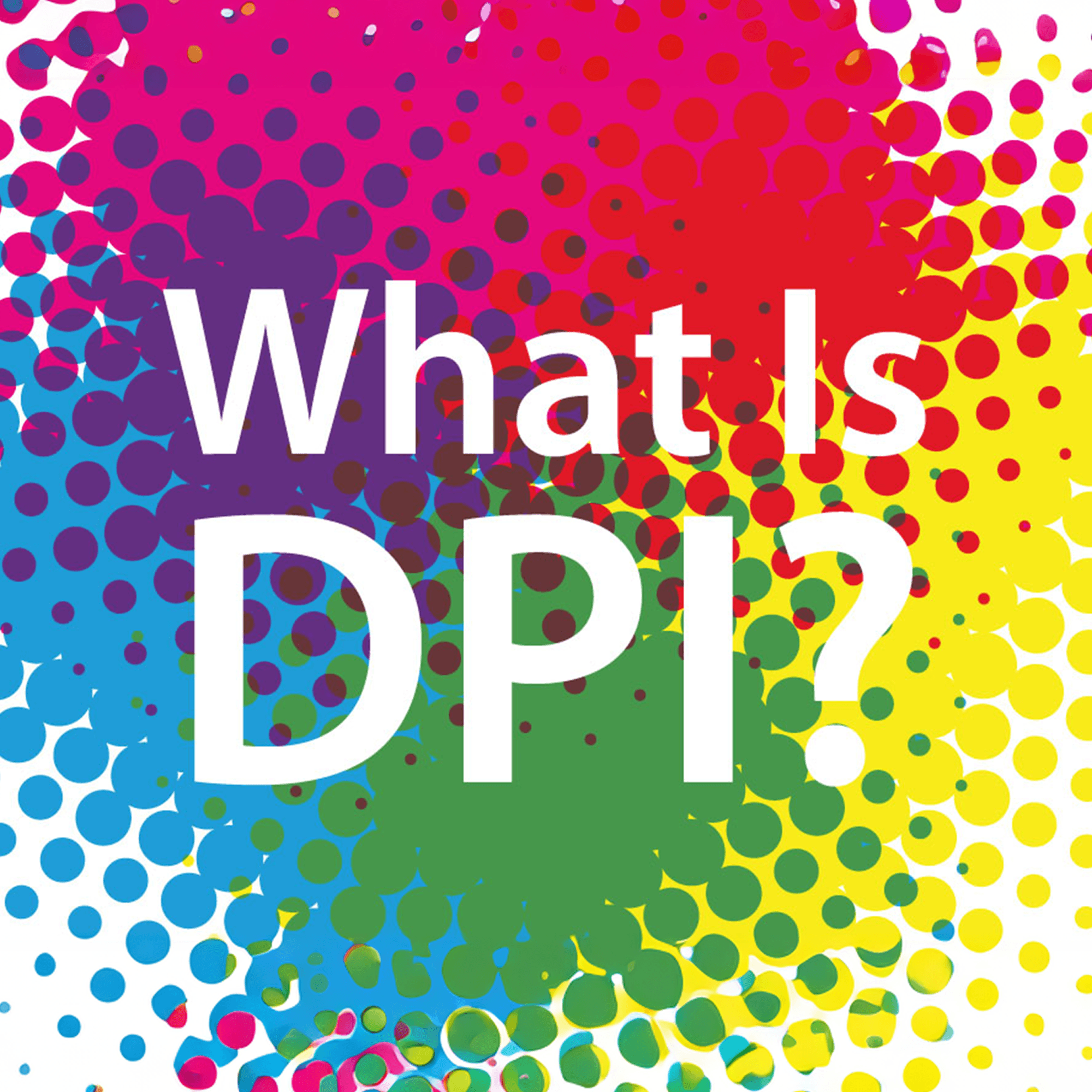
    DPI stands for dots per inch, and it refers to the number of ink droplets inkjet printers will produce per inch when printing a digital image. The higher the dots per inch, the more closely together the ink droplets are packed, and the more detail the image will have when printed. 300 DPI, or dots per inch, is a standard for high quality prints, and it means that there are 300 individual dots per inch. This is because the human eye can’t usually differentiate detail beyond 300 DPI, so whether it’s 300 tiny dots per inch or 5,000 dots per inch, the overall image quality will look the same to the naked eye.

    While DPI most commonly refers to the printer resolution so you know what to expect during the printing process, it also is used for scanning and a mouse’s sensitivity setting. In this case, though, we’re referring strictly to printing a digital image.

    What is PPI?

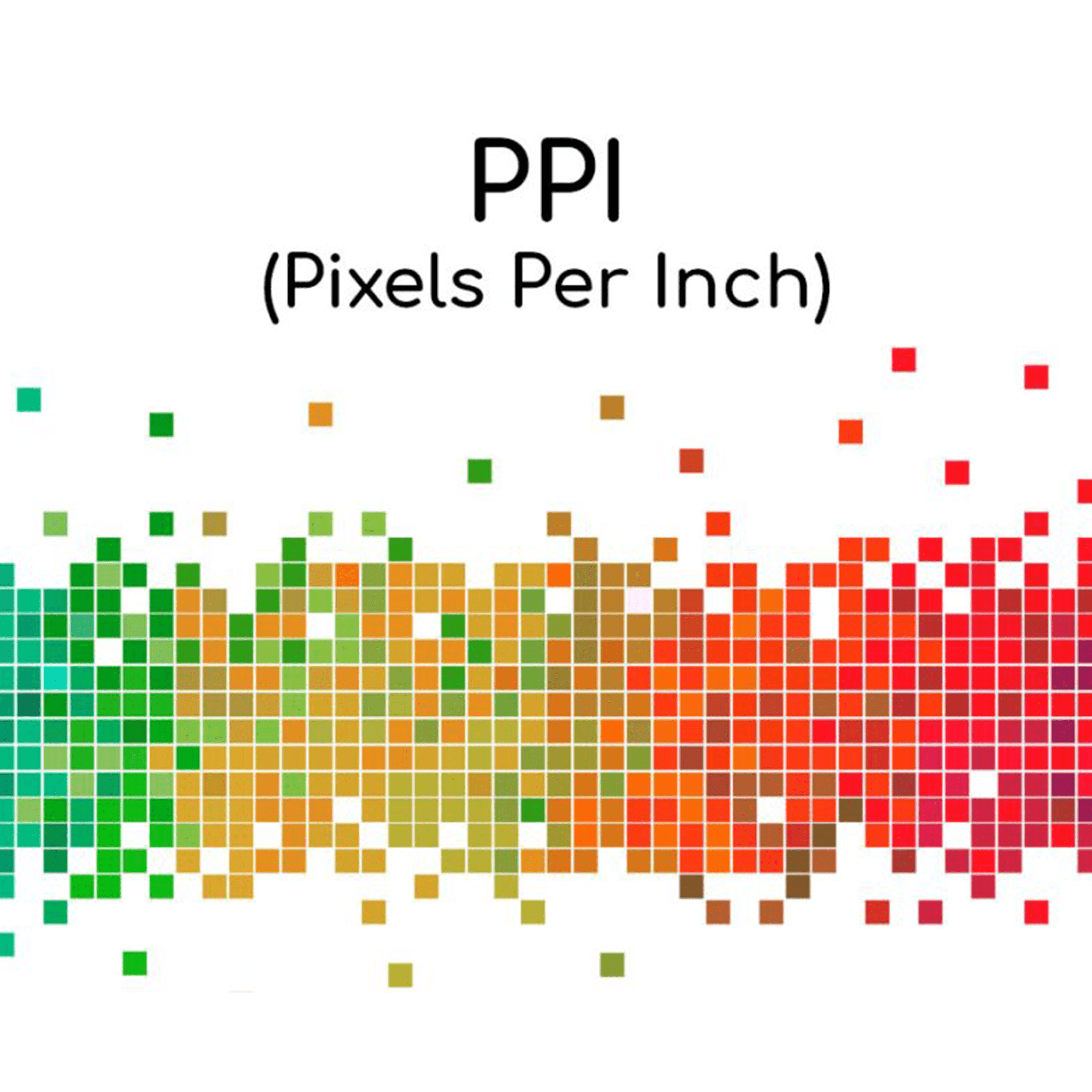
    PPI stands for pixels per inch and, like DPI, PPI resolution affects how a digital image looks on a web page. A higher PPI (pixels per inch) means better image quality, with smaller pixels that create both clarity and depth. Low resolution images contain larger pixels in fewer numbers (resulting in a more pixelated image), while high resolution images have a greater number of smaller pixels, resulting in a crisp and smooth digital image. This is why selecting the correct PPI setting is so important.

    Roughly speaking, web images are standardized at 72 pixels per inch, which allows for a faster load time and a clear and eye-catching image appearance.

    DPI vs. PPI: Key Differences

    The main difference between PPI and DPI is that PPI (pixels per inch) refers to the image resolution of digital images and those viewed on computer monitors while PPI refers to the print resolution of a printed image. Think of it this way: if you can hold a picture in your hand, you should be concerned about DPI (dots per inch). If you’re a graphic designer who works only with digital images, you should be looking at PPI, or the pixel count of the image.

    Why Understanding DPI and PPI Matters in Packaging Design

    There are several key reasons why understanding dots per inch and pixels per inch is so important in packaging design. The most important is that it directly affects the print quality of your packaging. If you want high quality images that accurately represent your brand, you’ll want to avoid a low DPI (dots per inch.). You wouldn’t think that how many dots line one inch of a package matters, but they really do!

    Practical DPI and PPI Tips for Packaging Designers

    Here are a few quick tips for packaging designers who are preparing an image file for print or for viewing online:

    • Use 3000 PPI as the baseline for print images. This higher DPI will ensure your image will be of the highest quality.
    • When saving images, use a lossless file format like TIFF.
    • Don’t compress or reduce the size of your image using image editing software, like Adobe Acrobat Pro.
    • Before saving the image, check the image’s properties (file size, number of pixels, screen resolution) to ensure they’re still correct.
    • If you’re preparing a digital image for print, consider the material you’ll be printing on. You may need to make the image larger or the image size window smaller depending on the material.
    • Photographs, barcodes, and some graphics may require a higher DPI.

    It’s clear that if you’re seeking a clear image there are a lot of things to consider. Fortunately, CarePac can help. Contact us today to get started on your project. We’re well versed in the different resolutions and will work with you to ensure your packaging is of the highest quality.

    PPI and DPI: FAQs

    What is the relationship between PPI and DPI?

    Although DPI (dots per inch) and PPI (pixels per inch) are used interchangeably, they refer to two very different things. PPI refers to display resolution, while DPI refers to the resolution of a printed image once it completes the printing process.

    Does PPI matter more than image resolution?

    PPI doesn’t matter “more” than image resolution since PPI is, in fact, a measurement of resolution.

    Does PPI matter in a printed image?

    No, PPI doesn’t matter as much as DPI in a printed image. If you’re printing an image and want the picture represented accurately (including all the picture elements), you’ll need to worry about the DPI (not the PPI resolution.)

    Is DPI just for digital images?

    No, DPI is primarily used to measure the resolution of images for print (not digital images.) A higher DPI indicates more ink dots contained within a one inch area, ultimately resulting in a clear image.

    Lets Get Started

    Made In The USA

    Full PouchCustomization

    Scalable Printing Digital & Plate

  • What is a Zip of Weed Bag? Measurements & Packaging Solutions for the Cannabis Industry

    What is a Zip of Weed Bag? Measurements & Packaging Solutions for the Cannabis Industry

    What is a Zip of Weed Bag? Measurements & Packaging Solutions for the Cannabis Industry

    Whether you work in the cannabis sector or consider yourself a casual user, you likely come across a lot of cannabis jargon and slang in your day-to-day life. Cannabis terms like “couchy” (indica-heavy cannabis strains that make you tired), “burn one” (smoking a small amount of cannabis, like a joint), and “chiefing” (hogging cannabis in a group setting), are all equally confusing. In this blog we’ll discuss one cannabis phrase in particular- a zip of weed.

    If you’re curious about what a zip of weed is and how to choose the right packaging, you’ve come to the right place. We’ll walk you through what you need to know about this cannabis term.

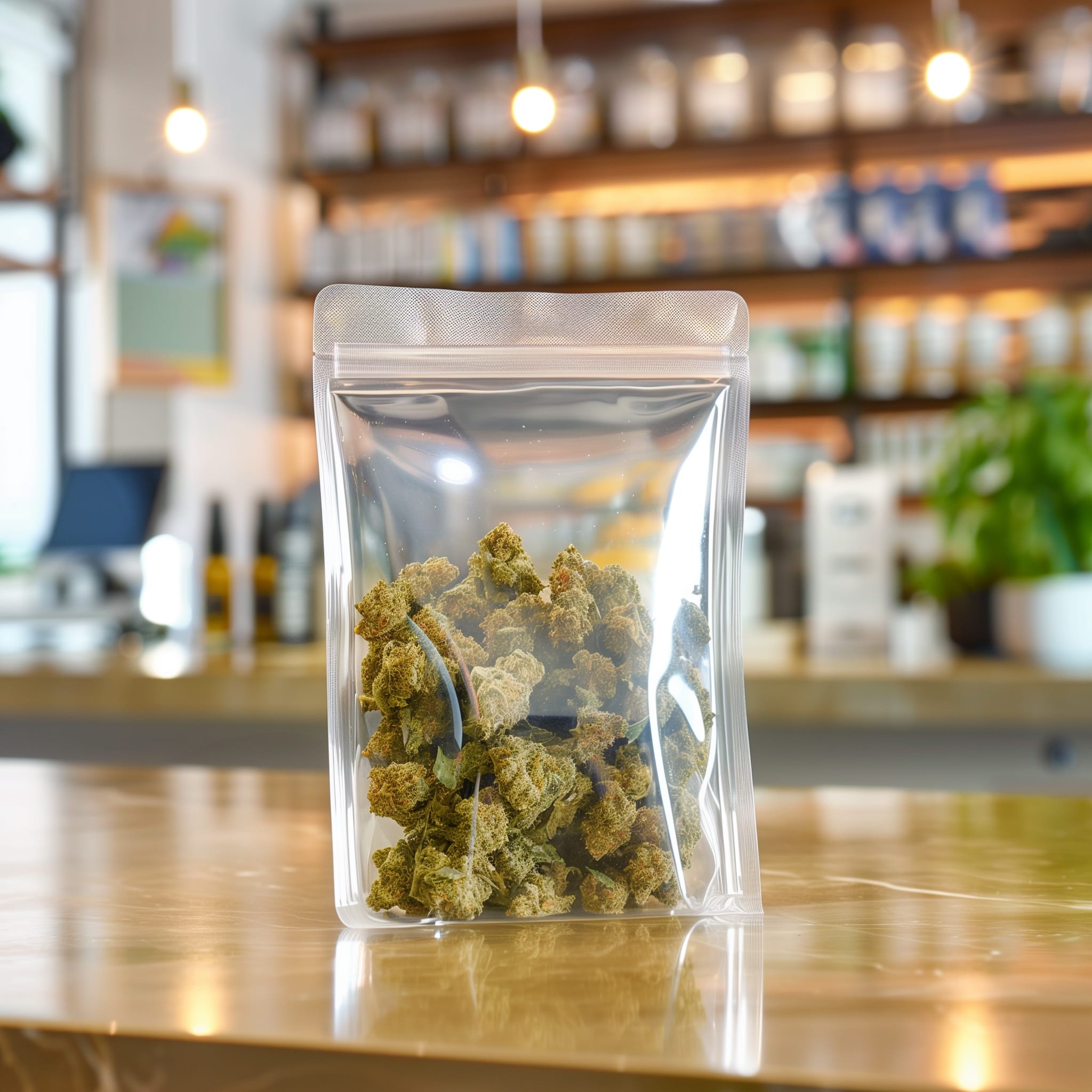
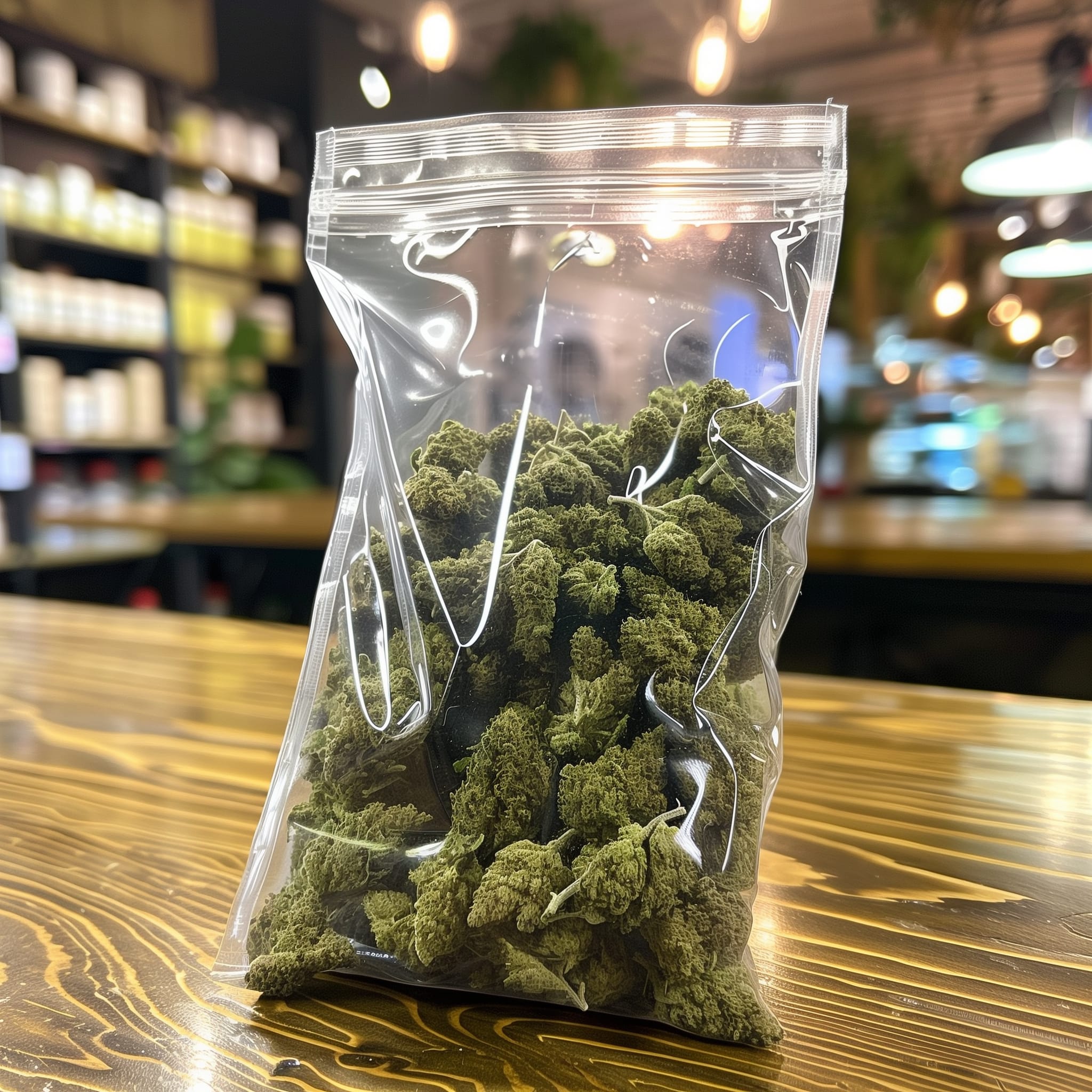
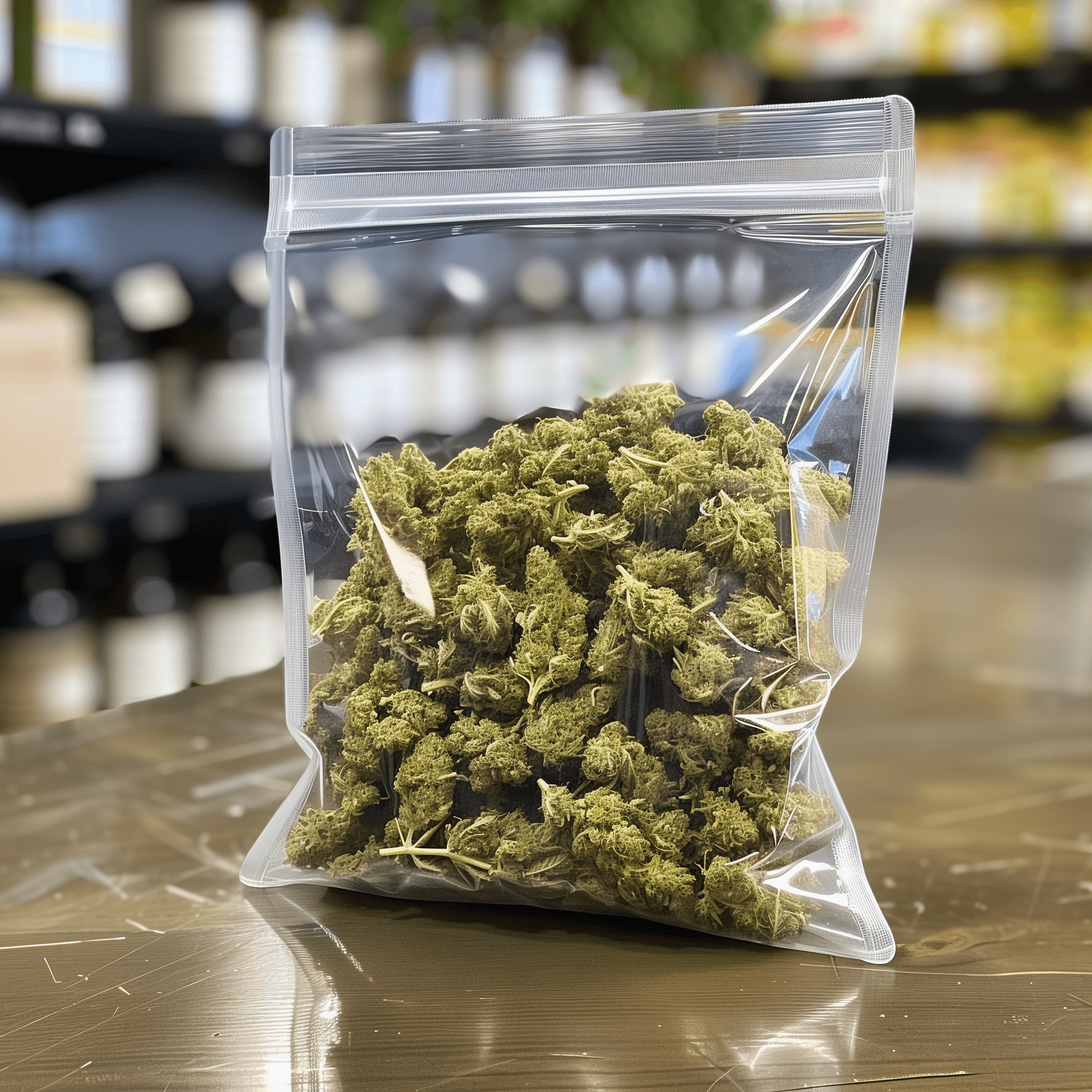
    Multiple resealable CarePac cannabis packaging bags filled with dried flower buds, displayed on a wooden counter in a dispensary, highlighting bulk weed storage solutions.Single resealable clear cannabis packaging bag from CarePac filled with marijuana buds, designed for freshness, odor control, and dispensary display.

    What is a Zip of Weed?

    A zip of weed is a slang term that refers to a unit of measurement that’s equal to one ounce (28 grams) of cannabis. This is an incredibly common unit of measurement in the marijuana industry, particularly in states where it’s legal for medical or recreational marijuana consumption.

    Currently, cannabis is legal or decriminalized in almost 40 states, including all along the West Coast (Oregon, Washington, and California). If you’re located in one of these states or in any of the other states where cannabis is legal, we can help take your brand to the next level with fully customized packaging items for your cannabis.

    A zip of weed is considered personal use, and anything more than one ounces can lead to felony or misdemeanor charges, even in states where it’s decriminalized. If your brand sells cannabis in any size, you’ve come to the right place.

    Custom Packaging Solutions for CBD/THC Companies

    Here are a few of the custom packaging solutions we offer for our customers and brands in the marijuana sector:

    • Tamper resistant bags- Tamper resistant bags are critical to assuring that your customer knows if a bag or their vaporizer cartridges or vaporizer batteries have been opened prior to their first use. Since it shows clear signs of tampering, it prevents unauthorized tampering with a bag’s contents during transport or storage in dispensaries.
    • Stand up pouches- Stand up pouches are manufactured with a bottom gusset which, when deployed, allows the pouch to stand up on the shelf in a store, instead of laying down like flat pouches. This can help provide the best experience in a store or dispensary.
    • Smell proof mylar bags- Our smell proof mylar bags are perfect for cannabis companies of all shapes and sizes. Our packaging offers the highest level of odor containment, ensuring that no air will escape from your product and into a users car or home.

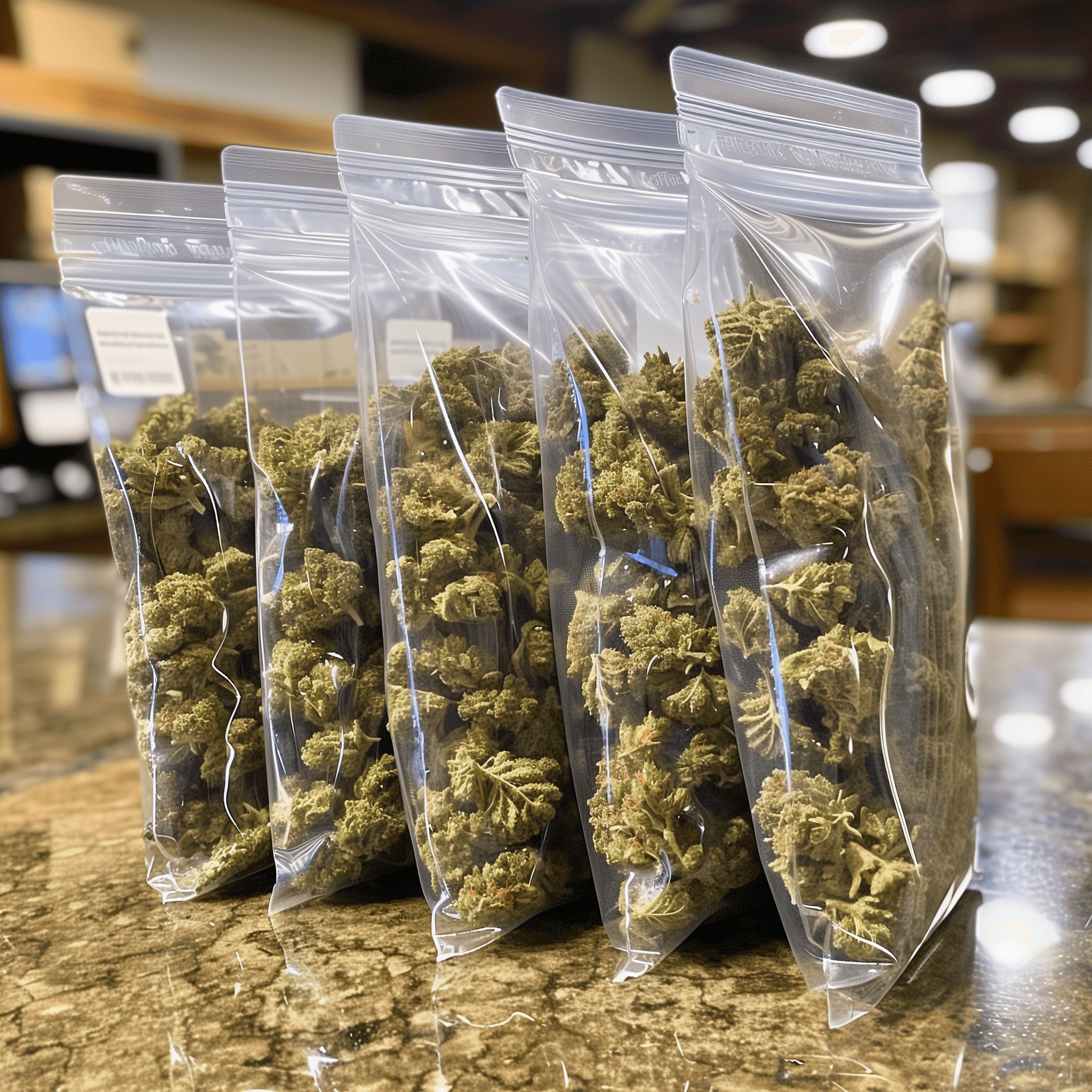
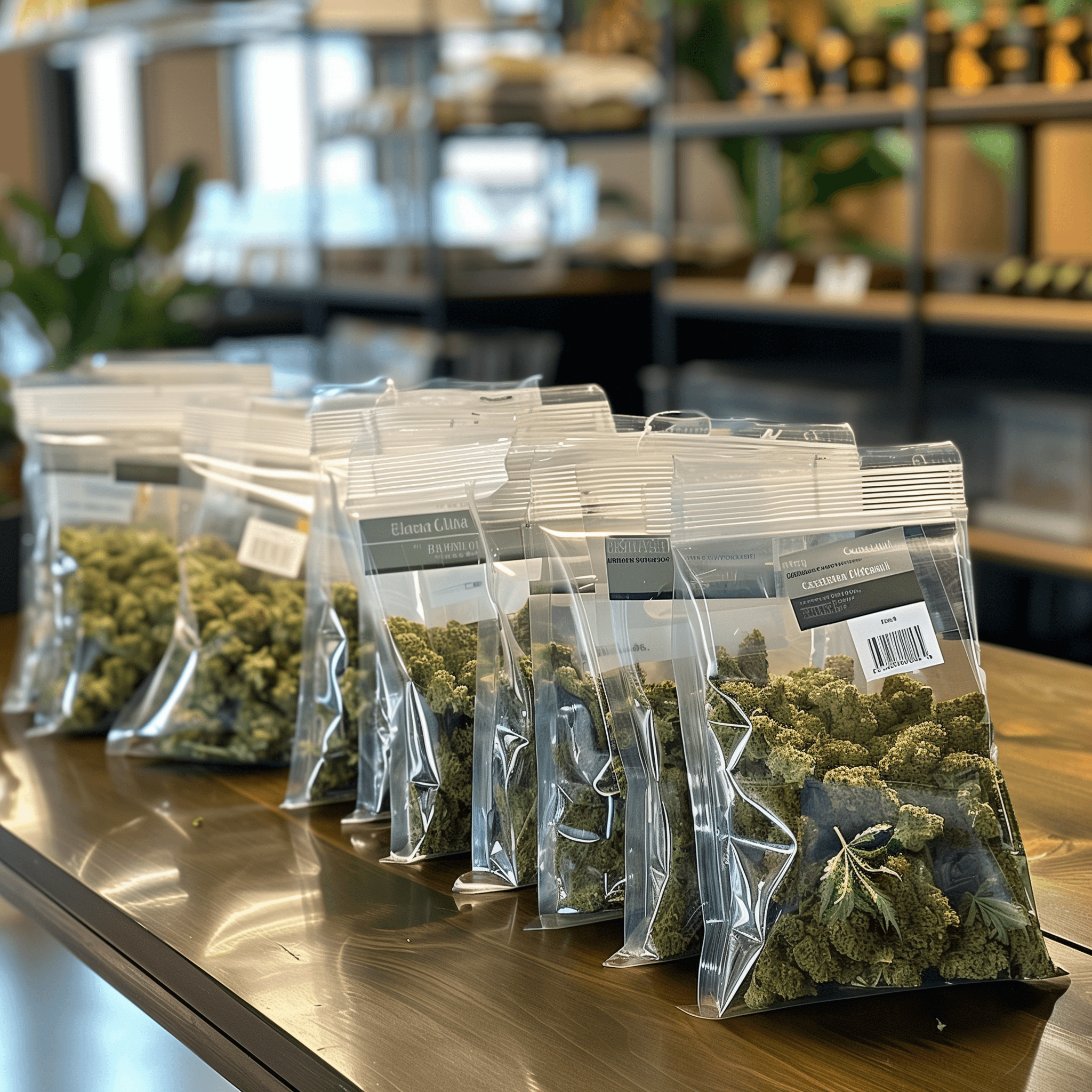
    Row of CarePac custom cannabis packaging bags containing marijuana flower, shown in a dispensary setting with clear resealable pouches for secure storage.Large clear cannabis packaging bag by CarePac filled with marijuana buds, placed on a wooden countertop with a dispensary background.

    Choosing the Right Packaging for a Zip of Weed

    When it comes to choose the right packaging for one ounce of weed, here are a few features to consider:

    • Proper labeling- To comply with the legal requirements in your state, your cannabis bags will need to have clear labeling. Check with your company legal counsel for a full list of what needs to be included (often the product name, dosage, potency, origin, and lab testing.)
    • Exit bags- Many states require that customers use exit bags to package their products in the store. Again, check with your state’s requirements for more information.
    • Child resistant packaging- Child resistant packaging is of utmost importance in the cannabis sector. In fact, it’s essential!

    Conclusion

    We’re your one stop shop for cannabis packaging, and are well versed in the ins and outs of packaging for the marijuana industry. Not only will we work with you to design the perfect packaging for your edibles and tinctures, but we can design and manufacture packaging for a zip of weed, too. Our packaging is durable, tamper evident, and will portray a feeling of luxury to your consumers.

    Contact us today to experience the CarePac difference for yourself.

    Multiple CarePac cannabis packaging bags displayed on a dispensary counter, featuring resealable clear pouches filled with marijuana flower for retail sale.

    FAQs: Packaging for the Marijuana Industry

    How much weed is in a zip?

    A zip of weed is equal to 28 grams, or one ounce, of marijuana or weed.

    What’s the best packaging for a zip of weed?

    Mylar bags are incredibly popular in the marijuana sector. Not only are they fully customizable, but they’re odor resistant, opaque, sturdy, and cheaper than many other options. They’ll ensure your weed lasts longer and maintains its freshness over time.

    Why are child-resistant plastic containers important for cannabis products?

    Child resistant containers are a top priority for cannabis companies because they’re required to be child resistant by law. This is for the protection of children and other under age individuals who may come into contact with the container.

    Can I customize packaging for different weed measurements?

    Yes, our designers will work with your business to design high quality bags that will help your product stand out on the shelves, regardless of its pricing or size. We’re ready to help your business break into the highly competitive market with bags that’ll stand out.

    Lets Get Started

    Made In The USA

    Full PouchCustomization

    Scalable Printing Digital & Plate