Author: Paul Meehan

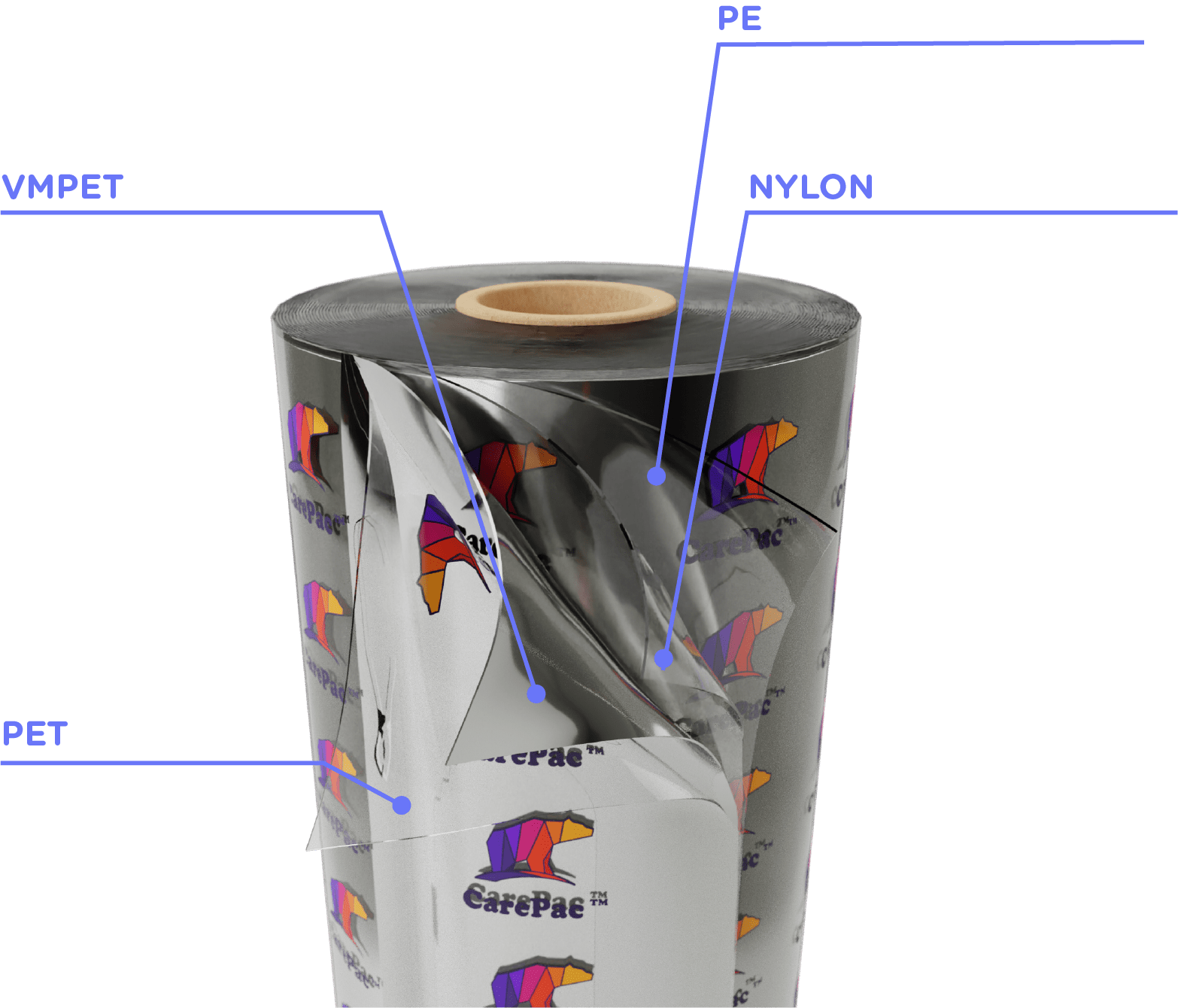
  • CareSilver-PVNP (PET/VMPET/NYLON/PE)

    CareSilver-PVNP (PET/VMPET/NYLON/PE)

    CareSilver-PVNP

    (PET/VMPET/NYLON/PE)

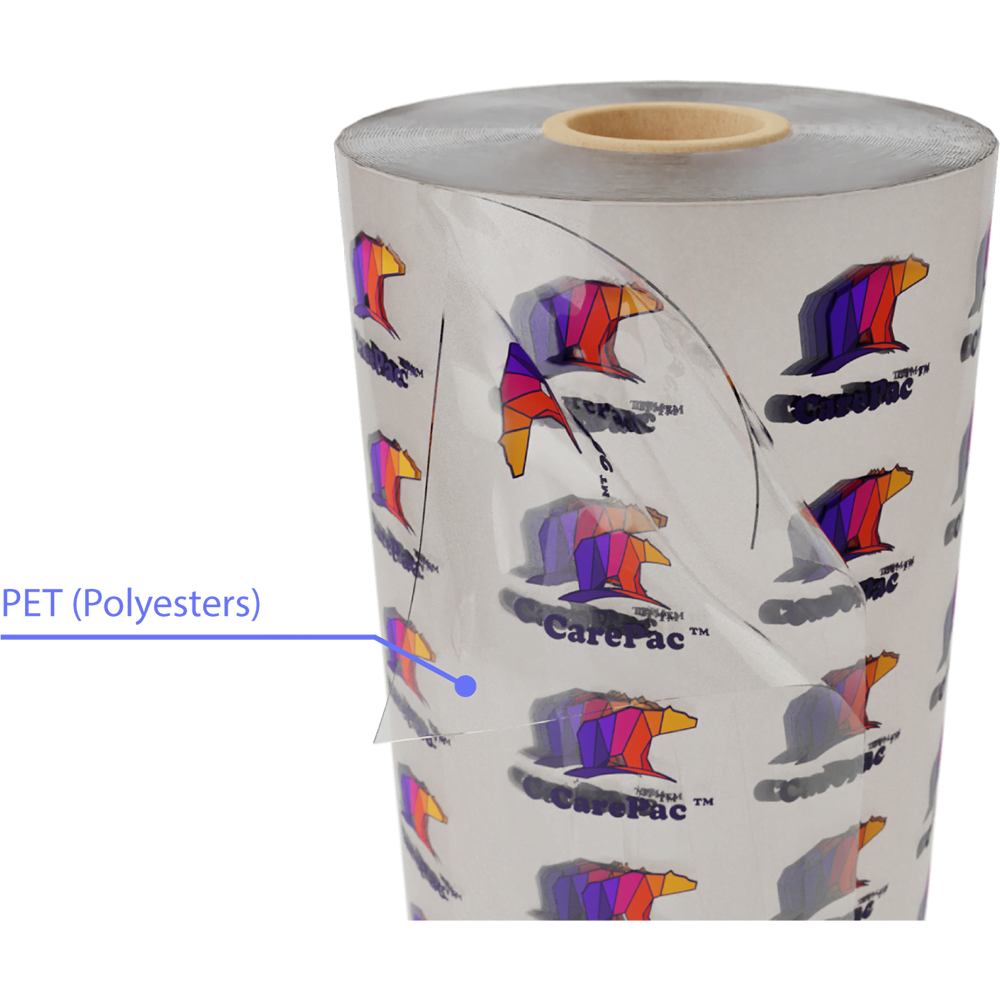
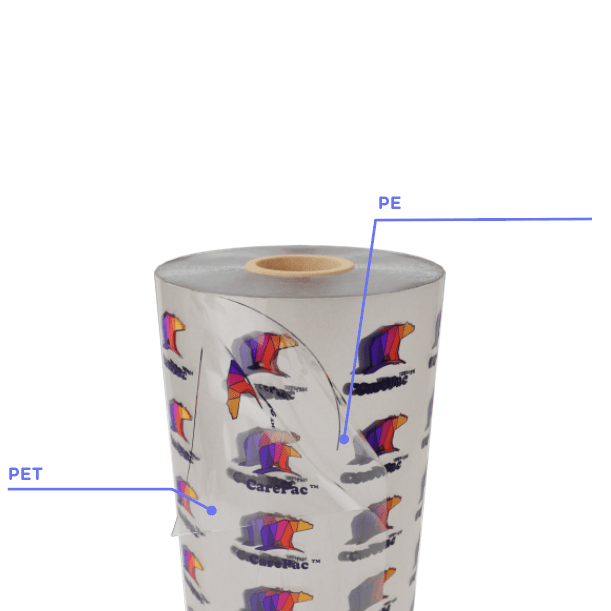
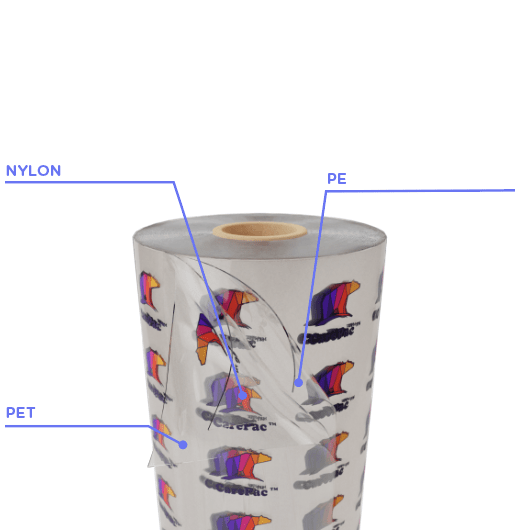
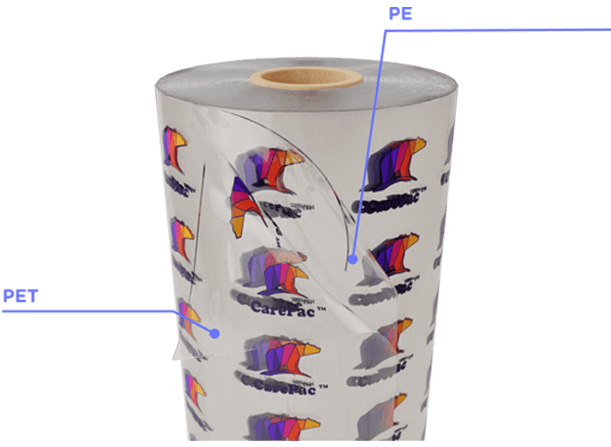
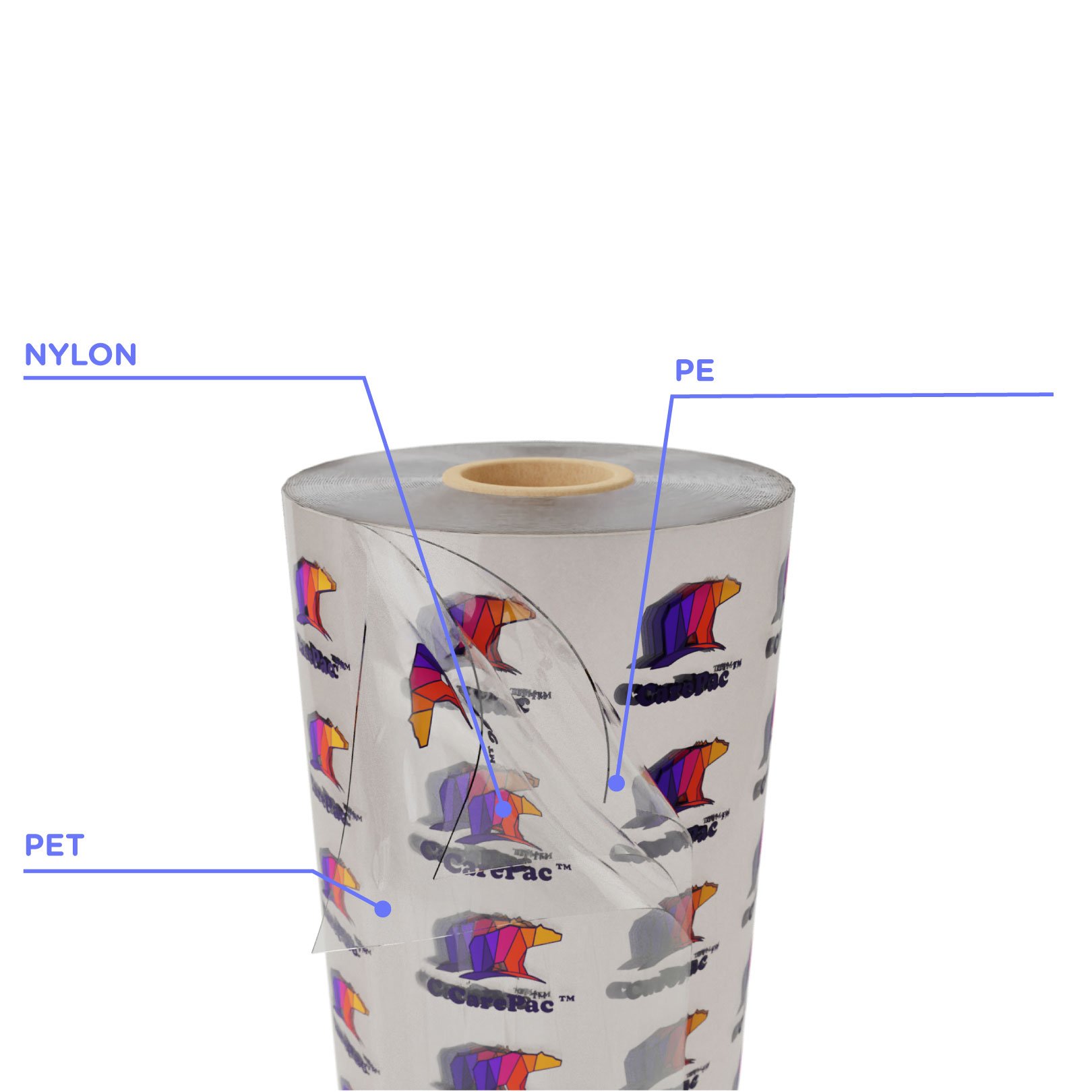
    PET/VMPET/NYLON/PE is a lamination film or bag that comes with a four-layer lamination structure consisting of PET, Vapor Metalized Polyethylene Terephthalate, NYLON, and PE. It is our line of Vapor Metalized polyethylene Terephthalate (VMPET) or Mylar films combined with NYLON to offset any form of packaging difficulties. 

    The versatile nature of our packaging films and our position as a supplier makes it a unique choice for both industrial or FDA applications as it is free of toxins such as TSE, Sulfur, Phthalates, and BPA. It is specifically designed to maintain the fresh texture of FDA Food Items like dried goods, snacks & chips, pet food (cats, birds, and all kinds of dog breeds), and its low thermal permeability rate, as well as the UV resistance, makes it an ideal choice as a pouch for bird seeds, fertilizers, detergents and many more products.

    Barrier Properties

    PET/VMPET/PE + NYLON is a great four-layer structure. The synthesized nylon in this material helps with both moisture barrier and strength. Its reinforcement effect on the material is a good choice for powders, granulated items, or heavy bag uses. A great substitute for plastic bags; reach out to us, a premium supplier, today. 

    Note: The performance of any film will be influenced by a number of factors and testing must always be performed to ensure the film meets the use.

    Relative Performance Indications

    Oxygen Barrier

    Moisture Barrier

    Light Barrier

    STrength

    Heat Resistance

    Freezer Storage

    Customer Profile

    PET/VMPET/NY/PE was a good candidate for this use. 
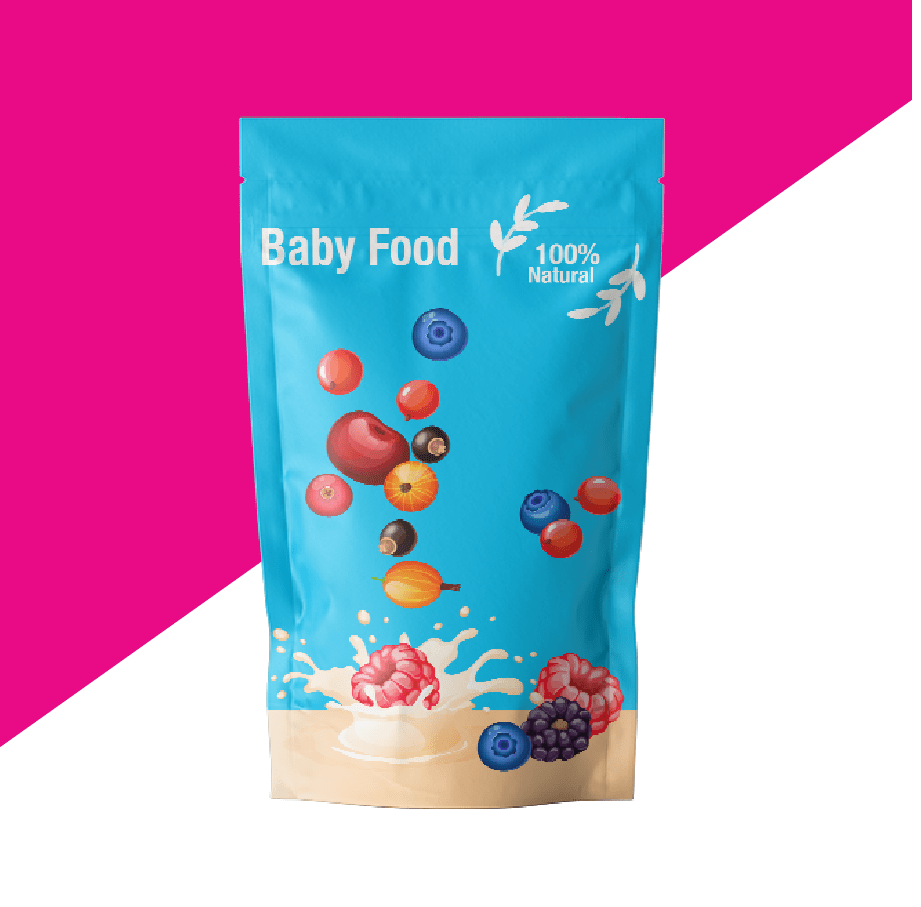
    Heavy granular and powdered products such as fertilizer and protein powders can benefit from the use of this lamination structure. Dried powdered milk products, and freeze dried foods are great uses for this film. 

    Film Specifications for CareSilver-PVNP

    Our lamination film is finely coated with vaporized Aluminum film (AL) to provide an opaque base material for printing while enhancing the barrier properties of the base polymer film.

    Here are some of the common indicated properties for this film

    Property
    Sample Data

    Available Thicknesses

    4mil – 8mil

    Sample Data Thickness

    4mil

    MVTR 

    <0.25 JIS Z 0208

    OTR 

    <0.5 JIS Z 1707

    Side Seal Strength

    >6.0

    Elongation at Break

    >50 AST D 882

    Bond Strength

    PET/VMPET >400g/15mm VMPET/NY/PE >600g/15mm

    Compressive Strength

    > 785 JIS Z 0238

    Heat Seal Range F 

    Enter your text here…

    The enhancement of PET/NYlON/PE with Vapor Metallized of VMPET or Mylar provides an higher resistance layer on the film with the same thickness while keeping it flexible for the packaging of your products such as snacks & chips, cookies & candies. Mylar lamination enhances its barrier property against moisture and oxygen while maintaining the freshness of your packaged product, hence, making it the best pouch, and flexible barrier bag option.

    VMPET film also provides an opaque surface that improves contrast, color fidelity, and printing quality which invariably attract customers to your product. Your colors will be more vibrant and not have a washed out look that printing on clear base materials can have. Meaning you don’t have to worry about choosing one color and receiving a package in a lighter or darker tone. It gives you the best printing quality as a result of the metalized layer material.

    Environmental Impact of CareSilver-PVNP

    This material is a multi-layer laminated plastic and will typically fall into the check-locally, or store drop off category. The product is not compostable. Request more info today. 
    At Home Compost

      Industrial Compost
        Recyclability 
    Select Columns Layout

    Compliance Information of our Packaging Film Roll

    Compliance is always an important topic. All our films including our CareSilver-PVNP PET/VMPET/NY/PE film meets or exceeds applicable compliance and regulatory standards. 

     

    Kosher
    BPA FREE
    FDA Food Approved
    EU Food Approved

    PROP 65
    RoHS / R.E.A.C.H

    Common Uses of Packaging Film PET

    As a food supplier, here are some common uses of this film. 
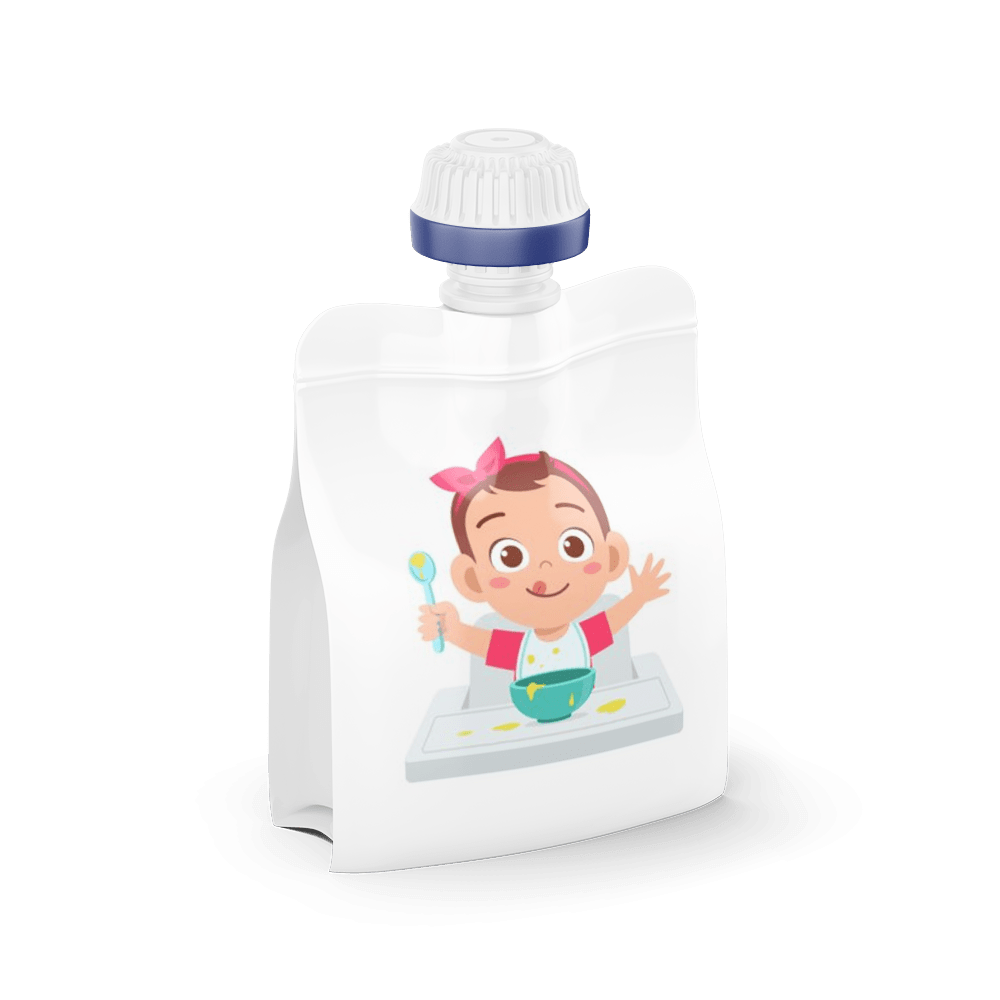
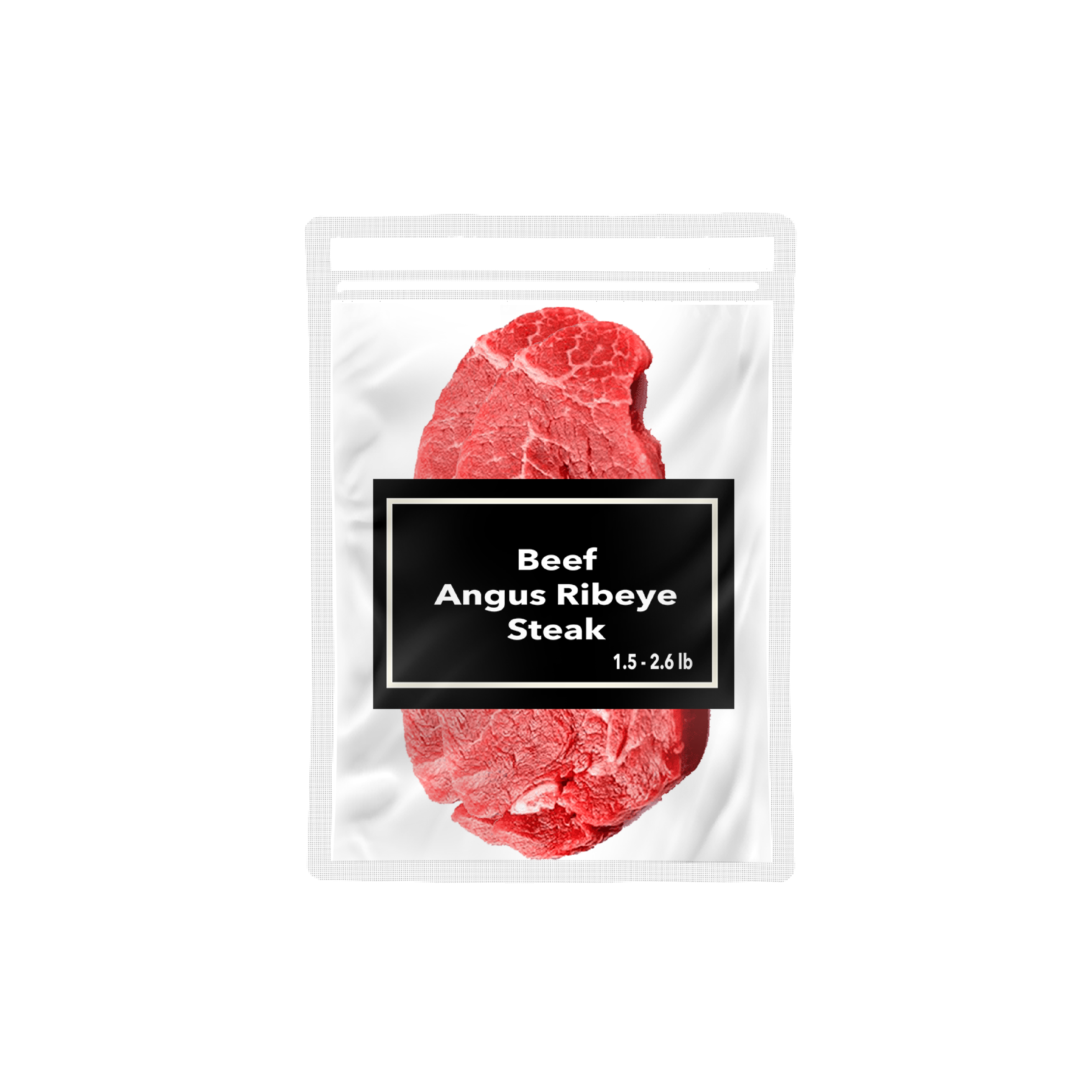
    Dairy ProductsBaby Food, Yogurt, Shredded Cheese & Butter Forming and Non-FormingMeat, Cheese, Sausages, Seafoods etc.Hot & FillJuice, Ketchup, Mayonnaise, Liquid SpicesFrozen FoodsVegetables, Seafoods, Meat, Block CheeseAgriculturalPlant Seeds and Plant Fertilizer
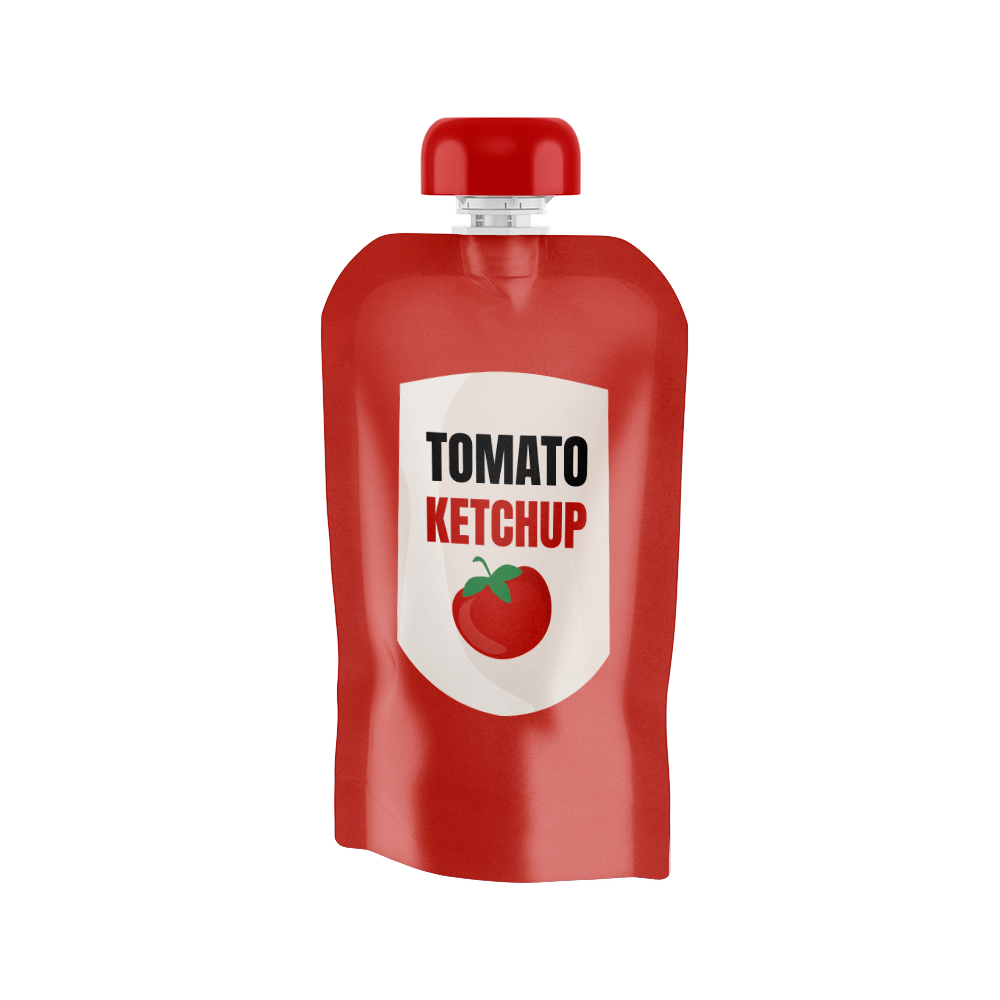
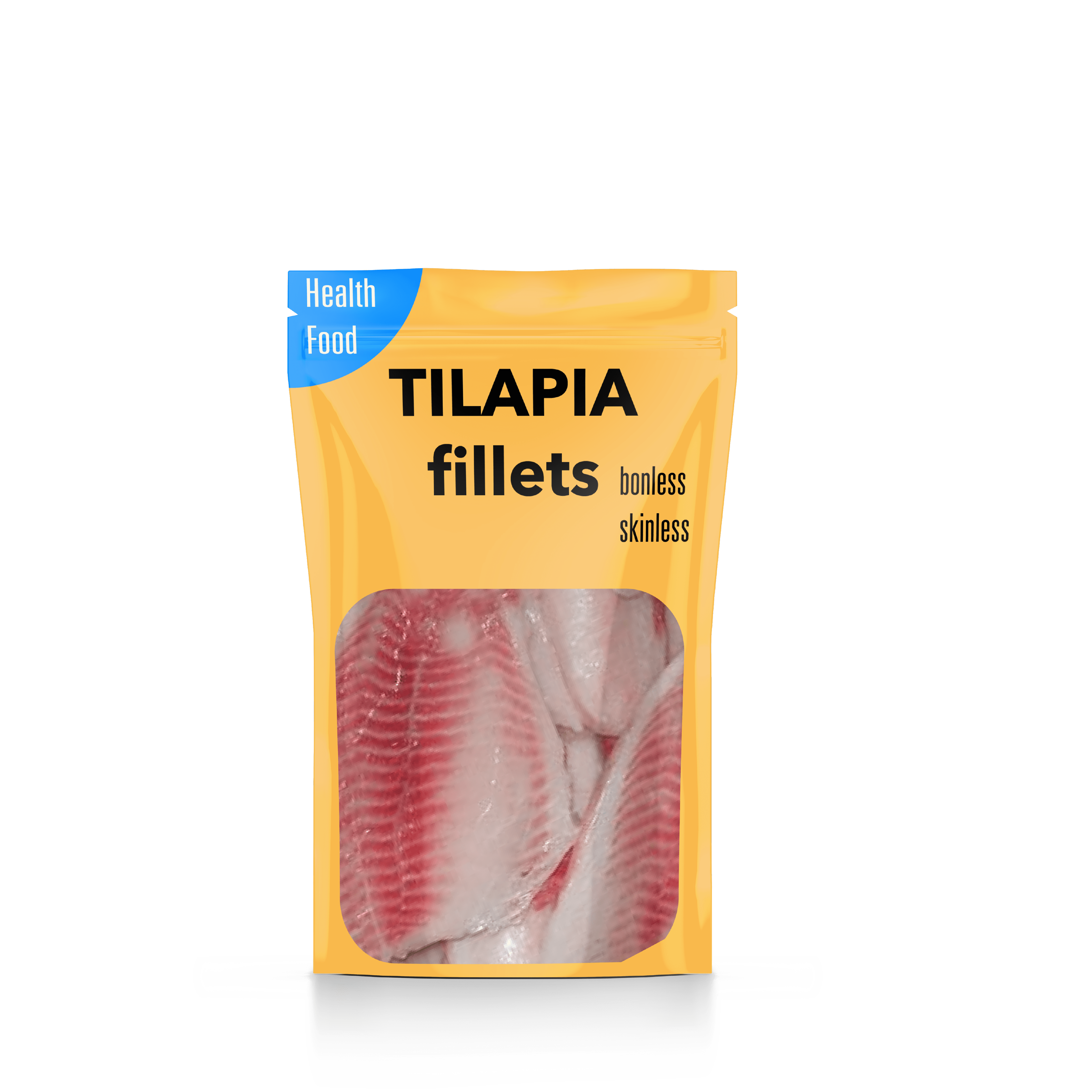
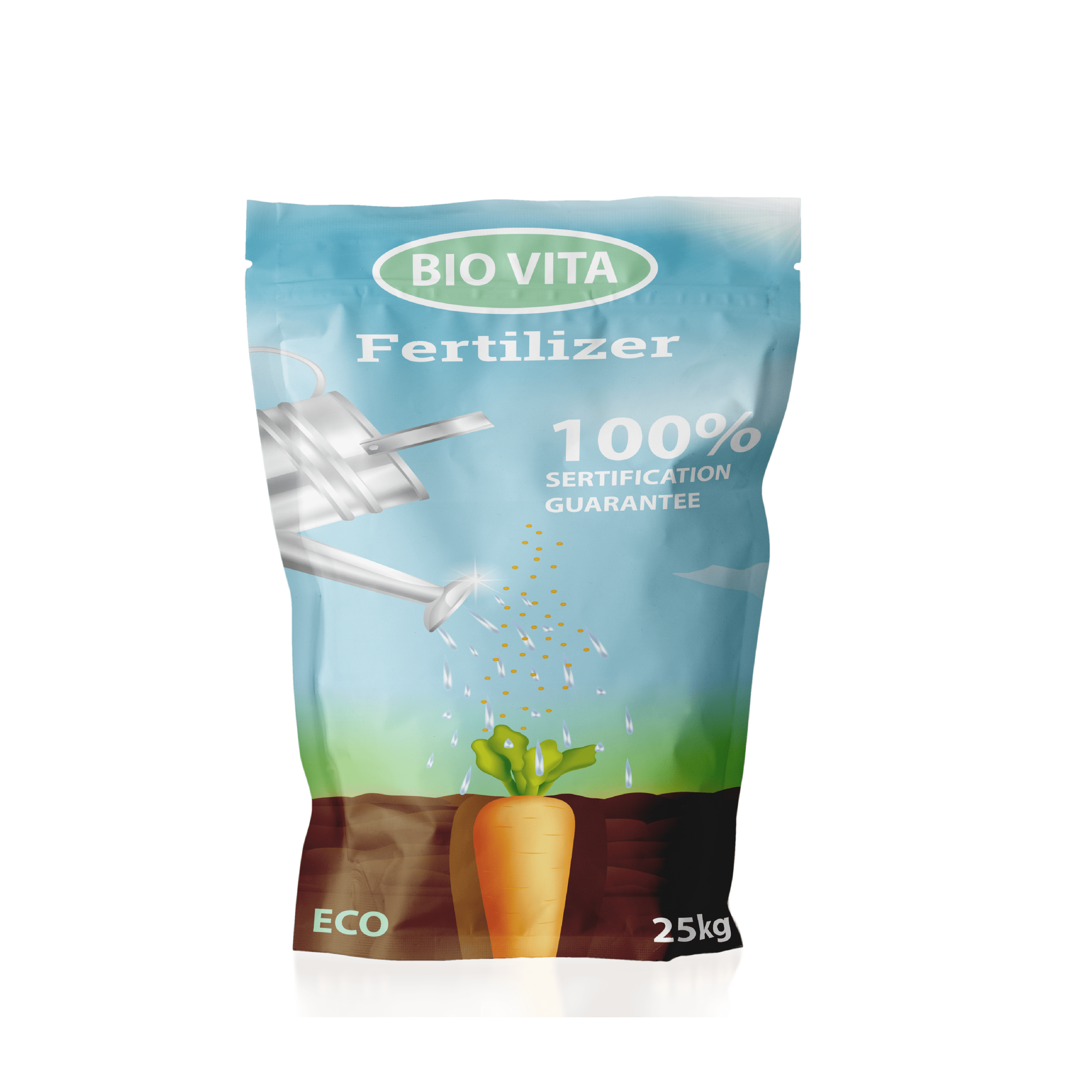
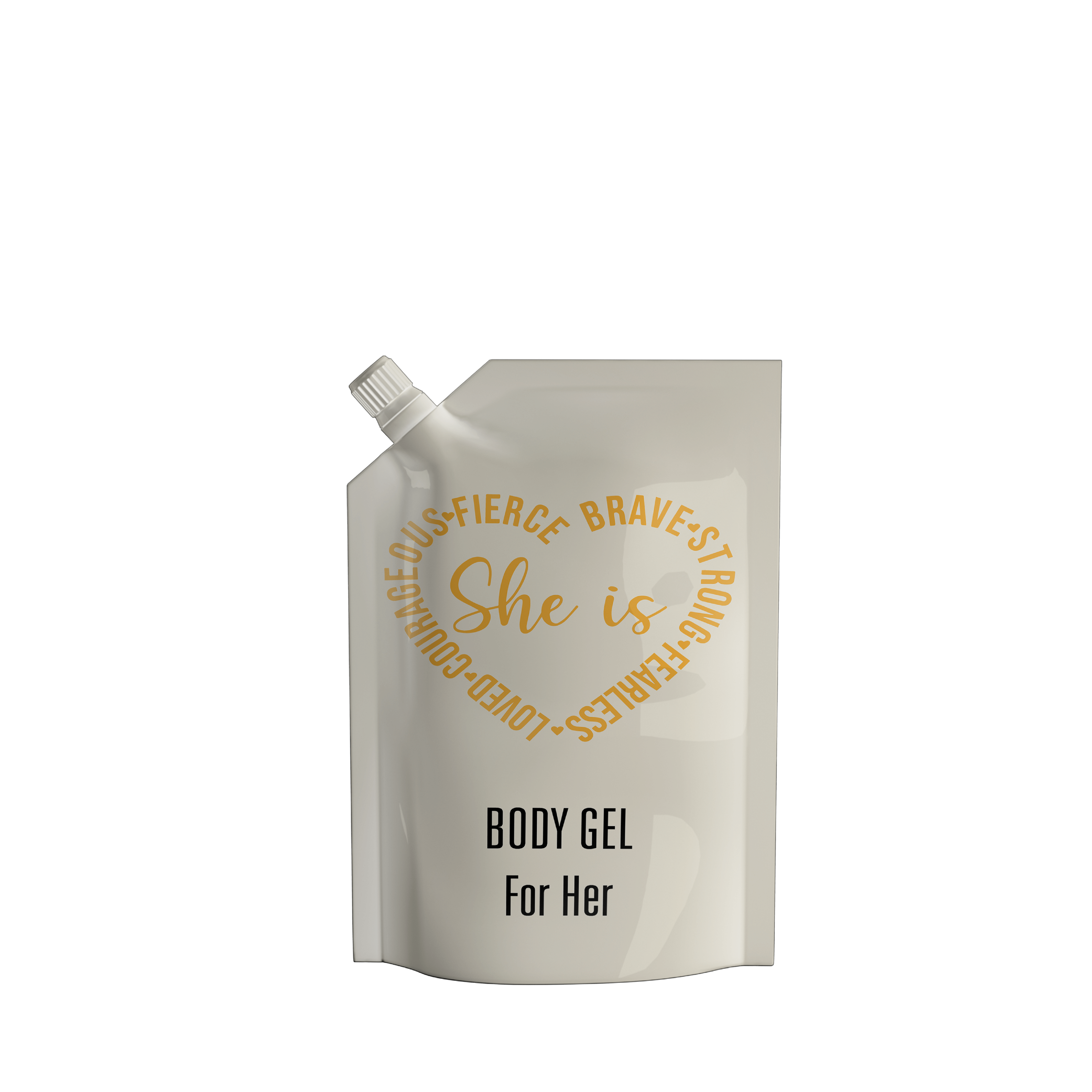
    Spout Liquid Pouches

    Baby Food, Gels, RefillsVacuum PackagingMeat, Cheese, Seafood, Dry FruitsSpices & FlourSpices, Flour, Salt, Sugar, Rice, Papad, Baking MixDog & Cat FoodDog & Cat Food, Bird Seed, Livestock FeedChemicalsAgro Chemicals, Detergent, Industrial Chemicals, CementOils & PicklesCooking Oil, Pickles, Lubricant Industrial OilsPowder ProductProtein Drinks, Milk Powder, Supplementary PowderPersonal CareIncense Sticks, Cosmetics, Wet Wipes
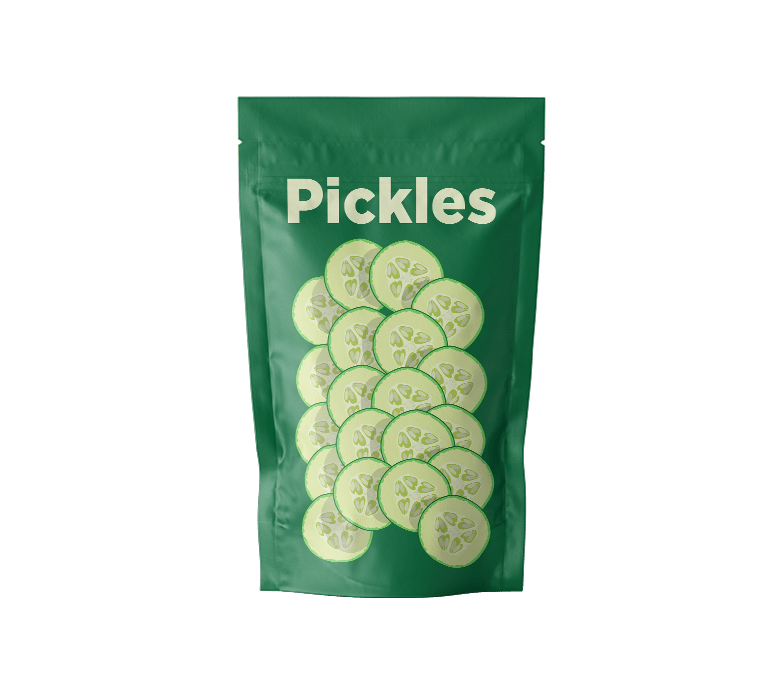
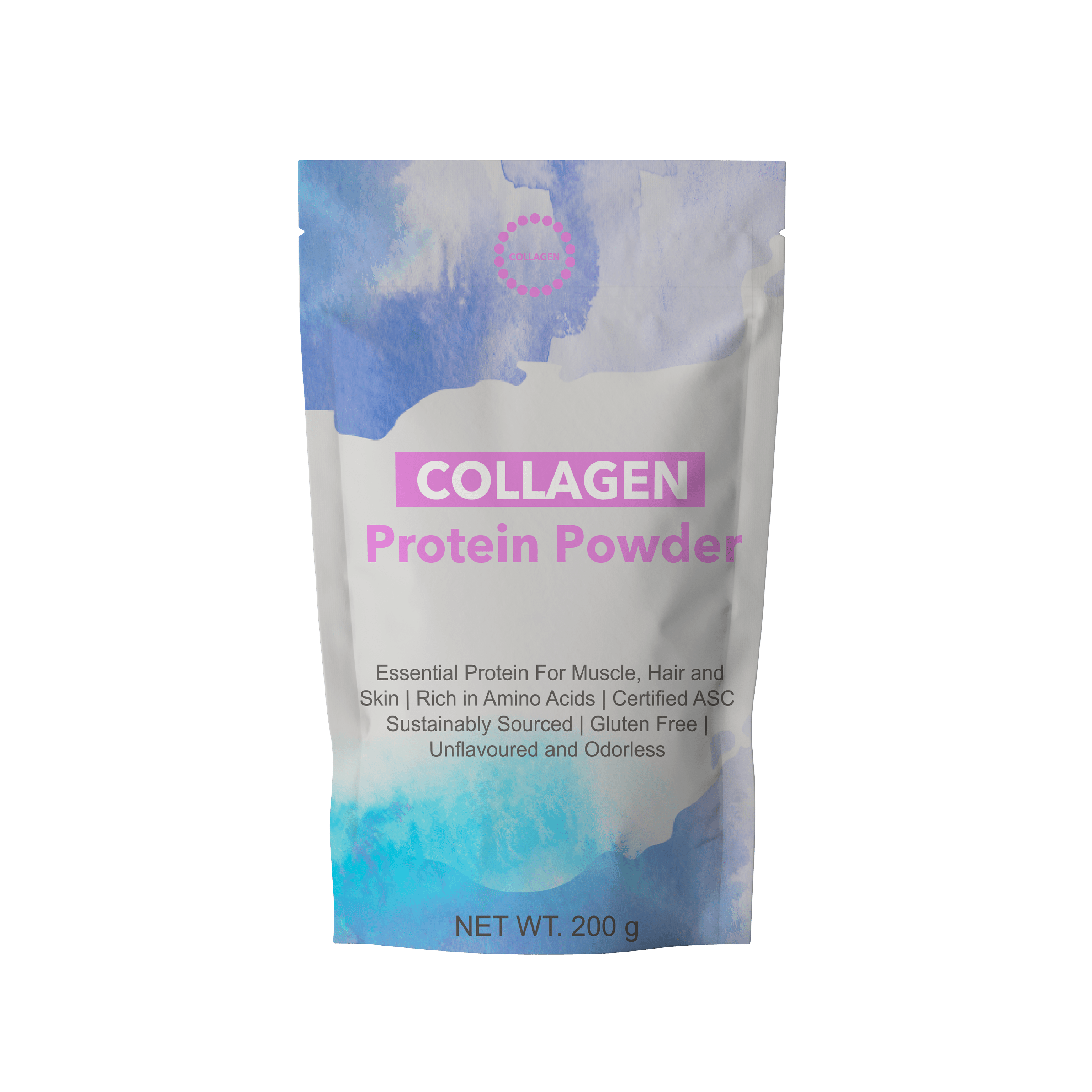
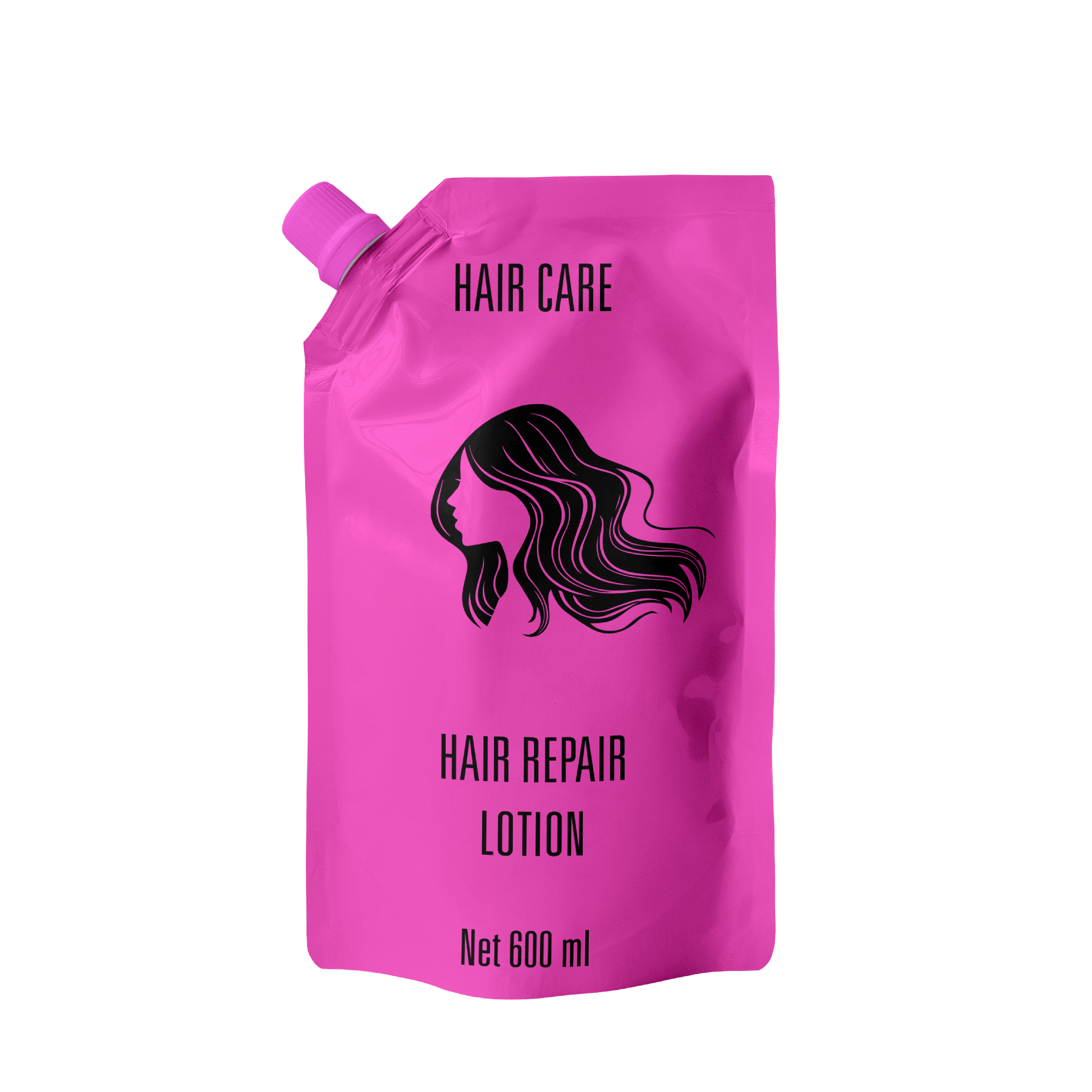
    Components of Plastic Roll Film

    VMPET and PET

    VMPET  is the Vapor Metalized form of Polyethylene Terephthalate (PET) or Polyester the gives VMPET/PET/NYLON/PE its unique characteristic as a packaging option. Polyester (PET) is a high-performance, crystal clear thermoplastic made from DMT (Dimethyl Terephthalate) and EG (Ethylene Glycol).  VMPET and PET is the ideal material for laminated packaging film or bags for quality printing and lamination as well as a good choice for high-performance plastic films. The two layers provide a glossy surface feature on the lamination layer and thereby providing a water-resistant surface that prevents penetration of water. 

    Nylon (Polyamides)

    Nylon or Polyamides (PA) is a major high-performance engineering thermoplastics class because of its good balance of properties.

    Nylon or PA is used because it is a substitute for low–strength metals in applications like automobile engines, and because of its high strength (relative to other plastics), high-temperature resilience, and high chemical compatibility.

    POLYETHYLENE (PE)

    Polyethylene or PE is a lightweight thermoplastic with a varying crystalline structure while exhibiting excellent durability properties. It is used for domestic and industrial applications ranging for pouches films, tubes, plastic parts, laminates, and so on, in numerous packaging options including Beverages, Meat, snacks &chips Fresh Products, Baked Goods, Frozen Foods dried food, etc.

    Other Features

    • The mix of the four components; vapor metalized polyethylene terephthalate, PET, NYLON, and PE  results in packaging material with good temperature resistance properties, high tensile strength, chemical stability, low gas permeability, and UV light protection. 

    • Our lamination film/bags goal is to preserve and protect your product while ensuring a long shelf life, even at an unbelievable cost as compared to other laminated film/bags options. 

    • The Vapor Metalized PET (VMPET) adds a glossy surface feature on the lamination layer and thereby providing a water-resistant surface that prevents penetration of water.

    • Minimum Electrostatic Charge: charges that may be formed on the surface of the metal sheet are reflected. Hence, reduces the thermal effect and electrostatic charges development on the surface of the film. To create true ESD shielding requires specific configurations be combined with the material.

    Related Materials
    CareClear-PNP

    CareClear-PNP (PET/NYLON/PE)

    A high clarity  plastic roll film with increased strength through incorporating Nylon into the lamination structure. 
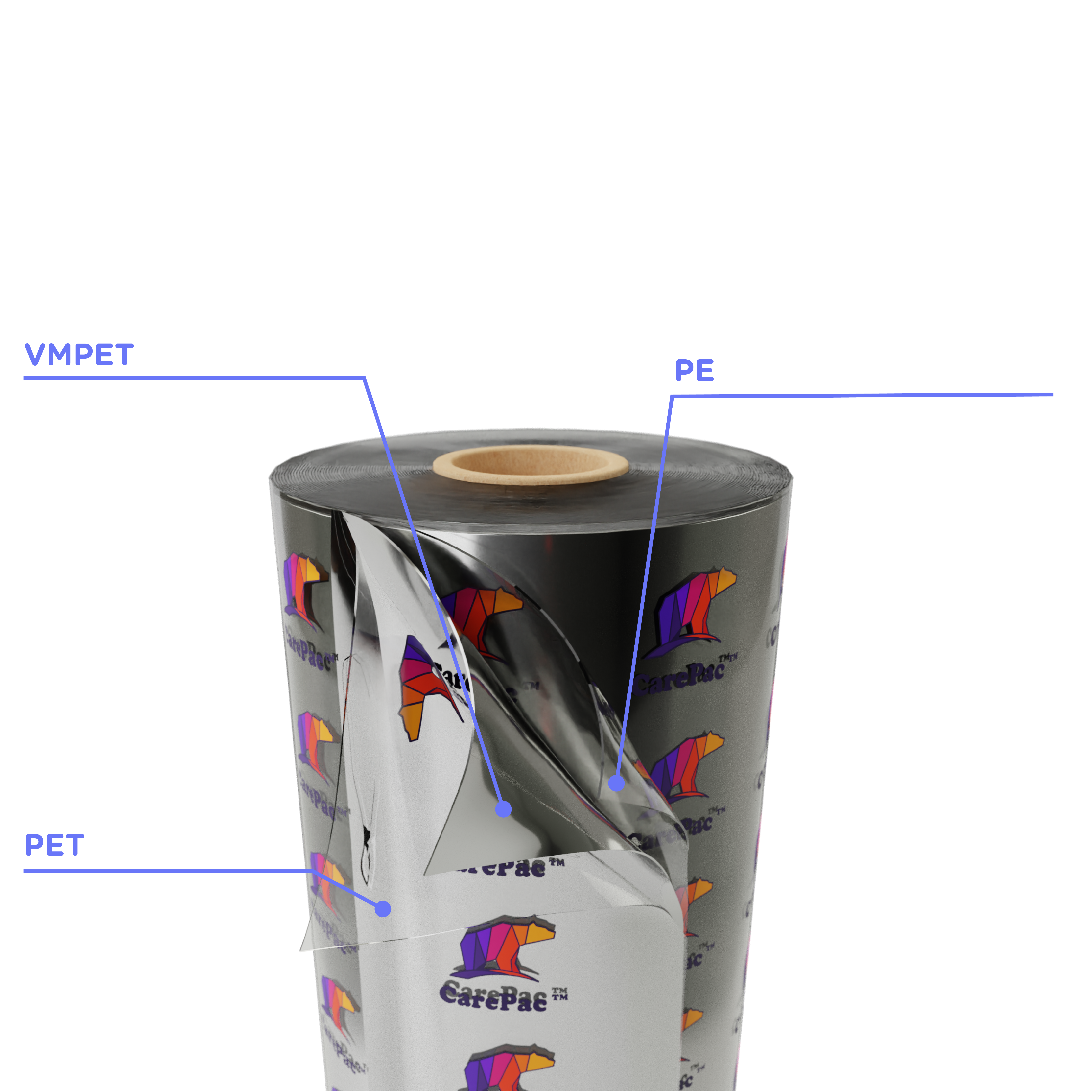
    CareSilver-PVP 

    When Nylon reinforcement is not required, CareSilver-PVP can provide a similar level of barrier and opaquaness. 
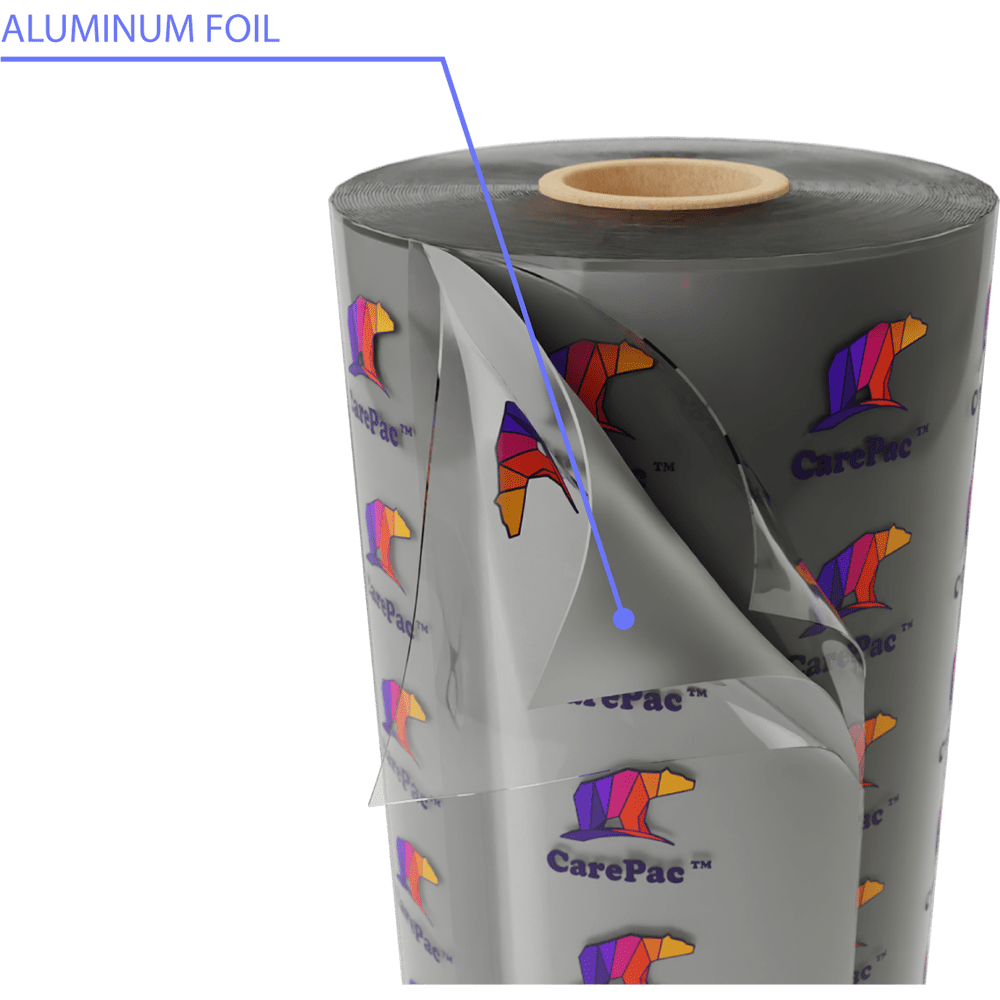
    Foil

    CareFoil PANP 

    For the ultimate level of barrier, CareFoil-PANP consists of a lamination that includes true aluminum foil into it’s structure. Providing the ultimate in barrier for most consumer products and food items. 
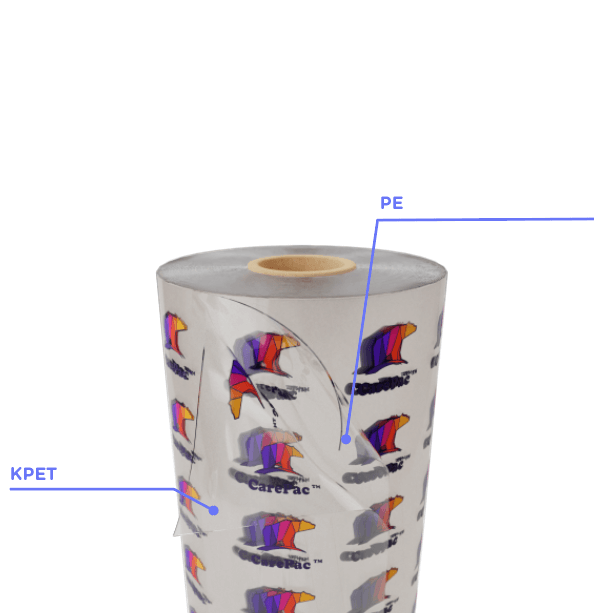
  • CareClear-XP (KPET/PE)

    CareClear-XP (KPET/PE)

    CareClear-XP (XPET/PE)

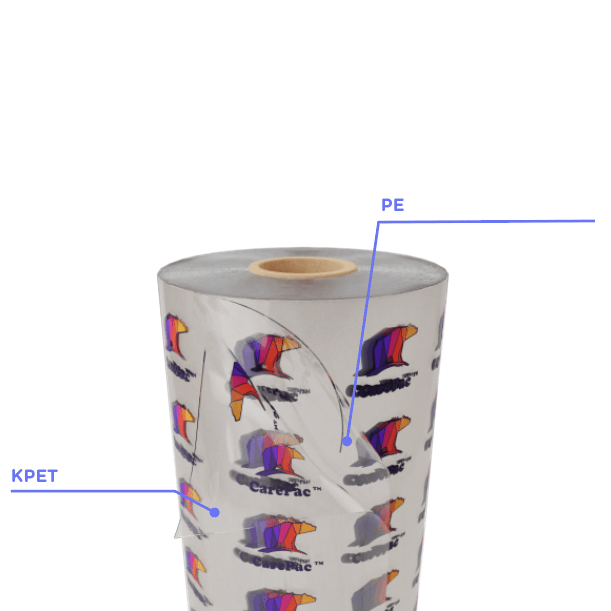
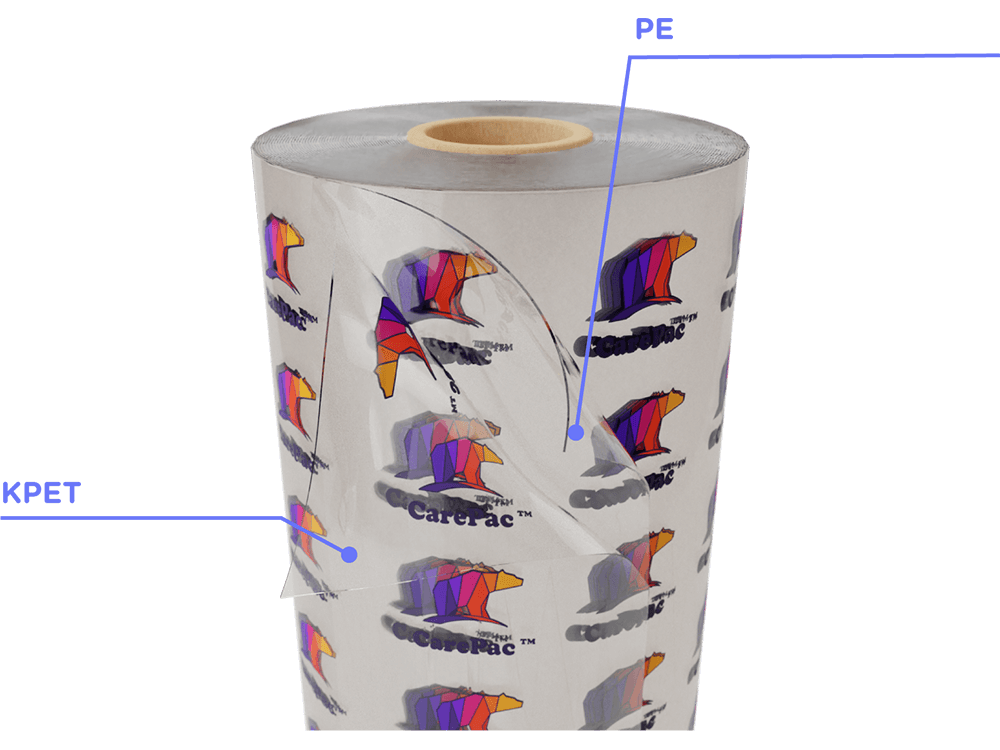
    PET is by far an excellent packaging material due to its high oxygen barrier, durability, and heat resistance. It’s also known for being a great laminating substrate. Many products need enhanced barriers as their packaging materials, which can be achieved with lamination and/or coating. PET coated with PVCD (Polyvinylidene chloride) results in a laminate called KPET or saran coated PET, which offers higher moisture and gas protection.

    Barrier Properties

    KPET/PE is used when you are seeking to combine enhanced barriers with a transparent appearance. Packaging that allows the consumer to see inside the bag is very attractive, especially for food products. Beautifully designed pouches draw the customer, but having a clear view of the delicious item you are buying is even more appealing.

    Note: The performance of any film will be influenced by a number of factors and testing must always be performed to ensure the film meets the use.

    Relative Performance Indications

    Oxygen Barrier

    Moisture Barrier

    Light Barrier

    STrength

    Heat Resistance

    Freezer Storage

    Customer Profile

    KPET/PE was a good packaging solution for this customer. 

    Granola producers face stiff competition. In this application the customer wanted to extend the shelf life by increasing the OTR barrier of the pouch. In this instance they also wanted the product to be visible to the consumer. CareClear-XP was a good choice for this use. 

    Film Material Specifications

    High barrier, chemical stability, protection against vapor and oxygen are features that make the KPET/PE film an excellent packaging solution for food, pharmaceutical, and medical items. Vitamins can lose their benefits due to moisture and oxidation. Food can go stale. In other words, sensitive products that need to endure an extensive shelf life with their properties unharmed go well with this packaging film.
    Here are some of the common indicated properties for this KPET/PE film

    Property
    Sample Data

    Available Thicknesses

    2mil – 8mil

    Sample Data Thickness

    4 mil

    MVTR

    0.2 Mocon

    OTR

    0.4 1434-66

    Tensile Strength

    >42 TD,  >42 MD ASTM D 882

    Elongation at Break

    >55 MD, >50 TD ASTM D 882

    Heat Seal Strength

    >6 Kg/15mm

    Bond Strength 

    >500 KPET/PE in g/15mm

    COMPRESSIVE STRENGTH

    80-600 JIS Z  0238

    Does PVDC improve OTR or MVTR more?

    One of the main goals of packaging is to increase the shelf life while keeping the product fresh. Oxygen and vapor are villains in this case that must be left outside.

    Depending on the type of product you are packaging and how sensitive it is to oxidation and moisture, you need to be aware of two key parameters: OTR and MVTR.

    Oxygen transfer rate (OTR) is the amount of oxygen that passes through the film in 24 hours, while MVTR stands for moisture vapor transfer rate. For both rates, a lower number indicates higher barriers.

    Foil presents the best OTR and MVTR barrier with near zero transmission rates. Its downsides are cost and susceptibility to pinholes.

    When comparing OTRs, Metalized Polyester (METPET) offer better protection against oxidation than KPET.  On the other hand, when we look at MVTRs, METPET has the highest barrier (1.2) than KPET (7.55), EVOH (100), and Nylon (260) in a single layer thickness of approximate 14 microns.

    Although METPET presents the best rates, it’s important to remember that this is a metalized material. Its opaque appearance prevents the product from being visible through the package. So if you seek a clear material to show the look of your product to your customers while having excellent barrier properties, KPET is the one to go.

    Environmental Impact of Our Bags

    This material is a multi-layer laminated plastic and will typically fall into the check-locally, or store drop off category. The product is 

        Recyclability 

      Industrial Compost

    Select Columns Layout

    Compliance Information For Our Custom Bags

    With years of experience in the packaging market, we know how to deliver superior quality and exceptional customer service whether you’re a startup business working on your first custom bags or if you’re an established business looking for a reliable supplier.


    Kosher

    BPA FREE

    FDA Food Approved

    EU Food Approved

    PROP 65

    RoHS / R.E.A.C.H

    Common Uses – Stand Up to Flat Bags

    What are the applications for the KPET/PE film? This material is used for packaging tea, pasta, cakes, snacks, oily and fried foods, meat, dairy, spices, iodized salt, medicine, and chemical products.

    KPET/PE is a flexible material that can be manipulated into any type of pouch you desire, from stand up to flat bags.

    It’s a fully printable film, and it works great with both types of printing we provide:

    • Digital printing – great for low quantity production runs or where there are many sku variations. 
    • Plate printing – Offers the lowest cost per unit, making it an excellent choice for wholesale.

    It allows you to add many features and seals as hang hole, tear notch, zippers, spouts.

    This material is also a base film for soft touching if you want to add that velvety touch and luxurious matte finish to your packaging that will impress your customer’s senses.

    If you need any help with your packaging design, you can contact our design specialists, and they will understand your product and brand’s needs and find the best solution for you.

    Snacks & ChipsChips, Wafers, Nuts, Popcorn, Seeds, Trail MixCannabisCannabis, extracts, edibles, marijuanaFrozen FoodsFrozen Vegetables, and frozen meals. Cookies & CandyBiscuits, Cookies, Chocolate Bars, Candy, Chewing GumFrozen FoodsVegetables, Seafoods, Meat, Block CheeseAgriculturalPlant Seeds and Plant FertilizerSpices & FlourSpices, Flour, Salt, Sugar, Rice, Papad, Baking MixDog & Cat FoodDog & Cat Food, Bird Seed, Livestock FeedChemicalsAgro Chemicals, Detergent, Industrial Chemicals, CementPowder ProductProtein Drinks, Milk Powder, Supplementary PowderPersonal CareIncense Sticks, Cosmetics, Wet Wipes

    Are KPET/PE Bags For You?

    For products that :-require a high barrier;-are susceptible to oxidation and moisture;-need odor protection;-have chemical compounds;-and goes well with a clear transparent packaging look;This is definitely the material for you. 

    Component Details

    KPET/PE is a two-layered transparent material with an enhanced barrier provided by the PVDC coating on the PET layer.

    How does PVDC coating improve the gas and moisture barrier? 

    PVDC is produced by polymerizing vinylidene chloride, resulting in clear and flexible plastic with outstanding oxygen and moisture barrier compared to metalized films. It also has high chemical resistance and inertness, preventing odor formation and interaction with the product inside the packaging.Since it’s a more expensive component, it’s often mixed with less costly materials to combine its benefits with more feasible costs.

    Related Materials

    PET

    CareClear-PNR PET/Nylon/RCPP

    This material is best when used with a high heat liquid such as spout pouches or high heat retort and microwave meals .

    CareClear-PP PET/PE

    Economical general use where a mid-range quality barrier is needed. 

    CareClear-PNP PET/NYLON/PE

    Enhanced strength and MVTR barrier. 

  • CareClear-PP (PET/PE)

    CareClear-PP (PET/PE)

    CareClear-PP (PET/PE)

    CareClear-PP (PET/PE is a economical general use clear polyester based barrier material. The combination of Polyethylene Terephthalate and PE in the form of LLDPE provides strength and clarity in a heat sealable printable film. All while providing a economical price point. 

    Barrier Properties

    The barrier properties of PET/PE are suitable form many applications and fall squarely in the mid-range of barrier films. CareClear-PP can provide sufficient barrier to keep many products fresh for the full shelf life expectancy. 
    Some applications not suitable for PET/PE would involve the requirement for light barrier, as PET/PE is a clear film, that even when printed will not prevent light exposure. 

    Note: The performance of any film will be influenced by a number of factors and testing must always be performed to ensure the film meets the use.

    Relative Performance Indications

    Oxygen Barrier

    Moisture Barrier

    Light Barrier

    STrength

    Heat Resistance

    Freezer Storage

    Customer Profile

    PET/PE was a good candidate for this use. 

    The customer required a bag which could be printed with logos and graphics, but allowed the product inside to be seen by the consumer. The high clarity of PET/PE allowed the viewing window to built into the art. 

    Film Specifications

    Transparent lamination of PET and LLDPE for use in a wide variety of packaging applications. 
    Here are some of the common indicated properties for this PET/PE film

    Property
    Sample Data

    Available Thicknesses

    3mil – 7mil

    Sample Data Thickness

    3.0 Mil +- 5μ

    MVTR

    .34 gms/100sq.in./24 hrs

    OTR 

    7.36 cc/100sq.in./24 hrs

    Tensile Strength

    19 (MD) ASTM D-882, 22 (TD) ASTM D-882

    Tear

    48 (MD) ASTM D-882, 48 (TD) ASTM-D992

    Heat Seal Strength

    >6 SIDE kg/15mm

    Bond Strength

    >400 g/15mm

    Thrust Strength

    >84 FED-STD-101-2065

    Environmental Impact

    This material is a multi-layer laminated plastic and will typically fall into the check-locally, or store drop off category. The product is 
    At Home Compost

        Recyclability 

    PCR

    Select Columns Layout

    Compliance Information

    CareClear-PP is processed from raw resin which according to our film resine suppliers conforms to all applicable compliance standards indicated. 
     

    Kosher

    BPA FREE

    FDA Food Approved

    EU Food Approved

    PROP 65

    RoHS / R.E.A.C.H

    Common Uses

    Here are some common uses of this film. 

    Snacks & ChipsChips, Wafers, Nuts, Popcorn, Seeds, Trail MixCannabisCannabis, extracts, edibles, marijuanaEasy Pill PouchesSupplements, pills, medicinesCookies & CandyBiscuits, Cookies, Chocolate Bars, Candy, Chewing GumFrozen FoodsVegetables, Seafoods, Meat, Block CheeseAgriculturalPlant Seeds and Plant FertilizerFrozen FoodsMicrowave Meals, Curries, Fruits, VeggiesSpices & FlourSpices, Flour, Salt, Sugar, Rice, Baking MixDog & Cat FoodDog & Cat Food, Bird Seed, Livestock FeedChemicalsAgro Chemicals, Detergent, Industrial Chemicals, CementPowder ProductProtein Drinks, Milk Powders, Supplementary PowdersLaser ScoringVarious applications from dried products. IndustrialNuts, Bolts, Tools, Plumbing fixtures

    Related Materials

    PET

    CareClear-PC PET/CPP

    CareClear-PC provides some enhancement to heat potential with the use of Cast PP but also yields a very clear bag when used in thin film thicknesses.

    Nylon

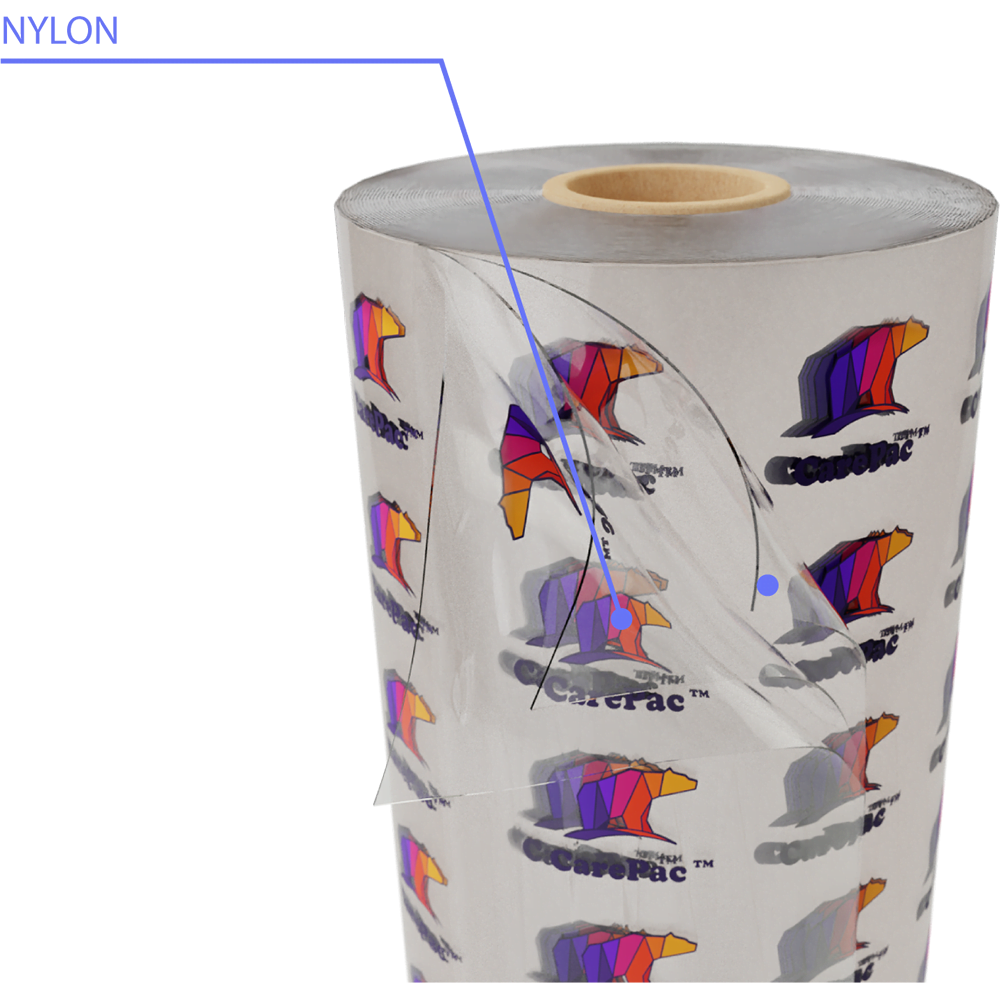
    CareClear-PNP PET/NYLON/PE

    CareClear-PNP is a enhanced version of CareClear-PP which includes the addition of Nylon to increase certain barrier characteristics and strength for liquid and powder applications. 

    CareClear-XP KPET/PE

    PVDC coated PET provided extra barrier for applications which need enhanced WVTR and OTR, with the greatest increase being for the OTR barrier. 

  • Is RGB or CMYK better for digital

    Is RGB or CMYK better for digital

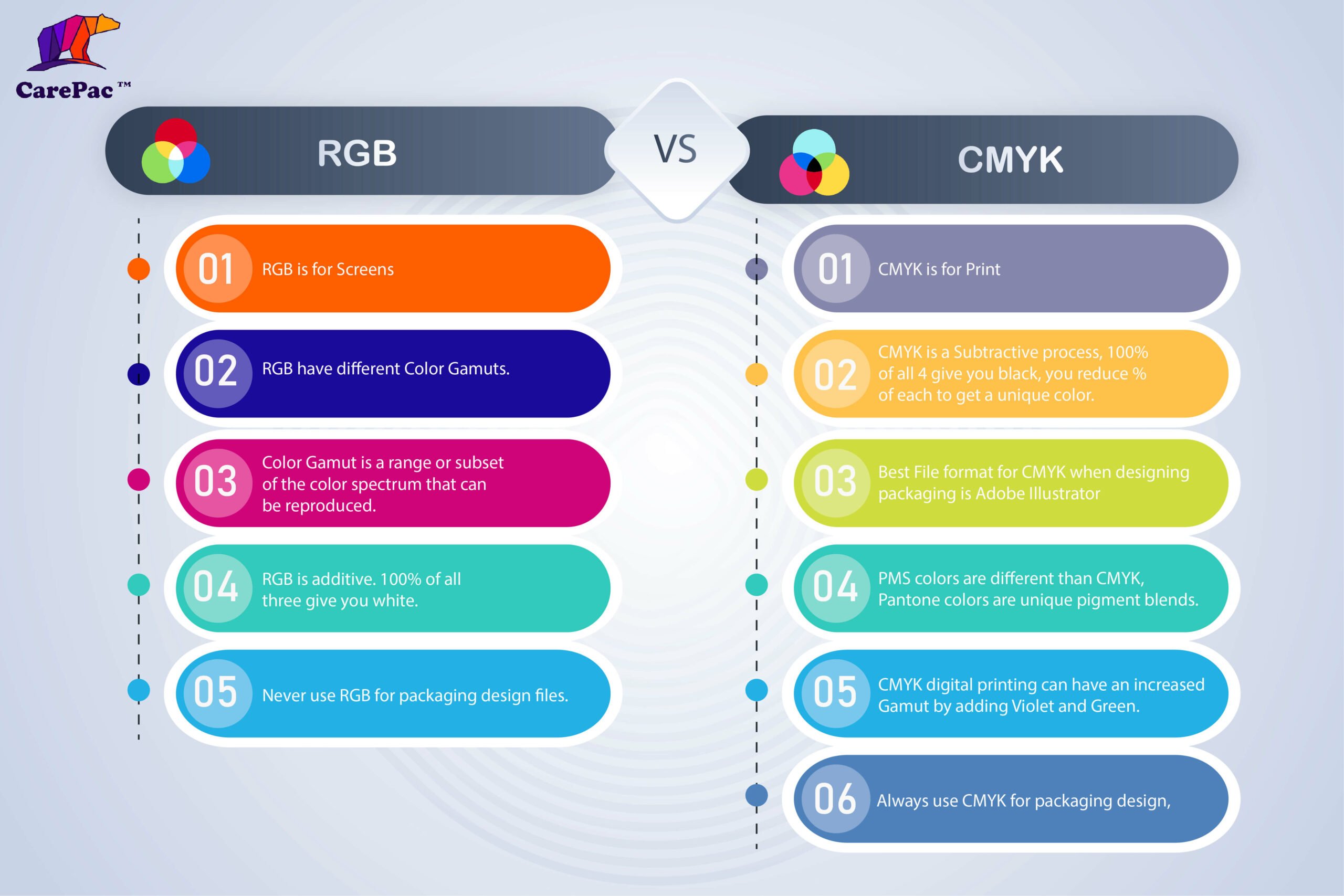
     Whether you are a designer or just trying to get a project across the finish line for your team, some things are essential to know if you are working with printed packaging. One of the most important things to know is the concept of RGB vs CMYK color modes.

    The mastery and knowledge of both these concepts are not restricted to the complete forms of both words. It also refers to understanding of how they help optimize the design and printing process. So, for example, it also helps to understand which color mode you choose for products paper envelopes.

    When we try to understand the concepts, they are presented in a challenging way, and we get more apprehensive of learning about them.

    However, in this article, we will explain the RGB and CMYK color modes in a more straight forward way so that you can use them in the best way.

     So, without any further ado, let us get started!

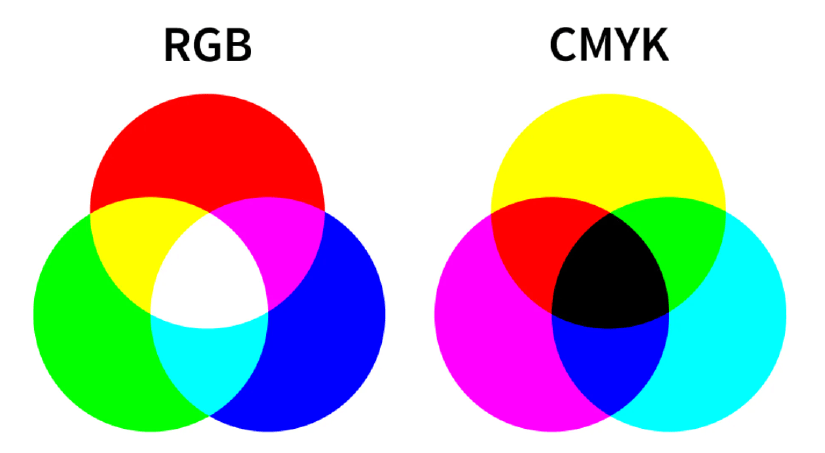
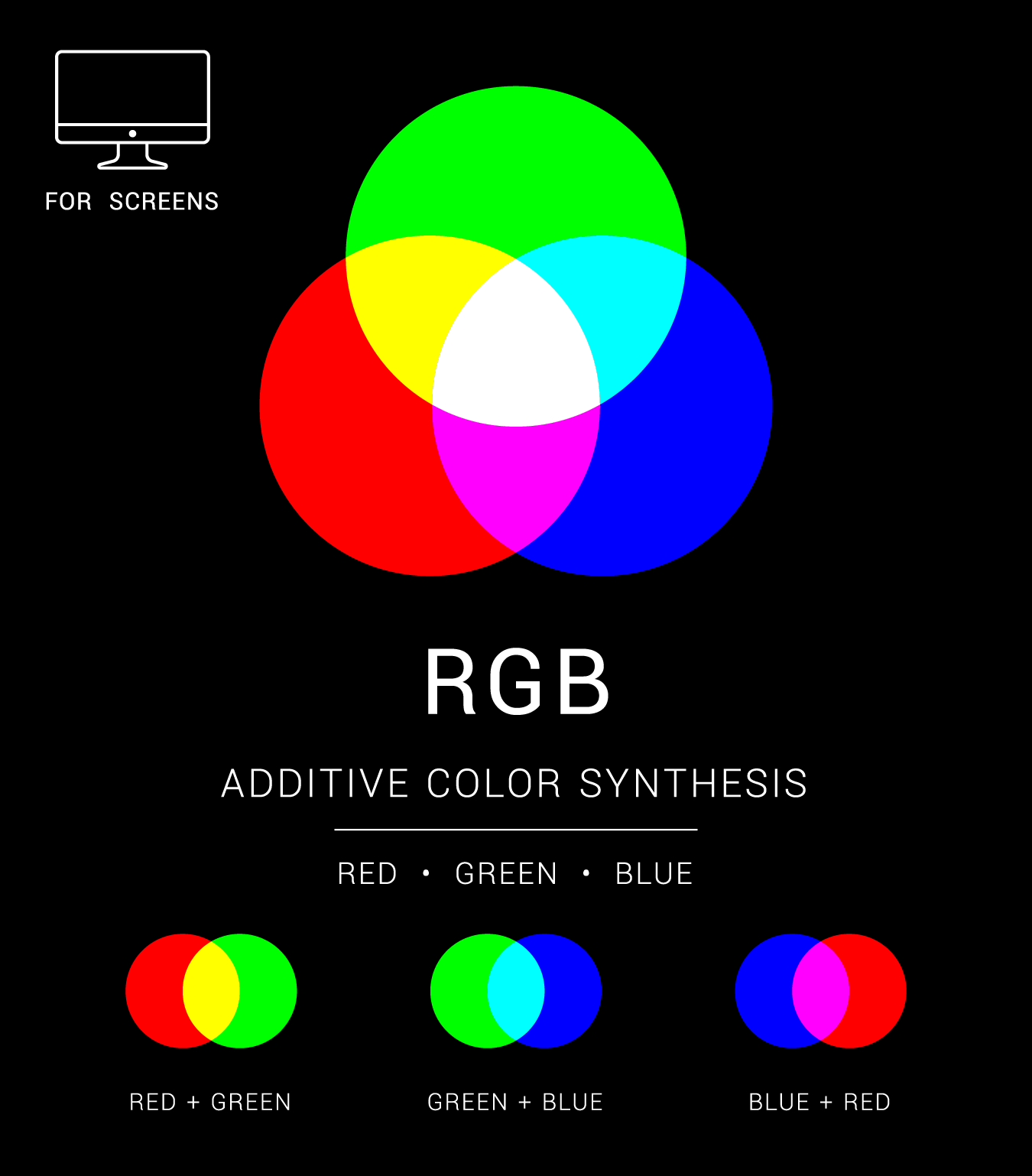
    An infographic showing the differences between RGB and CMYK

    What is RGB?

    The complete form of RGB is Red, Green and Blue and is the color space frequently used for digital images.

    All the colors initially consist of black darkness; then, the three colors are put on top of one another to create the perfect pigment and brighten it. This is what a light source does, and it produces the color you want by combining red, green, and blue light and adjusting the intensity.

    The graphic designers can adjust and play around with three primary colors (red, green, blue) to control the vibrance, saturation or shadowing to increase or decrease the final color outlook. Moreover, they even can alter the light source so the designers can use it to achieve the required color on the screen.

    When to use RGB?

    There are times when you need to use RGB color mode instead of CMYK to display your design. 

    RGB is for Screens

    If the destination of your design is a digital screen, then you should opt for the RGB color mode. A digital screen includes different devices, like mobile phones, tablets, android televisions, projectors, computers or even cameras.  But that is not all. You will also need to opt for RGB color mode for the following options:

    Websites and applications design

    This includes all the graphical content, like icons, signs, buttons or even graphics.

    Social Media

    Social media content includes posts that incorporate data, images, profile pictures or backgrounds.

    Video Content and Infographics for Web

    Visual content accumulates all types of content mentioned above and other options like videos, infographics or even photographs for various online platforms like websites, applications, or social media.

    Best file formats for RGB

    Now that we have talked about RGB color mode, the next thing that we need to understand is that not all the file formats are for RGB. However, there are some preferred file formats required for RGB.

    JPEGs

    The most common format for RGB is JPEGs. They are easy to read by any software, and you can easily play around with the size and quality. If you like, you might even compress it.

    PNGs

    The second most common but better version of JPEGs is PNGs. They are not only transparent but are of higher resolution, which is great for graphics. This type of format is excellent for website content like icons or buttons.

    PSD

    PSD is an editable file version of photoshop and a common source for RGB documents. It is excellent to use when sharing files with other graphic designers.

    GIFs

    Everyone is aware of GIFs, a combination of different animated elements. It is used on various platforms for work or fun.

    What is CMYK?

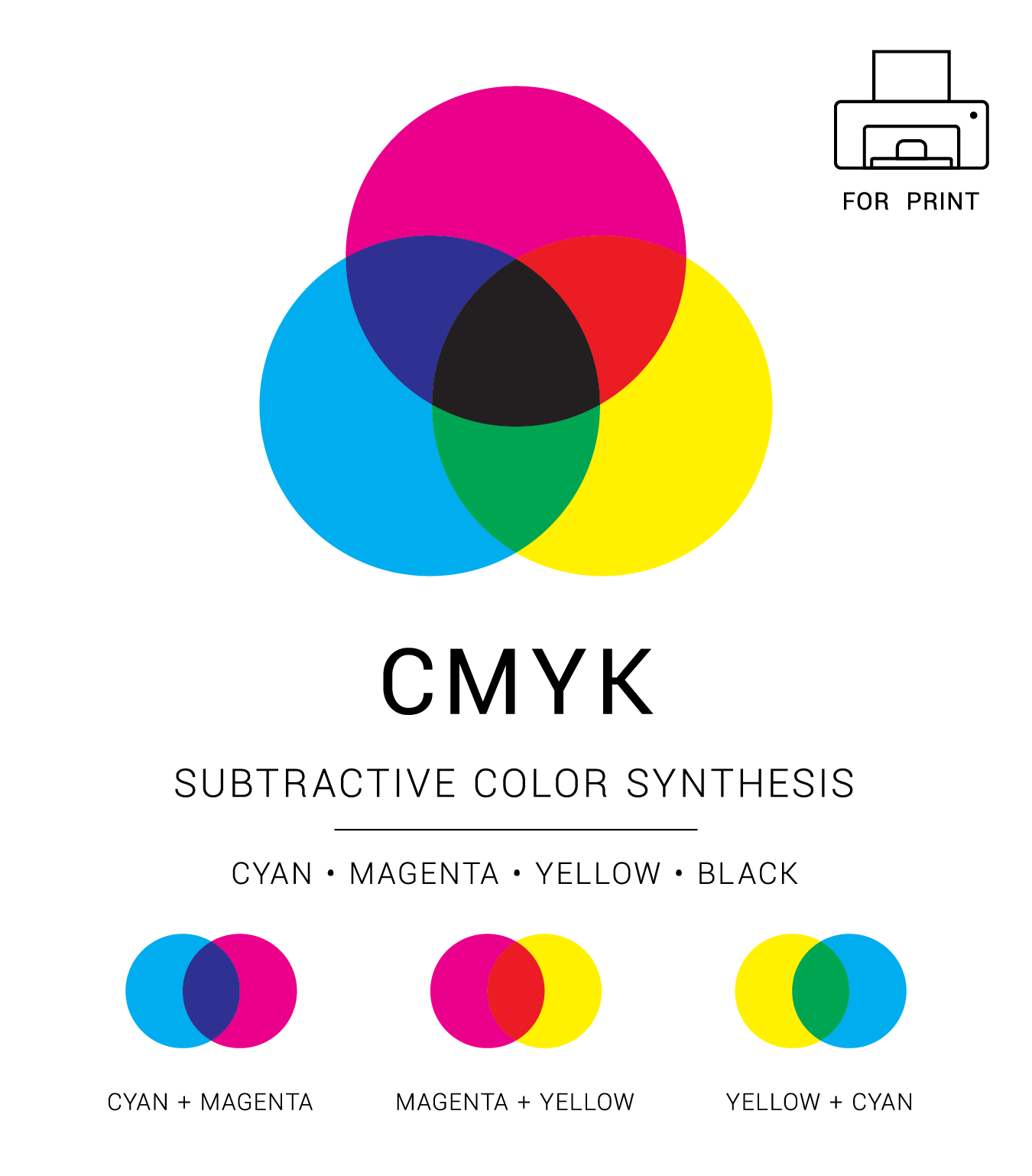
    CMYK means Cyan, Magenta, Yellow, Key/Black. The CMYK colors are mixed up using real ink, and a printing machine creates the images.

    This process is referred to as subtractive mixing. All colors begin as white, and every layer of ink diminishes the initial brightness to get the desired color. When all hues are combined, they become absolute black.

    When to use CMYK?

    There are certain times and file formats where you should use CMYK color mode. However, you should avoid doing so other times unless you know which format would be the best.

    You need to understand a simple rule: you should always opt for CMYK when a design needs to be printed. CMYK color helps to recreate a design or a style in a more accurate way.

    It would be best if you choose CMYK in the following project types:

    Printed Packaging Design

    Any packaging design that will be printed digitally, (and some which will be flexographic or rotogravue), should be setup with CMYK. It should be noted that like a onion, color space selection is complex, and we havn’t address PMS colors in this article, but as a rule of thumb, the best place to start with packaging design is using CMYK.

    Advertising

    Marketing collateral like posters, flyers, billboards, brochures, menus, vehicle wraps, business cards, management tags and more.

    Merchandises and materials

    The merchandise and packaging that need to be oriented should be included in the CMYK list, such as products, paper envelopes, collection printed samples, menus, packaging, clothing or even hats.

    Best file formats for CMYK

    AI

    AI is the editable file of Adobe Illustrator, also known as the standard source file. Working with a team of designers, you should always use AI file format.

    PDFs

    We all know PDF versions and have used them for our word files, but we need to understand that it is perfect for CMYK files. One of the reasons is because of its compatibility.

    EPS

    If you don’t want to use AI files, you can choose to go with EPS files. While AI files might be compatible with some software, EPS files are best to work with all the vector programs.

    Moreover, you should also get a printout and then decide if you need to adjust the colors again or are the colors output is good enough.

    TIFFs

    When you save a PSD as a TIFF Photoshop creates a flat Tiff image file and the layer data is a separate Tiff Tag and can have embedded RLE. 

    Why the RGB and CMYK Difference Is Important in Graphic Design

    You should understand and comprehend the difference between RGB and CMYK channels in Graphic Design. One of the significant reasons to understand the difference between the two can affect the final printed version compared to the digital one.


    Both RGB and CMYK are two different color modes. They have their own  requirements, pros and cons.


    Attempting to print a file in the wrong format will result in incorrect colors. This mistake can further be an expensive and time-consuming problem to solve. Therefore, understanding the differences and avoiding these color issues is essential for good design and printing.

    Moreover, it is also essential for the digital printing services to know the difference since they are in charge of printing an order. A little mess up can incur high costs; therefore, digital printing services need to know what is best for digital marketing and other channels.

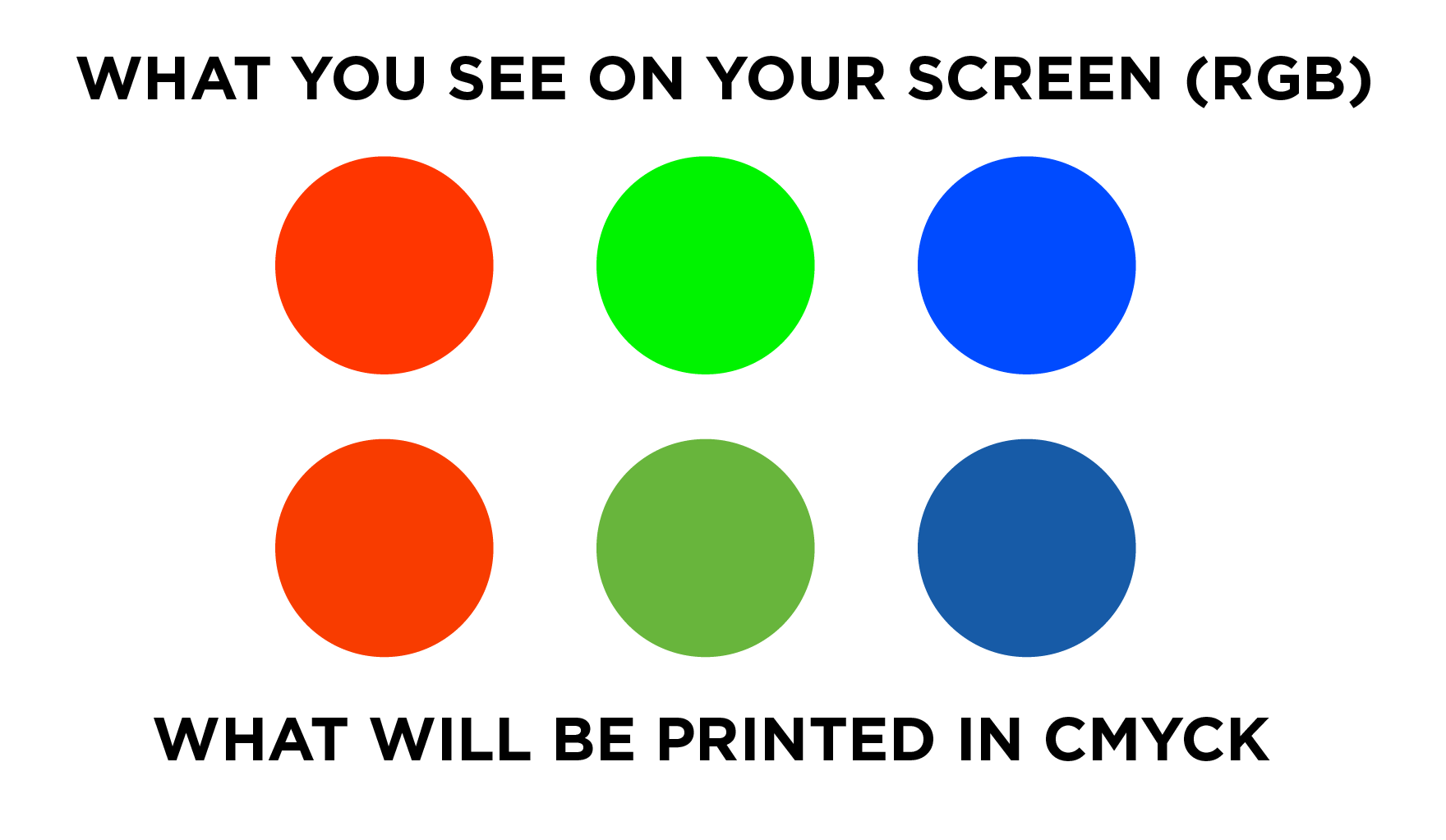
    For digital printing on pouches your file should be set to CMYK. CMYK stands for Cyan, Magenta, Yellow, Black. These are the ink colors that will be combined when printing your logos and graphics on the pouch. RGB which standards for Red, Green, Blue is applicable to on-screen display and is not used for printing. 

    RGB vs CMYK Model

    RGB is an additive, whereas CMYK is a subtractive color model. RGB color model uses white as the sum of all primary colors and black as the darkness of light. Graphic designers and publishers use the RGB color model for any media that emits light. Because the mediums emit color as red, green, or blue light, RGB is perfect for digital media design.

    In the RGB color paradigm, pixels on a digital screen are all one of three hues when magnified: red, green, or blue. The white light projected by the screen combines the three colors on the eye’s retina to produce a wide variety of additional apparent colors. The rule is that the more color beams sent by the device, the closer the color goes to white.

    However, not producing any beams results in color darkness. This is the inverse of how CYMK operates. CMYK color model employs white as the original color of the print backdrop and black as a color ink combination.

    CYMK is ideal for print marketing materials like logos and best for digital materials because it uses colored ink for printing. Using CMYK, colors are subtracted from the original white light and converted into pigments or dyes.

    Printers apply these pigments onto the paper in the form of tiny cyan, magenta, yellow, and black dots that can be spaced out or used closer together to create the required colors.

    The more colored ink applied on a paper with CYMK, the closer the color gets to black.

    However, as you subtract cyan, magenta, yellow, and black inks, you get the white or original hue of the paper or background. RGB color values vary from 0 to 255, while CMYK color values range from 0% to 100%.

    How to Convert an RGB File to CMYK

    You might have to change the color space of a document, and the change might require changing the colors.

    About Color Spaces

    A color space refers to applying a color model, either RGB or CMYK. RGB and CMYK have numerous color spaces, and each one of them has a unique gamut. Adobe RGB and sRGB are the two most common color formats. However, the screens commonly use standard RGB or sRGB and are appropriate for photos on the web as they are translated by most displays the audience uses.


    If you wish to learn more about color spaces, you need to know the differences between the two-color modes in even more detail.

    The Simple Answer: CMYK+W is for print RGB is for screens

  • Dieline Walk Through

    Dieline Walk Through

    In this video we walk you through a typical flexible barrier packaging dieline. Topics include: reading the dieline, understanding layers, and how to denote finishes, and clear or unprinted areas. Additionally, basic best practices are included. 

  • Flexible Packaging Design File Setup

    Flexible Packaging Design File Setup

    Flexible Packaging Design File Setup

    Setting up art files for flexible barrier packaging has it’s own little quirks and peculiarities that set it apart from other print setups. But never fear! The same basic techniques and knowledge base you have used for off-set or paper printing can be transferred to flexibles.  

    Types of Dielines

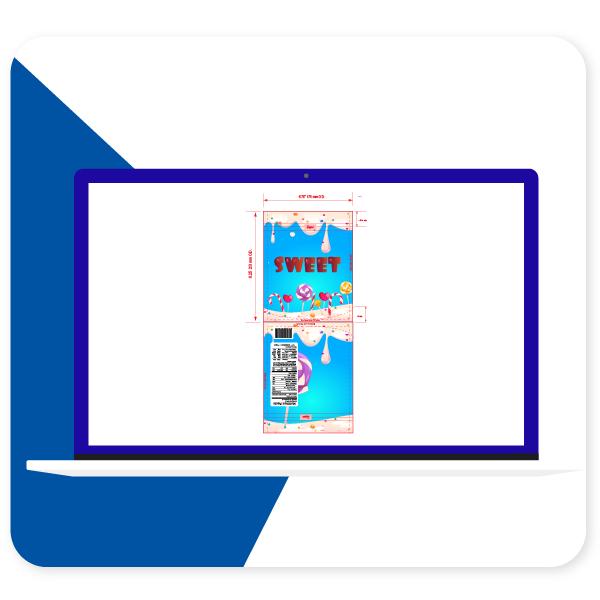
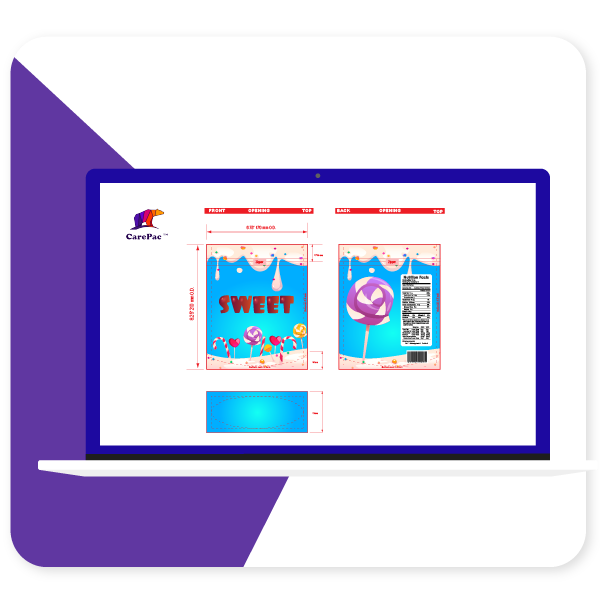
    There are two types of dielines you’ll see presented. A “multi-up” dieline or a as-print dieline. At Carepac we prefer using multi-up because it makes actual proofing easier, but many times you may work with a dieline that is as print. 

    As-Printed Layout

    Multi-Up Dieline

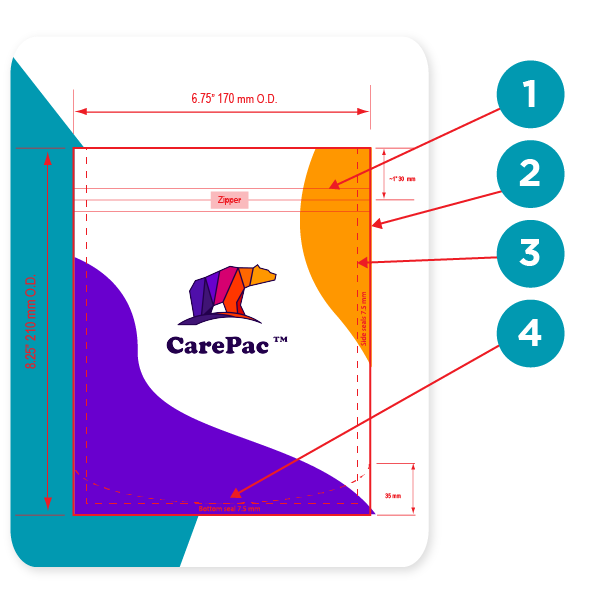
    Reading your dielines

    1. Zipper location

    Yes you can print over the zipper area. Sealing the zipper into the bag does create some wripples / mild distortion so we don’t recommend putting important mission critical items in the zipper area.

    2. Outer edge of bag

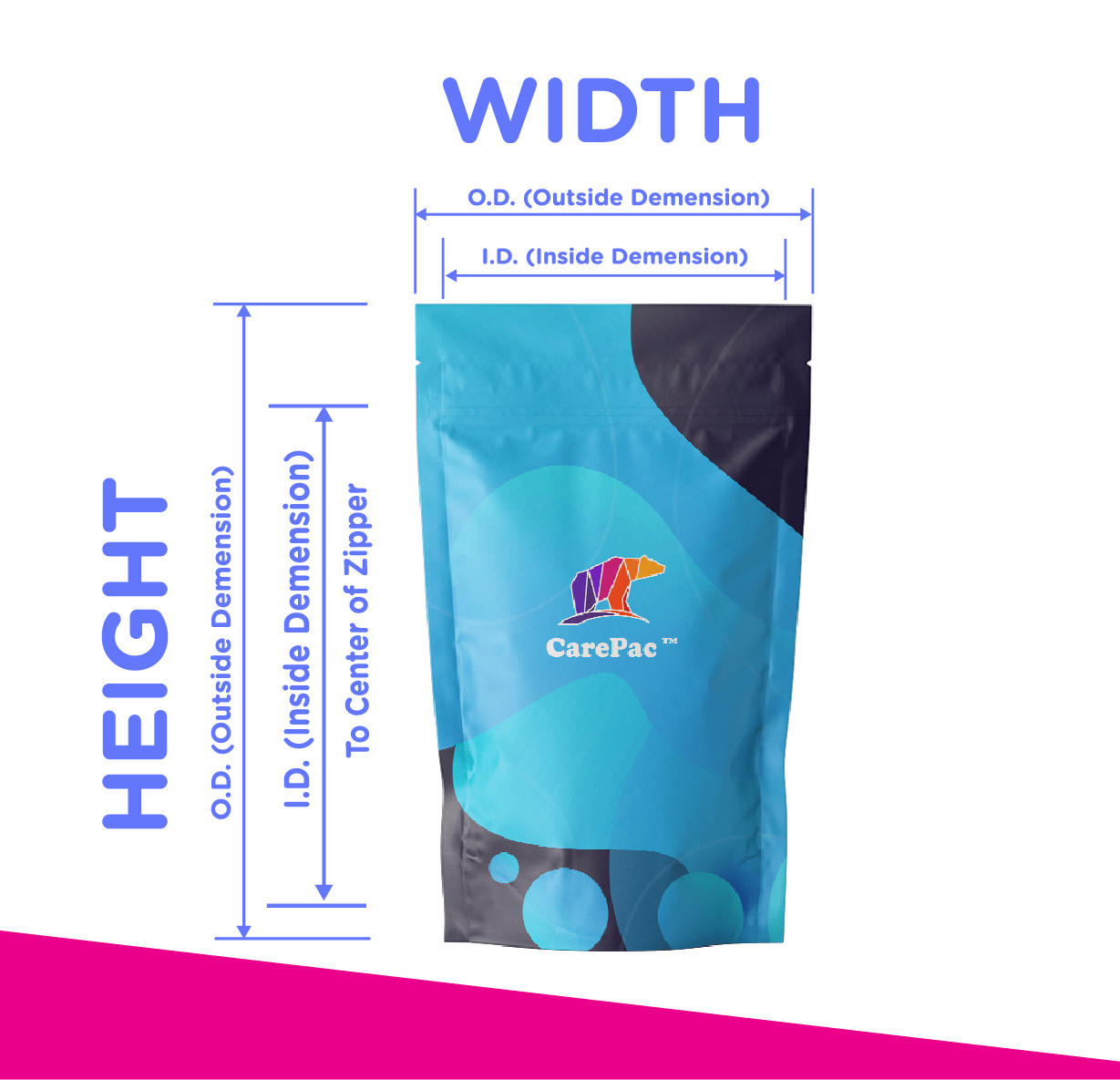
    On our dielines the edge is the edge, no additional bleed needed and nothing exists beyond this point. Over the years several customers have thought that the dimensions indicated are ID, inside diameter, which is false. All the dimensions are O.D. Outside diameter. 

    3. Seal Zone

    Seal zones are where the material of the front and back of the bag are sealed together. Seal zones are printable space, the only suggestion is to not put something like a barcode in the seal zone as, similar to zippers, seal zones can have a slight bit of distortion. 

    4. Gusset Zone

    Gusset zones are like seal zones never put a window area in a gusset, as this area will not look good if you put clear window over it. 

    Dieline Color Bars

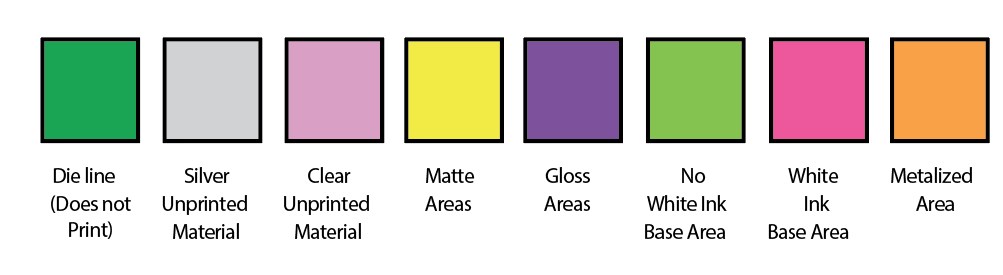
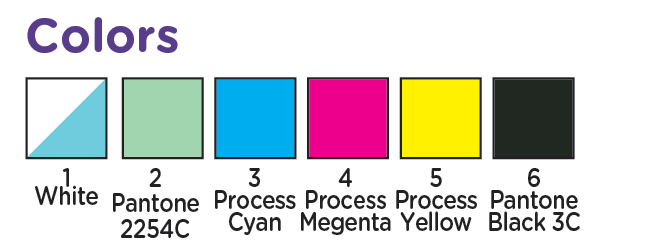
    Dielines use various “off canvas” colors to denote physical elements of the bag. These colors should contrast with the artwork, so they are easy to identify. Tese are technically the dielines. Here are some examples of dieline colors, with their corresponding label. 

    Pouch designs will include alot of content which is not actually printed on the pouch. This content is there to convey various specifications. For example when designating areas of clear or unprinted area, merely making those areas transparent in the AI file is not a good practice, why? Because white and transparent can be confused, also your AI files are going to be converted to other file formats for printing (for example rip station files) and ensuring that the person making the conversion understands your intensions is key. 

    It’s important to designate various items such as: 

    • Clear unprinted areas
    • Metalized unprinted area
    • Matte, Gloss, and Spot UV finish areas. 
    • Areas of white ink base and areas without white ink base. 
    • Metalized printed areas (different than unprinted metalized areas)

    Using Art Boards vs Layers

    The decision of using separate art boards or layers is up to you, but typically we suggest layers, even for “off-canvas” layout information such as white ink base areas. This is because you can overlay layers to ensure their locations correctly correspond to the printed areas. 

    Setting Up Your Layers

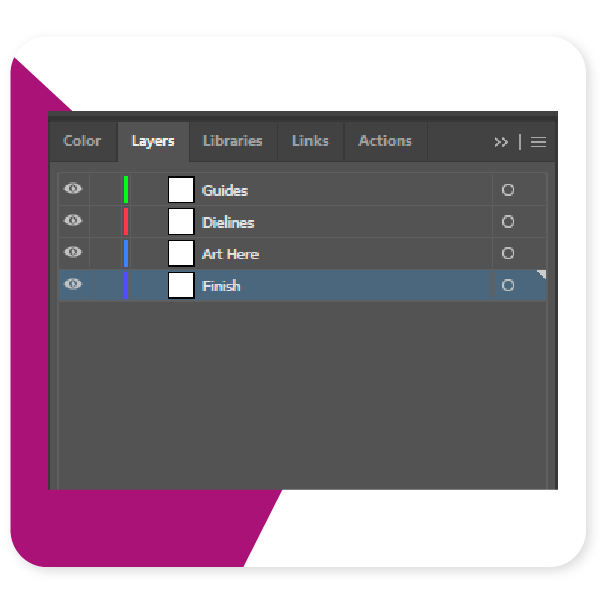
    There are some basic best practices to follow when setting up your layers. Firstly, do not mix the dieline and art layers, this can create errors, and just makes for messy files. Second, if you are designating finish locations for spot UV or matte varnish, use a separate layer for those purposes. 

    1. Separate Dielines from art

    2. All art on one layer

    3. Finish designation layer separate from art. 

    Outline all text

    It’s very common for designers to forget to outline their text. It is important to outline text to ensure that there are no versioning differences between different versions of a font file. If you’ve used a paid font, then we won’t have that font, and if you’ve downloaded a free font from DaFont, Fontspace, fontsquirrel, or any of the numerous font sites, they all will have slightly different versions of the file than what we might have. 

    Define Color Swatches

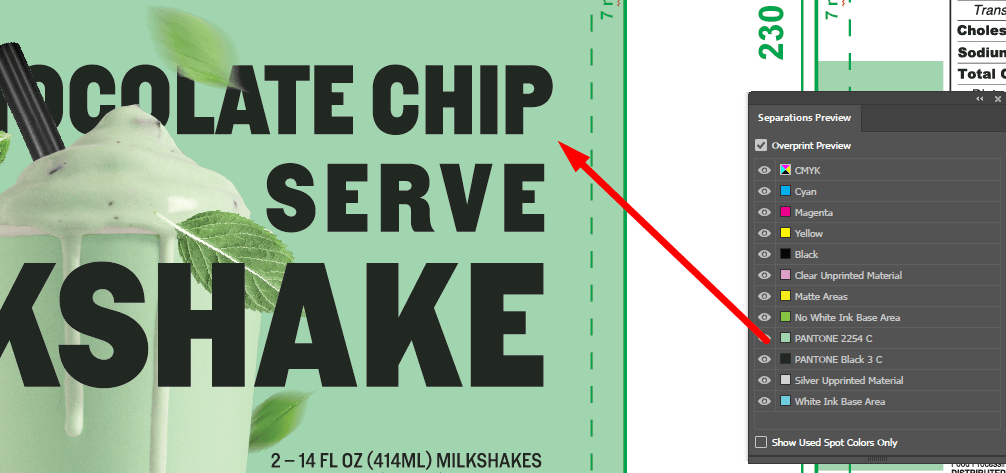
    Messy Color swatches, or failing to setup any swatches is something we see almost daily. Adobe’s built in color swatches allows for color separation and is especially helpful when working with spot ink colors, such as Pantone colors. In the picture below the designer has correctly separated and assigned PMS colors to the art work. Spot ink colors are colors created through the combination of specific ink colors instead of CMYK. Spot colors can be more consistent across print runs, and allow for color matching to pantone ink swatch decks. 

    Pantone Colors

    While talking about Spot colors we should probably address the whole Pantone v. Adobe issues.

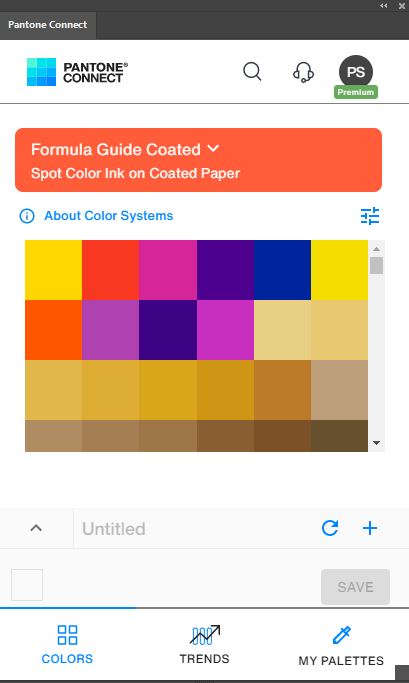
    Pantone and Adobe have been in a bit of a tussle and pantone colors libraries are no longer a free part of adobe illustrator. This has created some issues as the pantone libraries that are freely available are now out of date. There are a few work arounds that we’ll tell you about. 

    The first is of course the official Pantone Plugin. Pantone has released Pantone Connect which is a paid service, part of which is the pantone connect plugin. If you have the Pantone connect plugin then you have access to all the current Pantone colors (as of writing this Pantone Connect is $59/year).

    There are a couple of ways to handle things if you don’t pay for the plugin. First lets talk about something most people don’t understand, screen color is not the same as color on paper (or plastic). Here’s the secret, it doesn’t matter if you have the plugin or not, as long as you have the physical pantone book. 

    You can use whatever color you want to designate your spot. 

    Yes you heard me right, whether you have the plugin or not, it’s really irrelevant for our purposes because, screen colors are not very accurate to being with. As long as you designate the color number correctly in your color section (and assign it a swatch in the Color swatches), then we’ll know what you’re talking about. Since for Pantones to have any real value you should be referencing the printed color decks anyways.  

    Don’t Forget Your Links!

    One of the most common issues we run into when setting up customer’s art is the missing link. It’s easy to forget those pesky linked files, but without them we can’t take your files to press. So Lets remember to embed the linked files or include the links folder in your export. 

  • CareClear-PNP (PET Nylon PE Bags)

    CareClear-PNP (PET Nylon PE Bags)

    CareClear-PNP (PET Nylon PE Bags)

    Overview

    This material has a higher than average moisture and strength, with good oxygen and gas barrier. As this is a clear product it has limited light barrier potential but does have good heat resistance. Enhanced heat resistance could be obtained with CareClear-PNC is required by the use application.   

    CareClear-PNP (PET/NYLON/PE) is a common lamination structure used in flexible packaging. it is the unique combination of three plastic films (the PET a short form of Polyethylene Terephthalate, Nylon also known as PA, and the PE a short form of Polyethylene)  that gives our packaging film or bags its unique technical qualities making it ideally suited for a wide range of applications either for domestic or industrial use. 

    Relative Performance Indications

    Oxygen Barrier

    Moisture Barrier

    Light Barrier

    STrength

    Heat Resistance

    Freezer storage

    Note: The performance of any film will be influenced by a number of factors and testing must always be performed to ensure the film meets the use.

    The unique combination of PET, NYLON, AND PE enhances tear strength potential to reduce bag blowouts, specifically in powder and liquid packaging applications. This film also helps maintain freshness, extend shelf life and prevent damages to the contents of the package, in a non-rigid form.

    Customer Profile

    CarePac-PNP PET/NY/PE was a good candidate for this use case

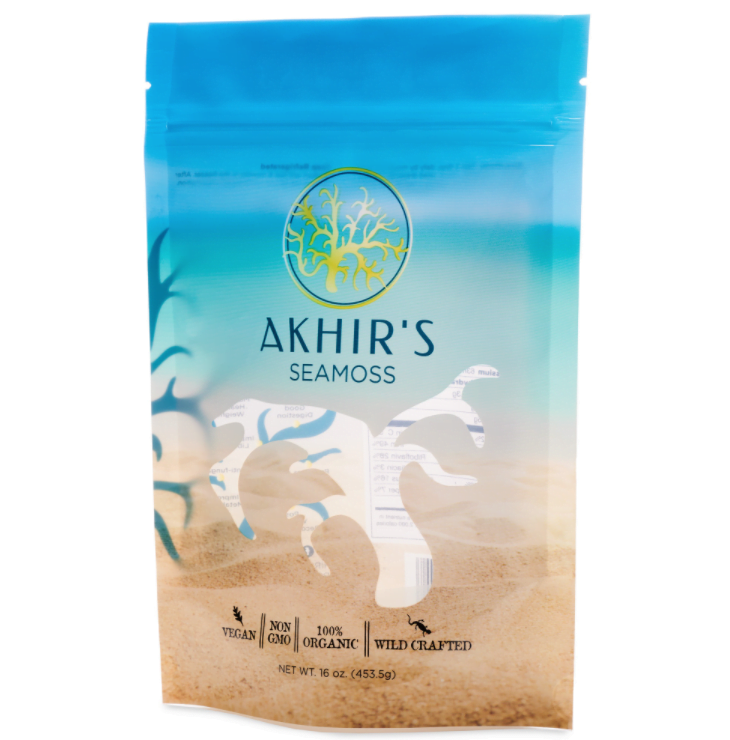
    Frozen Sea Moss is a widely consumed health and beauty supplement. Sea Moss is a plant product that is stored frozen and the then thawed by the consumer. CareClear-PNP was a good choice in this circumstance because the use case required a pouch with good liquid holding and freezer save material.  

    Film Specifications

    Nylon (PA) laminated in the PE/NYLON/PE film/bag is a very tough film with good transparency, good gloss, high tensile strength, good heat resistance, cold resistance, oil resistance. It is excellent in abrasion resistance, organic solvent resistance, and puncture resistance, and is relatively flexible, and has excellent oxygen barrier properties.

    PET/NYLON/PE typically offers an excellent oxygen barrier and moderate moisture barrier. It’s usually stiffer than other PET/PE films and has superior optical qualities. It exhibits high resistance to oil and acidic product contents, whereas PET/PE films are more likely to absorb and become distorted by those substances. PET/NYLON/PE chemical structure is very stable, which means it shows less stretching during the printing and laminating processes. It’s also revered for its excellent thermal stability.

    The synthesizing of Nylon or PA material into PET/NYLON/PET FILM greatly impacts the oxygen and moisture barrier, makes for an opaque barrier to light, offers a high-reflective glossy aesthetic, and opens up new packaging application options unlike other PET/PE films or bags that are deficient in oxygen and moisture barrier as well as the glossy aesthetic. In terms of mechanical properties, such as modulus and tensile strength, PET/NYLON/PE typically outperforms PET/PE. At this time, PET/NYLON/PE is well suited for applications requiring a strong film with high tensile properties, scuff resistance, and durability.

    The synthesizing of Nylon or PA material into PET/NYLON/PET FILM offers an improvement in the moisture barrier.


    Here are some of the common indicated properties for PET/PA/PE:

    Property
    Sample Data

    Available Thicknesses

    3mil – 8mil

    Sample Data Thickness

    5 mil +/- 5μ

    MVTR

    .224 gms/100 sq.in./24hrs

    OTR

    2.7 cc/100 sq.in./24hrs

    Tensile Strength

    >42.1 (MD),  >42.1 (TD)

    Elongation at Break

    >55 (MD), >50 (TD) ASTM D 882

    Bond Strength

    PET/NYLON >400, NYLON/PE >400 g/15mm

    Tear Strength

    >1.6 (MD), >1.2 (TD) ASTM D 1938

    Thurst

    >84.6 JAs St. (fed-std-101-2065)

    Environmental Impact

    PET/NYLON/PE is theoretically recyclable, but the energy required to separate out the plastics from the lamination structure mean that, except for specific jurisdictions, PET/NYLON/PE often is not recycled. PET/NYLON/PE  can be commercially recycled by thorough washing and re-melting, or by chemically breaking it down to its component materials to make new PET/NYLON/PE films or bags. 

    Not Compostable

    Recyclability Varies

    Property
    Sample Data

    Recyclable

    Multi-Layer Check Locally

    PCR Option Available

    Yes

    At Home Compostable

    No

    Commercial / Industrial Compostable

    No

    Compliance Information

    BPA FREE

    FDA Food Approved

    PROP 65

    Property
    Sample Data

    CEPE/EuPIA

    Manufactured in accordance with

    Cal. H&S (25214.16)

    Compliant

    PFAS – perfluoroalkyl and polyfluoroalkyl § 37-0209, RCW 70A.222.070

    Does not knowingly add

    Prop 65 (OEHHA)

    Does not contain listed substances

    SR 817.023.021

    Not in excess of overall or specific migration

    EU directive 10/2011/ED

    Compliant

    EU directive 1935/2004

    Compliant

    FDA 21 CFR 73

    Compliant

    Cal. H&S (25214.16)

    Compliant

    RoHS Directive 2011/65/EU

    PASS

    Component Details of PET/Nylon/PE Bags

    POLYETHYLENE TEREPHTHALATE (PET)      

    Polyethylene Terephthalate (PET) or Polyester is a high-performance, crystal clear thermoplastic made from Ethylene Glycol and Dimethyl Terephthalate (DMT). PET is the ideal material for laminating films or bags for quality printing and lamination as well as good choice for high-performance plastic films and sheets. It has a relatively high melting point, which makes it the best choice for applications that demand high temperature sterilization.

    POLYETHYLENE (PE)Polyethylene or PE is known for its durability, lightweight thermoplastic with a varying crystalline structure. Polyethylene is used in applications ranging for films, tubes, plastic parts, laminates, and so on, in numerous packaging options including Beverages, Meat, Fresh Products, Baked Goods, Frozen Foods, For Industrial Packaging & Construction Materials, etc.NYLON (POLYAMIDES, PA)Nylon or Polyamides (PA) is a major high-performance engineering thermoplastics class because of its good balance of properties.Nylon or PA is used because it is a substitute for low – strength metals in applications like automobile engines, and because of its high strength (relative to other plastics), high temperature resilience, and a high chemical compatibility.

    Related Materials

    PET

    CareClear-XNP

    This variation on the Nylon theme adds aPvDC coating to the PET layer to enhance OTR barrier functions of the film. XNP retains the Nylon layer for enhanced strength creating a KPET/NY/PE laminated film. 

    CareClear-PP

    When the the addition of Nylon / PA is not required a more economical choice is CareClear-PP a very common PET/PE laminated barrier film

    CareClear-XP

    PVDC coated KPET KPET/PE provided extra barrier for applications which need enhanced WVTR and OTR, with the greatest increase being for OTR barrier. This film does not contain nylon.

  • Outlining Text

    Outlining Text

    How To Outline Text

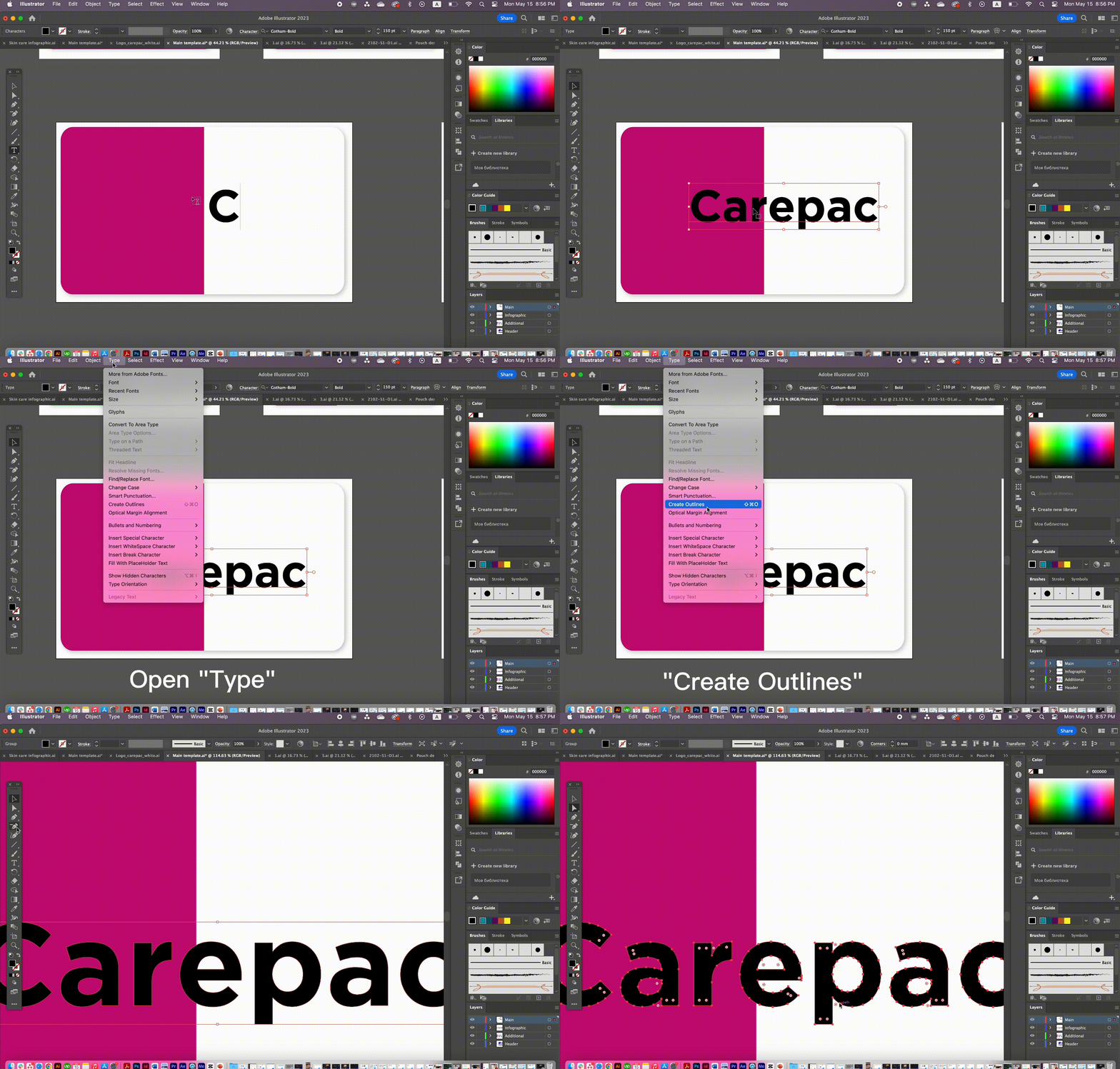
    What does it mean to outline text? Outlining text converts text in your file from editable text elements to press ready vectorized un-editable shapes. In essence it changes the text to shapes like the rest of your design.

    Why is outlined text important? Outlining text is important because it ensures your text prints correctly. 

    • Text can be scaled to print at any size without quality loss
    • The text will be clear and more crisp to read
    • The text will not change when moved between computers with different font file version. 

    Important: Save a backup copy with editable text incase you need to make adjustments. 

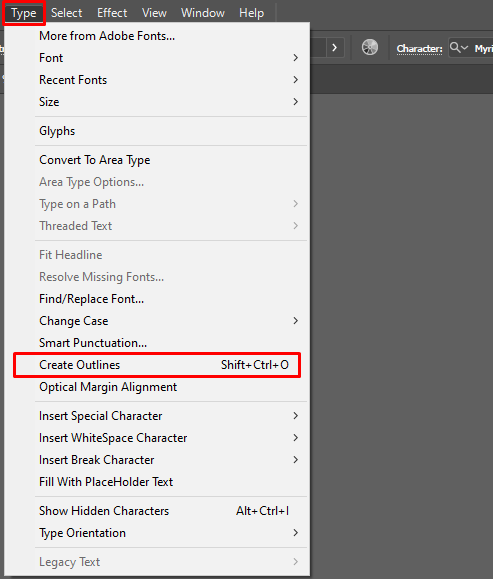
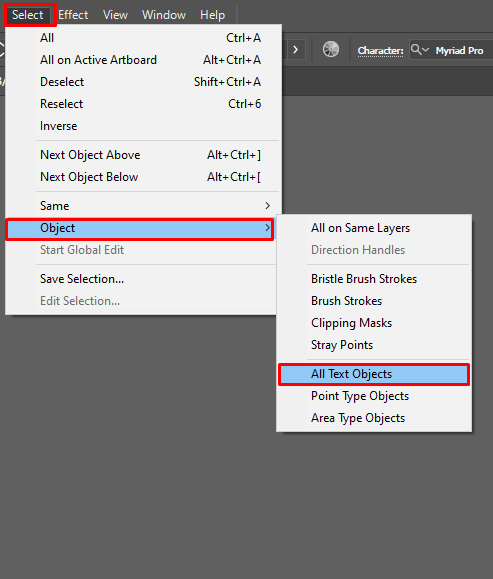
    How to Outline Text: For each AI file, please perform the following tasks. 1. Select -> Object-> All Text Objects2. Type -> Create Outlines3. Save AI file and send back.

    Step 1

    Step 2


  • Gummy Packaging

    Gummy Packaging

    Gummy Packaging

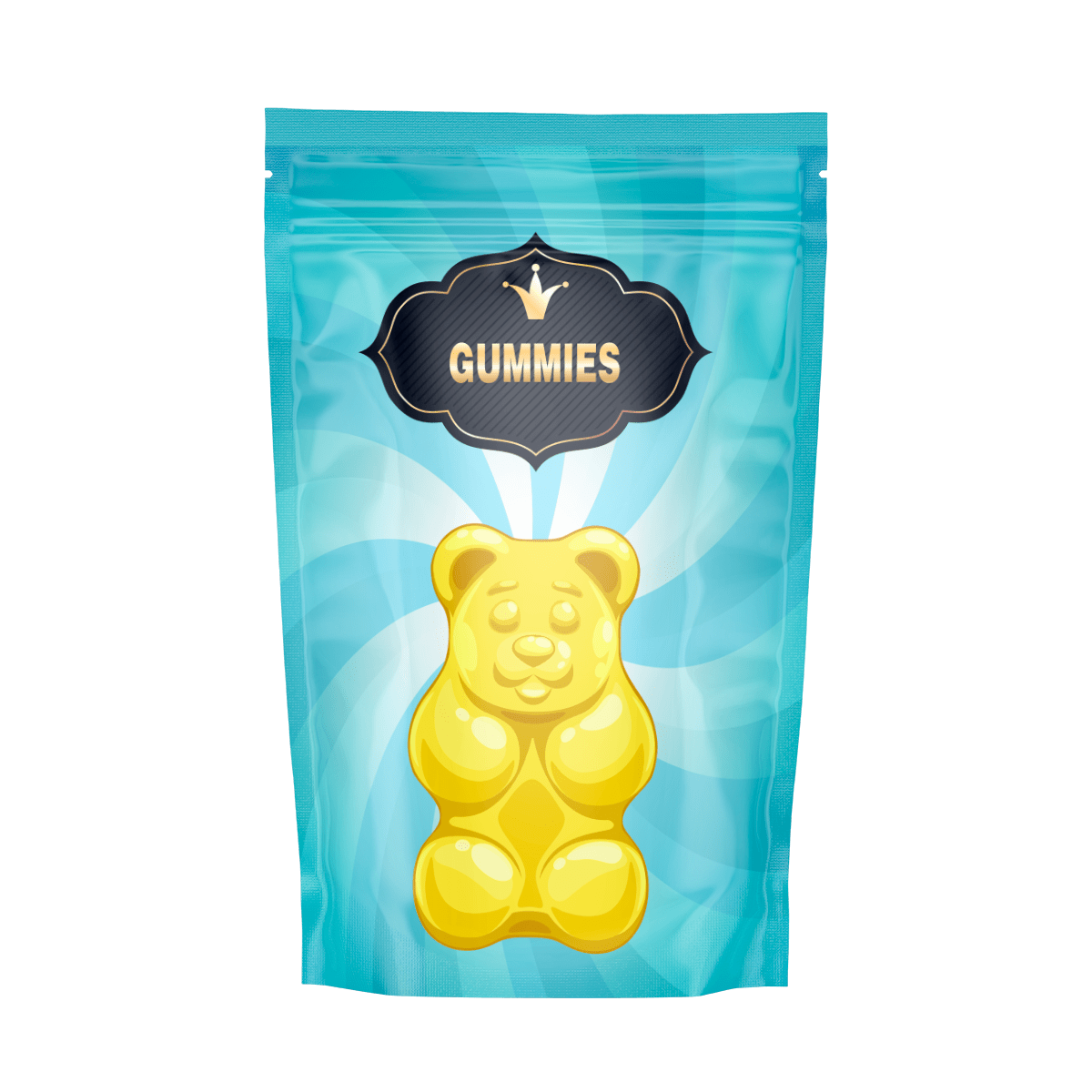
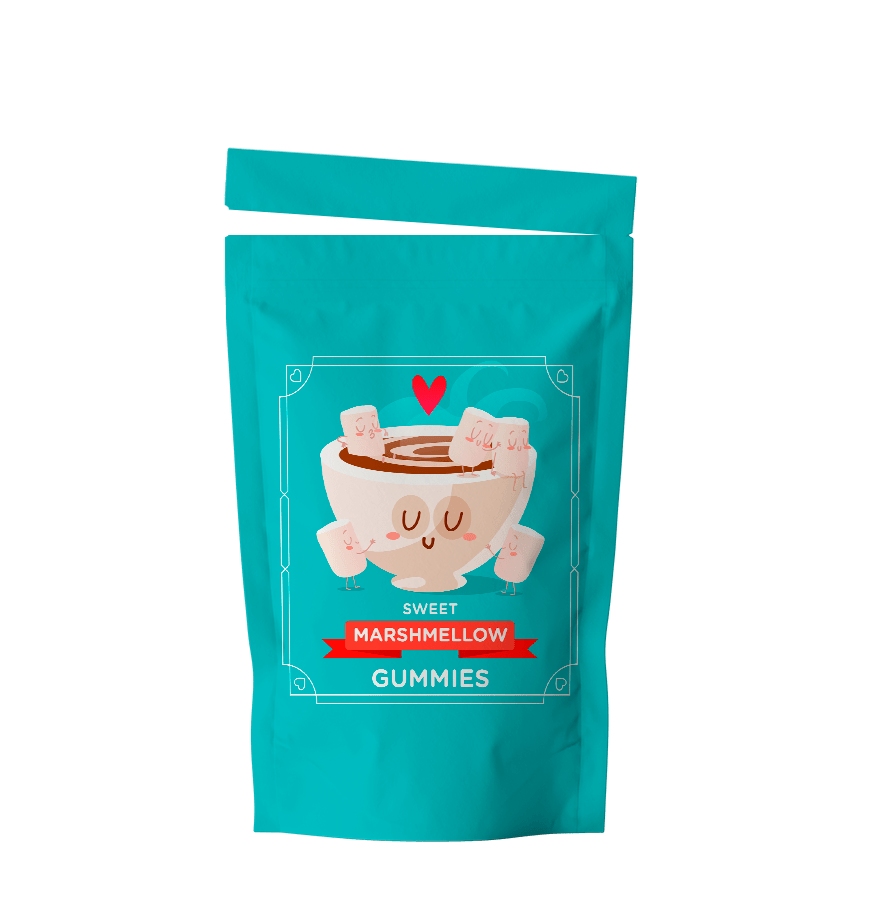
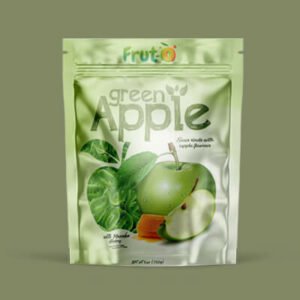
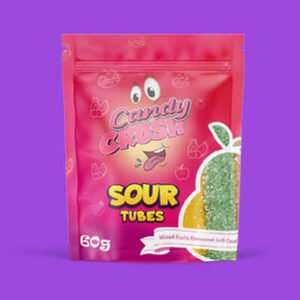
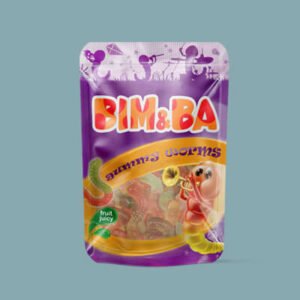
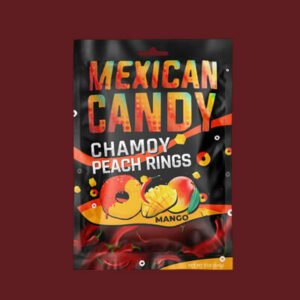
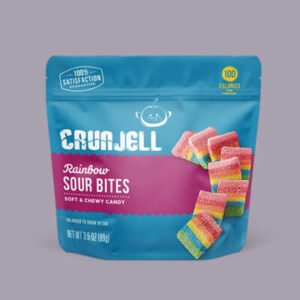
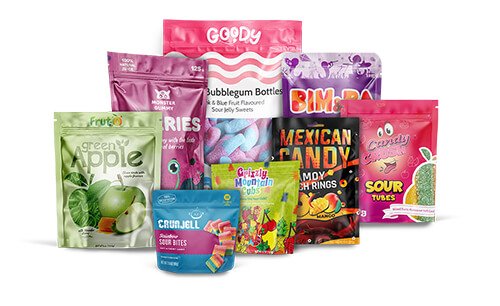
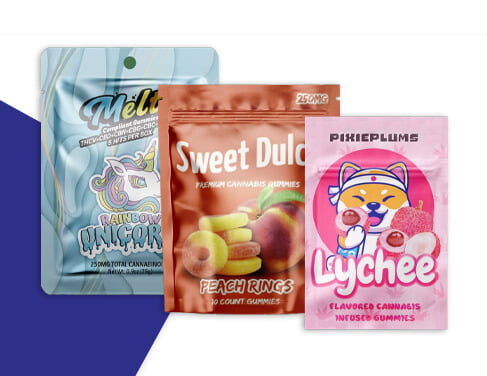
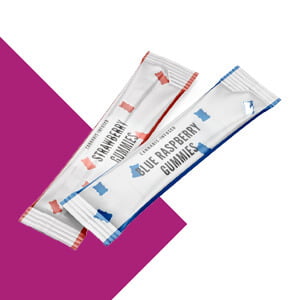
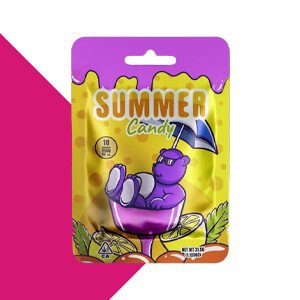
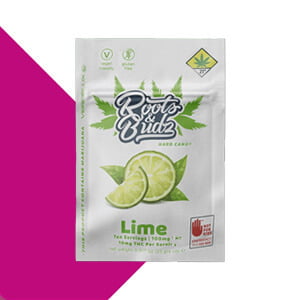
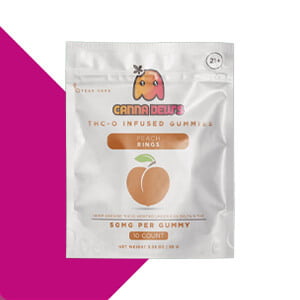
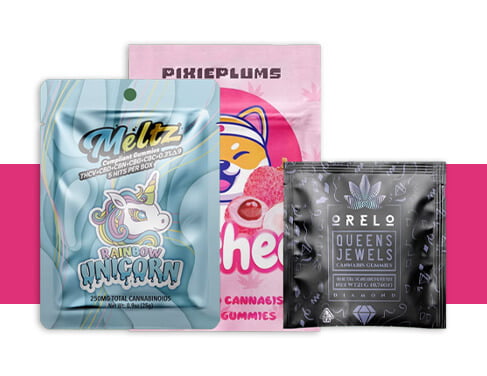
    Stand Up Pouch Apple Flavored Gummies Packaging A family group shot of all the different types of custom gummy packahing Carepac offers including single use, stand up pouch or lay flat dried gummies pouch

    What makes a quality gummy packaging?

    The gummy candy market is exploding — and it’s not just limited to sour gummy worms and gummy bears anymore. Gummy vitamins and THC/CBD gummies are growing in popularity, too. So, how can you make your gummy product stand out from all the noise? High-quality, beautiful gummies packaging — that’s how!

    The world of iGaming continues to grow, and Irish players are always on the lookout for the best places to enjoy their favourite casino games. In this guide, we explore the Top 10 Irish Online Casinos 2025, highlighting what makes them stand out in a competitive market. These platforms have been carefully reviewed based on criteria like game variety, bonus offers, security, and customer support to ensure a premium experience for players. Whether you’re a seasoned high roller or a casual gamer, the options on this year’s list are sure to meet your needs and elevate your gaming sessions to the next level.

    Why These Casinos Made the List

    Each of the top Irish online casinos featured this year brings something unique to the table. Many of them offer hundreds — if not thousands — of slots, table games, and live dealer options powered by leading software providers such as NetEnt, Microgaming, and Evolution Gaming. Generous welcome bonuses, ongoing promotions, and VIP loyalty schemes also give players more value for their deposits. Moreover, all sites on the Top 10 Irish Online Casinos 2025 list are fully licensed and regulated, providing a secure and fair gaming environment. Fast withdrawals, mobile compatibility, and 24/7 customer support add to the overall quality, ensuring every player feels confident and entertained from the first spin or deal.

    Tips for Choosing the Right Irish Casino

    When picking the best casino for your needs, it’s worth keeping a few key tips in mind. Always check the licensing information and look for sites regulated by trusted authorities to guarantee fairness and player protection. Review the payment methods offered and opt for casinos that support fast, hassle-free transactions in euros. Be sure to explore the bonus terms and conditions, as the most attractive promotions often come with wagering requirements that vary widely. Finally, reading player reviews and consulting trusted rankings — like our curated Top 10 Irish Online Casinos 2025 — can help you make a more informed choice and enjoy your iGaming experience with confidence.

    Show off your product’s personality with custom gummy bear packaging that’s designed just for you. Because, let’s face it, that brown, wholesale packaging is doing you no favors. There’s a time and a place for that kind of packaging, but your gummy candiesvitamins, or cannabis products aren’t it. In this blog, we’ll cover what to look for when packaging gummy products so you can make an educated decision. But first, let’s take a peek at the market growth of gummy products and accessories.

    Gummy Market Growth

    Within the candy industry, the popularity of gummy products is exploding. Just two or three decades ago the only gummy options were gummy bears or worms, but now there’s a gummy product in virtually every size, shape, and flavor. And don’t forget about sour gummy products! 

    Did you know that the global gummies and jellies market is predicted to reach $40 billion by 2024? Yep, you read that right — $40 billion! North America is the big winner in the gummy market share, with gummies made in the United States accounting for more than 80% of total gummy revenue. Whether you’re a gummy candy manufacturer in the United States or not, the fact of the matter is that you need to be competitive to stay afloat in this highly competitive market.

    Gummy Market Growth

    And it’s not just the popularity of gummy candy that’s growing, either. In recent years, as cannabis becomes legalized for health and recreational use throughout the United States, gummy cannabis products are growing in popularity, too. And don’t forget about gummy vitamins! In the past, vitamins were chalky and had little to no flavor and now they taste just like candy! 


    So, you get it — gummy products are super popular and your product simply needs to make an impact. Read on to learn how custom gummy packaging can help your product stand out on shelves.

    Seven Gummy Packaging Designs to consider

    Your gummy packaging is your customer’s first impression of your product — why not do your best to make it a good one? Great packaging will make your current customers remember your brand and will help convince potential customers to give your product a try. Packaging can help communicate your brand propositions through color, shape, and other design elements. 

    When it comes to gunny packaging, here are seven different design options to consider:


    Clear window

    A clear window is a design element that’s intended for the customer, as it’ll give them a view inside. This is especially important if your product is brightly colored or contains sugar crystals.

    Resealability

    Not everyone wants to eat an entire bag of candy at once. By making your bag resealable you can give your customers confidence that the snack inside will stay fresher for longer. 

    Bright colors and graphics 

    With our custom digital printing you can “wow” your customers with bright colors and graphics. We can add your logo or incorporate your brand colors onto your branded mylar bags! 

    Soft touch packaging

    Have you ever held a wrapper or product pouch that just feels high-quality? Soft touch packaging just screams upscale, so take your customer’s experience up a notch with premium packaging options. 

    Child-proof packaging

    If you’re looking for packaging solutions for your cannabis or vitamin gummies, you’ll need to ensure you’re using a child resistant mylar bag. Our edibles mylar bags are the perfect choice! 

    Smell-proof packaging

    Another important aspect is smell-proof packaging options. Our smell-proof gummy packaging will keep the scent of your product inside the package — where it belongs. 

    Experienced designer 

    One thing you probably haven’t thought about is the experience of your designer. Fortunately, we can provide a referral to a great designer who has plenty of experience in the flexible packaging space. 

    As you can see, there are a lot of different things to consider when shopping for gummy packaging. Have questions? Need help? Our customer service agents are super friendly and can help you design the gummy packaging of your dreams.

    Contact us today!

    Don’t forget about the barrier!

    Reusable Snack Food Plastic Packaging Bags Pet PE BOPP High Barrier Doypack Bag Clear Window Zip Lock Candy Gummy Sweets Stand up Pouch

    We could have included this up above, but we felt it deserved its own section: you simply CANNOT forget about the barrier in your plastic bags. While tins may look stylish and chic, the truth of the matter is that they do nothing to keep your product fresh. Metal tins and cans are fine for one-time use products, but for snacks or wholesale products you simply need to select a barrier pouch. 

    Flexible barrier pouches will protect the product inside from the elements — meaning your product won’t be exposed to excess oxygen or moisture every time it’s opened. If you’re packaging a gummy product that’s going to be consumer over time (including gummy vitamins or cannabis gummies), a barrier pouch is your best chance at keeping that product fresh.

    How to create your gummy packaging design

    Sugar Coated Sour Gummy Stick Candy Packaging3 Seal Pouch for Root Gummies Flexible Packaging PouchEdibles Gummy Candy Mylar Bags 3 Seal Pouch All Printed Glossy Finish

    Now that you understand the importance of barrier pouches and know the important design features you should consider, you’re probably wondering HOW to create your gummy packaging design. Well, it’s easy! Simply partner with a gummy packaging design company (like CarePac) and we’ll walk you through the process.

    We sell commercial grade FDA approved stand up pouches and barrier packaging. In addition, we have a collection of stock size packaging or customized options to choose from, all to fit your unique needs! Whether you are just starting a new project or considering switching suppliers, talk with us to see how your product can benefit from our quality packaging.

    Say “hello” to your new gummy packaging partner

    Reusable Snack Food Plastic Packaging Bags Pet PE BOPP High Barrier Doypack Bag Clear Window Zip Lock Candy Gummy Sweets Stand up Pouch

    As you design and produce your gummies mylar bags, it’s important to find a packaging partner that offers all of the above — and then some! When you partner with a flexible packaging company that specializes in digital printing, low order minimums, short lead times, and stellar customer services, you can rest assured that your product packaging is in good hands. Plus, we have the equipment necessary to product a beautiful product in a short amount of time. 

  • Does prop 65 apply to coffee

    Does prop 65 apply to coffee

    Does prop 65 apply to coffee

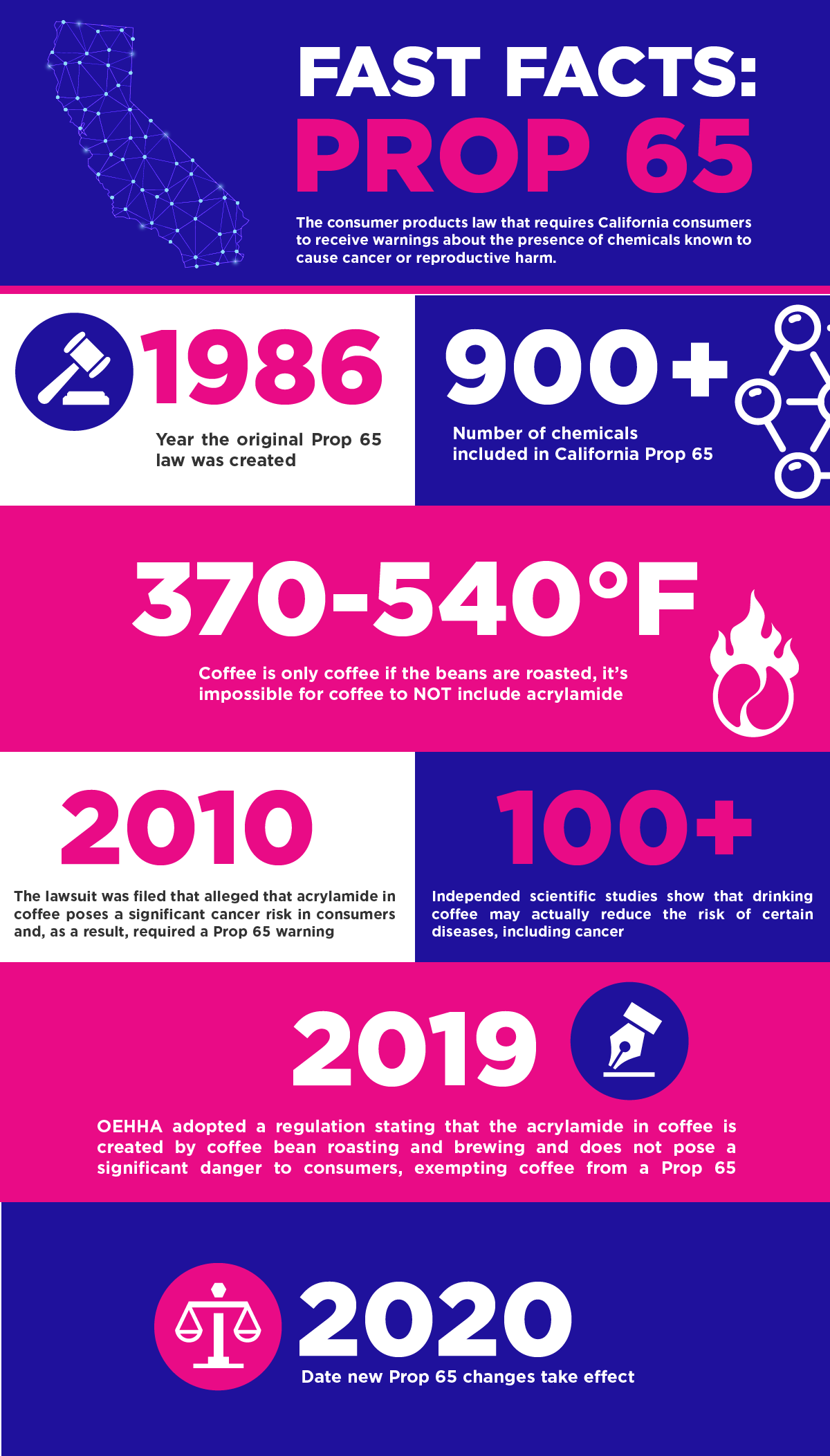
    For decades, the coffee industry fought against Proposition 65, a California law that requires warning labels on consumer products that contain chemicals known to cause cancer. Since roasted coffee beans, and the coffee brewed from them, contains acrylamide — a chemical of concern under Prop 65 because of potential cancer risks — coffee roasters, chains, and cafes had to include this warning on their products. Or at least they did until 2020, when a judge ended a decade-long lawsuit alleging that dozens of California coffee roasters and retailers, including Starbucks, violated Prop 65. In this blog we’ll discuss the history behind Prop 65, how it affected the coffee industry, and what the 2020 ruling means for coffee roasters and retailers in the state.

    Proposition 65: An overview

    Prop 65 is a consumer products law that requires California consumers to receive warnings about the presence of chemicals known to cause cancer or reproductive harm. If you live in California, you’re familiar with the warning — it can be found pretty much anywhere, from the backs of French fry boxes and electronic products to signs on the entrances of public buildings. The warning is so commonplace that it’s virtually impossible to go a day without coming across one. It became law in November 1986, when California voters approved it by a 63-37 percent margin. It’s clear that voters want to be warned about toxic chemicals, but the law is constantly evolving, controversial, and exceedingly difficult to enforce. For example, the list of toxic chemicals includes over 900 chemicals, some of which are environmental, naturally occurring, and impossible to avoid, like acrylamide, the “problem chemical” in coffee, fried chicken, and burnt toast, among other foods.

    So, what’s acrylamide?

    Acrylamide is a compound commonly found in cosmetics, toiletries, papers, and textiles, but it also forms naturally during high-heat cooking methods, including fried, baked, and roasted foods. It’s more likely to accumulate when foods are cooked at higher temperatures for longer periods of time. Considering coffee beans are typically roasted at 370-540°F for up to 20 minutes, and coffee is only coffee if the beans are roasted, it’s impossible for coffee to NOT include acrylamide. 

    Food and cigarette smoke are the two major sources of acrylamide exposure for the general population, although it’s important to note that people who smoke have 3-5x higher levels of acrylamide markers in their blood than non-smokers, regardless of their diets. Problem foods include French fries, potato chips, crackers, bread, cookies, breakfast cereals, canned black olives, prune juice, and coffee.

    Acrylamide & cancer risk (in food)

    Although various studies have shown a clear link between acrylamide exposure and an increased cancer risk in lab animals, studies on the effects of acrylamide on cancer development in humans have mixed results. In fact, the National Cancer Institute and the American Cancer Society point out that no scientific studies convincingly link acrylamide in food to cancer or other such health issues in humans. Here are links to just a few studies and a brief look at their results:

    As you can see, the results are mixed and it’s important to note that these are observational studies — they look at the association between acrylamide and cancer but don’t account for other factors that may be involved, such as lifestyle or family history. Per Healthline, additional long-term trials are needed before a link between the two can be determined.

    Prop 65 & coffee roasters: The litigation

    Despite the clear lack of evidence showing that acrylamide in food increases cancer risk in humans, a lawsuit was filed in 2010 that alleged that acrylamide in coffee poses a significant cancer risk in consumers and, as a result, required a Prop 65 warning. For obvious reasons, coffee roasters and retailers in the state fought back against the litigation.

    After all, hundreds of independent, peer-reviewed scientific studies show that drinking coffee may actually reduce the risk of certain diseases, including liver cancer, endometrial cancer, Parkinsons, Alzheimers, and diabetes, among others. Plus, the World Health Organization, after reviewing the total body of research regarding coffee and its link to cancer, concluded that coffee is not a known carcinogen and may even help protect against some types of cancer. 

    Despite the growing body of evidence in favor of coffee roasters, they lost a Phase 1 trial and agreed to include Prop 65 warning labels on their products and in their stores. On top of that, they also agreed to pay millions in a settlement as the litigation moved along. This was bad news for coffee roasters, who were concerned that the warning labels were not only unnecessary but infringed on the accessibility of their products in the state. Fast forward to 2019, when everything changed.

    OEHHA’s regulation changed everything

    In June 2019, the California Office of Environmental Health Hazard Assessment (OEHHA) adopted a regulation stating that the acrylamide in coffee is created by coffee bean roasting and brewing and does not pose a significant danger to consumers, exempting coffee from a Prop 65 warning. This came one year after the FDA issued a statement in support of such regulation. On August 25, 2020 a California court judge officially ruled that the defense had successfully relied on OEHHA’s regulation to show that acrylamide found in coffee doesn’t cause cancer — and the rest is history.

    What does this mean for coffee?

    So, what’s this ruling mean for coffee roasters and retailers in California? It means they no longer have to include Prop 65 warnings on their products. But, on a larger scale, it also highlights the long debated “value” surrounding consumer product warnings. How long will chemicals, such as acrylamide, with no proven cancer risk to humans remain on the list? Why is the burden on consumers to determine whether the Prop 65 warning on their food is legitimate or not? Regardless, one thing is for certain: coffee companies and roasters in the state are officially exempt from Prop 65 warnings and can concentrate on what they do best: roasting the perfect cup of Joe. 

    Coffee & Prop 65: FAQs & information 

    As a coffee packaging distributor, we get a lot of questions from our California-based customers about Prop 65 warnings on their packaging. Here are just a few.

    Do I need to include a Prop 65 warning on my coffee packaging? 

    Nope! OEHHA’s 2019 regulation, which became effective in October 2019, means that coffee roasters are exempt from Proposition 65 warnings. Per their statement, chemicals in coffee pose no significant risk to consumers. 

    Why do I sometimes see Prop 65 warnings on coffee? 

    They either don’t know about the latest information or are using old packaging. Since businesses had been given warnings prior to the 2019 ruling and are likely still using older packaging — after all, as a coffee company, you know how expensive packaging can be. 

    Is there a connection between coffee and cancer? 

    The results are mixed. Some studies show a small risk, while others show no risk at all. Ultimately, more long-term studies need to be done before any kind of solid link is proven between coffee and cancer. 

    Will a Prop 65 warning be required on coffee in the future? 

    A warning could be required if another of the 900 chemicals is added to it, or if the product is somehow contaminated during the roasting, packaging, or brewing process. At this point, though, we think it’s unlikely that coffee in its current state will require a Prop 65 warning in the future.