Author: Paul Meehan

  • Roll Diameter Calculator

    Roll Diameter Calculator

    Roll Diameter Calculator

    Determine Diameter of Roll Material

    Roll Diameter Calculator

    Enter Roll Length* m feet Enter Diameter of Center Hole* mminches Enter Material Thickness* milMicrons

    Roll Diameter Calculator to Determine Diameter of Roll Material

    Whether you’re a brand new client or a repeat customer, determining the appropriate roll diameter is essential to keeping your business running smoothly. If the roll diameter is too large or too small, it won’t fit onto the machine it’s going on to. Both scenarios aren’t ideal, which is why nailing down the appropriate roll diameter you need is so important.Determining the appropriate roll diameter can be quite confusing for many of our customers, but our roll diameter calculator does the calculation for you.roll-diameter-calculator-onlinehow-to-use-roll-diameter-calculator-carepac

    Using Our Roll Diameter Calculator

    Our interactive calculator is incredibly easy to use: simply input the requested dimensions (core diameter, the thickness of material, and length of material ), and our calculator will crunch the numbers and let you know the outside diameter of the rolled material. This way, you can quickly order the accurate roll diameter for your machine and application. 

    For example, if your machine offers a max roll diameter of two feet and you want to figure out how to fit 10,000 feet on the roll, our calculator can help. One important thing to remember is that our calculator does not account for variations due to stretching or softness of the material. 

    Additionally, while our free tool will assist you in determining the outside diameter of the roll material, this calculation should be used for estimates and is not an exact measurement.

    Get Started with CarePac

    Whether you’re ordering standard-sized rolls or are looking for something more customizable, CarePac can help support all your packaging needs. With decades of experience in the packaging industry, no job is too large or too small for our team of professionals. Have questions? Want to get started? Get a Quick Quote, order samples, or contact us today for more information.

  • Roastar Alternatives   

    Roastar Alternatives   

    Roastar Alternatives:

    The Top 4 Competitors for

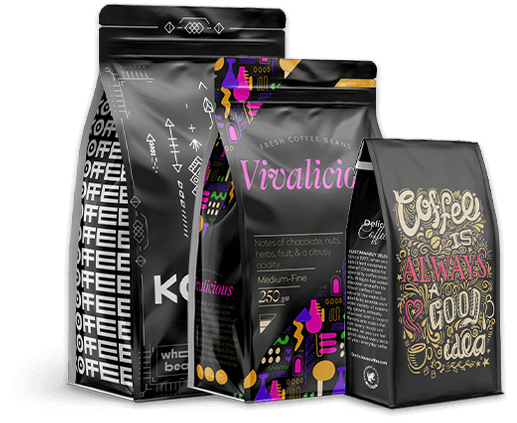
    Custom Coffee Packaging

    Roaster is known for its fast turnaround in the flexible barrier packaging industry. Flexible barrier packaging materials keep coffee fresh through shipping and extend coffee’s shelf life. 

    Flexible barrier packaging is essential in the coffee industry. You won’t get far with stale coffee. This packaging method uses flexible materials that seal in freshness and keep moisture and light out.

    This post will explore the alternatives to Roastar in the custom printed label coffee bag industry.

    Who Produces the Best Custom Printed Bags?

    The two big contenders for custom-printed coffee bags are Roastar and CarePac. TriCor Braun and Savor Brands remain decent options. But neither of those brands can offer specialty flexible packaging at the same level as CarePac and Roaster.

    Roastar exclusively uses a digital printing process and primarily fixed bag sizing. This process allows the company to have a lightning-quick lead time.

    Those fast turnaround times leave something to be desired in customizability. Roastar offers customers set sizes of bags. You can’t change or modify the size of your bag to fit your style and design. 

    Roastar only offers a few sizes of genuine square-bottom bags. These bags are ideal for display. Roastar focuses more attention on side-gusseted bags. These bags are extremely common in the coffee industry. But you don’t want your brand to be common. 

    CarePac is the winner when it comes to personalization and brand development. They use digital and plate printing. Digital printing is fast, but plant printing is more cost-effective as your business expands. 

    CarePac also allows customers to pick the size of their bags. It is 100% up to the customer. They Give great personalized attention to every order. The owner is directly involved in processing new orders. 

    CarePac also provides competitive lead times, with their fastest being three weeks. That time is used to complete your packaging order to your exact specifics. The care and expertise of CarePac are worth the slightly longer wait.

    Roastar’s Alternatives for Custom Printed Labels

    Roastar

    Roastar is a custom-printed packaging company that advertises super quick lead times. The company offers some fantastic design options. This company has industry-standard bags and pouches. Roastar even offers tin cans to provide an extra strong oxygen barrier. 

    Roastar also creates excellent custom-printed bags, but they fall a little short in a few areas. If you are still looking for the perfect company for your custom packaging, here are some great companies to consider.

    Savor Brands

    Savor Brands is a company based in Hawaii with a reputation for sustainability. They promote R+R upcycling, which disposes of non-compostable high-barrier packaging.

    Savor Brands’ attractive and customized coffee bags are great for cafes and retail stores. The company has an eight to ten-week lead time, which might not be ideal for your growing business.

    TriCor Braun

    TriCor Braun is a massive international corporation. It serves businesses in multiple countries with its vast selection of packaging options.

    TriCor Bruan also has a plant-based packaging material called Biotrē. This material is compatible and eco-friendly. Biotrē also comes in a variety of styles. 

    However, TriCor Bruan is a massive company. It lacks a personal touch. Its designs and features are sleek and professional but leave little room for customization.

    CarePac

    CarePac is a family owned flexible barrier packaging that puts the customer’s experience and vision first.

    CarePac offers total customization of your pouch’s size, configuration and printing. Its high-quality, customizable, flexible barrier packaging is perfect for coffee brands large and small. The company has printing solutions that will scale with your business. 

    CarePac uses plate and digital printing. Digital is excellent for a smaller-scale business. But plate printing is a lot cheaper at a higher volume. If you plan on growing your business, you want a printer that can save you money in the long run. 

    CarePac has packaging plans that will scale with your account from 100-100,000 bags and cover everything in between.

    What does Carepac add to the experience of their Customers?

    CarePac is a family-run business. You are guaranteed to have a personalized experience from quote to delivery. The owner personally checks every new order.

    CarePac offers bags made in the USA.

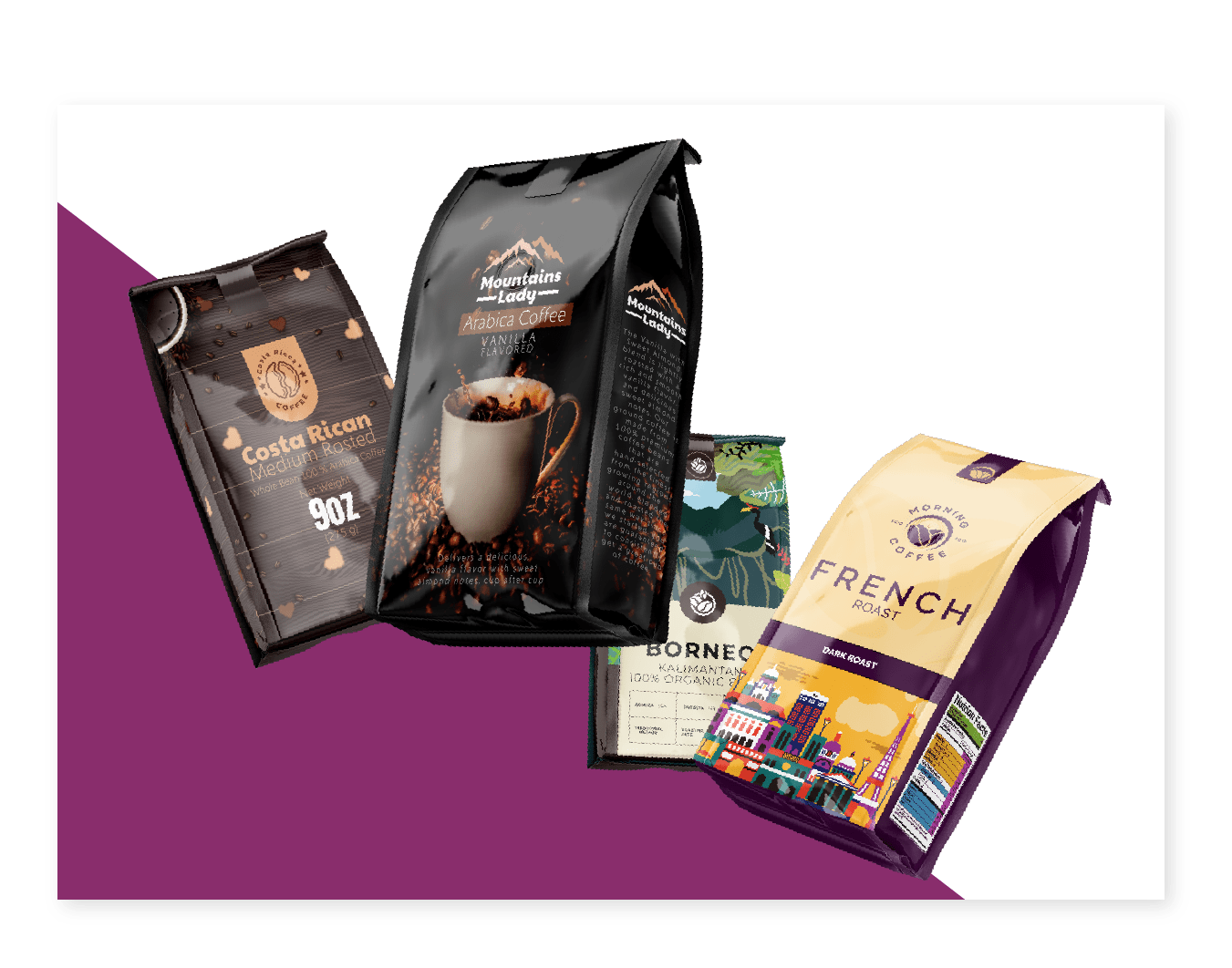
    CarePac offers these coffee bag configurations:

    All of these configurations can be altered to fit your needs. They do not have standard size for their coffee bags. You are totally in control.

    Carepac: A Standout Competitor for Stand-up and Flat Bottom Pouches

    Roastar can offer speed, but is speed everything? What your company needs is flexible packaging that fits your brand. That is where CarePac outshines the competition.

    When it comes to stand-up pouches, gusseted bags, and flat pouches made the way you want them, CarPac is the flexible packaging company for you.

    Choosing the Right Custom Coffee Packaging Company for You

    No one knows your company better than you.

    You want a company with a personal touch to accommodate your brand as it grows. 

    With Roastar, you are limited to a digital printer and set sizing. These limitations make it harder to realize your dream packaging with Roastar. Though Roastar’s results are fast, they are less specific to your brand.

    CarePac does what its name suggests. The company cares about your brand and will create flexible packaging that fits your needs and design aesthetic. CarePac doesn’t push you into a solution that isn’t perfect for you.

    Roastar does offer a few different sizes and a range of customization options, but it isn’t as flexible as CarePac. Roastar’s flat pouches and square bottom bags only come in a few select sizes.

    CarePac specializes in flexible packaging. It lets the customer choose the printing process that best suits their needs. It is a family brand that will grow with small businesses and help large companies continue to flourish.

    Visit the CarePac website today, 
    order some samples, and make your flexible packaging dreams a reality.
  • Case Study: CarePac’s Flexible Barrier Packaging Enhances Sustainability and Shelf Life for Goodness Granola

    Case Study: CarePac’s Flexible Barrier Packaging Enhances Sustainability and Shelf Life for Goodness Granola

    Enhancing Sustainability and Shelf Life

    In the competitive Cereal and Granola market vertical standing out from the crowd in both terms of taste and marketing is a vital element of any brands success. With pressure from retail partners, and consumers for fresh tasting granola in a environmentally friendly packaging solution it’s no wonder that many brands focus on trade offs such as “we’ll go for ecofriendly but give up shelf life” but diminished shelf life can create all kinds of headaches.

    This case study highlights how the startup brand Goodness granola makes the decision with the help of CarePac’s leading team of packaging experts. to address these challenges by adopting flexible barrier packaging. This sustainable packaging solution not only improved the product’s shelf life but also aligned with the company’s commitment to environmental responsibility.

    Origin of the Idea

    Goodness Granola popped into the founder’s head one afternoon while she was hungry and needed a quick fulfilling snack. It was a “why not me” kind of moment she said. A simple plan was hatched, to source high-quality ingredients and maintaining a sustainable approach to business.

    Challenge

    Goodness Granola face a couple of big challenges. The interplay between being eco-friendly and maintaining what the consumer ultimately wants: a fresh great tasting product. 

    Shelf life: They soon discovered that to have any impact, and gain traction they needed good shelf life, even the best ingredients get stale if not stored in a sealed containers with low migration rates of oxygen and moisture.

    Eco-friendly materials are still maturing: The company was exploring using various eco-friendly materials but found most lacking in relation to print quality, and shelf life.

    Solution

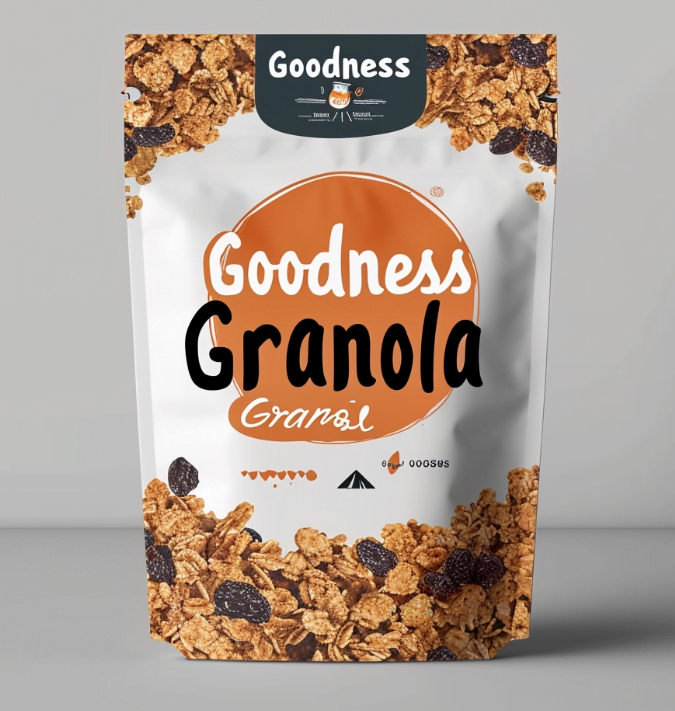
    Goodness Granola decided to collaborate with CarePac and use CarePac CareCompost-PVP metalized PLA based material. 

    The reasons were

    • A lower cost point than metalized cellulose. 
    • Higher Barrier than standard PLA. 
    • Biodegradable.
    • High quality print options with plate printing
    • Matte Finish

    Goodness Granola Bag

    Conclusion

    Goodness Ltd.’s partnership with CarePac and the adoption of flexible barrier packaging have proven to be a game changer. By addressing their shelf life challenges while also enhancing sustainability, the company is off to a great start. This case study demonstrates how strategic packaging choices can lead to improved product performance, customer satisfaction, and sustainability goals, ultimately benefitting both the company and its customers.

  • The Recipe for Sweet Success

    The Recipe for Sweet Success

    The Journey of JWalker, Kyri’s, and CarePac to being featured on Oprah’s List

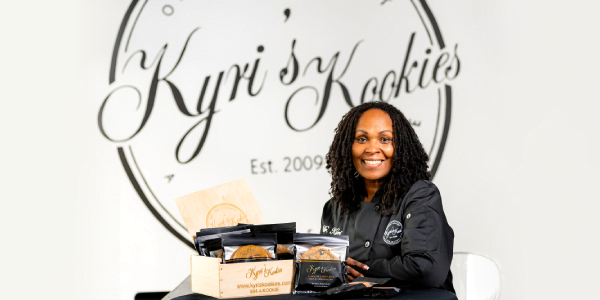
    We welcome you to this month’s edition newsletter, highlighting inspirational stories and successful strategies in marketing and design. We are thrilled to present our special feature on Jason Walker, the founder of Jwalker Marketing agency. Come aboard as we dive into the agency’s story and their special method for crafting brand personas, and team up with CarePac in getting Kyri’s cookies where we want them – on Oprah’s list of favourite stuff!In an exciting interview with Jason Walker, the mastermind of Jwalker Marketing Agency, we reveal an amazing story of collaboration that resulted in Oprah’s list for Kyrie Cookies. According to Jason, the collaboration commenced after he needed top-of-the-range packaging depicting the luxurious nature of Kyrie Cookies. While CarePac acted as his agent in this venture, Jason would never have come up with the organization’s name had it not been for a quick Google search. In particular, the ensuing CarePac was to design packaging that would ensure the protection of Kyrie Cookies and reflect its brand’s magnificence. Jason said that CarePac had not just met the challenge but had surpassed it and, as such, is the preferred packaging provider for Kyrie Cookies.

    When asked about the contribution of Jwalker Marketing Agency in running Kyrie Cookies to Oprah’s list, Jason said that the agency played an important role in strategic marketing by positioning Kyrie Cookies as a luxury brand. It was through a joint venture between Jwalker Marketing Agency and CarePac that we landed on Oprah’s list.Jason Walker remembers that the founder of Kyri’s Kookies found his agency after doing a simple Google search; this is how Kyri Cookie got associated with Jwalker Marketing Agency. In this first link, she spoke about her dream of establishing a giving, grateful, and generous brand. Kyri’s Kookies wanted to be the destination of choice in luxury hospitality, private aviation, and the corporate world. The brand’s ambitious scale is realized in the founder’s vision to have a successful product and a dedicated store for production and retail.Jason stressed the value of spending time with the client in developing a unique voice for their brand in marketing strategy. He gains these insights by asking questions and developing the perspective of his clients through listening. The objective is to ensure the ideal customer can easily identify and understand their brand’s value proposition. Jason, on the other hand, reflected on the value of a brand beyond the logo, where he emphasized that a brand’s value lies within how its ideal target audience perceives it and those of direct competitors or even of an industry.Jason claimed that CarePac’s supplies and marketing techniques turn a brand from just a logo into cultural power, influencing consumer preferences and spending initiatives. By proper approach, a brand grows into more than an image; it becomes a way of life, a mindset, and a stimulator in the market.

  • ISO 9001 Requirements

    ISO 9001 Requirements

    CarePac Receives Certification for

    Meeting ISO 9001 Requirements

    San Dimas, California – CarePac, a flexible packaging solutions provider, is proud to announce that it has achieved ISO 9001:2015 certification.

    ISO 9001 sets out the criteria for a quality management system, and is the world’s best-known quality management standard. Adhering to ISO 9001 requirements and becoming certified means that a company adheres to these top management standards.

    Mandatory Requirements for ISO 9001

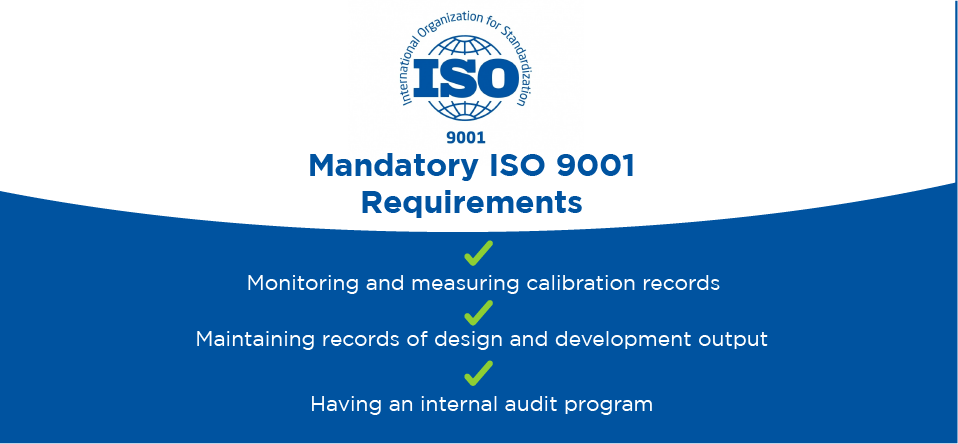
    There are mandatory and non-mandatory ISO 9001 requirements that must be met to be certified, and the mandatory ISO standards include: monitoring and measuring calibration records, maintaining records of design and development output, and having an internal audit program. 

    With its ISO 9001 certification, CarePac has proven that it adheres to all the ISO 9001 requirements, including those listed above. Adhering to ISO 9001 requirements and achieving ISO 9001:2015 certification was a top priority for the CarePac team and has been years in the making. ISO 9001 : 2015 certification demonstrates CarePac’s commitment to the highest quality standards in its day-to-day operations. CarePac’s ability to provide consistent, high-quality packaging while increasing operational efficiencies was confirmed by the certification.

    To obtain this prestigious certification, CarePac underwent a rigorous 3rd party audit conducted by an Intercert ISO-accredited certification body. The third-party company evaluated CarePac’s adherence to the ISO 9001      requirements across the full range of CarePac’s internal processes. By adhering to the ISO 9001 requirements and becoming certified, CarePac demonstrates its a company that can be trusted. We’re proud of our ISO certification and our environmental management standards. 

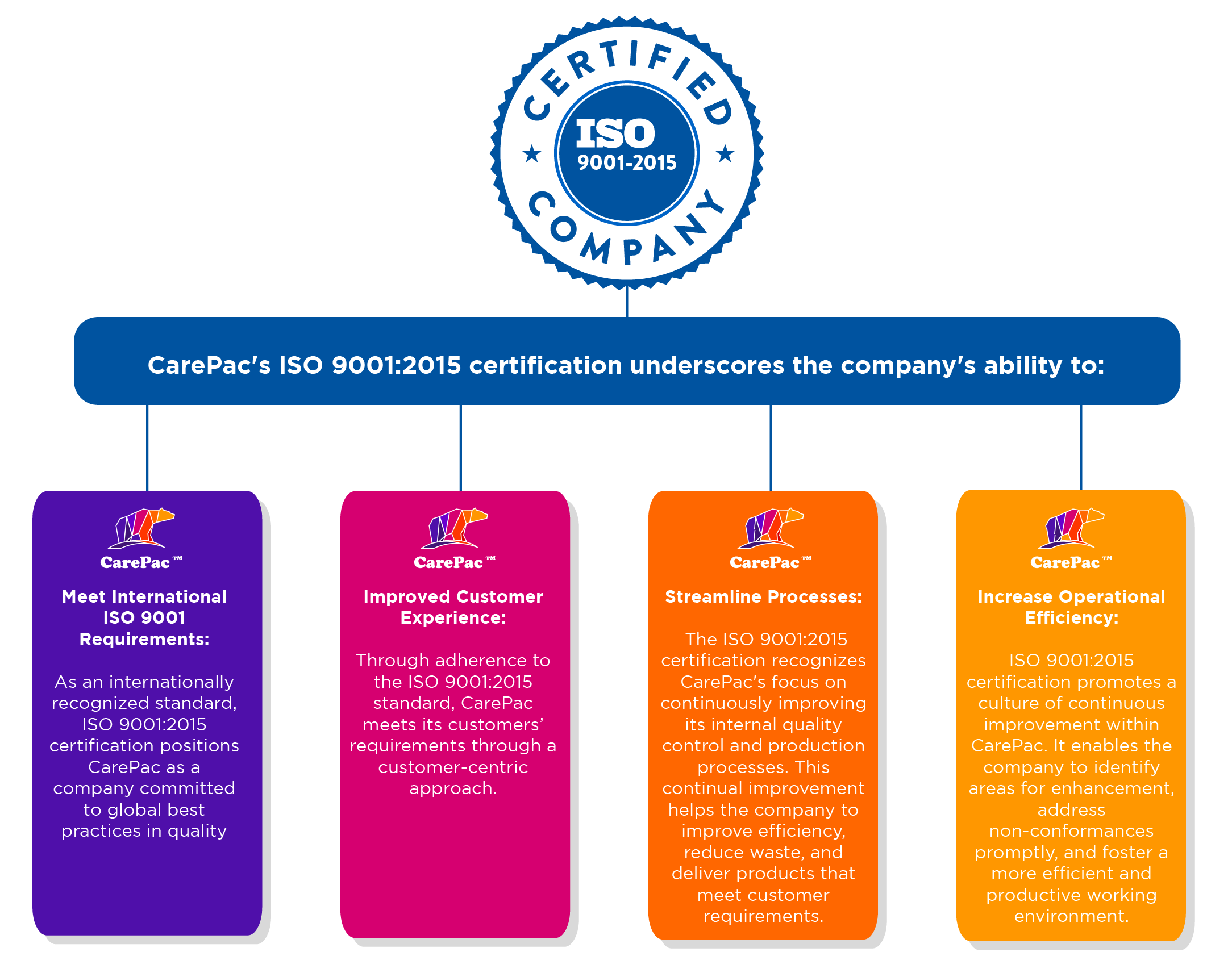
    CarePac’s ISO 9001:2015 certification underscores the organisation’s quality management and ability to:

    • Meet International ISO 9001 Requirements: As an internationally recognized standard, ISO 9001 : 2015 certification positions CarePac as a company committed to global best practices in quality management.
    • Improved Customer Experience: Through adherence to the ISO 9001:2015 standard, CarePac meets its customers’ requirements through a customer-centric approach.
    • Streamline Processes: The ISO 9001 : 2015 certification recognizes CarePac’s focus on continuously improving its internal quality control and production processes. This continual improvement helps the company to improve efficiency, reduce waste, and deliver products that meet customer requirements.
    • Increase Operational Efficiency: ISO 9001 : 2015 certification promotes a culture of continuous improvement within CarePac. It enables the company to identify areas for enhancement, address non-conformances promptly, and foster a more efficient and productive working environment.

    “We are thrilled to meet ISO 9001 requirements and achieve ISO 9001 : 2015 certification, a significant milestone in our journey towards excellence,” said Paul Slaney, managing partner at CarePac. “In conversation with competitors over the years, I have heard many say that ISO certification wasn’t necessary, but I believe this certification reflects our unwavering dedication to delivering the highest quality flexible packaging to our valued customers.”

    About CarePac’s Commitment to Quality:

    CarePac is a San Dimas based company specializing in designing and manufacturing flexible packaging for a wide range of industries. With a relentless focus on customer satisfaction and environmental responsibility, CarePac has become a trusted partner for businesses seeking reliable, sustainable packaging solutions.

  • Trapping Artwork

    Trapping Artwork

    Trapping Artwork in Illustrator

     for Prepress File Submission  

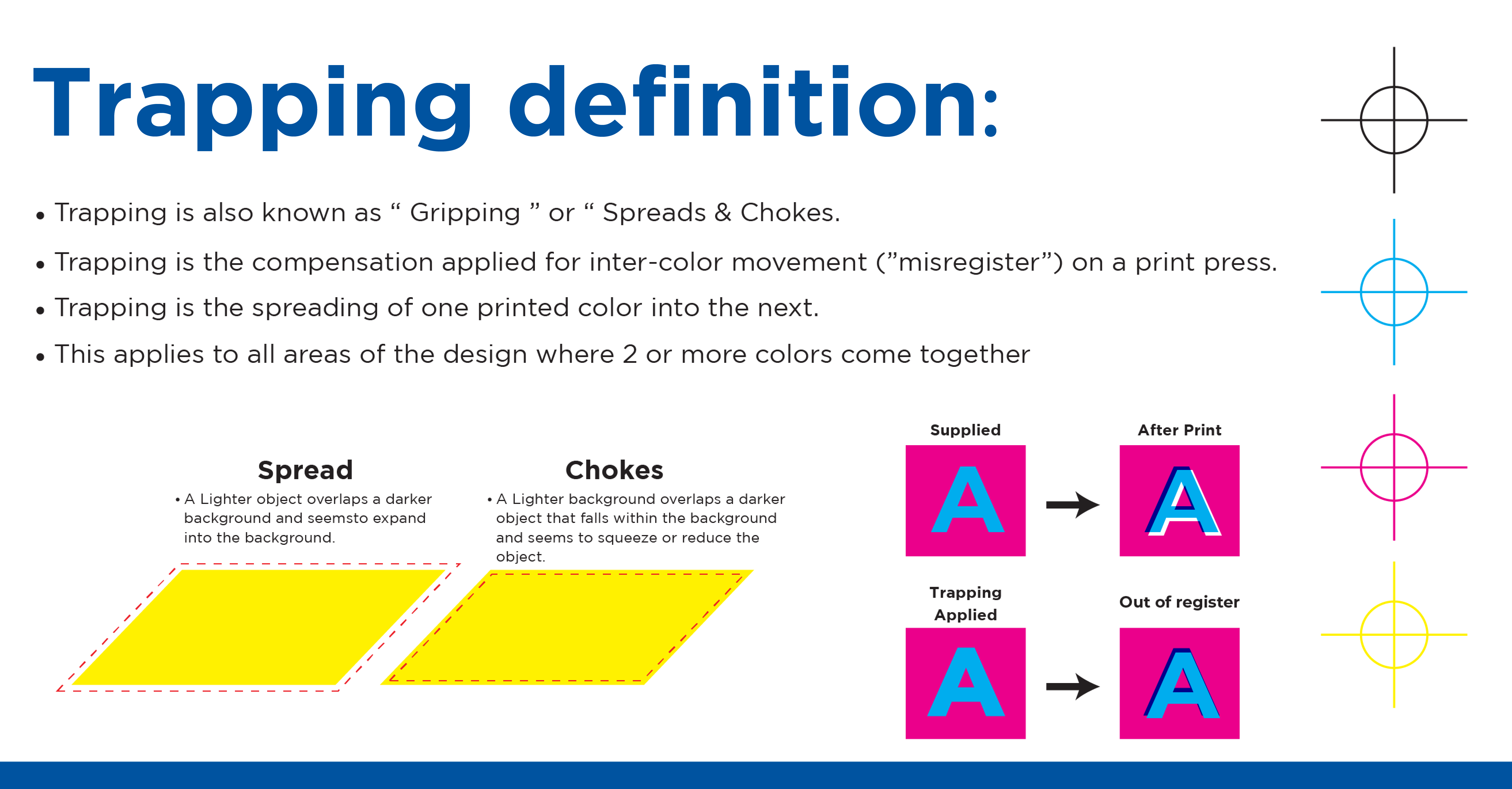
    If you’re printing a pouch or bag with multiple colors, incorrect registration by the printer can result in gaps between the colors on the final product. Which is why it’s important to use a trap to compensate for potential gaps. Simply put, a trap is a small area of overlap between colors and is used by designers to avoid unsightly gaps between colors. You’ve seen art with traps on many products you’ve purchased, but you’ve probably never really understood what they were.

    There are two types of traps, Spread traps and Choke traps. Some complex rules relating to the order of the color cylinders can come into play here, but here is a general rule of thumb for when to apply a spread trap vs a choke trap. 

    Spread Traps

    A spread trap is where a foreground object extends over the background color. Apply spread traps when a lighter color overlaps a darker color background, and after trapping the lighter color will expand into the darker area. 

    Choke Trap

    A choke trap is where the background color overprints the foreground object. Apply a choke trap when a darker object falls within a lighter background, and so reduces or squeezes the object. 

    Easy Trapping Steps in Adobe Illustrator

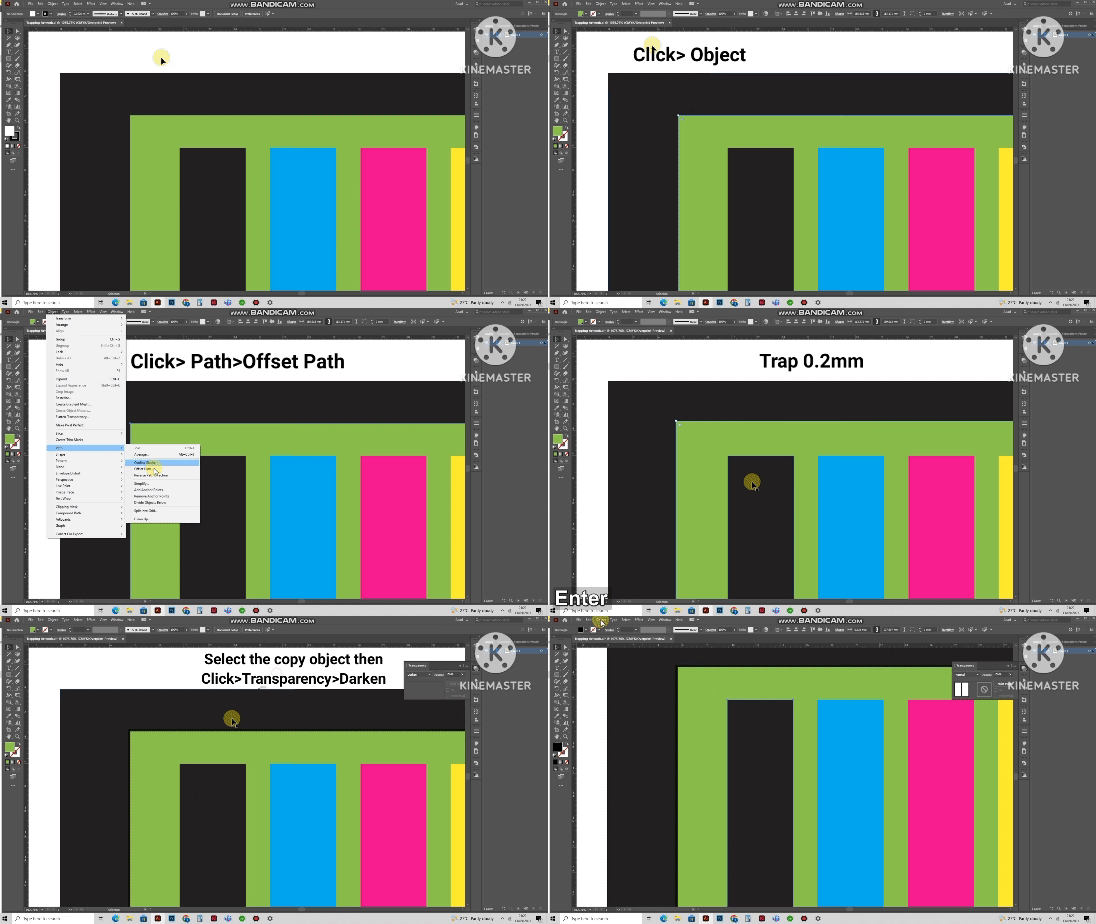
    Below is a quick and easy method to trap art, using path offsets, and transparency darkening to integrate traps into your art design.

    .

    Step 1: Make sure your artwork is in CMYK color mode for printing.

    Step 2: Select the topmost object you tend to trap.

    Step 3: Click Object >Path > Offset Path

    Step 4: For a choke trap apply a negative 0.2mm offset. For a spread trap apply a positive 0.2mm offset. 

    Step 5: Click OK

    Step 6: Make sure you’ve selected your offset path. 

    Step 7: Then click Transparency > Darken

    There you’re done!

    CarePac can help 

    As you can see, creating a trap in Adobe Illustrator can be quite complex. Fortunately, our design specialists can take care of the heavy lifting for you. By engaging with CarePac for the design and manufacturing of your bags, we’ll take care of all the steps in between. Contact us today to learn how we can help you design the bag you’ve always dreamed of. 

  • Packaging Polymers Guide

    Packaging Polymers Guide
    Packaging Polymers Guide

    Packaging Polymers

    The term ‘polymer’ is used to refer to an industrial substance or other materials consisting of very large molecules, called macromolecules. Polymer packaging can be synthetic or natural in origin and can be rigid or flexible in nature. Examples of these molecules in nature include proteins, starches, and cellulose. Synthetic polymers often used by consumers in carry bags and other products include nylon, high density polyethylene, durable rubbers and more.

    Here, we’ll discuss the different types of industrial polymer packaging materials that can be used in flexible packaging solutions, their critical benefits, any known risk, and their composition.

    What Are Polymer Packaging Materials?

    One of the largest industrial applications of plastic polymer packaging is as flexible packaging solutions and materials (35% of polymers are estimated to be used for packaging). Packaging items using polymers have many benefits, including increasing the life of your products on shelves, lower cost, and lighter weight and more attractive than other packaging options like glass bottles. Polymer packaging, especially laminated packaging, is a core type of food packaging, as it is attractive, functional, efficient, improves the shelf life of your products, and has cost effectiveness properties.
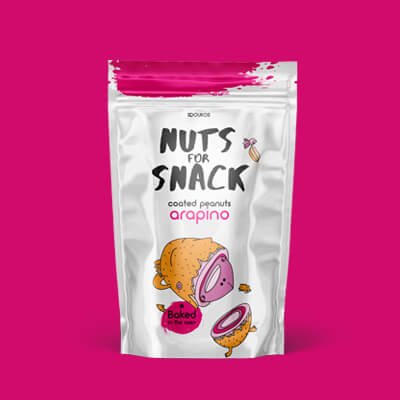
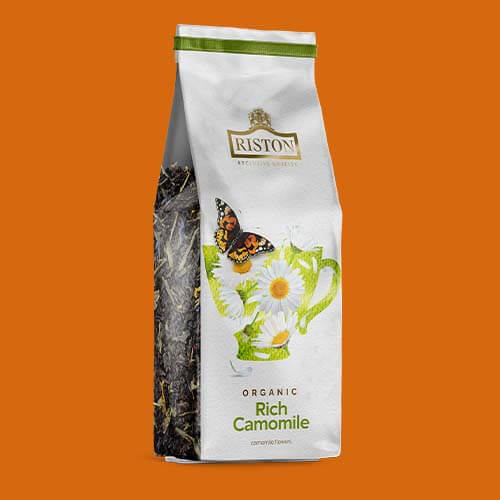
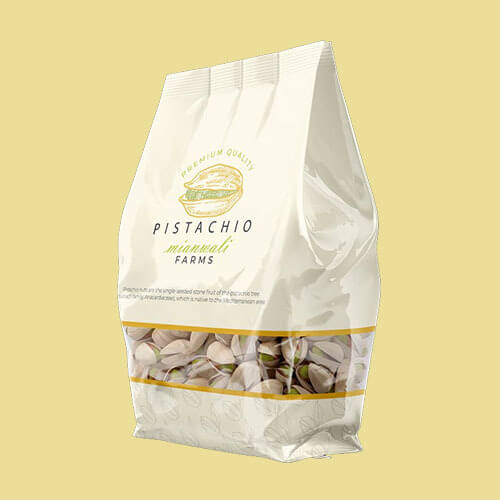
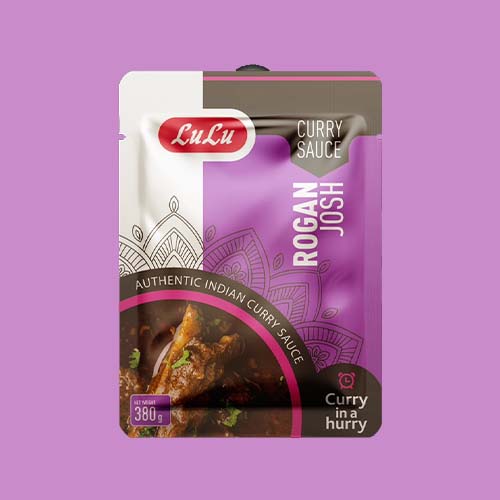
    Custom Food Grade Eco Friendly Reusable Zipper Stand Up Plastic Roasted Mix Pouch Peanut Packing Nuts Packaging Bags Snack BagHeat Seal RCPP 3 Seal Pouch Retort Pouch Food Plastic Packaging Custom Designs Curry Sauce Bag

    Flexible packaging solutions for foods include a range of different durable materials. Polymeric materials by the percentage of packaging include PET, high density polyethylene terephthalate 9%, polypropylene (PP) at 11%, polystyrene (PS) 11%, with other polyolefin plastics including polyvinyl chloride (PVC). These can help increase shelf life, preserve freshness, and is a great flexible packaging option for many applications.

    Next, we’ll discuss the different materials that are classified by the American Chemistry Council as polymer packaging, including polyethylene and polyethylene derived plastics.

    Polyethylene
    abbreviation
    Name
    Density
    g/cm3 
    Common
    Application 

    HMWHDPE

    Ultra high density

    0.93

    Plastic parts

    HDPE

    High density

    >0.941 

    Bottles

    MDPE

    Medium denisty

    0.92 – 0.94

    Closures, and clamshells 

    LDPE

    Low density

     0.91 – 0.94

    Pouches and bags

    LLDPE

    Linear low density

    0.915 – 0.925

    Pouch sealant layers

    VLDPE

    Very low density

    0.88 – 0.915

    Pouch sealant layers

    PVC, minor plastics & their applications
    PVC, which is notoriously difficult to recycle when compared to others on this list, typically winds up in landfills, and is the subject of numerous environmental concerns over the evolved toxic compound, vinyl chloride monomer (VCM), which constitutes only about 5% of plastics. Other minor plastics, for example, acrylonitrile-butadiene-styrene (ABS), polytetrafluorethylene (PTFE), and nylon, constitute only about 3% of usage together.

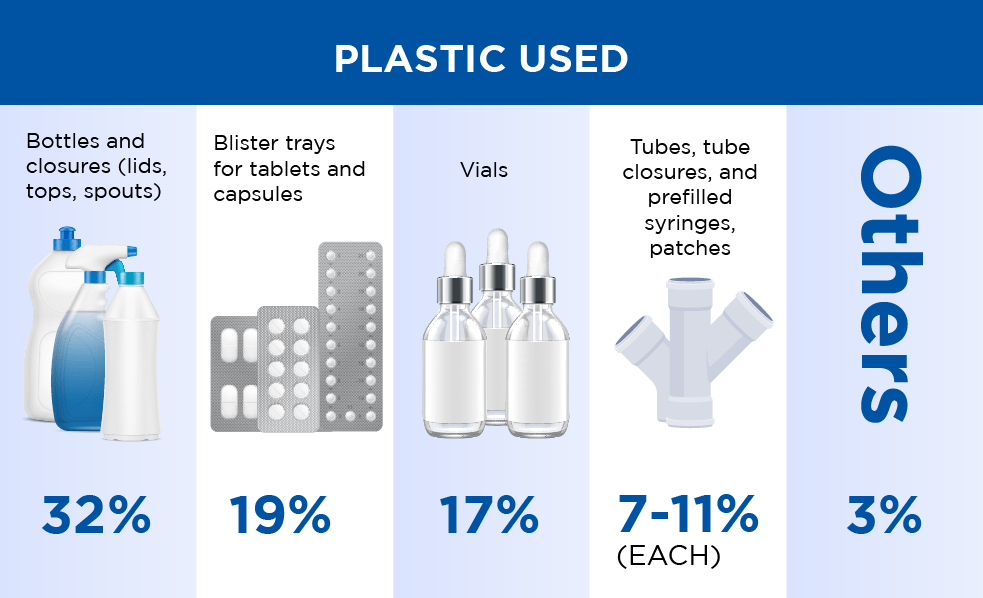
    Bottles and closures (lids, tops, spouts) account for 32% of all plastics used, followed closely by blister trays for tablets and capsules at 19% and vials, which also constitute quite a high proportion at 17%. Tubes, tube closures, and prefilled syringes, as well as patches, account for between 7% and 11% each. All other applications of plastics for packaging constitute about 3% of materials.

    Biodegradable plastics

    Biodegradable plastics are a series of different materials of contemporary interest and include composites of starch or other biomaterials with or without the presence of more environmentally persistent and traditional polyolefin plastics. Examples include poly-caprolactone (PCL), polylactic acid (PLA), polybutylenesuccinate, polylactic-co-glycolic acid (PLGA), nitrocellulose (NC), cellulose acetate (CA), methyl cellulose, polyesteramide, and polyamide (PA).
    Rilsan® is a bioplastic produced from castor beans by Arkema (France), and is among one of the most popular flexible packaging solutions. Polyhydroxyalcanoic acid, polyhydroxybutyrate-co-valerate, poly-B-hydroxybutyrate (PHB), starch-PLA, starch-PCL, and starch-Ecoflex, where this last compound is an aliphatic aromatic polyester (polybutylene adipate-co-terephthalate [PBAT]), and others such as polybutylene succinate terephthalate are new products
    PBAT is production was pioneered by BASF. Glycerol (10-20%)-plasticized chitosan (maize), zein (soybean), protein-keratin (rapeseed meal), protein (wheat gluten)-based water-containing (10-20% plastics, ethylene bioplastics, and those making use of nano-technology such as silicates represent a new array of bioplastics. Hemp oil, soya and other vegetable oils, vegetable starch, and sugarcane give a composite ‘bioplastic’ (Toyota Motor Corporation); PLA and 20% kenaf (hemp) fibre (NEC Corp.) also represent new media.

    NatureFlex is a cellulose film produced by Futamura. It is available in several configurations including a vapor metalized form which is more resistant to mositure and oxygen migration and other contaminants which allows for increased shelf life for food packaging, and has been used in various applications including candy packaging, and other consumer goods that require better barrier.
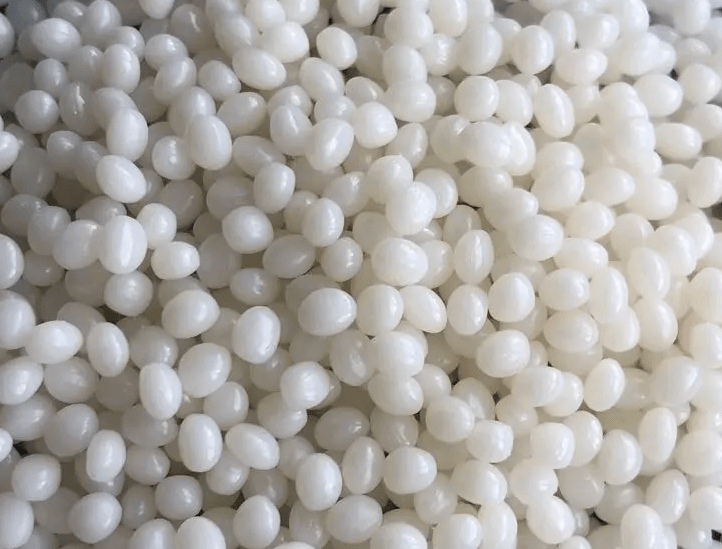
    PBS (Polybutylene succinate) is a sealant layer solution which allows or ambient compostability. PBS has can be efficiently laminated to NKME metalized NatureFlex, and is a food contact grade sealant layer.

    The use of these bioplastics in medical use applications and their overall durability as compared to traditional plastics is a matter of continued exploration, and study by various companies.

    Starch

    Starch is relatively inexpensive, adaptable, and a hugely abundant resource generated from cereal and vegetable processing. Materials such as Mater-Bi from Novamont have poor gas and water exclusion (10 000-100 000 times poorer than most polyolefins), low melting points (60-120 °C), and low mechanical strength, such as tensile strength (15-50 MPa), compared with conventional plastics, which melt at 160-240 °C and have tensile strength values of 20-80 MPa.
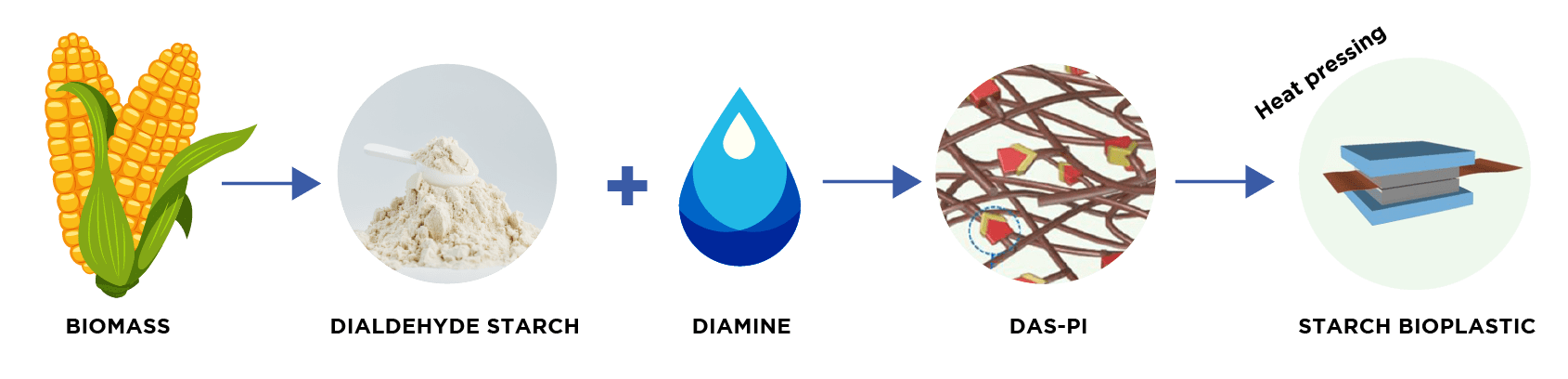
    These deficiencies mean thermoplastic starch-based biomaterials (for thermosetting applications such as trays) may be combined with more biodegradable contemporary plastics such as ethylene vinyl acetate (EVA) or ethylene vinyl alcohol (EVOH) because of the benefits of their gas and water vapor barrier properties, which may be 1.2-2.4 times poorer than PP, which is one of the better barrier materials.

    Experimental plastics

    Conventional synthetic plastics are highly favored in terms of their physical properties but increasingly less so, based on environmental impact post initial use. Consequently, a range of experimental and novel bioplastics are constantly being developed to alleviate environmental injury and accumulation in the ocean systems and the food chain.

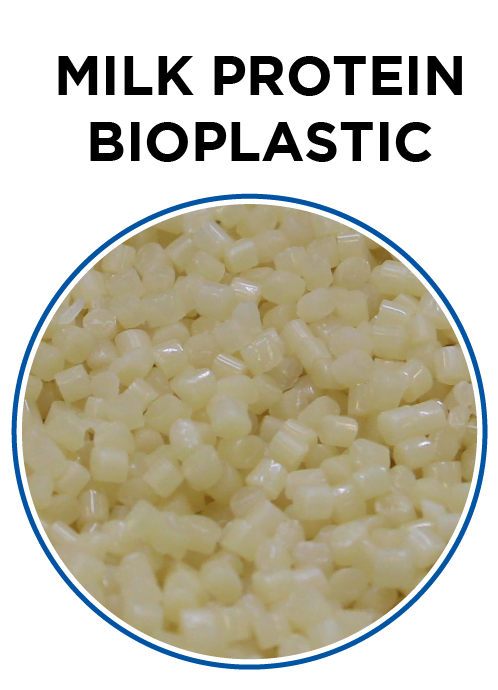
    Past innovations with limited success have included milk protein bioplastic fabricated using the milk protein casein in the presence of 4-5% formaldehyde as a cross-linking agent, the inclusion of TO, as a filler, and 1% clarifying agent such as ethylbenzene aniline or trixylyl phosphate. Zein, a maize protein cross-linked by formaldehyde developed in the past, continues to be of interest since maize growth can be considered to be a sustainable crop. Other less enthusiastically received plastics have included a soya, castor bean, and animal blood-based plastic that, apart from a dark color, was always likely to meet with some societal resistance and thus fail.

    Imperial Chemical Industries (ICI) developed Ardil fibre, which was used some time in the last century (around 1940) and was generated from spun and bonded groundnut proteins. In more recent times, the substance ‘gutta percha’, obtained from the Palaquium oblongifolium leaf, has gained interest for commercial use since it represents a natural form of rubber latex based on trans-1,4-polyisoprene that can be vulcanized with sulfur and molded/cast to a desired form. Other natural materials have included shellac, an exudate of aldehydes and hydroxy acids of lactides and esters of waxes from the female lac insect from Southeast Asia.

    Fabricated films

    Fabricated films for various purposes can be used directly or as part of multi-layered composites known as laminate films. Industrial over-wrap films often use single materials such as PP or laminate films. The over-wrap is made from blown and cut films of a range of plastics such as PVdC, PP, and HDPE, which are often heat-seal bonded to a tray or bottle.
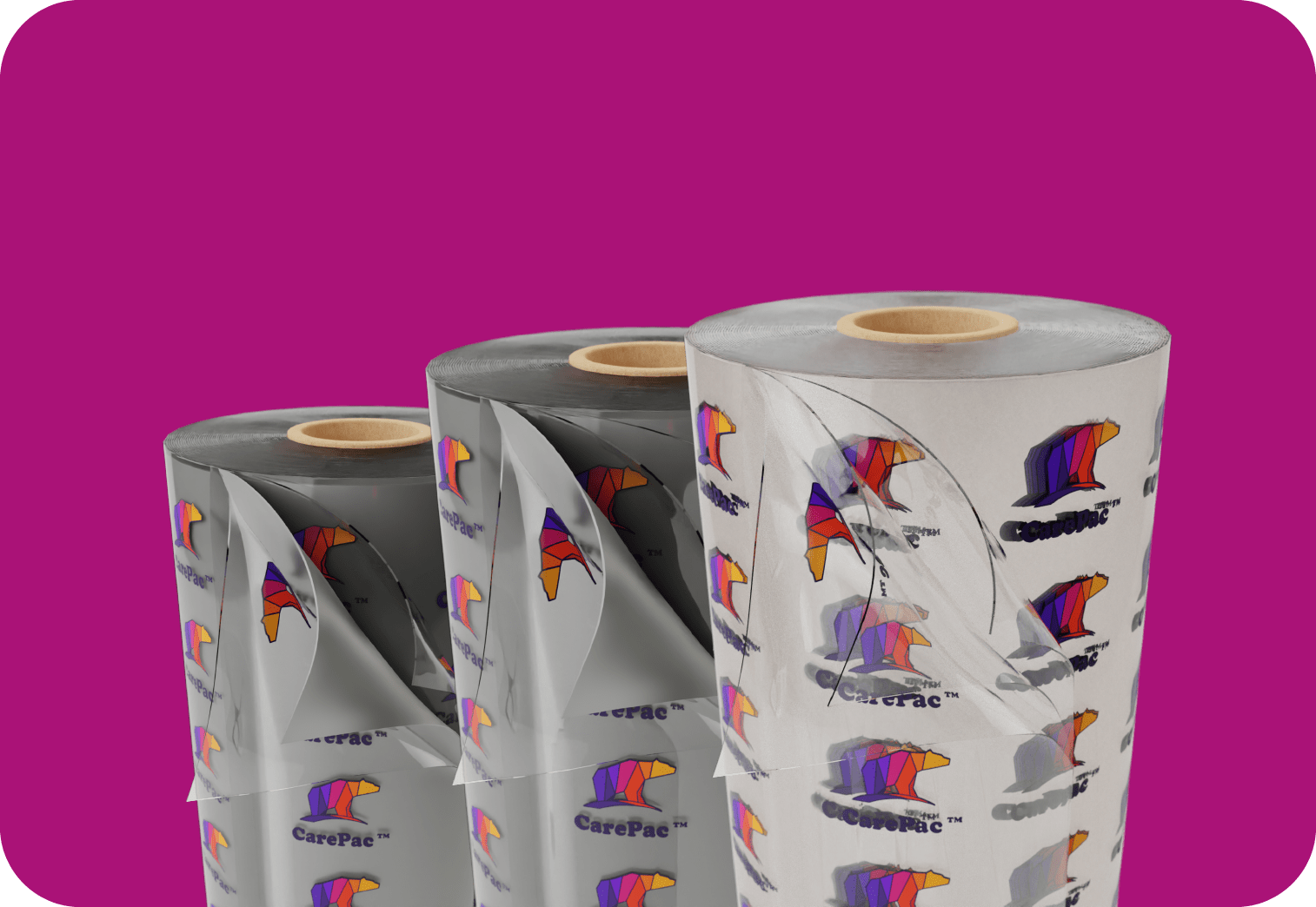
    Fabricated films vary considerably in the sheet thickness obtained in standard production processes. The thickness of sheeting can be modified but the thinner films obtained are HDPE (~12 m), PP (~14-30 m), and PVC (~18 m). Thicker standard films are produced from LDPE (~20-25 pm; referred to as 100 gauge), LDPE-co-PVA heteropolymer (~20 m), cellulose film (~20 um), and coextruded film with multiple layers (~30 um).

    LDPE
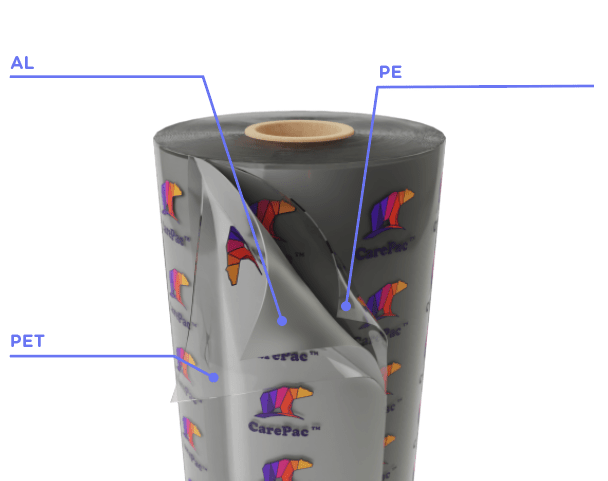
    LDPE is also made in a range of sheet thicknesses that can vary from 20 to 150 pm. Films can be plasma treated and metalized to provide light reflectance, or in some cases, plastic film can be bonded to thin aluminum foil and paperboard. Pharmaceutical blister packs often make use of webbing film of a thicker form that can be fabricated from up to four layers of material bonded by an adhesive. In order to ensure uniform welding or heat-seal formation the glass transition and melting point characteristics of film materials need tight control.

    Cellophane

    Cellophane is a convenient industrial biodegradable film used for plastic packaging that has fairly good moisture barrier properties. The polyethylene polymer is also known as regenerated cellulose or viscose and is also used for fabrics just as it is used as a packaging material. The material is formed when substrate is dispersed in an alkaline medium (NaOH) and then mixed with carbon disulfide (CS2) which is a fairly dirty process, and is considered toxic to workers. Alternative processes exist that do not require carbon disulfide, such as the lyocell process. 
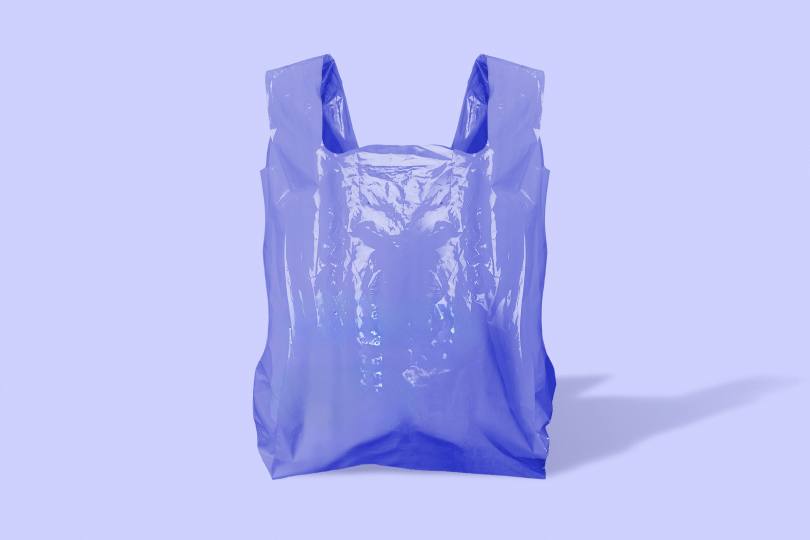
    Cellophane is a brittle amorphous material, but the addition of the humectant glycerol gives the film significant flexibility. Regenerated cellulose is a good substitution polymer for synthetic polymers for several use applications since it demonstrates a decently low permeability to water, oil, grease, and air as well as low porosity, thereby showing good exclusion of micro-organisms.

    The polymer packaging film is, therefore, useful and popular for primary wrappings for food packaging applications and those of frozen oily foods. Cellophane is fully biodegradable, being broken down by cellulolytic fungi (Fusarium spp., Penicillium spp., and Aspergillus spp.) and bacteria (Clostridium spp., Actinomycetes spp.). However, toxic CS processes are used in most cellophane production and is a worker health concern and reduces the environmental appeal of its substitution for polyolefins. CA is used mostly for photographic film and fabrics but rarely for plastic packaging as it degrades and liberates acetic acid.

    Cellulose nitrate or NC was used as part of an early plastic called ‘Parkesine’ in the 1860s. It has limited use as a principal packaging material but does find use in terms of lacquers. As in the case of many cellulose-based materials, including pure cellulose fiber, its advantage lies in that it is made from straw or wood pulp and, therefore, is an entirely renewable resource as it can be composted or incinerated.

    Polymeric Packaging Applications

    Polymer packaging materials and other popular materials are both flexible and easily modified but with the advantage of being generated for little cost. Plastics and other polymers occur ubiquitously in food packaging and range from the HDPE milk bottle to PET microwaveable ready-to-eat (RTE) cooked foods trays, cellophane raw-frozen meat wrappings, LDPE salad and confectionary bags, and PS or PP cream or yogurt cartons.

    Common uses in a medical context are for medicinal bottles used to carry tablets and capsules or pharmaceutical blister or ‘push-through-pack’ (PTP) packaging. Pharmaceutical blister packs or blisters make use of a webbing film that can be thermoformed into a mold or die of a specific shape.

    Valued characteristics can include gas or water vapor impenetrability, clarity or opacity, low or high melting temperatures, non-toxic components, recyclability, and mechanical robustness. A complex formulation of blends of different types of homopolymer plastics in combination produces copolymers with unique properties.
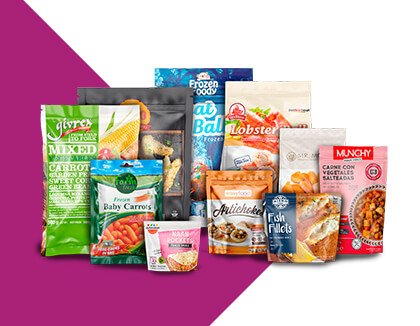
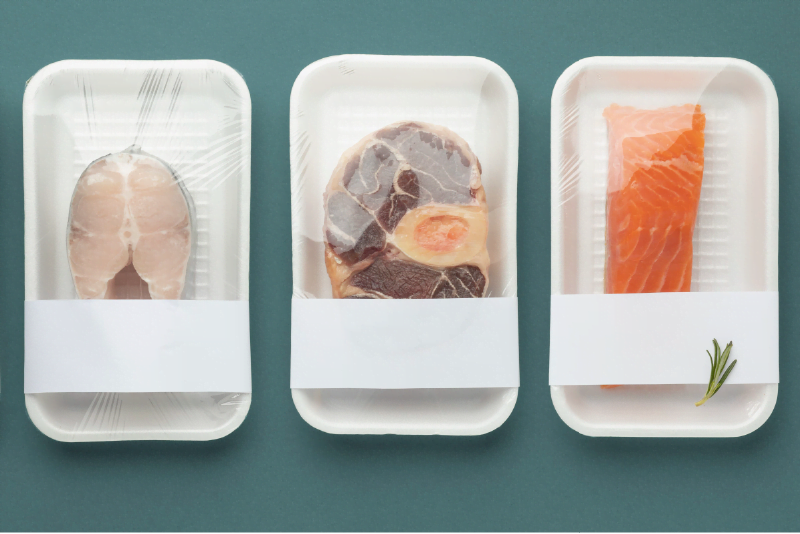
    A family group shot of all the different types of custom frozen food packaging Carepac offers in keeping Frozen Food Fresh Best Packaging for Frozen Meals

    Semi-crystalline vs amorphous polymer packaging

    Depending on its molecular structure and functionalization polymers are either semi-crystalline polymers or amorphous polymers. Unlike amorphous-structured solids, semi-crystalline polymer solids demonstrate clear crystallization and melting point transitions. Polymeric materials exhibit a component structure similar to that observed in the supercooled liquid phase but display the typical mechanical properties of a solid.

    Amorphous structured syndiotactic and isotactic plastics, on the other hand, exist in a ‘metastable state’ with respect to any crystalline form.

    Polymers used for packaging by percentage

    PET

    polystyrene

    POLYPROPYLENE 

    LDPE + HDPE

    Other Plastics

    Flexible packaging and bottles

    Packing Foam

    Trays and lidding

    Pouches, bags, and  bottles

    PTFE, ABS, Nylon PVC

    Polymer Packaging Ingredients

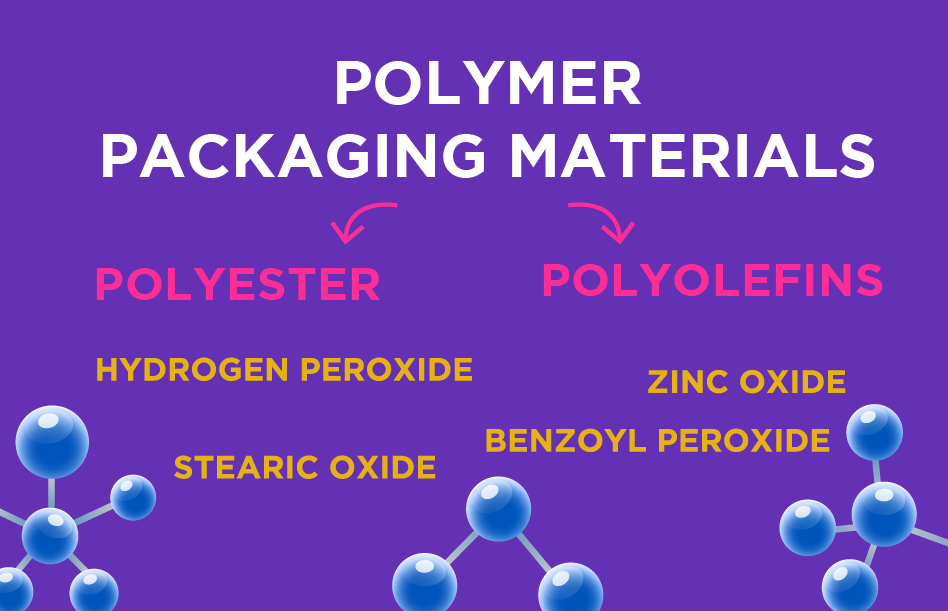
    Polymer packaging materials such as polyester and polyolefins routinely include between 10 and 50 ingredients, which are designed to preserve or improve the safety, performance, and longevity or shelf life of the contents. Conventionally, the biggest component in such packaging materials is the polymer packaging itself, with between 1% and 10% of included additives.

    Polymerization agents, accelerators, activators, and catalysts such as hydrogen peroxide, benzoyl peroxide, zinc oxide, and stearic oxide are standard monomer function-alisers and cross-linking agents. However, small amounts of unreacted materials might be expected to remain in the plastic, and this has formed the basis of material quality control and choice or selection of the material.

    Society is moving towards bioplastics

    Recent trends suggest a movement by supermarkets to remove plastic from packaged products in certain jurisdictions with the top five supermarkets working towards replacement of traditional polyolefins with compostable paper or bioplastics fabricated from sustainable sources of starch, corn, or other polylactates in an attempt to further sustainability goals and reduce the amount of single-use plastic packaging. This shows that the packaging market is changing and brands need to prepare to pivot.
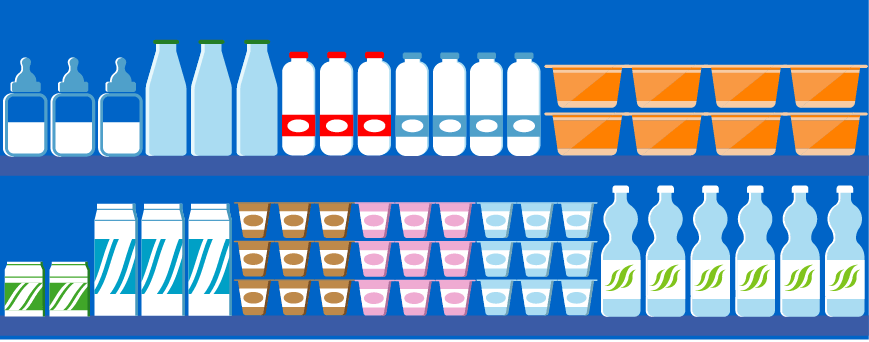
    Bioplastics find use as fillers and foams, films, wraps, trays and containers for fruit, egg boxes, meat trays, soft drinks bottles (a recent initiative by Coca-Cola involves monoethylene glycol-PET called PlantBottle), and cartons. Poly(vinyl alcohol), or PVOH (PVA), is a synthetic water-soluble polymer packaging with the general formula [CH CH(OH)]n that has been traditionally used as an emulsifier, adhesive, in paper manufacture as a release lining, as a’textile’ sizing agent, as a carbon dioxide barrier in PET carbonated drink bottles packaging, and as a biodegradable plastic sheet for covering sanitary products.

    The Environmental Impact of Plastics

    Plastics have been ‘around’ in their present form for 80 years or so up until present times, and are considered, if not recycled, to be an environmental threat thought to be able to persist for 400-1000 years. Since a calculated 6.3-8.3 billion tones have been made to date, with a mere 9% recycled, 12% incinerated, and 79% placed in landfill or accumulated in the environment, this points at very inefficient strategies for coping with such a persistent material
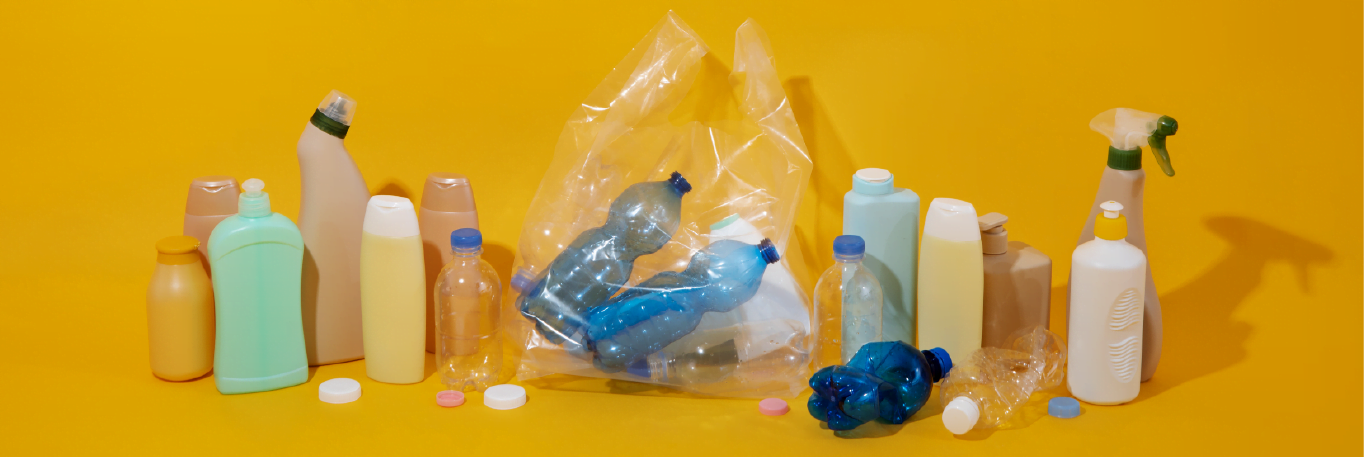
    Plastics have been ‘around’ in their present form for 80 years or so up until present times, and are considered, if not recycled, to be an environmental threat thought to be able to persist for 400-1000 years. Since a calculated 6.3-8.3 billion tones have been made to date, with a mere 9% recycled, 12% incinerated, and 79% placed in landfill or accumulated in the environment, this points at very inefficient strategies for coping with such a persistent material.

    In the 45 year period from 1960 to 2005 there was a 1,000% increase in the amount of plastics in municipal waste to the near-present value of 10% by weight (about 40% of plastics are used solely for product packaging). The EU is at present the leading recycling regions at 25-30%. However, many of the G20’s most economically powerful ‘top table’ countries have a poorer record on the recycling front.

    For example, the USA recycles an average of approximately 10% of plastics. Germany recently had the best statistics for recycling, with greater than 60%, and both Turkey and Chile sit at the bottom of the recycling ‘league table’ with a mere 1-2%. The UK recycled about 37% of its plastics in 2010, some way back from Germany. Notably, Poland has been seen making the most significant improvement of approximately 900% in recycling policy and practice in the last 20 years.

    At the current rate of production, as much as 12 billion tons may by ‘syphoned off from landfill or generally in the environment by 2050. PE and PET are about the ‘best’ plastics for consumers in general and routine use as these are the most recycled; however, the usage statistics contradict this notion at present with 36% PE, 21% PP, 12% PVC, and 10% each for PET, PS, and polyurethane (PUR).

    Such use means a change in global manufacturing culture is needed as a matter of some urgency as PUR, PVC, and PS represent a major inconvenience since they are not routinely recycled
  • Paper thickness conversion chart

    Paper thickness conversion chart

    Paper Weight Conversion Chart – Paper Conversions

    Common Kraft Paper Weights & Thickness

    CarePac, votre partenaire fiable dans le domaine de la fabrication d’emballages barrières souples sur mesure, se distingue par la création de solutions d’emballage innovantes, telles que des sachets à fond plat, des sachets plats et des sachets spéciaux pour divers secteurs, de l’alimentation à la pharmacie. Mais saviez-vous que nos emballages résistants et de haute qualité sont également parfaits pour les kits promotionnels des casinos en ligne ? Imaginez la situation suivante : à chaque gain important dans un casino en ligne, le joueur reçoit une récompense. Ce cadeau peut inclure un tour gratuit à la roulette ou un jeu de cartes premium, le tout joliment emballé dans un sachet CarePac individuel qui met en valeur l’image de marque de votre casino. Nos solutions d’emballage sont les plus populaires parmi les casinos en ligne du Québec vigile.net/casino-en-ligne-quebec/, car elles préservent la nouveauté et l’excitation du jeu, tout en permettant aux entreprises d’attirer leurs clients de manière créative au-delà de l’écran. L’expérience tactile de recevoir une récompense physiquement emballée contribue à renforcer le lien entre le consommateur et la marque, faisant de ces casinos de véritables gagnants dans l’industrie.

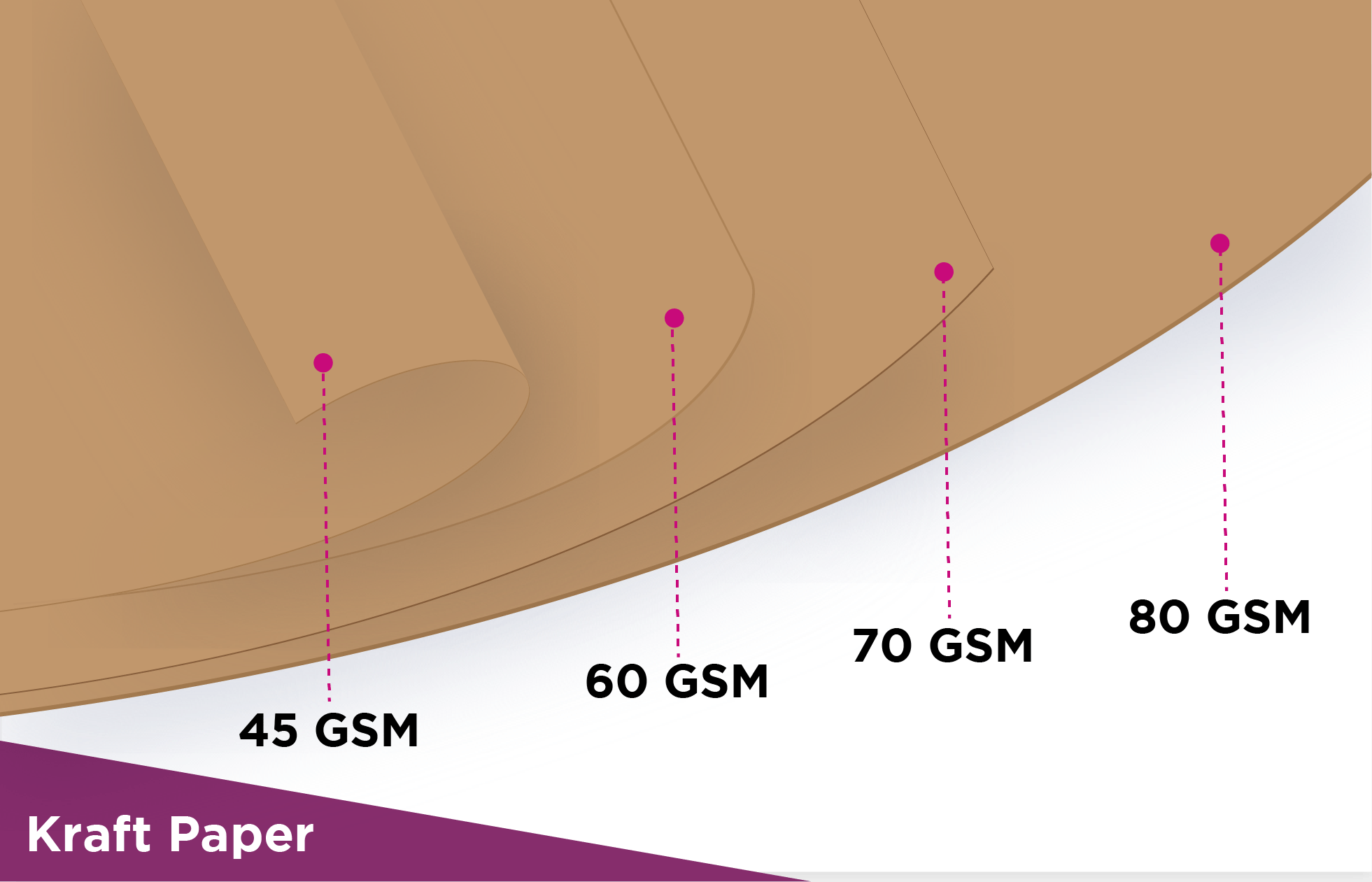
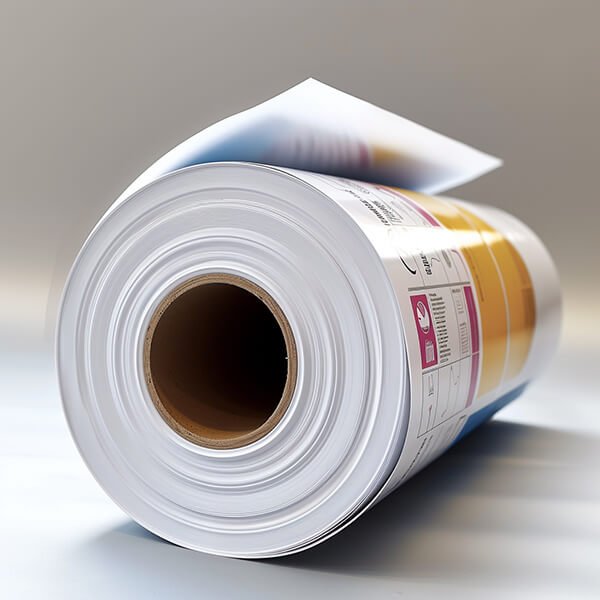
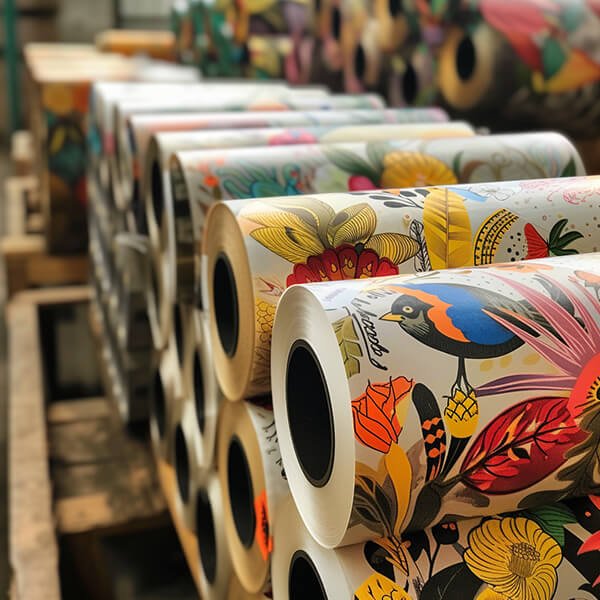
    Kraft paper is a very popular material for flexible packaging, and its used across virtually every industry. It’s more eco-friendly than many other materials, and can be easily customized to best represent your brand. As it grows in popularity, our team is converting more and more Kraft paper measurements into bag measurements. For context, paper is measured by paper weights and flexible packaging is measured in thickness.

    At Carepac, we have always exceeded expectations with top-notch, meticulously curated care packages, designed to meet the different needs of the diverse communities we serve. We are transitioning from prioritizing physical needs to entertaining our clientele’s recreational and leisure indulgences. We are excited to introduce our newest initiative focusing on online casinos. But not just any casinos, we are bringing thehttps://www.sydneybuses.info/online-pokies-sydney/straight to your fingertips! Our selection includes the crème de la crème of online gaming and casinos, complete with an array of engaging games and rewarding opportunities. We make it easy for both died-in-the-wool gaming enthusiasts and beginners to explore the online casino landscape. Our dependable online casino recommendations integrate safety, reliability, and user-friendly interfaces for an exciting and hassle-free gaming experience.

    This can be quite confusing for many of our customers, so we put together these paper thickness conversion calculator which should clear up some of the confusion. If you have any questions as you review these conversion charts, feel free to contact us for more information. View our weight conversion chart below so you know by how many inches to offset your order. 

    Our team is more than willing to help! 

    Paper Weight (GSM)

    Thickness (MM)

    Thickness (MIL)

    Thickness (Micron)

    45 GSM

    .76 MM – 0.81 MM

    3 mil – 3.14mil

    55 – 65 um

    60 GSM

    0.8 MM – 0.85 MM

    2.75 – 3.35 mil

    70 – 85 um

    70 GSM

    0.8 MM- 0.10 MM

    3.1 mil – 4.7 mil

    80 – 95um

    80 GSM

    0.09 MM – .11 MM

    3.5 mil – 4.33 mil

    90 – 110um

    Kraft Paper uses in Flexible Packaging

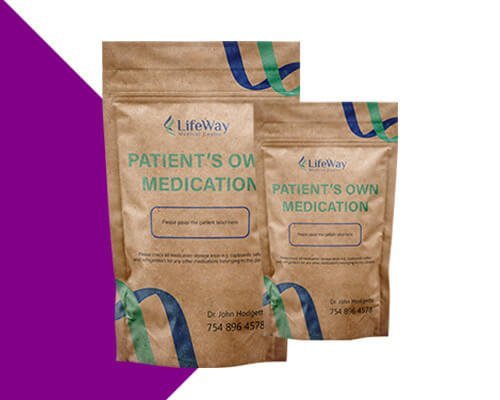
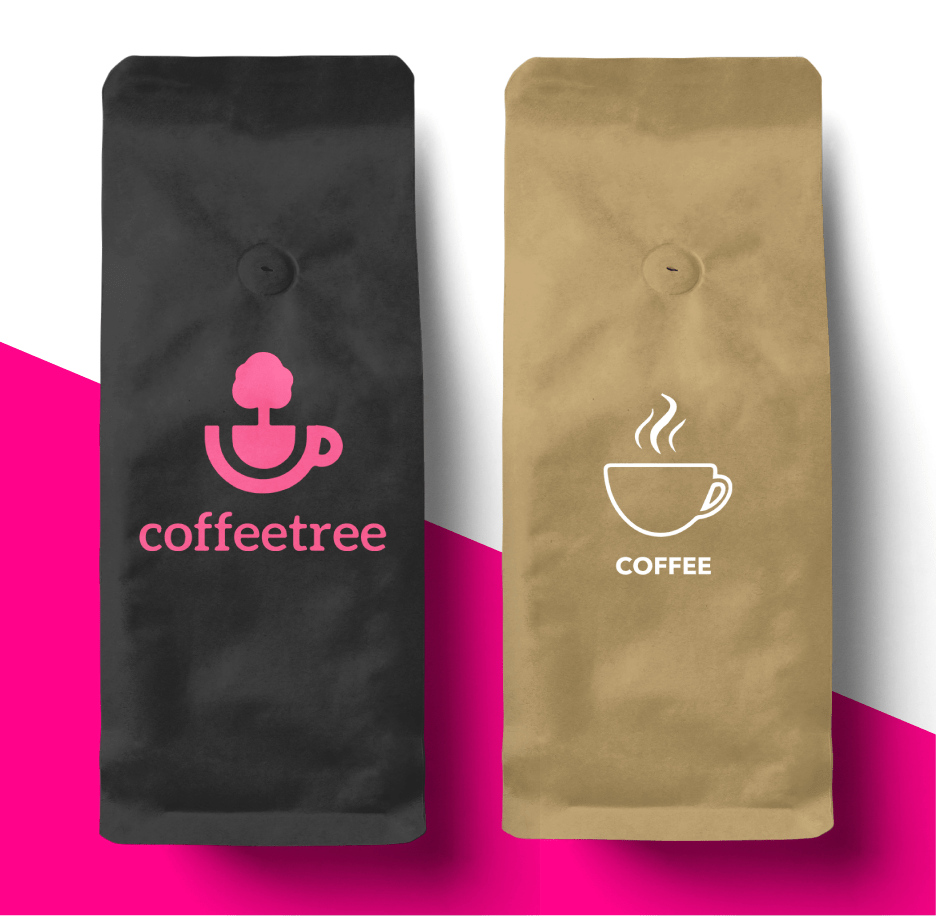
    Historically Kraft paper was used in flexible pouches merely as an esthetic preference. Recently Kraft paper has also become popular when combined with compostable bioplastics of any paper color, micro format or otherwise, to create compostable pouches. Kraft paper comes in bleached white, or natural kraft brown. The exact color of kraft paper varies between lots and sources. 

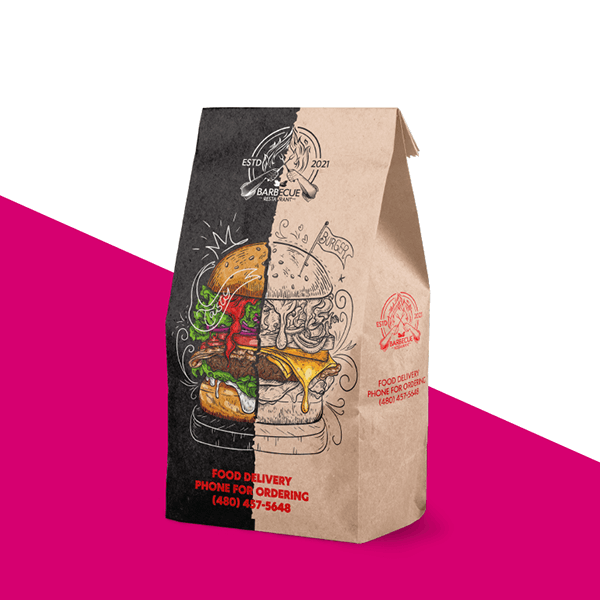
    Flat Bottom Pouch Flexo Printing Snack Packaging for Burger Flexible Packaging Kraft Paper Bag

    45 GSM Kraft Paper

    45 GSM kraft paper is best for gusseted pouches because the paper is more flexible than thicker papers, which will allow the gusset to open, and develop less creases in the paper. If you’re moving to roll foils or standing pouches, this is the Kraft paper material we recommend. 

    60 GSM Kraft Paper

    60 GSM kraft paper is another common thickness which will have a more textured feeling when touched. 60 GSM paper is stiffer than 45 GSM, but generally converts well for most pouches. Overall, 60 GSM is very balanced and you’ll notice it provides a good balance between stiffness, thickness, cost, and how it feels to the touch. 

    70 GSM Kraft Paper

    70 GSM is typically used for box bottom and side gusseted pouches. 70 GSM Kraft paper is typically laminated to metalized PET and PE to create a rigid box bottom bag. If you’ve ever handled a paper bag that is stiff enough to stand upright, you’re likely using a paper bag crafted from 70 GSM. 
    80 GSM Kraft Paper

    80 GSM Kraft paper is typically not used for most flexible pouches because the paper is too thick and will create a ridgid pouch which will wrinkle easily and doesn’t conform well to other materials. Regardless, we are including it here as reference in case one of our customers does wish to use 80 GSM Kraft paper. 
    C2S Art Paper Thickness & Paper Weight Conversion

    Paper Weight (GSM)

    Thickness (MM)

    Thickness (MIL)

    Thickness (Micron)

    80 GSM

    0.06 MM

    2.36 mil

    60 um

    90 GSM

    0.07 MM

    2.75 mil

    70  um

    100 GSM

    0.08 MM

    3.14 mil

    80 um

    105 GSM

    0.09 MM

    3.54 mil

    90 um

    120 GSM

    0.10 MM

    3.93 mil

    100 um

    128 GSM

    0.12 MM

    4.72 mil

    120 um

    150 GSM

    0.13 MM

    5.11 mil

    130 um

    157 GSM

    0.14 MM

    5.51 mil

    140 um

    180 GSM

    0.16 MM

    6.29 mil

    160 um

    200 GSM

    0.18 MM

    7.08 mil

    180 um

    210 GSM

    0.22 MM

    8.66 mil

    220 um

    230 GSM

    0.23 MM

    9.05 mil

    230 um

    250 GSM

    0.25 MM

    9.84 mil

    250 um

    300 GSM

    0.32 MM

    12.59 mil

    320 um

    350 GSM

    0.36 MM

    14.17 mil

    360 um

    400 GSM

    0.43MM

    16.92 mil

    430 um

    C1S Art Paper Thickness

    Paper Weight (GSM)

    Thickness (MM)

    Thickness (MIL)

    Thickness (Micron)

    80 GSM

    0.08 MM

    3.14 mil

    80 um

    170 GSM

    0.23 MM

    9.05 mil

    230 um

    190 GSM

    0.26 MM

    10.23 mil

    260 um

    210 GSM

    0.28 MM

    11.02 mil

    280 um

    230 GSM

    0.32 MM

    12.59 mil

    320 um

    250 GSM

    0.35 MM

    13.77 mil

    350 um

    300 GSM

    0.42 MM

    16.53 mil

    420 um

    350 GSM

    0.49 MM

    19.29 mil

    490 um

    400 GSM

    0.56 MM

    22.04 mil

    560 um

    Wood Free Offset Paper

    Paper Weight (GSM)

    Thickness (MM)

    Thickness (MIL)

    Thickness (Micron)

    60 GSM

    0.08 MM

    3.14 mil

    80 um

    70 GSM

    0.09 MM

    3.54 mil

    90  um

    80 GSM

    0.11MM

    4.33 mil

    110 um

    100 GSM

    0.12 MM

    4.72 mil

    120 um

    120 GSM

    0.15 MM

    5.90 mil

    150 um

    140 GSM

    0.16 MM

    5.51 mil

    140 um

    160 GSM

    0.18 MM

    7.08 mil

    180 um

    180 GSM

    0.22 MM

    8.66 mil

    220 um

    200 GSM

    0.24 MM

    9.44 mil

    240 um

    230 GSM

    0.28 MM

    11.02 mil

    280 um

    250 GSM

    0.29 MM

    11.41 mil

    290um

    300 GSM

    0.35 MM

    13.77 mil

    350 um

    Matte Coated Paper

    Paper Weight (GSM)

    Thickness (MM)

    Thickness (MIL)

    Thickness (Micron)

    80 GSM

    0.08 MM

    3.14 mil

    80 um

    90 GSM

    0.09 MM

    3.54 mil

    90 um

    105 GSM

    0.1MM

    3.93 mil

    100 um

    115 GSM

    0.11 MM

    4.33 mil

    110 um

    128 GSM

    0.13 MM

    5.11 mil

    130 um

    157 GSM

    0.16 MM

    6.29 mil

    160 um

    200 GSM

    0.20 MM

    7.87 mil

    200 um

    230 GSM

    0.24 MM

    9.44 mil

    240 um

    250 GSM

    0.26 MM

    10.23 mil

    260 um

    300 GSM

    0.29 MM

    11.41 mil

    290 um

    White Cardboard Paper

    Paper Weight (GSM)

    Thickness (MM)

    Thickness (MIL)

    Thickness (Micron)

    190 GSM

    0.25 MM

    9.84 mil

    250 um

    210 GSM

    0.28 MM

    11.02 mil

    280 um

    250 GSM

    0.33 MM

    12.99 mil

    330 um

    300 GSM

    0.38 MM

    14.96 mil

    380 um

    350 GSM

    0.48 MM

    18.89 mil

    480 um

    400 GSM

    0.51 MM

    20.07 mil

    510 um

    450 GSM

    0.6 MM

    23.62 mil

    600 um

    500 GSM

    0.67 MM

    26.37 mil

    670 um

    Grey Cardboard Paper

    Paper Weight (GSM)

    Thickness (MM)

    Thickness (MIL)

    Thickness (Micron)

    250 GSM

    0.32 MM

    12.59 mil

    320 um

    300 GSM

    0.35 MM

    13.77 mil

    350 um

    350 GSM

    0.48 MM

    18.89 mil

    480 um

    400 GSM

    0.53 MM

    20.86 mil

    530 um

    450 GSM

    0.65 MM

    25.59 mil

    650 um

    Kraft Paper

    Paper Weight (GSM)

    Thickness (MM)

    Thickness (MIL)

    Thickness (Micron)

    60 GSM

    0.1 MM

    3.93 mil

    100 um

    80 GSM

    0.12 MM

    4.72 mil

    120 um

    120 GSM

    0.17 MM

    6.69 mil

    170 um

    Insert Custom HTML

  • Pharmaceutical Secondary Packaging & Pharma Packaging Basics 

    Pharmaceutical Secondary Packaging & Pharma Packaging Basics 

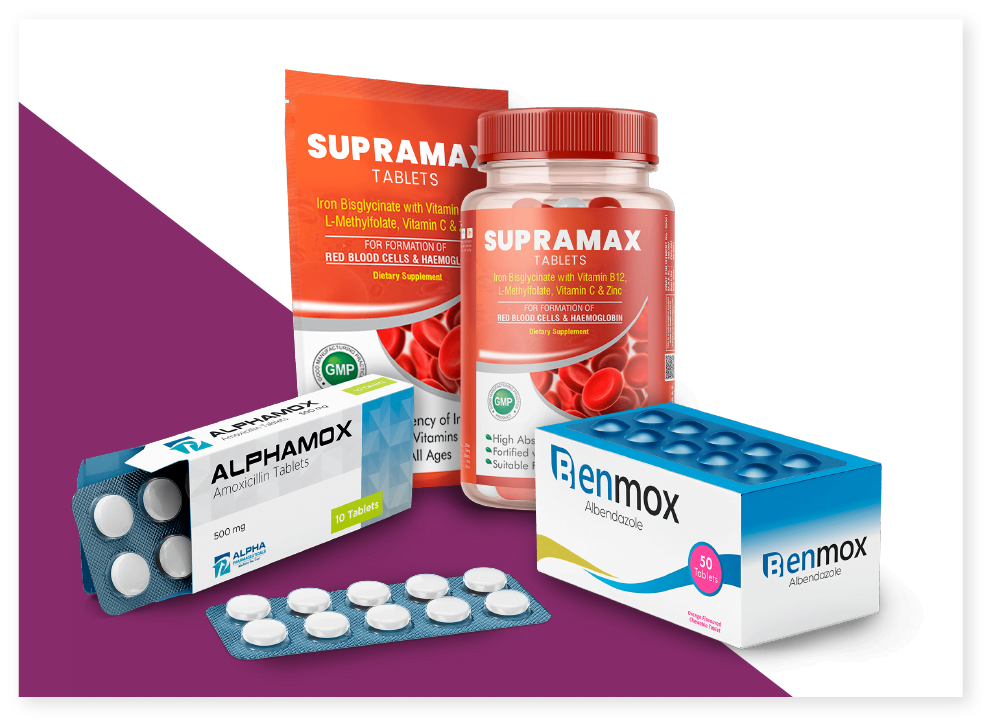
    Pharmaceutical Secondary Packaging

    & Pharma Packaging Basics

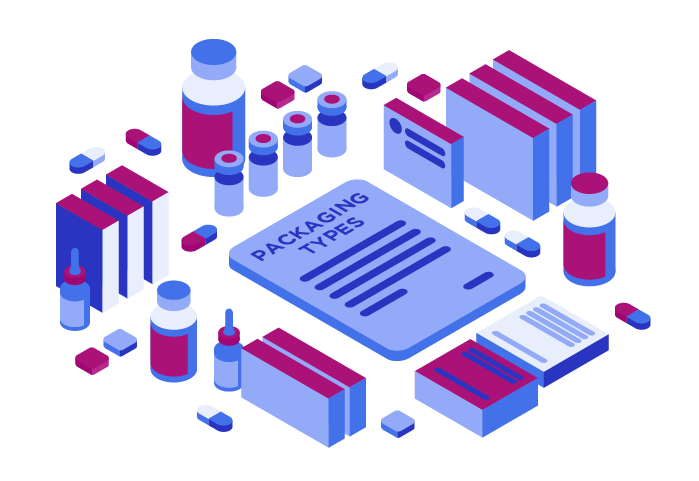
    If you work in the medical industry, particularly in the pharma industry, you’ve likely heard the terms “primary”, “secondary,” and “tertiary” used in reference to pharmaceutical packaging.

    Some medical or pharmaceutical products or medicines may only require primary packaging, some require a combination of primary and secondary, and others require all three.

    For the purpose of this blog, we’ll define the common forms of pharmaceutical packaging, before discussing secondary packaging exclusively. 

    The Different Types of Pharmaceutical Packaging

    As discussed, there are three main types of packaging within the pharmaceutical industry. Although this blog focuses on pharmaceutical secondary packaging, in particular, it’s important to understand the purpose of all three and how they work together to protect consumer drugs and pharmaceuticals.

    Here’s a little more information about primary and secondary packaging, and tertiary packaging material.

    Primary Packaging

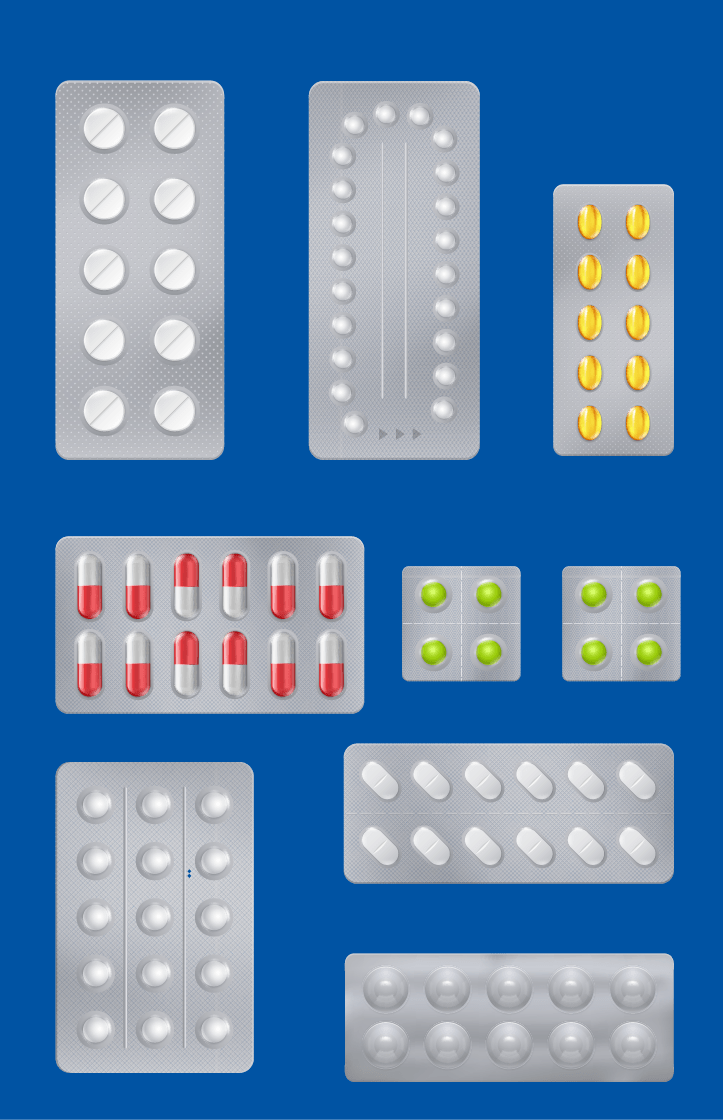
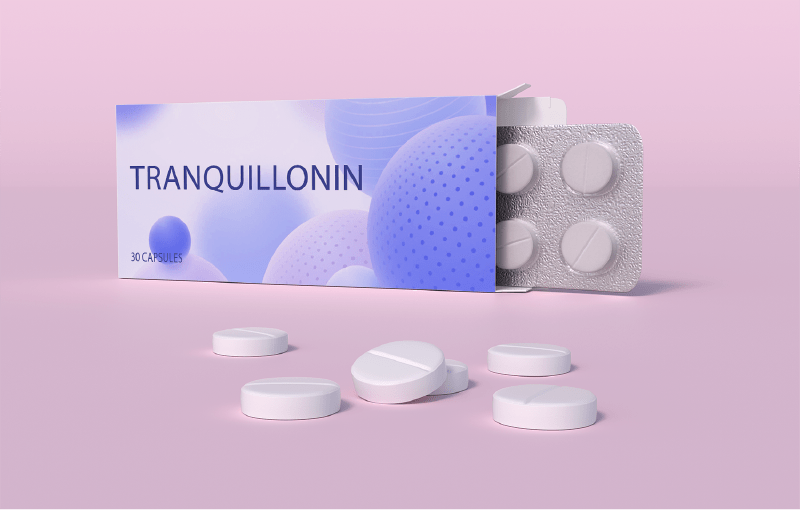
    Primary packaging refers to any packaging materials that will typically come in direct contact with medication (or the medical device). This includes foil-lid plastic blister packs, a bottle, or single-use packs, which many consumers are already familiar with, either through clinical trials or purchasing medications at the store.

    Since this type of pharma packaging comes into direct contact with different types of medication, its main purpose is to protect the medication from extreme heat, extreme cold, and exposure to the elements. It must also achieve a certain level of impact resistance and pliability since it might be dropped on the floor or may fall over on the shelf. 

    Secondary Packaging 

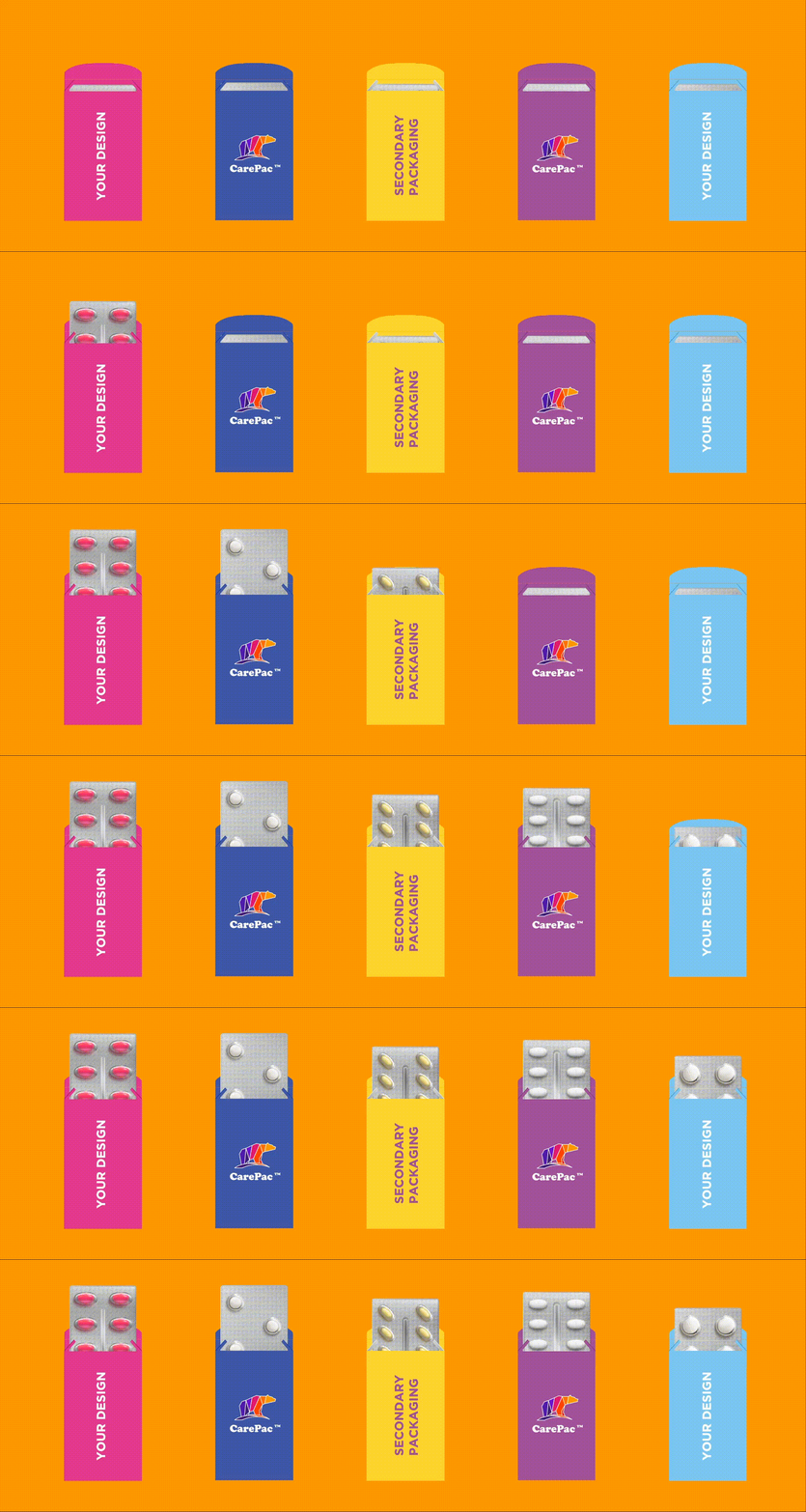
    Secondary packaging is the exterior packaging, or overpacking material, that lies outside of the primary packaging. Using the above examples, the manufacturer blister packs (or primary packaging) would be enclosed by a pre printed box or carton at the point of sale — this box or carton is secondary packaging.

    What makes secondary packaging unique is that these packages often include the manufacturer’s branding, a retail message, or dosing information. They’re often brightly colored or otherwise altered to be attractive to patients browsing shelves at the pharmacy. In some cases, secondary packaging may also need to be printed in multiple languages. 

    Tertiary Packaging 

    Finally, tertiary packaging is packaging that lies outside of both the primary and secondary packaging. This type of packaging is most often used during delivery and storage (think: big cardboard boxes for delivery, plastic wrap around a case of medication cartons, etc.)

    Tertiary packaging is often thrown away shortly after delivery and is not seen by the patient. Compared to secondary packaging, tertiary packaging is bland and plain, as it really doesn’t “matter” what it looks like. 

    One of the easiest ways to think about these three packaging types and how they work together is that a blister (primary packaging) is placed into a paper carton (secondary packaging) before it is packed into a large cardboard box (tertiary packaging) for shipping. The three different types of packaging work together to protect the medicines during storage, but only one or two are actually visible to the patient. 

    Essential Elements of Secondary Packaging

    When it comes to the main types of pharmaceutical secondary packaging, there are a variety of essential things for a packaging company to consider. First and foremost, it must keep the medication protected from contamination. Not only does this keep the medication free from spoilage, but it ensures potency, which keeps the medication’s effectiveness stable until at least its expiration date. After all, taking medication is pointless if it’s not potent and cannot serve its intended purpose. 

    Second, secondary packaging should be attractive to the consumer (particularly if the product is available over the counter and competes with all the other products lining the pharmacy’s shelves). It must also accurately and simply describe the product within and provide clear instructions for use.

    In some cases, depending on the locale, the instructions included on the pharmaceutical secondary packaging may need to be written in 2-3 different languages. For example, it’s not uncommon for medical products in America to have instructions written in English, Spanish, and Chinese. 

    Finally, all secondary packaging should adhere to laws and regulations. The medical and pharmaceuticals industries are highly regulated, and many of those rules and regulations apply to packaging specifically. 

    Secondary Packaging Types & Materials 

    Though the specific material used depends on the specific use of the secondary packaging, in most cases, secondary packaging is manufactured from the following materials: 

    • Plastics (PE, PP, PET) 

    • LDPE laminates 

    • Aluminum foil 

    • Cardboard 

    • Glass

    Plastics are the most popular, though, since many types of medications or medical devices can be safely stored and transported in plastic without sacrificing quality or effectiveness. It’s also very economical and can easily be customized. 

    Why CarePac 

    Since our inception, we’ve been designing, manufacturing, and producing secondary packaging for a variety of clients within the pharmaceutical industry. To meet regulatory requirements, we create our pharmaceutical secondary packaging in sterile environments, with only the best line equipment, and all of our products go through strict QA protocols, including serialization.No matter your needs, CarePac is committed to providing a solution for each and every one of your packaging needs, secondary packaging included. Learn more about our packaging solutions today! 

    Ready to get started? 
    Visit our medical packaging page for more information! 
  • Case Study: Flawlessly Fresh With Flavor

    Case Study: Flawlessly Fresh With Flavor

    Inspired By Italy, Made in Vermont

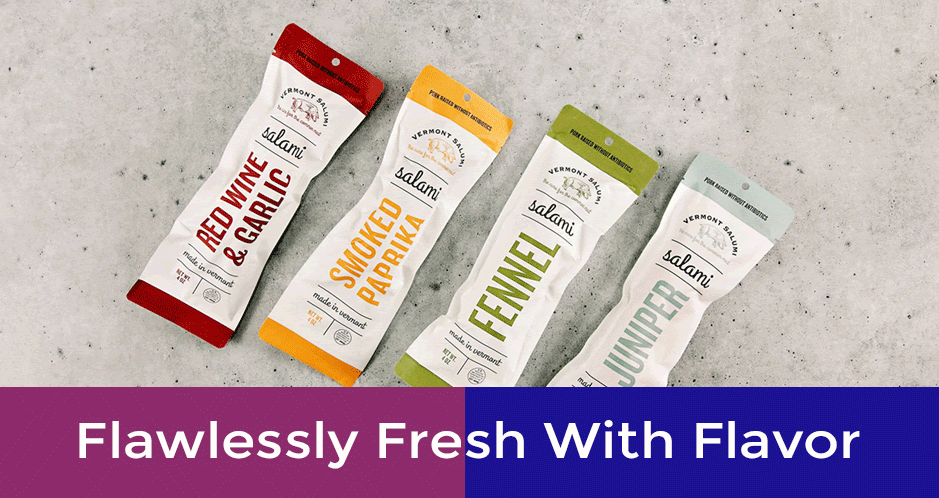
    A family tradition, a love for prosciutto, and an inspiration—say “ciao” to Vermont Salumi. This Italian-inspired meat company stands by their promise to provide cured Italian meats that are filled with flavor and freshness. In order to do this, they had to ensure their products were packaged to perfection. Here’s how we worked together with Vermont Salumi to ensure their product packing was just right.

    Meet Vermont Salumi

    Crafting fresh and cured Italian-style meats in the Vermont countryside, Vermont Salumi makes several savory varieties of fresh sausage, cured salami, and aged whole muscle meats.

    Vermont Salumi’s Packing Needs

    Packaging salami can be tricky, as it needs to preserve the finished aging process and flavor balance. Vermont Salumi was on the hunt to find packing options that could withstand the various storage environments their products would experience through the production channels. Additionally, it was imperative the packaging was functional—and aesthetically pleasing.

    The Results

    Vermont Salumi turned to CarePac to find the solution that packs the right punch for their needs. Our flexibility and customization meant that Vermont Salumi didn’t need to compromise… and the end result was the right packing, for the right price, with the right look. And the proof is in the pancetta with the new packaging, they saw an overall increase in sales and shelf life for their meats. Have a unique packing need? Here at CarePac, we’re up for the challenge—get in touch by phone (via a real person!) or through our contact form.