Author: Paul Meehan

  • Why Some Tin Ties Fail

    Why Some Tin Ties Fail

    Why Some Tin Tie Fail — and What Coffee Roasters Should Demand Instead

    The Problem: When Tin Tie Bags Don’t Do Their Job

    Tin tie failure is something we’ve all experienced with coffee bags. But for smaller specialty coffee brands and micro coffee producers, the failure of a tin tie bags can affect customer perception of the coffee quality, ultimately impacting the reputation of the coffee shop or coffee brand among customers. Tin ties are a typically an incredibly finicky type of food packaging closure; they cannot be heat-sealed to the coffee bag due to incompatibility of the materials, so tin tie closures must be glued to the bag. 

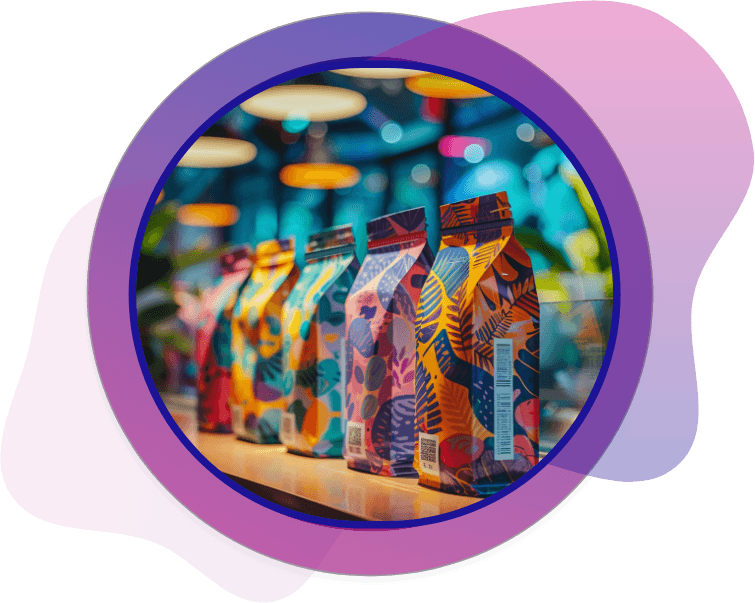
    A row of brightly colored, custom-printed coffee bags with bold patterns and barcode labels, displayed in a modern coffee shop environment.Detailed close-up of a coffee bag with geometric printed design, highlighting the one-way degassing valve that keeps coffee fresh.

    Tin tie closures can be applied either using a hot glue or a self-adhesive, but when using self-adhesive tin ties, the tin tie rolls must be ordered from the tin tie manufacturer with specific spacing for the adhesive. The hot glue method allows us to customize the length of the tin ties, which can help avoid waste and improve sustainability. Another common issue is that the tin tie closures can get misaligned during transit as the bags shuffle inside the box, leading to a less tight seal that does not keep the coffee beans at their optimal freshness.

    Where Manufacturers Often Go Wrong

    There are a number of areas where tin-tie manufacturers go wrong. Although we can’t list them all in this blog, here are some common mistakes we see with food packaging companies that manufacture food packaging for coffee producers:

    Using low-grade adhesives or incompatible materials- If low-grade adhesives or incompatible materials are used, moisture and oxygen can get inside the food packaging, causing the food products inside to go stale or spoil. 

    Poor alignment or inconsistency in application- Poor tin-tie alignment or inconsistency in tin tie application on coffee packaging bags can be a significant issue, affecting both the appearance and the effectiveness of the fold or seal.

    Lack of coffee-specific bag construction (e.g., wrong film for degassing valves + tin ties)- Some packaging companies have zero experience with coffee packaging or use discontinued materials to keep things affordable, which can result in them using the wrong film, tin-tie, or type of polyethylene.

    Ignoring operator error from hand-application- If the tin ties are applied manually to your coffee packaging, several issues can arise from operator error, including improper closure, insufficient seals, and aesthetic issues that can make your coffee packaging look bad on the store shelves.

    No QA/QC process- Finally, the lack of an in-house and established QA system can contribute to issues with the bag durability and functionality. If you’re seeking to switch to an alternative to your existing custom printing company, ask about their quality control measures. 

    Multiple kraft paper coffee bags neatly arranged in a row, ideal for eco-friendly coffee packaging and sustainable retail presentation.

    Why Coffee Packaging Demands Better Tin Tie Design

    Ground coffee and coffee beans are just as delicate as baked goods — they need to be stored and maintained at the appropriate temperature and exposure to oxygen and moisture can impact its aroma and taste. If you want to ensure your customers enjoy fresh and aromatic coffee beans, your coffee bags need to be resealable in nature (and no – we don’t just mean a bag that can fold over!)

    If your existing coffee packaging isn’t resealable, your best option is to add high-quality tin-ties to your coffee bags. These tin-ties will protect the coffee inside as intended, while giving you the rest of the space on the bag to use for marketing purposes.

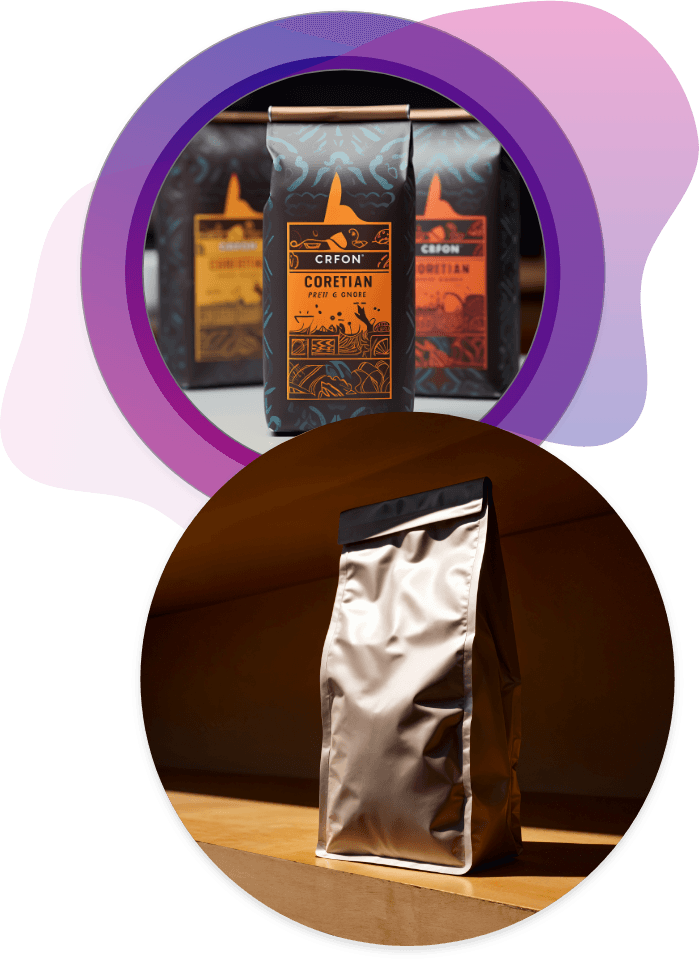
    Matte green stand-up coffee bag paired with a paper coffee cup, surrounded by roasted coffee beans on an outdoor table setting.A custom-printed coffee bag with a colorful label alongside a plain metallic silver coffee pouch, showcasing versatile coffee packaging options.

    How CarePac Gets It Right

    CarePac has taken several innovative steps to try and reduce the number of tin tie closures that fall off or are misaligned. We use very specific shipping methods to reduce problems and maintain a high level of quality assurance throughout the manufacturing and shipping process. While we still offer completely custom manufactured products, we have recently steered smaller customers towards more consistent bag sizing. This helps keep things affordable and ensures the coffee inside your coffee bags is protected from the elements.

    Here’s more information about how our tin-tie coffee bags stand out from the competition: 

    • Higher-quality tin tie adhesion
    • Film compatibility for coffee use (PET, foil, Kraft with valve, etc.)
    • Lower minimum order quantity for custom printing runs
    • Responsive QA and coffee bag testing

    We even have an in-house tin tie application machine to ensure exact placement and consistent results at scale. Our goal is to protect the freshness of your coffee with tin-tie closures that work right the first time.

    Partner with a Food Packaging Company That Understands Coffee

    Looking for a coffee packaging partner that understands your brand and helps you thrive? By partnering with a food packaging company that understands coffee, like us, here’s what you can expect:

    Customization that Reflects Your Brand

    CarePac offers a wide range of options and packaging alternatives, including various sizes, shapes, and materials. Additionally, we offer printing methods like digital and plate printing, to ensure your coffee packaging perfectly embodies your brand’s unique identity.

    Sustainability Solutions

    Choose from recyclable or compostable materials to create bags that aligns with your brand’s environmental values and resonates with eco-conscious consumers.

    Flexible Lead Times

    CarePac provides flexible lead times to accommodate your needs, whether you need a quick turnaround or prefer a longer lead time for cost savings.

    Packaging Experts at Your Service

    Our team can guide you through the process, from choosing the right materials for your bags to optimizing your design for the best print quality. We’ll create the tin-tie coffee bags you never knew you needed.

    Grow with a Partner That Understands You

    CarePac focuses on building long-term relationships, providing personalized attention and scalable packaging solutions. This way, you won’t need to switch packaging providers as your business expands.

    Ready to partner with CarePac and elevate your coffee packaging? Request a sample so you can see and feel the quality of our packaging firsthand or talk to a packaging expert to discuss your specific needs, troubleshoot any issues you’ve experienced with past suppliers, and find the perfect tin-tie packaging solution for your coffee.
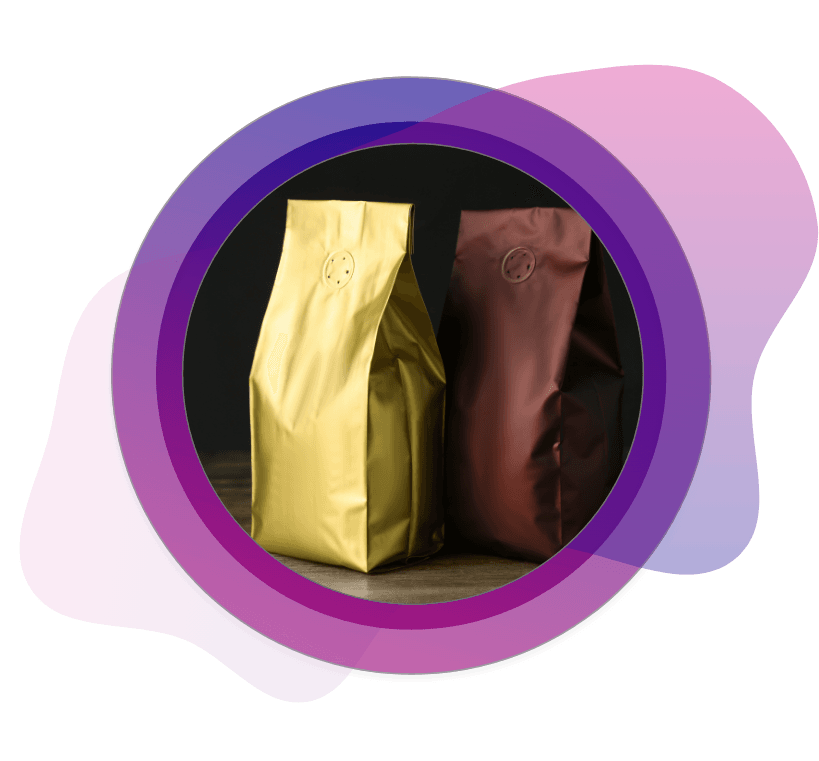
    Two premium stand-up coffee bags in metallic gold and copper colors, each featuring a one-way degassing valve for preserving coffee bean freshness.

    Let’s Get Started

    Made In The USA

    Full PouchCustomization

    Scalable Printing Digital & Plate

  • US Packaging Regulation Changes & Trade Tariffs

    US Packaging Regulation Changes & Trade Tariffs

    US Packaging Regulation Changes & Trade Tariffs: What Brands Need to Know

    The Evolving US Packaging Landscape: Why Brands Should Learn About These Fair Packaging Changes

    The packaging industry, like so many others, is facing increasing scrutiny from regulatory bodies and fair packaging legislation like the Federal Trade Commission, the Poison Prevention Packaging Act, the Environmental Protection Agency, the Recycling Modernization Act, and the Packaging Producer Responsibility Act. Many states have their own packaging and labeling regulation or lab testing requirements, so check the specific packaging and labeling act in your state for more information.

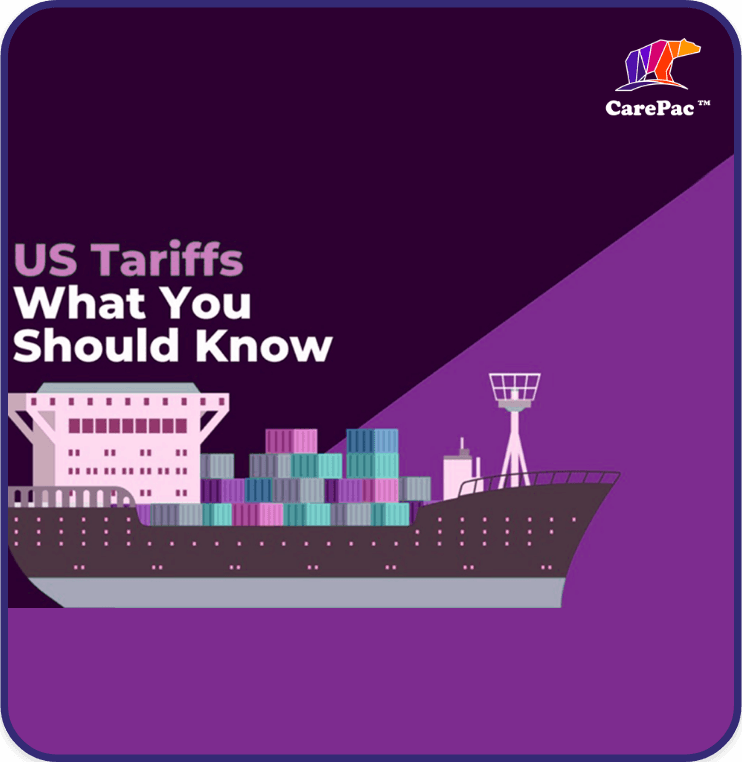
    3D illustration of miniature cardboard shipping boxes stacked on a wooden pallet placed over a delivery route map, symbolizing logistics, supply chain, and eCommerce fulfillment services.Illustration of a cargo ship loaded with colorful shipping containers under the title "US Tariffs – What You Should Know," highlighting information on import/export taxes, customs regulations, and international shipping logistics.

    These federal regulations aim to provide clear packaging and labeling requirements in an effort to reduce packaging waste, avoid unfair or deceptive packaging, protect children from exposure to microplastics, pinpoint false environmental marketing claims and exemption certificates, make packaging materials more sustainable, and ultimately aid in plastic pollution prevention.

    Businesses of all sizes, regardless of the consumer commodities they sell or the net quantity, should monitor these regulatory shifts and legal requirements. These packaging and labeling regulations apply to everyone that manufactures or sells recycled plastic or single use plastic packaging. By monitoring and adhering to the applicable packaging legislation, including the fair packaging and labeling acts in your state, you can avoid supply chain disruptions and reputational damage, and gain a competitive advantage with uniform packaging and labeling for medical devices or other consumer products.

    Extended Producer Responsibility (EPR) Programs: What’s Changing for Packaging?

    The Extended Producer Responsibility (EPR) is an environmental policy that shifts responsibility for managing products, including packaging components, throughout their lifecycle from local governments to producers. Key states like California, Oregon, Maine, and Colorado are either implementing or expanding EPR legislation for all types of packaging, including compostable packaging and sustainable packaging. These packaging legislation changes have several impacts on those packaging products. First, it places the burden of remaining compliant with packaging materials to the manufacturers themselves, and second, it can increase compliance costs for businesses. 

    So, what kind of impact does packaging EPR legislation have on packaging providers? Since each state has different packaging and labeling requirements there is no uniform packaging standard to follow. But here’s a glimpse at some individual states EPR legislation and what it means for plastic packaging providers, from those who packaging cosmetic products, personal care items, food products, and everything in between.

    • California– California’s Plastic Pollution Prevention Act was implemented in 2022, and requires producers in the plastics industry to meet specific recycling rates and design requirements. It was around this time that the now infamous plastic bag bans went into effect. 
    • Oregon– The state of Oregon passed legislation in 2021 to support municipal recycling programs and reduce waste. By promoting recyclable materials, these product packaging protocols (and other applicable labeling regulations) aim to reduce packaging waste in the landfills. 
    • Maine– Maine was actually the first state to implement EPR legislation. Established in 2021, the law aims to reduce waste management and improve recycling rates. They outlined minimum recycled content requirements and lab testing, among other sustainable packaging efforts. 
    • Colorado– Colorado’s 2022 EPR legislation also aims to increase recycling and reduce waste.

    If you package consumer products in one of these states, the law applies to you and you can expect to pay increased fees to cover the costs of collecting, recycling, and other waste management activities. You’ll likely also need to switch packaging materials (i.e., avoid rigid plastic packaging containers), implement a compliance and lab testing infrastructure throughout your organization, and invest in educating your consumers about recycling programs and how to properly dispose of plastic packaging, including rigid plastic containers and those made from restricted substances, including polyfluoroalkyl substances.

    Trade Tariffs and Global Supply Chain Challenges: How Packaging Costs May Change

    Whether you package medical devices, consumer products, or hazardous substances, the upcoming trade tariffs and global supply chain challenges will have a huge impact on the cost of all types of packaging materials, including rigid plastic packaging containers and food service ware. Since tariffs are taxes on imported goods they directly increase the cost of those materials for manufacturers. Luckily, there are several things you can do to mitigate some of these costs:

    • Diversify your supply chains so you aren’t relying on a single supplier to package your cosmetic products, personal care items, or other restricted substances. 
    • Optimize your logistics by working with suppliers and packaging providers to optimize shipping routes and minimize transportation costs. 
    • Consider switching to domestic suppliers. Not only will partnering with a domestic supplier help you avoid the tariffs on plastic bags, but they can also help you switch your product packaging to being made from recyclable materials.

    U.S-based suppliers like CarePac can provide stability by reducing your reliance on products imported, offering reliable solutions and individualized professional advice, and providing hands-on expertise and in-depth quantity comparisons. By opting for packaging materials and polystyrene containers that are made domestically, you’ll minimize your exposure to import tariffs. Connect with us today to see how we can leverage your existing packaging data to find you product packaging that’s more affordable.

    Futuristic infographic showing an airplane, trucks, and containers over a global map, representing international shipping, freight transportation, global distribution, and supply chain management.

    How Brands Can Adapt to Changing Federal Government Policies & Consumer Expectations

    Whether you’re trying to meet the packaging requirements outlines by the Federal Trade Commission, the Environmental Protection Agency, the Packaging and Labeling Act, or any other packaging and labeling regulation in your state, our professional advice is to focus on proactive planning, material selection, and transparent communication. Here’s a bit more about each of these packaging components.

    Material Selection and Innovation

    If you’ve always been resistant to recyclable and compostable options (or innovations like resin identification codes), now is the time to consider paper, cardboard, or plant-based alternatives. Minimize your packaging use by using less packaging products and consider flexible packaging options from companies like ours. We can help you meet the regulations for consumer products in your state while making sure to include accurate and adequate information about recycling on the label of your medical devices and consumer commodities.

    Sustainable Packaging and Consumer Demand

    While it is of course important to adhere to packaging and labeling regulations in your state to avoid fines and fees, it’s also important that you’re marking requirements like these because of consumer demand. Brands that embrace this trend will gain a competitive advantage, a boost to their reputation, and reducing material usage and waste can also lead to cost savings and operational efficiencies.

    Proactive Planning and EPR Legislation Monitoring

    The best thing you can do is stay up to date with the packaging and labeling regulations in your state. Monitor industry news, engage with government bodies, and develop a comprehensive strategy for transitioning to more sustainable and uniform packaging and labeling. A full transition can be daunting, so focus first on federal packaging and labeling regulations outlined by organizations like the Federal Trade Commission, before moving onto some of the smaller fair packaging requirements.

    Transparent Communication and Customer Education

    Whether you just started conforming to a specific packaging and labeling act or if you have been the entire time, you should inform your customers about the sustainable features of your packaging. Make sure they know what it’s made from, how to dispose of it, and provide value comparisons that are easy to read and understand. Continuously assess the impact of your uniform packaging and labeling and identify areas of improvement.

    Switch to Better Alternatives

    There is no time like the present to switch to packaging that adheres to the applicable regulations in your state. We can help you review the fair packaging and labeling requirements you need to adhere to, and can even provide price and quantity comparisons between different materials. Whether you’re packaging medical devices, food products, or other consumer commodities, we’ll work with you to meet the packaging and labeling requirements outlined by your state. 

    Request a free quote or contact us today to get started.

    Customer and store associate reviewing food product packaging in a grocery aisle, emphasizing consumer engagement, custom printed packaging, point-of-sale experience, and product display design.

    Lets Get Started

    Made In The USA

    Full PouchCustomization

    Scalable Printing Digital & Plate

  • Innovation in Packaging: Smart Packaging Solutions for Large Brands

    Innovation in Packaging: Smart Packaging Solutions for Large Brands

    Innovation in Packaging Design: Smart Packaging Solutions for Large Brands

    The Rise of Innovative Packaging Design: Why It Matters for Brands & Consumers

    In today’s fast-paced and highly competitive marketplace, food packaging has evolved far beyond its traditional role of protecting the products inside. Nowadays, packaging design is a critical component of brand identity, customer engagement, and sustainability strategies. With growing consumer awareness, technological advancements, and increased market competition, packaging innovation is no longer optional—it’s essential for both small companies and large brands aiming to differentiate themselves, improve their supply chain, and remain relevant within the food industry.

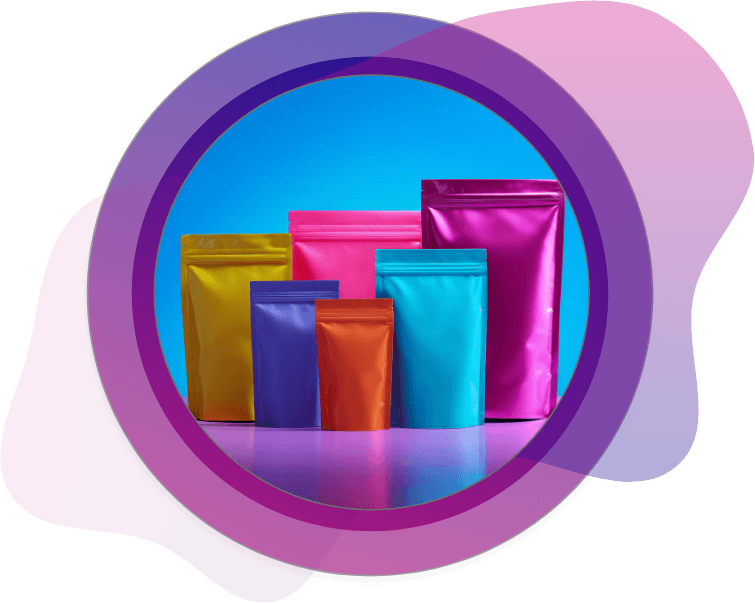
    Colorful stand-up pouches displayed, highlighting CarePac’s food-safe custom packaging for everyday brands.Custom CarePac pouch displayed in a sci-fi space setting, symbolizing next-generation barrier packaging and innovation

    Twenty years ago, plain or basic food packaging was the norm in the food industry around the world: whether it was unbranded plastic packaging, recycled cardboard, or some other type of basic packaging material, consumers and brands weren’t as focused on sustainable packaging solutions as they are today. 

    In 2025 and beyond, the packaging supply chain will shift to focus on food packaging made from plastic alternatives, including recyclable materials and plastic-free packaging. These sustainable packaging materials can help companies and brands just like yours achieve a lower carbon footprint, avoid single use plastic, and meet their sustainable packaging goals in style.

    Smart Packaging Innovations: How Technology is Transforming the Packaging Industry

    Modern consumers expect more from manufacturers and packaging design than just aesthetics or protection. They seek efficient packaging that aligns with their values—particularly around environmental responsibility and convenience. This has driven companies and manufacturers to invest in smart packaging that integrates digital features like QR codes, sensors, and NFC tags, enhancing the consumer experience through interactivity, traceability, and real-time information. 

    At the same time, sustainable and recyclable packaging has become a top priority. With concerns over plastic pollution, climate change, and the overall environmental impact of plastic packaging, companies have significantly reduced their dependence on high barrier single use plastic. Instead, they’re focusing on packaging made from eco-friendly materials, like biodegradable films and other innovative materials.

    Types of Smart Packaging Innovations

    Generally speaking, there are two types of smart packaging solutions you can create: active packaging and intelligent packaging. Learn a bit more about each of these innovations below.

    Worker wearing protective gear operating in a hygienic packaging facility, emphasizing CarePac’s commitment to quality and food safety standards

    Active Packaging

    Active food packaging is a packaging innovation that actually interacts with the environment around it in order to extend shelf life, preserve freshness, and improve safety. This is especially helpful in the food industry, where things like oxygen scavengers, moisture regulators, and antimicrobial coatings can help prevent spoilage, while freshness indicators can help consumers and markets make informed decisions and reduce food waste.

    Digitally printed flexible pouch with floral design and QR code, ideal for interactive smart packaging and product tracking

    Intelligent Packaging

    Intelligent packaging leverages digital technologies that allow the packaging to communicate information, track movement, and engage users. Think: QR codes that users can scan to learn more about the farmers that create their food and RFID that allows for real-time supply chain tracking and improved inventory management. Whether you’re a small batch jam maker or sell fresh milk, keeping track of your products via more efficient packaging, artificial intelligence, or machine learning technology can help you make better purchasing decisions.

    Custom Packaging Innovation: How Large Brands Are Adapting to Consumer Needs

    In today’s diverse and ever-changing e-commerce landscape, taking a one-size-fits-all approach to packaging and sustainability will no longer cut it. Brands are tailoring their packaging innovations and materials to align with their products and the growing demands of their target consumers. Over the years, we’ve noticed a growing demand for these types of packaging throughout the packaging industry:

    • High barrier protection for food and pharmaceuticals- Whether your physical packaging is intended for food products or medications, using high-barrier packaging materials can help prevent contamination, preserve freshness, and maintain potency. 
    • Tamper-proof and child-resistant designs- As cannabis continues to be legalized for recreational use across the United States, we’ve noticed an uptick in demand for tamper-proof and child-resistant packaging design. 
    • Personalized consumer experience via packaging technology- As consumers continue to value personalization and interactivity, packaging design has become a new frontier for marketing. By using QR codes, AR, or leveraging digital printing to customize packaging for different regions, creating packaging that’s as personalized as possible is key.

    If you’d like to bring innovative packaging with visual appeal to your consumers, we can help. Our packaging innovations can take your basic, plastic packaging to the next level while continuing to protect the shelf life of your product. Whether you opt for recycled resin, paper boxes, or other eco friendly options, we’ll create packaging that will protect products, reduce your carbon footprint, promote recycling, and improve consumer engagement.

    The Role of Eco-Friendly Packaging Innovations in the Industry

    Key takeaways from recent studies show a clear shift in consumer expectations, with more and more consumers willing to pay a premium for eco-friendly packaging materials that are recyclable. This demand and forward-thinking is pushing companies to rethink their packaging design process to align with the growing preference for sustainable products. Here are a few innovations we’ve seen among packaging designers and manufacturers in recent years.

    Colorful floral stand-up pouch displayed in a bright kitchen, highlighting CarePac’s food-safe custom packaging for everyday brands.

    Biodegradable and Compostable Food Packaging

    One of the more promising trends is making packaging that breaks down naturally without producing waste or harmful residues. Packaging made from bioplastics or compostable materials (i.e., potato starch, corn-based polymers) are approved by the Sustainable Packaging Coalition and play an essential role in the push towards greater sustainability.

    Recyclable Flexible Barrier Materials

    In the past, flexible barrier packaging has been difficult to recycle. But, with recent innovations, like new-generation polyethylene (PE) and polypropylene (PP) that are more recyclable, you can achieve similar performance without the recycling challenges.

    Minimalist Designs to Reduce Plastic Packaging Waste

    Finally, taking a minimalist approach to packaging design can help companies maintain their identity while reducing their footprint in markets. This trend focuses on things like “right size” packaging that eliminate excess layers or boxes that will just end up in the landfill.

    What’s Next? The Future of Smart & Sustainable Packaging Innovations for Large Brands

    So, what’s next in the packaging industry? Well, the future is limitless. From artificial intelligence and machine learning to IoT, technology is constantly changing and new innovations are constantly being discovered. Companies can prepare for the future with adaptable, scalable, and technology-driven packaging solutions, like ours. By partnering with CarePac for your packaging needs, you’ll always be one step ahead of the competition. Our expertise in flexible packaging innovation can’t be beat, and we invite you to explore our line of sustainable, recyclable, and eco-friendly options

    Contact us today to discuss your sustainability goals, which materials we recommend, and how we leverage technology to bring you the best packaging materials we can.

    Vibrant custom stand-up pouches in leopard and abstract patterns, showcasing CarePac’s high-quality flexible packaging for consumer products.

    Let’s Get Started

    Made In The USA

    Full PouchCustomization
    Scalable Printing Digital & Plate

  • Earth Day 2026

    Earth Day 2026

    Earth Day 2026: How Your Business Can Make a Real Impact with Sustainable Packaging

    What Is Earth Day and Why It Matters in 2026

    Earth Day is an annual global event held on April 22. The first Earth Day was held in 1970 by Earth Day organizer Senator Gaylord Nelson as a way to raise awareness about environmental issues affecting planet Earth, like global warming, plastic pollution, roadside trash, and sustainable development. Growing environmental issues make Earth Day more relevant than ever for businesses, and many companies now recognize the economic and ethical benefits of adopting more sustainable practices. 

    3D illustration of purple hands gently holding a heart-shaped globe, symbolizing sustainability, global care, and eco-conscious packaging initiatives.Stylized digital image of a pink hand holding a pastel shopping bag with a glowing shopping cart icon, representing e-commerce, consumer packaging, and retail design trends.

    The Earth Day Network, along with its partner nonprofit organizations, provides community engagement opportunities and environmental awareness at the local, state, national, and global levels. Earth Day Network launched shortly after the first Earth Day and currently works with partners in over 190 countries to build environmental protection agencies and reverse environmental destruction. If you’re a business that’s curious about Earth Day 2026 and want to take part in this annual event, keep reading for how you can make cleaner swaps when it comes to product packaging, specifically.

    How Packaging Waste Contributes to Environmental Issues

    Packaging waste is a major source of roadside trash and plastic pollution, both of which cause environmental destruction, climate change, and global warming. Approximately 40% of the world’s plastic waste comes from product packaging, and a significant portion of that ends up in the landfills. The biggest culprits are retail, food, and e-commerce, with e-commerce alone contributing over 2 million pounds of plastic packaging in 2019. 

    Fortunately, there are several things business can do to reverse environmental destruction and take part in this important environmental movement, including using more sustainable packaging materials, reducing excessive packaging, implementing effective waste management systems, raising public awareness, and educating employees and customers about their carbon footprint.

    5 Packaging Swaps to Support a Greener Planet

    In addition to the above, you can also take environmental action to reduce roadside trash by switching to greener packaging options. Here are some actional swaps you can take today:

    By opting for environmentally-friendly packaging from the get-go, you won’t have to worry about issues like plastics being rejected from local facilities, plastics degrading over time, or consumers tossing recyclable containers in the trash. Learn more about our eco-friendly packaging options.

    Multiple striped purple shopping bags arranged in neat rows on a gradient background, highlighting retail packaging solutions and consistent branding for eco-friendly businesses.

    How Eco-Friendly Packaging Benefits Your Brand

    Unless you’re living under a rock, you’ve probably noticed that climate change and global warming are hot-button issues. The only way to reverse environmental destruction is to stop it from happening in the first place, whether by using renewable energy, taking part in environmental education initiatives, or fighting for environmental laws like the Clean Air Act or Endangered Species Act, consumer demand for this environmental movement is growing.

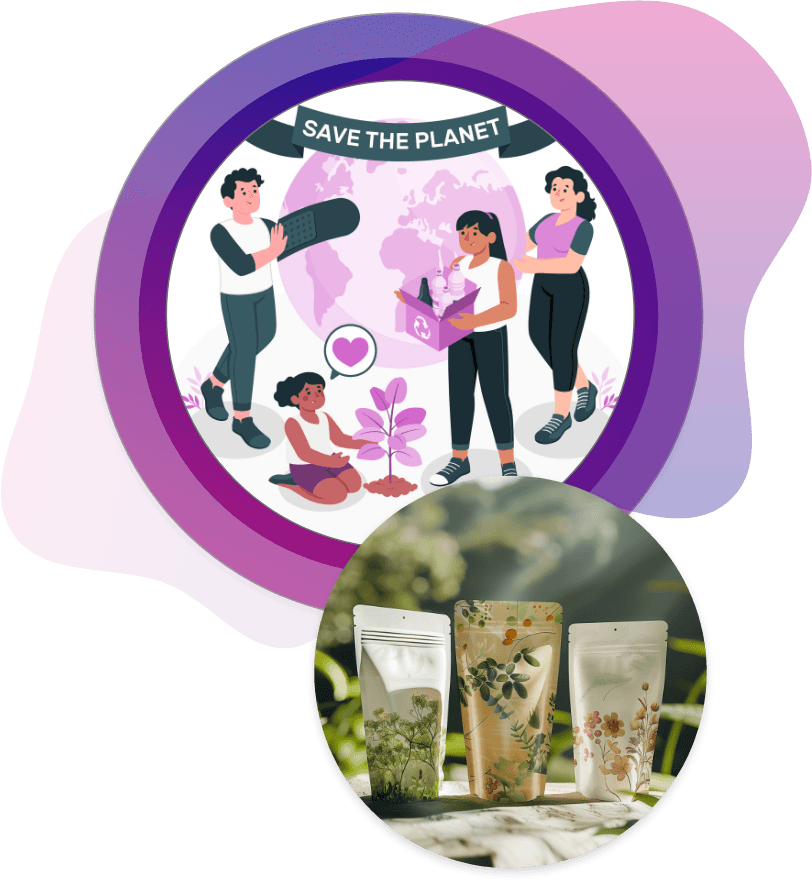
    Illustrated women engaging in sustainable activities around a “Save the Planet” sign, paired with real-life compostable stand-up pouches featuring natural designs, showcasing eco-friendly packaging practices.

    There are several ways that eco-friendly packaging can benefit your brand, including:

    Reduced operational costs- Implementing sustainable practices, like using renewable energy or taking part in waste reduction programs, can lead to significant cost savings in the long run. 

    Mitigation of environmental risks- Proactive sustainability efforts can help businesses slow global warming and avoid costly regulatory penalties and lawsuits related to environmental damage. 

    Resource efficiency- Sustainable practices can optimize resource utilization, reducing waste and material costs, leading to increased profitability. 

    Improved brand reputation- Modern consumers are more likely to choose brands that focus on environmental issues or use renewable energy. 

    Competitive advantage- If your competitors aren’t taking part in Earth Day celebrations or focusing on environmental issues, doing so can help you gain a competitive advantage. 

    Enhanced employee engagement- One less talked about benefit to cutting carbon emissions and being more eco-focused is that your employees are more likely to be engaged and loyal.

    How CarePac Supports Climate Change Goals Year-Round

    At CarePac, we can help you combat these environmental issues year round. We’ll help you select a material, perfect your branding, design the perfect package, and decide on eco-friendly packaging that’s right for you and your industry. Overwhelmed with the options? We’re here to help, and are more than happy to recommend the correct product! Have questions about sustainable packaging advantages or recycled packaging materials? Contact us today.

    Collage-style image of a tree growing from a cutaway Earth illustration, symbolizing environmental regeneration, responsible packaging lifecycle, and green business practices.

    Final Thoughts: Make Earth Day Celebrations Count

    While celebrating Earth Day 2026 is important, it’s also important to protect planet Earth year round. Your commitment to a sustainable future shouldn’t end when the Earth Day celebrations end; instead, it should be engrained into the culture of your company. Whether you plant trees with your employees, attend a climate rally, work to raise public awareness, or do something that pushes for stronger or immediate action, all of these combined can help combat environmental issues and protect planet Earth. 

    We encourage you to lead by example this Earth Day 2026 by taking the leap into sustainable packaging. Join us in the effort to stop global warming and push for environmental protection by going (and staying) green. Ready to go green? Talk to the CarePac team today about custom sustainable packaging.

    Vector illustration of a woman with long purple hair hugging the Earth, surrounded by foliage, representing sustainability, environmental awareness, and care for the planet in packaging design.

    Earth Day 2026 FAQs

    Here are some common questions we’ve received about Earth Day 2026.

    Lets Get Started

    Made In The USA

    Full PouchCustomization
    Scalable Printing Digital & Plate

  • Custom Packaging for Evolving Market Needs

    Custom Packaging for Evolving Market Needs

    Custom Packaging for Evolving Market Needs: Adapting to Change

    Why Packaging Design Changes Are Important for Brands

    Packaging changes are essential for brands to stay competitive, improve sales, stay up-to-date with customer preferences, and maintain strong brand identity in a highly competitive market. If you stay up-to-date with packaging design, you already know that it’s not uncommon (and certainly isn’t wrong) for brands to focus on a logo or packaging redesign every so often. 

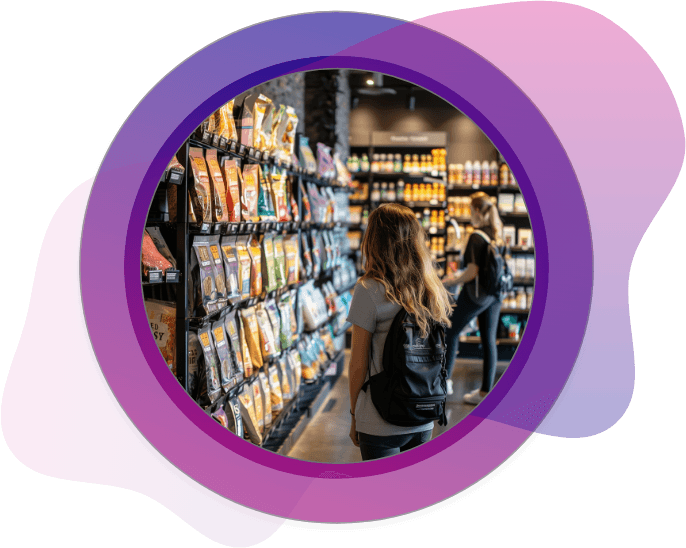
    A young woman with a backpack browses a grocery store aisle filled with colorful stand-up pouches and custom food packaging on black shelves, showcasing evolving consumer packaging trends.A woman in a pink skirt holds a white shopping bag with the colorful geometric CarePac logo, illustrating strong visual branding and private label packaging identity.

    Whether it’s adjusting the product name, testing a different logo or label look, enhancing the visual appeal, improving usability, or changing the material so it’s more eco-friendly, there are several ways brands can move past their original packaging and create product packaging that feels fresh in this modern world. 

    In this blog, we’ll discuss old packaging vs new packaging and how you can enhance your brand image by testing a new design.

    Old Packaging vs New Packaging: Key Drivers of Change

    Sustainability and Eco-Friendly Packaging Redesign

    With growing environmental awareness, consumers increasingly seek eco-friendly packaging options, requiring brands to adopt sustainable materials and practices. If your loyal customers are looking for brands they support to make positive changes relating to the environment, giving your packaging design a fresh look by shifting from difficult-to-recycle plastics to materials that can be composted might be a great next step. 

    Gather feedback from your consumers, see what’s important to them, and consider incorporating those elements into the redesign process. This is just one example of how you can use valuable customer feedback to sell more.

    Staying Current with Your Competition

    Many brands go through a packaging redesign so they can stay current with the market. One thing you can do is walk through the aisles at your local market and see what your competitors are doing with their packaging. Pick it up from the shelf and actually hold it in your hands. How does it feel? Look? Smell? Bonus points if you buy it and take it home from you to see how it opens. Take your own surveys and do your own research to see what benefits other brands are getting from their packaging. File away what you learn and incorporate it into your design later.

    Technology and Smart Packaging Innovations

    Yes, improving sustainability is important, but so is bringing your packaging to the 21st century during the packaging redesign process. Some key innovations to consider include NFC-enabled packaging, QR codes that can help enhance transparency and give you another way to engage with your target audience, using biodegradable materials, or using active packaging for extended shelf life. An example of “active” product packaging includes using theses like antimicrobial coatings or oxygen scavengers.

    Policy & Regulatory Changes Impacting Your Original Packaging

    Another key driving factor of ditching old packaging in favor of new packaging is regulatory or policy changes. From bans on single-use product packaging, especially if it’s made from plastic, to the cannabis industry evolving what needs to be included on the packaging itself, if there’s new regulations that focus on product packaging in your specific industry, it might be time for a new packaging design.

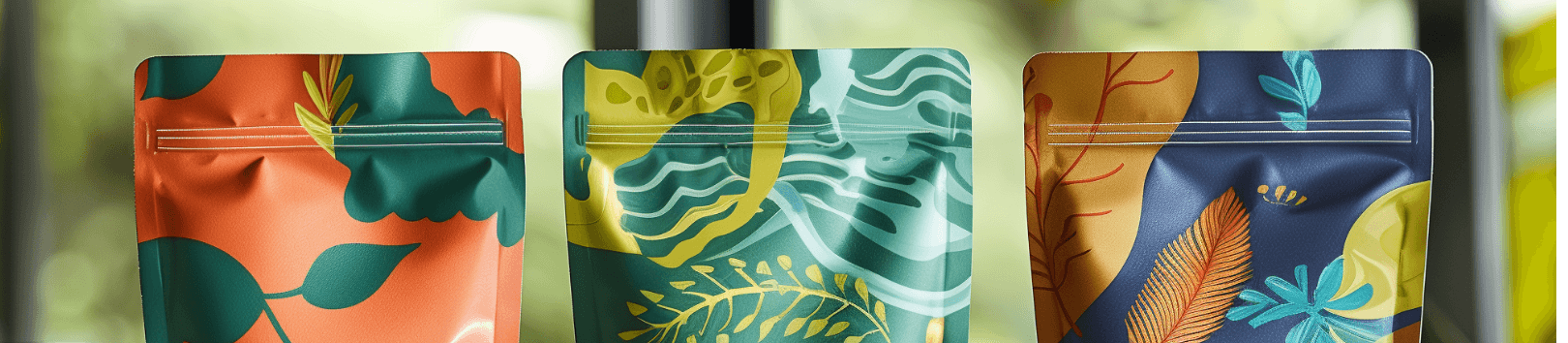
    Close-up of four vibrant resealable pouches with tropical leaf designs in various colors, emphasizing eco-conscious packaging and premium print quality.

    What Consumers Expect from Modern Packaging

    There are several things consumers expect from modern packaging design. If you’re currently redesigning packaging for your band, here are some things to consider:

    Personalization and Custom Branding

    Customer feedback shows that they value personalization and custom branding because it makes them feel special and valued. If you send a customer cards or boxes with their name on it, it makes them feel like you went the extra mile and could encourage them to purchase from you again in the future. You want to do whatever you can to get a repeat purchase from your consumers.

    Create Convenience and Functionality

    Ultimately, the new design you’re testing should be functional and easy to open. Don’t you hate it when you break a nail trying to open a box from a retail store? Listen to the concerns of your customers and, if this is one of them, your packaging redesign should focus on making your packaging easier to open than your competitors. This is one area where testing your packaging with a control group can be helpful. They’ll let you know what you’re doing wrong and how you can further enhance your image.

    Packaging that Reflects your Brand Identity and Values

    Consumers, especially younger ones, care a lot about your brand story and if it’s something they can relate to. If your co-founder is especially philanthropic or from a disenfranchised community, you might want to include their story on your package. Make your packaging personal and use it as an opportunity to showcase what makes you more appealing or different from other retailers. Consumers want to buy from brands they find similarities with.

    A woman holds a resealable pouch with a customizable “Your design here” label, surrounded by cozy lighting, ideal for artisanal or boutique product packaging.

    How Brands Can Adapt to Evolving Industry Trends

    One important part of adapting to evolving industry trends is to get ahead of the redesign before your sales suffer. Instead of thinking “what can I gain from a packaging redesign?” ask yourself what you can lose out on from not doing it. Your packaging redesign should be proactive, not reactive. It should give your product new life on the shelf and look current without detracting from the look of your brand. 

    It’s important to maintain the fidelity of your brand throughout the redesign process. This is one area where getting input from those outside of your company can be helpful. Ask friends, family, or even strangers what they think about the redesign.

    CarePac: Your Partner in New Packaging Design  

    CarePac is a trusted partner that helps brands and consumers navigate these changes, offering custom packaging solutions tailored to their needs. One example of our many differentiating factors is that we actually consult businesses on material choices, design or concept updates, and compliance, ensuring a seamless transition to better, future-proof packaging. Get out of the past and create new and improved packaging that’ll help your product sell. 

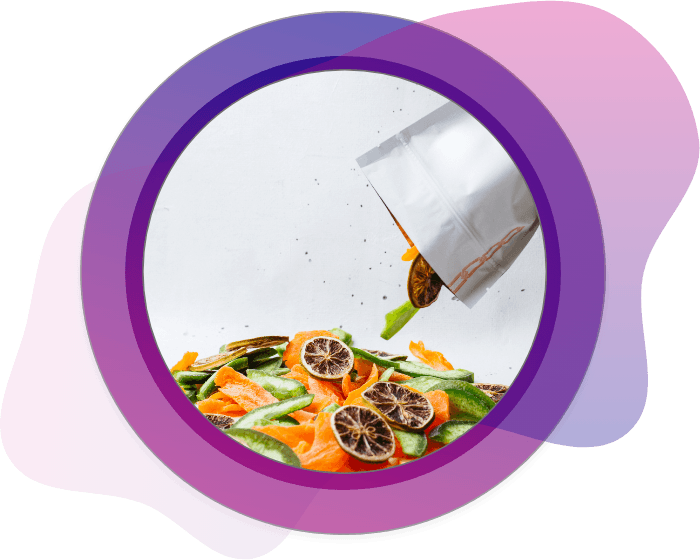
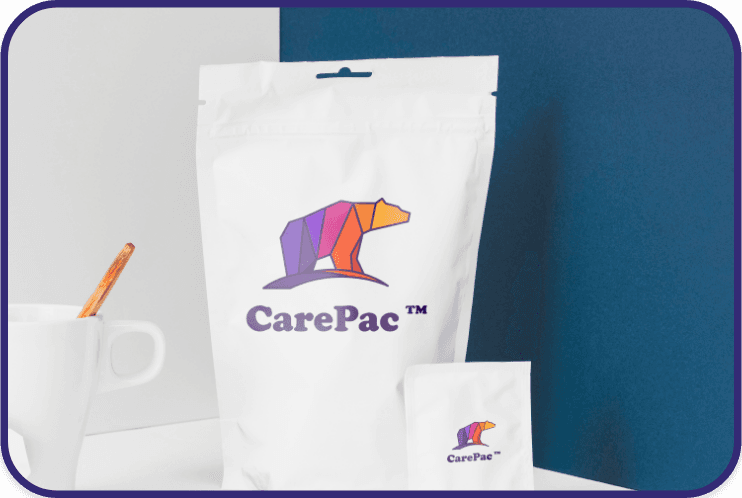
    A white CarePac-branded stand-up pouch sits on a counter beside a smaller version and a white mug, demonstrating product line flexibility and brand consistency.A silver resealable stand-up pouch pours dried citrus and vegetables onto a white surface, highlighting food-safe barrier packaging and freshness retention.

    The packaging landscape is constantly evolving—brands must stay ahead by embracing sustainability, smart technologies, and regulatory shifts. CarePac is here to make that transition effortless, and we will help you create and design packaging that remains competitive, compliant, and consumer-friendly. Ready to elevate your packaging? Contact CarePac today for expert guidance on your next redesign! 

    Have questions about your existing design, including your logo or label placement? Connect with us for a design consultation!

    Let’s Get Started

    Made In The USA

    Full PouchCustomization

    Scalable Printing Digital & Plate

  • Navigating Frozen Food Logistics

    Navigating Frozen Food Logistics

    Navigating Frozen Food Logistics: Challenges, Innovations, and Sustainable Solutions

    Ensuring Cold Chain Integrity: The Logistics Behind Frozen Food Distribution

    Frozen food has revolutionized the way we store and consume food. It offers unparalleled convenience for the consumer, reduces food waste by extending the shelf life of everyday food products, and offers year-round access to nutritious fruits and vegetables. 

    But ensuring that frozen products remain frozen during transport is extremely complex, requiring a large network of third party logistics companies, truck drivers, temperature monitoring systems, and land and ocean freight, all ensuring that the frozen food can travel a long distance while maintaining the appropriate temperature. 

    In this blog, we’ll explore how frozen goods can reach their final destination in a temperature controlled atmosphere and how CarePac contributes to frozen food logistics.

    Challenges in Frozen Food Logistics

    If you’ve ever tried to keep food cool during a day at the beach or an amusement park, you already know it can be complicated. When it comes to frozen food logistics, the challenges are elevated. Here are some of the primary challenges faced by frozen food transportation solutions, including air freight and ground shippers, each and every day.

    Temperature Fluctuations and Integrity Breaches

    Frozen foods must be consistently stored at the correct temperature to maintain their quality and prevent spoilage. If it’s stored at the incorrect temperature it can suffer from freezer burn, bacterial growth, degradation of flavor, or spoilage. Similarly, if the packaging suffers from an integrity breach (like tears, holes, or improper sealing), the frozen food products can be exposed to air and moisture, leading to rapid degradation.

    High Costs and Resource Allocation for Cold Storage and Transport

    Cold storage isn’t cheap — you have to pay for refrigerated trucks, commercial-quality gel packs, and skilled labor that understands how to manage the facilities and logistics. Additionally, there are costs associated with the higher energy use required to refrigerate trucks, and many frozen food shipping companies have to invest in real-time temperature monitoring systems, advanced GPS tracking, and temperature sensors. It’s much cheaper to ship a bag of chips!

    Managing Supply Chain Disruptions for Frozen Food Products

    Frozen foods are highly perishable and require specific handling conditions. Disruptions do occur, though, and a business in the cold storage and transportation industry must have strategies in place to both mitigate these risks and address them when they do arise. These strategies include backup infrastructure in case of a failure, increased supply chain visibility, and a crisis management team ready to deal with customer communication in case of any disruptions.

    Regulatory Compliance and Food Safety Concerns

    Ensuring that frozen food products are stored, transported, and handled to comply with food safety standards is critical. Regulation bodies (FDA in the U.S. and the EFSA in Europe) outline temperature control requirements all customers in the logistics industry must meet, regardless of the shipping method. They also require strict record-keeping and documentation and perform regular inspection and audits to ensure the companies are complying.

    Innovative Solutions to Frozen Food Logistics Challenges

    Advances in frozen food logistics have significantly improved the storage and transit of frozen food products. Some of these innovations include: 

    • Real-time temperature tracking 
    • Remote access and alerts 
    • Integration with cloud-based platforms and IoT-enables monitoring systems 
    • End-to-end traceability using blockchain technology 
    • Active packaging technologies 
    • GPS-enabled packaging 
    • Drive dashboards and alerts 
    • AI-driven inventory management
    • Demand forecasting and route optimization 
    • Autonomous refrigerated trucks

    These are just a few of the recent advancements in cold chain technology. These technologies all work together to ensure that the frozen food shipment remains at the right temperature from the moments its shipped to the minute it reaches its final destination.

    Enhancing Resilience in Frozen Food Supply Chains

    If the above solutions sound expensive, don’t worry — there are a few things you can do today to enhance resilience in frozen food supply chains. For example, if you currently rely on a single supplier or multiple suppliers from a single region, this puts you at risk for disruptions due to natural disasters. Instead, select multiple suppliers with geographic diversification. This way, you have a backup supplier in case there’s supply disruptions.

    Next, always maintain a safety stock or buffer inventory, and you can use advanced analytics or AI to help predict spikes in demand. Don’t be afraid to investigate new technologies and how they can support you with real-time monitoring and contingency plans.

    Finally, if you haven’t already, invest in backup power systems, distributed storage networks, and other energy-efficient solutions that can help you maintain cost-effective operations while ensuring product quality. Consider networking, visiting a conference, or joining webinars to learn more from leaders in the frozen food logistics industry.

    CarePac’s Contribution to Frozen Food Logistics

    At CarePac, we’re committed to providing custom solutions tailored to frozen food products. Our cost effective packaging for frozen food will help you save money money on frozen food packaging, while our FDA-approved packaging will help you maintain compliance. All our frozen food bags are available with gloss finish, matte finish, and shiny finish, which provide an effective shelf display of the products on the shelves, and popular options for our customers in the frozen food space include the 3-seal pouch, the square bottom bag, and the stand up pouch

    Your food might be frozen, but your packaging is guaranteed to be hot with CarePac. Contact us today to get started!

    Let’s Get Started

    Made In The USA

    Full PouchCustomization

    Scalable Printing Digital & Plate

  • Consistent Quality Control in Large-Scale Packaging

    Consistent Quality Control in Large-Scale Packaging

    Consistent Quality Control in Large-Scale Packaging: Why It Matters for Your Business

    Introduction to Packaging Quality Control

    Manufacturers and businesses have a responsibility to meet customer satisfaction with their finished product, and this applies to both the product itself and the packaging quality standards. After all, what’s the point of manufacturing and shipping a high-quality product if it arrives to your customer broken because the packaging materials and product packaging were low-quality? Would your customer really order anything from you ever again after experiencing such extreme quality issues? Probably not. 

    In this blog, we’ll discuss why quality control is important in large-scale packaging in various industries, and how a packaging quality control checklist can help catch packaging issues before they become a massive problem for businesses. Read on to learn more about how manufacturers can maintain high standards with their packaging.

    Why Quality Control is Critical in Large-Scale Packaging

    As mentioned above, quality control in packaging is critical in large-scale packaging because the package (and its quality and defects) is often the first thing a customer sees. It plays a crucial role in the brand perception of your company. Not only is high quality packaging essential to wow your customers with beautiful and attractive product packaging, but the packaging itself needs to stand up to rough handling so the product arrives intact and functional. It also needs to meet regulatory compliance standards and prevent contamination

    Here are a reasons why packaging quality control (and establishing a reliable packaging quality control checklist) is essential to maintaining the quality standards of your product.

    Quality Packaging Minimizes Product Loss

    Low quality product packaging or food packaging that breaks or spoils the product inside can cost you a lot of money. Not only will you have to replace the product but, without a good quality control process in place, you won’t be able to catch inefficiencies or mistakes in your packaging line.

    Helps Avoid Fees from Mistakes

    From surcharges imposed by logistics partners for improper labeling to fines or fees from ports or third-party logistics providers due to messes caused by improper packaging, improving your packaging quality control can help you avoid costly and ongoing fees from these oversights. It can also improve quality assurance.

    Improves Your Workflow

    Another crucial aspect of quality control checks for packaging, specifically, is that you can catch small issues before they become catastrophic issues. By continually monitoring your packaging quality control processes and making improvements, you can improve your day-to-day workflow and avoid costly product safety issues caused by product recalls due to poor quality control in packaging.

    Improves Your Reputation

    This is a big one. If your company is constantly dealing with customer complaints about product quality due to inefficient product packaging, this can have a huge impact on your company’s reputation. An unhappy customer is often more vocal than a happy one, so catching packaging mistakes before they become major issues can help you maintain consistency and meet customer expectations.

    Helps Meet Regulatory Standards

    From temperature-controlled packaging for frozen goods to breathable packaging for fruits and veggies, there are plenty of standards and requirements that the packaging industry needs to meet. By including these as a checkpoint in your packaging quality control checklist, you can make sure your packaging is of the highest quality and meets all safety regulations.

    Creates a Better Supply Chain

    Beyond customer satisfaction and cost, improper packaging can impact the entire supply chain: including your own employees. Improper packaging can lead to injuries at the workplace from pallets falling over or items leaking due to product damage and causing slips and falls. It can also improve the environmental impact of your products, as it will cut back on the wasting of consumer products.

    Key Elements of a Quality Control System for B2B Packaging

    If you’re putting together your first packaging inspection checklist, there are a few things to keep in mind for B2B packaging. Depending on your specific industry or company and what type of raw materials you package, you may want to include other checkpoints in your production and shipment checklist.

    Inspection of Incoming Packaging Materials

    Ensuring that the raw materials used in packaging meet required safety standards before production begins helps prevent defects and ensures that the final product meets packaging quality expectations. You’ll want to make sure the materials meet established standards outlined on the purchase order, and provide your team with the proper training so they can perform these inspection procedures on their own so you can save time.

    Monitoring of the Packaging Process

    Effective monitoring helps detect issues early, reduces waste, ensures compliance with necessary standards, and optimizes the production process, from production all the way through shipment. This includes real-time process monitoring, quality control checks during packaging, audits of your packaging line, a post-packaging inspection, and establishing a feedback loop for continuous improvement of your packaging process.

    Testing for Durability and Compliance

    This is where the packaging quality control process gets a little bit fun! You’ll need to perform in-depth quality control testing to understand if your packaging truly helps prevent product damage. Some tests to consider include a drop test, compression test, vibration test, an impact test and, of course, regulatory compliance testing. You’ll need to look at all the various aspects of your packaging to truly make informed decisions about its quality.

    Standardization Across Batches

    To truly be able to say that you have high quality packaging that meets customers expectations and doesn’t damage your brand reputation, your production packaging should be consistent across the board. You’ll need to use special technology to test for standardization across batches, and leverage essential tools like dielines, templates, and automated systems to ensure quality and consistency.

    Common Quality Control Challenges in Warehouses

    Proper packaging quality control comes with a host of challenges, including managing large inventories without errors, balancing speed with accuracy in the packaging process, and ensuring compliance with industry-specific regulations, such as those set forth for the food, pharmaceuticals, and health and wellness industries. Fortunately, an effective packaging quality control checklist can help you maintain quality standards throughout the production process, ultimately resulting in high quality packaging that will help you maintain product quality and packaging integrity.

    How CarePac Supports Consistent Quality Control

    ISO 9001:2015 Certification: A Commitment to Quality

    At CarePac, we are proud to adhere to ISO 9001:2015 certification, a globally recognized standard that ensures our quality management system is structured for consistency, reliability, and continuous improvement. This certification establishes rigorous criteria for our packaging processes, helping us:

    • Maintain strict quality control measures at every stage, from raw material selection to final packaging inspection.
    • Minimize defects and waste while optimizing operational efficiency.
    • Ensure compliance with international regulatory and safety requirements.
    • Enhance customer satisfaction by delivering consistently high-quality packaging solutions.

    By implementing ISO 9001:2015 standards, we reinforce our commitment to excellence, guaranteeing that our clients receive packaging solutions that meet and exceed industry benchmarks.

    Our custom packaging solutions are designed for large-scale operations, and we have our own internal packaging quality control checklist that we leverage. This ensures that our packaging meets your expectations and that you’ll be pleased with the finished product. We work with manufacturers of all sizes to create high quality packaging, and can work with you to create your own quality control checklist as it relates to your product packaging. 

    Don’t leave the safety and quality of your food to chance. Contact us today to find the right packaging solutions that will keep your business compliant and customers safe.

    Let’s Get Started

    Made In The USA

    Full PouchCustomization

    Scalable Printing Digital & Plate

  • LTL Shipping Tracking and FAQ

    LTL Shipping Tracking and FAQ

    LTL Carrier Tracking & Freight Shipping FAQS

    What is LTL Freight?

    LTL stands for “less-than-truckload” and refers to a freight shipment that consists of goods, commodities, or cargo that weights more than 150 pounds, but less than a full truckload. This type of shipment is usually shipped on pallets and, as the name suggests, is shipped via semi truck and only requires a portion of the truckload or trailer space. This type of shipping is often considered less urgent, which is why reliable shipping and tracking is so important.

    Carrier Tracking Links

    To make tracking your truckload shipping needs even easier, below is a list of LTL tracking pages with links. By clicking the links below, you’ll be able to more accurately access and track the freight shipping documents that were provided to you by your carrier. This way you can track your shipping status and you’ll be better prepared when your products do finally arrive. 

    FedEx Priority

    TForce Freight

    Numark Transportation

    XPO

    Estes Express

    YRC Freight

    R+L Carriers

    Dependable Supply Chain Services

    Central Transport

    Total Transportation & Distribution, Westset Logisitics

    SAIA LTL Freight

    Old Dominion Freight Line

    Reddaway Freight

    LTL FAQs

    Here are some common LTL questions we receive from businesses regarding their freight shipping and packaging.

    Let’s Get Started

    Made In The USA

    Full PouchCustomization
    Scalable Printing Digital & Plate

  • How to Master the Packaging Design Process

    How to Master the Packaging Design Process

    How to Master the Packaging Design Process: A Complete Guide for Businesses

    Introduction to the Packaging Design Process

    The packaging design process is critical for businesses, since the outer packaging of your product is often the first thing your target market sees. Whether they’re walking past your product at retail stores or opening their Amazon package, more and more customers seek out attractive visual elements in product packaging. Fortunately, your design production team can make a huge impact on the final version of your retail packaging with these design packaging tips.

    In this blog, you’ll discover a complete guide to the packaging design process for businesses of all sizes and in all industries. Learn how to create an impactful packaging design strategy that attracts customers and elevates your brand. From graphic design tips and the package printing process to the structural integrity of your packaging, here’s everything you need to know about the packaging design process.

    Why Packaging Design Matters

    There are several key cold chain challenges, including maintaining temperature integrity, preventing condensation and moisture damage, and ensuring compliance with industry standards. We’ll cover each of these cold supply chain challenges more in-depth below.

    The design of your product packaging can make or break the success of your product. As mentioned, your packaging design is often the first thing your target audience sees as they walk through their local store, and over 70% of customers agree that the packaging design (i.e., font style and other elements of the finished art) influences their purchasing decision. 

    Whether you’re just barely starting market research for your packaging design or have been crafting outer and inner packaging for decades, there are a few key things and creative ideas to keep in mind before you sign off on the final packaging for your product.

    Step-by-Step Packaging Design Process

    When it comes to the packaging design process, there are quite a few things any packaging design project will need to focus on. Below, we’ll discuss the step-by-step packaging process in depth so your packaging designer can make sure the final design will protect your product and “wow” your target customer.

    Define Your Goals

    Your packaging design should align with your business objectives. The print ready files should stick to your brand guidelines, and if things like being eco-friendly are important to your organization then you should seek out sustainable packaging options. Remember: your product packaging is an extension of your brand, so your packaging should tell your brand story.

    Research Your Competitors

    This is one area where your marketing team can really help you out. They have probably already analyzed your competitors to identify opportunities for differentiation with your positioning details and graphic imagery. Yes, your overall design strategy and concept development should discuss your brand story in depth, but it needs to do so in a way that will help you stand apart from the competition, regardless of your core sales channels.

    Create the Dieline

    Once you’ve finalized your packaging design ideas, it’s time to create your dieline. A dieline is a template, often times in Adobe Illustrator, that allows you to be as creative as you’d like with your product packaging design while still falling within the appropriate dimensions of the final packaging. A dieline outlines the cut lines and other fold and glue lines of your packaging boxes, so there’s no surprises when you receive the final packaging or test print.

    Prototype and Test Your Packaging Design

    Prototyping is an often overlooked part of the packaging design process. By getting real feedback from your target audience, you can further refine your project objectives and shipping features to align with what you learned during your in-depth client research. Every good packaging company or design team will encourage prototyping and testing so your product packaging incorporates real life feedback. It starts with getting the usage contact information from your customers and using that post packaging feedback to refine your product.

    Understand Your Audience

    If your project manager hasn’t already done style research or market research to truly understand what your finished package should look like, now is the time to incorporate that into your package designing process. Tailor your packaging design to appeal to your target customers, and talk about key messaging instructions for each industry. (Ex: if you’re a cosmetic company, make sure your visually appealing packaging discusses things important to your brand identity, like animal testing and product lifespan.)

    Choose the Right Packaging Material

    Regardless of what you’re packaging, your packaging project manager can help you choose the right packaging material. This is actually one of the most important parts of the packaging design process, as the wrong material could cause your product to break or spoil, completely ruining the creative magic of your packaging design. We offer several different packaging materials, including foil barrier films and compostable options. We also offer several options for FDA-approved food packaging, so let your packaging designer know if this is a non-negotiable.

    Finalize Your Packaging Design

    Once you have the dieline that clearly outlines the cut lines and offset printing instructions, it’s time to create mockups for your design team to review. During this design phase, you’ll be making sure your packaging design aligns with branding. CarePac can support custom designs with low MOQs, so you can test new package printing ideas without having to worry about budget. Regardless of your desired price range, we can try to ensure our design concepts will fall within the range.

    Approve and Produce the Product Packaging Design

    Now that your graphic designer has designed packaging that aligns with your brand identity, the next step of the packaging design process is to send your design concepts to the printing press! The printing process is a relatively quick part of design packaging, but the timeline does depend on the printing technique selected. For example, using printing plates might take a little longer than digital printing. To explore the pros and cons of your different package printing options, click here.

    CarePac Can Help with Packaging Design

    Regardless of your current sales channels or where you’re at in the design process, we can help you finalize and perfect your packaging design. We specialize in providing custom packaging design solutions that spans the entire packaging lifecycle, from design and development to manufacturing. Our graphic designer will work with you to ensure that your packaging design is aesthetically pleasing, and our packaging experts will make sure it’s functional, protective, and cost-effective. 

    Our deep knowledge of material selection, design optimization, and production capabilities enables us to deliver packaging design solutions that will enhance product presentation, reduce costs, and ensure sustainability. Ready to get started with your packaging design?

    Lets Get Started

    Made In The USA

    Full PouchCustomization
    Scalable Printing Digital & Plate

  • Meet CarePac at the 2025 White Label World Expo in New York & Las Vegas

    Meet CarePac at the 2025 White Label World Expo in New York & Las Vegas

    White Label World Expo

    Meet CarePac at the 2025 White Label World Expo in Las Vegas

    The White Label World Expo is the world’s largest event for professional online sellers to meet white label goods suppliers. With speakers from Google, Amazon, Verizon, and the SBA scheduled for this year’s event, it’s a great opportunity to network, attend a seminar, view product showcases, and learn more about sustainable sourcing.

    If you’ll be attending the White Label Expo Las Vegas in 2025, connect with us at the events to discuss your white label packaging needs. Unlike other white label packaging solutions, we allow for full customization and low MOQs and work with brands of all sizes to help them craft the perfect packaging for their white labeled products.

    Event Details: White Label Expo Las Vegas

    Attendees can expect over 300 exhibitors, 150 seminars, innovation awards, an e-market hub, product showcasing, keynote speakers, a business connections wall, a speed networking area, and exclusive offers at the events. We invite you to attend so you can learn how to maximise your online sales and uncover the latest industry trends. It’s the perfect place for start up businesses entrepreneurs who want to learn more about selling white labeled goods.

    This year, the White Label World Expo will be held in both New York and Las Vegas:Las Vegas- October 15th and 16th 2025 at the Las Vegas Convention Center

    CarePac’s Booth and Offerings

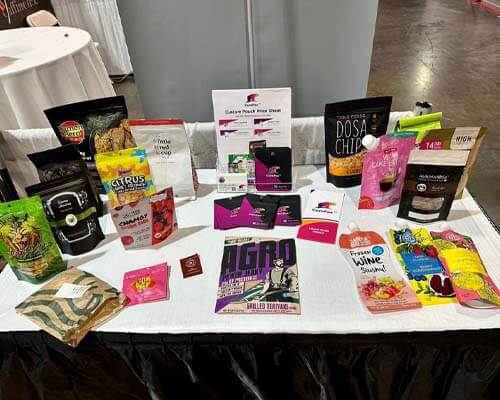
    At White Label Expo Las Vegas, you can find our booth to learn more about custom offerings. We’ll be showcasing our custom flexible packaging solutions, in addition to our innovative features and eco-friendly options. Stop by to learn more about our product demonstrations, promotions, and special consultations available live and in-person at the White Label Expo Las Vegas.

    Why Visit CarePac at the White Label World Expo?

    There are several key benefits to visiting our booth at the White Label World Expo, including one-on-one consultations, learning about market trends, and tailored support for white label brands.

    One-on-One Consultations

    CarePac offers personalized one-on-one consultations, ensuring each client’s unique needs are thoroughly understood. This enables you to discuss specific requirements, explore options in depth, and receive expert advice on how to best package your products for maximum impact.

    Learning About Market Trends​

    We keep a close eye on emerging market trends and innovations in the packaging industry. This knowledge helps you make informed decisions that can positively influence your product’s success in the market

    Support for White Label Brands with Tailored Packaging Solutions

    CarePac excels in providing white label brands with fully customized, ready-to-market packaging solutions. This includes tailored branding and design, scalability, and a focus on sustainability.

    In short, we provide white label brands with expert packaging solutions that support their growth, align with ever-changing market demands, and help enhance brand visibility in a crowded market.

    CarePac’s Expertise in White Label Solutions

    We have extensive experience working with a diverse range of white label brands across a variety of industries, including food and beverage, health and wellness, pet food, and more. Our expertise is wide-ranging and allows us to provide highly specialized packaging solutions that will meet the unique demands of each sector. By partnering with us, white label brands will benefit from market-ready solutions, packaging that meets compliance and safety regulations, and our cost efficiency.

    If your brand’s white label packaging needs a competitive edge, you can’t go wrong with CarePac.

    Custom Packaging Solutions for White Label Brands

    In addition to high-quality packaging, we also offer an impressive range of customization options to help your brand’s packaging stand out on the shelves. Our customization capabilities include:

    Design and Artwork

    We work closely with our clients to create eye-catching designs that reflect their identity and will appeal to their target customers. From logo placement to color schemes, every square inch of your packaging can be customized to align with your brand’s vision.

    Material Selection

    CarePac is proud to offer a variety of materials for packaging, including sustainable and eco-friendly materials. Our clients can choose the material that best suits their product and brand identity, whether it’s premium finishes or sustainable options.

    Packaging Size and Shape

    We offer a variety of shapes and sizes to suit different product types. Whether you need small stand up pouches or large-format packaging, we can create a solution that’s functional, cost-effective, and visually appealing.

    Branding and Market Differentiation

    Custom packaging not only protects and preserves the product but also plays a crucial role in brand differentiation. Our design team can help create distinctive packaging that will help your product stand out in competitive markets.

    How to Connect with CarePac During the Expo

    To connect with us at the White Label World Expo, visit our booth, schedule a one-on-one consultation ahead of time, or engage with us on Facebook or Instagram. Visit our booth to pick up samples and brochures or to exchange contact information with our representatives.

    We’re excited to meet you at White Label World Expo and are ready to help make your vision for your packaging a reality.

    Lets Get Started

    Made In The USA

    Full PouchCustomization

    Scalable Printing Digital & Plate