Author: Paul Meehan

  • CareCompost-PP

    CareCompost-PP

    CareCompost-PP

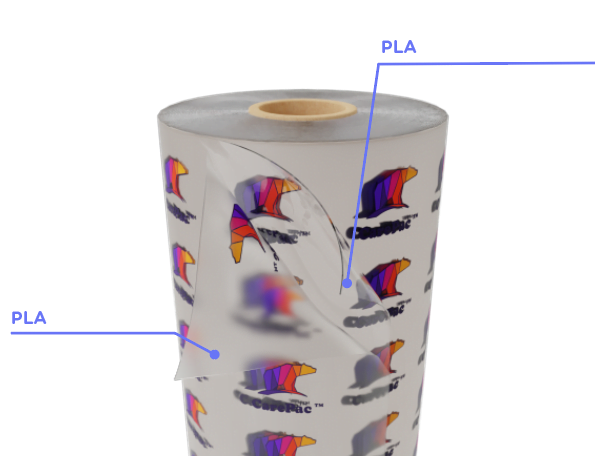
    PLA/PLA Lamination Overview

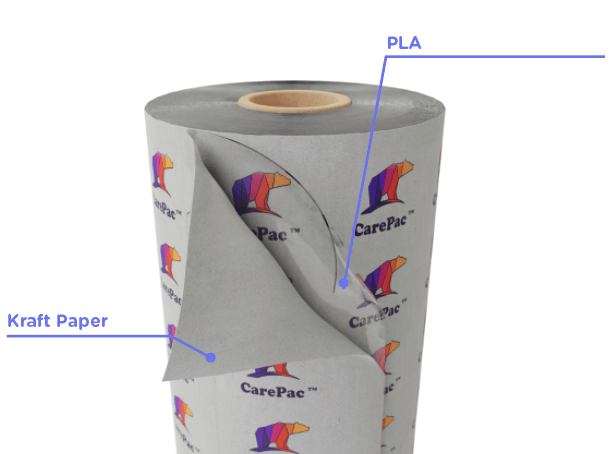
    A bi-layer lamination designed printed bag applications consisting of PLA laminated to PLA. The proprietary blend of PLA film adds strength to the bag and allows for Rotogravure printing on the pouch.

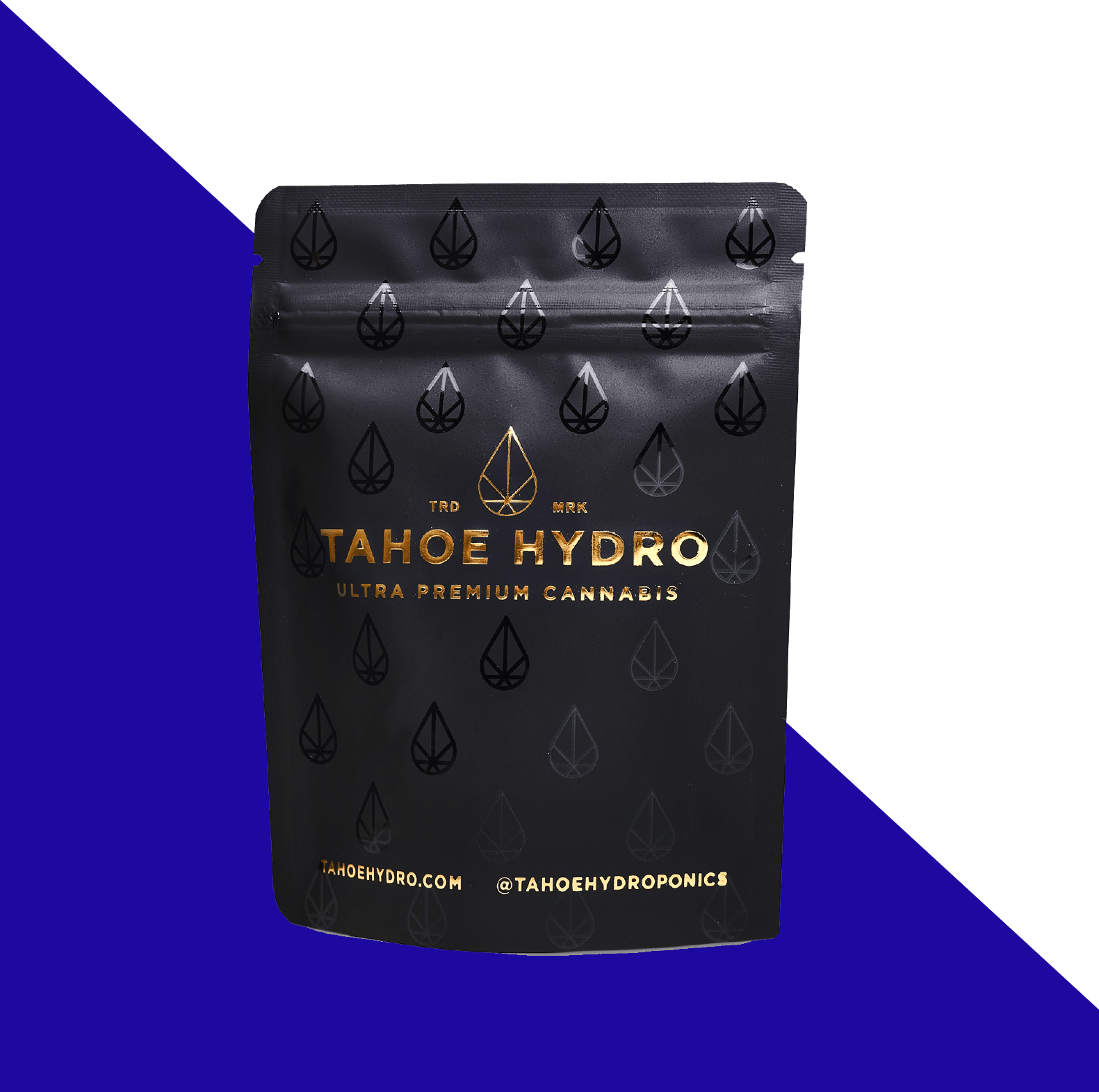
    Passed for FDA use in food contact applications, used by customers for coffee, nuts, dried foods, cannabis, and other applications. This material maybe accepted for composting but check local jurisdiction for current acceptance by your refuse agency. 

    Note: The performance of any film will be influenced by a number of factors and testing must always be performed to ensure the film meets the use.

    Relative Performance Indications

    Oxygen Barrier

    Moisture Barrier

    Light Barrier

    STrength

    Compostable

    Material Data

    Here are some of the common indicated properties for this film.

    Film Property

    Standard / Test / Unit

    Sample Data

    Available Thicknesses

    Caliper

    4.33 mil

    MVTR / WVTR

    JIS Z 0208

    <9 g/㎡.24hr

    OTR

    JIS Z 1707

    <7 cc/㎡.24hr

    Tensile MD

    ASTM D-882

    >42

    Tensile XD

    ASTM D-882

    >42

    Tear MD

    ASTM D-1938

    >1.6

    Tear XD

    ASTM D-1938

    >1.2

    Elongation at Break

    AST D-882

    >20 MD / >30 TD

    Sealing Force

    KG/15mm

    >6

    All values indicated regarding film properties or characteristics, were provided by our film supplier and are given as an indication and should be considered as average indicative values. This document is based on our film supplier statements and / or independent lab testing, data from multiple tests, or different film suppliers of the same film family may be combined in the above table. While unexpected, it is possible that the validity of the statements could change without notice.

    Environmental Impact

    This is a film intended for composting. If properly disposed of this film will compost and return to usable soil. Compostable films are not recycable. 

    Property
    Sample Data

    Recyclable

    No

    PCR Option Available

    No

    At Home Compostable

    Managed

    Commercial / Industrial Compostable

    Yes

    Heavy metal(Pb)4% Acetic acid,60℃,2h

    <1 Pass

    Recyclability and composability varies by jurisdiction. Composability claims are limited by law, and vary by jurisdiction, consult a qualified professional in your state. 

    Compliance

    Compliance is important, and here are CarePac we can support your compliance needs with extensive film supplier and lab testing data.  
     

    BPA FREE

    FDA Food Approved

    PROP 65

    Property
    Sample Data

    CEPE/EuPIA

    Manufactured in accordance with

    Cal. H&S (25214.16)

    Compliant

    PFAS – perfluoroalkyl and polyfluoroalkyl § 37-0209, RCW 70A.222.070

    Does not knowingly add

    Prop 65 (OEHHA)

    Does not contain listed substances

    SR 817.023.021

    Not in excess of overall or specific migration

    EU directive 10/2011/ED

    Compliant

    EU directive 1935/2004

    Compliant

    FDA 21 CFR 73

    Compliant

    Cal. H&S (25214.16)

    Compliant

    RoHS Directive 2011/65/EU

    PASS

    Compliance information above is derived from lab testing, or film supplier statements. Independent verification is advised, and Lot specific testing available

  • Mylar Bag vs Stand Up Pouch

    Mylar Bag vs Stand Up Pouch

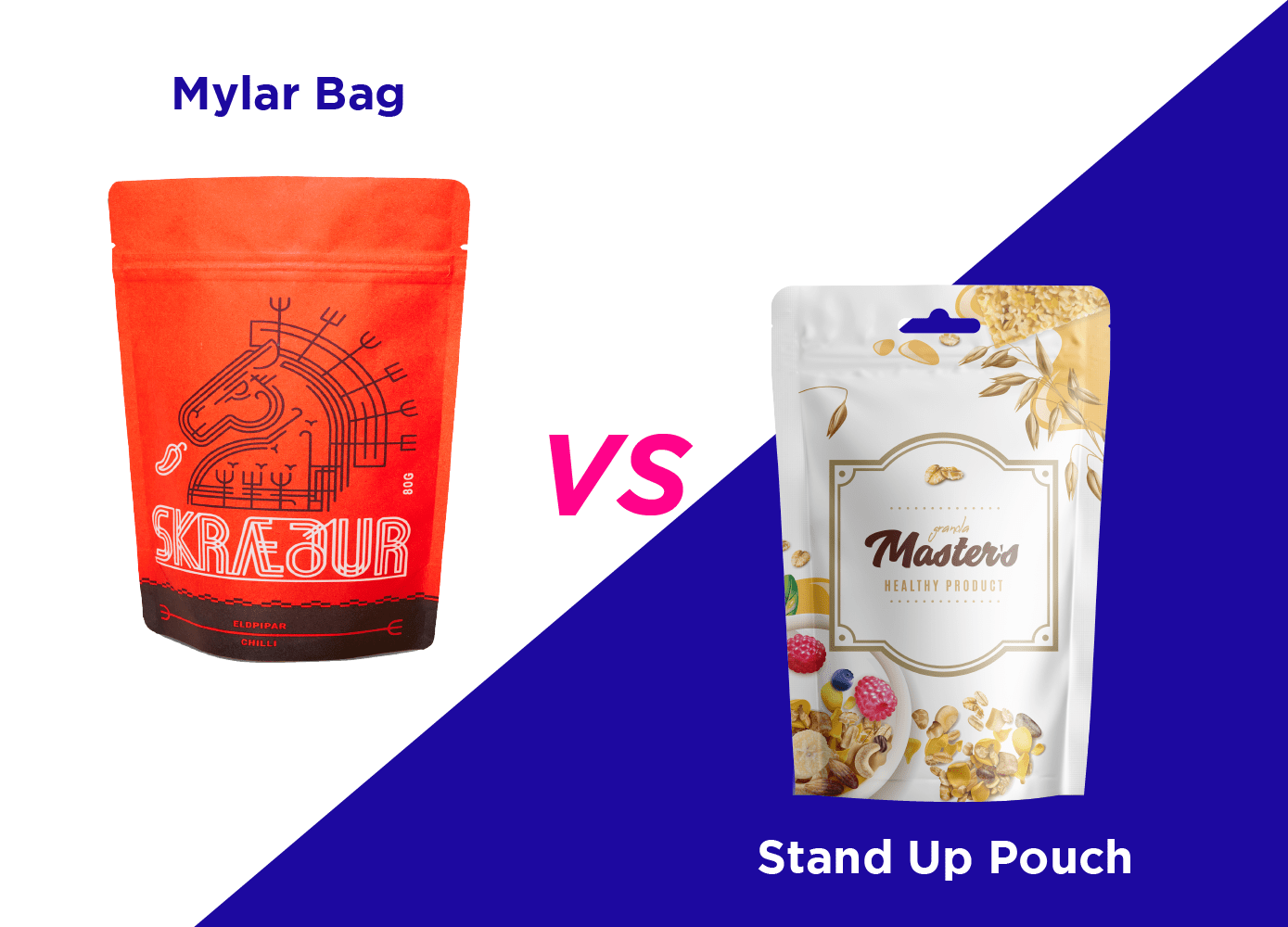
    Mylar Bag vs Stand Up Pouch | Mylar Bags & Pouches

    Mylar bags and stand-up pouches are both popular packaging options for a variety of products. However, there are some key differences between the two that should be considered when choosing the best packaging solution for your products.

    What Are Printed Mylar Bags

    Custom resealable mylar bags are a popular option for packaging food products such as snacks, dried fruits, and nuts. These bags are made from a material called mylar, which is a type of vapor metalized plastic film that is known for its strength and durability. Mylar bags are also known for their ability to protect products from ultraviolet light, as well as moisture and oxygen migration, making them an ideal choice for food products that need to be kept fresh.

    One of the main advantages of printed mylar bags is that they can be customized to include your logos and graphics directly on the pouch, reducing or eliminating the need to apply labels to the bags. This can be a great way to make your products stand out on store shelves and attract the attention of potential customers. Additionally, printed mylar bags can be produced in a variety of different sizes and shapes, making them a versatile packaging option for a wide range of products.

    Mylar Bags Pros

    Mylar bags have many pros which include durability, flexibility, and cost-effectiveness.

    They are also resistant to punctures, tears, and moisture.

    They are also a great option for products that need long-term storage and have a long shelf life.

    What Are Custom Printed Pouches? 

    Stand-up pouches, on the other hand, are a broader category of packaging that has become increasingly popular in recent years. Stand up pouches can be made from a variety of different material laminations, including plastic, aluminum, and paper. They are designed to stand up on their own, making them a convenient option for displaying products on store shelves.

    Stand-up pouches can be made from vapor metalized plastic, just like mylar bags and thus can protect products from light, moisture, and oxygen. They are also great for products like snacks, dried fruits, and nuts as the gusset helps these bags hold the product and stand up on a shelf.

    The Main Differences Between Mylar Bags and Stand-Up Pouch Products 

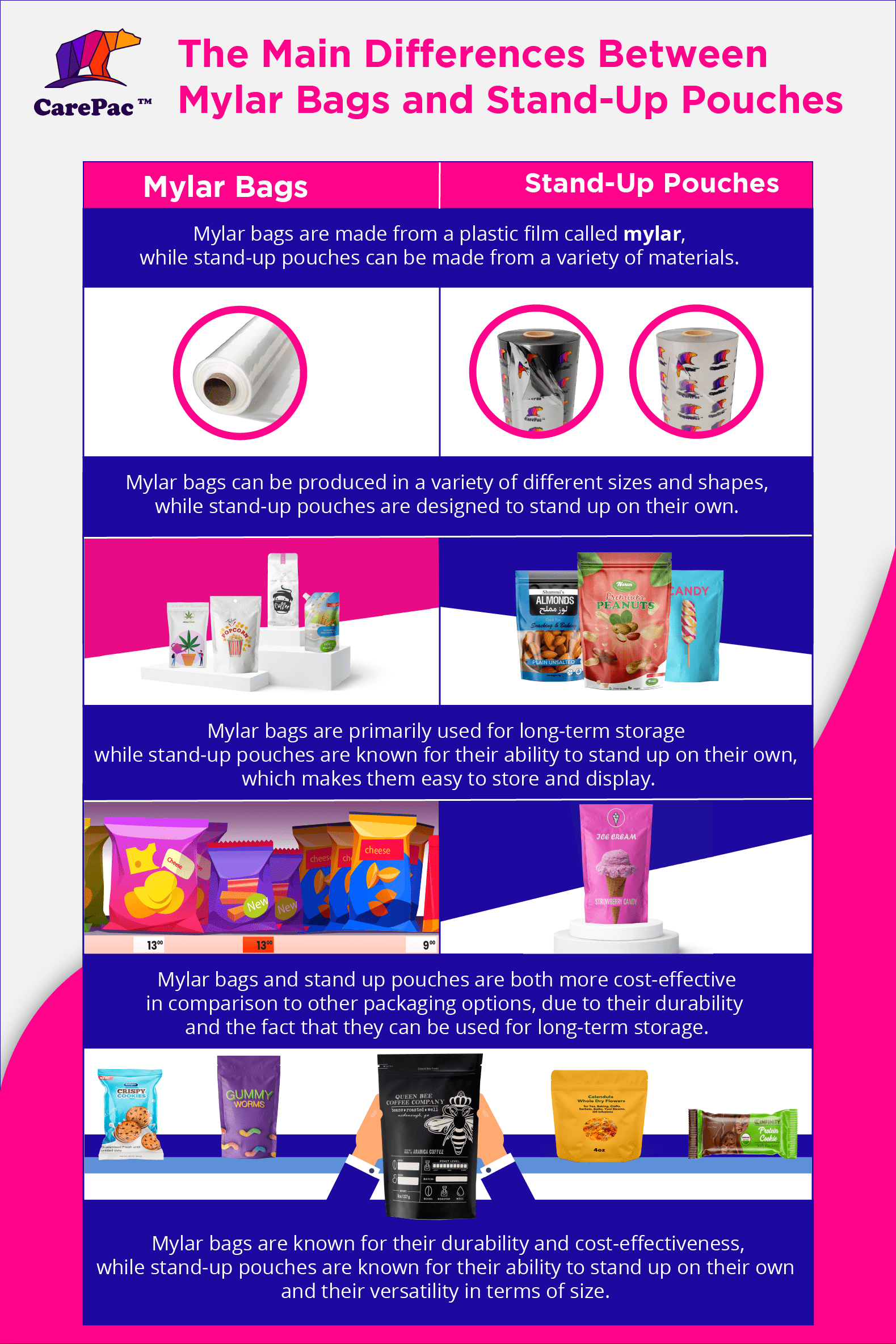
    Mylar bags are made from a plastic film called mylar, while stand-up pouches can be made from a variety of materials.

    Mylar bags are known for their durability and resistance to punctures and tears, whereas stand-up pouches may not be as durable depending on the material used.

    Mylar bags can be produced in a variety of different sizes and shapes, while stand-up pouches are designed to stand up on their own.

    Mylar bags are known for their durability and resistance to punctures and tears, whereas stand-up pouches may not be as durable depending on the material used.

    Mylar bags are primarily used for long-term storage while stand-up pouches are known for their ability to stand up on their own, which makes them easy to store and display.

    Mylar bags and stand up pouches are both more cost-effective in comparison to other packaging options, due to their durability and the fact that they can be used for long-term storage.

    In conclusion, both mylar bags and stand-up pouches have their own unique pros and cons. Mylar bags are known for their durability and cost-effectiveness, while stand-up pouches are known for their ability to stand up on their own and their versatility in terms of size. Ultimately, the best packaging solution for your products will depend on your specific needs and preferences. Custom printed mylar bags and stand-up pouches can provide an excellent solution for packaging and branding your products.

    Commonly Asked Questions:

    Q: Can mylar bags and stand-up pouches be printed with custom designs?

    Yes, both mylar bags and stand-up pouches can be printed with custom designs and logos. This can be a great way to make your products stand out on store shelves and attract the attention of potential customers. For more information about our printed pouch offerings, click here.

    Q: Which one is more durable, mylar bags or stand-up pouches?

    Mylar bags are known for their durability and ability to resist punctures and tears. Stand-up pouches also have a good level of durability, depending on the material used.

    Q: Which one is better for products that need to be kept fresh?

    Both mylar bags and stand-up pouches are good options for products that need to be kept fresh, such as snacks, dried fruits, and nuts. They both protect products from light, moisture, and oxygen.

    Q: Which one is more cost-effective?

    Mylar bags are known for their cost-effectiveness due to their durability and the fact that they can be used for long-term storage. Stand-up pouches can also be cost-effective, depending on the material used and the volume of the order. It’s best to compare the costs of both options for your specific needs and preferences.

    Overwhelmed with all the options? Buy mylar now from CarePac

  • Bag Sealing Temperatures

    Bag Sealing Temperatures

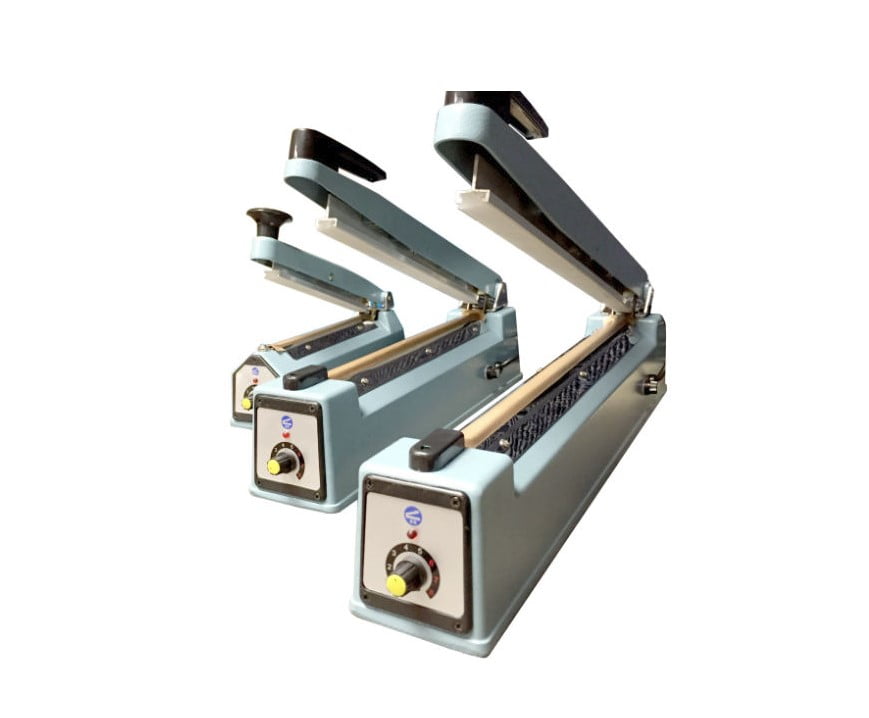
    The question is often asked “What temperature setting do I use to seal my bags?” This question is pretty straight forward but the answer to it can be effected by many variables. Setting your heat-sealing machine to the right temperature is only one factor. Other factors include how long heat is applied to the material (dwell), and how much pressure you apply while sealing. One temperature, Dwell, and PSI setting is not uniformly recommended for each material. For example a better seal can sometimes be obtained with a lower temperature allowed to dwell longer allowing the sealant layer polymers to fully melt together.

    Heat Sealer Settings

    Here is a table of heat sealer settings which are a good starting point for your testing process. 

    Material

    Temperature Range

    PSI

    Dwell Time

    CareSilver

    375 F – 400 F

    40 PSI

    1 Sec

    CareFoil

    400 F – 450 F

    40 PSI

    1 Sec – 1.5 Sec

    CareFoil-N

    450 F – 500 F

    40 PSI

    1.5 – 3 Sec

    CareKraft

    400 F 425 F

    50 PSI

    2 Sec

    CareClear

    350 F – 375 F

    40 PSI

    1 Sec

    Factors effecting heat sealer settings

    Many customers focus on the machine settings when dialing in their heat seal settings, but all the factors below should come into consideration to get the highest strength heat seal. 

    Material Type

    Seal strength, and sealer machine settings will be adjusted to the physical properties of the material  being sealed to. Clear PET based material generally will use different settings than nylon or foil based material. The material thickness, flange or surface design, physical pouch configuration, size, and feature placement will also be considerations. Some materials like Carefoil reduce the amount of heat that can get through to the sealant layer so they require more heat or long dwell time. Material Thickness can effect the overall mount of dwell that is required. 

    Dwell

    Dwell time relates to how long heat is applied to the pouch. Heat and dwell time are not independent variables, they go hand in hand and should not be evaluated separately. Dwell time requires adjustment based on the same factors that effect temperature. Some heat sealable flexible barrier materials require lower heat for a longer time to properly sell. While you can “seal” a bag with high heat for a short duration. The sealant layer may not form a high strength bond. 

    PSI

    The pressure at which heat is applied to the pouch can effect bag seal strength.The amount of pressure applied by the heat-sealing equipment will create differences in the heat and dwell settings.  Thicker materials and those which are more rigid such as CareKraft require more pressure, while with thinner materials if too much pressure is applied the heated selant layer can be pressed too thin. 

    Fouling

    Fouling can occur during the loading process particles, dust, or liquid we left in the sealing zone. If so, these contaminates can affect the settlings required on your sealing machine to seal the bag properly. Foreign material in the seal zone can also reduce the seal effectiveness. Powder products are notorious for causing fouling. Dust acts like corn meal on the bottom of a baking pan inhibiting the polymers from adhering to each other. 

    Type of Machine

    The type and condition of your heat-sealing machine will create another variable to consider.  There are several types of heat-sealing machines and how these machines apply heat. Types of heat sealers include Impulse sealers, roller sealers, platen seal.  

    External Environment

    Ambient temperatures, and humidity can have a small impact on heat or dwell time as well.

    There isn’t going to be an exact specification because proper temperature will vary widely based on the conditions mentioned in this article. But here are some of the settings that have been reported to us by customers, as well as our own understanding. 

    The information provided should only be used as a starting point for the customer’s own investigation, and testing when determining the best settings for your heat sealer machine. 

  • CareClear-PXAOP

    CareClear-PXAOP

    CareClear-PXAOP

    Overview

    This film is designed to provide very good moisture and oxygen barrier potential in a transparent film. The ALOX coating enhances the barrier of the PET film

    This film prints well both digitally and Rotogravure, with high clarity. ALOX is an alternative coating treatment to EVOH or PVDC.

    The ALOX coating is designed to not set off a food process metal detector. This film can also be subjected to irradiation. 

    Note: The performance of any film will be influenced by a number of factors and testing must always be performed to ensure the film meets the use.

    Relative Performance Indications

    Oxygen Barrier

    Moisture Barrier

    Light Barrier

    STrength

    Metal Detector

    Material Data

    Here are some of the common indicated properties for this film.

    Film Property

    Standard / Test / Unit

    Sample Data

    Available Thicknesses

    Caliper

    4.0 mil nominal

    Tested As 

    Pouch

    120x200x76 +/- 3mm 

    MVTR / WVTR

    JIS 0208

    0.065 gms/100 sq. in./ day

    OTR

    JIS 1707

    .0.065 cc/100 sq. in./ day

    Tensile MD

    ASTM D-882

    42

    Tensile XD

    ASTM D-882

    42

    Tear MD

    ASTM D 1938

    1.6

    Tear XD

    ASTM D 1938

    1.2

    Compressive Strength

    JIS 0238

    80-600

    Temperature Test

    Pilot Retort 

    100C/30min, 2.2 kgsf/cm2

    Sealing Test

    Side / Top Universal

    6.0 kg/15mm

    Elongation at Break MD

    ASTM D 882

    55

    Elongation at Break XD

    ASTM D 882

    50

    Thrust Strength

    FED-STD-101-2065

    84.6

    All values indicated regarding film properties or characteristics, were provided by our film supplier and are given as an indication and should be considered as average indicative values. This document is based on our film supplier statements and / or independent lab testing, data from multiple tests, or different film suppliers of the same film family may be combined in the above table. While unexpected, it is possible that the validity of the statements could change without notice.
    Environmental Impact

    This material is a multi-layer laminated plastic and will typically fall into the check-locally, or store drop off category. 

    Property
    Sample Data

    Recyclable

    Multi-Layer Check Locally

    PCR Option Available

    No

    At Home Compostable

    No

    Commercial / Industrial Compostable

    No

    Recyclability and composability varies by jurisdiction. Composability claims are limited by law, and vary by jurisdiction, consult a qualified professional in your state. 

    Compliance

    Compliance is important, and here are CarePac we can support your compliance needs with extensive film supplier and lab testing data.  
     

    BPA FREE

    FDA Food Approved

    PROP 65

    Property
    Sample Data

    CEPE/EuPIA

    Manufactured in accordance with

    Cal. H&S (25214.16)

    Compliant

    PFAS – perfluoroalkyl and polyfluoroalkyl § 37-0209, RCW 70A.222.070

    Does not knowingly add

    Prop 65 (OEHHA)

    Listed Chemicals not intentionally added. 

    SR 817.023.021

    Not in excess of overall or specific migration

    EU directive 10/2011/ED

    Compliant

    EU directive 1935/2004

    Compliant

    FDA 21 CFR 73

    Compliant

    Cal. H&S (25214.16)

    Compliant

    RoHS Directive 2011/65/EU

    PASS

    Compliance information above is derived from lab testing, or film supplier statements. Independent verification is advised, and Lot specific testing available

  • CareCompost-KP

    CareCompost-KP

    CareCompost-KP

    Paper / PLA Overview

    A bi-layer lamination designed for flexographic printing made of natural un-coated kraft paper (white or brown) laminated to a proprietary PLA sealant layer.  

    Passed for FDA use in food contact applications, used by customers for coffee, nuts, dried foods, cannabis, and other applications. This material maybe accepted for composting, but check local jurisdiction for current acceptance by your refuse agency. 

    Note: The performance of any film will be influenced by a number of factors and testing must always be performed to ensure the film meets the use.

    Relative Performance Indications

    Oxygen Barrier

    Moisture Barrier

    Light Barrier

    STrength

    Compostable

    Material Data

    Here are some of the common indicated properties for this film.

    Film Property

    Standard / Test / Unit

    Sample Data

    Available Thicknesses

    Caliper

    5 mil

    MVTR / WVTR

    JIS Z 0208

    <15 g/㎡.24hr

    OTR

    JIS Z 1707

    <18 cc/㎡.24hr

    Tensile MD

    ASTM D-882

    >25

    Tensile XD

    ASTM D-882

    >25

    Tear MD

    ASTM D-1938

    >1.2

    Tear XD

    ASTM D-1938

    >1.0

    Elongation at Break

    AST D-882

    >30 MD / >30 TD

    Heat Seal Strength 

    Generic

    >6 kg/15mm

    Drop Performance

    Fill 5 bags with 140g of similar content and seal, drop from a  height of 500mm, drop at least once each in horizontal and once in vertical direction. The bag should have no visible leakage, or rupture.

    Meets the standard

    Pressure Test

    Fill 5 bags with 140g of similar content and seal, load to 400 N and maintain 1min, the bag should have no visible leakage, or rupture. 

    Meets the standard

    All values indicated regarding film properties or characteristics, were provided by our film supplier and are given as an indication and should be considered as average indicative values. This document is based on our film supplier statements and / or independent lab testing, data from multiple tests, or different film suppliers of the same film family may be combined in the above table. While unexpected, it is possible that the validity of the statements could change without notice.
    Environmental Impact

    This is a film intended for composting. If properly disposed of this film will compost and return to usable soil. Compostable films are not recycable. 
    Property
    Sample Data

    Recyclable

    No

    PCR Option Available

    No

    At Home Compostable

    No

    Commercial / Industrial Compostable

    Yes

    Heavy metal(Pb)4% Acetic acid,60℃,2h

    <1 Pass

    Recyclability and composability varies by jurisdiction. Composability claims are limited by law, and vary by jurisdiction, consult a qualified professional in your state. 

    Compliance

    Compliance is important, and here are CarePac we can support your compliance needs with extensive film supplier and lab testing data.  

     

    BPA FREE

    FDA Food Approved

    PROP 65

    Property
    Sample Data

    CEPE/EuPIA

    Manufactured in accordance with

    Cal. H&S (25214.16)

    Compliant

    PFAS – perfluoroalkyl and polyfluoroalkyl § 37-0209, RCW 70A.222.070

    Does not knowingly add

    Prop 65 (OEHHA)

    Does not contain listed substances

    SR 817.023.021

    Not in excess of overall or specific migration

    EU directive 10/2011/ED

    Compliant

    EU directive 1935/2004

    Compliant

    FDA 21 CFR 73

    Compliant

    Cal. H&S (25214.16)

    Compliant

    RoHS Directive 2011/65/EU

    PASS

    Compliance information above is derived from lab testing, or film supplier statements. Independent verification is advised, and Lot specific testing available

  • Pouch Designs Proofs

    Pouch Designs Proofs

    Proofing Pouch Designs

    What is Proofing? 

    Proofing is a preliminary version of a printed piece that shows the features and design of the final piece. It’s intended to be a confirmation of the print and bag specifications — think of proofing like a preview or sneak peek of your project. At CarePac, our printed pouches are made to order, so before we can make your pouches, we need to make sure all pouch specifications and printing are correct. 

    Proofing is an essential part of the design process, as we don’t want to print pouches that don’t meet your exact expectations. We hold ourselves to a high standard, and creating the perfect bag does require some input from you. During the proofing stage, you’ll need to make sure that everything is exactly the way you want it, from the font and the logo placement to the colors and customization features. Don’t forget to check the spelling! 

    Why is Proofing Important?

    Proofing is a critical step to ensure that the bag that CarePac is being told to make is the one you want. The last thing we want is to send you a bag that you can’t use because the size or configurations are all wrong. We recommend having multiple people on your team take a look at the proof – you never know what someone else might catch that you may have missed.

    Steps of the Proofing Process at CarePac

    At CarePac, we’re all about transparency, so here is what you can expect from our proofing process: 

    How are pouch designs proofed?

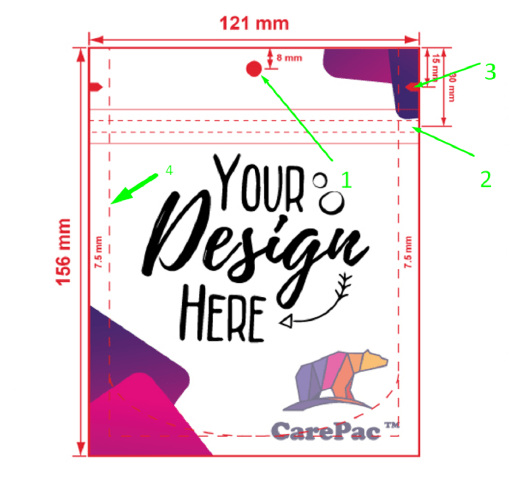
    The industry standard is using digital art files to proof, which is why we’ll send you a digital proof. This type of proofing is quick and efficient and typically works perfectly well. The design schematic is a to-scale layout of the bag showing the art, color and placement of various elements on the bag, including features like zippers and tear notches. 

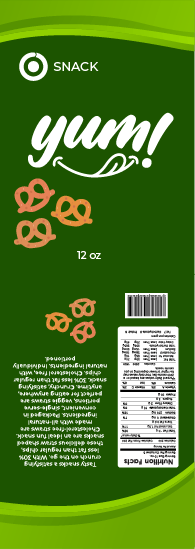
    At CarePac, we use multiple-up dielines which show the different sides of the bag individually. This format makes proofing much easier to perform, as you can see all sides of the bag. Some competitors will show you a print layout which can be harder to proof because the back of the back will be shown upside down. 

    In addition to text and imagery, finishes, their location and other elements will also be depicted on the design file to be reviewed. Most bag features will be depicted on the bag dieline along with relative positions. 

    In the picture below, we have four features:

    Side Seals are where the bag materialconnects together

    1. Hang hole 

    2. Zipper

    3. Tear Notch

    4. Side seals

    Optional Additional Proofing Steps

    Occasionally some projects require additional proofing steps due to their complexity or specific concerns. There are three main types of additional proofing: Draw Downs, Film Print Proofs, and Prototyping. You can learn more about each optional and additional proofing step below. 

    Draw Downs

    A draw down is where the color(s) used in a bag’s print design are placed by hand on the material to see how they appear on the film. Not all films can be used with draw downs because some films require additional treatment to get the ink to stick to the plastic. Draw downs are best accomplished with bags that incorporate a printed layer of paper in their makeup. 

    If you want to see exactly how the colors will appear on the film material, a draw down is the best (and only) way to see this. Producing a draw down does add expense (and time) to a print project, and is typically reserved for very large runs or if the ink or material is a concern. In most cases, reviewing the digital proof is satisfactory. 

    Optional Film print proof

    This process does create some delay as we cannot schedule additional steps of the production process like laminating, curing, or bag making until the film has been approved. Please keep in mind that film print proofing can add 1-2 weeks to the production beyond normal lead-times. (This estimate assumes that you’ll review your proofs in a speedy manner.) If, after receiving the film print proof, you want to make changes, there will be some cost for the machine time, labor, and materials used to produce the film print proof. This varies by the type of printing being used, and the complexity of the printing. 

    With film print proofs, after the design file is approved, we perform the actual printing of the material but then stop and send a cut-off of that film to you for review. 

    With a film print proof, you can see the actual print on the material that will be used to make your bags. Once you approve the film, then we will continue on with the production of the bags. 

    Optional Prototyping 

    For the ultimate in proofing, we offer CarePac Express. With CarePac Express, we offer very small quantities, as few as 100 bags, which can be made to your specifications and are fully completed bags. 

    Digital Proofing

    is Included!

    Although draw downs, film print proofs, and CarePac Express all incur an additional cost, standard digital proofing is included in our pricing models. If you need help understanding a digital proof or have any questions whatsoever about our proofing options, please don’t hesitate to reach out to your representative. For an instant online quote for your project, please click here. 

  • CareCompost-PVP

    CareCompost-PVP

    CareCompost-PVP

    PLA/VMPLA/PLA Lamination Overview

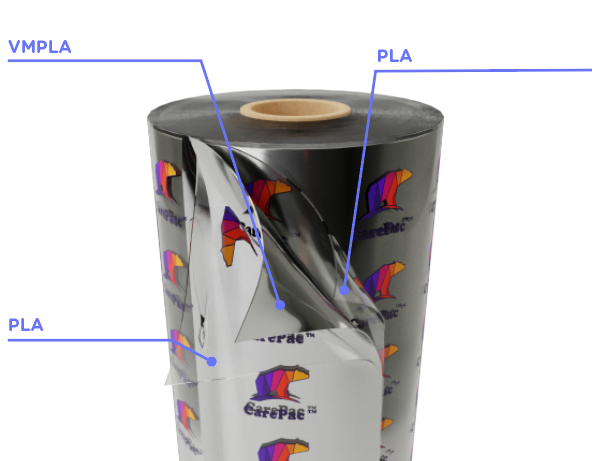
    This film is a multi-layer Poly-Lactic based laminated compostable metalized film providing enhanced barrier to oxygen and moisture over un-metallized PLA with an attractive price point and more reliable supply chain than other high barrier compostable films. Great for plate printing. 

     This FDA approved film has minimal stretch due to the orientation of layers during the laminating process. The material consists of a lamination of PLA/MetalizedPLA/PLA.

    Note: The performance of any film will be influenced by a number of factors and testing must always be performed to ensure the film meets the use.

    Relative Performance Indications

    Oxygen Barrier

    Moisture Barrier

    Light Barrier

    STrength

    Compostable

    Material Data

    Here are some of the common indicated properties for this film.

    Film Property

    Standard / Test / Unit

    Sample Data

    Available Thicknesses

    Caliper

    4.33 mil

    Composability

    ASTM D6400:2012-01

    Pass

    MVTR / WVTR

    JIS Z 0208

    <10 g/㎡.24hr

    OTR

    JIS Z 1707

    <8 cc/㎡.24hr

    Tensile MD

    ASTM D-882

    >42

    Tensile XD

    ASTM D-882

    >42

    Tear MD

    ASTM D-1938

    >1.6

    Tear XD

    ASTM D-1938

    >1.2

    Elongation at Break

    AST D-882

    >20 MD / >30 TD

    Sealing Bond

    Standard test

    PLA/VMPLA/PLA >350 g/15mm

    All values indicated regarding film properties or characteristics, were provided by our film supplier and are given as an indication and should be considered as average indicative values. This document is based on our film supplier statements and / or independent lab testing, data from multiple tests, or different film suppliers of the same film family may be combined in the above table. While unexpected, it is possible that the validity of the statements could change without notice.

    Environmental Impact

    This is a film intended for composting. If properly disposed of this film will compost and return to usable soil. Compostable films are not recycable. 

    Property
    Sample Data

    Recyclable

    No

    PCR Option Available

    No

    At Home Compostable

    Managed

    Commercial / Industrial Compostable

    Yes

    Heavy metal(Pb)4% Acetic acid,60℃,2h

    <1 Pass

    Recyclability and composability varies by jurisdiction. Composability claims are limited by law, and vary by jurisdiction, consult a qualified professional in your state. 

    Compliance

    Compliance is important, and here are CarePac we can support your compliance needs with extensive film supplier and lab testing data.  
     

    BPA FREE

    FDA Food Approved

    PROP 65

    Property
    Sample Data

    CEPE/EuPIA

    Manufactured in accordance with

    Cal. H&S (25214.16)

    Compliant

    PFAS – perfluoroalkyl and polyfluoroalkyl § 37-0209, RCW 70A.222.070

    Does not knowingly add

    Prop 65 (OEHHA)

    Does not contain listed substances

    SR 817.023.021

    Not in excess of overall or specific migration

    EU directive 10/2011/ED

    Compliant

    EU directive 1935/2004

    Compliant

    FDA 21 CFR 73

    Compliant

    Cal. H&S (25214.16)

    Compliant

    RoHS Directive 2011/65/EU

    PASS

    Compliance information above is derived from lab testing, or film supplier statements. Independent verification is advised, and Lot specific testing available

  • Weed Measurements

    Weed Measurements

    How is Cannabis Sold By Weight | Cannabis Weights

    The most common cannabis measurements 

    Across the world, cannabis flower is usually measured in increments within an ounce – a gram, an eighth, a quarter, a half, and an ounce. Although cannabis can also be sold in another amount, like pounds, this is typically reserved for industrial spaces, as purchasing and possessing cannabis of this weight is illegal in most recreational, health, and medicinal markets in the United States. Yes, cannabis flower may be legal in one way or another in most states, but there are still regulations on the quantity and weights one can purchase on sale. 

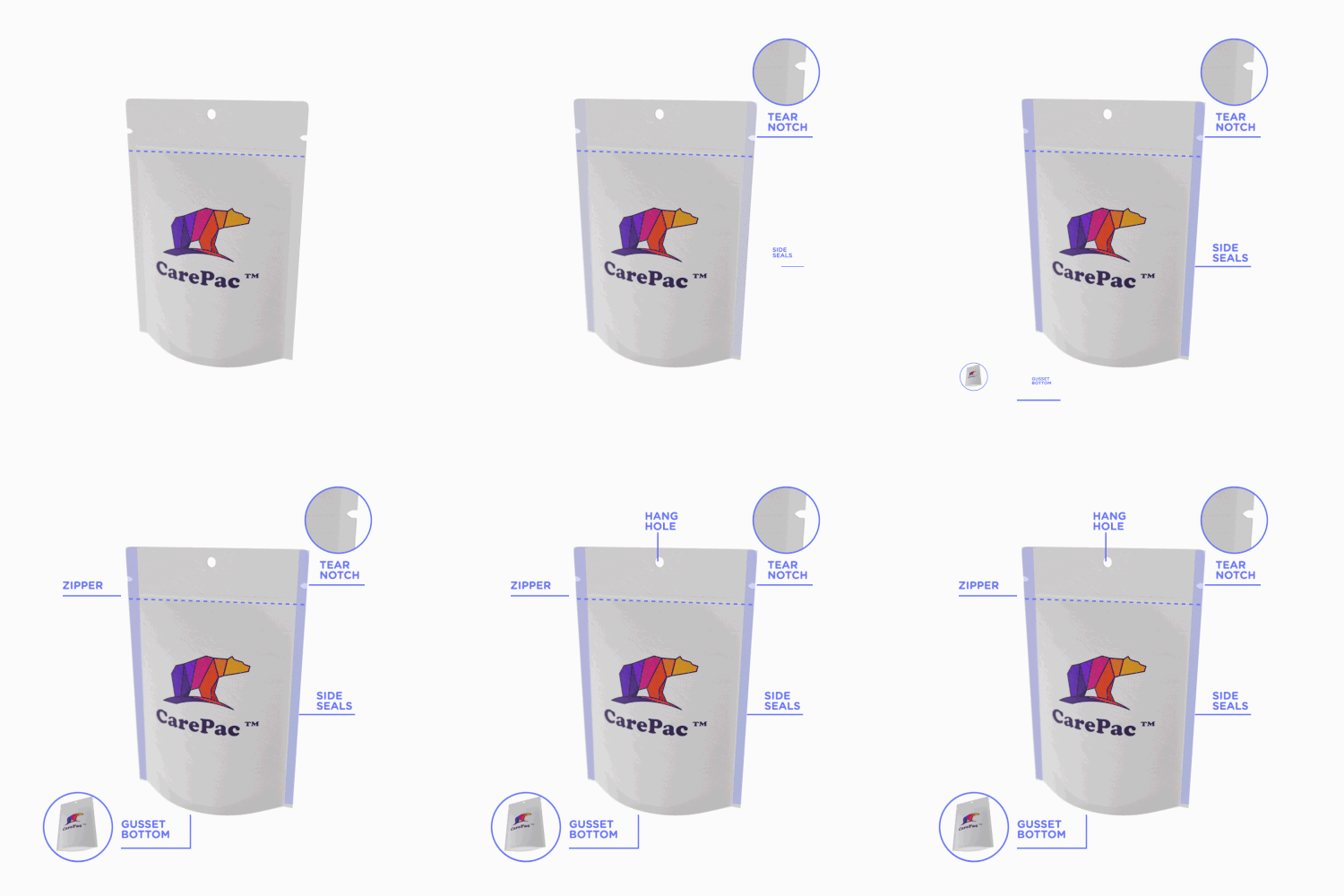
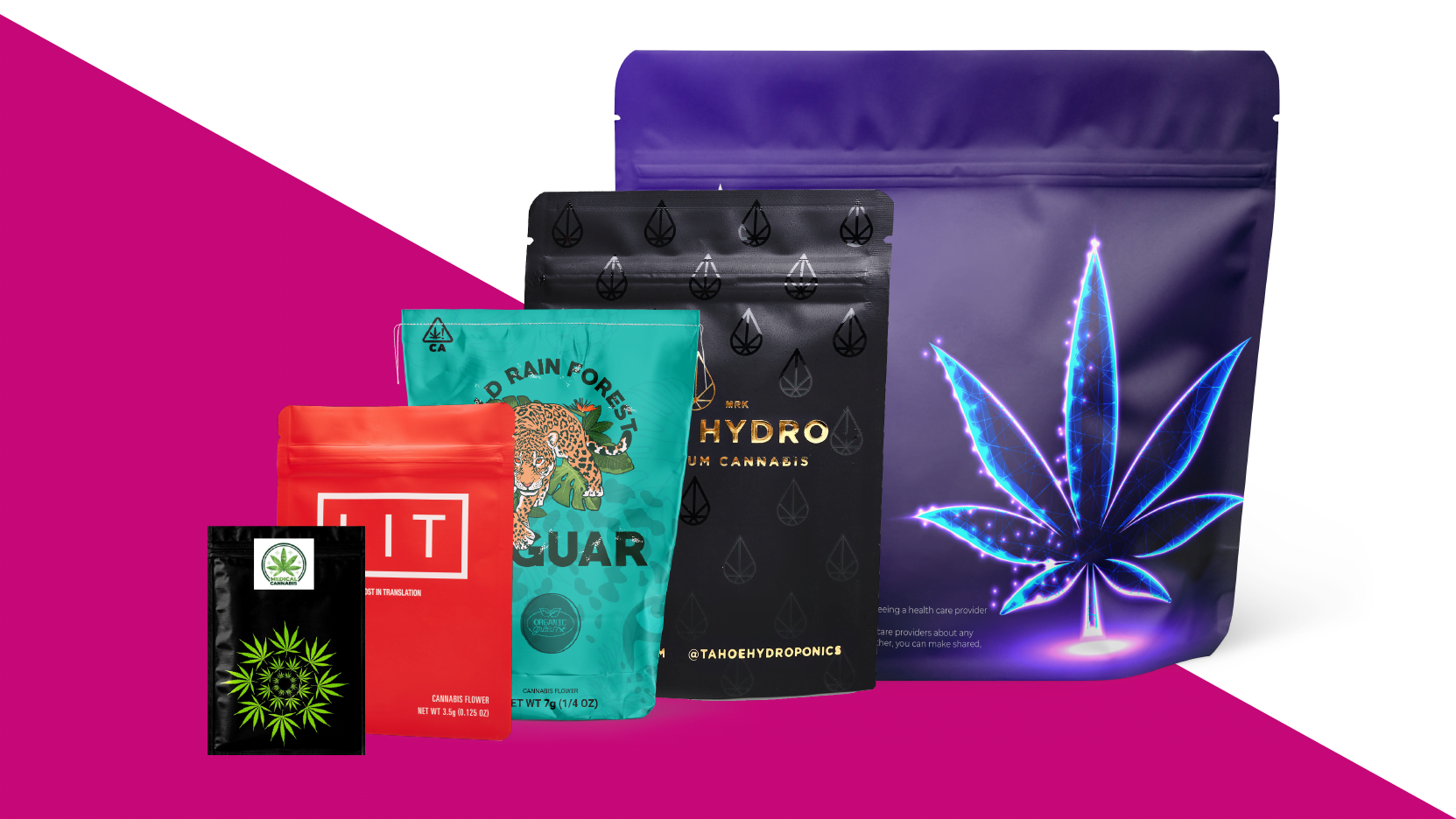
    Group picture of Stand Up Pouch" with  bottom gusset, rounded corners, zipper and tear-notch.

    At CarePac, all our CBD and THC packaging is made-to-order for dispensaries, meaning it can be purchased in any size, color, or material. For the purpose of this article, we’ll discuss the most common cannabis measurements so you can purchase the cannabis packaging in the size that’s right for your weed quantities. 

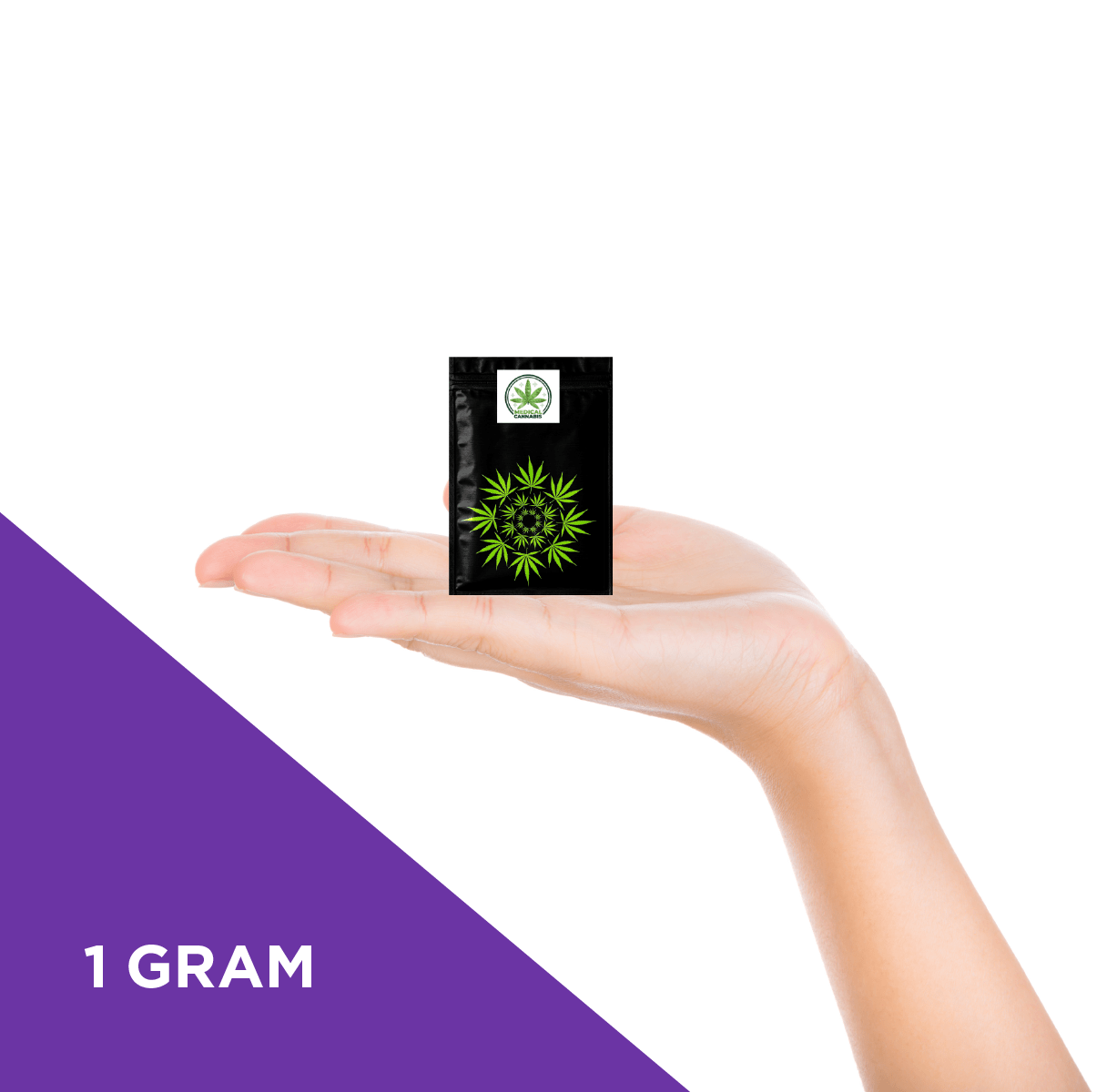
    Weed measurements 1: Gram 

    Outside of one-hitters, a gram is the smallest weight of flower a customer can purchase at recreational or medical dispensaries. This size is often reserved for new customers to try something new, without having to waste money in case they don’t like the strains, taste, or product. This amount will fit into the palm of your hand and is enough marijuana to fill one average-sized joint or two smaller ones. 

    It’s important to note that all cannabis sizes, grams included, are measured by weight — so a very dense nug of cannabis flower will weigh as much as a few fluffy pieces of cannabis. Additionally, pre-rolled joints are often sold in one-gram sizes. Inform your customers that all your marijuana is weighed for accuracy, as this is a common misconception in the industry. 

    Custom cannabis packaging flat bags with glossy surface 1 gram dried flower1/8oz Child Resistant Weed Packaging Mylar Bags Red Pouch Round Corner Front Logo Design

    Weed measurements 2: Eighth 

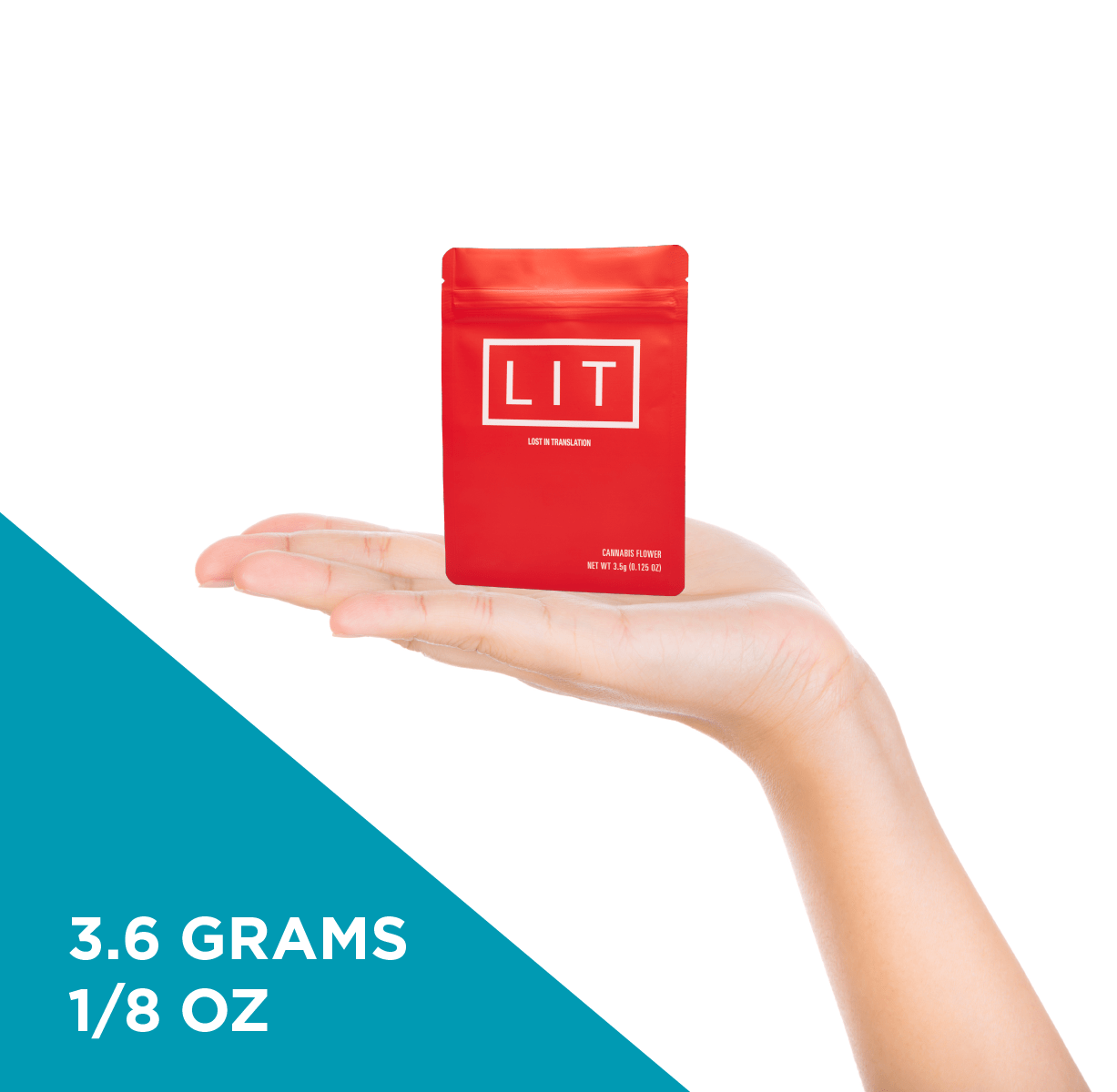
    An eighth of marijuana equals 3.5 grams, and this is the perfect amount for the average cannabis user. It may seem small compared to a quarter, half an ounce, or a full ounce, but it is the most popular amount purchased in the United States. So, if you’re shopping for CBD and THC packaging, you’ll definitely want to stock up on eighth-sized packaging. 

    The reason it’s popular at dispensaries often comes down to freshness. Many customers don’t consume cannabis daily, so this amount is enough to last them up to a few weeks. To enhance the freshness of your cannabis and preserve those precious terpenes and cannabinoids, make sure to purchase cannabis packaging that has a built-in zipper. 

    Weed measurements 3: Quarter 

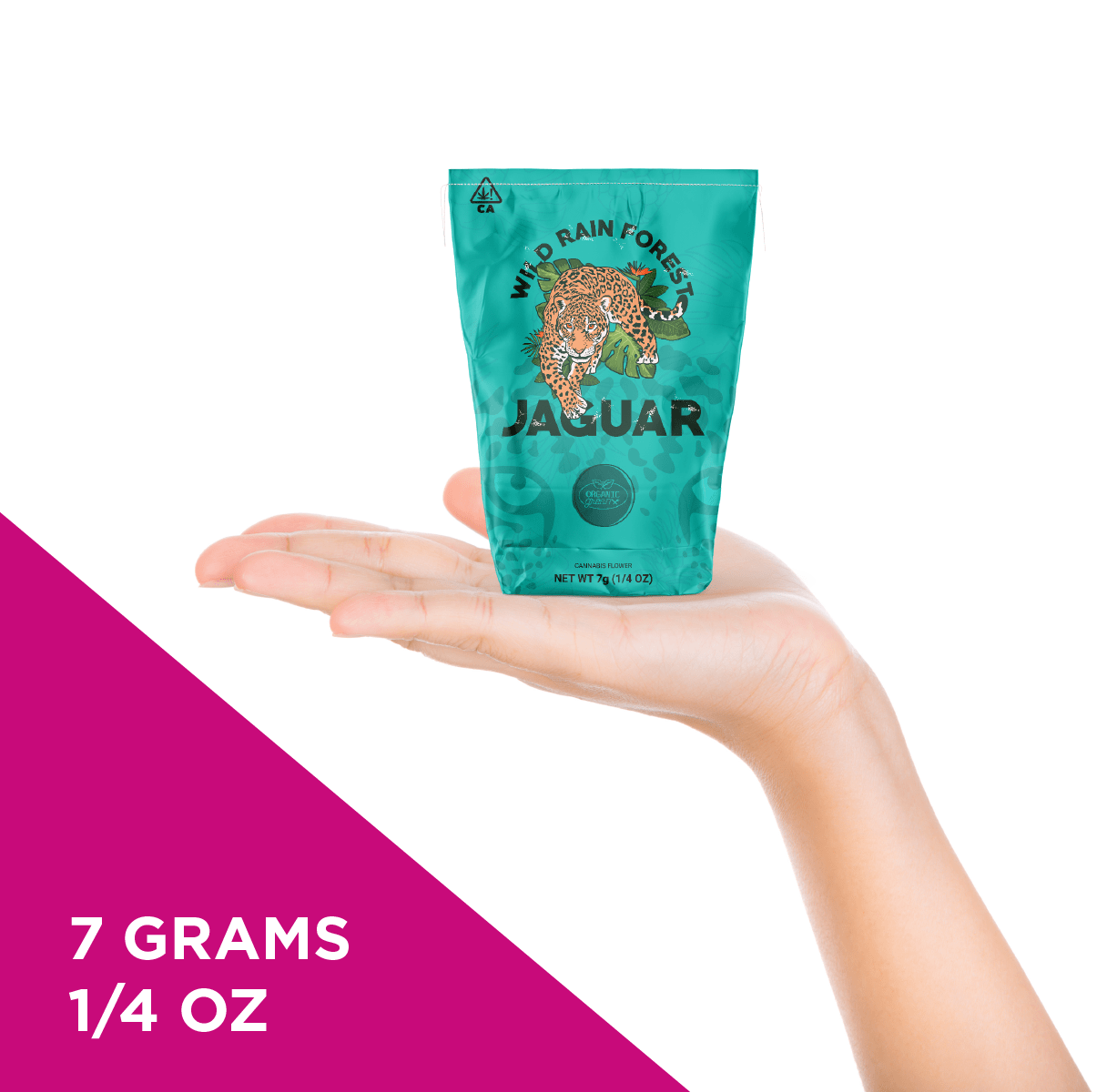
    As you probably guessed, a quarter ounce of weed is double that of an eighth — so 7 grams if you want to get technical. A quarter ounce can fill about 7 joints or 10 bowls, depending on the size of your customer’s pipe or bong. This is also a great amount for customers who are interested in making home made cannabutter for edibles, as cannabutter does require more cannabis than you’d think! 

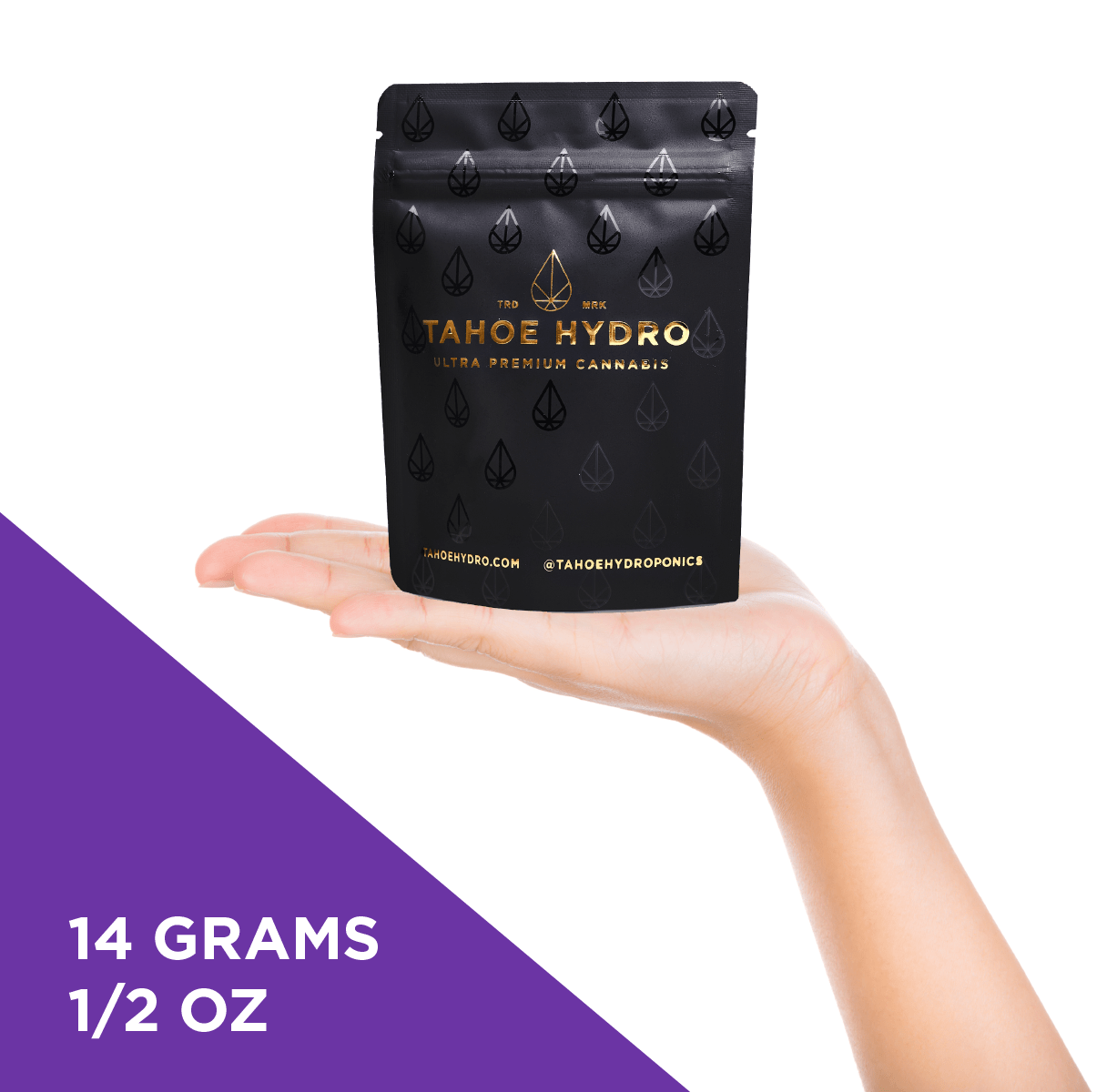
    Cannabis flower bag design Odor Proof Bags Stand Up Pouch Printed Weed PackagingCustom Printed 1/2 Oz Mylar Bags - Hemp Graphics | Cannabis packaging Stand Up Pouch Matte Finish Glossy Spot

    Weed measurements 4: Half 

    A half-ounce is 14 grams of cannabis. This is a pretty substantial amount of cannabis and is often purchased by customers who consume cannabis daily. If you’re purchasing cannabis packaging in half-ounce sizes, a built-in zipper is essential for freshness.

    Weed measurements 5: Ounce & Pound

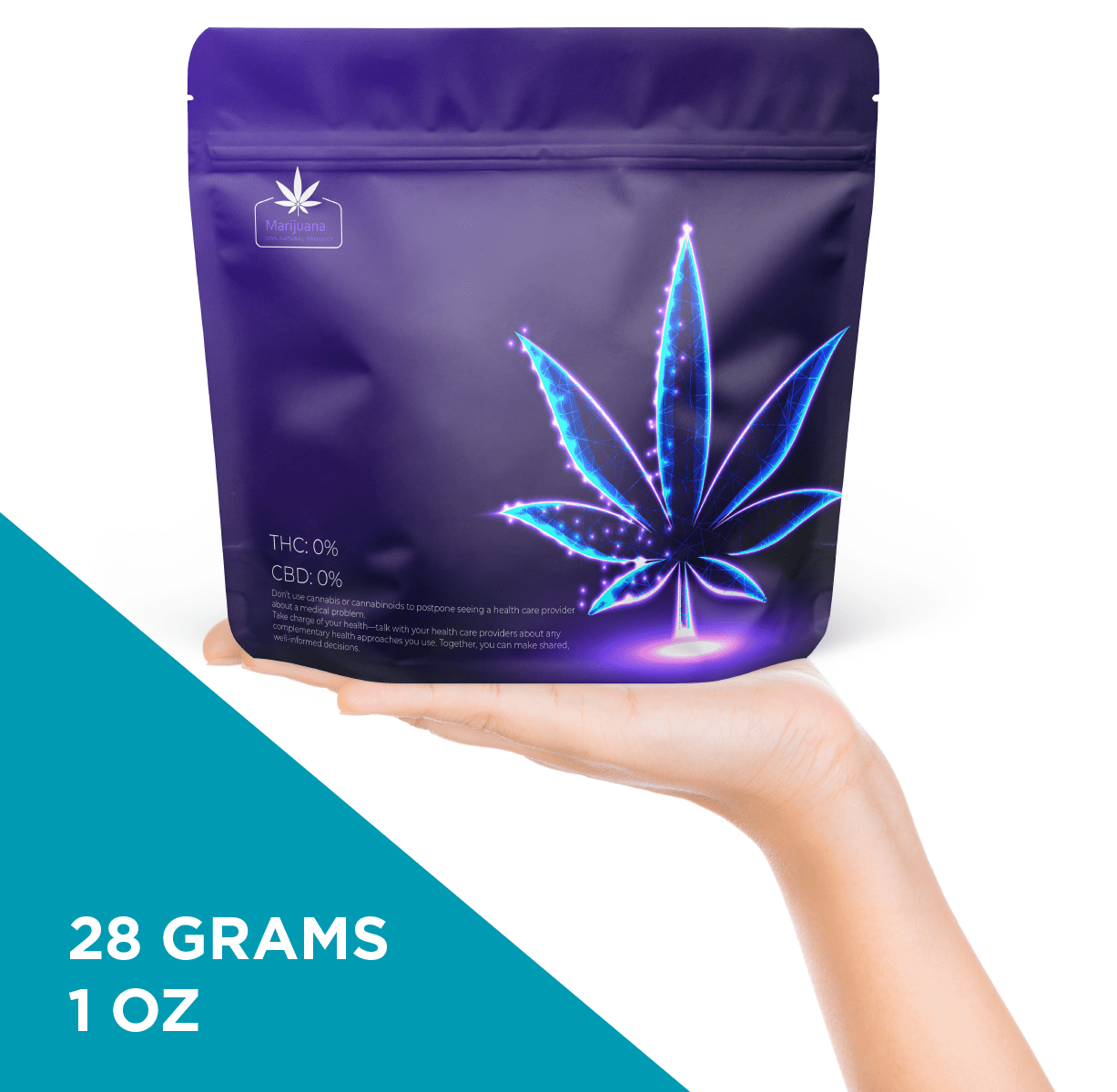
    One ounce of flower is 28 grams, and this is usually the highest volume a customer can purchase at one time. An ounce is commonly called a “zip” because this amount of flower usually fills a small Ziploc bag. Often times dispensaries don’t have an ounce bag — they’ll divide the cannabis into multiple smaller bags. Fortunately, CarePac does sell ounce-sized bags, so you can impress your customers with one bag for their ounce purchase. 

    We do also sell 1-pound-sized stand-up pouches. As mentioned previously, this is best reserved for wholesale cannabis companies that sell their products to buyers or dispensary owners. 

    Customized Printed 1oz Weed Herb Packaging Smell Child Proof  Bag with Ziplock Matte Black Resealable Aluminum Foil Ziplock Mylar Bags

    Features to include in your cannabis packaging 

    As a leading manufacturer of cannabis packaging, there are a few features many of our clients include in their packaging products, including: 

    Packaging product for cannabis mylar bags CBD Printed Packaging Black Stand Up Pouch Ziplock with Hang Hole

    Opaque properties

    Security Bag use for Cannabis Stand Up Pouch with Tamper Evident Zipper Round Corner Printed White with Green Details

    Tamper-evident packaging

    Ziplock Pouch Bugga Customized Stand Up Resealable  cannabis bag Childproof Pouches

    Resealable options

    Glossy White Child Resistant Pouch Exit Bags   Smell Proof Child Resistant Mylar Bags

    Child-resistant properties

    Holographic Printing Packaging Bag for Cannabis Pouch Holographic Mylar Stand Up Bags Scent Proof and Child-Resistant - Marijuana  Packaging Solution

    Design features like holographic elements or soft-touch materials

    To learn more about our custom cannabis bags, click here. 

    Trust the experts in cannabis packaging 

    As you can see, there’s a lot to consider about cannabis packaging – including the size. Fortunately, we’re here to help! As a trusted cannabis packaging manufacturer, we’ll help you every step of the way. We’ll help you select the right size, font, and colors to make your flower packaging shine! Curious to learn more about our weed measurements and bags? We’re just a phone call away! 

    Ready to get started?

    Get an Instant Quote today! 


  • A guide to the USDA meat stamp

    A guide to the USDA meat stamp

    A guide to the USDA meat stamp

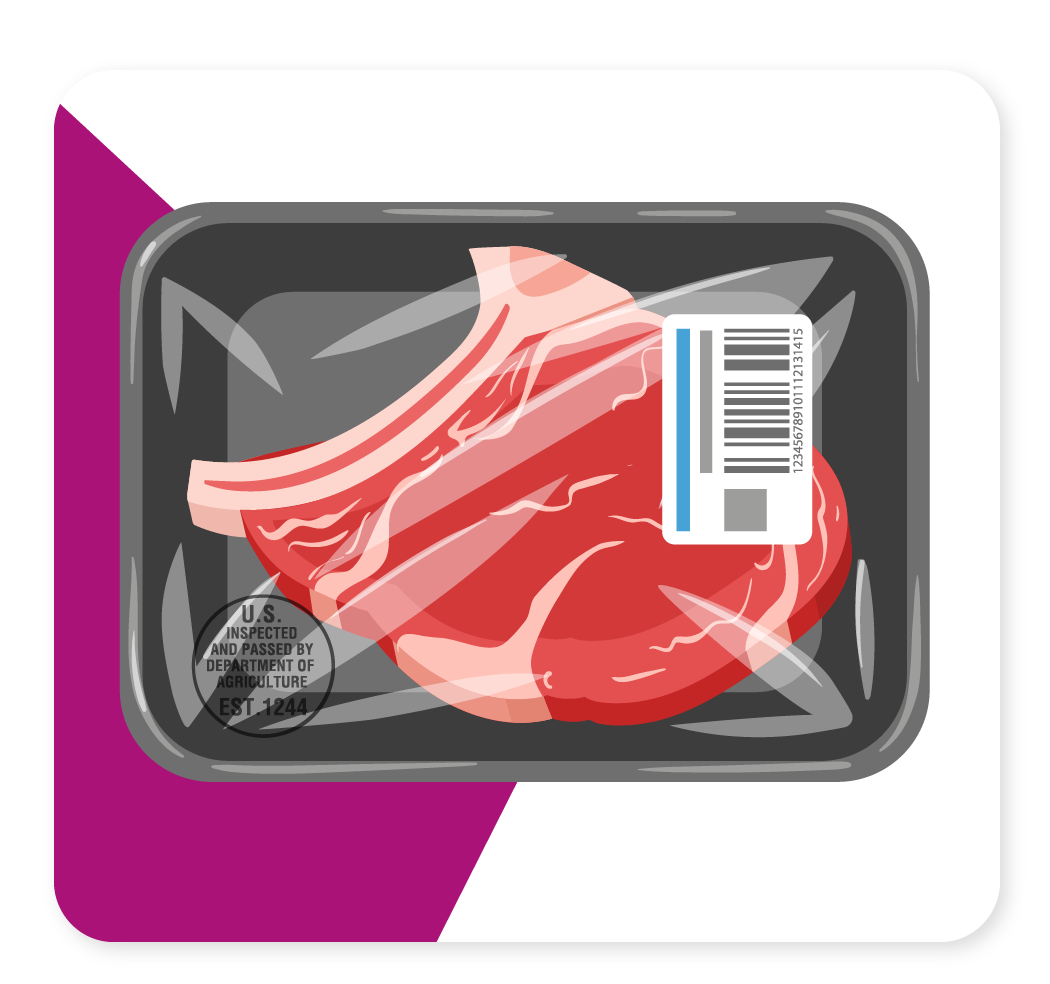
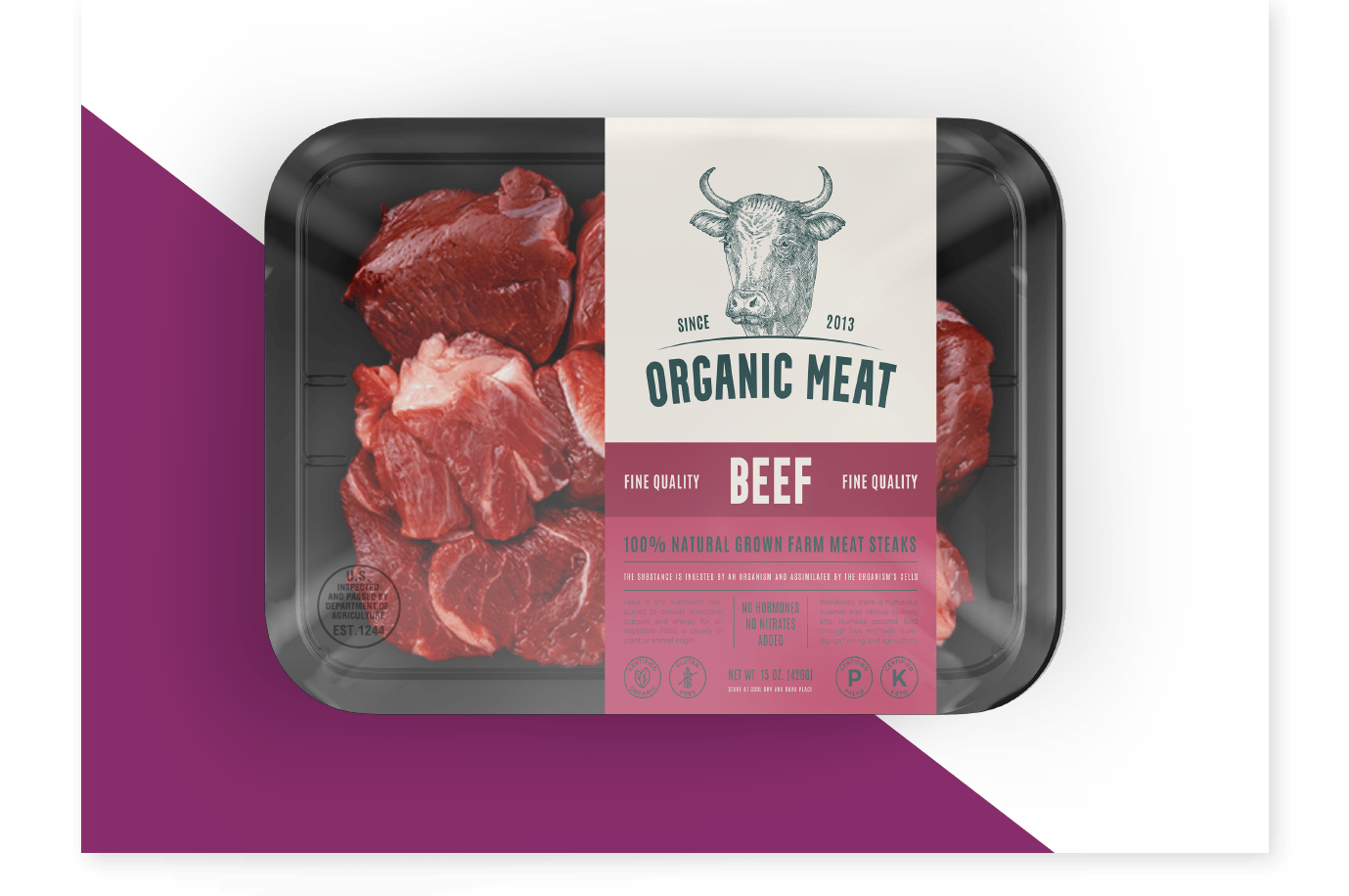
    Decoding Your Meat: A Guide to USDA Beef Labels Beef in Plastic Packaging

    A Guide to the USDA Meat Stamp

     What Do These Stamps Mean?

    Meat inspection is a mandatory part of the meat industry in the United States. However, the questions of who inspects the meat, what this stamp means, and what is approved or not still may remain as a question with this fact.

    In the U.S., is meat inspection required?

    Meat processing - Labels and standards Detection and destruction of diseased meat and or contaminated meat

    The Federal Meat Inspection Act (FMIA) requires all commercially sold meat to be inspected and labeled properly. Meat inspections assure the consumer the select of meat they purchase at the market is safe and clean for human consumption at the point at which it is purchased. This includes the inspection of the live animal, carcass, internal organs, plant facilities where it is processed, equipment, personnel, and transportation. Therefore, it is imperative that meat and meat products are unadulterated or misbranded.

    How to grade beef: prime, choice, and selection?

    While grading beef is optional and voluntary after beep passes inspection, not all federal or state inspection grades are the same. There are eight quality grades within the meat grading system, and they are from higher grades to least highest: Prime, Choice, Select, Standard, Commercial, Utility, Cutter, and Canner. However, most consumers are familiar with the top three grades Prime, Choice, and Select.

    How The USDA Grades Your Steak, Know the difference between USDA  Prime, Choice, and Select BeefUSDA Prime beef is produced from young, well-fed beef cattle

    USDA Prime Grade

    USDA Prime is the highest quality grade, with a small percentage of total cattle numbers achieving this grade. The minimum degree of marbling required for carcasses of this grade is “Slightly Abundant.” These are the highest-priced cuts and are typically sold at restaurants or “full service” cases at grocery or butcher stores. You can think of these as being certified tender. 

    Choice beef is high quality, but has less marbling than Prime. It has at least a Small amount of marbling.

    USDA Choice Grade

    USDA Choice is the second highest quality grade and is the most frequently produced. This grade has a minimum degree of marbling and is graded when marbling is “Small.” This USDA certified cut is very tender and juicy and makes up the largest group of carcasses.

    Select beef is very uniform in quality and normally leaner than the higher grades. It is fairly tender, but because it has less marbling, it may lack some of the juiciness and flavor of the higher grades. It has at least a Slight amount of marbling.

    USDA Select Grade

    USDA Select is the second most frequently quality grade produced and has a minimum amount of marbling as determined by “Slight.” This cut tends to be leaner both internally and externally and is commonly found in retail stores as the “common” tender beef purchased for everyday use.

    How is the grade of beef determined?

    USDA grades are determined based on the animal’s maturity when harvested and the amount of intramuscular fat (marbling) in the surface of the ribeye muscle seen between the 12th and 13th ribs. While most cattle in large facilities are processed between 9-30 months of age, the marbling is the determining factor in the quality grade.

    USDA Prime beef is produced from young, well-fed beef cattleChoice beef is high quality, but has less marbling than Prime. It has at least a Small amount of marbling. Select beef is very uniform in quality and normally leaner than the higher grades. It is fairly tender, but because it has less marbling, it may lack some of the juiciness and flavor of the higher grades. It has at least a Slight amount of marbling.

    USDA Quality Grade comes from the amount of marbling observed at one location within the carcass across every cut of meat from that carcass. Therefore, marbelization is important as it gives the beef tenderness and added flavor.

    As the animal matures (ages), the meat becomes tougher and leaner, so the cattle’s age dictates the beef’s tenderness. Thus, the USDA grade showcases the quality of the beef based on the grade and the amount of usable lean meat when the beef is graded.  

    What does beef grade not tell you?

    The meat itself, some factors are not considered by the USDA. This includes factors of the animal's diet, including grass-fed or grain-finished and if the animal was raised in a pasture or not.

    Beef grades, while they do offer some information on the meat itself, some factors are not considered by the USDA. This includes factors of the animal’s diet, including grass-fed or grain-finished and if the animal was raised in a pasture or not.

    In addition, it is important to note that grass-finished beef will not be graded under Prime as they are leaner and do not achieve the USDA’s Prime Grade requirements for tenderness, juiciness, and flavor.

    Types of Meat Inspection stamps your products may need

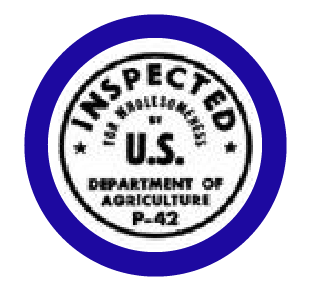
    Inspect mark on raw beef, pork, lamb and goat

    Raw Meat

    Inspection mark on raw meat from beef, pork, lamb, or goat. 

    Inspect mark on raw and processed poulty

    Poultry

    Inspection mark on poultry that is raw or processed.

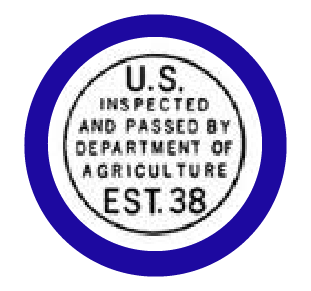
    Inspect mark on processed beef, pork, lamb and goat

    Packated and processed meat

    Inspection mark on packaged and processed meat containing beef, pork, lamb, and/or goat. 

    Understanding Meat Stamps

    While it may seem daunting to understand what the USDA stamp means, we hope this article has given insight into what it means and how and why it is used. CarePac is here to answer any further questions you have about the USDA meat inspection stamp and its use on packaging.

  • CareClear-BP

    CareClear-BP

    CareClear-BP

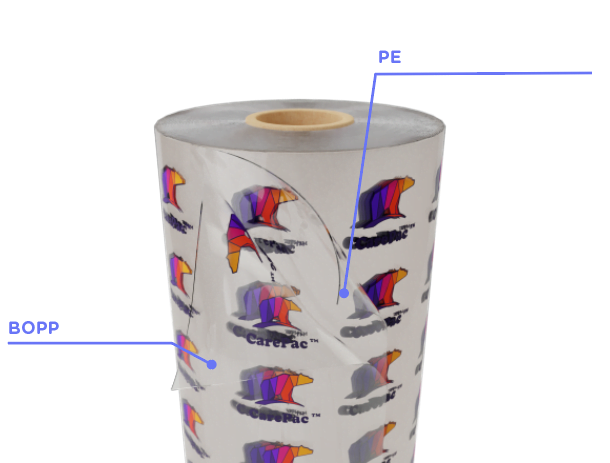
    BOPP/PE Overview

    An economical two-layer laminated film good for normal automatic roll packing and pouches. Oil resistant.

    This is a low barrier film designed for non-critical packaging such as outer packing where strength and barrier are not important.

    The material consists of a lamination of BIAX Oriented Polypropylene and a Polyethylene sealant layer (PE)

    Note: The performance of any film will be influenced by a number of factors and testing must always be performed to ensure the film meets the use.

    Relative Performance Indications

    Oxygen Barrier

    Moisture Barrier

    Light Barrier

    STrength

    Heat Resistance

    Material Data

    Here are some of the common indicated properties for this film.

    Film Property

    Standard / Test / Unit

    Sample Data

    Available Thicknesses

    Caliper

    2.5 mil – 3 mil

    MVTR / WVTR

    Enter your text here…

    2.5 g/m2(m2·24h)

    OTR

    Enter your text here…

    569 cm3/( m2•24h•0.1mPa)

    All values indicated regarding film properties or characteristics, were provided by our film supplier and are given as an indication and should be considered as average indicative values. This document is based on our film supplier statements and / or independent lab testing, data from multiple tests, or different film suppliers of the same film family may be combined in the above table. While unexpected, it is possible that the validity of the statements could change without notice.

    Environmental Impact

    This material is a multi-layer laminated plastic and will typically fall into the check-locally, or store drop off category. 

    Property
    Sample Data

    Recyclable

    Multi-Layer Check Locally

    PCR Option Available

    No

    At Home Compostable

    No

    Commercial / Industrial Compostable

    No

    Recyclability and composability varies by jurisdiction. Composability claims are limited by law, and vary by jurisdiction, consult a qualified professional in your state. 

    Compliance

    Compliance is important, and here are CarePac we can support your compliance needs with extensive film supplier and lab testing data.  
     

    BPA FREE

    FDA Food Approved

    PROP 65

    Property
    Sample Data

    Cal. H&S (25214.16)

    Compliant

    PFAS – perfluoroalkyl and polyfluoroalkyl § 37-0209, RCW 70A.222.070

    Does not knowingly add

    Prop 65 (OEHHA)

    Does not contain listed substances

    Compliance information above is derived from lab testing, or film supplier statements. Independent verification is advised, and Lot specific testing available