Author: Stephanie Fehrmann

  • 12 Questions to Ask Your Flexible Packaging Provider Company

    12 Questions to Ask Your Flexible Packaging Provider Company

    Bag Manufacturer Questions

    To succeed in the manufacturing industry, you need to be a team player. One significant member of your larger team will be your flexible packaging manufacturer. As you design your bags, it is good to think about the person you will entrust to make them for you. Here’s a few qualities your flexible packaging manufacturer should have and some essential bag manufacturer questions you should ask before purchasing packaging solutions.
    In this article, we will guide you on the 12 essential bag manufacturer questions to ask about their manufacturing process and technologies before buying. With the answers to these bag manufacturer questions, you will determine if a bag maker can give you a good deal or not. You’ll also learn a little more about their packaging technologies  and solutions. If you’re interested in learning about mistakes to avoid when designing your own packaging, check out our article here where we round up the top 10 mistakes companies make when creating packaging dielines. 

    Here are the questions you should ask you flexible packaging supplier or flexible packaging company today.

    Custom Cosmetic Packaging FAQs

    Whether you are new to custom printed packaging or a seasoned pro you may have a few questions about our products and process.

    Q: What Minimum Order Quantity Can I Place for Packaging?

    At Carepac, we give our customers two choices for the minimum quantity orders they can place. If you are ordering digital printed bags, we allow a minimum order of as few as 100 pieces. (yes 100 printed bags!) 

    In addition, when ordering the plate printed bags, the least number you can order is 5,000. If you want to know how much your order will cost you, we have an Quick Quote to give you your price.

    Q: Can You Fully Customize? Are You Flexible?

    Unlike most of our competitors, who do not allow a fully customized bag, we will let you choose your unique design to suit your taste and budget. When you pick from set sizes, you may pay more for features you do not need, making your bags more costly in the end. Whether you’re looking for flexible beverage packagingsustainable food packaging, flexible food packaging, flexible plastic packaging, or flexible cosmetic packaging, this is important. 

    At Carepac, we understand your products may be unique, needing unique packing, or you may have a special request from a client to package for them in a particular way. That is why we allow you to choose your design, and then we customize your bags.

    Q: Are Your Bag Making Raw Materials and Practices Approved?

    Carepac uses only FDA-approved materials.

    Q: How Many Bags Do I Need to Buy to Get to XX Price Per Unit?

    Do you have a specific amount to spend on bags? Are you thinking about the cost of your bags per unit? Whatever you have in mind regarding the cost of your order, we have a solution for you. Using the Carepac Instant Online Calculator, you will know the estimated cost of your order or your price per unit. 

    Q: Does Your Company Offer Help With Design Services? If So, May I Ask the Fee? 

    Carepac does not charge a consultation fee for your art. We offer free consultation and art setup support for our customers.

    Q: How Soon Can I Have The Bags in Hand from the Provider?

    When placing your order, you can choose if you want the bags done in 15 or more working days, depending on the urgency of your order. However, this may not be inclusive of the shipping time, which may depend on your location and the shipping company.

    Q: What does Production Time Include?

    Production time includes the time we take to complete making your bags. The time it takes for the order to leave our premises and get to your door is not included. 

    This is because we may not control the shipment of your order since that largely depends on the efficiency of the shipping company. As you order your bags, we advise you to factor in freight time so that you do not run out of supplies awaiting the bags to arrive.

    Q: Can I Talk to Your Representative about My Order? Is All Communication Through Email only?

    Carepac understands your design is important to you and that you want it done right. We, therefore, offer free consultation so that you can explain what you want to our designers. 

    Our bags experts are always available to discuss your order to ensure you get your art right. You can call, email, or visit our offices for a free consultation with them.

    Q: Do I Need to Have an Art File to Get a Quote from Your Business?

    An art file may help us to give you a more accurate quote. However, even without an art file, you can get a free estimate using our quick online calculator.

    Q: What Type of Format Should My Pouches Design Be in?

    Industry best practices demand the use of Adobe Illustrator for the best results. You may use other formats like Inkscape, Photoshop, EPS, SVG, and Canva, but they do not give the best results. 

    We also advise you to use vector files do not lose configuration when enlarged or minimized. They produce uniform results on big and small pieces. Here are some of the design mistakes you should avoid.
    Getting in touch with Carepac

    What kind of bags do you need to package your products? Maybe you already know, or you are not yet sure. Get in touch with CarePac bag experts for a free consultation on your bag design art.  

    We will also give you free art setup support to help you get it right. You can also visit our website to calculate your unit price or the estimated cost of your order. We offer pocket-friendly rates while upholding high qualities for all our orders. Besides, we offer low minimum orders, unmatched customer services and a 5% price match guarantee. If your business is especially bootstrapped, we’ve compiled tips for how to reduce packaging costs here.

    Contact us now!
  • Get Your Package Designs Right with Pantone Color Numbers

    Get Your Package Designs Right with Pantone Color Numbers

    What does “getting the colors right” really mean when you design packaging? You know from experience that it means not only getting it right on the screen but when printed, not only when printed once but every time, and not only by one printer but all your suppliers wherever they are located. Whether used on a logo, package, or instruction brochure, the right color is essential to the brand because “brand” means continuity, consistency, and quality. At CarePac, we use the Pantone Color system to get your bags done right.


    Color interpretation

    For all our personal familiarity with color, of course—its emotional meaning to us, its stimulative qualities, and its evocation of memories—we all perceive colors slightly differently. Most often it is not the basic colors but the huge variations in shades that drive those disagreements, even arguments, about what color we are seeing. There are now thousands of colors available to use in creating packaging, so there is plenty of room for diverging perceptions.


    So the challenge of getting the colors right is not when we are standing beside someone and looking at a swatch, but, instead, conveying that precise color to multiple printers, often in different countries, sometimes in different languages. And doing so over decades of changes in our suppliers.


    These are the kind of challenges that gave rise to the Pantone color sets and the systems for using them in any possible context. Pantone identifies thousands of colors, in different sets for different applications, by letters and numbers to create a unique tag for every color.


    Multiple materials

    These different color sets specify and communicate color across different industries. For example, the Pantone Plus Series is based on graphic/printing ink and for half-a-century has constituted the Pantone Matching System (PMS). Each of the colors is specified with numbers and a suffix (for example, “C” or “U” to specify if the color is printed on coated or uncoated paper). Depending upon the paper, a Pantone color can look quite different when printed. The number and the suffix get the color right.


    The only exception to this number-and-suffix system are the 18 Pantone Basic Colors (base inks) used to mix the rest of the colors. The basic colors have names such as Pantone Yellow. Another Pantone color system well worth mentioning is the Fashion Home + Interior Guides (FHI). The system is based on specifying textiles: paper (TPG) or cotton (TCX). Again, depending upon the material you are working with, you would choose the guide on which you want to visually see the color.


    Thus, when you work with multiple materials and naturally want to achieve precisely the right color in final production, the pantone number makes possible complete satisfaction with the results. The reason is that the Pantone physical color reference guides, and also the Pantone digital tools for searches and matching, let you see before the printing and manufacturing process begins precisely the color you will get—and convey your choice unmistakably to everyone in the production process.


    Multiple suppliers

    Using different suppliers to produce your packaging and other brand materials inevitable entails some variations in the equipment and processes that will be involved. That means that the resulting color can be considerably different from supplier to supplier. The Pantone system of color tools—physical, digital, and cloud-based—enables you to specify unambiguously a single desired outcome for all those involved. The number given to any color tells the same story in every language, every culture.


    Of course, if you can assign your production to a single supplier and use that supplier repeatedly, the process of communication and the opportunities for inconsistent results are greatly reduced. But for most companies the printing of a logo, packaging, and other brand-related materials must be repeated constantly. And as the company grows and production runs become larger and larger—and perhaps are most efficiently done in other countries—the color problem arises, again. Color measurement and evaluation tools from Pantone and its parent company, X-Rite, make it possible to achieve consistent color from run to run, no matter when or where it is produced. Pantone’s color measurement and evaluation tools mean precision and consistency in your color run after run in any location.


    Pantones and digital printing

    It is highly likely that your design process, today, is in large measure digital whether you are creating real-world or online designs. That means, you want to preserve color accuracy and consistency in moving between digital and physical environments. Pantone has the tools you need to move easily and confidently between those two worlds—to translate a brand’s printed colors into a website design and know how your website designs will look in physical form. Pantone Connect is a new digital platform that gives you immediate access to every Pantone Color in every Pantone Library. The Pantone color sets we discussed—and many more—are there.


    Onscreen color is produced by a red-green-blue (RGB) system, mixing those primary colors to create others. But when you print from the screen, the resulting colors are produced by CMYK, which is called “four-color process” because it uses Cyan (C), Magenta (M), Yellow (Y) and Black (K). The problem is that RGB and CMYK colors do not precisely match. Pantone has all the tools you need to make the translation again and again to achieve the same results in both environments.  


    At Carepac we rely on Pantone

    At Carepac, we use the Pantone color systems and tools in designing our bags for the spectrum of companies that seek excellent, consistent, distinctive packaging for their products.


    Your next step in getting the color for your packaging every time is to reached out to the Carepac team of bag experts for all the support you need on art design. There is a Carepac bag for virtually any product you want to package efficiently, imaginatively, and for optimal marketing impact and sales. We are ready to discuss your individual needs at every step of the package planning, design, and production process.


    Be sure to check back here for the latest information, insights, and updates.


    Meanwhile, don’t be a stranger. Follow us any day on Twitter for new ideas, offers, and advice on getting your product in the right package.

  • Real Cost of China Sourcing: Hidden Costs & Fees

    Real Cost of China Sourcing: Hidden Costs & Fees

    Real Cost of China Sourcing: Hidden Costs & Fees

    Unquestionably, China sourcing looms large for American importers. Even if we didn’t know the numbers, we can see that sourcing truth every time we shop. In fact, about one-fifth of U.S. imports are sourced in China, although it is true that several categories loom very large (electrical and other machinery, furniture, outdoor equipment, and plastic parts).

    Walmart, of course, is everyone’s iconic example of a great U.S. business empire built on sourcing Chinese imports (more than three-quarters of Walmart goods) because Walmart is about volume and price—and price is the usual allure for “going to China.”


    But the “price” an American firm pays for sourcing goods made in China can be far less important than the “costs”— fully and honestly calculated. Those costs are not as easy to ascertain as a price on a sticker, but Carepac attaches real importance to calculating it. And one consequence is that at Carepac, today, we emphasize in-house production in all phases of packaging design, planning, and production.


    Here is a look at why we do that.

    Packaging is not all about price, fee, or charges

    Many buyers new to packaging approach it as a kind of afterthought—something you worry about when your product is “ready.”  Because innovative, distinctive packaging is our business, we know that the right packaging can make the difference in preserving quality, in packing and transportation costs, and, above all, the crucial point-of-sale impact of your product. Packaging is about your brand and the impression it makes not once but every time.

    Some real fees of a product “going to China”

    Granted the benefits of “going to China” for some companies of a given size, doing a given volume of business in certain product lines, you also must face the true costs-monetary and otherwise. From Regulatory problems, working condition, to post sales follow-up and support with ensuring your bags are done right, buying from china has several hidden costs. 

    China sourcing fees: Lead times for products

    For example, even after you locate and vet a supplier in China, there is a lead-time of 8-12 weeks (in ordinary times”) between placing an order and receiving your goods if you decide to go with China sourcing. Today, though, given delays at U.S. and international ports of entry, shipping time may add 45 days, or, in the worst case, as much as 75 days. We can hope that this situation clears up, in due course, but given the long-term politics of U.S. – China relations, another crisis cannot be ruled out.

    The communication barrier (a true hidden cost)

    Many Chinese are ardent businessmen, who work to accommodate their buyers, but a significant language barrier remains. You will not only deal with the sales representative who takes your order (and gives you that “price” you love) but, as questions arise about shipping, insurance, production, costs and billing, and, yes, packaging, communication becomes, as we know, the key to efficiency, quality, and a good supplier-buyer relationship. All this depends upon coping not once but over and over again with the challenge of communication.

    This article is not about Walmart, of course, but in a sense Walmart’s success actually reinforces this point. Walmart built a vast infrastructure and staffing in China on its road to success, and, of course, now has Walmart stores all over China. That is a solution to the communication problem that most of us do not enjoy.

    Real-time supplier contact for troubleshooting

    We all know about those times when a question must be answered right now – or a change in instructions must be communicated as soon as feasible. U.S. buyers are not in the same time zone as China, of course, so work hours do not automatically overlap—not even close. Do you have someone you can reach at your China supplier any time during your workday?

    Tariffs and shipping costs & prices

    In addition to these supposed non-monetary costs, there are costs that may be hidden from the new potential buyer who is getting a rate from a Chinese supplier. For example, tariff costs of importing your goods—tariffs (typically a flat fee) substantially increased during the Trump administration—can approach one-third of their value (averaging 29% of your total cost) Obviously, this must be taken into account in any projection of your actual costs and money spent.

    If you buy $10,000 worth of bags in China you will pay a rate of at least $2,900 in duties and tariffs. 

    A related cost that always is involved in sourcing from abroad is shipping. Depending upon volume and weight of what you purchase in China, these costs become significant because they are repeated perhaps many times a year.

    When the order arrives

    When your bags are delivered from an agency in China (which is likely the first time you see the actual product), what if they are defective? Say, the printing is misaligned or blurred your bags don’t close well? Are you sure that you have adequate recourse with your Chinese supplier, even given that you are willing to wait through the new lead time and shipping lag?

    The Carepac commitment to in-house production

    These are just some considerations that over the years have caused Carepac to put a high premium on in-house production, where we have optimal control over design, materials, manufacturing machinery and processes, quality control, and overall production scheduling to meet deadlines.

    Your first step in discovering what the Carepac process can mean to you is to visit our website for an instant quote. Then, talk to our team of packaging experts about how Carepac can manage your packaging needs from design to manufacturing to quality control to shipping. We will discuss the real costs to you and how we guarantee quality and satisfaction.


    Be sure to check back here regularly for information, insights, and updates and a wealth of information about creating packaging the protects your product, keeps your price down, and impresses your customer at point of sale.


    And join us any day on Twitter for new offers and new insights into what packaging can mean to your business.

  • I’m Just Starting: How Much Packaging Inventory Do I Need?

    I’m Just Starting: How Much Packaging Inventory Do I Need?

    Packaging Inventory Management: How to Manage a Packaging Inventory System

    How many months of packaging inventory should you carry?
    That is a concern for almost any business because inventory ties up money but running out of inventory can mean lost sales—especially if getting a large order is contingent on rush delivery.

    A family group shot of Printed Dried Fruit Pouches Freeze Dried Fruits Flexible Plastic Doypack Packaging

    In the start-up phase of your business, figuring out your packaging inventory management is tough. There are plenty of formulas for calculating packaging inventory, plenty of rules about weeding out stale inventory, but using those inventory management formulas depends upon experience–a track record. And a track record, especially with warehouse operations and inventory tracking, is what your start-up does not have, as yet. And, if you are like most starting businesses, there is too much to do with too little money, so you don’t want to solve the inventory problem by “being on the safe side” (that is, overstocking raw material).

    Inventory management basics

    These are a few of the basic often cited for getting a handle on inventory:

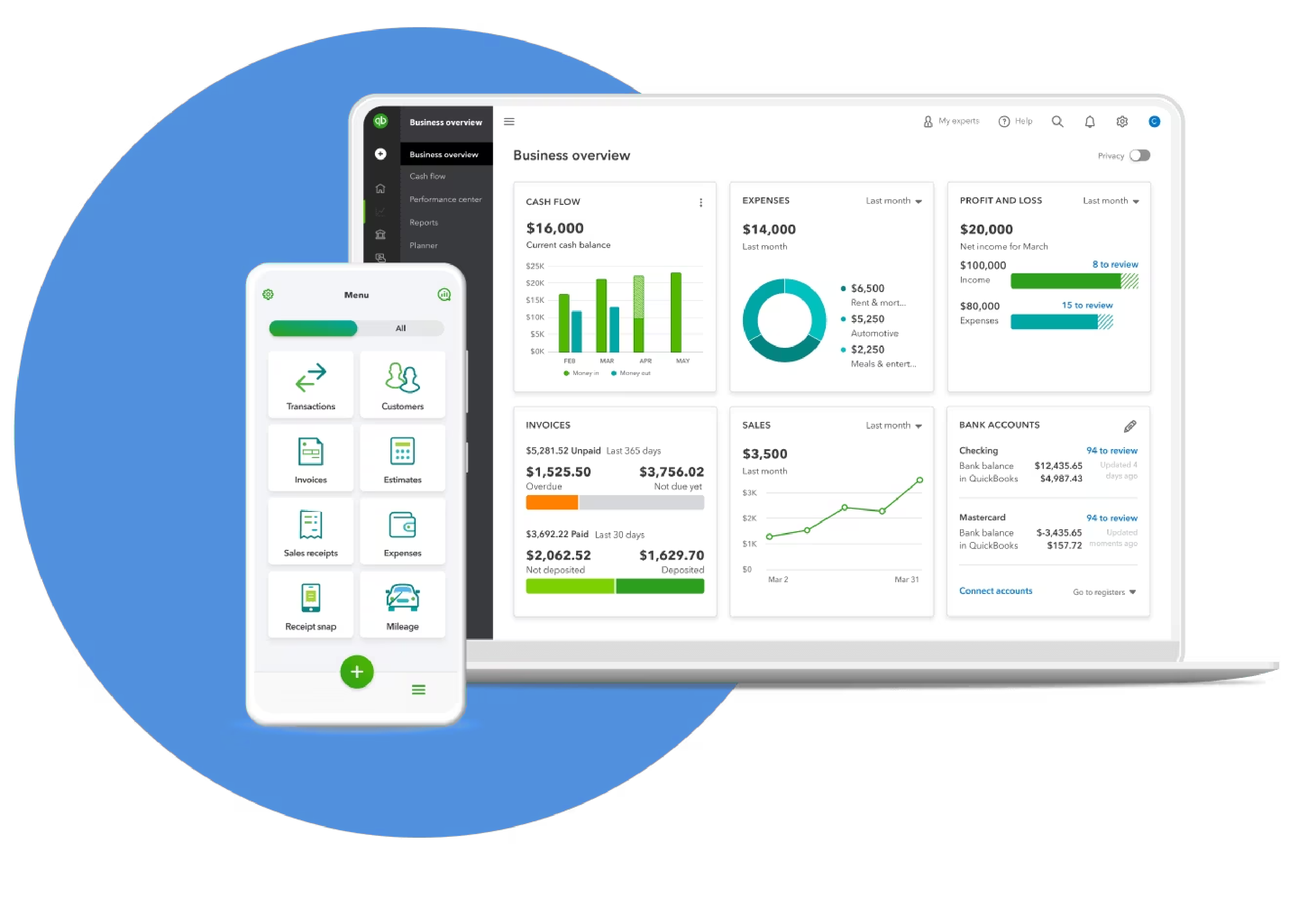
    Use QuickBooks to manage vendor invoices and supply

    Use an inventory-tracking system with software suitable to the size of your business. One of the best-known management systems is QuickBooks, but there are many others. Your accountant can give you a hand here. There are inventory systems designed for small businesses. You and others in the company should become expert in using whatever system you choose.

     Fine-tune your managed inventory 

    You will want to fine-tune your forecasting once you have a track record. This way you never have too many corrugated boxes, and your vendors aren’t sending you an oversupply of products. 

    Brush up on packaging engineering terminology

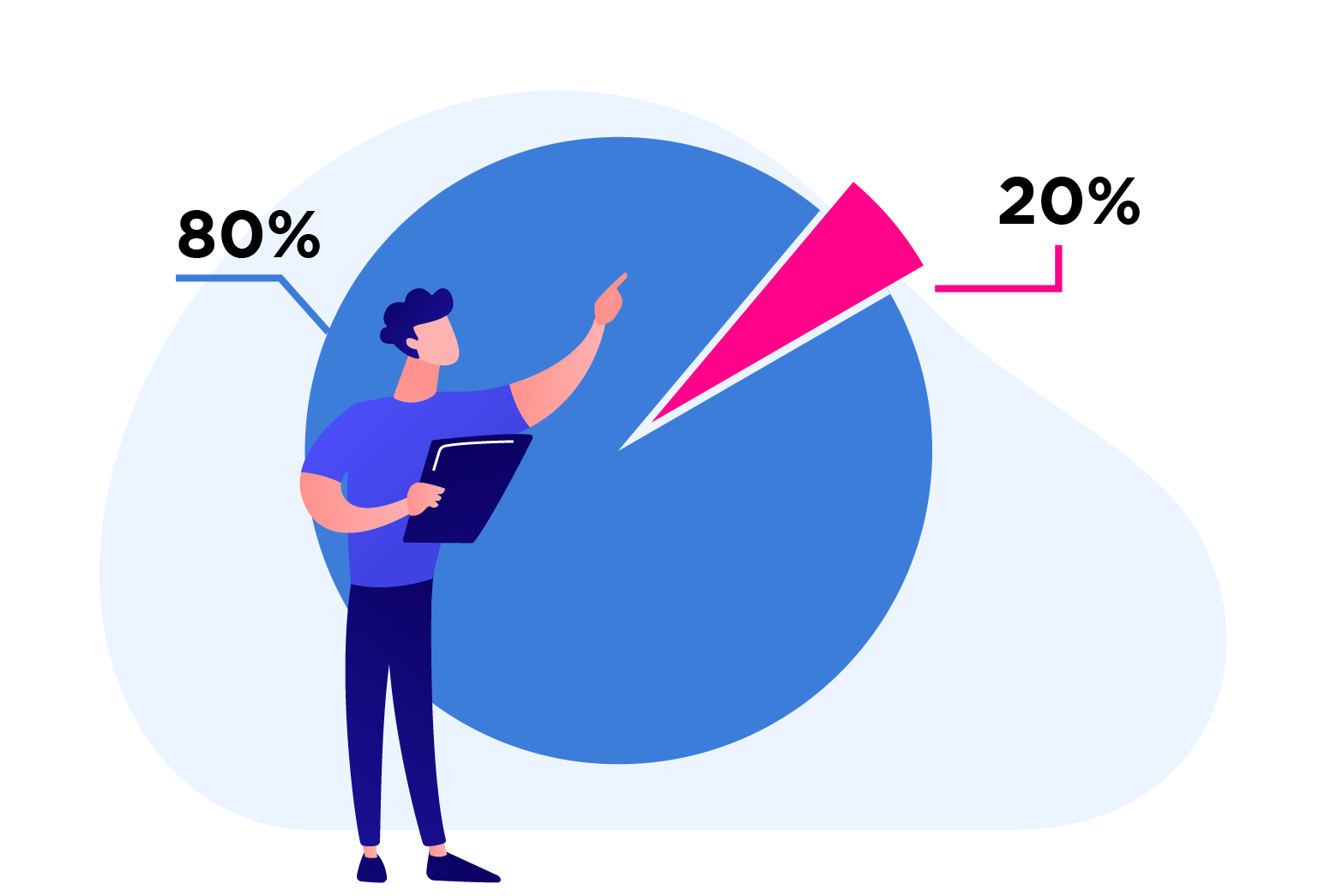
    There are standard measures such as “identify low-turnover stock.”  The so-called Pareto principle says that about 80 percent of your sales will come from 20 percent of your sales items. That is something you can learn, and use, when you have more experience.

    Track inventory systems in real-time

    Today, you can quite easily track your stock in real-time with software that registers incoming inventory and sales. When this system is providing the required feedback, you can make orders for resupply automatic when inventory sells down to a certain point.

    Slash the lead-time for your boxes

    Slashing supplier lead-time, as we discuss, means that you can purchase new inventory closer to the time that you actually need it. But be sure that your supplier can deliver according to the promised schedule.

    But keep in mind that whatever handle you get on ordinary inventory needs, the arrival of the holiday season probably demands a different plan and different calculations. Many businesses do a surprisingly large percentage of their entire annual business in the weeks around the holidays.  To be caught short of inventory then presents a double dilemma. You can’t sell what you don’t have and your suppliers are under pressure during the holiday season just as you are.

    Your packaging inventory

    At Carepac, where our business is designing and manufacturing bags, we see new firms struggling with these problems all the time. If your product requires packaging—then, no packaging, no sales. What is more, designing the right package not only protects the quality of your product (freshness, protection from moisture); the right package is pivotal to good marketing and especially the “point of sale” appeal of your product.

    Retort Pouch Ready To Eat Flexible Food Packaging

    As a start-up, simply do your best at budgeting and forecasting, but you can do it better with help from your accounting, marketing, and sales colleagues. Given your financial expectations for the first month, six months, and year, how many bags will you have to sell? Your business may not have a track-record, as yet, but other businesses of similar size with similar products in your market do have experience that you can extrapolate to your situation. There are local organizations such as your Chamber of Commerce and literally hundreds of online groups where small businesses of every kind, in every field, regularly exchange information and hash out problems they all face together.

    Also, your salesmen and advertising consultants probably have goals. Are they approaching potential buyers for large orders? What do they see as the prospects?  And, if you get those accounts, will you face a long lead-time in delivering because your packaging is not ready?

    Warehouse lead time

    Lead-time also can be significant in other ways. If possible, when ordering your bags or other inventory, you want to avoid a premium charge for rush jobs. Most suppliers, and certainly Carepac, have a backlog to fill in the order received. Make no mistake, the supplier wants your business. At Carepac, we make every effort to accommodate deadlines on orders; but we also want to be fair to our current customers.

    Let our highly experienced professionals discuss with you a lead-time for ordering that is neither unnecessarily long nor unrealistically short. We take packaging seriously, of course, as should you, and we advise an early consultation to leave time for innovative design that speaks to meeting your distinctive needs, care in manufacturing and quality control, shipping, and any changes you might want to discuss when you receive your order. We are there at every step in the process and when you get in touch, you talk with a real person at any time you wish.  We reserve email, online chat, and other avenues of communication for more routine matters.

    The consultation is free, the online price estimate is free, and we are ready to talk whenever you are ready. The challenge of supply chains and controlling inventory for the lowest cost and greatest sales effectiveness never changes—but how you choose to deal with the challenge certainly can change. We want to discuss how we can help in your own stage of business development from start-up to maximal growth.

    Getting in touch with Carepac

    Your first step is to reach out to Carepac for a wealth of information on every aspect of packaging, for your free estimate, and for consultation with our specialists on all phases of producing the right packaging for your product—and getting it to you when you need it.

    Contact us now!

    And be sure to check back here regularly for information, insights, and updates on these and many more issues.

    For a quick daily “hello” and update, follow us on Twitter for new offers, reports on new developments in the field, and tip about conditions affecting the challenges we both face.