Author: Stephanie Fehrmann

  • SQF Certification

    SQF Certification

    SQF Certification

    what-is-sqf-certification

    What is SQF Certification

    If you’re unfamiliar, SQF is a set of food safety and quality recommendations that impact the entire supply chain of food products, including companies that process and pack food products. At this time, SQF code and SQF certification does not include pet food or treat manufacturers, but the SQF system and SQF code does offer safety and quality standard to food packaging companies like CarePac.

    In this blog, you’ll learn more about this global food safety initiative, the SQF code, and how this certification body aims to reduce food safety risks through its proprietary food safety plan and innovative SQF certification program.
    sqf-meaning

    SQF Meaning

    What does SQF stand for? It stands for “Safe Quality Food” and it’s a global food safety initiative that focuses on, you guessed it, food safety and quality. Regardless of where you are on the food supply chain or who you work for in the food industry, this SQF food safety program will impact you in one way or another. It’s a high quality program that is respected by numerous food packaging and producers of food products around the world, and many strive to adhere to SQF code as closely as possible.

    About the Safe Quality Food Institute

    Often shortened to SQFI, the Safe Quality Food Institute is a division of FMI, and was established to administer the SQF program. Their mission as a certification body is to deliver consistent, globally recognized food safety standards for the entire food industry, regardless of where you fall on the food chain. From verifying the food safety management at retail stores to ensuring good agricultural practices, the principles of SQFI can be applied across all industry sectors.
    about-safe-quality-food-institutehow-to-get-food-safety-certification

    About FMI

    FMI is short for the “Food Marketing Institute” and is an organization that works on behalf of the entire industry to promote a safer, healthier, and more efficient consumer food supply. The Safe Quality Food SQF is a division of the FMI.

    How to Get This Food Safety Certification

    If you’ve decided to start your journey towards SQF certification, we would first like to congratulate you on taking an interest in the safe quality food program. This shows your commitment to good manufacturing practices and by implementing food safety management systems you can ensure food safety for your customers.

    SQF Certification Steps

    To get SQF certified by the SQF system, follow the below steps:

    Learn about the food safety standard code

    First, you will want to spend plenty of time researching this rigorous food safety code. By studying the SWF code, you’ll be prepared for everything this food safety system expects of you. From implementing a food safety management system, to learning more about the certification body, ask plenty of questions and consider meeting with a company that’s SQF certified to learn more about their experience and opinion of the food certification process.

    Pay special attention to SQF food safety codes, what food manufacturers can expect from the initial certification audit, and what the SQF certification process is like.

    register-for-sqf-certification

    Register for SQF certification

    Next, you will want to register for certification. This involves contacting an SQF practitioner and letting them know that you’re interested in SQF certification. They’ll briefly discuss the SQF program and will walk you through the steps of achieving SQF certification.

    At this point, you’ll want to ask them questions about their internal audits, as preparing for the certification audit is step 3.

    Prepare for your SQF audit

    In order to be SQF certified, you will need to pass the the SQF audit. Many food companies struggle with meeting the SQF code requirements, which is why learning about the SQF programs, meeting with other certified companies, and potentially getting your hands on an audit report is so important.

    Before your SQAF audit, you should have a food safety program implemented at your organization, be familiar with SQF code, ensure the proper training of your staff, and make sure you meet all regulatory requirements for foodservice providers worldwide.

    Additionally, you should show a commitment to continuous improvement and adherence to all globally recognized standards.
    prepare-for-sqf-auditschedule-and-conduct-sqf-audit

    Schedule and conduct the SQF audit

    Once you feel confident that your organization’s food safety programs and food safety management system is up to snuff, you’ll want to schedule your SQF audit with a qualified SQF practitioner. They’ll review your quality management system, food manufacturing processes, and food safety standards to ensure they comply with what’s required by the SQF food safety program.

    If you don’t earn your SQAF certification the first time around, the SQF practitioner will provide valuable feedback so you can make improvements and become SQF certified down the line.

    Renew your certification from this global food safety initiative

    Food safety is a serious concern, and the SQF program is well aware that getting an initial certification is not enough. The certification program requires frequent certification re-audits, as the SQF assessment database is frequently updated. SQF certification is valid for one year. To ensure your SQF certification remains active, please remember to re-register in the SQF Assessment Database and schedule your SQF audits every year.

    If you’re hoping to earn SQF certification once and hope to never deal with the SQF institute again, this is not how the SQF program works. The SQF program is a certification program that focuses on a lifelong commitment to “safe quality foods”, so annual SQF food safety and SQF certification audits are required.
    renew-your-certification-from-global-food-safety-initiative

    Food Safety Code: Manufacture of Food Packaging

    At CarePac, our SQF certification goal is to earn and maintain our SQF certification on an annual basis. The food safety and quality standards we’re required to meet focus on food packaging companies, specifically. We take SQF certification seriously and are committed to adhering to food safety and quality guidelines on an ongoing basis. Whether through a prerequisite program, a pre assessment audit, or any other type of inspection, we are dedicated to the quality food SQF program.

    In addition to food safety, we are also committed to the environment. To learn more about our sustainable packaging options, click here.

    SQF Frequently Asked Questions (FAQs)

    Here are a few FAQs about the SQF certification:

    How much does it cost to get SQF certified?

    Typically, the audit alone will cost between $7,300 and $9,000, before travel fees.

    What are the 3 principles of the SQF certification?

    The three principles of SQF certification are

    • To produce safe, quality food products,
    • Comply with various SQF code requirements, and
    • Comply with all relevant food legislation.

    How long does it take to get SQF certified?

    The audit itself only takes a few days, but preparing for the audit can take weeks, months, or years.

    Who needs SQF certification?

    Since it is a voluntary certification, nobody technically “needs” the certification. But, if you’re a food manufacturer, retailer, or food packaging provider, becoming SQF certified will reduce the risk of a supply chain issue that could result in a recall, litigation, or other financial impacts.

    What is the highest SQF certification?

    If you want to ensure your products meet the highest possible standards, aim for SQF Level 3 certification.
    Overwhelmed with

    all the options?

  • Sachet vs Stick Pack Packaging

    Sachet vs Stick Pack Packaging

    Sachet vs Stick Pack Packaging

    sticky-vs-sachet-packaging

    Sachet vs Stick Pack Packaging

    Despite the rhetoric against single serve packaging, there are actually quite a few advantages of using quality single-use packaging, like stick packs and sachets, to package your products. In this blog, we’ll start by discussing the difference between stick packs and sachets, before diving into the benefits of incorporating them into your production process and using them for your own single serve packaging.

    Whether you’re packaging sugar, pharmaceuticals, single servings of coffee, quality nutritional powders, or some other kind of sugar or powder products, understanding the difference between these flexible packaging options is key. Continue reading to lear more about sachets, stick packaging, and how they can be used with a vertical form fill seal packaging machine.

    what-is-stick-pack

    What is a stick pack?

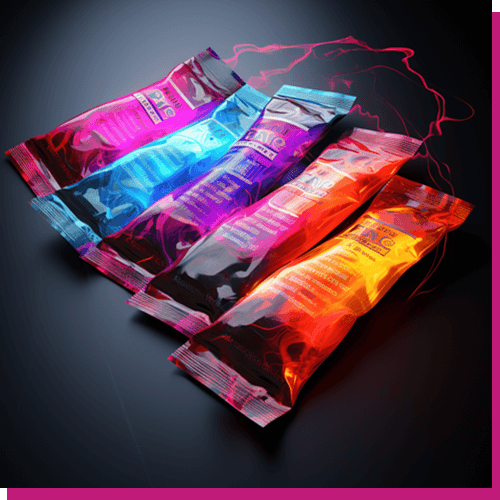
    Stick packs, also called stick packages, are the most common single dose packaging on the market. Usually used for sports drink powders or sugar, instant coffee, and other powdered products, stick pack packaging is characterized by its small size and narrow shape. These single dose packages are suitable for any kind of powder, and usually aren’t used to package liquids, gels, or semi-solids. Stick packages are easily transportable and are loved by manufacturers for their convenience.

    Stick packs are also a great marketing tool. Want to promote your nutritional supplements? Want to give your consumers a convenient way to enjoy your sugar product, while also displaying your brand name (in print!) to their friends? This is where stick pouches really come in handy. Yes, they keep your product fresh, but they’re also a great solution for advertising in a very affordable way. Simply print your name and information directly onto the sachet, and voila!

    What is a sachet?

    Sachet packages, on the other hand, are typically reserved for liquid products, dairy products, or certain kinds of food products, like apple sauce or baby food. Sachet packages are typically sealed on three or four sides and its four side sealing method means it has a very strong seal that won’t break during transport or storage.

    Regardless of your specific needs, both packaging options are great for consumers with busy lives. Their production speed is quick, and they require minimal packaging equipment.

    what-is-sachetsealing-stick-packaging

    Sealing stick packaging & sachet packaging

    Both of these types of plastic packaging can be used with standard packaging equipment and machines. Which type of packaging equipment you use depends on the type of single use packaging you’re working with. For example, stick packs are sealed using free flowing stick pack machines while sachets are used with sachet packaging machines.

    Both packaging machines use a vertical form fill seal, and both types of packs are easily sealed, even at high speeds. If you already have access to vertical packaging machines, stick or sachet packaging is a great choice for you.

    Benefits of sachet packaging and stick packs

    Whether you opt for sachets or stick packaging, or are packaging powder, food, or pharmaceutical products, you can’t go wrong with this type of packaging. Here are a few of the primary benefits of using sachet packaging or a stick pack:

    benefits-of-sachet-packaging

    • A stick pack is perfect for consumers with an on-the-go lifestyle

    • Easy for pharmaceutical industry to dose medicines and powder supplements

    • Each stick pack or sachet requires minimal equipment and machines to fill

    • Can be used for liquids, powders, and food products

    • Can work with a small packaging equipment budget

    • Has the convenience of low weight, for easy storage and transport

    • Each package is high quality and offers tons of convenience for consumers

    • Do not require volumetric fillers, auger fillers, or liquid fillers

    • Each sachet will keep dusty products from getting even dustier during transport and storage

    Get Started Today

    CarePac truly takes the guesswork out of designing and printing the perfect stick pack or sachet packaging for your powdered or liquid products. No matter your needs, we are committed to providing you with the best solution. Get a Quick Quote to learn more about our sachet and stick pack packaging solutions today!

    Overwhelmed with

    all the options?

  • What is ePAC Flexible Packaging?

    What is ePAC Flexible Packaging?

    ePAC Flexible Packaging?

    what-is-epac-flexible-packaging

    What is ePAC Flexible Packaging?

    ePAC is a multinational corporation that manufactures flexible packaging for consumers in a variety of industries. Although ePac is a leader in the flexible packaging industry, their sheer size (and profit) mean that customers are just a number to them. Additionally, they were only established in 2016, making them a relative newcomer to the flexible packaging space.

    Similar companies have been around for decades, and have spent that time perfecting their flexible packaging solutions. From nailing down the right flexible packaging materials to use for a certain product to bringing sustainable options (like post consumer recycled materials) to the market, it’s evident that ePac’s competitors have the experience and passion that’s unmatched by ePac.

    In this blog, you’ll learn more about ePac flexibles alternatives and what other CPG companies are bringing to the table with their packaging products.

    ePac Flexible Packaging Alternatives

    While there are plenty of alternatives to ePac flexible packaging, for the sake of this blog post we’ll focus on two of ePacs main competitors: ABC Packaging Direct and CarePac.

    ABC Packaging Direct

    ABC Packaging Direct was founded in 2017 and strives to be a complete, end-to-end strategic partner for companies of all sizes. Regardless of how much funding ePac has, you can’t fake the relationship-first approach that you’ll find with ABC Packaging Direct. Their custom flexible packaging options include a variety of bags and lay flat pouches with high barrier structures, meaning their pouches are manufactured with preserving product freshness in mind.

    Currently, ABC Packaging Direct works primarily in the following industries: nutraceuticals, food, pet supply, coffee and tea, pharmaceuticals, and liquids/spouted products (alcohol, dressing, sauces, etc.)

    Feedback from their customers is generally positive, and the company works with brands such as Heinz, Kraft, McCormick, and Mars. They minimum production runs start at 5,000 units.

    abc-packaging-direct-epac-flexible-packagingflexible-packaging-by-carepac

    CarePac

    What can we say about ourselves that you don’t already know? If you’re a returning customer, you already know that our flexible packaging simply can’t be beat. We offer complete customization, from the look and feel of our lay flat pouches to the material used. We work with brands of all sizes, and are proud to offer three different printing options: digital, flexographic, and rotogravure. We’re one of the few CPG companies to offer this level of printing customization.
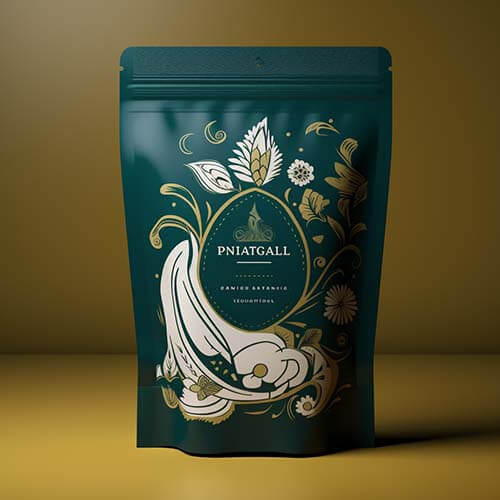
    Simply put, we offer more configurations than our competitors, and always put our customers over profit. That’s the CarePac guarantee.

    The Need for Custom Pouch Packaging

    Unless you’ve been living under a rock, it’s clear to see that there’s a growing demand for personalized and custom packaging solutions. Flexible packaging is the first thing consumers see when they pick up a food product or package in the store, and leverage flexible barrier packaging as a tool for branding and product differentiation has never been more important.

    Of course, finding the right flexible packaging company to work with can be challenging, and nobody understands that challenge more than we do. In the next section you’ll learn more about our digital printing process, our company ethos, and how we stand apart from our flexible packaging competitors.

    need-custom-pouch-packaging

    CarePac: The Preferred Vendor for Custom Pouch Packaging

    If you’re on the hunt for an alternative to ePac flexible packaging, you’ve come to the right place. Here are just a few ways our company blows our competitors out of the water:

    customized-vendor-pouch-packaging

    • Decades of experience– ePac and ABC Packaging Direct COMBINED have less operating experience than our company does on its own. Flexible packaging is our whole world, and we thrive in this environment.
    • Customization options & flexibility- We offer full customization, from the material used to the size and shape of your pouches. No customization request is too big, and our helpful CareDesign team is ready to help you design your bags. That’s one, of the many, benefits of working with CarePac.
    • Testimonials from happy customers- Our customers are happy with our bags, and many come back for repeat purchase. Reach out and we’ll be more than happy to share testimonials from consumers who are pleased with the durability and quality of our roll stock bags.
    • Competitive pricing & value-added services- Our pricing is ultra-competitive, whether you’re packaging food or wholesale products. Shipping is quick, and we even offer low MOQs.
    • Made in America- Last but not least, one of our primary differentiating factors is that our products are all made in America. We focus on quality, and the highest quality products are made in the U.S.A. Unlike ePac, who manufacturers their products in various locations (including Africa and Asia), all our products are made right here.

    Interested in experiencing the CarePac difference for yourself? Get a Quick Quote now to start the ordering process, and to experience for yourself how we’re a cut above our competitors.

    Overwhelmed with

    all the options?

  • How Does Composting Work?

    How Does Composting Work?

    How does composting work?

    How does composting work?

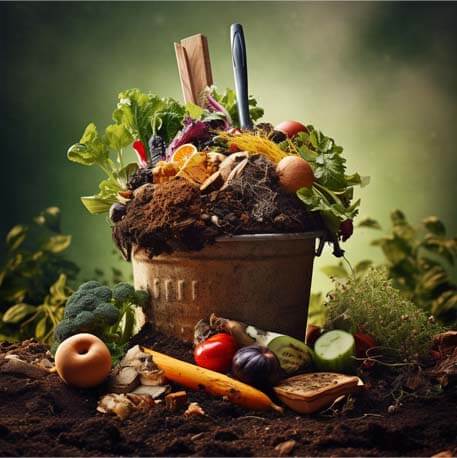
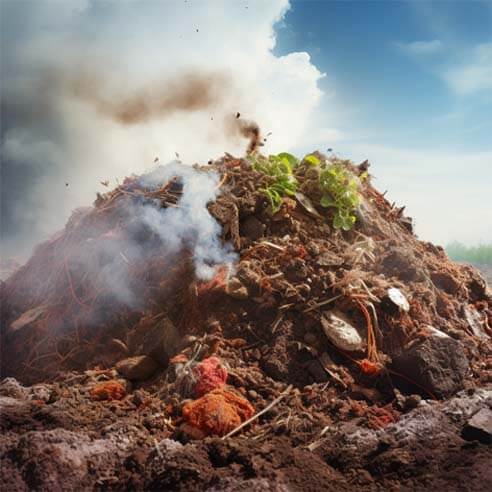
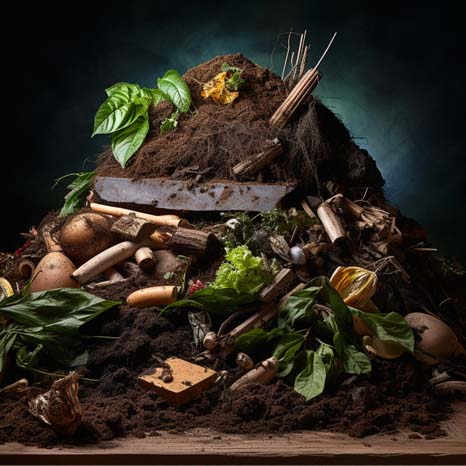
    Composting is a natural process of recycling organic waste, such as food scraps and other organic matter like wood chips, grass clippings, and coffee grounds, into a nutrient-rich fertilizer. This finished compost can then be used in backyard gardens instead of fresh manure, synthetic fertilizers, or commercial fertilizer to encourage plant growth.

    If you’ve been wondering “how does composting work,” you’re in luck. In this blog, we’ll discuss the composting process in greater detail, including the benefits of the compost process and some basic home composting tips to help you get started.

    Benefits of the composting process

    There are many benefits to backyard composting. In fact, there are very few disadvantages to turning food waste and other organic materials into a nitrogen-rich material that can be used to fertilize the garden soil of your outdoor and indoor plants. As such, this blog will focus exclusively on the benefits of the backyard composting process, including how it helps reduce food waste and greenhouse gas emissions.

    Reduces food waste

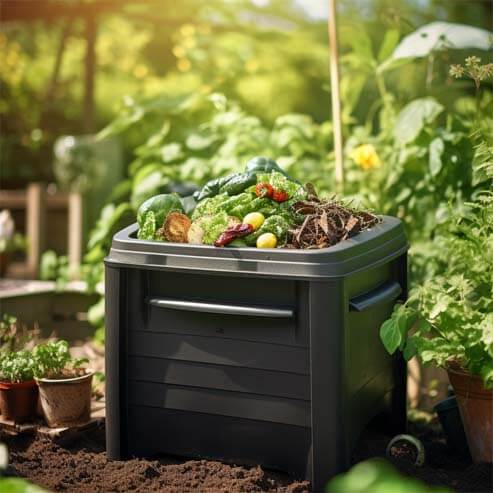
    If you have a compost bin at home, you already know how worm composting reduces organic waste, including garden waste. Food scraps, including coffee grounds, tea bags, and fruit and vegetable scraps, go directly into your compost bin instead of the trash can. You can even put yard trimmings, shredded paper, and paper filters (like the ones you use for coffee) into your home compost bin.

    If you’re concerned about your environmental impact, using what’s in your compost bin as a soil amendment is a great way to reduce greenhouse emissions of food scrap waste. Why not turn food scraps into a valuable fertilizer?

    Cuts excess nitrogen from landfills

    When organic matter goes through the decomposition process in a landfill, it goes through aerobic decomposition. This means that it’s broken down by microorganisms that require oxygen. If there’s not enough air, the biological process simply won’t happen.

    These microorganisms give off something called “biogas”, a natural by-product of the decomposition process, which is roughly 50% carbon dioxide. As you can see, transforming kitchen waste into compost materials via compost bins is a better alternative than sending food scraps, yard waste and grass clippings to landfills.

    Conserves water

    Did you know that when you add organic material, like cat litter and kitchen scraps, to fresh soil it actually changes the soil structure and increases its ability to retain water? Just a 1% increase in organic materials in soil means it can hold 20,000 more gallons of water per acre. While this might not seem like a lot for those who use a home compost bin or participate in worm composting, imagine if every household across America used compost bins to turn fresh grass clippings and pet waste into a nutrient-rich soil amendment for their potting soil? It adds up!

    Types of home composting

    There are two main types of backyard composting: passive (cold) composting and active (hot) composting. We’ll discuss each a bit more before providing some tips on how to turn food scraps, kitchen waste, a wrung out sponge, and yard waste and pet waste into nitrogen-rich materials with a home compost bin.

    Passive compost pile

    Passive composting breaks down organic matter VERY SLOWLY, but it also requires very little effort. During this type of composting, you let Mother Nature do her job through natural decomposition. Vegetable scraps, wood chips, and yard waste will all decompose naturally…at some point. This is passive composting. Simply sit back, relax, and let nature do its thing.
    A high contrast, dark typography integrates a simple sans-serif with classic and historically influenced italic serif font. Which gives their packaging a feeling of both old-world familiarity and modern elegance.

    If you’re looking to showcase your product with a contemporary and clean design, this packaging from Sandro Desii can serve as a tasteful inspiration.
    Active compost bin

    Hot composting, albeit faster, is also a much more involved process. This method requires you to keep carbon and nitrogen levels at the right ratio. If you’ve ever seen someone with a garden fork taking grass clippings and food scraps from plastic storage bins or compost tumblers and incorporating it into their existing composting material, they are taking part in active composting.

    The resulting carbon rich material is the same, it just happens at a much quicker rate.

    composting-at-home-tips-and-tricks

    Composting at home: Tips and advice

    If you’re interested in turning your food scraps and yard trimmings into healthy soil, here are a few things to keep in mind:

    • Contrary to popular belief, the food scraps will not attract pests or fruit flies – as long as you use the appropriate materials to collect food scraps and incorporate them into the soil.

    • The finished compost materials won’t trigger invasive weeds to grow, at least not at a higher rate than what you may currently be experiencing.

    • You’ll need to maintain moisture, so make sure you’re adding a mix of “wet” kitchen scraps in addition to woody materials and yard trimmings.

    • You can use an open compost pile, a closed compost pile, or you can participate in trench composting. You can even compost on cinder blocks. Each has its pros and cons, so research each one before you select one for your own waste management needs.

    • The resulting nitrogen rich materials can be used to fertilize a variety of things, including your front lawn or fruit and vegetable garden.
    As you can see, there are several benefits to composting. Your commitment to the environment shouldn’t end with composting, either. If you’re concerned about the environment, you should align yourself with brands that are eco-friendly and environmentally-conscious (like us!)
    Overwhelmed with

    all the options?

  • Pouch Packaging Design & Inspiration

    Pouch Packaging Design & Inspiration

    Pouch Packaging Design & Inspiration

    Pouch Packaging Design & Inspiration (w/ Free Printable Templates)

    Think of a few of your favorite brands.

    Is their product packaging bright and cheerful, minimalist and sophisticated, dark and elegant, or something else entirely?

    Many of us simply “choose” a product on autopilot. We seldom stop to consider why we picked up that specific product off the shelf. This is the power of good branding!

    The design of your pouch packaging is the first interaction you’ll have with a potential customer. 

    What kind of impression do you want to make? How will your branding communicate the values of your business and the quality of your product?

    These are important questions to ask yourself when thinking about design elements of your pouch packaging. Your packaging is more than just a way to seal your product. Compelling packaging is a visual canvas that can help to differentiate your product from competitors and allow you to stake a unique identity in the market. Through your design, you can communicate specific emotions, desires, and values to your customers. And thoughtful branding does this all at a subliminal level.

    Eye-catching graphics, carefully chosen typography, and unified color schemes, can also significantly influence purchasing decisions and help your product stand off the shelf.

    Compelling branding gives your product longevity; reeling in new customers with your design, and turning them into loyal, long-term brand advocates through your product quality and values.

    But it’s not just as easy as slapping a logo and some colors together and calling it a day…

    With an endless combination of colors, fonts, and design styles to choose from, creating a compelling and unified visual brand can feel intimidating. Not all of us have the time or energy to learn what feels like an entirely new language.

    Keeping this in mind, we’ve highlighted some unique and varied brand identities below to help give you some inspiration and useful tips for your pouch packaging.

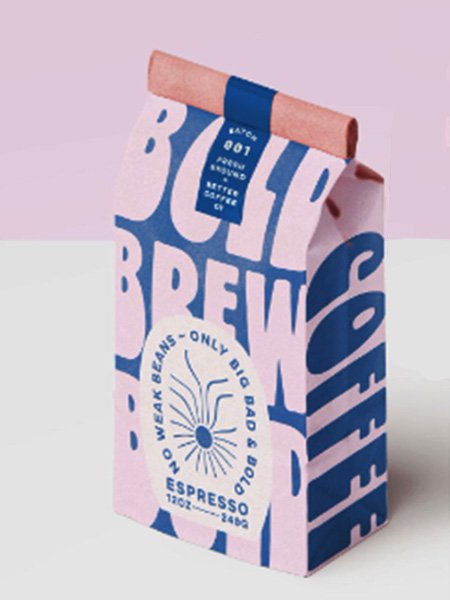
    Better Coffee Co: Bold Coffee Branding

    Better Coffee Co chose a playful and bold design that pays homage to the groovy typefaces of 60’s counterculture. The packaging gives their product both a casual and refined feel. A light airy pink and blue creates bold juxtaposition and contrast, and reflects their brand’s slogan “no weak beans, only big, bad, and bold”.

    Their design also is influenced by the popular “Corporate Memphis’ ‘ branding style; which emphasizes bold and cheerful color palettes, exaggerated shapes, and a playful minimalism. It’s familiar yet also refreshing and new. This gives their packaging a sense of easiness and comfort, while retaining a distinct and original feel.

    bold-coffee-brandingluxurious-coffee-packaging

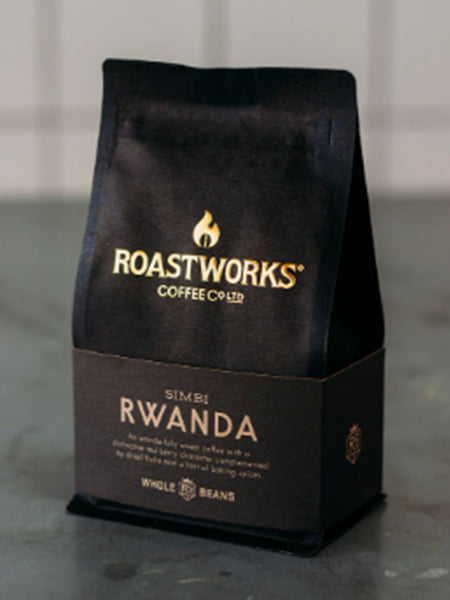
    Roastworks: Elegant And Luxurious Coffee Packaging

    In contrast, Roastworks Coffee Co chose an elegant luxury feel for their coffee packaging. The black bag, gold serif lettering, and a deep mahogany colored sleeve take inspiration from the timeless styles of other luxury brands, such as Tom Ford and classic British car manufacturer Bentley. This combination contributes to a sense of exclusivity and refinement; this is coffee for people who care about good coffee.

    The subtle embossed details on the raised serif font logo and sleeve draws in the customer’s eyes and speaks to the importance of craftsmanship of their product. With the bright gold color helping the product to stand out on store shelves, Roastworks shows how classic elegance and attention to detail create a distinct first impression.

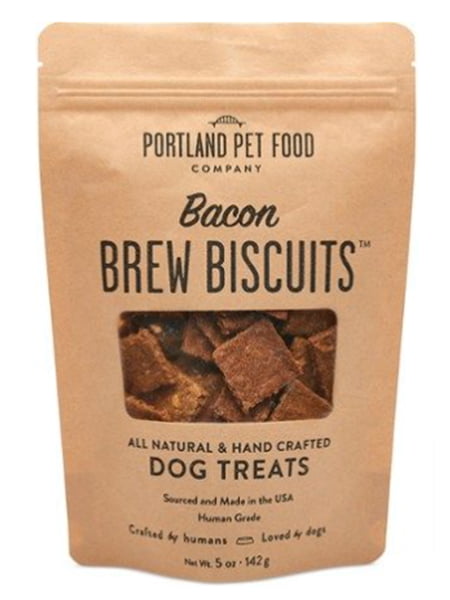
    Portland Pet Food: Straightforward Pet Treat Branding

    Portland Pet Food shows how an uncomplicated branding style can still stand out. 

    Compared to the often chaotic and crowded packaging designs of large name brand pet treats, Portland Pet Food emphasizes simplicity. By using negative space and a large confident font styling and pairings, their dog treat branding gives an impression of homemade quality that speaks for itself. By including a plastic window, trust is also built with consumers who aren’t looking for highly processed and low-quality products.

    This classic paper pouch design emphasizes a commitment to the natural products they use in their treats, and pairs well with their slogan, “Crafted by humans, loved by dogs.”

    If you’re looking for a simple and cost effective branding style, consider taking inspiration from Portland Pet Treats

    classic-refined-packaging.jpg

    Sandro Desii: Classic and Refined Packaging

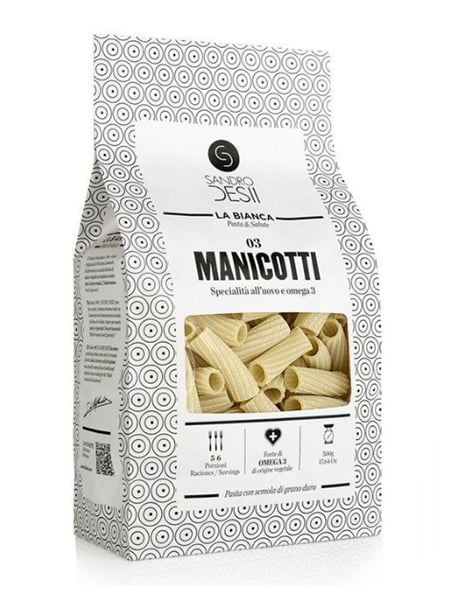
    Taking inspiration from the symmetry and expertly crafted simplicity of their product, Sandro Desii chose an elegant and modern packaging design with geometric shapes inspired by their pasta. The circular patterns do more than provide texture to their packaging, it also frames and centers the eye on the product window and description.

    A high contrast, dark typography integrates a simple sans-serif with classic and historically influenced italic serif font. Which gives their packaging a feeling of both old-world familiarity and modern elegance.

    If you’re looking to showcase your product with a contemporary and clean design, this packaging from Sandro Desii can serve as a tasteful inspiration.

    Macaroots: Simple Earthy Pouch Packaging

    When you’re hungry for a snack, you often grab the first thing that catches your eye.

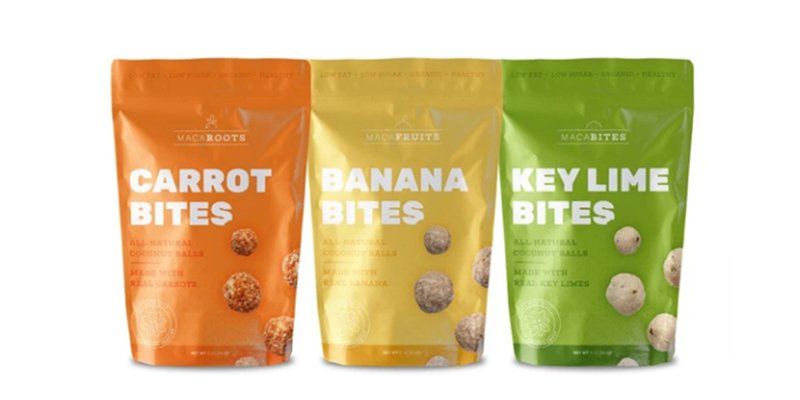
    With this in mind, Macaroots created a fun and casual pouch packaging design that stands off the shelf.

    The simple and warm palette connects the primary ingredient and flavor of each snack to the packaging color. And rather than go with bright and loud color tones, Macaroots chose an earthy and retro feel that speaks to their use of natural ingredients and health focused convenience.

    The bold white typography also helps the product catch consumer attention, speaking to the unique aspect of the product itself. These aren’t chips, bars, or granola snacks; they’re bites and they have one primary ingredient.

    By choosing a darker, complimentary shade for the product description copy, the consumer’s eyes are drawn immediately to the primary text. This gives the illusion of minimalism from afar, while still providing the detailed product descriptions that health conscious consumers want.

    Haven’s Kitchen: Stylish Clear Pouch Packaging Design

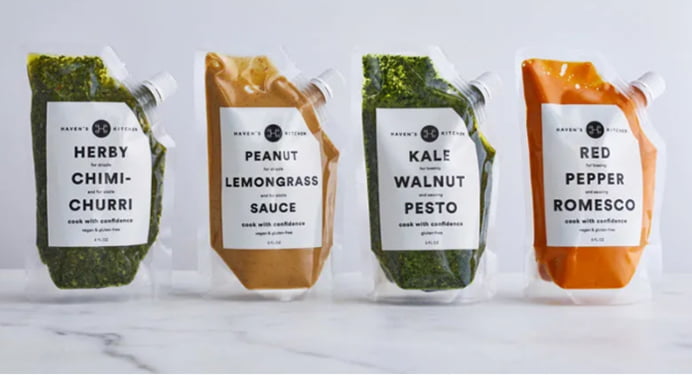
    With their clear packaging pouch design, Haven Kitchens takes you as close as they can to their sauces without putting it directly on your plate.

    As a reflection of their detail to quality and freshness of ingredients in its sauces and herb blends, they opted for a unique and minimalist see through pouch packaging option. Approachable, distinct, and captivating to the senses, the rich colors of their sauces speak through the monochromatic black and white design. While other brands hide their sauces, Haven Kitchens puts them right in front of the consumer, letting their product speak for itself.

    By proudly displaying the product, they also minimized the need for complex branding and lettering design. A simple three-tiered sans-serif primary typography moves the eyes down the packaging, where specific instructions are subtly placed between. The result is a contemporary design that speaks to the foodie who doesn’t feel like whipping up an extra sauce for dinner.

    Overwhelmed with

    all the options?

  • Biodegradable vs Compostable

    Biodegradable vs Compostable

    Biodegradable vs Compostable

    difference-biodegradable-vs-compostable

    Biodegradable vs Compostable: The Main Differences

    The terms “biodegradable” and “compostable” are often used interchangeably, but they actually mean two completely different things! In short, all compostable products are biodegradable, but not all biodegradable products are compostable.

    In this blog, we’ll explain what the terms biodegradable and compostable mean so you can choose between a biodegradable product, compostable plastics, or similar organic materials. With either choice, you can avoid toxic waste in landfills and reduce the accumulation of plastic products in the oceans. Leave toxic waste behind!

    What are Compostable Materials?

    Compostable materials are any materials that can disintegrate into non-toxic, natural elements. Since compostable products break down into natural elements via a composting process, they cause no harm to the environment.

    When it comes to biodegradable vs compostable materials, we’ll explain both below so you have more context, in addition to the compostable definition and what the term biodegradable means.

    Advantages of Compostable Products

    The primary benefit of compostable plastics is its environmental benefits, which can also improve consumer perception of your brand. Since compostable items break down naturally, they don’t contribute to fossil fuels, carbon dioxide, or other negative biological processes. Simply put, getting on board with the “zero waste” ethos by using compostable products will keep your customers happy.

    If the compostable items can be composted in a home compost pile, this is an added benefit. This way, users can compost their items in a compost bin or home compost environment.

    advantages-of-compostable-productsdisadvantages-of-compostable-products

    Disadvantages of Compostable Products

    Of course, there are some disadvantages to everything, including using a compostable product. First, compostable plastics aren’t as strong as other plastics. They also have a lower barrier to oxygen and moisture, which means they aren’t the best option for all products.

    Finally, some compostable bags can only be composted in an industrial composting facility. Unfortunately, not every city has access to industrial composting facilities, which can make recycling compostable packaging difficult for the end user.

    If you’re using commercially compostable plastic, you’ll want to include special messaging on your compostable goods about how to find commercial composters or an industrial facility (in addition to pointing out the compostable waste must be free from inorganic compounds and food scraps!)

    What are Compostable Materials?

    Compostable materials are any materials that can disintegrate into non-toxic, natural elements. Since compostable products break down into natural elements via a composting process, they cause no harm to the environment.

    When it comes to biodegradable vs compostable materials, we’ll explain both below so you have more context, in addition to the compostable definition and what the term biodegradable means.

    What are Biodegradable Materials?

    Biodegradable products do not use toxic chemicals. When compared to regular plastic, they will degrade in a more timely manner (without requiring a compost bin) and won’t leave behind any toxic residue. They do not need to be recycled in a home or industrial composting environment.

    Since biodegradable bags are made from organic materials, they consume less energy during manufacture, especially when compared to petroleum-based plastic.

    advantages-of-biodegradeable-plasticdisadvantages-of-biodegradeable-material

    Disadvantages of Biodegradable Material

    Unlike compostable materials, using a biodegradable material for biodegradable plastic bags requires more crops and croplands to produce biodegradable products. Additionally, they cannot decompose in the ocean because the water is too cold. This can leave toxic residue behind in the oceans, impacting our sea life. naturally occurring microorganisms, and other organic matter.

    Thankfully, this can be avoided by following best practices for customary disposal.

    Biodegradable vs Compostable: Which is Better?

    Both biodegradable and compostable plastics (made from polylactic acid or bags made from other compostable materials) are better than standard plastic materials made from polyethylene.

    They both reduce organic waste and only one requires using industrial aerobic composting facilities. Whether you choose compostable packaging, oxo-biodegradable products, or packaging made from another type of organic matter, both remove plastic waste from the landfills.

    Both biodegradable and compostable products result in recycling organic waste, which is a win for our environment.

    Biodegradable and compostable plastic FAQs

    As a leader in the biodegradable, compostable, and organic packaging industry, we get a lot of questions about compostable and biodegradable materials. Here are a few of the most common.

    Can biodegradable items be composted?

    No, not every biodegradable product is compostable. The terms biodegradable and compostable are list nesting cups. All compostable bags are biodegradable, but not all biodegradable bags are compostable. Compostable products biodegrade in a predetermined amount of time, based on a testing standard, while biodegradable bags have no set timeline for biodegrading.

    Do compostable items break down in landfills?

    It’s not clear, they should if it is exposed to the right mix of moisture, oxygen, and bacteria.

    Is bamboo biodegradable or compostable?

    Since bamboo is a natural element, it’s biodegradable. It is also compostable, though, and will break down within 2-6 months, depending on the material and composting method.

    Purchase Compostable and Biodegradable Packaging from CarePac

    Whether you choose biodegradable or materials that can be turned into usable compost, we’re here to help. We have been manufacturing packaging made from compostable and biodegradable materials for years, and are ready to help you in any way we can. Connect with us today to discuss all things biodegradable, or get a Quick Quote to get your project started.

    purchase-biodegradable-packaging-from-carepac

    Overwhelmed with

    all the options?

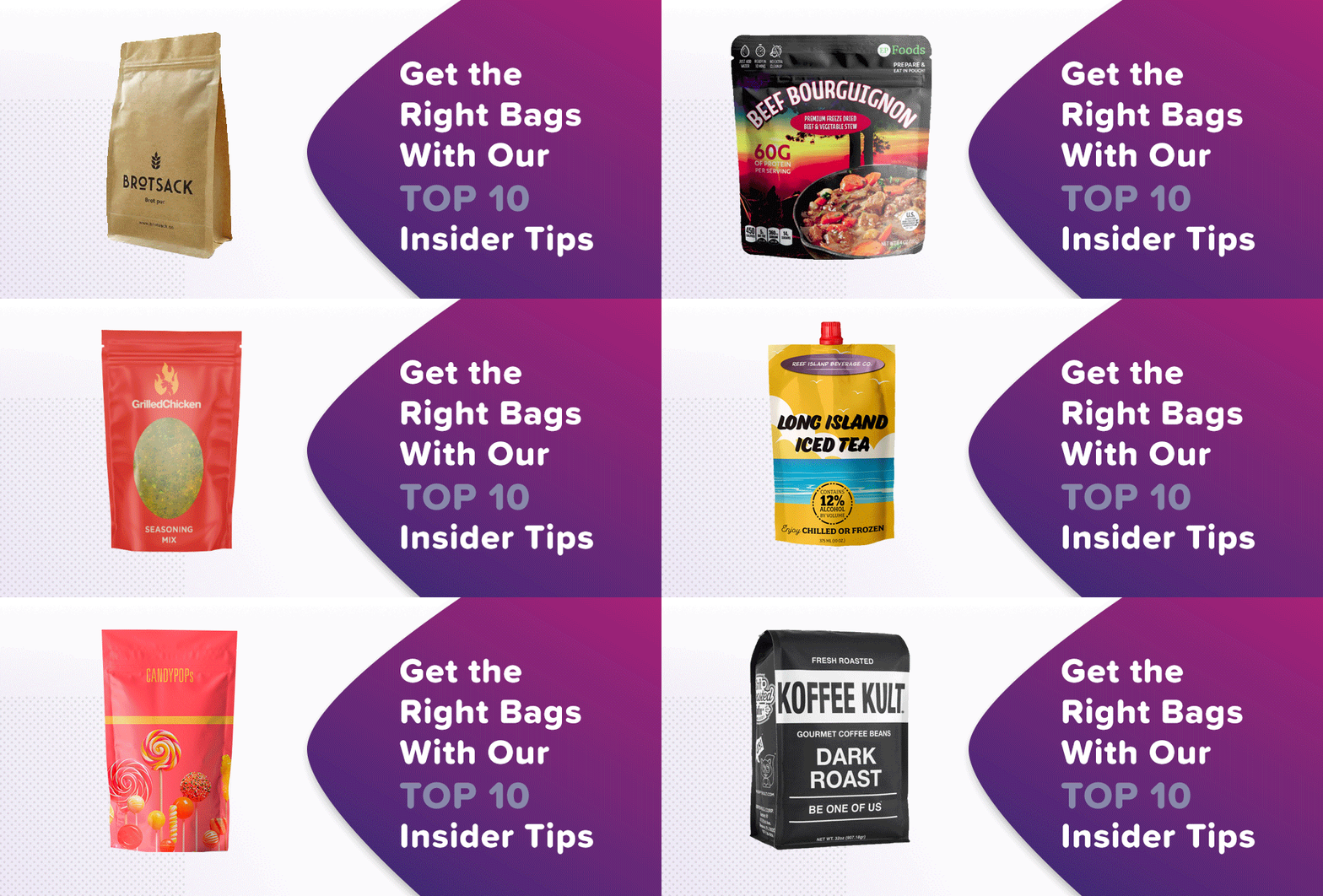
  • CarePac Top 10 Tips

    CarePac Top 10 Tips

    Save Time & Money

    Skip the Trial and Error

    Congratulations on creating an awesome product—and kudos for taking the time to thoroughly consider your packaging options. Customizing your pouches or bags to fit your brand’s unique visual identity is the best way to make your product stand out on the shelves.With all the different packaging companies out there and so many pouch configurations and materials to choose from, what starts as a fun and creative project can quickly turn into an inventory nightmare—if you’re unprepared.We want to keep the process fun and simple for you. So, without further ado, here are our top ten must-read blog posts for those new to the custom packaging industry.

    Choose the Right Material

    The type of flexible barrier packaging you choose ultimately depends on your product. It’s important to learn more about how moisture, oxygen, and different packaging materials might affect your product’s shelf life. Here’s Everything You Need to Know About Flexible Barrier Packaging. Flexible Barrier Packaging.

    Go Custom & Increase Sales

    Maybe you’ve decided on the quantity and size of your bags… but have you thought about which colors will resonate with your customers’ emotions? Is your package designed to be displayed on a shelf and hung on a hook? Learn these essential money-making details you may be overlooking.

    Sourcing From China: Think Twice

    We all know that if a price seems too good to be true, then it probably is. We’ve heard so many stories of regret from customers who previously worked with Chinese manufacturers that we felt compelled to put together a list based on their most common complaints. Heed their warnings of going into business with these “cheap” overseas companies.

    Know All of Your Pricing Factors

    Many variables impact the price of a customized stand-up pouch. The size and quantity of your bags and the urgency of your order are the first things that come to mind, but secondary factors such as materials and printing methods can also significantly affect your costs. View a breakdown of every financial factor and get an idea of what you can expect to spend on your order.

    Consider Eco-Friendly Options

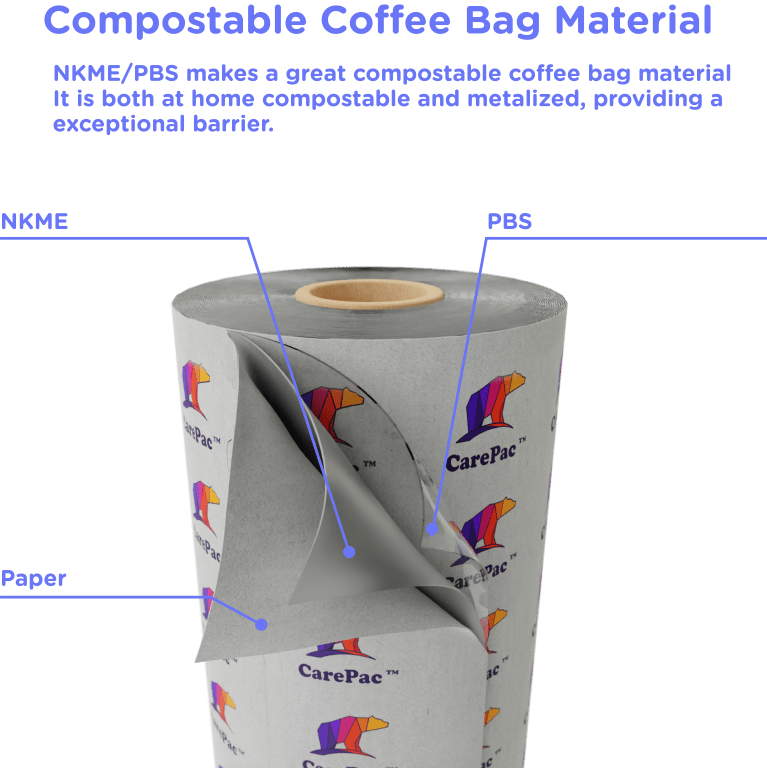
    Packaging your product with biodegradable material may be more achievable than you think. Learn more about the latest sustainable packaging trends and see a transparent overview of the traditional versus green packaging dilemma.

    Ask The Right Questions

    Are you still in the research phase of finding your flexible packaging provider? Review this list to make sure you’re asking all the right questions when you start consulting with bag manufacturers.

    Avoid Common Design Mistakes

    There are a few traps that are easy to fall into when designing your first custom printed bags, such as creating a bag design that you like as opposed to creating a design that your customerswill respond to. Save time and money by reading this list of mistakes we catch all too often.

    Forecast Your Inventory Needs

    So you have an awesome product that’s designed to fly off the shelves—but if this is your first batch on the market, it can be tough to know how soon you’ll need to restock. We’ll help you find the balance between tying up too much money in inventory and missing out on sales due to lack of supplies.

    Shop Around

    Don’t settle for the first packaging provider that you find (even if it’s us). During your research, you’re almost guaranteed to come across two of our competitors: ePac and Roastar. View our competition overview to quickly see each company’s available materials, bag configurations, and printing options compared to ours.

    Cut Cost Where It Makes Sense

    When our friends or family ask us for the inside scoop on how to save money on packaging, we tell them exactly what’s in this article—so why would we tell you anything different? We want you to be happy with the bags you order, even if it means scaling back your initial orders and ultimately spending less money with us. Do what’s best for your business!

    If you read these 10 tips alone, then you’re already ahead of the game. Looking to go the extra mile? We have several other blog posts to provide you with even more insight. And if you still have questions about packaging your specific product, we’re here to help. Give us a call and talk to a real person to discuss your options or fill out our inquiry form.

  • Types of Cannabis Packaging

    Types of Cannabis Packaging

    Types Of Cannabis Packaging | CBD Packaging

    Cannabis and Cannabis Products Have Been Legalized

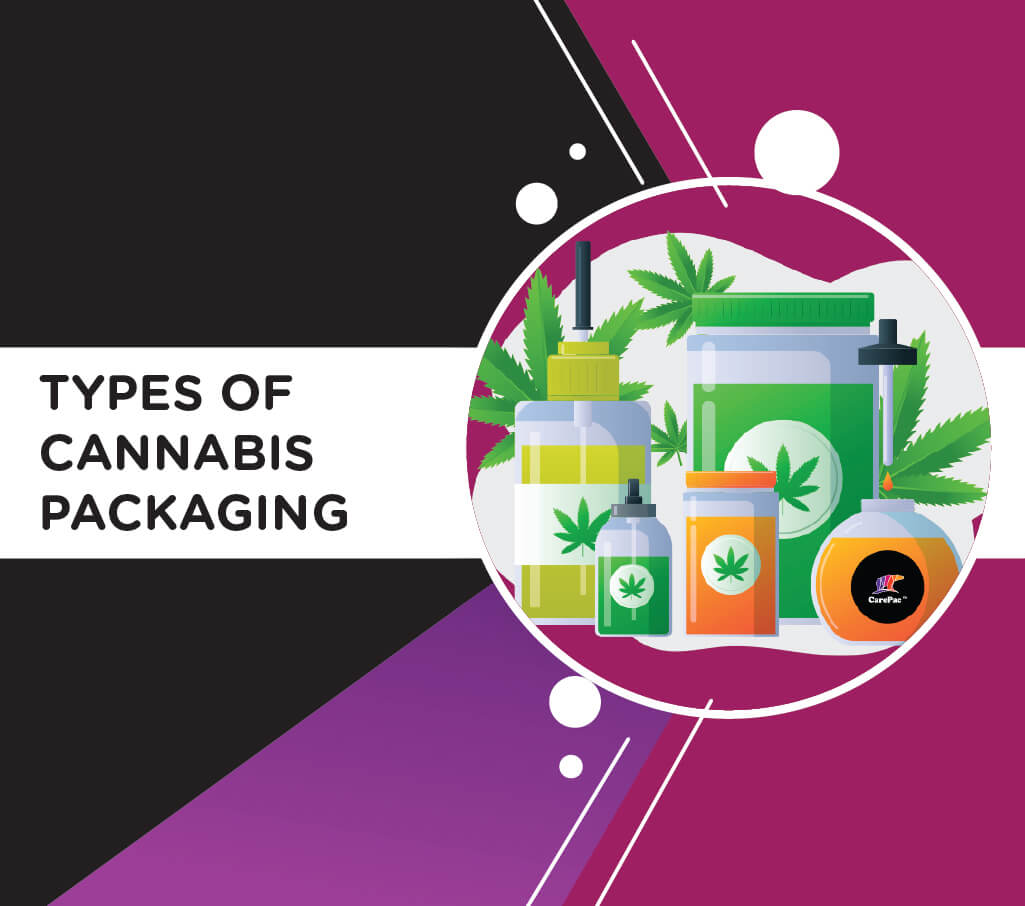
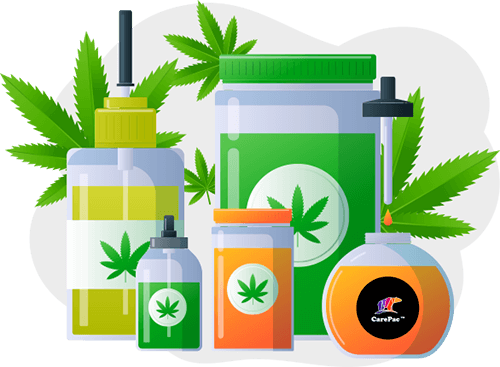
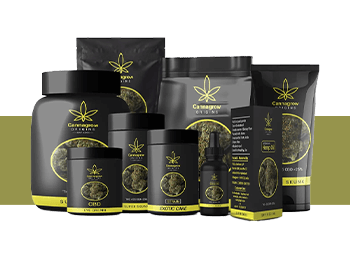
    Now that cannabis and CBD have been legalized in one way or another in virtually every state, there’s an influx of products on the market. From flower and edibles to vape cartridges and oil, there are a ton of products to market — and options for packaging cannabis products. Regardless of the specific product (or products) you sell, selecting the right THC or CBD packaging can make or break your success.  From rigid cannabis packaging toflexible cannabis packaging, here’s a breakdown of thedifferent types of cannabis packaging to choose from.

    Rigid Cannabis Packaging

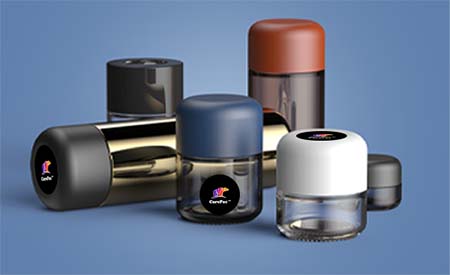
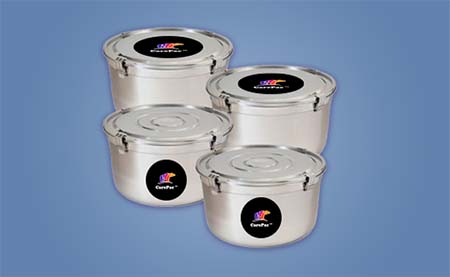
    As the name implies, rigid and semi-rigid cannabis packaging is anything that’s hard to the touch, including glass bottles and jars, tin containers, and plastic vials. Rigid cannabis packaging and containers, in general, are better than paper and has its benefits (it protects delicate flower from breakage, and is very moisture resistant and smell-proof), but it can also be very difficult to transport and store in bulk. Here’s a bit more information about each of the rigid packaging types for THC.

    Glass Jars and Bottles Packaging Types

    The primary selling point of this packaging type for packaging cannabis is that it means customers can see exactly what’s inside the containers before purchasing. Since customers can’t legally smell or touch products in most dispensaries, sight is the main sense they’ll use to get to know your product. Glass also doesn’t react to most chemicals, meaning THC won’t leech into the weed packaging and other chemicals won’t make their way inside.

    Packaging Cannabis in Tin Containers

    This weed packaging type is often used for pre-rolls or certain edibles, like candies or mints, to help keep out moisture and sunlight so the product within stays fresh. Many companies opt to use sliding properties for the tin containers (similar to a tin of Altoids), but tin containers can be customized to pop open or contain a clear top or viewing window. It all comes down to you and your preferences.

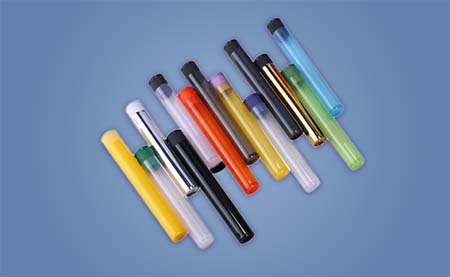
    Plastic Tubes for Marijuana

    Finally, the ever-popular plastic pop-top tubes. These are probably the type of cannabis packaging that most people are familiar with. They can be used to custom package pre-rolls, whole cannabis flower, or pre-ground marijuana. The lids are child-resistant, and the tubes are easy to label.

    Flexible Cannabis Packaging Types

    Many cannabis companies are moving away from bulky and rigid packaging to flexible packaging. In general, flexible packaging is easy to customize, can be ordered in bulk to save you money, and doesn’t take up as much space in storage.

    Flexible Mylar Pouches

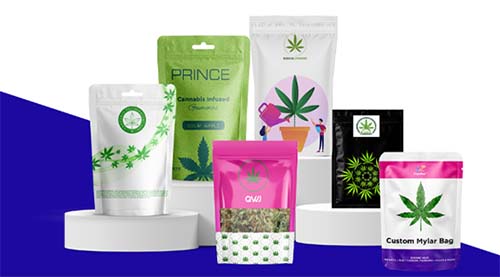
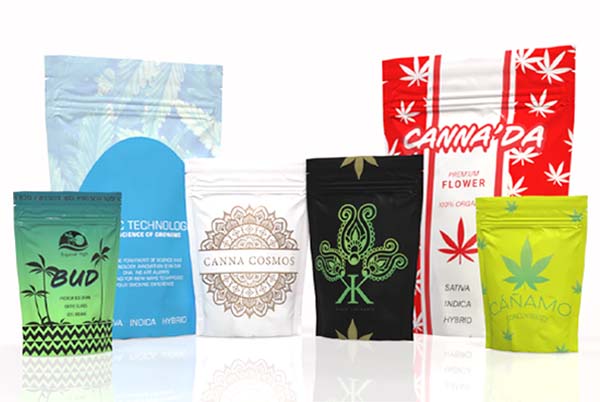
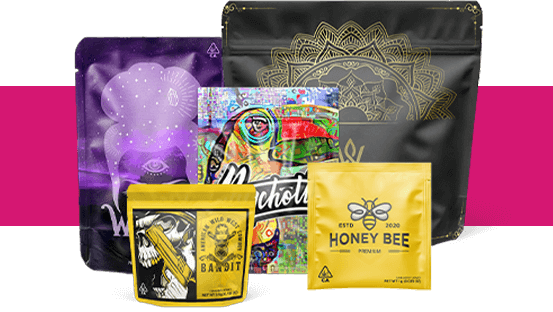
    Our mylar bags and pouches are perfect for the marijuana industry. They’re smell-proof, come in all shapes and sizes, and offer the highest level of odor containment. They can be purchased in smaller quantities, but for the quickest turnaround should be ordered in bulk wholesale amounts. To learn more about our custom cannabis packaging, reach out to our customer service team or click here. Our mylar pouches can be purchased in many shapes and styles, including stand-up pouches, lay-flat bags, vacuum-sealed bags, and more!

    Customized Cannabis Packaging Types

    Any of the above packaging options can be customized to fit your unique needs. In many cases, flexible packaging is easier to customize, and customization options for custom  flexible packaging include the following:

    •  Holographic elements – Incorporating holographic gloss laminate elements into your packaging will make it look cool. You can add small holographic touches or make the entire bag holographic in nature. 
    • Zipper – Adding a zipper or other resealable aspect to your marijuana and CBD packaging means your customer can use the product over time without sacrificing quality, taste, or potency. 
    • Child-resistant properties – Making your cannabis packing child-resistant isn’t just a nice-to-have; it’s the law. We encourage all customers to obey all local and state laws for cannabis packaging. 
    • Tamper-resistant properties – By incorporating a tear notch or heat seal into your bag, your customer will be able to tell if their cannabis has been tampered with. 
    • High-quality finishes – From soft-touch finishes to Spot UV, you can take your CBD packaging to the next level with one of our high-quality, premium finishes. 

    As you can see, there’s a lot to think about when it comes to flexible cannabis and CBD packaging. Reach out to our team for more information!

    Comply with Local & State Laws

    Legal requirements are constantly changing, and each state has its own laws and regulations surrounding the packaging and labeling of cannabis and CBD products. We work with customers around the country (and the world!) and are accustomed to customizing bags for compliance with cannabis industry regulations, and can adhere to CBD labeling requirements. 

    Please note: we are not lawyers, but we will work with you to make sure our bags conform to the standards you’ve provided.

    Cannabis & CBD Packaging FAQs

    As a leading supplier of flexible cannabis and CBD packaging, we get a lot of questions from potential and existing customers. Here are a few of the most common.

    Q: What is cannabis packaging made of?Cannabis packaging can be made from a variety of materials, including plastic, biodegradable materials, and Kraft paper. Q: Can cannabis buds be vacuum sealed?Yes, cannabis buds can be vacuum sealed, but only if the material used to vacuum seal them doesn’t contain any harmful chemicals. Q: Why is cannabis best stored in an airtightcontainer? Cannabis needs to be stored in an airtight container, so it’s not exposed to air, moisture, or the elements. This helps prevent contamination and preserves its taste, smell, and potency. Q: What are the different types of cannabisproducts?There’s a lot of variation when it comes to cannabis products, and common products include edibles, flower, THC and CBD-infused drinks, vapes, pre-rolls, and tinctures or oils.

    Cannabis & CBD Mylar Bags- FAQs

    For the best cannabis packaging on the market, look no further than CarePac. As a California-based company, we were an early adopter and have had time to perfect our cannabis packaging. The process is simple, our customer service team is helpful, and we offer many different sizes, styles, and bag materials. To get the process started, get an Instant Online Quote today!

    Overwhelmed withall the options?

  • Coffee Packaging Trends

    Coffee Packaging Trends

    Coffee Packaging Trends

    Coffee Bags

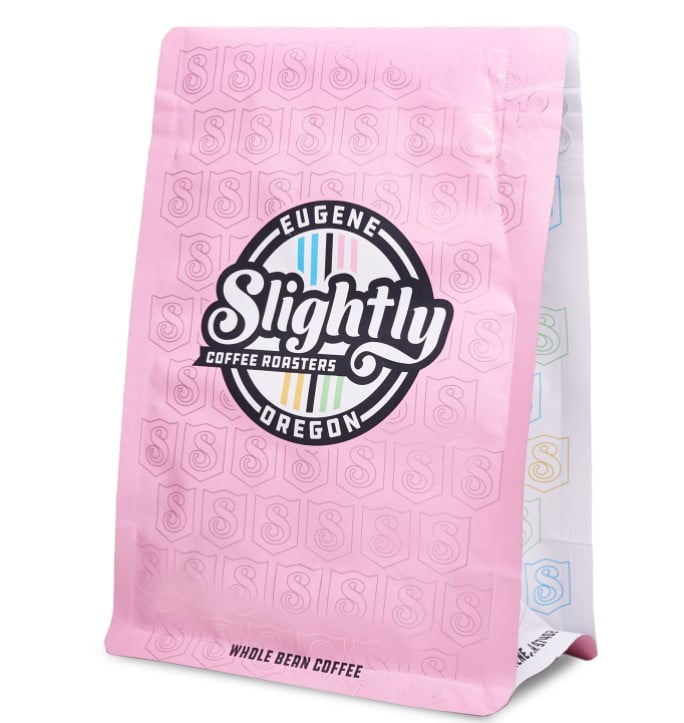
    In the recent past, coffee bags has garnered significant interest from both roasters and consumers. This comes in the wake of concerns over the environmental impact of packaging and research is being conducted in order to provide solutions to this matter. Besides, there is an influx of innovative technology and design options now available to the different coffee roasting companies. These provide new ways to differentiate and stand out from competitors in the coffee niche market.

    Here are some Insights on Coffee Packaging Trends:

    Compostable and Sustainable

    Coffee packaging accounts for close to 3% of the total carbon footprint from the industry. This is particularly concerning for the environmentally savvy consumer and roaster. Therefore, through research and technology, the coffee industry is adopting eco-friendlier packaging seeking sustainability. Besides, these types of packaging are now the focus of more government regulations, all of which are focused on a cleaner environment.

    Note that most consumers are more receptive to branding that leans towards environmentally friendly products.

    Due to adopting sustainable packaging solutions, there are reports of a significant and growing eco-friendly market segment. Specifically, environmentally savvy companies are seeking for solutions that are renewable, compostable, and biodegradable.

    Listing Coffee Health Benefits on Labels

    The humble coffee bean has a myriad of benefits. These benefits are exciting news for the consumer who care about the healthy aspects of the products he adds to the cart.

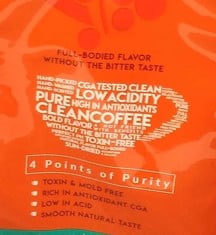
    As such, labels that includes the health benefits of the products are one the trends that is rapidly growing. This appeals to the average consumer who would be inspecting the coffee packaging before their purchase. Altogether, this aims to hook the consumer who is changing their shopping habits to include foods or beverages that naturally improve their healthiness.

    Unique Custom Design

    Packaging stands to be the biggest differentiator between the several roasting companies that supply the coffee market. As such, one of the most popular trends is to go for designed coffee packaging that gives the brand a unique look.

    For the packages, reusable printing plates are chosen due to high-quality finish. Further, digital printing has made it possible for a coffee roaster to produce in small batches without compromising on the quality. Finally, roasting companies are adopting more diverse color palettes, all of which are big attention-grabbers when the coffee reaches the shelf.

    Notably, while custom-printing your coffee packages is a significant differentiator, it can be burdensome and costly, especially for single retailers or companies with minor market command. Still, it remains your best shot at capturing the attention of the average consumer and keeping them returning for your coffee. But just make sure that if you do decide to go the route of designing your own packaging, that you do so correctly and avoid these costly mistakes

    Earthy Neutral Tones in Line with Natural Healthy Option Brand

    For businesses keen on being an all-natural brand, the tendency has been to adopt earthy or neutral tones in their packaging. Using said color pallet appeals to the conscientious consumer who prioritizes sustainability and the environment.

    Specifically, packaging that has varied colors of soil, natural minerals, or the ground. When combined with different hues of brown, the whole package has a harmonious scheme that makes the packaging stand out.

    You could consider a brown-tinted earth color for your coffee brand, which should provide an extremely calming and grounding feel as the consumer peruses through the coffee aisle. You can include different hues of mahogany or leather for a luxurious finish. Overall, choosing a color that evocates the natural world usually sells the brand as eco-friendly and sustainable.

    Materials that Meet Barrier and Marketing Needs

    The visual look of the packaging is one aspect, but another is the choice of the base material that the ink is laid on.  Packaging materials need to provide barrier, but also need to convey the same brand ethos as the art designs. Square bottom style configuration is more popular when you say coffee bags.

    Coffee roasting companies have to consistently tweak their choice of packaging material to meet and respond to the new opportunities in the market. 

    As such, these roasters have their eyes peeled for what the latest innovations are when designing the perfect coffee bag. They have to continuously test out various packaging materials to see which ones have shorter printing timelines, are seasonally fitting, and fit their budget.

    Gloss packaging is preferred as it is an excellent medium for highlighting logos, words, and images on the packages. Besides, shiny packages ought to attract buyers to the brand. The downside of this packaging material is that it is not very natural-looking and might put off the environmentally-conscious consumer.

    Matte packaging is the tendency for those who want a modern-looking pouch that stands out on the shelves. Besides, it makes it easier for the consumer to read off it than a gloss finish. Altogether, it is an excellent option for brands that want all-natural-looking articles.

    Finally, a that is catching on is Soft Touch packaging. This gives a luxurious finish that should attract the high-end consumer. While it looks like matte packaging, the packaging is relatively more expensive and has a different feel to it.

    Flexible Barrier to Keep the Coffee Fresher for Longer

    Granted, coffee does not actually go bad as it is a dry food and therefore does not have a firm expiration date. Still, you want to store your coffee in a manner that ensures that it remains shelf-stable for longer.

    The barrier film for flexible packaging is one of the newest trends that is proving to be a flex for the future. Its technology not only provide a good design that persuades the customer, but it is functional as it pertains to maintaining the quality of the coffee therein.

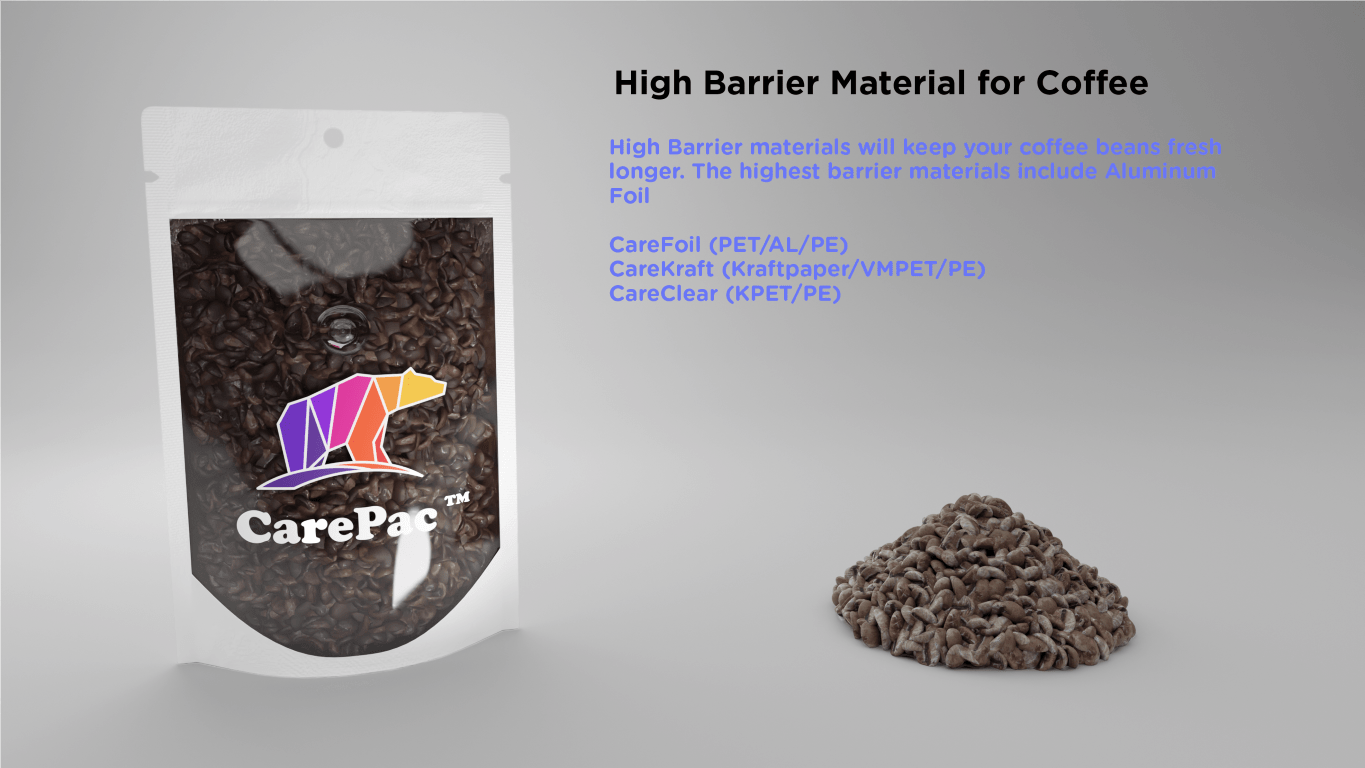
    There is an increased inclination towards the CareClear clear plastic bags for coffee packaging. This material is not only affordable but protects your dry coffee beans against moisture and oxygen. Another tendency is the addition of EVOH, PVDC, and ALOX in the packaging material to enhance the capabilities of the base material.

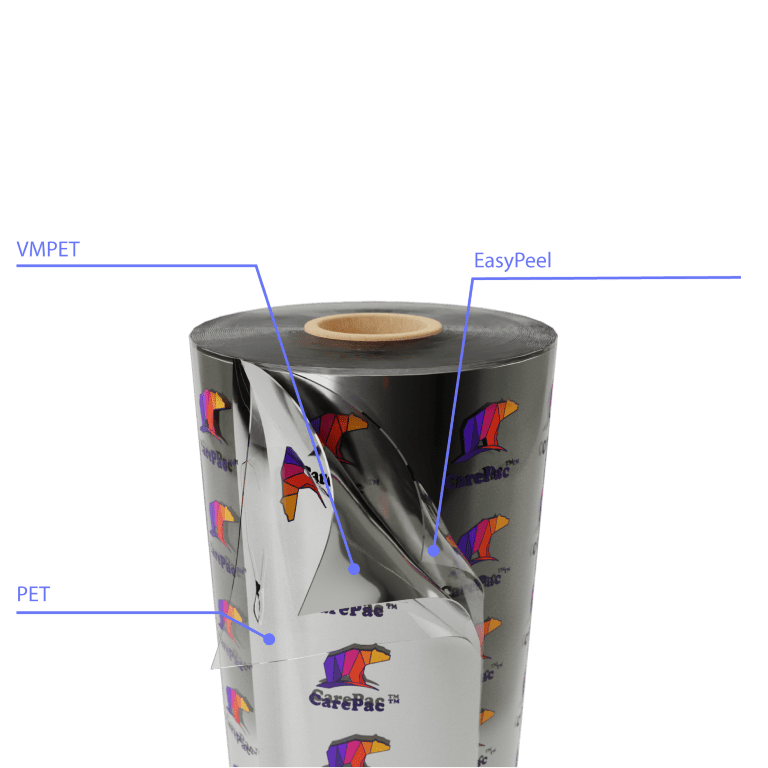
    Gaining more space among the trends is the use of CareSilver metalized PET pouches as the packaging material. These are economical, effective, and free of toxins, including BPA, TSE, Sulphur, and Phosphates, making them a healthy, effective packaging option. Besides, this material gives the packaging a reflective surface that should attract potential customers.

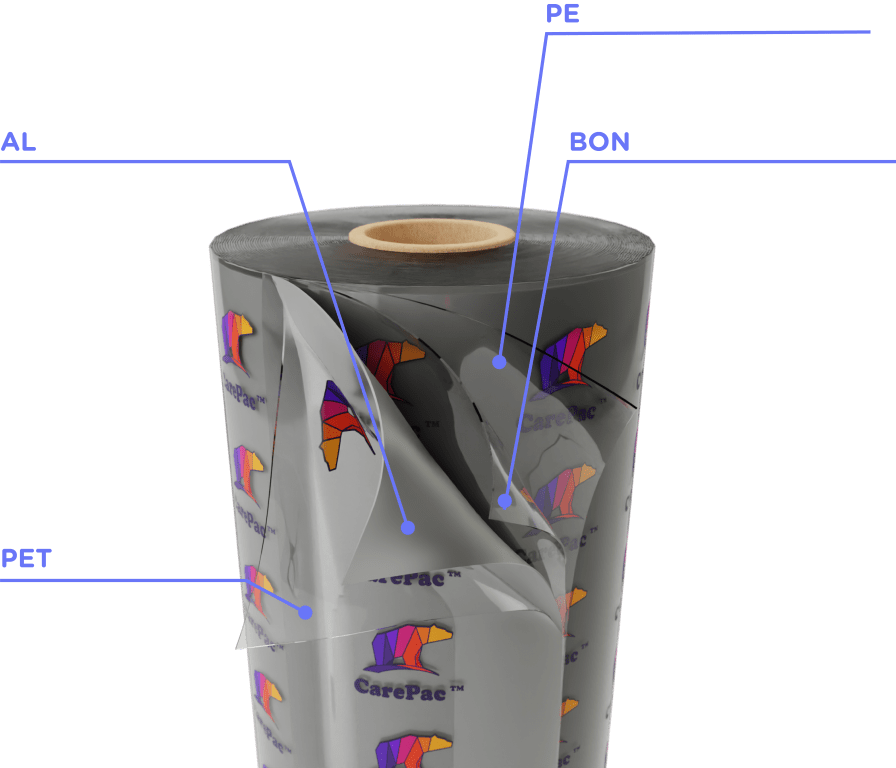
    The highest barrier for your coffee will be found by incorporating Aluminum foil. CareFoil PET/AL/PE offers significant barrier to oxygen and water. This capability can be strengthened using Mylar which makes it an even more effective packaging medium, being the best choice for long shipping periods.

    Finally, for coffee roasting companies who want their packages to have a paper exterior look, the CareKraft packaging solutions make the perfect fit.

    As a roaster, you may want to consider these insights about the emerging patterns and coffee packaging trends. Fortunately, there is an increased emergence of innovative designs that should help a brand differentiate itself from the rest of the herd, through technology, sustainability and unique marketing. This is particularly beneficial for companies that want to take advantage of the skyrocketing online orders. If you want to enjoy packaging that requires low minimum orders and has a 5% price match guarantee, reach out for an instant quote and order samples today.

  • The Best Food Packaging to Keep Your Brand’s Products Fresh

    The Best Food Packaging to Keep Your Brand’s Products Fresh

    The Best Food Packaging to 

    Keep Your Brand’s Products Fresh

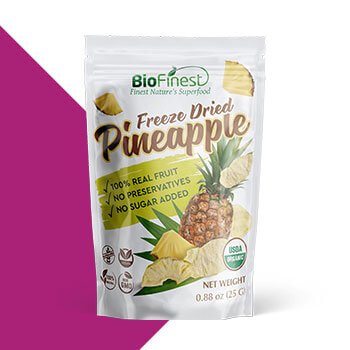
    Custom Aluminum Foil Moisture Proof Ziplock Plastic Packets Dried Fruit Pouch For Snack Food Dried Pineapple Packaging Bag

    When taking an eye catching sealed bag from the store shelves, consumers may assume that the content’s freshness is assured by its packaging. The cookiesfruit, or candy will only be at risk of getting stale after the food packaging is opened once they leave the single store. This directly impacts the food industry, food brands, and target market.

    Good qualities like freshness, crispness, and taste and something that extends shelf life are high-priority functions of both consumers and the food packaging industry. But in reality, the food packaging’s protection of the contents of a bag is limited to an extent. And that depends upon the design and quality of the food packaging.

    This is a good example of why new packaging designs you create need to take shelf life and package design testing into consideration. If your food products have the unexpected twist of being stale, your packaging design process, and perhaps the containers themselves, need to improve.

    A teeth-cracking hard protein bar with natural ingredients, a soggy cookie in different flavors, or pet food that has gone bad can create attention in the wrong way and scare away consumers from brands, no matter how good the food packaging design is.

    There are two great villains that cause a food product to deteriorate inside the packaging: poor food package design and packaging materials. Both are no-nos for your customers. 

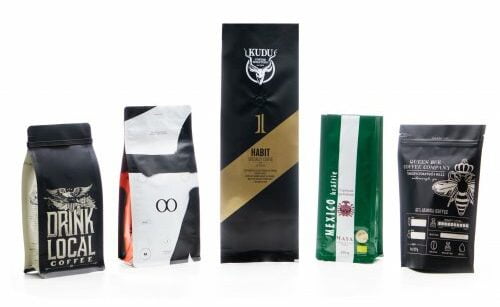
    A family group shot of all the different types of Custom Coffee Bags Carepac offers Plastic Printed Tea & Coffee Packaging PouchSustainable Material for Flexible Packaging Flexible Plastic Packaging

    MVTR and OTR for Food Packaging

    Moisture Vapor Transmission Rate

    The Moisture Vapor Transmission Rate (MVTR)—also called the Water Vapor Penetration Rate (WVPR) – is a measure of how much moisture gets into food packaging over a certain time interval. Depending upon the content and how long it is exposed, the results can vary greatly.

    Oxygen Transmission Rate

    The Oxygen Transmission Rate (OTR) is a measure of the product’s exposure inside the food packaging to oxygen. Oxidation of the product in the bag is the chief contributor to what we called staleness—a diminution of the qualities of texture and taste.

    If these problems are not anticipated during the planning stages, then unfortunately the customer experience with your packaged products, even sustainable packaging, may be negatively impacted. Consumers may or may not check for a use-by date on the bag—and the reliability of the freshness date, of course, is limited by appropriate packaging.

    At Carepac, we are dedicated to food product safety and go to great lengths to ensure your product packaging design is up to date with the highest standards. Fortunately, there are reliable standards for measuring MVTR and OTR and, in addition, accurate instruments for making those measurements.

    International Standards, Food Trends and

    Accurate Packaging Testing

    Both the vapor and gas that get into food packaging are measured using tests defined by two standards:

    ASTM International

    The International Organization
    for Standardization

    ASTM International, as the name implies, is an international standards organization. It works out and publishes voluntary consensus technical standards for many products and services. (Formerly it was called the American Society for Testing and Materials.)

    The International Organization for Standardization performs the same functions, bringing together representatives from national standards organizations to develop and publish worldwide technical, industrial, and commercial standards.

    Calculating Packaging’s Barrier Materials

    Against Penetration

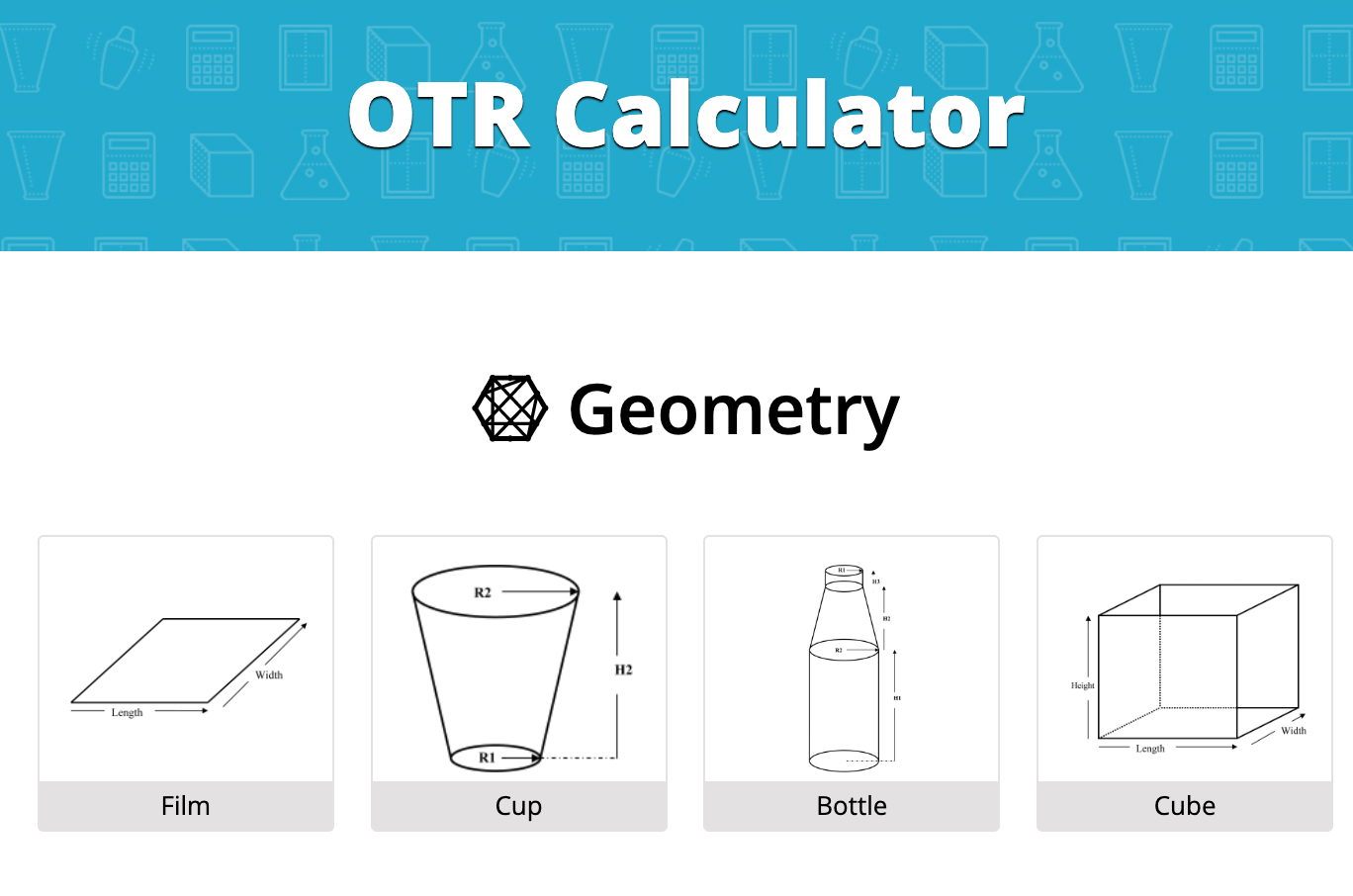
    One useful and reliable calculator of the food packaging barrier against moisture or oxygen provided by a given packaging is the Norner Barrier Calculator (a free version can be accessed here: https://barrier.norner.no/.

    NornerBarrier Calculator

    The calculator allows you to select different packaging geometries such as film, cup, bottle, and cuboid. This simulates your target packaging design. The calculating models then put out an estimate of the water vapor or oxygen transmission rate through various plastics, including, of course, packaging material. This way, you know how it will impact the quality of your consumers product.

    Barrier properties of limited types of food packaging can be best studied by this means and changes in layers, geometry, and in-mold label can be tested and compared.  The results make the calculator a highly useful tool for designing and developing packaging with reliable performance in protecting different products in different conditions of storage and exposure.

    Typically, the tests measure the number of grams that are lost or gained through a barrier over a given period, such as 24 hours. Since transmission through a package (or its penetration) is to be controlled, the lower the readout, the better. A number lower than 1 gram is considered a high barrier material.

    The challenges:

    finding the barrier level required by a product

    Putting this in context is a top priority since it’s a common misconception among most brands. Not every food packaging product needs the highest achievable material barrier.

    Here are some data to exemplify this food packaging myth:

    A foil barrier is “highest”

    .0006

    Polyethylene (PE) (for example, bread bags)

    14-20

    Polyethylene terephthalate/polyethylene (PET/PE)

    3

    Because creating food packaging with a higher barrier sometimes increases manufacturers’ costs, the good package for you is the one that protects your specific product under conditions it will face for the time required. The end goal, of course, is that in every package that is purchased and opened, a consumer finds a fresh and tasty product that says the best about your brand.

    Finding a good brand design

    When you work with an establish brand, like Carepac, on eye catching packaging for your product, our graphics design team and manufacturers are experts and begin by understanding your business, what your product says about your food brand, how it is prepared for food packaging, how the food packages are best shipped and stored, how to help your products stand out on the shelves, and for what period of time it should be able to remain fresh at the point of purchase by your customers.

    During our packaging design process, we also make sure your great food packaging design is visually appealing, has a strong food brand identity, reduces plastic waste, and incorporates the minimalistic design, environmentally friendly, branding aspects, pastel colors, or color scheme you’re interested in. These important considerations and winning design elements will help your food package and brand personality stand out to your target audience, especially when compared to the brand identity of other brands in the food industry. Great packaging is what our brand and company is all about! We can help your product stand out!

    Part of that process for consumable products is testing them inside bags of different materials and manufacturing. That should direct the selection of materials used with the required barrier properties but not redundantly high, which increases your budget. When there is a selection of comparable quality materials and designs, then budget considerations (and possibly your manufacturing deadline) become paramount.

    At the same time, the Carepac teams addresses every aspect of your flexible packaging, such as the shape for different types of display and the crucial decision on appearance of the label. We make sure your food packaging is set in top notch condition in front of your potential customers.  That is because the package and its appealing graphics are the prime point-of-purchase marketing features to close the sale. And naturally, your product’s reputation with consumers for freshness is indispensable for repeat sales and word-of-mouth advertising.

    Starting your Supply Chain

    The first step for your business or company is as easy as visiting our website for information for your business about every phase of creating food packaging that protects the product, helps to sell it to consumers at the top point of sale, and fits your budget. Our online estimator can give you an instant price estimate for your bag as you now conceive it. The choices you will make in consultation with us, the company responsible for your design food packaging, are explained in the relevant sections of the site, with many examples to clarify your choice for your supply chain and give you a picture of what your product will look like in the store—be it brick-and-mortar or online.

    When your company is ready to discuss a specific order, or ready to create one, which can begin with a planning and design session with our range of experts, just get in touch with us. And check back here to see our regular blogs where you can do some reading about consumers, challenges, opportunities, and solutions in the food packaging market.

    You can visit us daily on Twitter for information, insights, and updates on what we are discussing with our customers.