Biodegradable vs Compostable
Biodegradable vs Compostable: The Main Differences
The terms “biodegradable” and “compostable” are often used interchangeably, but they actually mean two completely different things! In short, all compostable products are biodegradable, but not all biodegradable products are compostable.
In this blog, we’ll explain what the terms biodegradable and compostable mean so you can choose between a biodegradable product, compostable plastics, or similar organic materials. With either choice, you can avoid toxic waste in landfills and reduce the accumulation of plastic products in the oceans. Leave toxic waste behind!
What are Compostable Materials?
Compostable materials are any materials that can disintegrate into non-toxic, natural elements. Since compostable products break down into natural elements via a composting process, they cause no harm to the environment.
When it comes to biodegradable vs compostable materials, we’ll explain both below so you have more context, in addition to the compostable definition and what the term biodegradable means.
Advantages of Compostable Products
The primary benefit of compostable plastics is its environmental benefits, which can also improve consumer perception of your brand. Since compostable items break down naturally, they don’t contribute to fossil fuels, carbon dioxide, or other negative biological processes. Simply put, getting on board with the “zero waste” ethos by using compostable products will keep your customers happy.
If the compostable items can be composted in a home compost pile, this is an added benefit. This way, users can compost their items in a compost bin or home compost environment.
Disadvantages of Compostable Products
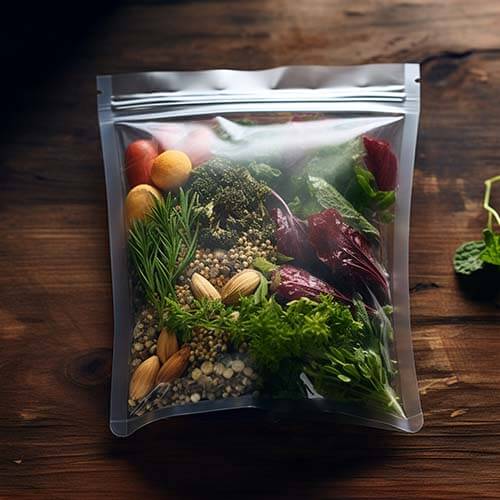
Of course, there are some disadvantages to everything, including using a compostable product. First, compostable plastics aren’t as strong as other plastics. They also have a lower barrier to oxygen and moisture, which means they aren’t the best option for all products.
Finally, some compostable bags can only be composted in an industrial composting facility. Unfortunately, not every city has access to industrial composting facilities, which can make recycling compostable packaging difficult for the end user.
If you’re using commercially compostable plastic, you’ll want to include special messaging on your compostable goods about how to find commercial composters or an industrial facility (in addition to pointing out the compostable waste must be free from inorganic compounds and food scraps!)
What are Compostable Materials?
Compostable materials are any materials that can disintegrate into non-toxic, natural elements. Since compostable products break down into natural elements via a composting process, they cause no harm to the environment.
When it comes to biodegradable vs compostable materials, we’ll explain both below so you have more context, in addition to the compostable definition and what the term biodegradable means.
What are Biodegradable Materials?
Biodegradable products do not use toxic chemicals. When compared to regular plastic, they will degrade in a more timely manner (without requiring a compost bin) and won’t leave behind any toxic residue. They do not need to be recycled in a home or industrial composting environment.
Since biodegradable bags are made from organic materials, they consume less energy during manufacture, especially when compared to petroleum-based plastic.
Disadvantages of Biodegradable Material
Unlike compostable materials, using a biodegradable material for biodegradable plastic bags requires more crops and croplands to produce biodegradable products. Additionally, they cannot decompose in the ocean because the water is too cold. This can leave toxic residue behind in the oceans, impacting our sea life. naturally occurring microorganisms, and other organic matter.
Thankfully, this can be avoided by following best practices for customary disposal.
Biodegradable vs Compostable: Which is Better?
Both biodegradable and compostable plastics (made from polylactic acid or bags made from other compostable materials) are better than standard plastic materials made from polyethylene.
They both reduce organic waste and only one requires using industrial aerobic composting facilities. Whether you choose compostable packaging, oxo-biodegradable products, or packaging made from another type of organic matter, both remove plastic waste from the landfills.
Both biodegradable and compostable products result in recycling organic waste, which is a win for our environment.

Biodegradable and compostable plastic FAQs
As a leader in the biodegradable, compostable, and organic packaging industry, we get a lot of questions about compostable and biodegradable materials. Here are a few of the most common.
Can biodegradable items be composted?
No, not every biodegradable product is compostable. The terms biodegradable and compostable are list nesting cups. All compostable bags are biodegradable, but not all biodegradable bags are compostable. Compostable products biodegrade in a predetermined amount of time, based on a testing standard, while biodegradable bags have no set timeline for biodegrading.
Do compostable items break down in landfills?
It’s not clear, they should if it is exposed to the right mix of moisture, oxygen, and bacteria.
Is bamboo biodegradable or compostable?
Since bamboo is a natural element, it’s biodegradable. It is also compostable, though, and will break down within 2-6 months, depending on the material and composting method.
Purchase Compostable and Biodegradable Packaging from CarePac
Whether you choose biodegradable or materials that can be turned into usable compost, we’re here to help. We have been manufacturing packaging made from compostable and biodegradable materials for years, and are ready to help you in any way we can. Connect with us today to discuss all things biodegradable, or get a Quick Quote to get your project started.