Category: Sustainable Packaging

  • Innovation in Packaging: Smart Packaging Solutions for Large Brands

    Innovation in Packaging: Smart Packaging Solutions for Large Brands

    Innovation in Packaging Design: Smart Packaging Solutions for Large Brands

    The Rise of Innovative Packaging Design: Why It Matters for Brands & Consumers

    In today’s fast-paced and highly competitive marketplace, food packaging has evolved far beyond its traditional role of protecting the products inside. Nowadays, packaging design is a critical component of brand identity, customer engagement, and sustainability strategies. With growing consumer awareness, technological advancements, and increased market competition, packaging innovation is no longer optional—it’s essential for both small companies and large brands aiming to differentiate themselves, improve their supply chain, and remain relevant within the food industry.
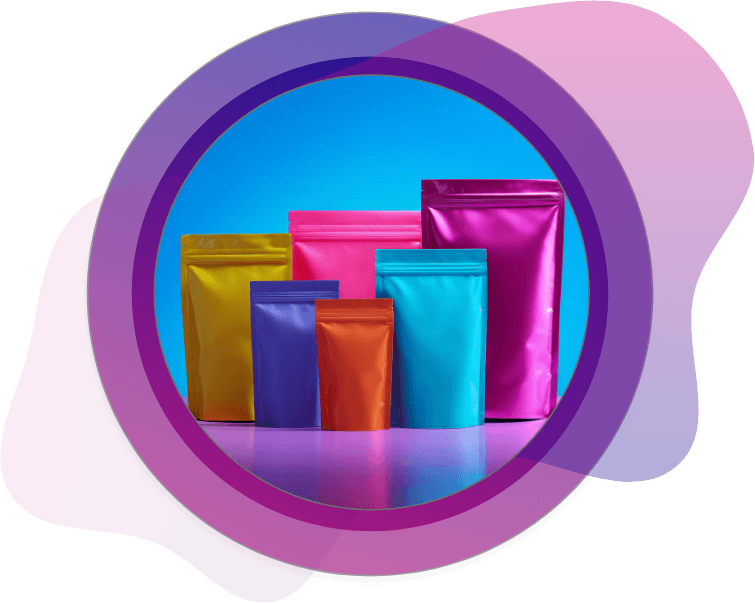
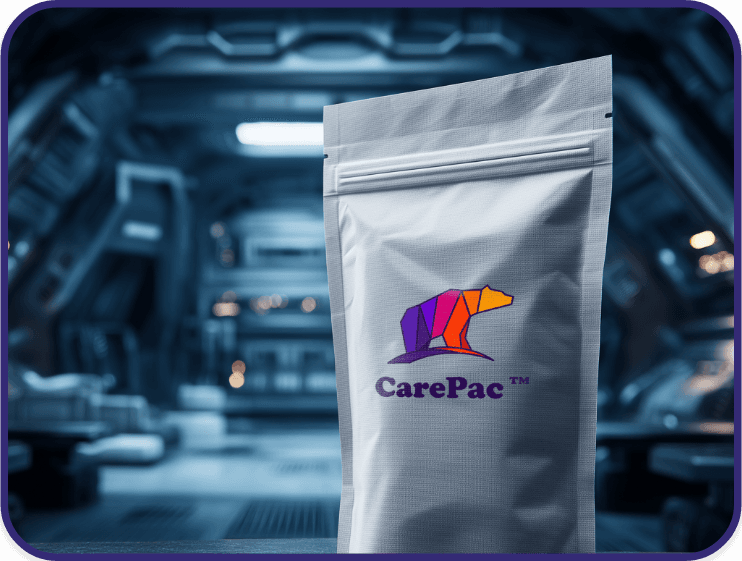
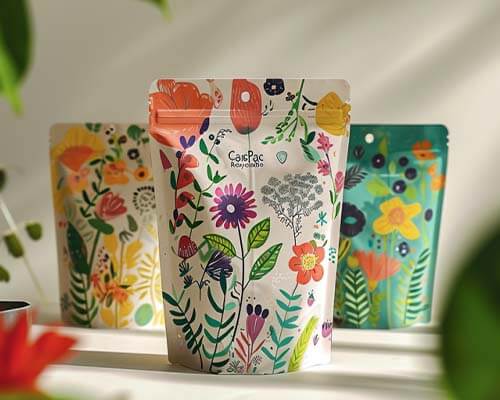
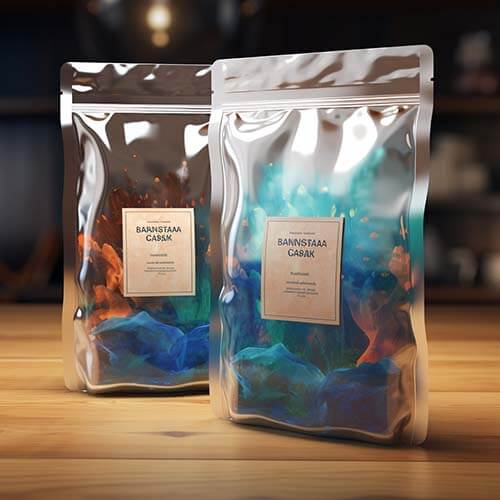
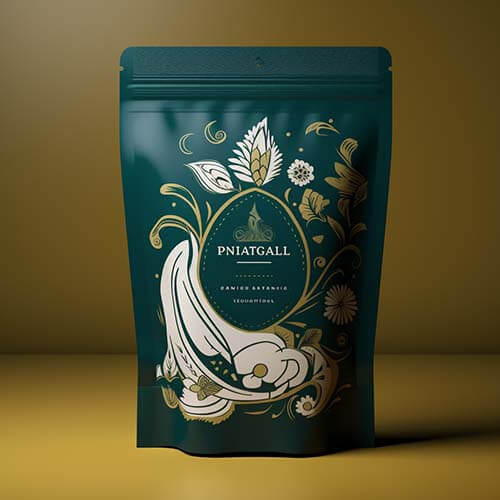
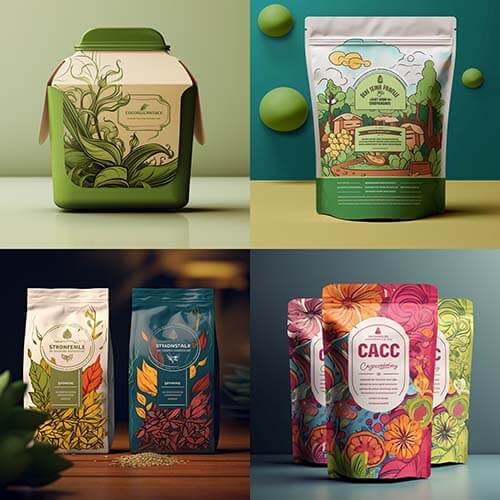
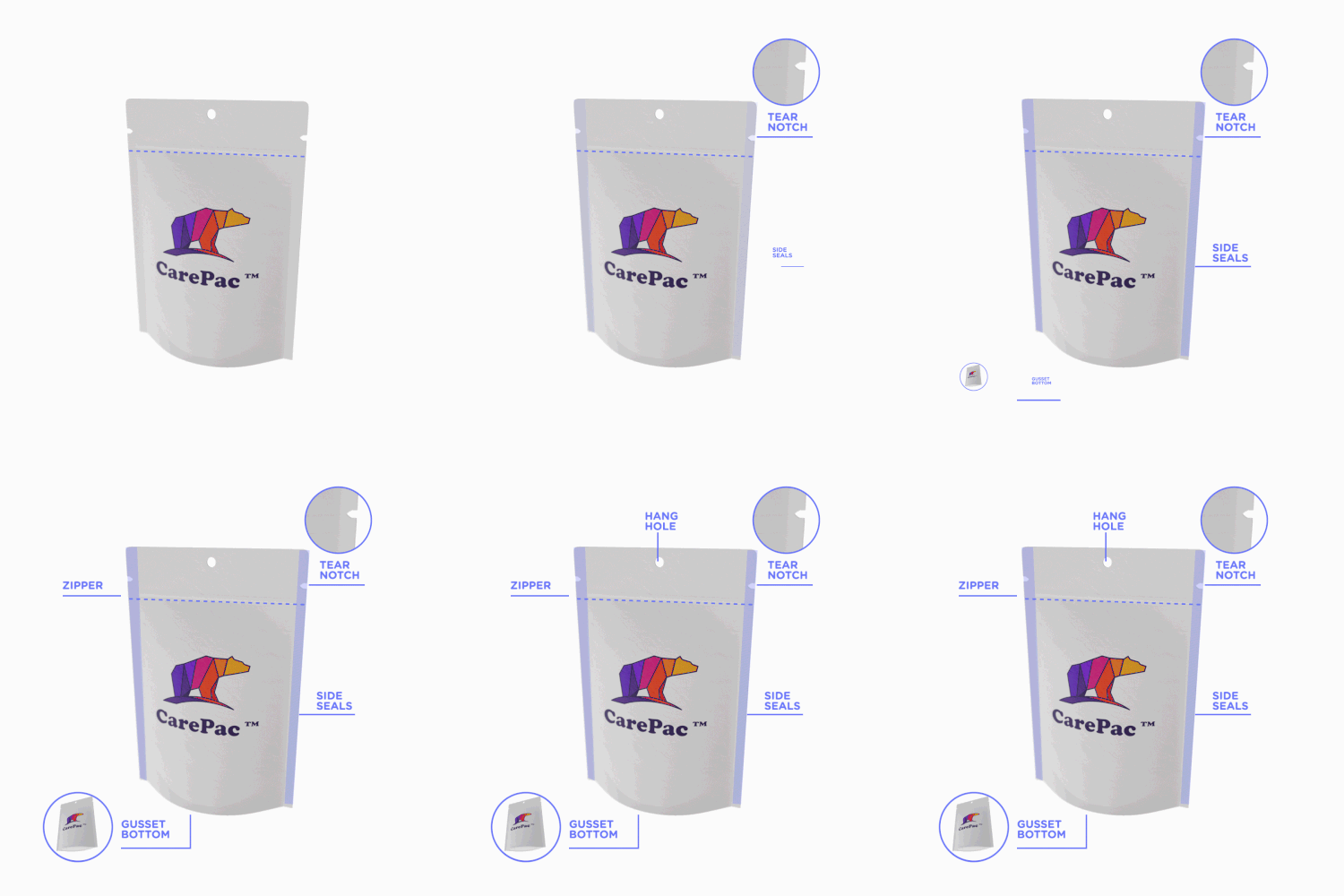
    Colorful stand-up pouches displayed, highlighting CarePac’s food-safe custom packaging for everyday brands.Custom CarePac pouch displayed in a sci-fi space setting, symbolizing next-generation barrier packaging and innovation

    Twenty years ago, plain or basic food packaging was the norm in the food industry around the world: whether it was unbranded plastic packaging, recycled cardboard, or some other type of basic packaging material, consumers and brands weren’t as focused on sustainable packaging solutions as they are today. 

    In 2025 and beyond, the packaging supply chain will shift to focus on food packaging made from plastic alternatives, including recyclable materials and plastic-free packaging. These sustainable packaging materials can help companies and brands just like yours achieve a lower carbon footprint, avoid single use plastic, and meet their sustainable packaging goals in style.

    Smart Packaging Innovations: How Technology is Transforming the Packaging Industry

    Modern consumers expect more from manufacturers and packaging design than just aesthetics or protection. They seek efficient packaging that aligns with their values—particularly around environmental responsibility and convenience. This has driven companies and manufacturers to invest in smart packaging that integrates digital features like QR codes, sensors, and NFC tags, enhancing the consumer experience through interactivity, traceability, and real-time information. 

    At the same time, sustainable and recyclable packaging has become a top priority. With concerns over plastic pollution, climate change, and the overall environmental impact of plastic packaging, companies have significantly reduced their dependence on high barrier single use plastic. Instead, they’re focusing on packaging made from eco-friendly materials, like biodegradable films and other innovative materials.

    Types of Smart Packaging Innovations

    Generally speaking, there are two types of smart packaging solutions you can create: active packaging and intelligent packaging. Learn a bit more about each of these innovations below.

    Worker wearing protective gear operating in a hygienic packaging facility, emphasizing CarePac’s commitment to quality and food safety standards

    Active Packaging

    Active food packaging is a packaging innovation that actually interacts with the environment around it in order to extend shelf life, preserve freshness, and improve safety. This is especially helpful in the food industry, where things like oxygen scavengers, moisture regulators, and antimicrobial coatings can help prevent spoilage, while freshness indicators can help consumers and markets make informed decisions and reduce food waste.

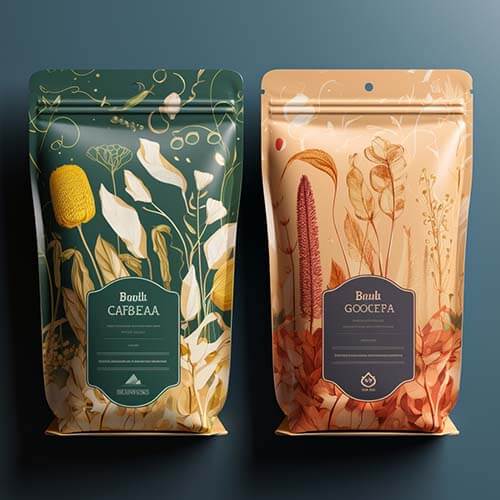
    Digitally printed flexible pouch with floral design and QR code, ideal for interactive smart packaging and product tracking

    Intelligent Packaging

    Intelligent packaging leverages digital technologies that allow the packaging to communicate information, track movement, and engage users. Think: QR codes that users can scan to learn more about the farmers that create their food and RFID that allows for real-time supply chain tracking and improved inventory management. Whether you’re a small batch jam maker or sell fresh milk, keeping track of your products via more efficient packaging, artificial intelligence, or machine learning technology can help you make better purchasing decisions.

    Custom Packaging Innovation: How Large Brands Are Adapting to Consumer Needs

    In today’s diverse and ever-changing e-commerce landscape, taking a one-size-fits-all approach to packaging and sustainability will no longer cut it. Brands are tailoring their packaging innovations and materials to align with their products and the growing demands of their target consumers. Over the years, we’ve noticed a growing demand for these types of packaging throughout the packaging industry:

    • High barrier protection for food and pharmaceuticals- Whether your physical packaging is intended for food products or medications, using high-barrier packaging materials can help prevent contamination, preserve freshness, and maintain potency. 
    • Tamper-proof and child-resistant designs- As cannabis continues to be legalized for recreational use across the United States, we’ve noticed an uptick in demand for tamper-proof and child-resistant packaging design. 
    • Personalized consumer experience via packaging technology- As consumers continue to value personalization and interactivity, packaging design has become a new frontier for marketing. By using QR codes, AR, or leveraging digital printing to customize packaging for different regions, creating packaging that’s as personalized as possible is key.

    If you’d like to bring innovative packaging with visual appeal to your consumers, we can help. Our packaging innovations can take your basic, plastic packaging to the next level while continuing to protect the shelf life of your product. Whether you opt for recycled resin, paper boxes, or other eco friendly options, we’ll create packaging that will protect products, reduce your carbon footprint, promote recycling, and improve consumer engagement.

    The Role of Eco-Friendly Packaging Innovations in the Industry

    Key takeaways from recent studies show a clear shift in consumer expectations, with more and more consumers willing to pay a premium for eco-friendly packaging materials that are recyclable. This demand and forward-thinking is pushing companies to rethink their packaging design process to align with the growing preference for sustainable products. Here are a few innovations we’ve seen among packaging designers and manufacturers in recent years.
    Colorful floral stand-up pouch displayed in a bright kitchen, highlighting CarePac’s food-safe custom packaging for everyday brands.

    Biodegradable and Compostable Food Packaging

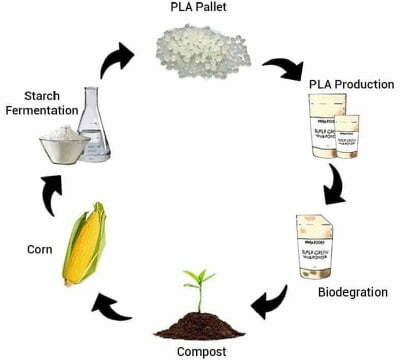
    One of the more promising trends is making packaging that breaks down naturally without producing waste or harmful residues. Packaging made from bioplastics or compostable materials (i.e., potato starch, corn-based polymers) are approved by the Sustainable Packaging Coalition and play an essential role in the push towards greater sustainability.

    Recyclable Flexible Barrier Materials

    In the past, flexible barrier packaging has been difficult to recycle. But, with recent innovations, like new-generation polyethylene (PE) and polypropylene (PP) that are more recyclable, you can achieve similar performance without the recycling challenges.

    Minimalist Designs to Reduce Plastic Packaging Waste

    Finally, taking a minimalist approach to packaging design can help companies maintain their identity while reducing their footprint in markets. This trend focuses on things like “right size” packaging that eliminate excess layers or boxes that will just end up in the landfill.

    What’s Next? The Future of Smart & Sustainable Packaging Innovations for Large Brands

    So, what’s next in the packaging industry? Well, the future is limitless. From artificial intelligence and machine learning to IoT, technology is constantly changing and new innovations are constantly being discovered. Companies can prepare for the future with adaptable, scalable, and technology-driven packaging solutions, like ours. By partnering with CarePac for your packaging needs, you’ll always be one step ahead of the competition. Our expertise in flexible packaging innovation can’t be beat, and we invite you to explore our line of sustainable, recyclable, and eco-friendly options

    Contact us today to discuss your sustainability goals, which materials we recommend, and how we leverage technology to bring you the best packaging materials we can.

    Vibrant custom stand-up pouches in leopard and abstract patterns, showcasing CarePac’s high-quality flexible packaging for consumer products.

    Let’s Get Started

    Made In The USA

    Full PouchCustomization

    Scalable Printing Digital & Plate

  • Earth Day 2026

    Earth Day 2026

    Earth Day 2026: How Your Business Can Make a Real Impact with Sustainable Packaging

    What Is Earth Day and Why It Matters in 2026

    Earth Day is an annual global event held on April 22. The first Earth Day was held in 1970 by Earth Day organizer Senator Gaylord Nelson as a way to raise awareness about environmental issues affecting planet Earth, like global warming, plastic pollution, roadside trash, and sustainable development. Growing environmental issues make Earth Day more relevant than ever for businesses, and many companies now recognize the economic and ethical benefits of adopting more sustainable practices. 

    3D illustration of purple hands gently holding a heart-shaped globe, symbolizing sustainability, global care, and eco-conscious packaging initiatives.Stylized digital image of a pink hand holding a pastel shopping bag with a glowing shopping cart icon, representing e-commerce, consumer packaging, and retail design trends.

    The Earth Day Network, along with its partner nonprofit organizations, provides community engagement opportunities and environmental awareness at the local, state, national, and global levels. Earth Day Network launched shortly after the first Earth Day and currently works with partners in over 190 countries to build environmental protection agencies and reverse environmental destruction. If you’re a business that’s curious about Earth Day 2026 and want to take part in this annual event, keep reading for how you can make cleaner swaps when it comes to product packaging, specifically.

    How Packaging Waste Contributes to Environmental Issues

    Packaging waste is a major source of roadside trash and plastic pollution, both of which cause environmental destruction, climate change, and global warming. Approximately 40% of the world’s plastic waste comes from product packaging, and a significant portion of that ends up in the landfills. The biggest culprits are retail, food, and e-commerce, with e-commerce alone contributing over 2 million pounds of plastic packaging in 2019. 

    Fortunately, there are several things business can do to reverse environmental destruction and take part in this important environmental movement, including using more sustainable packaging materials, reducing excessive packaging, implementing effective waste management systems, raising public awareness, and educating employees and customers about their carbon footprint.

    5 Packaging Swaps to Support a Greener Planet

    In addition to the above, you can also take environmental action to reduce roadside trash by switching to greener packaging options. Here are some actional swaps you can take today:

    By opting for environmentally-friendly packaging from the get-go, you won’t have to worry about issues like plastics being rejected from local facilities, plastics degrading over time, or consumers tossing recyclable containers in the trash. Learn more about our eco-friendly packaging options.

    Multiple striped purple shopping bags arranged in neat rows on a gradient background, highlighting retail packaging solutions and consistent branding for eco-friendly businesses.

    How Eco-Friendly Packaging Benefits Your Brand

    Unless you’re living under a rock, you’ve probably noticed that climate change and global warming are hot-button issues. The only way to reverse environmental destruction is to stop it from happening in the first place, whether by using renewable energy, taking part in environmental education initiatives, or fighting for environmental laws like the Clean Air Act or Endangered Species Act, consumer demand for this environmental movement is growing.

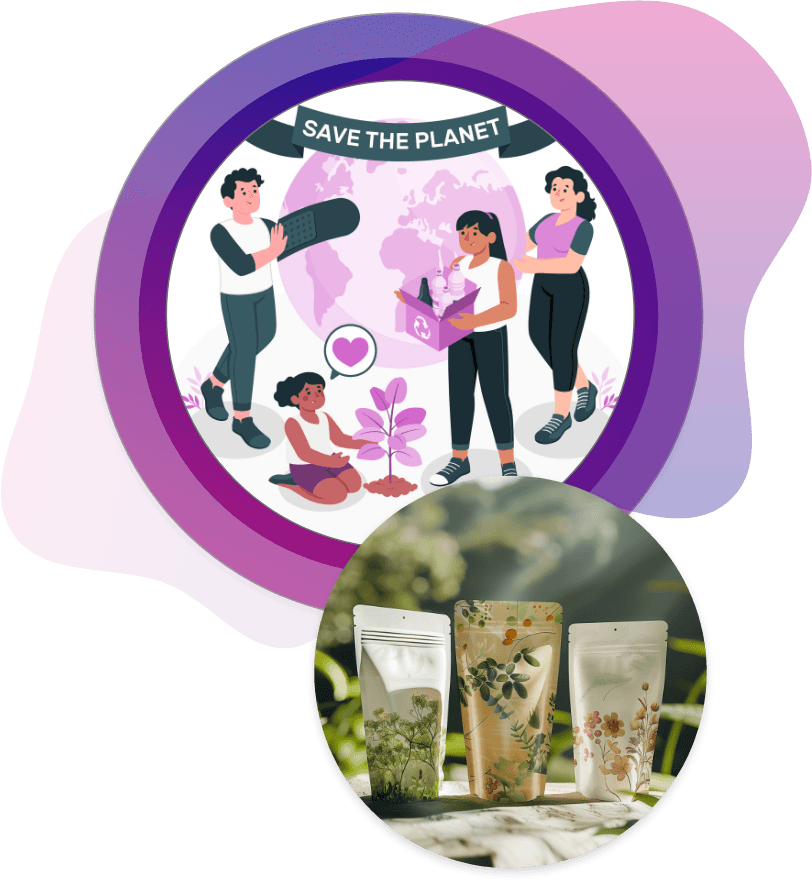
    Illustrated women engaging in sustainable activities around a “Save the Planet” sign, paired with real-life compostable stand-up pouches featuring natural designs, showcasing eco-friendly packaging practices.

    There are several ways that eco-friendly packaging can benefit your brand, including:

    Reduced operational costs- Implementing sustainable practices, like using renewable energy or taking part in waste reduction programs, can lead to significant cost savings in the long run. 

    Mitigation of environmental risks- Proactive sustainability efforts can help businesses slow global warming and avoid costly regulatory penalties and lawsuits related to environmental damage. 

    Resource efficiency- Sustainable practices can optimize resource utilization, reducing waste and material costs, leading to increased profitability. 

    Improved brand reputation- Modern consumers are more likely to choose brands that focus on environmental issues or use renewable energy. 

    Competitive advantage- If your competitors aren’t taking part in Earth Day celebrations or focusing on environmental issues, doing so can help you gain a competitive advantage. 

    Enhanced employee engagement- One less talked about benefit to cutting carbon emissions and being more eco-focused is that your employees are more likely to be engaged and loyal.

    How CarePac Supports Climate Change Goals Year-Round

    At CarePac, we can help you combat these environmental issues year round. We’ll help you select a material, perfect your branding, design the perfect package, and decide on eco-friendly packaging that’s right for you and your industry. Overwhelmed with the options? We’re here to help, and are more than happy to recommend the correct product! Have questions about sustainable packaging advantages or recycled packaging materials? Contact us today.

    Collage-style image of a tree growing from a cutaway Earth illustration, symbolizing environmental regeneration, responsible packaging lifecycle, and green business practices.

    Final Thoughts: Make Earth Day Celebrations Count

    While celebrating Earth Day 2026 is important, it’s also important to protect planet Earth year round. Your commitment to a sustainable future shouldn’t end when the Earth Day celebrations end; instead, it should be engrained into the culture of your company. Whether you plant trees with your employees, attend a climate rally, work to raise public awareness, or do something that pushes for stronger or immediate action, all of these combined can help combat environmental issues and protect planet Earth. 

    We encourage you to lead by example this Earth Day 2026 by taking the leap into sustainable packaging. Join us in the effort to stop global warming and push for environmental protection by going (and staying) green. Ready to go green? Talk to the CarePac team today about custom sustainable packaging.

    Vector illustration of a woman with long purple hair hugging the Earth, surrounded by foliage, representing sustainability, environmental awareness, and care for the planet in packaging design.

    Earth Day 2026 FAQs

    Here are some common questions we’ve received about Earth Day 2026.

    Lets Get Started

    Made In The USA

    Full PouchCustomization

    Scalable Printing Digital & Plate

  • Commercial Composting: How it Works

    Commercial Composting: How it Works

    Commercial Composting: How it Works

    What is Commercial Composting?

    Collectively, businesses and ordinary citizens can make a major impact on the future of our environment by attempting to reduce our carbon footprint, improve our air quality, and reduce waste in the landfill.

    Popular methods used by the zero waste community to reduce waste and preserve natural resources include recycling, going vegan, using solar energy and recycled materials, driving an electric car, shopping secondhand, and composting organic material so it doesn’t wind up in the landfill. In this lens, organic waste refers to food waste, yard waste, and even certain compostable plastics.

    In this blog, you’ll learn more about commercial composting for individuals and businesses and how the composting process can help reduce waste and greenhouse gas emissions in the environment.

    How Commercial Composting Works

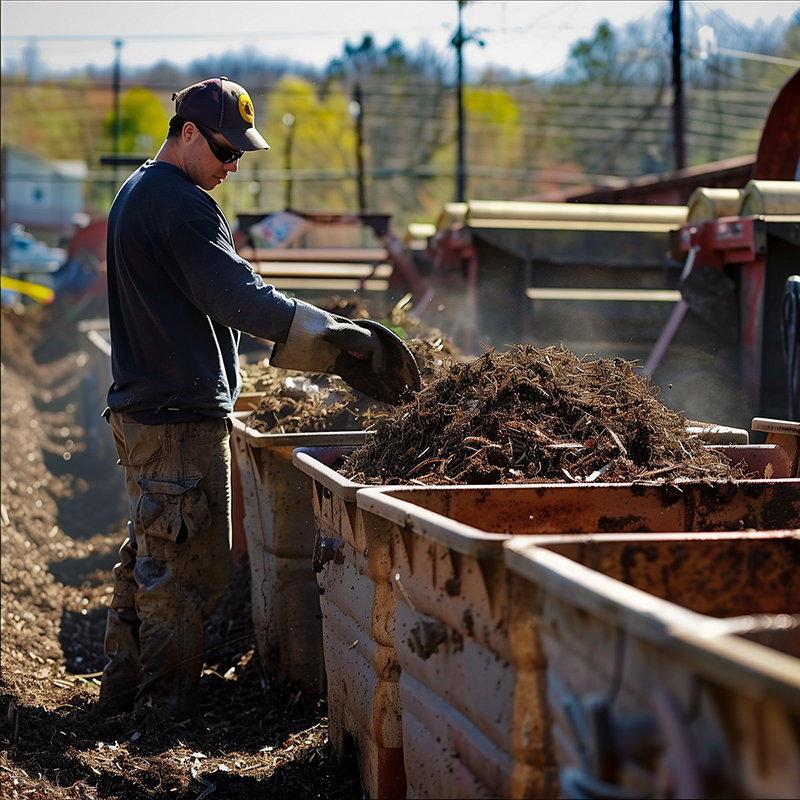
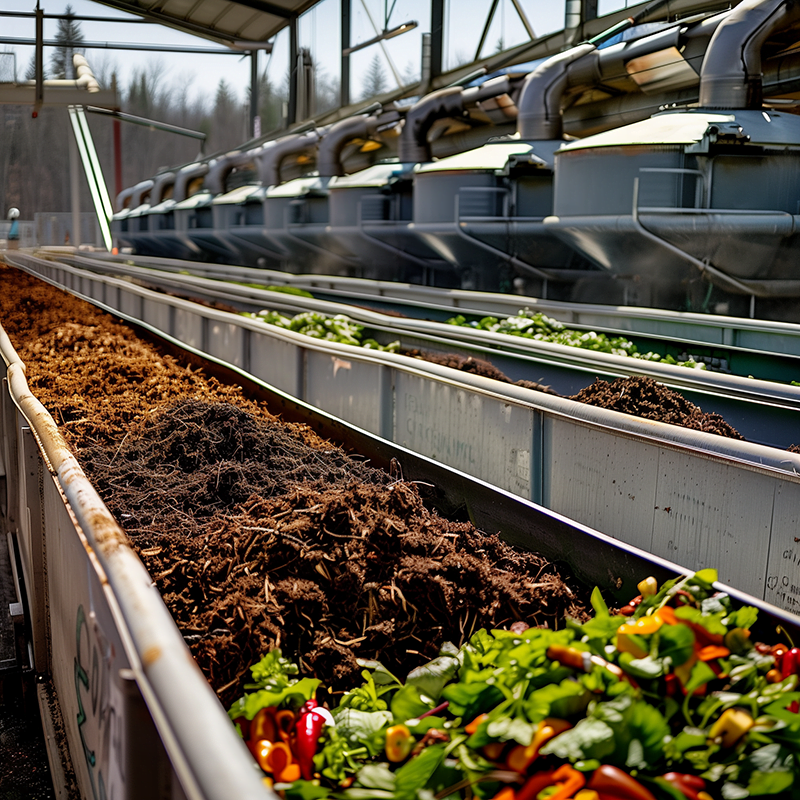
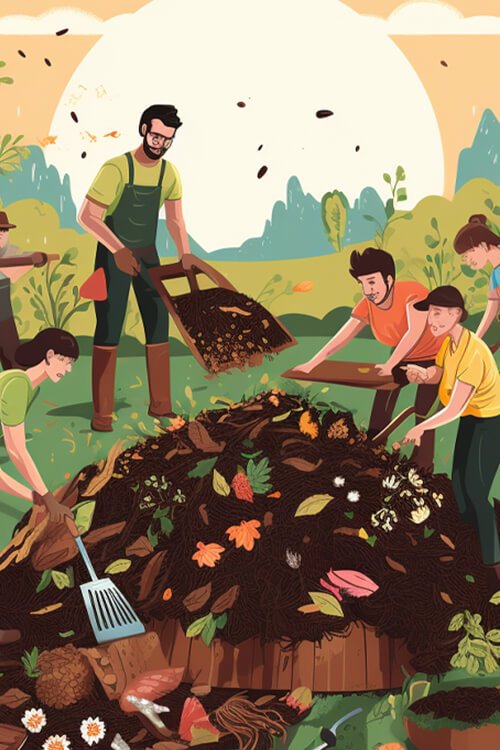
    Curious about how industrial composting works? Commercial composting, also called industrial composting, is exactly what it sounds like: it’s a natural process that uses the same biological processes as at-home composting, except on a much larger, industrial scale, to turn compostable materials and waste like grass clippings, yard waste, shredded newspaper, and food scraps into a nutrient rich compost that’s then incorporated into soil.

    When it comes to commercial composting, there are four main types used by industrial composters: vermicomposting, windrow composting, pile composting, and vessel composting. We’ll discuss each of these compostable options for waste below.

    Vermicomposting Food Waste

    This composting process most closely resembles home composting except it can be used by businesses: compost bins are filled with compostable materials (like green waste and food waste), and worms are then added into the compost bin. Over time, the worms break down the organic materials into a soil that’s rich in nutrients. Though this industrial composting method is relatively quick, it’s not easy to manage at scale and is typically used by individuals hoping to reduce their landfill waste.

    Windrow Composting Yard Waste

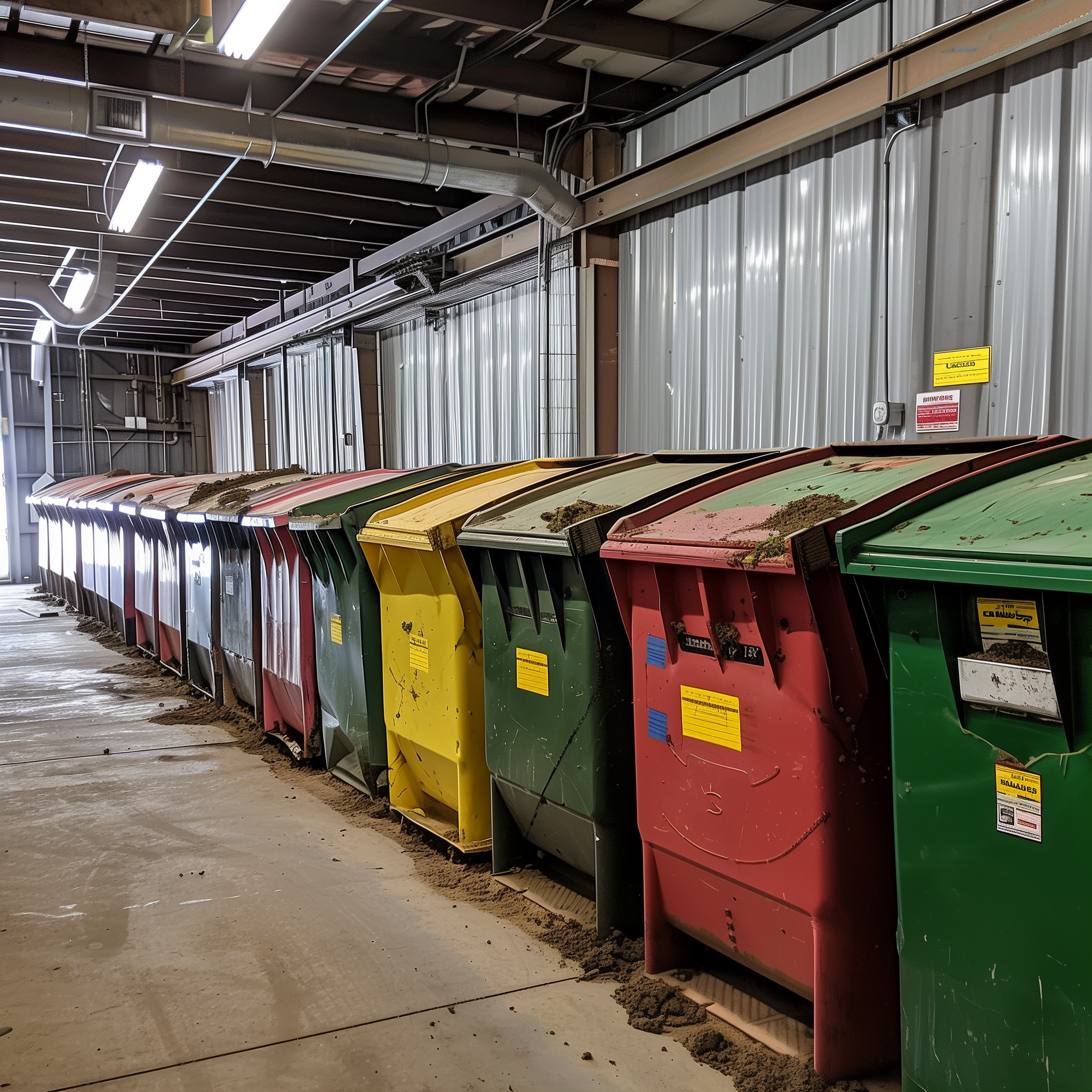
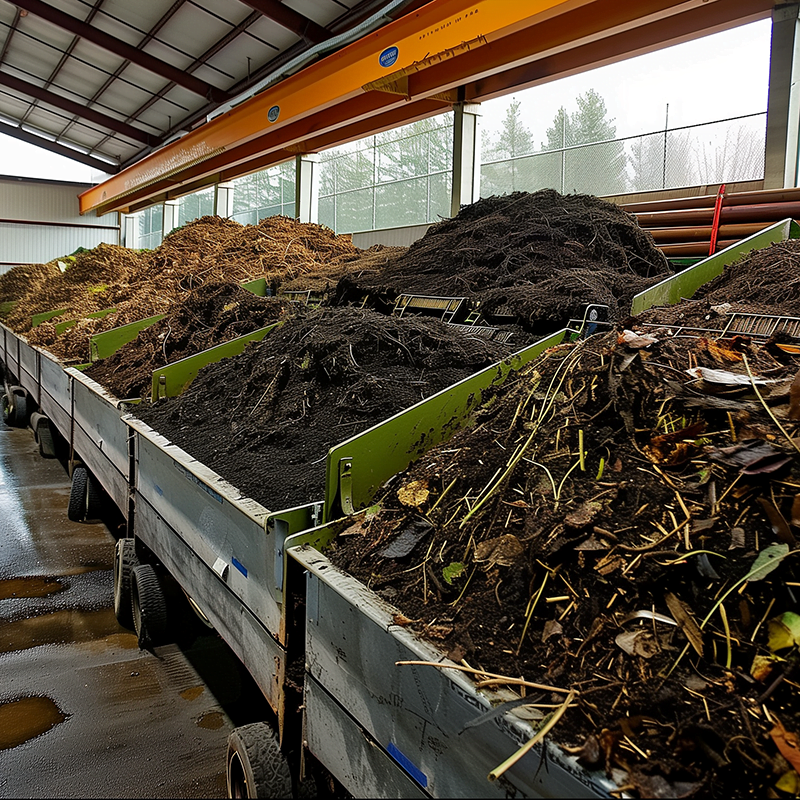
    Windrow composting is a process that’s incredibly popular in high-volume settings. This type of industrial composting collects and arranges organic waste into long rows known as “windrows.” Doing so allows biodegradation to occur while air still reaches the core.

    This industrial composting method does have some disadvantages: this method of composting requires a lot of space (has minimums for feet high and wide) and must be periodically turned by a machine. If the turned windrow (aka aerated static pile) isn’t properly aerated, issues can occur with soil temperature.

    Static Pile Composting

    In this industrial composting method, piles of organic materials are mixed with debris like wood chips or paper. The compost pile is then aerated using pipes that pump oxygen to different layers of the compost bin, which maintains the appropriate moisture levels and temperature.

    The big drawback to this industrial composting method is that different types of organic materials compost at different speeds, so the companies must sift through and separate yard trimmings from greasy items and motor oil before they are added to the compost pile.

    In-Vessel Composting

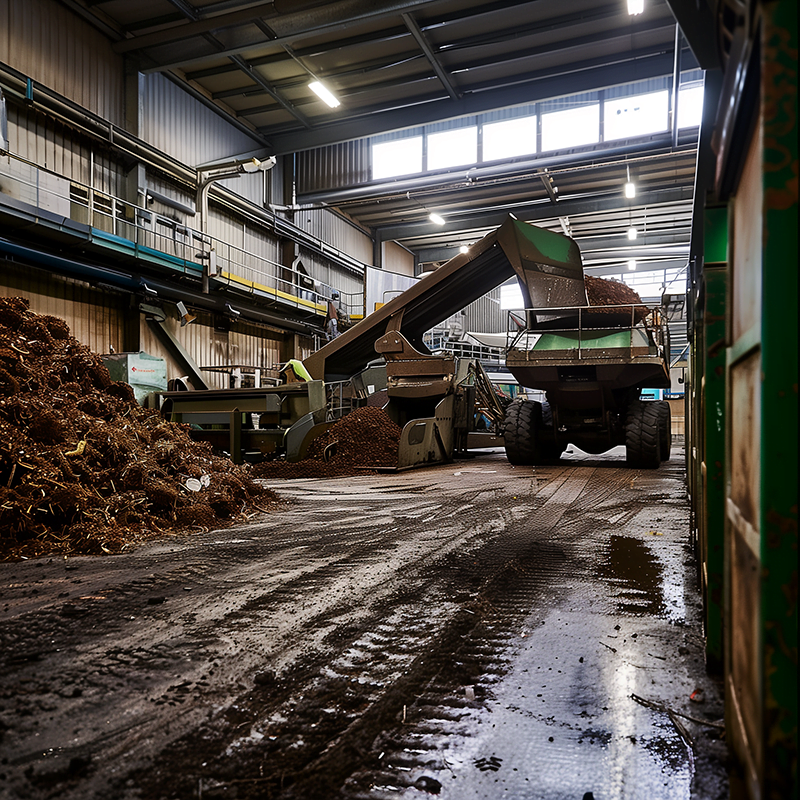
    In-vessel composting is considered to be the most cost-effective way to compost commercially. For this method, composting facilities shred and mix organic waste together, and then palace them into a commercial composting machine. This material is sanitized by high temperatures that kill off harmful bacteria. Once complete, it’s left to mature in an enclosed space.

    Benefits of Composting Organic Waste

    There are many benefits to using a commercial composting facility to compose organic waste. The primary benefit is that it prevents food waste and garden waste from winding up in the landfills, where it will release methane and contribute to global warming.

    Think of composting like recycling: instead of recycling a plastic bottle to be given a second life as a different plastic bottle, you’re giving your organic waste the chance to become nutrient rich soil in a finished compost pile.

    In addition to reducing what’s in our landfills, compost piles also minimize the amount of chemical fertilizers used by farms and homeowners. Since composted organic matter becomes nutrient rich soil, using chemical fertilizers is not needed as often.

    Challenges of Commercial Composting Facilities

    Commercial composting facilities do face their own unique set of challenges. First, industrial composting facilities often require a lot of space and must adhere to specific zoning regulations. Next, encouraging individuals to actually recycle their organic matter isn’t easy. Finally, in many cases, waste management companies must separate organic matter from each other to ensure the compost quality is at its highest.

    Industrial composting can also attract pests and other common contaminant. Additionally, not everyone does it right, which can contribute to more compostable waste in the environment.

    Commercial Composting FAQs

    What are the different methods of commercial composting?

    The different methods that waste management companies use for commercial composting at their facilities are vermicomposting, windrow composting, static pile composting, and in-vessel composting. For more information about which method is used in your area, contact your waste management company for more information. They will also be able to tell you which materials are compostable.

    What is the difference between commercial composting and home composting?

    The primary difference between commercial composting and home composting is the process, scale, materials, and methodology. Home composting can be done at home, while commercial composting requires special facilities with a broader range of tools and technologies accessible to them. Though the process, in general, is the same, each process is still quite unique.

    What does it mean to be commercially compostable?

    Only certified compostable products (and food) can be composted at an industrial composting facility. If a product says it can be commercial compostable, that means the materials can be sent to a commercial composting facility for the composting process. Every city has its own guidelines for individuals and businesses interested in composting, so check with your city to learn more.

    Regardless of the type or method of commercial composting used, it’s certainly a step in the right direction for our environment, as it reduced landfill use and methane production.

    Lets Get Started

    Made In The USA

    Full PouchCustomization
    Scalable Printing Digital & Plate

  • Exploring PCR Plastic: A Sustainable Packaging Shift for Businesses

    Exploring PCR Plastic: A Sustainable Packaging Shift for Businesses

    Exploring PCR Plastic: A Sustainable Packaging Shift for Businesses

    What is PCR plastic?

    PCR plastic, which stands for post consumer recycled plastic, is an eco-friendly packaging process that utilizes recycled materials from PET bottles and existing plastics, giving them a second life in the supply chain. With billions of pounds of plastic waste generated each year, there is a serious need to expand the use of PCR plastics for new products.

    What is PCR plastic

    Advantages of PCR packaging

    While all recyclable plastic packaging is a step in the right direction for brands and businesses looking to reduce their carbon footprint, there are several specific benefits worth discussing, including marketing advantages and adhering to regulatory compliance. 

    Environmental Benefits

    The environmental benefits of using PCR packaging should go without saying. Using post consumer recycled plastic in lieu of other more wasteful materials can work towards reducing landfill waste, conserving precious resources and raw materials, and reducing greenhouse gas emissions. The environmental impact of recyclable packaging is the core benefit of using PCR plastics.

    Environmental BenefitsMarketing Advantages

    Marketing Advantages

    Beyond using less energy and fossil fuels to manufacture and recycle, brands shouldn’t overlook the marketing advantages of using PCR packaging. By adding messaging to your packaging about your company’s sustainable manufacturing process and how it supports recycling programs, you can meet consumer demand for recyclable packaging, ultimately enhancing your brand image. 

    Regulatory Compliance

    As time goes on, more and more local, state, and federal regulations will focus on reducing the waste in the environment created by plastic packaging. By using PCR packaging now (instead of when you’re “forced” to), you can beat the regulatory bodies to the punch and be prepared for future regulations on the use of recycled plastics for plastic bottles and other plastic products. 

    Regulatory Compliance

    Challenges of Using Recycled Plastic Packaging

    Of course, as with any type of material used for packaging, PCR plastic has some disadvantages. It’s important to weigh any short-term challenges with long-term benefits before deciding if PCR plastic packaging is right for you. Our team can help you evaluate both sides to make a decision. 

    Discoloration

    The reheating process in creating this type of product packaging can alter its color and clarity. Though it foes not hinder functionality, it can clash with the aesthetic of some brands. Fortunately, many customers are forgiving of slight discoloration if they know it’s enhancing the circular economy.

    Discoloration pcr packagingSupply chain complexities in pcr packaging

    Supply chain complexities

    The availability and consistency of the supply is not always guaranteed (because, after all, it requires that consumers recycle), which can cause delays. To help encourage recycling, some brands are printing information about how to use a recycling center on their new packaging. 

    Cost implications

    The initial upfront cost of using post consumer recycled material is more expensive than other options currently available. Still it’s worth noting, that the long-term positive impact on the environment and meeting sustainability goals trumps any short-term financial impact of using recyclable packaging. 

    Cost implications of pcr business packaging

    How to Implement Recycled Plastics in Your Packaging Strategy

    If you’re ready to reduce the use of fossil fuels and take the leap into sustainable packaging, and feel that PCR packaging is the right choice, implementing recycled plastics into your packaging strategy isn’t difficult. The initial step is to assess feasibility of shifting to PCR packaging: audit your current packaging and supply chain, and evaluate how using packaging made from post consumer resin pellets will change this. 

    Next, you’ll need to partner with the right suppliers and recycling facilities who have experience with these packaging types. Ask them about their experience with recycled products and which eco friendly packaging options they can offer you. Finally, work with them to determine what the best practices are for designing your packaging with PCR materials to maintain packaging effectiveness. 

    Future Trends & Innovations in PCR Packaging

    As time goes on, we expect more innovations to be made in regards to post consumer resin and how post consumer recycled content is made and used. As technology improves, plastics will be more widely recycled and regular plastic film (aka virgin plastic) will become less and less common. 

    We also anticipate that there will be an uptick in collaborations between companies and recycling initiatives, similar to how companies like Lush provide freebies to customers who bring plastic cosmetics containers back to the store for recycling. 

    Finally, and perhaps most importantly, we anticipate legislative changes that will impact the use of PCR products. These changes will likely mandate the use of PCR content in finished products so more plastic material is kept our of the landfills and our larger environment. 

    CarePac: Your Partner in PCR Packaging

    Regardless of the type of product you produce, a higher percentage of customers are focusing on the distribution chain and how it impacts the recycling stream. Fortunately, one plastic type that checks all the boxes and has a good shelf life is recycled PET packaging. Unlike virgin resin or virgin plastics, PCR packaging is created using plastic waste that already exists. 

    If you’re ready to discuss switching to PCR packaging, you’ve come to the right place. With decades of experience in the industry, and a passion for sustainable packaging, we can help you get started. Contact us today. 

    CarePac_ Your Partner in PCR Packaging

    Lets Get Started

    Made In The USA

    Full PouchCustomization

    Scalable Printing Digital & Plate

  • Recyclable Packaging

    Recyclable Packaging

    Recyclable Packaging

    recyclable-packaging-options-for-business

    Seven Recyclable Packaging Options to Consider For Your Business

    When it comes to keeping your brand current with your customers, one area you need to focus on is your eco friendly packaging options, including compostable packaging, reusable packaging, and sustainable packaging. As climate change continues to impact our everyday lives, many consumers avoid using products that don’t come in sustainable packaging and prefer to reduce plastic waste throughout the supply chain and life cycle of their product.

    In this blog, we’ll discuss the different eco friendly packaging materials companies should consider providing to their consumers, along with a few tips for how you can promote a lower carbon footprint. Whether you opt for compostable packaging, reusable packaging, or some other kind of eco friendly packaging, we’re proud your brand is taking the next step in packaging sustainability.

    Popular Recyclable Packaging Materials

    If you’re curious about what your options are for sustainable packaging materials, we’ll highlight some of the most common used by companies below. Just remember: when it comes to environmentally friendly packaging, any step your brand and your consumers can take towards reducing single use plastic packaging is a step in the right (and sustainable) direction.

    Boxes with gummed paper tape

    If your business is currently using boxes with plastic packaging tape, did you know that technically you cannot recycle paper and plastic together? You can improve your packaging sustainability by opting for gummed paper tape instead of plastic tape. Since all parts of the package are made from paper, they are really easy to recycle. If your business wants to focus on sustainable shipping, using this method and then using climate credits to offset the carbon footprint created by your business should be considered.

    boxes-with-gum-paper-tapekraft-paper-mailers

    Kraft paper mailers

    Using Kraft paper mailers is sustainable packaging 101. Since these packaging solutions are made out of regular paper, using them to send things to your customers can have a positive, collective impact on the environment. Businesses that use Kraft mailers for shipping products to customers include fast fashion, online shopping retailers, and large businesses that send a lot of contracts or paper products in the mail. In addition to Kraft paper, you can also look into using compostable mailers for shipping products.

    Crinkle paper

    If you currently use plastic or bubble wrap to pad your corrugated boxes, consider switching to biodegradable packing peanuts or crinkle paper. Both are considered to be an eco friendly packaging material, and they’ll reduce the environmental footprint of your business. Natural resources, like beechwood trees and similar raw material, are dwindling, so any time you can use biodegradable or compostable packaging is an opportunity you should take advantage of.

    krinkle-paper-packagingbiaxially-BOPE-film-1

    Biaxially Oriented Polyethylene Film (BOPE)

    The need for more environmentally friendly packaging intersects perfectly with the high-quality recyclable options that biaxially oriented polyethylene film pouches offer. BOPE is a clear material with two layers of oriented and processed Polyethylene. Printable, and convertible into Stand up pouches, and box bottom bags, this film is an environmentally friendly packaging option that may be accepted in municipal and commercial recycling programs.

    Recycled packaging

    Think outside the box and use recycled packaging materials in lieu of plastics when shipping items to customers. For example, skip the plastic packing peanuts and use paper you shred yourself. Businesses around the world struggle with paper waste — why not get your office papers professionally shredded, keep the bags of shredded paper, and use them to line boxes or produce bags? Customers will be sure to appreciate that they’re working with a sustainable business.

    recycled-packagingCornstarch and mushroom packaging

    Cornstarch and mushroom packaging

    Cornstarch and mushroom packaging are the newest eco friendly packaging option to hit the environmentally friendly packaging industry, and both are perfect examples of sustainable packaging solutions. Both are considered to be biodegradable packaging, since they can be broken down in a commercial or home compost environment, similar to regular paper. If your goal is to keep plastics out of the landfill, this flexible packaging option is among the best.

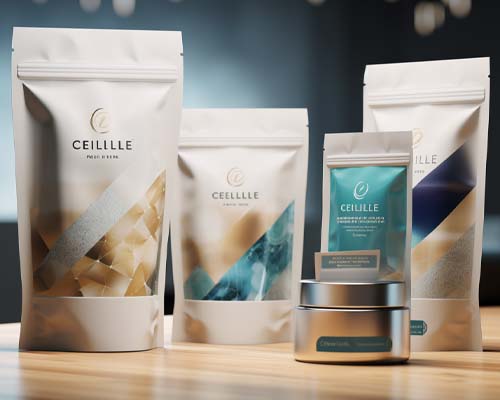
    Cellulose packaging

    Popular among a large portion of food brands, cellulose packaging is made from natural and sustainable sources like hemp, wood, and cotton. This packaging material is biodegradable, making it the perfect sustainable packaging alternative to plastic.

    cellulose-packaging

    CarePac: Your Eco Friendly Packaging Partner

    If your search for sustainable packaging has brought you to CarePac, we’re honored that you’d consider us to be your eco friendly packaging partner. Our business model focuses exclusively on packaging, and we’re making a huge push for more of our boxes and bags to use biodegradable, recyclable, and sustainable materials. If sustainability of the packaging industry is on your mind, you can rest assured that it’s on our mind, too.

    Overwhelmed with

    all the options?

  • How Does Composting Work?

    How Does Composting Work?

    How does composting work?

    How does composting work?

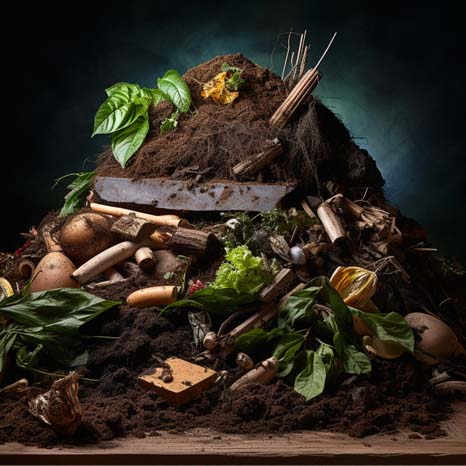
    Composting is a natural process of recycling organic waste, such as food scraps and other organic matter like wood chips, grass clippings, and coffee grounds, into a nutrient-rich fertilizer. This finished compost can then be used in backyard gardens instead of fresh manure, synthetic fertilizers, or commercial fertilizer to encourage plant growth.

    If you’ve been wondering “how does composting work,” you’re in luck. In this blog, we’ll discuss the composting process in greater detail, including the benefits of the compost process and some basic home composting tips to help you get started.

    Benefits of the composting process

    There are many benefits to backyard composting. In fact, there are very few disadvantages to turning food waste and other organic materials into a nitrogen-rich material that can be used to fertilize the garden soil of your outdoor and indoor plants. As such, this blog will focus exclusively on the benefits of the backyard composting process, including how it helps reduce food waste and greenhouse gas emissions.

    Reduces food waste

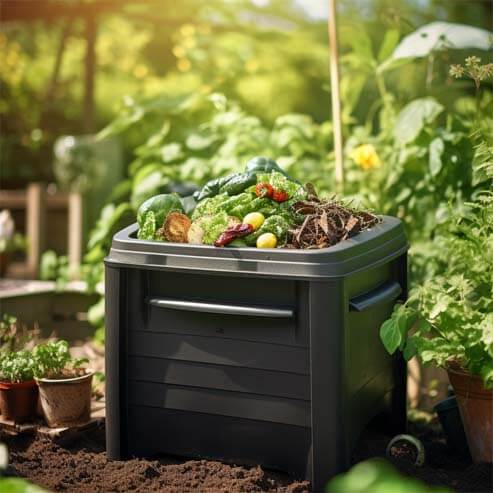
    If you have a compost bin at home, you already know how worm composting reduces organic waste, including garden waste. Food scraps, including coffee grounds, tea bags, and fruit and vegetable scraps, go directly into your compost bin instead of the trash can. You can even put yard trimmings, shredded paper, and paper filters (like the ones you use for coffee) into your home compost bin.

    If you’re concerned about your environmental impact, using what’s in your compost bin as a soil amendment is a great way to reduce greenhouse emissions of food scrap waste. Why not turn food scraps into a valuable fertilizer?

    Cuts excess nitrogen from landfills

    When organic matter goes through the decomposition process in a landfill, it goes through aerobic decomposition. This means that it’s broken down by microorganisms that require oxygen. If there’s not enough air, the biological process simply won’t happen.

    These microorganisms give off something called “biogas”, a natural by-product of the decomposition process, which is roughly 50% carbon dioxide. As you can see, transforming kitchen waste into compost materials via compost bins is a better alternative than sending food scraps, yard waste and grass clippings to landfills.

    Conserves water

    Did you know that when you add organic material, like cat litter and kitchen scraps, to fresh soil it actually changes the soil structure and increases its ability to retain water? Just a 1% increase in organic materials in soil means it can hold 20,000 more gallons of water per acre. While this might not seem like a lot for those who use a home compost bin or participate in worm composting, imagine if every household across America used compost bins to turn fresh grass clippings and pet waste into a nutrient-rich soil amendment for their potting soil? It adds up!

    Types of home composting

    There are two main types of backyard composting: passive (cold) composting and active (hot) composting. We’ll discuss each a bit more before providing some tips on how to turn food scraps, kitchen waste, a wrung out sponge, and yard waste and pet waste into nitrogen-rich materials with a home compost bin.

    Passive compost pile

    Passive composting breaks down organic matter VERY SLOWLY, but it also requires very little effort. During this type of composting, you let Mother Nature do her job through natural decomposition. Vegetable scraps, wood chips, and yard waste will all decompose naturally…at some point. This is passive composting. Simply sit back, relax, and let nature do its thing.

    A high contrast, dark typography integrates a simple sans-serif with classic and historically influenced italic serif font. Which gives their packaging a feeling of both old-world familiarity and modern elegance.

    If you’re looking to showcase your product with a contemporary and clean design, this packaging from Sandro Desii can serve as a tasteful inspiration.

    Active compost bin

    Hot composting, albeit faster, is also a much more involved process. This method requires you to keep carbon and nitrogen levels at the right ratio. If you’ve ever seen someone with a garden fork taking grass clippings and food scraps from plastic storage bins or compost tumblers and incorporating it into their existing composting material, they are taking part in active composting.

    The resulting carbon rich material is the same, it just happens at a much quicker rate.

    composting-at-home-tips-and-tricks

    Composting at home: Tips and advice

    If you’re interested in turning your food scraps and yard trimmings into healthy soil, here are a few things to keep in mind:

    • Contrary to popular belief, the food scraps will not attract pests or fruit flies – as long as you use the appropriate materials to collect food scraps and incorporate them into the soil.

    • The finished compost materials won’t trigger invasive weeds to grow, at least not at a higher rate than what you may currently be experiencing.

    • You’ll need to maintain moisture, so make sure you’re adding a mix of “wet” kitchen scraps in addition to woody materials and yard trimmings.

    • You can use an open compost pile, a closed compost pile, or you can participate in trench composting. You can even compost on cinder blocks. Each has its pros and cons, so research each one before you select one for your own waste management needs.

    • The resulting nitrogen rich materials can be used to fertilize a variety of things, including your front lawn or fruit and vegetable garden.

    As you can see, there are several benefits to composting. Your commitment to the environment shouldn’t end with composting, either. If you’re concerned about the environment, you should align yourself with brands that are eco-friendly and environmentally-conscious (like us!)

    Overwhelmed with

    all the options?

  • Biodegradable vs Compostable

    Biodegradable vs Compostable

    Biodegradable vs Compostable

    difference-biodegradable-vs-compostable

    Biodegradable vs Compostable: The Main Differences

    The terms “biodegradable” and “compostable” are often used interchangeably, but they actually mean two completely different things! In short, all compostable products are biodegradable, but not all biodegradable products are compostable.

    In this blog, we’ll explain what the terms biodegradable and compostable mean so you can choose between a biodegradable product, compostable plastics, or similar organic materials. With either choice, you can avoid toxic waste in landfills and reduce the accumulation of plastic products in the oceans. Leave toxic waste behind!

    What are Compostable Materials?

    Compostable materials are any materials that can disintegrate into non-toxic, natural elements. Since compostable products break down into natural elements via a composting process, they cause no harm to the environment.

    When it comes to biodegradable vs compostable materials, we’ll explain both below so you have more context, in addition to the compostable definition and what the term biodegradable means.

    Advantages of Compostable Products

    The primary benefit of compostable plastics is its environmental benefits, which can also improve consumer perception of your brand. Since compostable items break down naturally, they don’t contribute to fossil fuels, carbon dioxide, or other negative biological processes. Simply put, getting on board with the “zero waste” ethos by using compostable products will keep your customers happy.

    If the compostable items can be composted in a home compost pile, this is an added benefit. This way, users can compost their items in a compost bin or home compost environment.

    advantages-of-compostable-productsdisadvantages-of-compostable-products

    Disadvantages of Compostable Products

    Of course, there are some disadvantages to everything, including using a compostable product. First, compostable plastics aren’t as strong as other plastics. They also have a lower barrier to oxygen and moisture, which means they aren’t the best option for all products.

    Finally, some compostable bags can only be composted in an industrial composting facility. Unfortunately, not every city has access to industrial composting facilities, which can make recycling compostable packaging difficult for the end user.

    If you’re using commercially compostable plastic, you’ll want to include special messaging on your compostable goods about how to find commercial composters or an industrial facility (in addition to pointing out the compostable waste must be free from inorganic compounds and food scraps!)

    What are Compostable Materials?

    Compostable materials are any materials that can disintegrate into non-toxic, natural elements. Since compostable products break down into natural elements via a composting process, they cause no harm to the environment.

    When it comes to biodegradable vs compostable materials, we’ll explain both below so you have more context, in addition to the compostable definition and what the term biodegradable means.

    What are Biodegradable Materials?

    Biodegradable products do not use toxic chemicals. When compared to regular plastic, they will degrade in a more timely manner (without requiring a compost bin) and won’t leave behind any toxic residue. They do not need to be recycled in a home or industrial composting environment.

    Since biodegradable bags are made from organic materials, they consume less energy during manufacture, especially when compared to petroleum-based plastic.

    advantages-of-biodegradeable-plasticdisadvantages-of-biodegradeable-material

    Disadvantages of Biodegradable Material

    Unlike compostable materials, using a biodegradable material for biodegradable plastic bags requires more crops and croplands to produce biodegradable products. Additionally, they cannot decompose in the ocean because the water is too cold. This can leave toxic residue behind in the oceans, impacting our sea life. naturally occurring microorganisms, and other organic matter.

    Thankfully, this can be avoided by following best practices for customary disposal.

    Biodegradable vs Compostable: Which is Better?

    Both biodegradable and compostable plastics (made from polylactic acid or bags made from other compostable materials) are better than standard plastic materials made from polyethylene.

    They both reduce organic waste and only one requires using industrial aerobic composting facilities. Whether you choose compostable packaging, oxo-biodegradable products, or packaging made from another type of organic matter, both remove plastic waste from the landfills.

    Both biodegradable and compostable products result in recycling organic waste, which is a win for our environment.

    Biodegradable and compostable plastic FAQs

    As a leader in the biodegradable, compostable, and organic packaging industry, we get a lot of questions about compostable and biodegradable materials. Here are a few of the most common.

    Can biodegradable items be composted?

    No, not every biodegradable product is compostable. The terms biodegradable and compostable are list nesting cups. All compostable bags are biodegradable, but not all biodegradable bags are compostable. Compostable products biodegrade in a predetermined amount of time, based on a testing standard, while biodegradable bags have no set timeline for biodegrading.

    Do compostable items break down in landfills?

    It’s not clear, they should if it is exposed to the right mix of moisture, oxygen, and bacteria.

    Is bamboo biodegradable or compostable?

    Since bamboo is a natural element, it’s biodegradable. It is also compostable, though, and will break down within 2-6 months, depending on the material and composting method.

    Purchase Compostable and Biodegradable Packaging from CarePac

    Whether you choose biodegradable or materials that can be turned into usable compost, we’re here to help. We have been manufacturing packaging made from compostable and biodegradable materials for years, and are ready to help you in any way we can. Connect with us today to discuss all things biodegradable, or get a Quick Quote to get your project started.

    purchase-biodegradable-packaging-from-carepac

    Overwhelmed with

    all the options?

  • Eco-Friendly Commitment

    Eco-Friendly Commitment

    Eco-Friendly Commitment

    Eco-Friendly Commitment

    At CarePac, we are committed to reducing both our environmental impact and that of our customers by promoting sustainable packaging solutions and practices throughout our business. As a flexible packaging company, we recognize the critical role we play in reducing waste and protecting the planet. 

    With over 40 films available, we have a material that will ensure your stand up pouch is of the highest quality. We can also combine materials in a custom order. You can combine a black film with a clear film, or metallized with a glossy finishing. It’s your choice! Contact us to learn more about custom printed pouches and stand up pouch projects. Give us a call at 626-655-7474 and request a quotation. We’ll be happy to help you.

    To that end, we pledge to:

    10 Tips When Considering Eco-Friendly PackagingOffer sustainable packaging options

    We will provide our customers with a range of eco-friendly packaging options that reduce waste and promote sustainability.

    We’ve highlighted eco-friendly options as a top navigation menu item on our site, and encouraged customers to consider ecofriendly film options for their projects. 

    Reduce our carbon footprint

    We will minimize our energy consumption and greenhouse gas emissions by using renewable energy sources as possible and implementing energy-efficient practices.

    Electricity consumption

    CarePac took into account electrical utilization when selecting our newest converting and laminating equipment. Working closely with our machine manufacturer, we reduced KWH requirements from 77KWH to 50KWH.
    Faculties Upgrades

    CarePac recently coated our facilities roof with a energy savings coating, to reduce heating and cooling costs. Additionally we replaced all production floor lighting with high efficiency LED lighting.  

    Promote recycling and composting 

    We will encourage our customers to recycle and compost their packaging materials, and will work to ensure that our packaging materials are recyclable and compostable. Including the following material options:

    BOPE

    Stand Up Plastic Food Packaging Granola Packaging Bag

    Recyclable flexible barrier solution for stand up pouches.

    Compostable

    Promote and support the adoption of industrial and ambient compostable flexible barrier solutions. 

    PCR Content

    Work to increase the amount of PCR content available in our products.

    Practice responsible sourcing


    We will work closely with our suppliers to ensure that the materials we use are responsibly sourced and meet our sustainability standards.

    CarePac’s top selling QualiVac film lamination was redesigned to reduce transport costs by reducing packaging weight and through synchronizing production using a computerized system to synchronize distributor platform inventory management with production.  
    CarePac has renewed it’s focus on western hemisphere material sourcing by entering negotiations with South American film suppliers to reduce or eliminate the need for ocean shipping of raw materials. 

    Educate our employees


    We will educate our employees on sustainable practices and encourage them to incorporate these practices into their daily lives, both at work and at home.

    We believe that by making these commitments, we can help reduce our environmental impact and promote sustainable practices in the industry. We are dedicated to continually improving our sustainability practices and to being a leader in eco-friendly flexible packaging solutions.

  • Is There Strong Consumer Demand for Sustainable Products in 2022?

    Is There Strong Consumer Demand for Sustainable Products in 2022?

    Is There Strong Consumer

    Demand for Sustainable

    Products in 2022?

    Having a sustainable product is great for the planet and your consumers. But if no one wants that product, you’re not doing anyone any good. In 2022, sustainability and environmental consciousness and information is more prevalent around the world than ever before. The driving factors for this increased awareness and attention to the environment have been accelerating and are a direct reflection of modern shopping habits. Diving into customer trends and practices reveals the true desire for environmentally safe products and packages.
    There is strong consumers demand for sustainable products in 2022 because consumers are more educated on the importance of protecting the world and combatting climate change, they’ve seen sustainable brands reach great success, and they expect brands to take full responsibility for their actions. The COVID-19 pandemic played an additional part in heightening awareness that just because things have been a certain way before, doesn’t mean that they’re the only or even the way forward.

    People Know More About the Environment & Sustainable Products

    When looking into the demand for sustainable products across industries, regardless of specific company profile, the results are clear: consumers want to go green. People of all ages, locations, and statuses care about keeping the planet clean and healthy. By and large they now expect brands to do the same.

    As the talk around sustainability, going green, and eco-friendly choices increases, so does the research and education people are seeking out. With extreme weather events and very real and dangerous affects of climate change being felt around the world, this information-seeking will only continue to rise. The impact? A deep understanding and affinity towards companies that are doing what they can to improve the state of the Earth instead of making it worse.

    It’s incredibly important to do everything we can to meet the request that clients have: adopt green products and become a sustainable business. Supply them with the information they need. Their desires are not unwarranted and are not a trend that will soon disappear, but something that is here to stay. As the knowledge base continues to grow, so too will the importance of incorporating real changes. No longer will companies be able to get away with greenwashing or making false promises. The general public is simply too smart.

    Consumer Sustainability Trends & Demand for Innovation

    Consumers and Sustainability 

    McKinsey & Company impressively explains in their study, “Across all end-use segments, 60 to 70 percent of consumers said they would pay more for sustainable packaging”. But what other behaviors are consumers adopting when it comes to sustainability and environmental consciousness? These key environmentally conscious consumers’ statistics paint a picture of the current scene.

    Overall it’s abundantly clear that the members of our society as a whole are doing what they can to minimize their own impact on energy consumption, and the expectation going forward is sustainable practices are used by each and every brand. Those brands already doing so are rightfully reaping the rewards.

    Sustainability Equals Success for Companies

    Just because you learn something doesn’t mean applying your acquired knowledge will work in the real world. Yet when it comes to consumer products becoming good for the environment, it has and continues to work every day. Consumer demand for environmentally safe products and packages is also high because it’s now clearly feasible to accomplish. With more innovation, comes more sustainable products to choose from. 

    Awareness of the climate crisis has hit an all-time high. People now know that we are harming the atmosphere and our home through practices that have historically been normalized and done without a second thought. But the trend of conscious consumerism that emerged a few decades ago is now here to stay. Restaurants and cafes have adopted reusable containers to eliminate single-use waste. Apparel brands use recycled materials to give older items a second life. Environmentally focused startups dedicated to finding solutions to our warming climate are on the rise. Food and beverage companies are using compostable packaging. The list of innovations from brands across the spectrum is almost endless.

    Consumers are seeing success after success in the sustainable energy space. This has made them realize that each and every company has the ability to adopt at least some of these practices into their own operations. And if they haven’t, it’s not from a lack of possibility or accessibility, but a lack of initiative or care. Carepac has adopted compostable and biodegradable options to empower each and every company to put their foot forward and help be a part of the solutions instead of a part of the problem.

    The Pandemic Effect on Sustainable Products

    In the past, consumers have seen companies pollute, damage nature, spill massive amounts of trash, use unnecessary excess packaging causing extra garbage, and not take any responsibility for any of it. But consumers are smart, and they’ve had enough.

    Remote work is here to stay. People will wear face masks forever. And sustainability will always be a top priority. All of these shifts and more were largely influenced by the COVID-19 pandemic rocking the world. This period of disruption led to reflection on the way things have been, and more ideas to pave the way for a better future.

    With additional free time, people were able to reconnect with nature and remember how special this place is that we call home. Some ways for brands to help protect nature is by reducing their greenhouse gas (GHG) emissions and setting science-based nature targets for reversing harm done in the past.

    There is also plenty of room for innovations in the environmental operations space. Consumers will continue to resonate with and embrace leaders taking action. Companies such as Group Éxito have found great success using satellite surveillance to incentivize farmers to reforest their land. Other companies such as Allbirds list the emissions data of each item a consumer is purchasing, enabling them to make an educated and conscious shopping decision. For something like food packaging that needs to be sealed properly, innovation has been required to provide the same level of safety, security, and preservation that plastic counterparts can bring. Thankfully, we’re almost there, and making the decision is easier than ever.

    Should my Company Hop on the Sustainability Train?

    If you’re wondering how companies can be more sustainable, or how consumers can be more sustainable, you’ve come to the right place.  The consumer demand for sustainability is clear. Your brand can and must fit into the shifting marketplace and be a viable long-term success by adopting sustainable practices and seeking out sustainable innovation. It’s better for the Earth, for the consumer, and for yourself. Thus, sustainability branding is more important now than ever before. Plus, it gives your brand a premium feel. 

    What used to take an endless amount of time, effort, and expertise is now made easier thanks to eco-conscious packaging providers like Carepac. We are here to help you achieve all of your sustainability goals. One of the easiest and best ways for a consumer packaged goods (CPG) company to transition its ways is by changing its shipping and packaging materials. Adding sustainable packaging materials to your business is the perfect way to get this goal started.

    Two great options to choose between are compostable and biodegradable packaging. Instead of ending up in a landfill and taking years to decompose, these options break down into natural elements and return to the Earth much faster. A couple of months compared to hundreds of years is a massive difference and will make a real impact on bettering the planet.

    Not only that, but consumers will be happy about it too. When picking between two similar food or beverage options, if one is using materials and practices that are beneficial and another is using materials and practices that are harmful, all signs point towards the former being the more popular option today and forevermore. In fact, the want for sustainable products is so high that more than one-third of consumers worldwide are willing to pay extra for them.

    In general, doing the right thing doesn’t always feel like the best or easiest decision. In this case, it is. There is strong consumer demand for sustainable products and massive adoption of green practices from businesses, customers, and brands. Additionally, there is a growing trend of requesting and demanding that we change our ways to better the planet. Together, when brands commit to a better bath, and consumers continue to make smart purchases, we can do just that.

  • Why Sustainability Branding & Sustainable Brands are So Important Right Now

    Why Sustainability Branding & Sustainable Brands are So Important Right Now

    Why Sustainability Branding &

    Sustainable Brands are

    So Important Right Now

    Sustainability is a concept that has been tossed around for decades, but recently there has been reinvigorated energy behind sustainable brands that is here to stay. More people now understand the implications that harmful emissions have on the future of life on our planet, and the numbers will only continue to rise. But is the concept of sustainable branding and business practices easier said than done? Thankfully, not anymore. It’s easier than ever to bring sustainable branding to the forefront of your business, and take a plethora of benefits along with it. So what does it take to be branded as a sustainable brand? Learn more. 

    Sustainability branding is so important right now because the environment and future generations depend on us to act now, consumers expect environmentally friendly practices from a sustainable brand today, the process and implementation are accessible, and the benefits are astronomical. The solutions for all brands, but especially packaged goods (CPG) brands, to move towards more sustainable options are here to stay. It’s essential to take advantage of this right now during this pivotal moment in history before it’s too late.

    The Earth Needs Sustainability

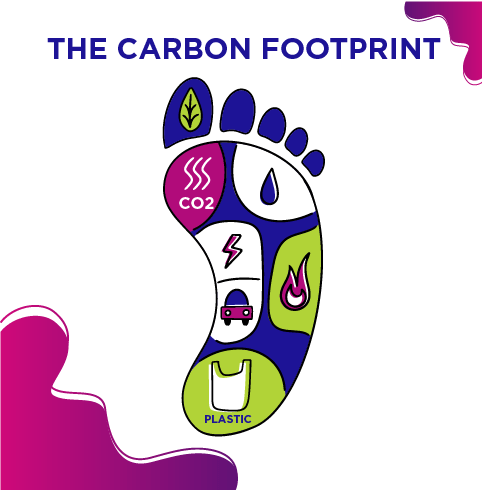
    Everything you do, make, and consume has a so-called “carbon footprint,” or an impact on the environment. From the foods you eat to the energy you use, all of the systems we’ve had in place for generations have not been set up with the Earth’s wellbeing in mind. Yet when something is sustainable, it minimizes this impact through something that can be done again and again without depleting resources or compromising the future.

    Everyone plays a part in emissions that are harmful to the planet, from the individual level up to corporations and governments. But a sustainable brand has an especially powerful responsibility to protect the Earth. Consumers look to brands to get a sense of identity, understand how their founders and employees think and feel, and shape their opinion of the world around them. When brands are pushing the morally right choice of living sustainably, the impact will trickle down and do more good than you may initially realize. This is why sustainable branding is so important. 

    In addition to the far-reaching impact that sustainable branding has, the Earth needs us to act now to prevent natural disasters. As global temperatures continue to rise, the disaster and destruction that will come with rising sea levels and heat waves will be horrible. If you care about the environment you must know that every little bit counts. That’s why your brand should be prepared to make a switch today.

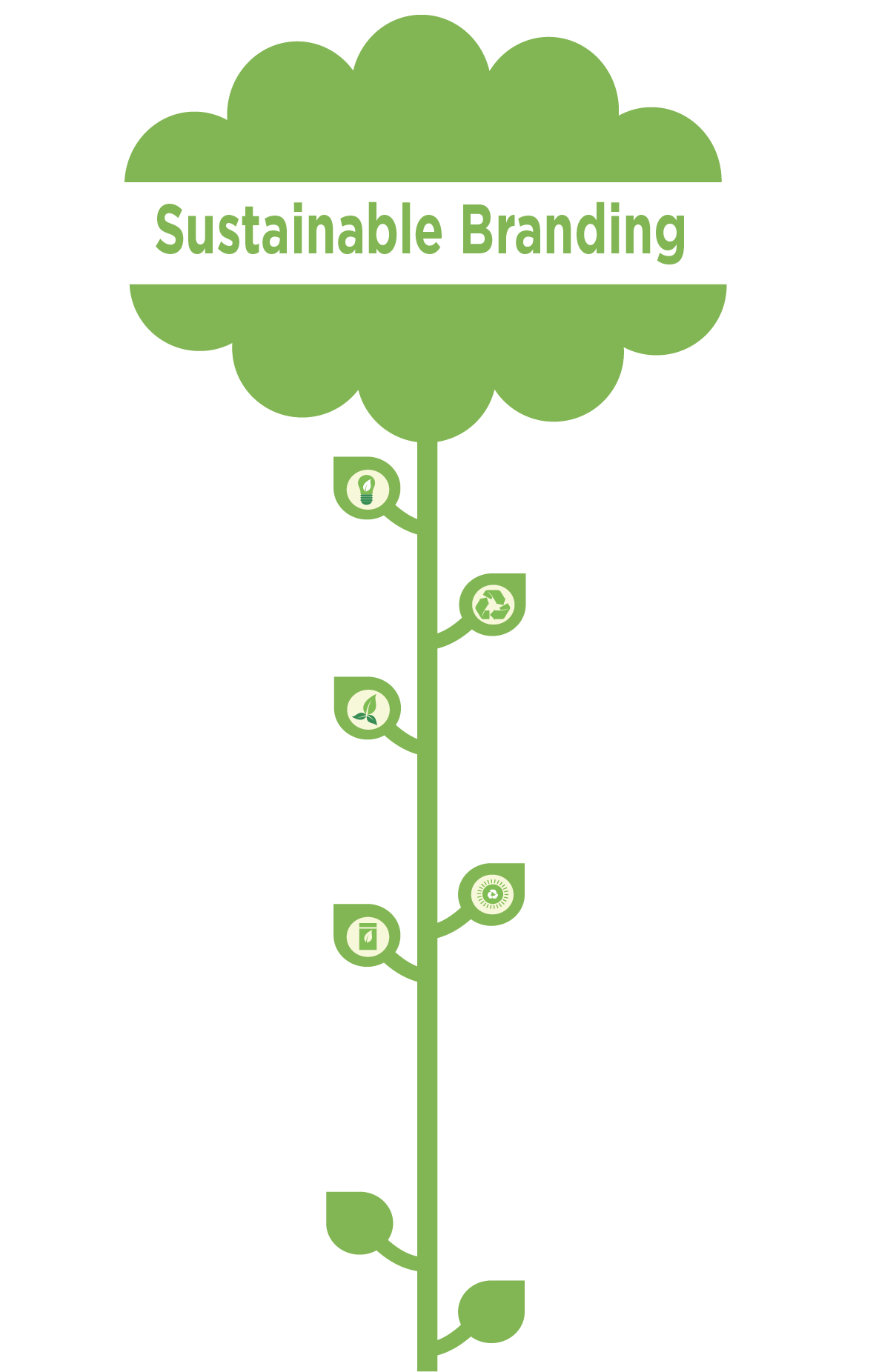
    Sustainable Branding Infographic

    How Businesses Can Adapt to Sustainability

    But isn’t switching entire brand operations to implement more sustainable practices incredibly difficult? Perhaps a few decades ago, but today, shifting to sustainable brands is easier than ever.

    Sustainability is a full-circle concept, meaning all of your actions, practices, materials, and habits come into play. In a high-level way, all sustainable clothing brands do differently is reduce or eliminate their harmful emissions and waste, use better materials, and operate in a more efficient and Earth-friendly way. But what does that actually mean?

    To think about how brands can become sustainable, we have to take a look at their consumption and the way you operate. Do you make deliveries in gas-powered vehicles? Perhaps switching to an electric fleet can reduce your greenhouse gas emissions. Do you have excess product that you’ve historically thrown out? Try donating or repurposing this “waste” into a new creation that benefits your brand and those around you. Are your materials full of plastics that will end up in a landfill? Try switching to recyclable, biodegradable, or compostable alternatives. Other options to look into include switching to a remote or hybrid workplace to reduce building and commute emissions, getting electricity from renewable sources such as wind and solar, and offsetting the emissions you do produce by buying carbon credits or planting trees.

    What you want to avoid is greenwashing, a marketing tactic that portrays an image or logos of a sustainable fashion brands or environmental sustainability, without actually being one. Become green first, and implement green marketing second, not the other way around.

    The Future Landscape of Eco-Friendliness

    Perhaps you’ve seen a futuristic sci-fi movie where everyone flies around in silent, emission-less cars, cities are filled with nature, and the air is pure and clear. Is that a future that we’re heading towards?

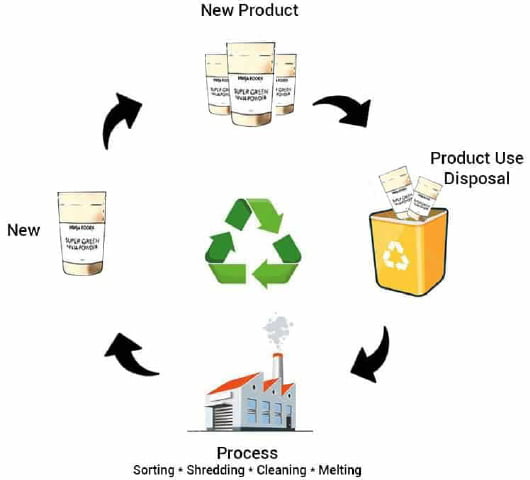
    Perhaps not, but the business landscape is transitioning to include more eco-friendly packaging and products. More and more restaurants are replacing styrofoam and plastic to-go containers with recyclable and reusable boxes. This helps the environment by reducing waste, pollution, and littering. Circular-economy business models are gaining popularity, where the materials used are recycled and returned to companies, before going back to the customer, and so on in a circular motion that can continue forever (in other words, it’s sustainable). And consumer packaged goods brands are using better materials to package their coffee, cannabis, granola, and more. Through materials innovation, biodegradable and compostable packaging is already able to handle many of the same environments and freshness ratings as plastic alternatives and is only going to get better and better.

    As the convergence of brand awareness and material quality meets, the future landscape for sustainability and especially packaging will be largely different than today. No longer will each package be opened, used, and thrown into the trash to sit in a landfill forever. Instead, these packages will be reused, converted into the soil, and recycled.

    Consumers are Noticing: Sustainable Brands are On The Rise

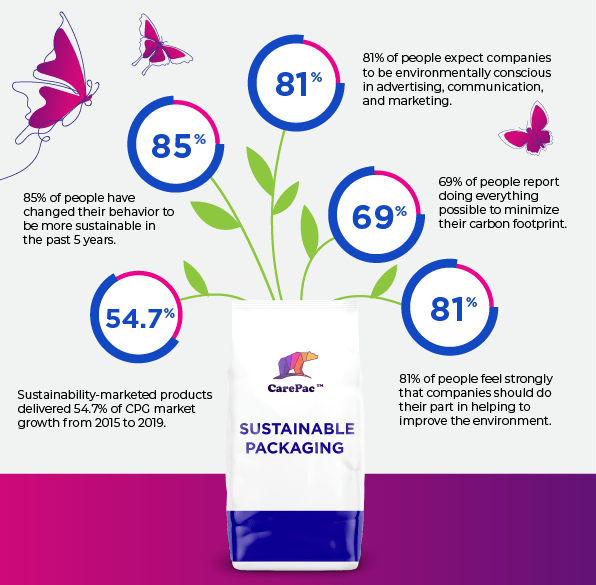
    It isn’t only brands that are aware of the benefits sustainability brings, but customer awareness is at an all-time high. In fact, 81% of millennials expect companies to publicly support and commit to social responsibility, with the environment being one of the top concerns. This is only anticipated to keep growing.

    Consumers are also using their dollars to support brands that focus on sustainability from the ground up. Looking at some of the top global brands today, we can see the impact sustainable products and sustainable luxury brands have on business success. Allbirds, a clothing brand focused on comfort and performance, uses materials such as wool and tree fiber to minimize their footprint. Who Gives A Crap makes toilet paper from renewable bamboo and recycled paper. Imperfect Foods delivers “ugly” produce that would otherwise go unsold right to your door. Even the enormous and well-known yogurt brand Chobani uses 100% renewable energy and packaging that is recyclable, compostable, or made from recycled materials.

    All of these brands and many more are not just thriving despite their sustainable development goals and choices, they’re thriving because of them.

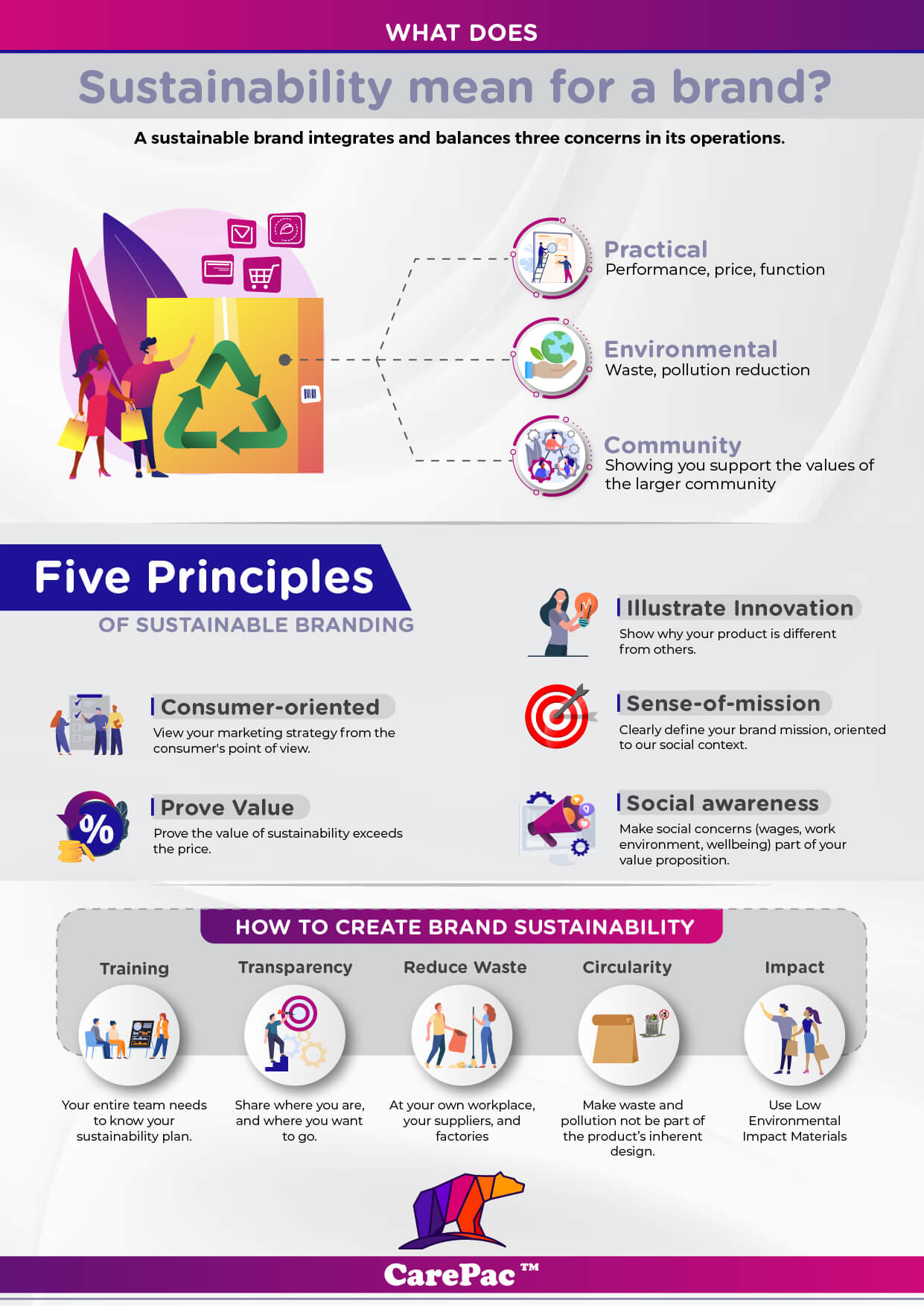
    Five principles of sustainable branding

    Consumer-oriented

    View your marketing strategy from the consumers point of view

    Prove Value

    Prove the value of sustainability exceeds the price

    Illustrate Innovation

    Show why your product is different from others

    Sense-of-mission

    Clearly define your brand mission, oriented to our social context

    Social awareness

    Make social concerns (wages, work environment, wellbeing) part of your value proposition

    How To Implement Sustainability Into Your Brand (Pros and Cons)

    If a brand is founded on environment-first principles, it may be easy to be sustainable. But what about an already established brand looking to make a change?

    There are many areas you can look at to make better choices with your brand’s sustainability, but one of the best is your materials and packaging for consumers. Plastic seems like a good option for your business because it’s cheap, readily accessible, and does a great job of keeping things clean and fresh. Yet plastic materials, from bags to straws to water bottles, can take anywhere from 20 to 500+ years to decompose. That means the piece of plastic you just threw out can still be sitting in a landfill in the year 2522. That’s not fair to the Earth, to the land, or to future generations that will have to live amongst all of this trash.

    Biodegradable and compostable alternatives fix this huge flaw.

    Biodegradable

     Biodegradable packaging breaks down and decomposes into the ground naturally. These special types of plastics don’t have a predetermined timeframe to return to the Earth, but they will do so naturally without additional treatment required. 

    Compostable

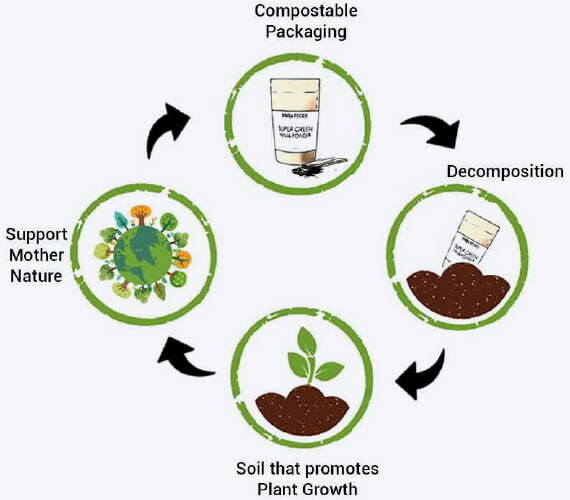
    Compostable options are even better for consumers, breaking down into natural elements within a specific timeframe. This process takes only a matter of months, much less than the hundreds of years needed for their alternatives. If you can package your products in compostable packaging, you are not only doing better for the world and helping your brand, but you are also helping all of your consumers make better choices too.

    When you brand is looking into making this important switch, it’s important to note that the strength and price of these sustainable materials can’t yet match their counterparts. They are also more prone to humidity and oxygen. However, as more people and more brands make their dedication to sustainability clear, the quality of these materials will continue to get better and better.

    You belong on the list of green companies leading this charge forward to a more sustainable future. Together, we can get you there. Through CarePac’s biodegradable and compostable packaging options, you can take the first step today towards paving a future that we can all be proud of without compromising the quality of your products and services. 

    Your business success, your consumers happiness, and the health of the Earth are directly intertwined. So let’s do everything we can to improve both today!

    How to create brand sustainability

    Training

    Your entire brand team needs to know your sustainability plan

    Transparency

    Share where you are, and where your brand wants to go

    Reduce Waste

    At your own workplace, your suppliers, and factories

    Circularity

    Make waste and pollution not be part of the product’s inherent design

    Impact

    Use Low Environmental Impact Materials Like CareCompost Films!