Category: Non Food Items Packaging

  • 6 Skin Care Packaging Ideas

    6 Skin Care Packaging Ideas

    6 Skin Care Packaging Ideas

    Skin Care Packaging Ideas | Packaging for Cosmetics
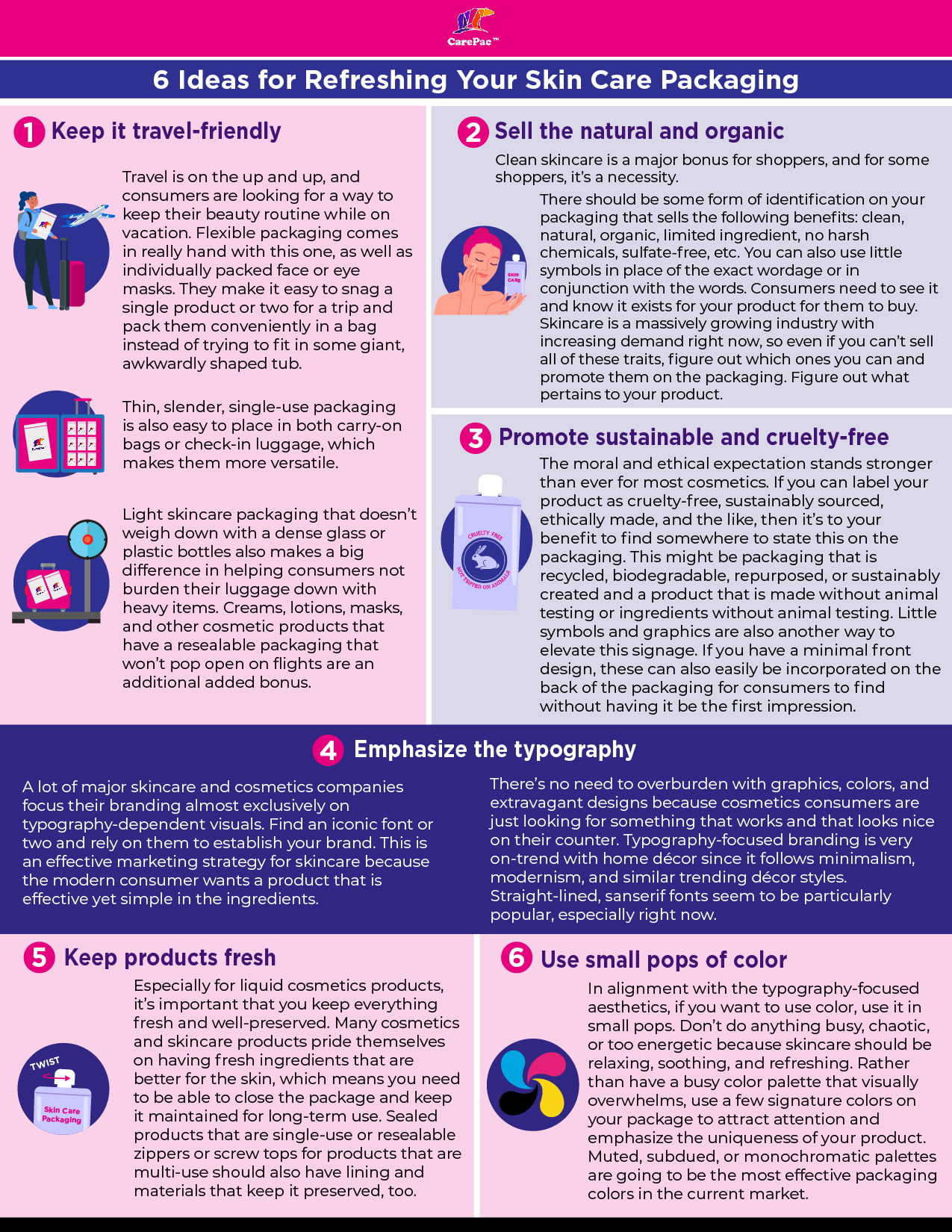
    Expectations are high when it comes to skincare and the cosmetics container it comes in, and in an aesthetic-driven industry, the aesthetic of your packaging is extremely important to your customer when it comes to creating a product that sells. Skincare brands focus on clean products, convenience, minimalism, a fresh look, limited ingredients, and eye-catching designs that attract without overwhelming. 

    Help your skincare brand and skin care products catch the spotlight with these 6 skin care packaging tips. 

    Six Skin Care Packaging Ideas

    1. Keep it travel-friendly.

    Travel is on the up and up, and consumers are looking for a way to keep their beauty routine while on vacation. Flexible packaging comes in really hand with this one, as well as individually packed face or eye masks. They make it easy to snag a single product or two for a trip and pack these cosmetics conveniently in a bag instead of trying to fit in some giant, awkwardly shaped tub or bottles. Thin, slender, single-use packaging is also easy to place in both carry-on bags or check-in luggage, which makes them more versatile. Light skincare packaging that doesn’t weigh down with a dense glass or plastic bottles also makes a big difference in helping consumers not burden their luggage down with heavy items. Creams, lotions, masks, and other cosmetic products that have a resealable packaging that won’t pop open on flights are an additional added bonus.

    2. Sell the natural and organic.

    Clean skincare is a major bonus for shoppers, and for some shoppers, it’s a necessity. There should be some form of identification on your packaging that sells the following benefits: clean, natural, organic, limited ingredient, no harsh chemicals, sulfate-free, etc. You can also use little symbols in place of the exact wordage or in conjunction with the words. Consumers need to see it and know it exists for your product for them to buy. Skincare is a massively growing industry with increasing demand right now, so even if you can’t sell all of these traits, figure out which ones you can and promote them on the packaging. Figure out what pertains to your product and make sure your buyers know it.

    3. Promote sustainable and cruelty-free.

    The moral and ethical expectation stands stronger than ever for most cosmetics. If you can label your cosmetics product as cruelty-free, sustainably sourced, ethically made, and the like, then it’s to your benefit to find somewhere to state this on the packaging. This might be packaging or bottles that are recycled, biodegradable, repurposed, or sustainably created and a product that is made without animal testing or ingredients without animal testing. Little symbols and graphics are also another way to elevate this signage. If you have a minimal front design, these can also easily be incorporated on the back of the packaging for consumers to find without having it be the first impression.

    4. Emphasize the typography.

    A lot of major skincare and cosmetics companies focus their branding almost exclusively on typography-dependent visuals. Find an iconic font or two and rely on them to establish your skin care brands. This is an effective marketing strategy for skincare because the modern consumer wants a product that is effective yet simple in the ingredients. There’s no need to overburden with graphics, colors, and extravagant designs because cosmetics consumers are just looking for something that works and that looks nice on their counter. Typography-focused branding is very on-trend with home décor since it follows minimalism, modernism, and similar trending décor styles. Straight-lined, sanserif fonts seem to be particularly popular, especially right now.

    5. Keep products fresh.

    Especially for liquid cosmetics products or facial care products, it’s important that you keep everything fresh and well-preserved. Many cosmetics and skincare products pride themselves on having fresh ingredients that are better for the skin, which means you need to be able to close the package and keep it maintained for long-term use. Sealed products that are single-use or resealable zippers or screw tops for products that are multi-use should also have lining and materials that keep it preserved, too.

    6. Use small pops of color.

    In alignment with the typography-focused aesthetics, if you want to use color on your cosmetics packaging, use it in small pops. Don’t do anything busy, chaotic, or too energetic because skincare should be relaxing, soothing, and refreshing. Rather than have a busy color palette that visually overwhelms, use a few signature colors on your package to attract attention and emphasize the uniqueness of your product. Muted, subdued, or monochromatic palettes are going to be the most effective packaging colors in the current market. 
    Skin Care Packaging Design Inspirations 

    These brands get it, and have implemented a lot of the best practices. The designs below should inspire some creative ideas of your own! Check out the best skin care trends and cosmetic packaging ideas. 

    Drunk Elephant
    Drunk Elephant Packaging

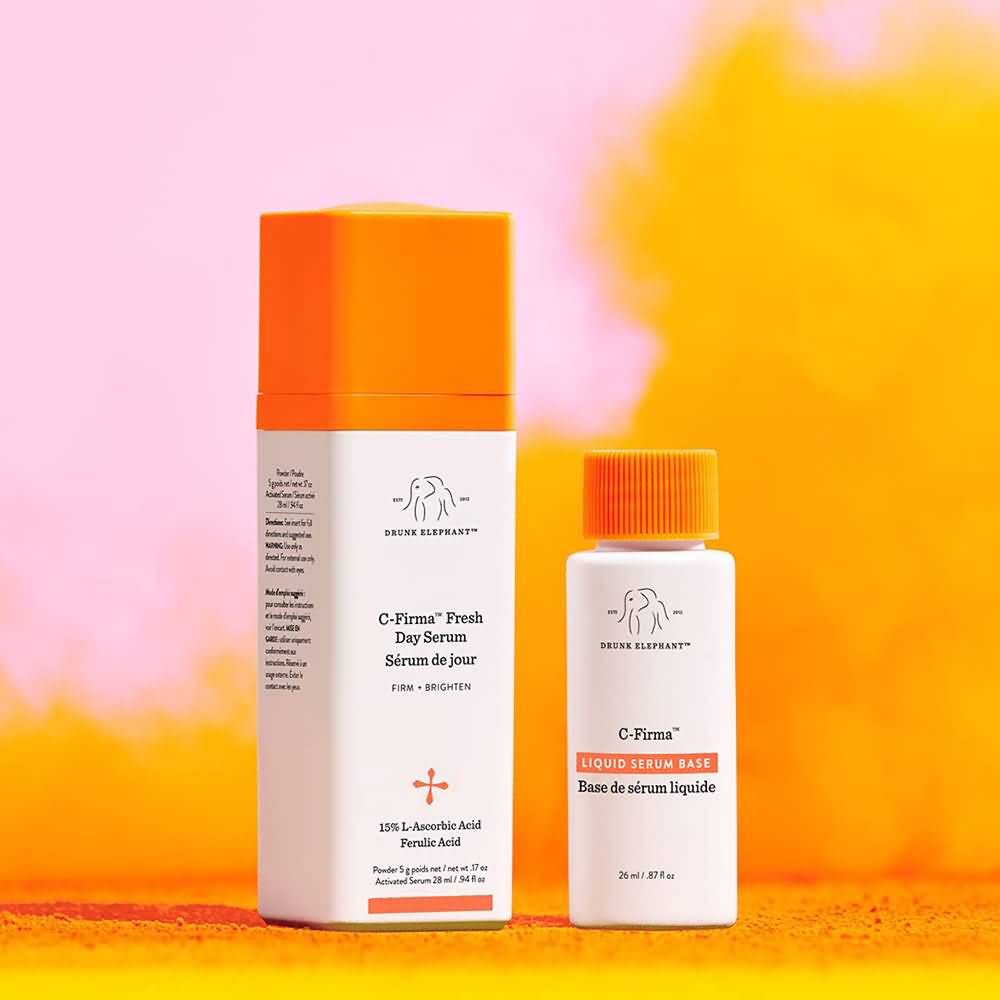
    The entire Drunk Elephant line of facial care products features white bottles with colorful, monochromatic lids. The minimal use of color is refreshing and eye-catching, and the minimalistic, drawn elephant graphic is cute yet professional. They pair it with little pops of additional orange throughout the bottle (or whatever the signature color is for that product). The typography isn’t anything crazy, but overall, the packaging is effective and sells well.

    JLO Beauty
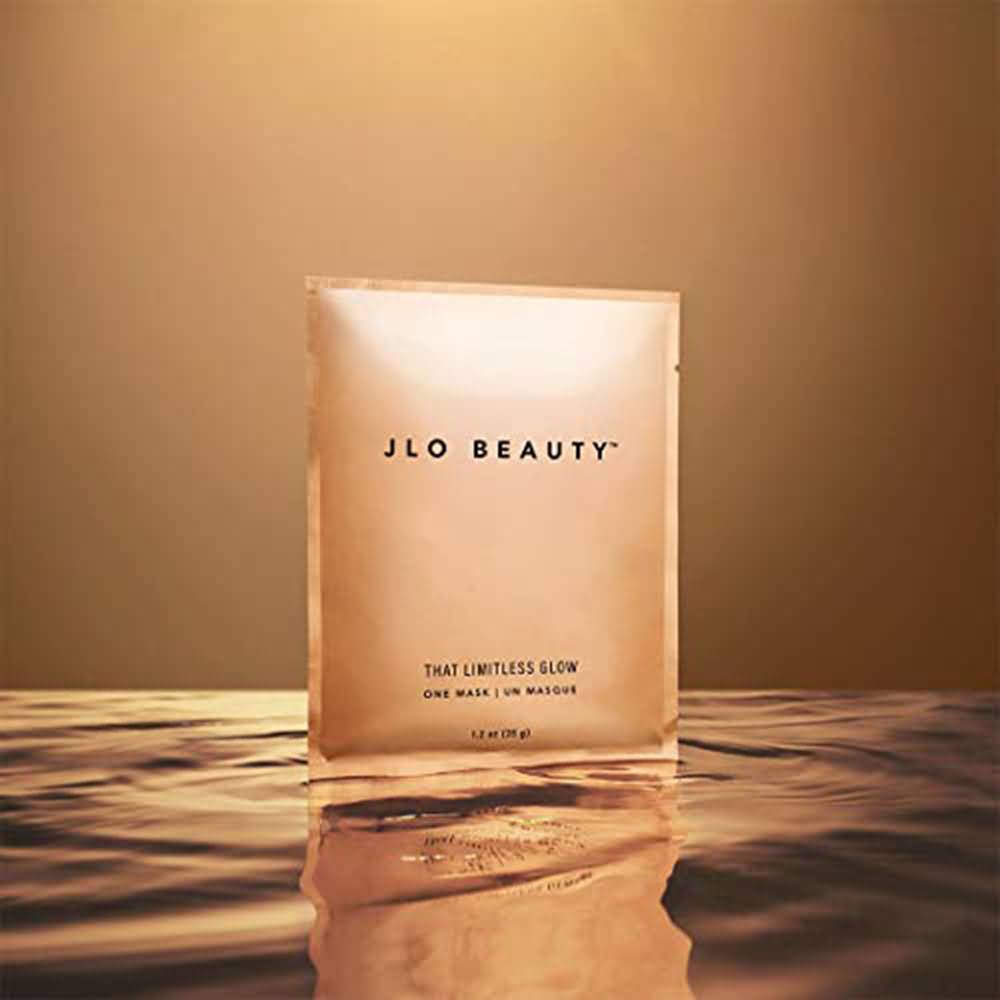
    JLO Beauty Packaging

    Jennifer Lopez’s new skincare and cosmetics line is typography-focused, with no graphics, no color, and a simple font pairing that looks professional, sleek, and stylish. It’s modern and aesthetically pleasing for facial care products, which particularly targets the modern consumer. Two bold san-serif fonts strategically placed on the package that is single-use with one mask are all it took to sell. It’s also in convenient tear-open packaging that contains one mask and makes it easy to pack or store.

    Sephora Hair
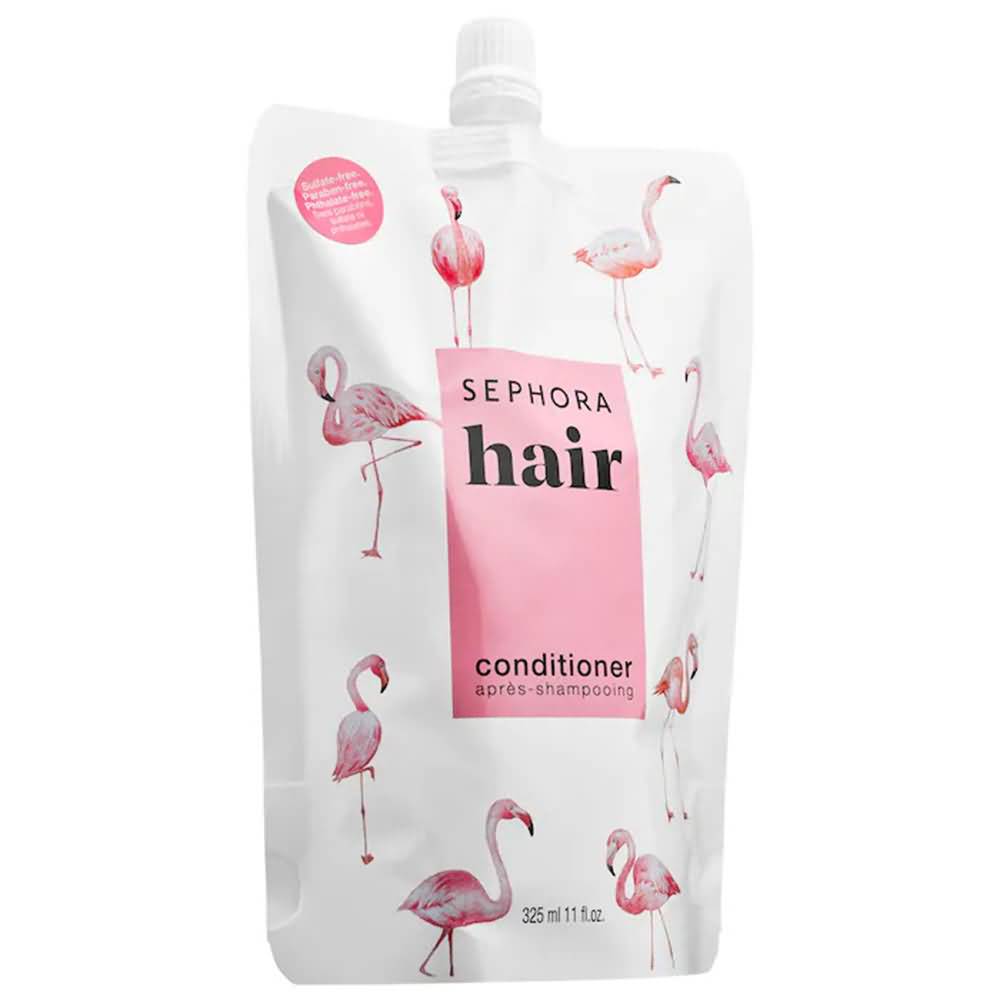
    Sephora Hair Packaging

    The Sephora brand of skin care formulas and cosmetics products all follow similar packaging designs, although they have plenty of variety with the types of packaging they use. Simple color palettes, usually just one or two colors that are engaging and often energetic and bright, are characteristic of them. Most of their Sephora brand packaging also has cute graphics, fun colors and styles, and bold and funky fonts. It strays from the norm but still keeps it fun on a visual level.

    Youth to the People
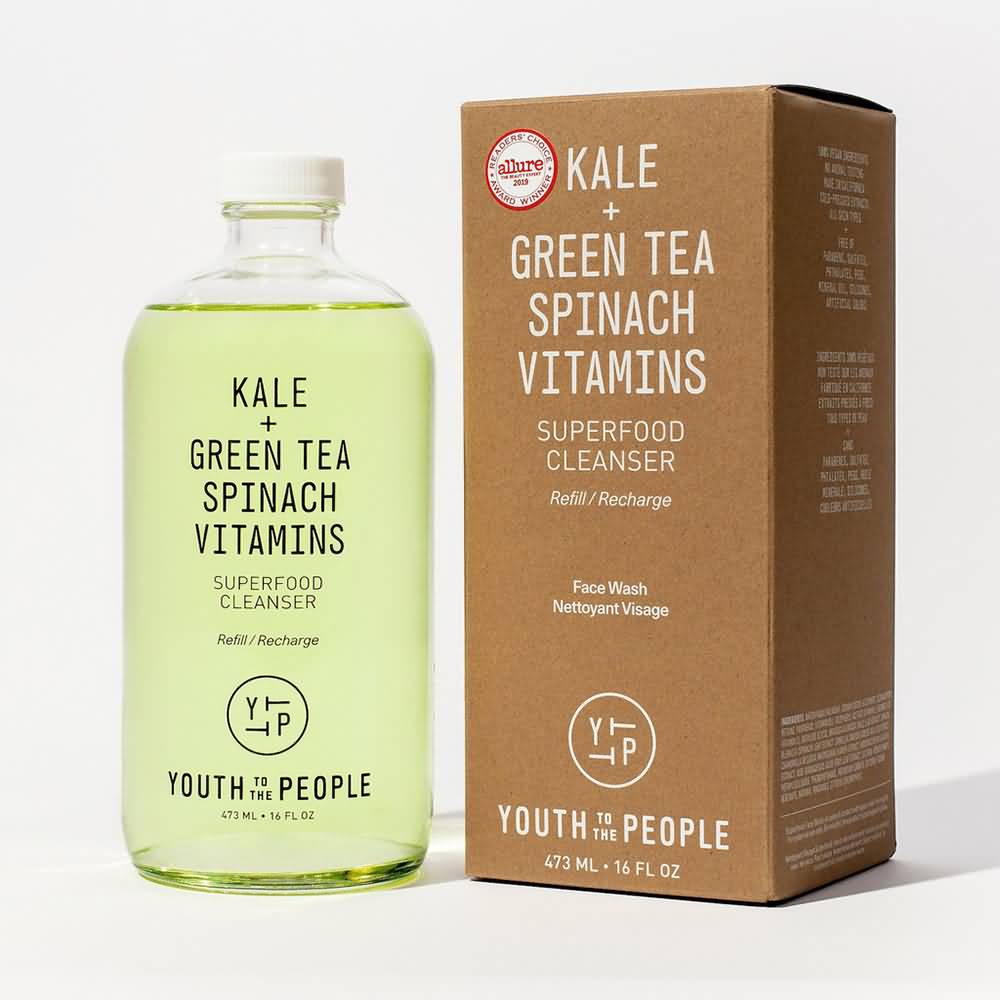
    Youth to the People Packaging

    Youth to the People markets itself with its beauty products packaging as being nutrient-rich, health-food-focused, and made with natural ingredients. Clear packaging bottles and cosmetic containers gives off a sense of transparency, which consumers want since they want to know what is in their product (although clear packaging works better for clear liquids and not for thicker creams). They emphasize “kale” and “green tea” on most of their packaging. They also give off a natural and eco-friendly tone with the simple brown cardboard packaging.

    Volition 
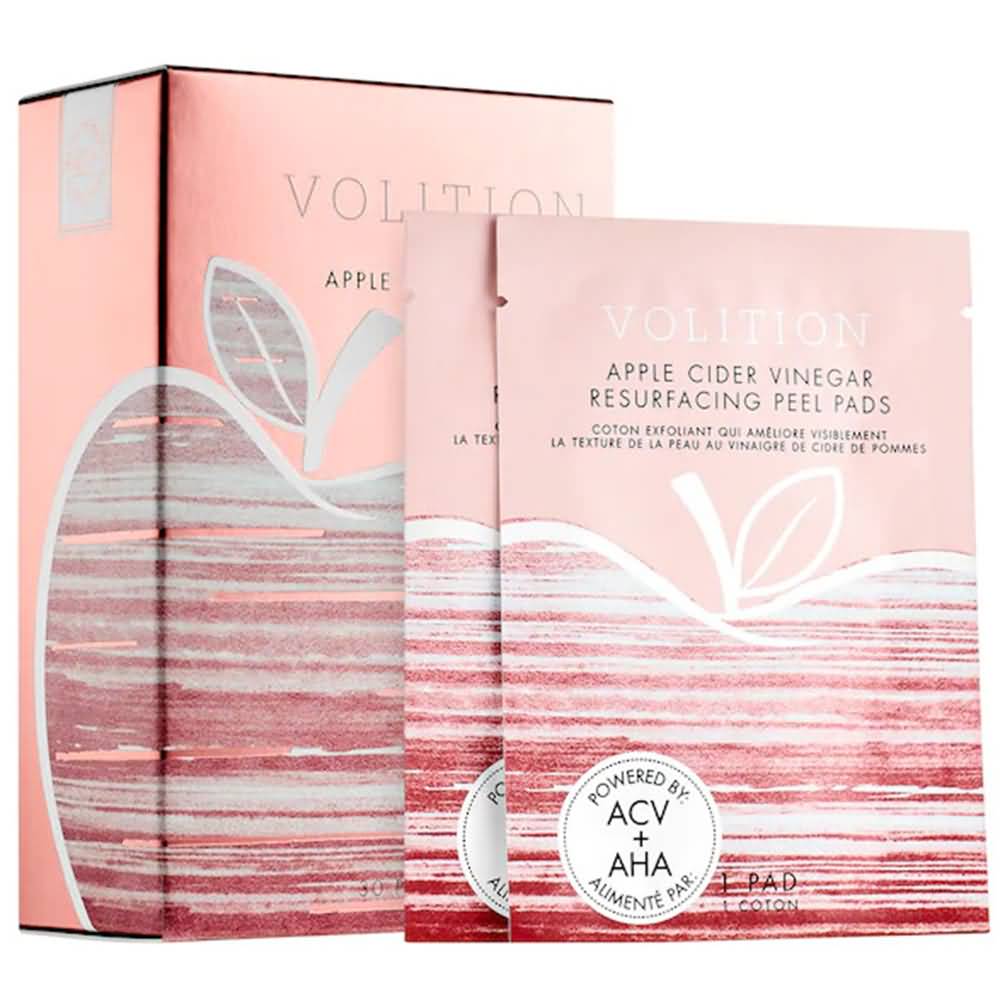
    Volition Packaging

    Volition’s mask set has quite a bit more color than most skincare brands, but the pop of pink is effective, especially when paired with the apple logo, which denotes a healthy connotation. Multiple, single-use masks that are individually wrapped with a tear-notch but still packaged conveniently within the cardboard box help for organization and gives the option to pack a mask or two when traveling.

    Wishful
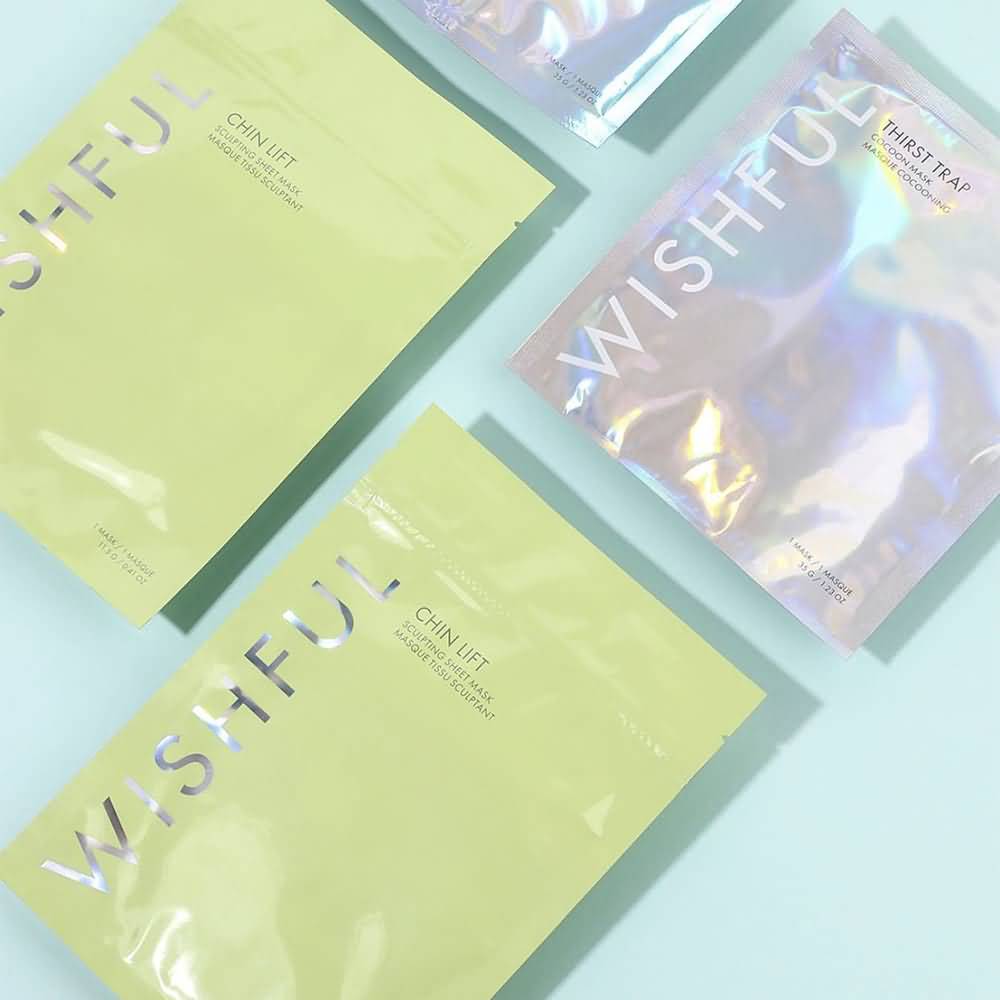
    Wishful Packaging

    Wishful effectively uses a pop of color – the lime green – and pairs it with the signature holographic lettering that is present on all their various packaging. It’s bright and fun, and their products’ color matches the packaging as well. The typography-focused logo and branding are also straight and to the point, but the colors make it fun and engaging.

    Lux Unfiltered 
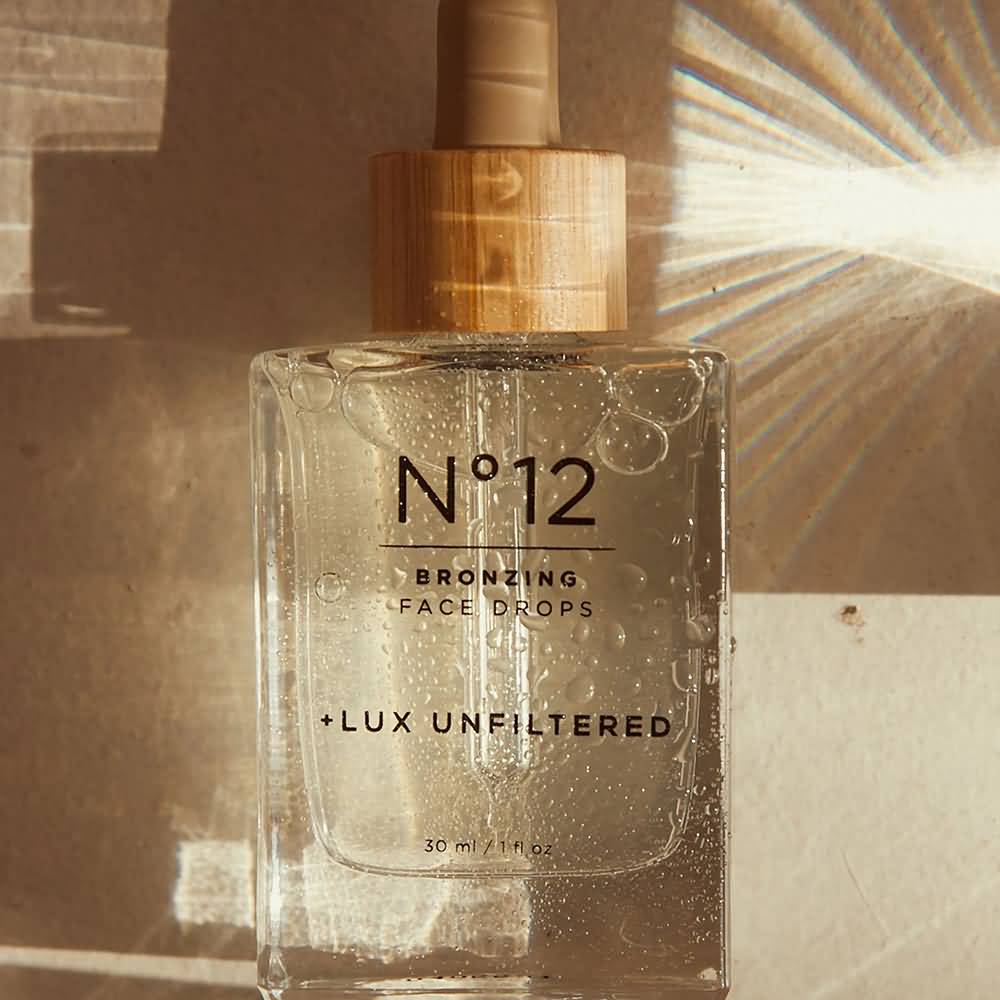
    Lux Unfiltered Packaging

    Lux Unfiltered uses a neutral palette and bamboo-toned shades to convey a sense of a natural and healthy product. The typography is central to the design, and the clear packaging also gives off transparency to consumers. It may not be natural and organic, but it gives off that vibe with packaging that seems ‘healthier,’ so to speak.

    Amika
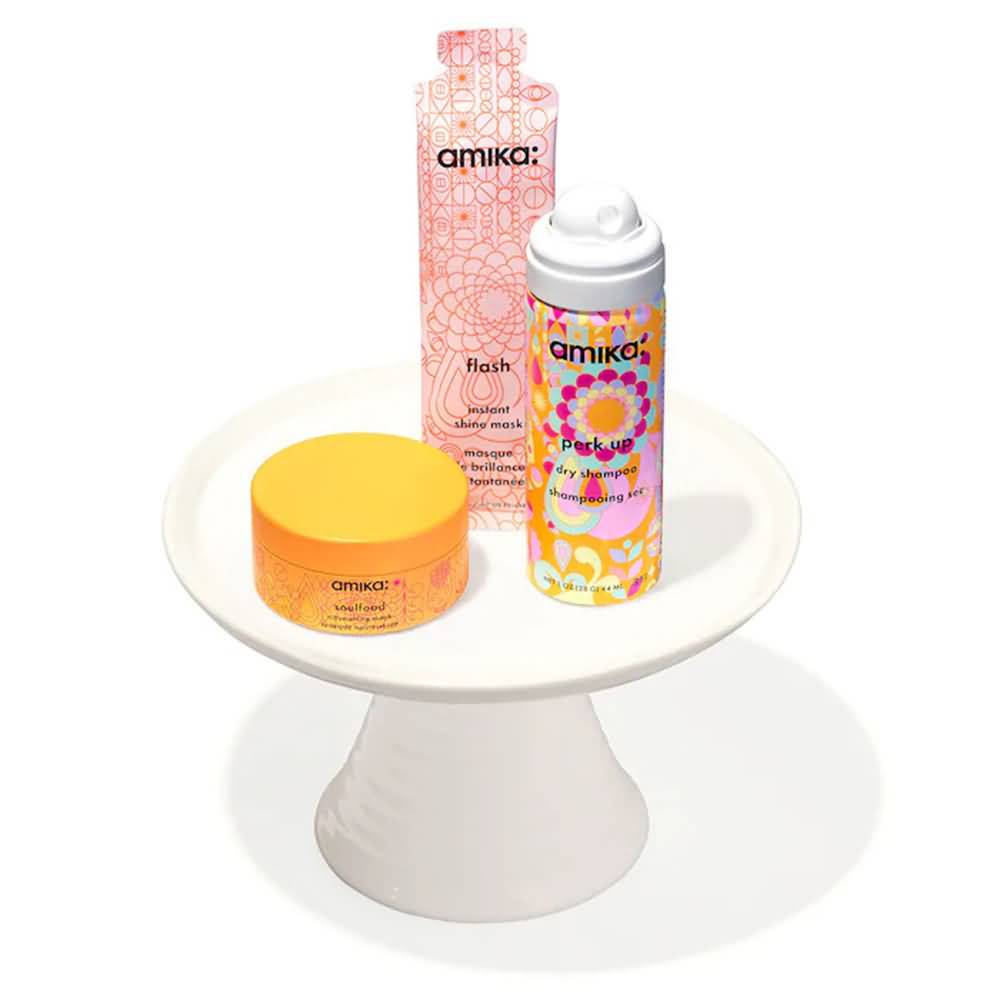
    Amika Packaging

    Amika is one of those rare brands that pulls off a lot of color and pulls it off well. They don’t limit their color palette; they don’t focus on their typography (although their font choice is unique and memorable) and it doesn’t give off natural and organic vibes. But what they have works! The patterns are soothing and repetitive, which is consistent across all their products. The color wheel is always well-represented but with colors that pair well rather than clash (orange/blue/lime green, pink/orange/yellow, etc.), and it’s a great energy overall.

    Pattern
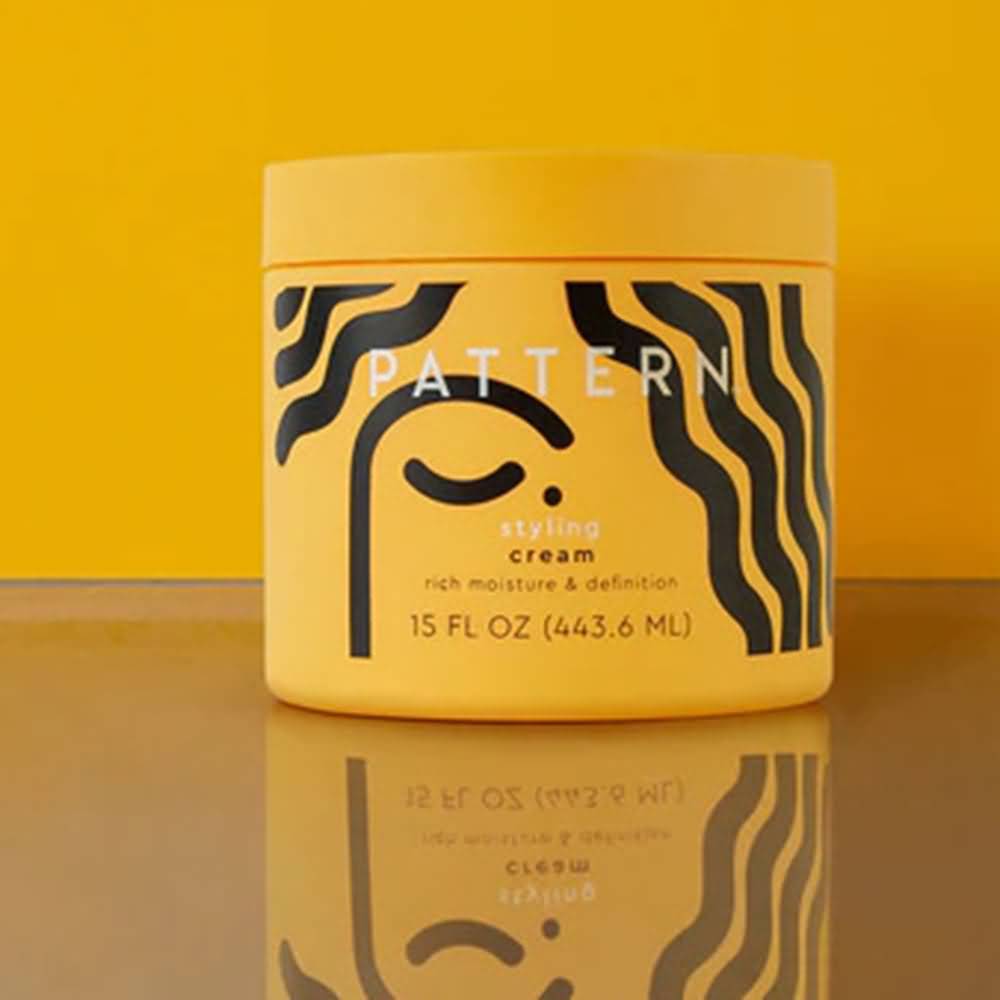
    Pattern Packaging

    Pattern uniquely caters to textured hair, which is evident by its logo and graphic. The black and yellow color palette keeps it minimal and has a single pop of color. The simple abstract graphic underneath linear, bold typography and a package in full color make for a bold, eye-catching package.

    Rael Beauty
    Rael Beauty Packaging

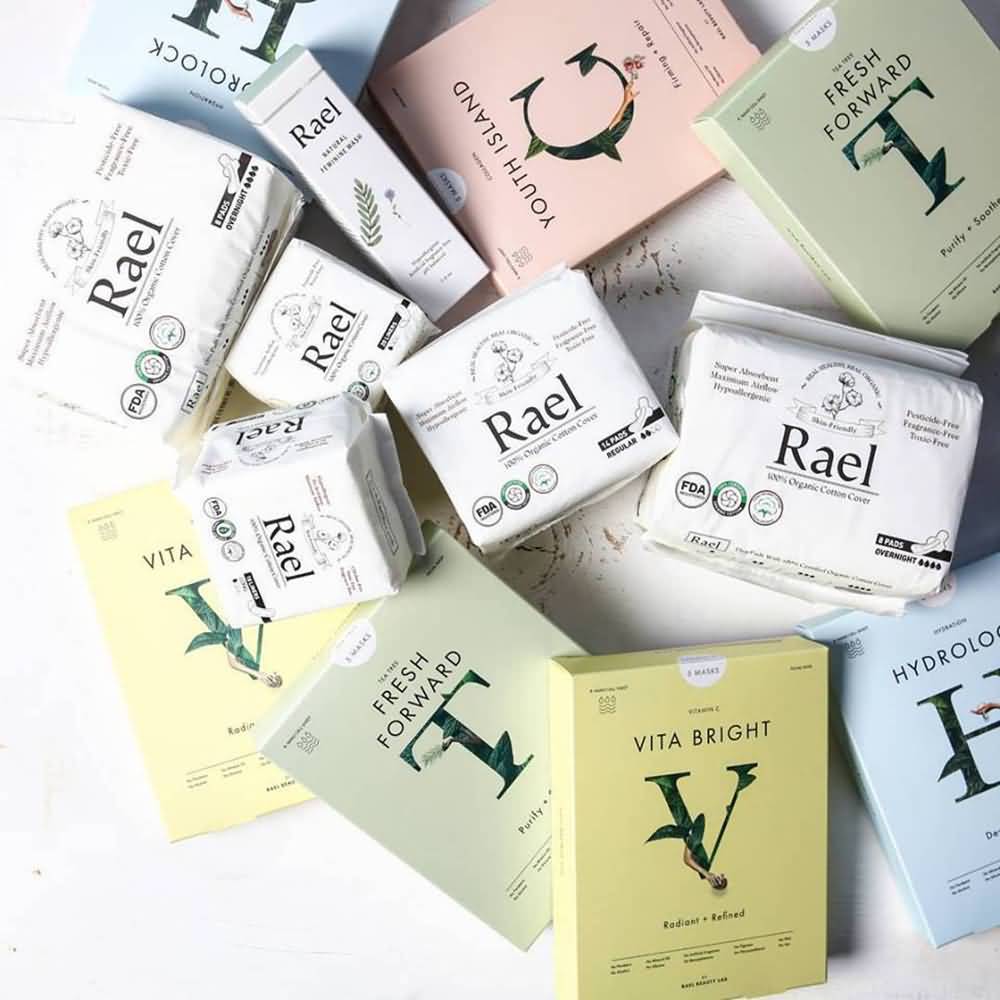
    Rael Beauty’s pastel color palette to distinguish the different types of masks they have keeps it easy to tell them apart and easy on the eyes. The single-letter serif font logo wrapped in leaves is earthy yet professional. Single packages keep each mask fresh and make it easy for consumers to take them on travels.

    Find the Right Beauty Products Packaging Provider to Bring Your Design to Life

    Finding the perfect combination packaging that looks how you want it to look but also functions well and is on-trend can be a challenge. CarePac offers custom, flexible, full-print packaging in a range of styles, sizes, and shapes. Sheet masks and peel-off face masks are in-demand, so you need packaging that stands out. Resealable packaging, single-use packaging, and easy-to-open packaging are all options depending on the type of product.

    Skincare product packaging needs to follow an aesthetic that allows it to stay competitive in today’s market, no matter what your target demographic is. Affordable packaging that keeps your product fresh saves you money and is easy to customize for what you’re trying to sell is easy to get with CarePac.

    Contact us today for a quick quote or samples!
  • Cannabis Packaging Rules in California

    Cannabis Packaging Rules in California

    Cannabis Packaging Rules in

    California

    Cannabis regulations vary by state, particularly those pertaining to packaging and labeling requirements. In this article we will dive into some of the cannabis packaging rules in California. The primary motive is to prevent the distribution and usage of marijuana among underage children and in the black market. 


    Most include the requirement for a warning label, and the regulations are constantly changing. For instance, some of the most common and recent changes regard logo sizes, color requirements, and whether the packaging should be one-time or all-time child-resistant (sometimes referred to as “life-time child resistant) . 


    To be honest, some of these regulations are challenging to comprehend, let alone implement. So it’s usually critical to hire a qualified lawyer in your jurisdiction to help you comply with the laws. But to help you get started and have a basic understanding of what’s required of you, we’ve prepared this first of many multiple series guides discussing cannabis packaging rules in different states. For this post, we’ll kick off with the state of California:

    • What are the cannabis packaging requirements in California?
    • What qualifies as child-resistant packaging in California?
    • What are California’s cannabis regulations on labeling?
    • CarePac is your go-to packaging printing partner.


    What are Cannabis Packaging Requirements in California?


    From the consumer’s viewpoint, they pay minimal regard to the packaging, as they’re more interested in what’s inside. But the State’s Department of Public Health, through its Office of Manufactured Cannabis Safety (OMCS), looks way past the general consumer. It also considers the possibility of cannabis accidentally falling into the hands of minors or the black market. Thus, the OMCS has proposed the following packaging regulations:


    Packaging must be Tamper Evident


    According to the Food and Drug Administration (FDA), a tamper-evident package is “one having one or more indicators or barriers to entry, which if breached or missing, can reasonably be expected to provide visible evidence to consumers that tampering has occurred.” Further, the barrier or indicator must be “distinctive by design,” i.e., not easily accessible to the public. For example, cannabis product packages should contain a plastic seal, a lead that pops up after opening, a sticker all across the lid, etc. This helps the consumer know if the package has previously been tampered with or open. 


    Packaging must be Resealable


    Many times, people purchase cannabis or cannabis products for multiple uses. So it would be a significant injustice to the buyer if the package cannot be resealed after use. That’s why the OMCS requires cannabis manufacturers to wrap their products in packages that can be closed after every use. 


    Packaging must be Opaque


    This requirement applies specifically to edible cannabis products only. Opaque packaging for edible marijuana is where the consumers cannot see the product through the package unless they open it. Therefore, it’s beneficial in steering underage children from being curious about what’s inside since they can’t see it. Opaque packaging also protects cannabis products from contamination and exposure to direct exposure to sunlight or UV rays. 


    Packaging must be Child Resistant


    The OMCS is, remarkably, wary of the marijuana effects on minors, and it has established clear-cut regulations requiring manufacturers to ensure that their products are as child-resistant as possible. In a word, the regulator requires manufacturers to design their packages in a manner that’s difficult for children under the age of five to open. But what qualifies as child-resistant packaging in California? More details below!


    What Qualifies as Child-Resistant Packaging (CRP) in California?


    Since the beginning of January 1, 2020, the state law requires manufacturers to wrap every individual cannabis product in a child-resistant package. This section looks at the top bare minimums that manufacturers must fulfill for their packages to qualify as child-resistant. But first, what are the available types of child-resistant packaging:

    • Single-Use. Also referred to as an “initial CRP,” a single-use package is originally child-resistant but once opened, it ceases to be child-resistant. Hence, the labeling must reiterate that “this package is not child-resistant after opening.”
    • Multiple Use. Also known as a “lifetime CRP, this type of package remains child-resistant throughout its usage, no matter how many times it’s closed or opened. 


    Let’s now switch focus to what qualifies as a CRP:

    • A bottle with a pry-off metal crown cap seal
    • Any package certified as child-resistant according to the federal Poison Prevention Packaging Act (PPPA)
    • A plastic packaging that’s at least 4 mils. thick and heat-sealed. Further, the plastic package shouldn’t contain any easy-to-open flap, corner, dimple, or tab. 


    What are California’s Cannabis Regulations on Labeling?


    On top of the packaging requirements, the OMCS has clear-cut labeling regulations that cannabis manufacturers should follow to the latter. This section takes a deeper dive into labeling placements, as they should appear in the primary panel, information panel, and others. We’ll also discuss what you cannot do as far as marijuana product labeling goes. So let’s get to it:


    Primary Panel Labeling Requirements


    In case you’re wondering, the primary panel is the part of the label usually displayed to consumers. It can be at the front or top of the package. The law requires the primary panel label to capture the following details:

    • Product Identity. This is the generic or known name for describing the cannabis product. 
    • Net Weight or Volume. This section should detail the volume or weight of what’s inside the package in metric and U.S. customary units. 
    • Universal Symbol. The product label should also capture a California symbol indicating that what’s inside is cannabis. 
    • Cannabis-Infused. If it’s an edible cannabis product, this phrase must be written above the product identity. And it must be in a larger text size and bolder font than the one used in product identity. 


    Informational Panel Labeling Requirements


    The informational panel refers to every part of the package other than the primary panel. The law requires that it should contain:

    • The manufacturer’s name (as listed in their license certificate) and contact information, e.g., phone number, email address, website, etc. 
    • The packaging/manufacturing date, including the month, day, and year, e.g., PKG/MFG:06/18/2021. 
    • UID number, i.e., the unique tracking number issued via Track-and-Trace. 
    • List of all ingredients and sub-ingredients in descending order and according to weight and volume. 
    • Lot or batch number.
    • Usage or preparation instructions
    • Government-issued warning statements for cannabis products in bold and caps. 
    • Expiration date, if applicable. 
    • Allergens, if any, and written starting with the word “Contains.”
    • For edible cannabis products, the labeling should also feature measurements for carbs, fat, sugar, and sodium in grams or milligrams. 
    • If the product is perishable after opening, the labeling should contain the phrases, “KEEP REFRIGERATED” or “REFRIGERATE AFTER OPENING.”
    • If the product contains a THC concentration that can only be sold in the medical market, the labeling should feature the phrase, “FOR MEDICAL USE ONLY.”


    Other Labeling Requirements


    Other labeling requirements point towards the Cannabidiol (CBD) or Tetrahydrocannabinol (THC) content available in the cannabis products. They include:

    • Cannabinoid content (in milligrams) added to the label by the manufacturer before or after testing. 
    • THC and CBD per serving (for concentrates and edibles with distinct serving sizes). 
    • THC and CBD per package for all manufactured cannabis products. 
    • Any other cannabinoid constituting at least 5% of the total cannabinoid content. 


    CarePac is Your Go-To Packaging Printing Partner


    Have you been looking for top-quality, affordable, and law-compliant packaging solutions for your cannabis products without success? If the answer is YES, your misery ends here! CarePac is a trusted package printing company with overflowing experience and expertise in designing and printing customized packaging solutions for cannabis product manufacturers. Our bags are 100% environmentally sustainable, efficient, regulatory compliant, aesthetically pleasing, and shockingly low-cost. 


    And the best part? We have low minimum order quantities (MOQs), and we offer free shipping on stock orders. So what are you waiting for? Reach out to CarePac today for quality, affordable, and customized cannabis packaging solutions!

  • Best In Show: How to Create Organic Dog Treat Packaging That Stands Out

    Best In Show: How to Create Organic Dog Treat Packaging That Stands Out

    Best in Show: How to Create 

    Organic Dog Treat Packaging

    That Stands Out

    organic dog treat packaging

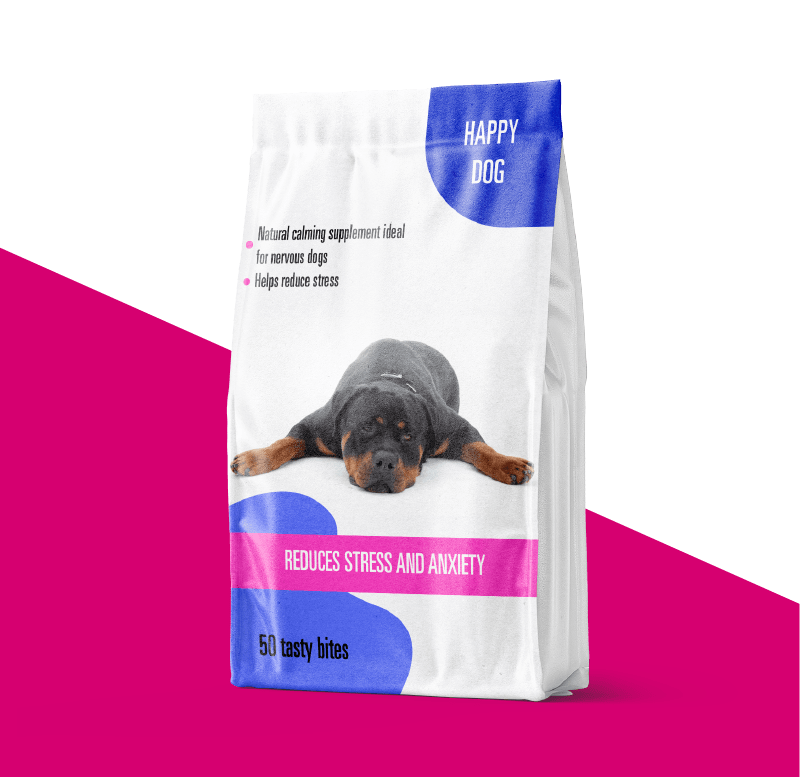
    Humans love dogs. Hence the old adage that dogs are a man’s best friend. That’s why pet owners want the best for their companions — healthy, tasty, and nutritious organic treats. Creating the best organic dog treats is one thing, but getting buyers to believe your product is the best is a different ball game. It all comes down to marketing. 

    But how do you enhance your organic dog treat packaging to stand out? That is where excellent packaging that’s appealing and customer-centric comes in. Today, we’ll focus exclusively on how to create the best organic dog treat packaging that will stand out and convince customers to pick up your package. So let’s dive right in!


    Premium dog food needs premium packaging

    Dog enthusiasts want nothing but priceless treats for their pets. They wouldn’t want something that would easily go bad and possibly harm their pets. Furthermore, premium dog foods need premium packaging. You need to choose the right packaging materials to ensure your dog treats remain fresh, even after sitting on the store shelf.

    Let’s face it, if a dog owner buys organic treats for their pet, and after a couple of days the treats are stale, or even worse, the treats have gone bad, and the dog gets sick, requiring costly medical attention, customers will undoubtedly be upset and never buy your product again. 

    To avoid this, you need durable and resealable bags that would maintain the quality of your dog treats even after being opened. In addition, quality packaging will attract new customers and possibly turn them into loyal shoppers.


    Using high barrier materials

    You wouldn’t want to get it wrong, especially, after all the hassles in the refining processes, without forgetting the high costs. And that’s why without any doubt, you require packaging that uses high barrier materials to keep the dog treats safe while maintaining their quality.

    A package made of high barrier materials protects the food treats against harmful external intruders, such as moisture and unpleasant odors. The barrier is always made of a thick protective layer, which keeps your treats fresh and appealing. It also ensures the flavors are intact, so the treats maintain their taste.

    For example, CareFoil has a very high barrier to oxygen and moisture. It has a strong protective layer that doesn’t allow oxygen or any amount of moisture to penetrate through. With such grade A materials that assure safety, you’ll be certain to keep your treats fresh and appealing.


    Differentiate yourself from competition

    Every business wants to be unique — they want their product to have a core differentiator. Your dog treats are no exception. They shouldn’t look similar to your competitors’ brands. With so many organic dog treat brands out there, you need to be on top of your game to get ahead of the rest. Customers don’t want plain or cluttered packaging designs. That would look unattractive and low quality, hence putting them off.

    A unique design tailored according to the culture of your business, and perhaps your targeted audience will help you sell more dog treats. You need great images with bright color schemes, pretty accents, and engaging fonts.

    Above all, you should ensure that your organic dog treat packaging is appealing to the eye as customers buy with their eyes.


    Build a strong brand reputation

    Customers are the backbone of your business. Their view of your brand matters. And it’s no lie that one unsatisfied customer can walk away with thousands of others. You, therefore, need to give utmost attention to the quality of your dog treats. 


    For example, Coca-cola has a unique, admirable, and selling appearance, which goes hand in hand with the quality of their products. They have always ensured high quality in their products, and that explains their dominance in the market for such a long period of time.


    In online market platforms such as Amazon, it’s all about customer reviews. Good reviews will sell your dog treats, while negative reviews will, on the other hand, shun away thousands of potential customers, even those who can afford to pay a pretty penny for organic dog treats.


    And remember that a customer’s perception is always right. Their perception may not be accurate, but consumers still carry a lot of power, especially in the current digital market. So you shouldn’t hesitate to provide remarkably high-quality organic treats packaging.


    Use your packaging as marketing and remarketing opportunities

    It is an undeniable fact that packaging plays a significant role in marketing products. It is what arouses a potential buyer’s curiosity and invites them to pick your product over others, specifically on the competitive store shelves. You, therefore, need to create a packaging that will market and re-market your dog treats and brand in general, even while being consumed.

    You can do this by customizing your packages with unique configurations, such as brand logos that will enable your customers to distinguish your dog treat products from competitor’s brands. You can also consider stand up pouches, packages with valves to let the smell or the treat aroma out, especially to entice the dog.

    Ensure that your package uses high barrier materials to preserve the dog treats and maintain freshness. Re-closable packages such as square bottom bags are also a good option to keep the dog treats fresh even during consumption. Plus, they’re customer-friendly due to their ease of opening and stronger re-seal.


    CarePac Helps You Choose the Right Organic Dog Treat Packaging

    Ultimately, creating top organic dog treat packaging calls for an outstanding appearance to draw customer’s attention, maintain and preserve your dog treats. You should be concerned about the outward impression of your products as much as you are about the quality and condition of the food itself.

    Do you have any questions or need to learn more? Feel free to contact us for a free consultation with our experts. You can also check our online price estimating tool if you need quick custom printed pouches for your organic dog treats.

  • Re-closable vs Single Use Child Resistant Stand-Up Pouches

    Re-closable vs Single Use Child Resistant Stand-Up Pouches

    Re-closable vs Single Use Child

    Resistant Stand-Up Pouches

    As the legal use of cannabis becomes rampant in different US states, child safety concerns are rising, forcing businesses to keep in step with safety meexistasures put in place by the authorities.

    Packaging companies have also gone out of their way to create safer pouches to prevent child access to cannabis content.

    The American Society for Testing and Materials describes a child-resistant bag as one that makes it hard for children below 5 to open or access its contents within a specified timeframe.

    Child-resistant stand-up pouches are categorized into single-use and re-closable variants.  single-use child resistant pouches are only child resistant until they are opened by the consumer. while the re-closable can be re-closed by the consumer and retain their child resistance. 

    In this article, we will compare re-closeable and single-use stand-up pouches to help you choose which one is fit for you.

    Re-closable Pouches

    Re-closable pouches are also loosely called Lifetime Child Resistant Pouches because they can be used multiple times and retain the same level of safety they had before they were opened. The idea behind “Lifetime” is that the pouch will remain child resistant during the “lifetime” of the consumption of the product inside the pouch.

    So for example, if a pouch containers 4 servings of cannabis edibles the “lifetime” of the pouch is being opened and closed 4 times.  A child below 5 cannot multitask. Manufacturers of re-closable bags use this knowledge to create pouches that a child finds hard to open before they get tired and give up. Lifetime pouches typically have a two-step opening process.

    Push and turn, a two-piece molding with the benefit of providing the child with false interactivity is one of the three most common child-resistant mechanisms.

    Secondly, there are squeeze and turn packs, which are typically single-piece moldings, and are very common in homes. Finally, there’s the ‘line up the arrows’ closing method where two fixed points on the package and the closure must be matched to open the pouch.

    Sophisticated lifetime bags such as the pharmacy zipper bags only open with two hands. They are easy for adults, including those weakened by medical conditions to open but a child has a very hard time trying to open them. The child-guard push-pin zipper bag works by inserting a pin to open the sliding zipper. These pouches have tons of other benefits.

    Single-use Pouches

    Common single-use pouches are designed to not have an easy open feature, and so require the use of a scissor or knife to open it.  They are popular for packaging single servings of drugs including medical cannabis.  Blister packs have polymer trays whose opening is sealed to aluminum lidding foil. 

    A single-use package only maintains the approved standard of child resistance as long as it has not been opened.

    To make these packs child-resistant, packaging manufacturers use a two-step opening process and add a paper label that children can’t easily peel off.

    Typical single-use pouches include sample packs, fold-overs, stand-up, and pillow pouches. While they are not built to maintain their child resistance after opening, they do provide a single use child resistance and they still offer all the great barrier properties needed to keep the contents at optimal freshness until  the pack is opened.

    There’s been growing concern over the contribution of single-use packs in filling landfills and pollution. In this case, your company has to emphasize the need to dispose of the pack safely after use.

    Child-Resistant Exit Bags

    Some Child Resistant Exit Bags used by dispensaries for cannabis are made from a combination of child psychology and modern technology.  These pouches only open when an adult inserts their fingers under the flaps to access the closing. The closing opens with upward and rolling movements.

    This opening method is incomprehensible to children under five. When a child uses this pouch, they still pull at the flaps and expect it to open which does not work.

    These pouches are also odor-proof, bar UV light from interfering with content quality, and are moisture-resistant. They are perfect for storing powder and granules too.

    Why are they called Exit Bags? In most states cannabis regulation is a subset of the state’s liquor control laws. Often the same agency that regulates the sale of alcohol also regulates cannabis. Many states require that any product sold by a dispensary be placed in Child Resistant outer packaging before it leaves the dispensary, also called “Exit Packaging.” 

    Cannabis brands love flexible barrier packaging for child-resistant exit bags because in addition to the child resistant properties the flexible barrier pouches preserve the product’s scent and structure. They also make an ideal storage choice because they are flexible, lightweight, include recyclable structural materials, safety features, and preserve the environment.

    When to Ask for Customized Child-Resistant Pouches

    The key reason to invest in customized child-resistant pouches it to beat the competition! Sell more cannabis, and improve your brand’s appearance to the consumer. Now more than ever it is hard to stand out on the dispensary shelf, or keep your brand fresh in the customer’s mind after their purchase. Amazing custom packaging helps 

    • Improve brand awareness
    • Increase sales
    • Protect your protect

    While the market is teeming with different stand-up pouches, there’s always a chance that you’d like a combination of some of the features, want an addition or removal of some of them.

    Additionally, you may have changed or added a new target market.

    More importantly, the face of the pack has to appeal to your new demographic. This may call for a change in material or color combos.

    Additionally, your customers may ask for a child guard that’s not too hard for an adult but is difficult for children over the age of five. You may also need differently shaped spouts to prevent the likelihood of liquid squirts when pouring.

    People respond better to advertising campaigns that address their safety concerns. This goes further than just children’s safety.  When medicine is kept in poor conditions, it loses its potency. It all depends on what you’re packing and the concerns that people have about the product.

    Find Packaging that Sells

    At Carepac, we understand that packaging either attracts customers or throws them off. We have tons of attractive packaging options to suit your needs. Contact us to get the right packaging for all your needs.