Category: Sustainable Packaging

  • What is Green Packaging? Everything You Need to Know
    What is Green Packaging? Everything You Need to Know

    What is Green Packaging?

    Everything You Need to Know

    A recent study revealed that 85% of global consumers have changed their buying habits in the past five years to increase their sustainability

    Another study from IBM found that of consumers who said sustainability is important to them, 70% would pay a premium price to support more sustainable and environmentally responsible brands.

    Consumers are demanding more sustainability from brands, and they’re willing to invest in products from companies playing their part to help the planet. How can brands keep up with consumer demand and take steps toward going green?

    One simple way companies — particularly those in the consumer packaged goods (CPG) sector — can appeal to these consumers and do their part to help the environment is to invest in sustainable packaging material. 
    What Is Green Packaging?

    The term “green packaging” refers to packaging that is more environmentally friendly than standard options companies may choose for their products.

    Other names for green packaging include:

    Eco-friendly packaging

    Eco packaging

    Sustainable packaging

    What Packaging Constitutes As “Green Packaging”?

    Sustainable packaging options can also be broken into several different categories depending on the materials it’s made from and how it’s disposed of.
    Green packaging can include:

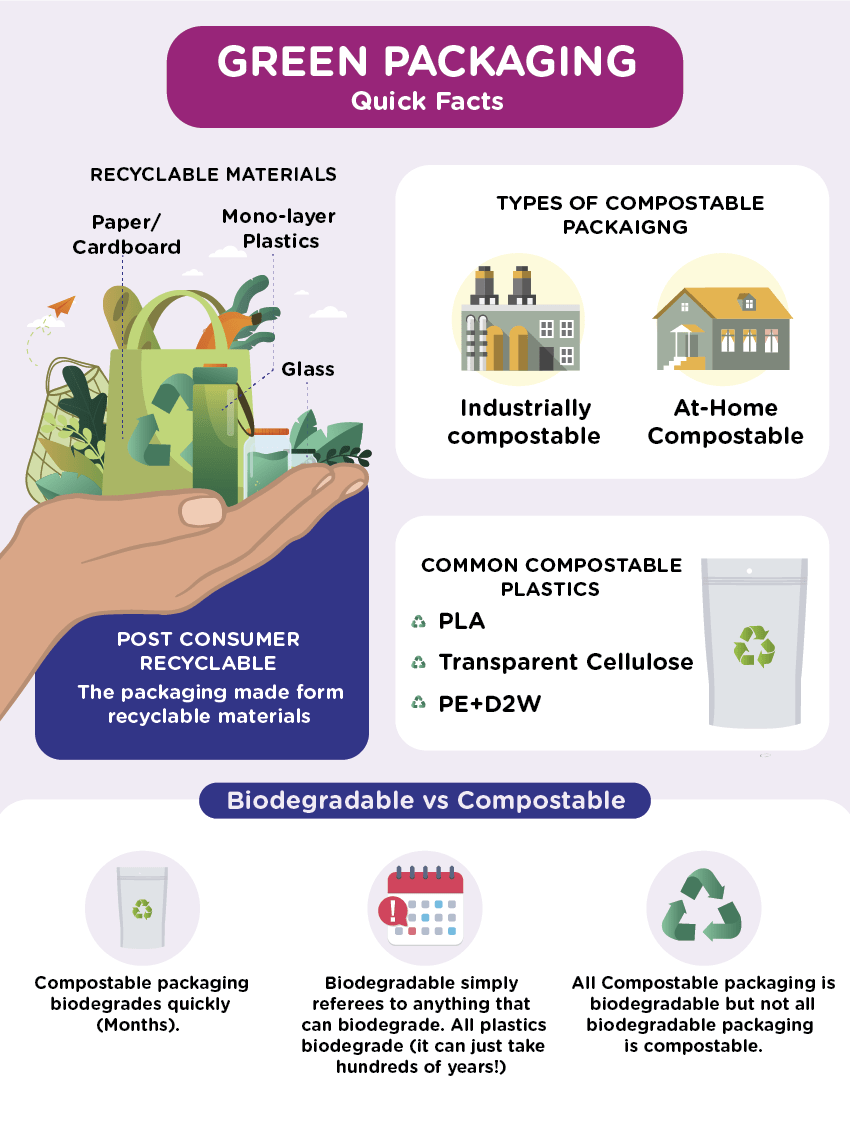
    • Recyclable Packaging: This is made from materials that can be recycled at traditional facilities. Recyclable refers to what can be done with the packaging after it’s useful life is over. 
    • Post-Consumer Recycled Packaging: PCR refers to new packaging made from materials that have already been disposed of and recycled and turned into new packaging.
    • Biodegradable Packaging: Often made from plant based or bio-plastic materials, this packaging may have microorganisms that help break down the materials.
    • Compostable Packaging: Packaging is made from natural plant materials that can return to the earth naturally and help the planet’s systems regrow.

    Did You Know? All compostable packaging is biodegradable packaging but not all biodegradable packaging is compostable.

    Benefits of Green Packaging

    There are many different reasons companies choose to
    use eco-friendly packaging for their products.

    Traditional Plastic Packaging Can Have Harmful Effects

    Plastics also take years to break down. Plastic bags can take 20 years to break down — and coffee pods can take 500, according to the World Wildlife Fund. Even as they break down, plastics aren’t naturally occurring, so they break down into smaller pieces. They can break into tiny particles called microplastics that are anywhere from five millimeters small to microscopic.
    When these plastics get into the environment, their effects can be detrimental. They end up in waterways and oceans, where animals mistakenly or unknowingly ingest them. 

    These microplastics not only harm the animals themselves but can filter back to humans through the food chain.

    Microplastics can also end up in soil and on beaches, where they let off toxic chemicals. This can all filter into crops and human food systems, causing further damage to the ecosystem.

    In addition to accounting for large portions of waste in landfills, traditional plastic packaging can harm the environment, plants, animals, and oceans.

    Plastics also take years to break down. Plastic bags can take 20 years to break down — and coffee pods can take 500, according to the World Wildlife Fund. Even as they break down, plastics aren’t naturally occurring, so they break down into smaller pieces. 

    They can break into tiny particles called microplastics that are anywhere from five millimeters small to microscopic.

    When these plastics get into the environment, their effects can be detrimental. They end up in waterways and oceans, where animals mistakenly or unknowingly ingest them. These microplastics not only harm the animals themselves but can filter back to humans through the food chain.

    With over 40 films available, we have a material that will ensure your stand up pouch is of the highest quality. We can also combine materials in a custom order. You can combine a black film with a clear film, or metallized with a glossy finishing. It’s your choice! Contact us to learn more about custom printed pouches and stand up pouch projects. Give us a call at 626-314-6478 and request a quotation. We’ll be happy to help you.

    Insert Content Template or Symbol

    Green Packaging Is Better for the Planet

    Containers and packaging made up to 82.2 million tons of municipal solid waste in 2018, according to the Environmental Protection Agency (EPA). Plastic containers and packaging alone accounted for an estimated 14.5 million tons of this waste.

    Of Polyethylene terephthalate (PET) bottles and jars — the material most plastic products are made from — the agency estimated that only 29.1% was recycled.

    Whether brands use recycled materials in packaging or make the packaging itself recyclable, green packaging lessens environmental impacts to benefit the planet.

    When brands choose green packaging, that has a positive impact on the earth, its ecosystems, and overall sustainability. 

    Consumer Demand

    Here are some of the configurations for custom edible packaging we recommend

    McKinsey & Company found that more than half of consumers in the U.S. are worried about the impacts of packaging on the environment. These consumers are also interested in both recycled and recyclable options.

    When companies supply consumers with green products and packaging and meet their demand for sustainability, that increases customer satisfaction. This is essential for brand loyalty and companies to grow their bottom line.

    Select Columns Layout

    Eco-Friendly Green Packaging Materials

    Recyclable Materials

    Packaging made from recyclable materials can be tossed in a bin and recycled at standard facilities.

    Some common recyclable packaging materials include:

    Glass

    Paper/Cardboard

    Plastic

    However, not all plastics may be recyclable. Some common recyclable plastics include:

    High-Density Polyethylene (HDPE)

    Polyethylene Terephthalate (PET)

    Polypropylene (PP); Not accepted by all recyclers, but an increasing number are

    Select Columns Layout

    Post-Consumer Recycled Materials: PCR
    These materials are from other products or packaging that have been used and recycled into new packaging.

    This helps keep materials in use rather than going straight to landfills. Often, this packaging can be recycled again and further kept in a circular life cycle rather than being disposed of.

    Packaging that’s recyclable or made from post-consumer recycled materials are both great green packaging options for a variety of products — including:

    Pasta and dried goods

    Nuts and seeds

    Powdered products

    Candy, chips, and crackers

    Sustainable packaging

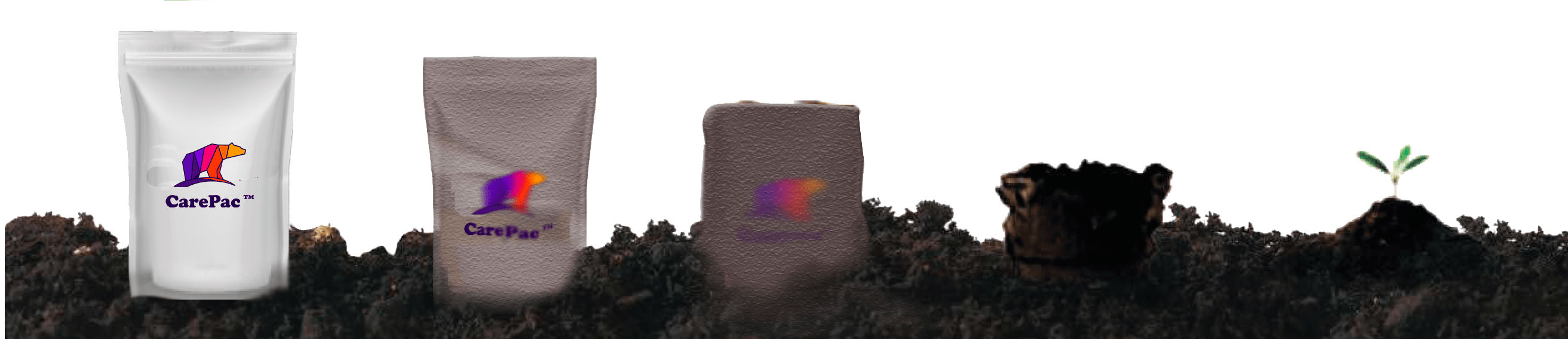
    Sustainable packaging is designed to have a circular life cycle — where it’s kept in constant use rather than heading to the landfill.
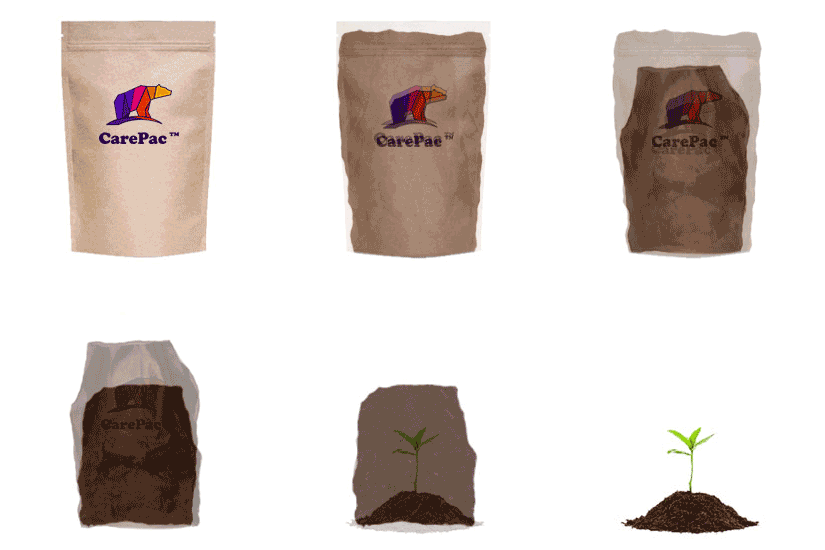
    What Is Sustainable Packaging?

    Sustainable packaging is made from plant-derived, natural materials and meant to return to the earth’s natural systems to help them regrow. Compostable packaging breaks down and returns to the earth, helping its natural systems flourish — rather than polluting them.

    Sustainable packaging may also be referred to as “biodegradable” or “compostable” packaging.
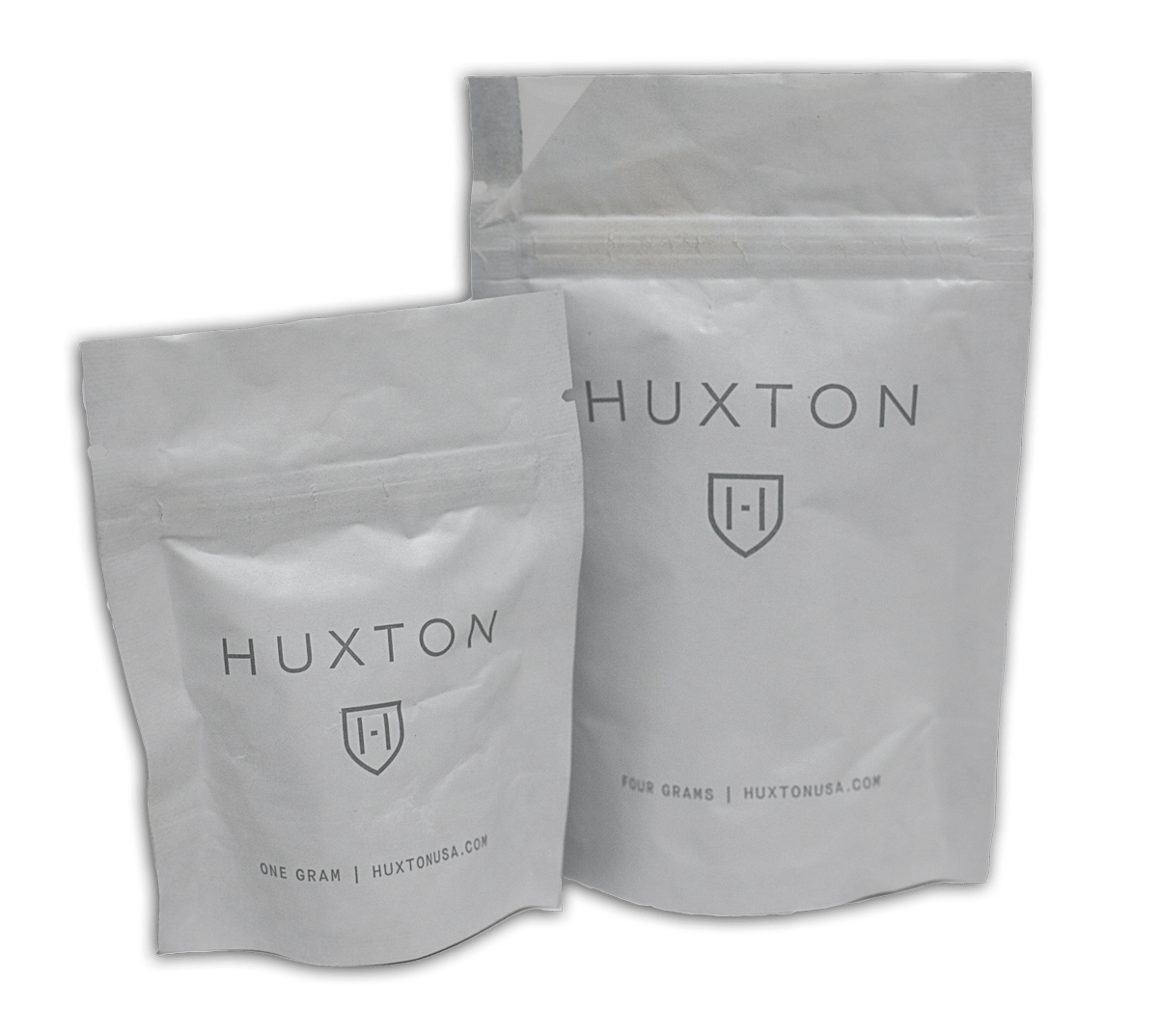
    Sustainable Packaging Materials

    There are multiple kinds of compostable packaging, which may need to be disposed of differently depending on how they’re made and the materials they’re made from. 

    Types of Compostable Packaging

    There are multiple kinds of compostable packaging, which may need to be disposed of differently depending on how they’re made and the materials used to make them.

    Industrially (commercially) compostable materials

    These materials can be composted in an industrial composter.

    Ambient (home) compostable materials:

    These materials are compostable by consumers at home in any traditional composter.

    Industrial composting typically uses biologically produced heat to break down materials at a higher temperature than ambient composting.
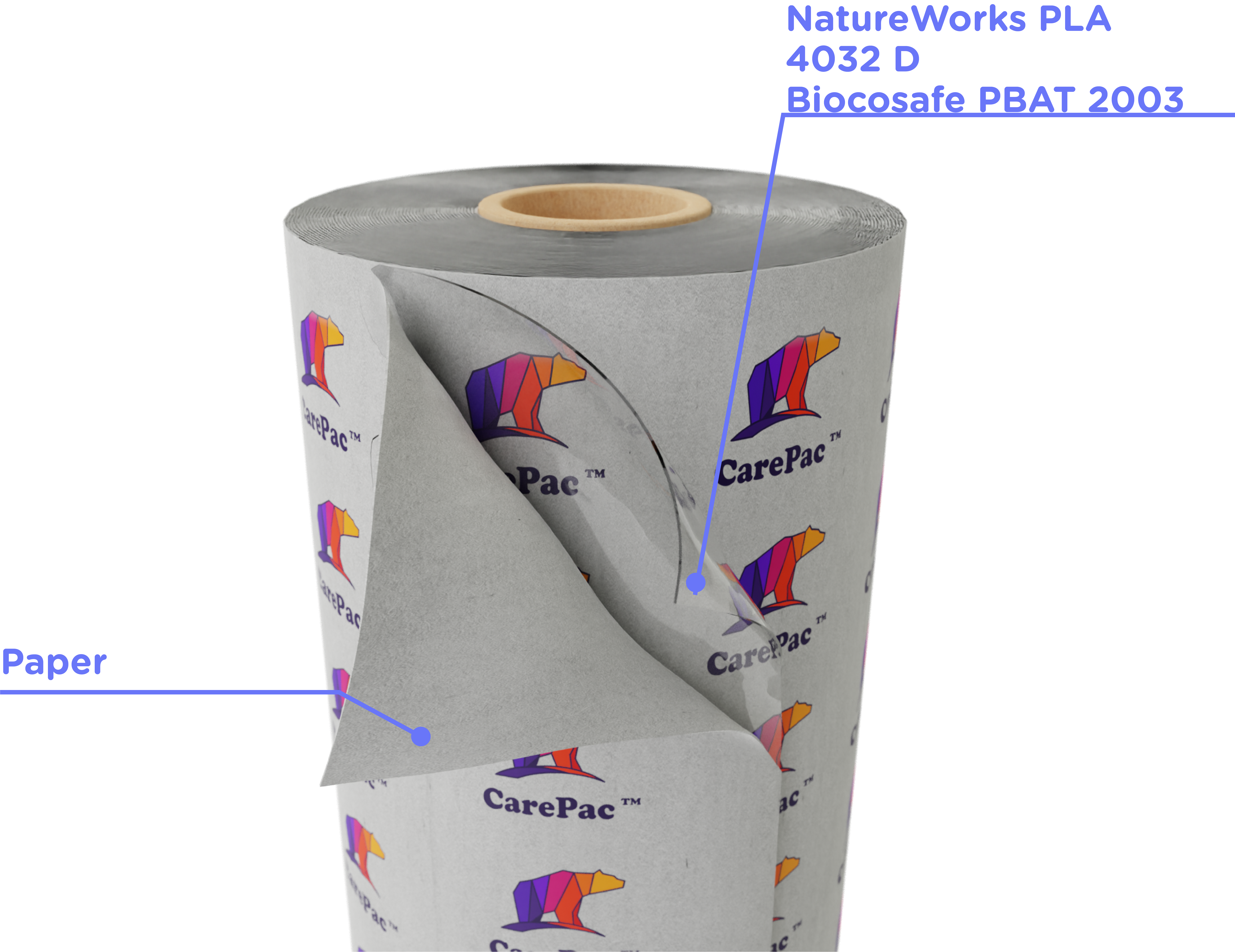
    Polylactic Acid (PLA)

    This material is mainly used as a base for plastic packaging. PLA plastic is made from corn, starch, and sugar cane.
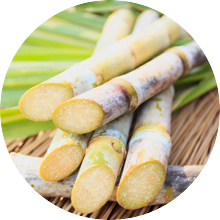
    Sugar Cane
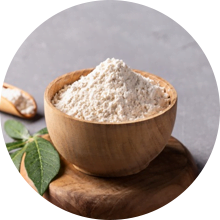
    Starch

    Corn

    Other Sustainable Packaging Options

    Sustainable, compostable packaging may be made from a variety of plant-based materials, including:
    Potato

    Cellulose

    Soy protein

    Lactic corrosive

    Unlike traditional plastics and other materials, when these materials break down, they don’t release harmful chemicals and toxins into the environment.

    Select Columns Layout

    Benefits of Sustainable Packaging for Businesses

    You may be wondering: “What are the benefits of sustainable packaging for my business?Does it make a difference?”Like green packaging, sustainable packaging has numerous benefits — both to the environment and business’ profits.

    Sustainable Packaging is Better for the Environment

    Businesses make many positive impacts on the planet with products that have a sustainable package.

    Lower greenhouse gas emissions

    Traditional plastics let off greenhouse gases throughout all stages of product lifecycles. Additionally, it takes far less energy for materials to biodegrade than it does to transport them and incinerate them in landfills and waste facilities.

    No toxic chemicals in the environment

    Unlike many other product packaging materials, sustainable, compostable packaging should help nurture the planet, rather than letting off harmful chemicals as they break down.

    No harmful microplastic pieces

    Unlike traditional plastics, sustainable and properly disposed of materials don’t break into microplastic plastic pieces that pollute the earth’s ecosystems and hurt animals.

    Sustainability Boosts Companies’ Bottom Line

    While it may seem like more of an investment upfront, sustainability can boost companies’ bottom line.

    Choosing more eco-friendly ways to run a business and making commitments to being a green company can cut costs, attract and retain better talent, and provide tax incentives.

    It can boost brand loyalty — customers pushing for brands to be more sustainable are more likely to reach for green packaging that’s better for the planet. With consumers willing to pay more to support sustainable brands, that’s also a boost to companies’ profits.

    Consumer Want for Sustainable Packaging

    Spanning all end-use segments, McKinsey & Company found that 60-70% of consumers would be willing to pay more for sustainable packaging. They would buy more sustainably packaged products if they were labeled clearly and readily available.

    Even if sustainable packaging is more of an investment up front, a majority of consumers are willing to pay more for products from companies that offer green options.

    Sustainable Packaging vs. Eco-Friendly Packaging

    If you’re looking to go green with your packaging, you may be debating: “Is sustainable or eco-friendly packaging better for my business?”

    It comes down to what you need the packaging for and what’s most important to you in terms of quality and eco-friendliness.
    Eco-Friendly, Recyclable Packaging Is Best For:

    The most eco-friendly packaging is sustainable packaging, but it may not be suited for all products — like those that need a high barrier or high strength application, pharmaceutical packaging and baby food, or spout patches.

    In this case, recyclable packaging is your best bet.

    Recyclable Packaging Design

    If you’re searching for a great recyclable package option, our 5005 Recycle-Ready and 5006 Recycle-Ready packages are great choices.

    The 5005 is made with a biax PE and is Code 4 recycled-ready. While it has a lower barrier than traditional plastic lamination, it has good clarity and can have a matte varnish.

    Our 5006, meanwhile, is made with a cross laminate material with a PP base. A Code 5 recycle-ready package, it has a slightly higher barrier and strength than the Code 4 material. It also comes in both matte and gloss options.

    To suit all your various product needs, we offer recyclable packaging in:
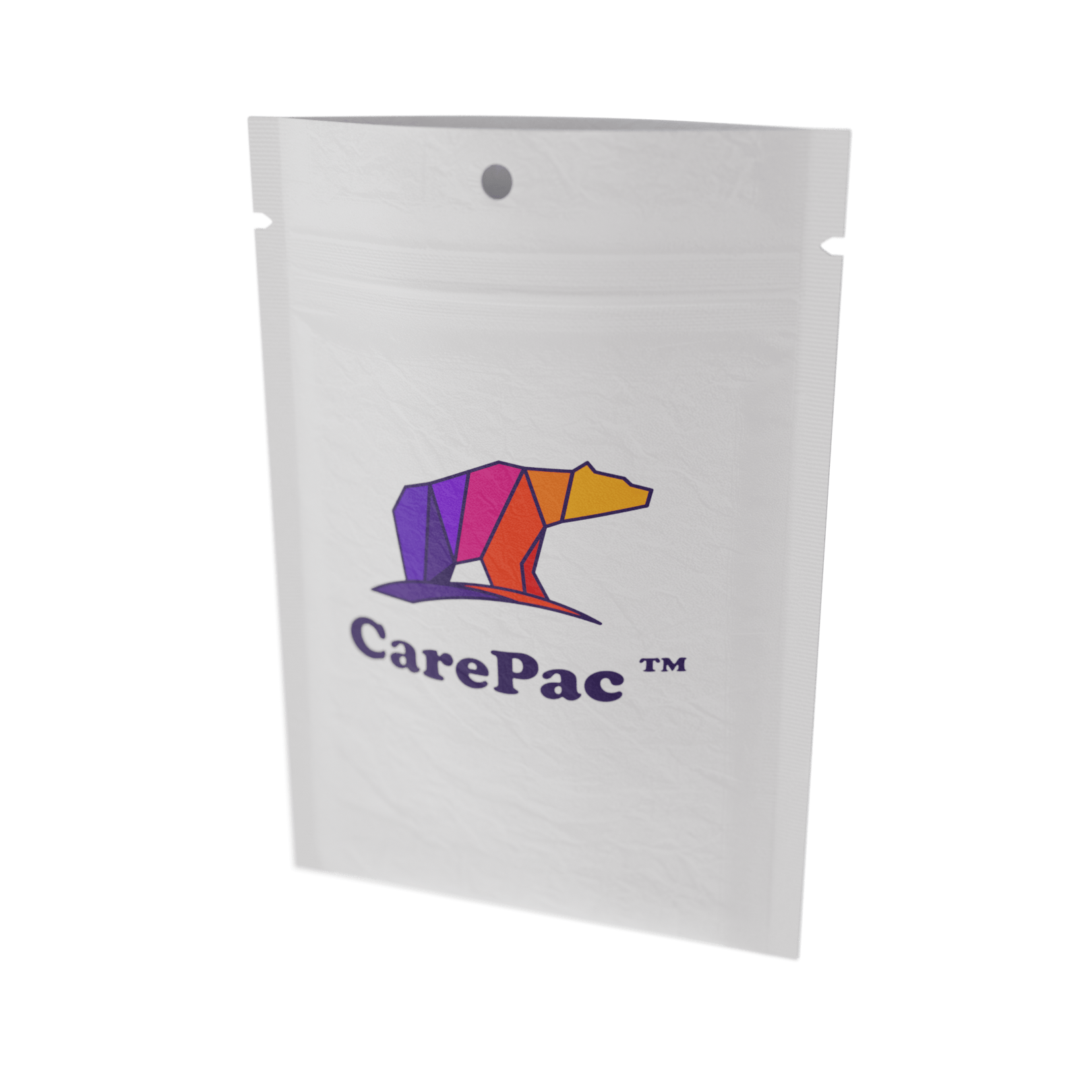
    2-Seal Pouch
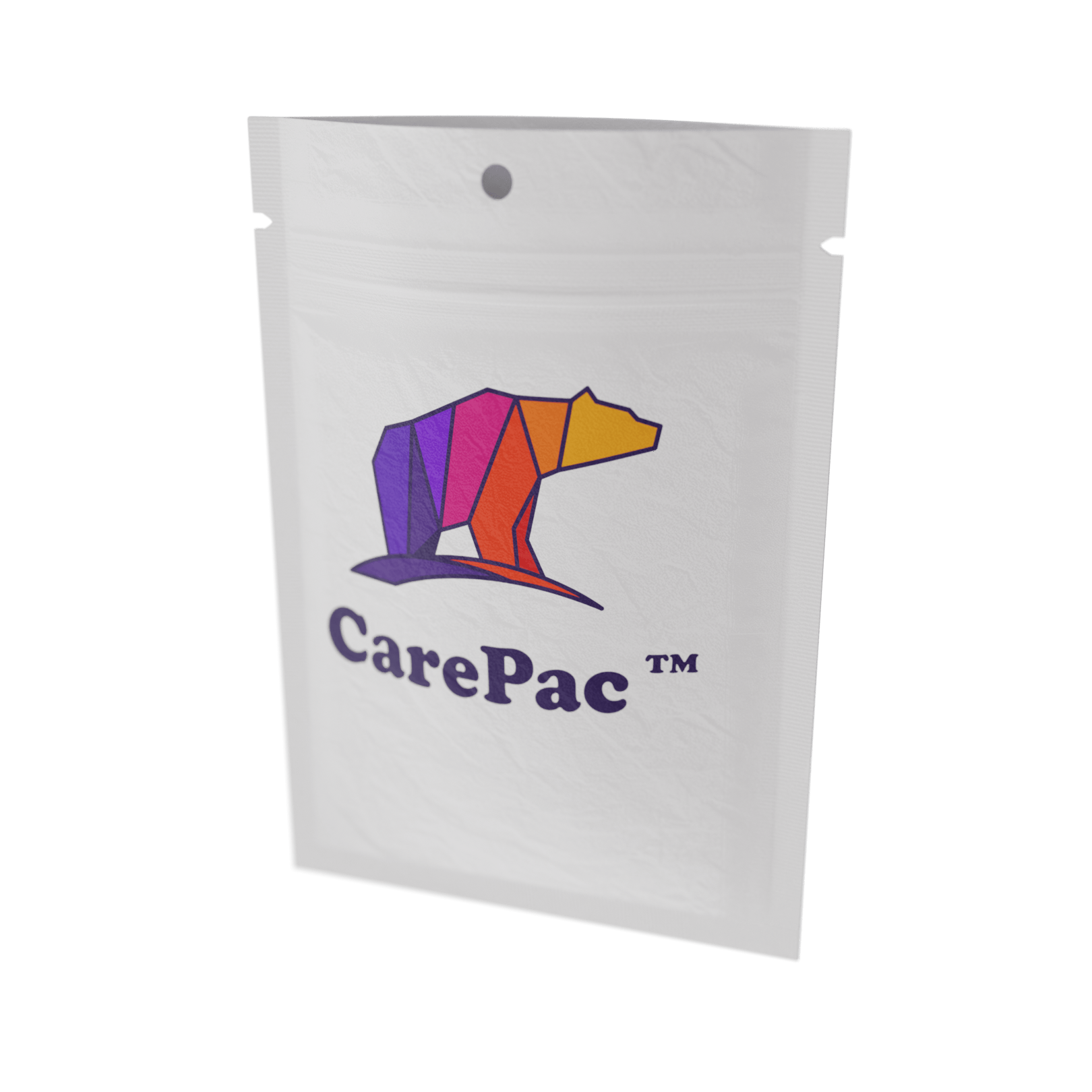
    3-Seal Pouch
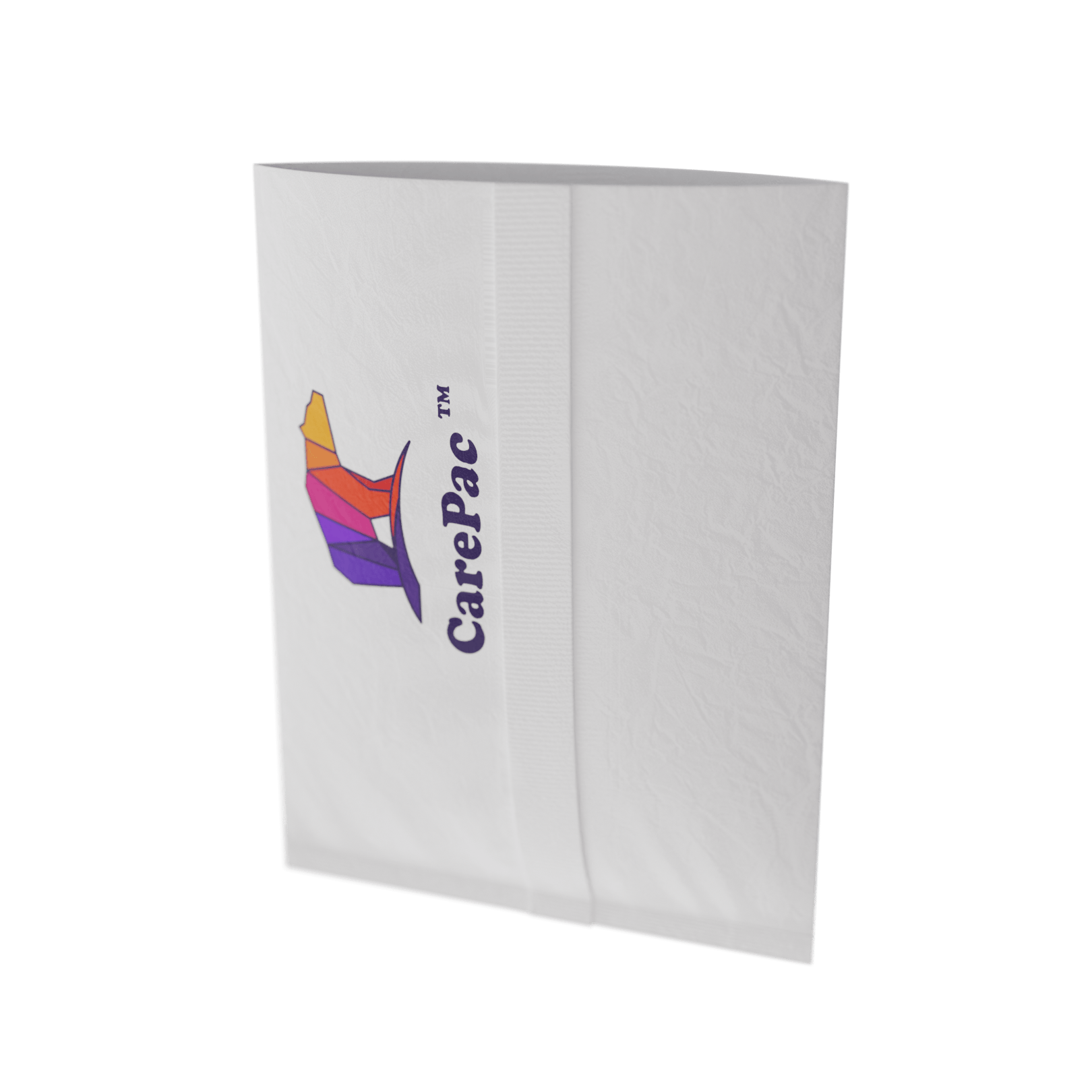
    Fin Seal Pouch
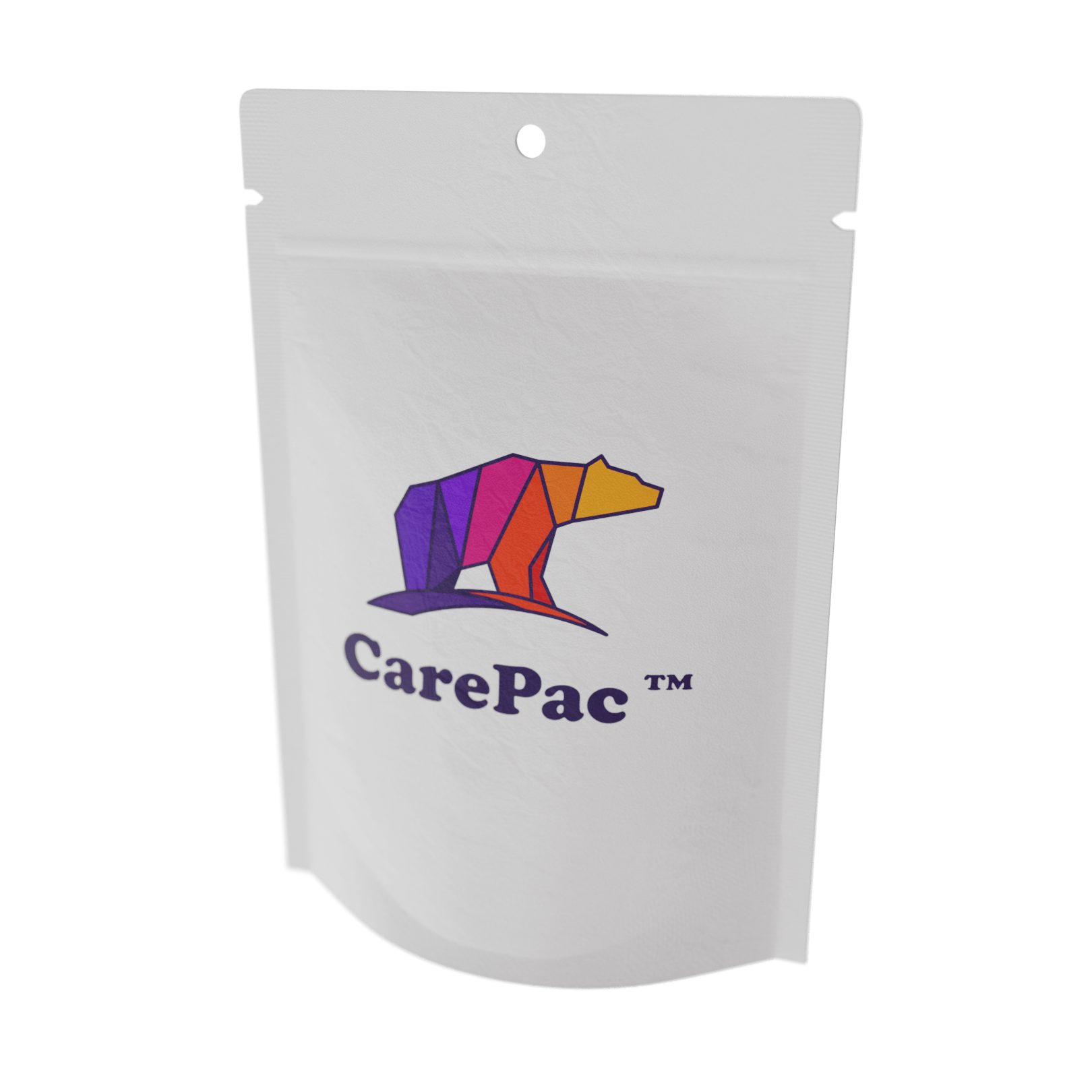
    Stand Up Pouch

    These options are all recycle-ready and are great for a wide variety of products, from pasta and dried goods to powdered products and seeds. 
    They’re made with a Metalized PBAT based compostable barrier material.
    Plus, you can customize packaging to suit your product and branding needs.
    Sustainable Packaging Is Best For:

    While not typically as high-barrier as traditional or recyclable packaging options, compostable packaging is made of materials that make it still suitable for shelf stability needs.

    Sustainable Packaging Design

    There are different kinds of sustainable packaging that may be right for you, depending on what you’re looking to sell:

    3-Seal Pouch
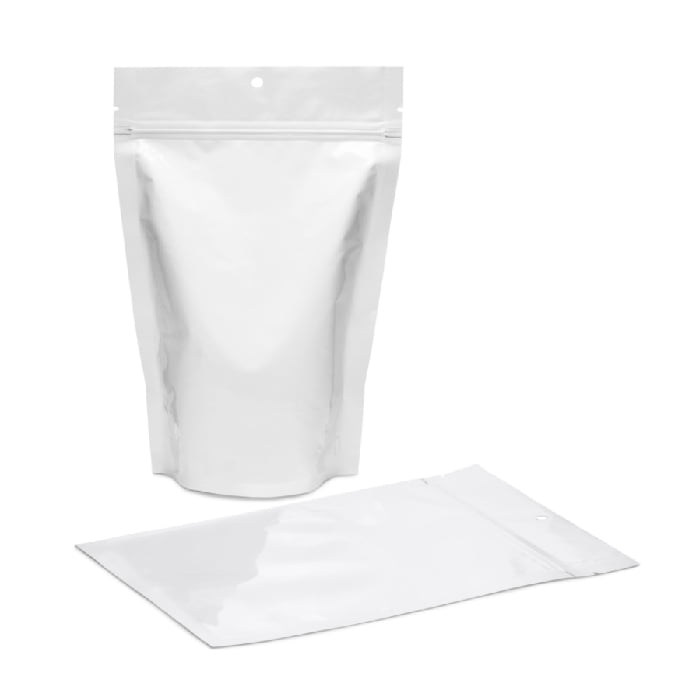
    Non Printed Custom

    Stand Up Pouch
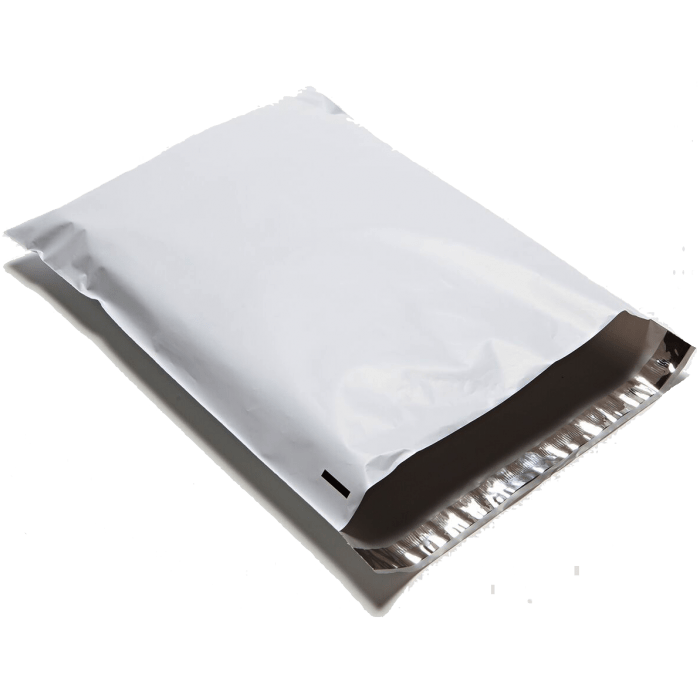
    Eco Friendly Poly Mailer
    Tubing

    Our sustainable packaging comes in three different materials options, depending on your individual needs.

    BioPBS (PTT/ Mitsubishi Chemicals):

    • Made from sugarcane, cassava, and corn
    • Decomposes naturally into biomass, carbon dioxide, and water without specialized composting facilities 
    • Approved for high-barrier applications up to 100C

    CareCompost KP:

    • Made with Revode PLA and Kraft Paper
    • Great for dry and semi-dry food options
    • Provides Barrier Protection

    CareCompost NPT:

    • Wash Coat, Transparent Cellulose, and Moisture Barrier & Seal Coating
    • Made with NatureFlex, which is compostable, heat sealable, and transparent
    • Great moisture barrier
    Our sustainable materials are suited for either ambient or industrial recycling, depending on the materials.
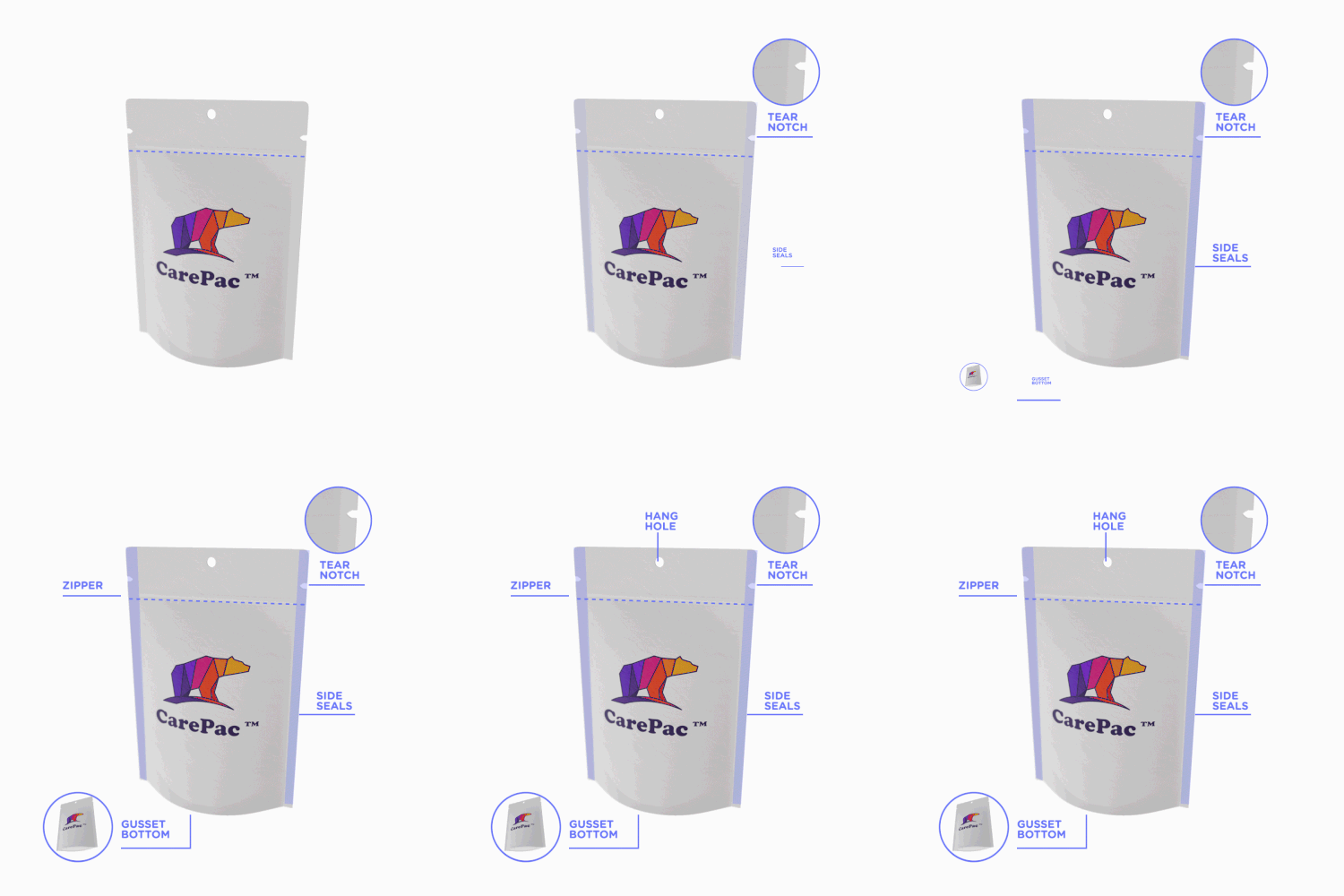
    For example, our CareCompost-KP consists of a paper exterior with a PLA compostable barrier liner. It’s industrial compostable, which means it requires a facility. Our CareCompost-KNMEPS, meanwhile, is made with a metalized ambient compostable, FCN approved PBS material. Because it’s ambient compostable, consumers can compost it right at home.

    Is Eco-Friendly Packaging Right for You?

    Stand Up Pouch Animated GIF

    Whether you’re looking to meet consumers’ desire for a more sustainable world, or you’re trying to jump into the circular economy, sustainable packaging is a significant step to take toward a better planet. Consider eco-friendly packaging for your product needs.

    Customizable for your branding and products, we offer a range of recyclable and compostable green packaging to help you reach your goals — all without sacrificing the quality and shelf life of your products.

    With green packaging solutions, you can reduce your business’ carbon footprint and build customer trust — a win-win for the environment and your brand.

    Check out all our green recyclable and compostable packaging options online, or call to find the best packaging to suit your needs.

    With over 40 films available, we have a material that will ensure your stand up pouch is of the highest quality. We can also combine materials in a custom order. You can combine a black film with a clear film, or metallized with a glossy finishing. It’s your choice! Contact us to learn more about custom printed pouches and stand up pouch projects. Give us a call at 626-314-6478 and request a quotation. We’ll be happy to help you.

  • The Best Sustainable Packaging Material For Your Business

    The Best Sustainable Packaging Material For Your Business

    The Best Sustainable Packaging

    Material For Your Business

    Managing packaging materials with a sustainable, circular economy in mind is key to addressing the enormous amount of packaging waste that hits landfills every year. A circular economy is designing a packaging strategy with zero waste in mind.  Currently, around 91 percent of packaging waste is sent to landfills or ends up in the environment. In 2019, U.S. landfills released around 114.5 million metric carbon tons of carbon dioxide equivalent of methane into the atmosphere. 

    Methane is 25 more times potent than carbon dioxide in accelerating global warming. There is tremendous opportunity for businesses to reduce and/or redesign the current packaging industry by investing time and resources into supporting and utilizing sustainable materials. In this article we discuss what constitutes sustainable packaging, why sustainable packaging materials are important, and review the various environmentally friendly packaging options available in the market. here…

    The Best Eco Friendly Packaging Materials For Your Business

    Before diving into the various sustainable packing options available, your business should actually make a point to also develop reduction and reuse goals. The most sustainable option is to simply use less materials, and many times businesses discover there are untapped opportunities to reduce packaging demand or to integrate innovative, sustainable ideas into packaging. Many of these untapped opportunities also reduce costs. An example would be to reuse cardboard boxes received from vendors to pack outgoing products, increasing the usefulness of the cardboard boxes, and reducing the need for your business to purchase additional cardboard.

    Other ideas include reducing the size or quantity of packaging, reducing the thickness of packages, switching to bulk ordering for inbound packaging, and working with vendors to establish take-back programs and utilizing packaging that can be reused. It is important to note that not all of these strategies may also apply to your business or your products, and that they must be fully vetted to ensure they match your product needs. The most effective, comprehensive sustainable packaging strategy is to work to reduce and reuse resources while sourcing packing.

    What is Considered Sustainable Packing Materials?

    Sustainable packaging is a broad term that encompasses many different realms of sustainability.

    The Sustainable Packaging Coalition provides a set of criteria on what constitutes sustainable packaging materials, stating that sustainable packaging:

    Is beneficial, safe & healthy for individuals and communities throughout its life cycle

    Meets market criteria for performance and cost

    Is sourced, manufactured, transported, and recycled using renewable energy

    Optimizes the use of renewable or recycled source materials

    Is manufactured using clean production technologies and best practices

    Is made from materials healthy throughout the life cycle

    Is physically designed to optimize materials and energy

    Is effectively recovered and utilized in biological and/or industrial closed loop cycles

    These criteria are a suggested framework for understanding sustainable packaging, and it is important to note that many sustainable packaging materials will include some (but not all) of the above criteria. Implementing sustainable design techniques into packaging is designing packaging with the main end-goal of doing as little harm to environment as possible. There are many ways to achieve this, and design is one technique to include in your overall materials strategy. When looking to understand and design sustainable, flexible packaging, keep the Sustainability Packaging Coalition’s sustainable packaging principles in mind.

    Why is Sustainably Design Packaging Important?

    Investing in sustainable packaging helps reduce your company’s carbon footprint and shows a commitment to improving and protecting the planet. Whether it is candy, cosmetics, spices, coffee, food, or any other packaging, the quality of a packaging product is increasingly determined by the sustainability of the product.  Additionally, investors and consumers alike are demanding that companies prove their commitment to meeting sustainability goals, pledges, and promises, through meaningful, measurable actions throughout the supply chain. 

    Companies are beginning to turn their backs to the continued use of plastic packaging materials (when possible), and to stay relevant and competitive within the realm of sustainability and ESG your business should consider doing the same. More than 70% of packaging customers do not mind paying a premium for sustainable packaging materials – check out additional tips on what to consider when assessing packaging for your business. 

    While this article provides a high-level overview of the different sustainable packaging materials available in the market, it is important to do your own due diligence to ensure you select the right materials for your business.

    Examples of Sustainable Packaging

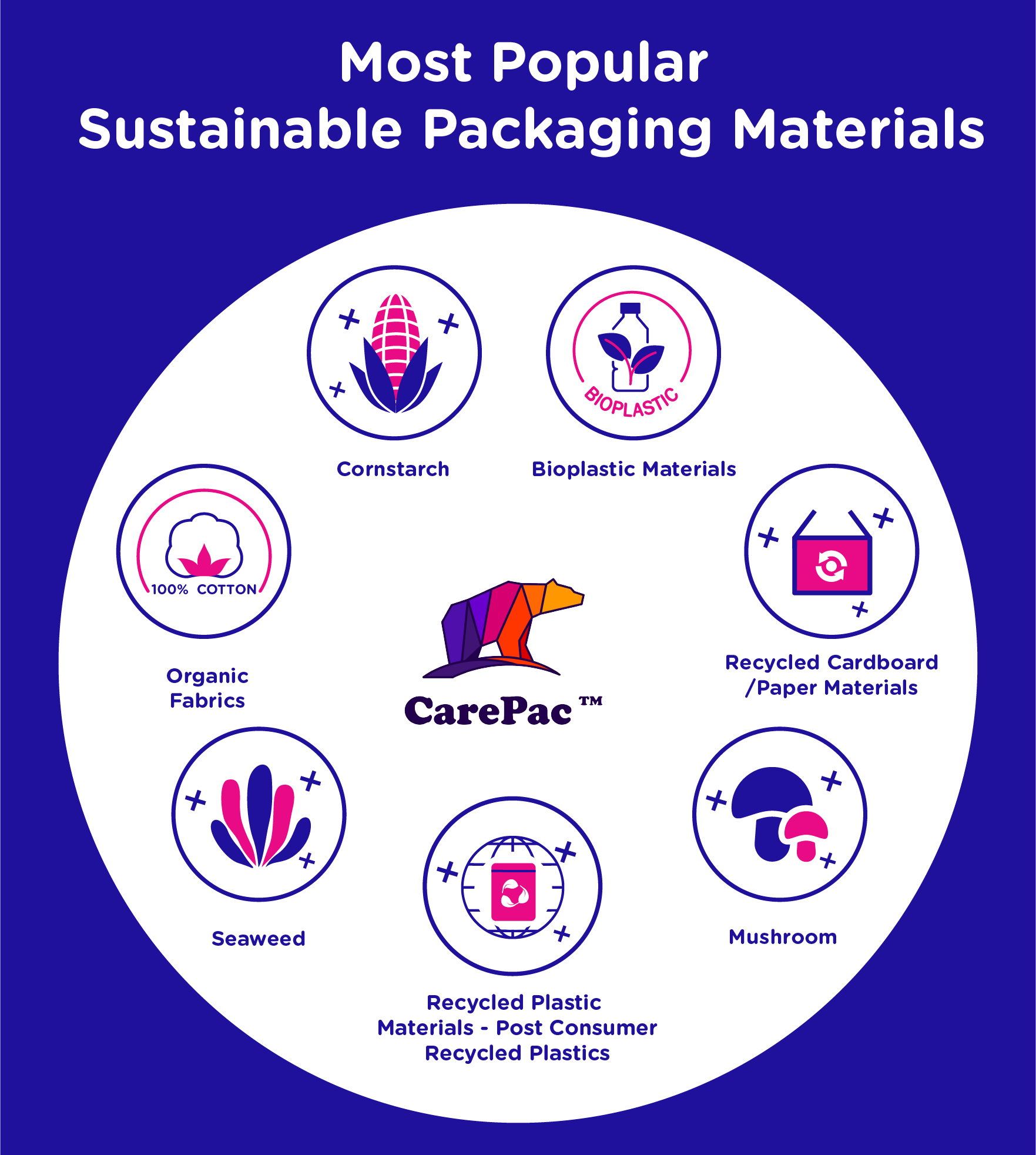
    Rapid innovation and thoughtful design have led to a variety of packaging options that are much more eco-friendly than typical, single-use plastic materials. Some of the most sustainable packaging on the market to choose from includes plant-based, cardboard, recycled plastic, bioplastic, and organic fabric packaging. Each provides its own benefits and drawbacks (learn more about the pros and cons of eco-friendly packaginghere), but all move you closer to packaging that supports a more circular economy while promoting the sustainability and brand of your business.

    Plant-based Compostable Materials

    The packaging market has dived into more creative materials sourced from plants, including cornstarch, mushroom, and seaweed packaging. Typically, these products are more likely to be eco-friendly because they may be compostable, or break-down much faster than traditional plastics. The production of these materials is also usually better for the environment, in that it leads to less greenhouse gas emissions released. Due to increased demand and a need to preserve the environment, many packaging companies (like us!) are developing a variety of recyclable, compostable and biodegradable packaging options for businesses to capitalize on.

    Cornstarch

    Cornstarch: is derived from corn and has similar properties to traditional plastic, making it a versatile, flexible packaging option that can be used for bottles, packing peanuts, insulation, or general molded forms. Many of the cornstarch packaging options will dissolve when placed under hot water, effectively eliminating any product going to the landfill. Cornstarch packaging is biodegradable and usually compostable but breaks down much faster in a composting facility than an at-home compost set up. The potential downsides of utilizing cornstarch are that it increases demand for corn itself and for the water used to grow corn. While corn is heavily subsidized by the U.S. and relatively inexpensive, most of the U.S. is facing a looming water shortage crisis in the near future. Additionally, there will be a need for increased agricultural land use to accommodate cornstarch production. Wheat starch is another, similar sustainable packaging material utilized in biodegradable packing peanuts for the same outcome – the ability to dissolve in water or be composted, resulting in zero waste.

    Mushroom

    Mushroom packaging is an affordable, up-and-coming plant packaging product that can hold smaller items and is used in lieu of Styrofoam. Like the name suggests, this packaging is made from mushrooms that bind together farming residue products. Since the farming residue would normally be discarded, this innovative sustainable packaging instead upcycles the material for continued use. Additionally, another positive for mushroom packaging is this residue was already created from other agricultural demands, whereas the corn for corn starch would be grown solely for packaging. This packaging material is 100% compostable (both in facilities or at home) and biodegradable, made of renewable materials without any petroleum products, and contributes to building a circular economy by helping eliminate waste sent to landfills. Mushroom packaging materials require low energy use for creation and generate low greenhouse gas emissions. Mushroom packaging is a great replacement for Styrofoam, and an excellent sustainable option to utilize where appropriate.

    Seaweed

    A team of innovative packaging designers were recently celebrated for prototyping seaweed as packaging material. Seaweed is a plentiful, renewable resource already being utilized in the food industry. Seaweed grows within 45 days, requires no fertilizer, can be immediately harvested, and does not require any chemical processing. The seaweed production process is much faster than growing corn, which requires land and fertilizer to grow. The yeast residue from seaweed production can be added to animal feed, meaning that seaweed packaging is a zero-waste product. There is currently a large amount of seaweed produced in Indonesia that is not being utilized, so adopting seaweed packaging not only supports a healthy planet, but also supports Indonesian farmers and takes advantage of an already-plentiful available resource. It is important to note that seaweed packaging is a relatively new design and is currently only sensible for smaller packaging needs. As technology advances alongside companies looking to green up their supply chain, advances in seaweed packaging will continue and seaweed may become a more mainstream, viable option for larger-scale product needs.

    While none of the above packaging materials are a one-stop-shop to meeting all your sustainability goals, exploring how they can fit into your packaging needs is a great way to invest in sustainable packaging.

    Recycled Cardboard/Paper Packaging Materials

    Sustainability sourced, recycled cardboard and paper are some of the most recyclable materials on the market. Cardboard is the current industry standard in the ecommerce business, and is used to ship over 90% of products in the U.S. Work to source recycled cardboard and paper as packaging, as new cardboard and paper products emit a large amount of greenhouse gas emissions during the production process and require large amounts of energy and water to produce. Look for FSC-certified, recycled paper to ensure you are supporting sustainably managed forests and associated paper products. Cardboard and paper materials are where your sustainability packaging strategy comes in – implement reduction, reuse, recycle and redesign techniques to minimize environmental impacts when using cardboard or paper materials. Most cardboard and paper can also be composted at its end of life, which is a great way for these materials to avoid the landfill. Cardboard boxes can be recycled up to 25 times before reaching end of life, so develop a strategy to reuse these boxes and paper as much as possible, and to encourage your consumer base to do the same.

    Recycled Plastic Materials – Post Consumer Recycled Plastics and Packaging

    Hardy plastic is still one of the sturdiest materials available and is renowned for supporting heavy shipments or items, and can aid in keeping food fresh. When needing to use plastic materials, source 100% recycled plastic to increase the lifespan of the plastic and keep it out of the landfill as long as possible. Be mindful of the amount of plastic needed and use only the required amount of plastic necessary to keep the items safe from damage.

    Bioplastic Materials

    Another option is to utilize bioplastics, which were created to help phase out traditional plastics. The plant-based cornstarch and wheat packaging materials previously mentioned are typically bioplastics.  Bioplastics are biodegradable plastics used in food packaging and mailers, and are usually made from corn starch, sugarcane, or cassava sugars. Polylactic acid (PLA) is the most common bioplastic in the market today. Bioplastics provide an alternative to regular plastic, which takes thousands of years to break down and is made from nonrenewable sources. While bioplastic production produces less greenhouse gas emissions than traditional plastic production, there are still downsides to bioplastics. These downsides include creating additional demand for energy, land, and water to produce bioplastics, which may lead to accelerated deforestation. Bioplastic material is a better not best option, and a great steppingstone for phasing out of traditional plastics toward more biodegradable, sustainable materials.

    Organic Fabrics and Packaging

    Where possible, evaluate replacing plastic bags with organic reusable bags. There are a variety of different organic fabrics available on the market now, including hemp, cotton, palm leaves, and tapioca fabrics. All of these fabrics have the ability to biodegrade much faster than plastic, and can also be reused by customers for other purposes (like a shopping or storage bag). If you use reusable bags, be sure and market to your customer base the reusability of the brands bags.

    How to Choose Which Sustainable Packaging is Right for Your Business

    Choosing the most appropriate sustainable packing material for your business comes down to what your brands needs and what you are looking to prioritize. Do you need a more flexible material that can be used in a variety of ways? Cornstarch packaging could be right for you. Looking for a zero waste, Styrofoam substitute? Mushroom packaging is the way to go. There is tremendous opportunity to create more sustainable packaging operations (and reduce costs) just by conducting an audit of current packaging materials and methods, and evaluating opportunities to reduce, reuse, or redesign your system. While achieving a circular economy with zero waste is a difficult task in the packaging industry, amazing progress has been made toward reducing and eliminating unnecessary packaging waste. We encourage you to source a variety of the sustainable packaging options above, and to mix and match to meet your individual business needs.

    By Madeline Hinchliffe (Linked-in)

    About the Author 

    Madeline is a sustainability specialist who focuses on the integration of sustainable initiatives and programs. Currently Ms. Hinchliffe is a energy Analyst at CBRE

  • The Pros and Cons of Eco Friendly Packaging and Why It Pays to Make the Switch

    The Pros and Cons of Eco Friendly Packaging and Why It Pays to Make the Switch

    The Pros and Cons of Eco 

    Friendly Packaging and Why It

    Pays to Make the Switch

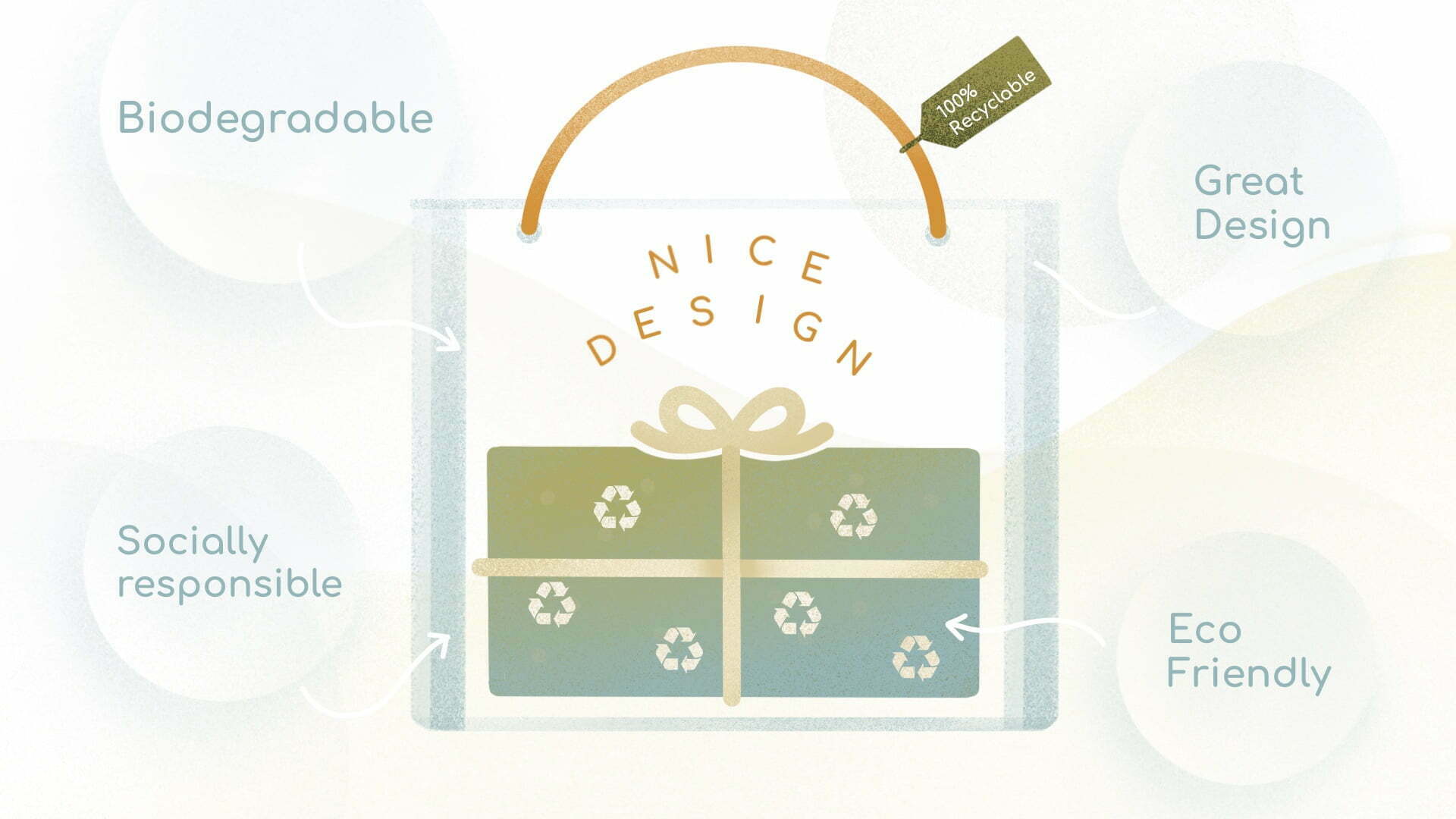
    Packaging can have a great design while being biodegradable, socially responsible and eco friendly.

    When someone first has an idea for a business, the last thing they are thinking about is 

    packaging, let alone eco friendly packaging, but it shouldn’t be. In the world of E-Commerce, the package that a product comes in says much about your brand and it has a huge impact since it’s the first impression a customer has when they first touch it. 

    While you can’t control what a shipping company does with it, the condition, overall appearance, and protection provided, all play a factor consciously or subconsciously in how a consumer thinks. 

    Imagine it like getting a birthday present: the poly mailer comes with several boxes, but you noticed one of them is wrapped in colorful paper with a beautiful bow on the top. You instantly get excited and curious just because of the look of it. Even if the contents were the same, this is a way better present than receive one within a cardboard box.

    When you think about it in those terms, choosing the kind of packages you use isn’t so cut and dry, especially depending on your industry and the types of consumers you attract. For example, coffee brands require a specific type of eco friendly coffee packaging to ensure their coffee beans stay fragrant and fresh. 

    Packaging Follows Market Trends and Customers Needs

    Traditional bags made from plastic barrier may be working now, but public 

    perception is changing, people are beginning to care more about sustainability, rethinking their personal habits, and companies must weigh their options and find a green and biodegradable packing solution that‘s both sustainable and works for them. 

    Why Plastic Packaging is not Biodegradable?

    The question may have crossed your mind why all plastic aren’t recyclable or biodegradable, considering they are made from a carbon-based material. The easy 

    answer is that they technically are; it is just that their manufacturing process makes it 

    sometimes take hundreds of years for that process to take place. The primary reason 

    that traditional barrier bags are not recyclable is that to improve performance, the bags 

    are made from a lamination of different materials, and the glue removal process makes 

    it economically unfeasible to recycle also, as most consumer packaging is not cleaned 

    before being recycled, so recycling companies usually throw all of it out.  

    Seeking New Packaging Solutions

    Whether it is part of your corporate social responsibility efforts or simply trying to appeal 

    to environmentally savvy consumers, you wonder if green and sustainable packaging is a viable option for your company. By comparing traditional packaging and packages made from sustainable options in the same space, you should have the right information to weigh your options and come to a conclusion that is right for your business.  

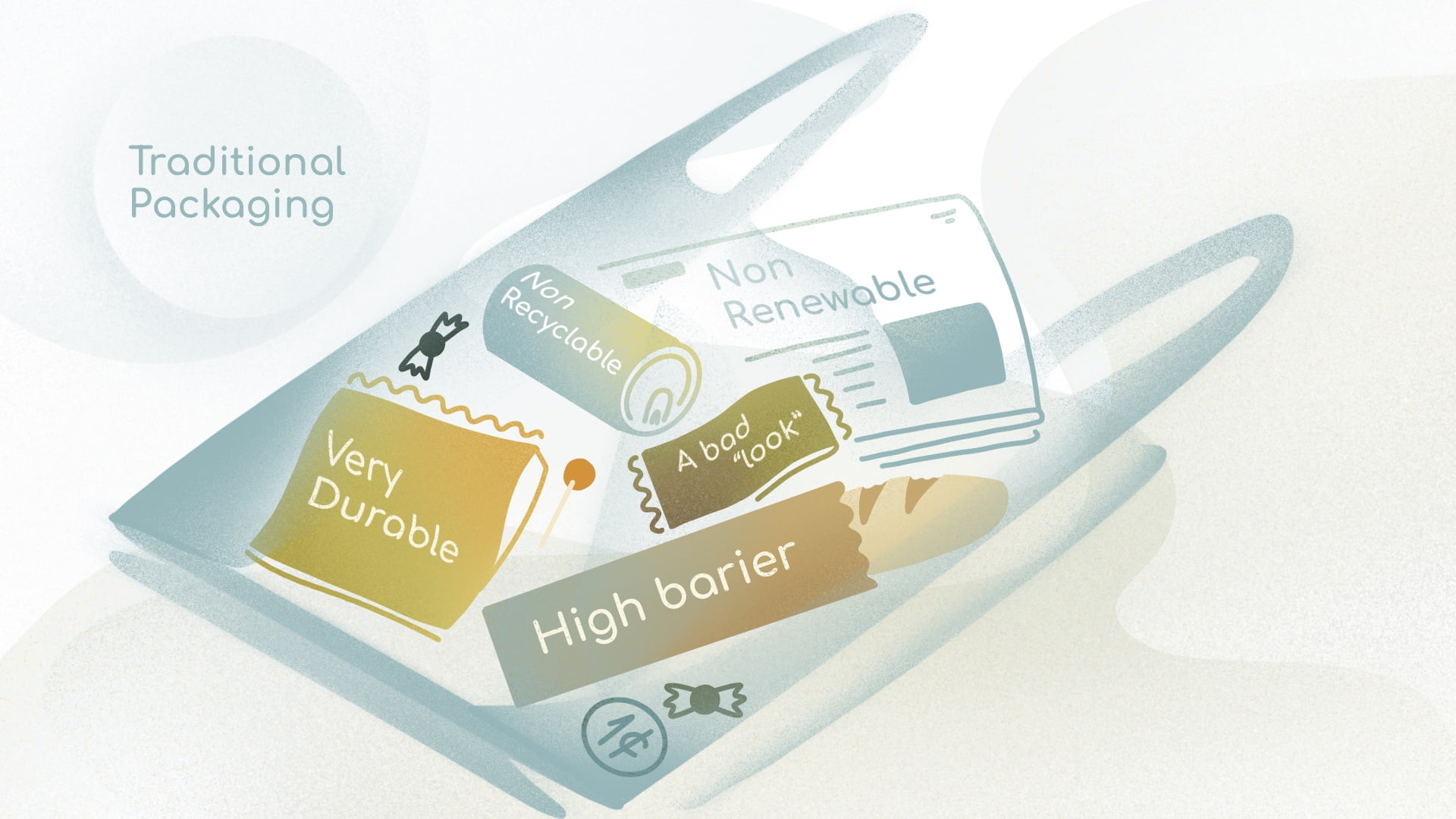
    Traditional packaging has high barrier and is very durable. On the other hand, it has a high ecological impact being non renewable and non recyclable.

    Pros and Cons of Traditional Packaging Materials

    If it’s not broken, some would say don’t fix it, and these traditional plastic barrier bags have 

    been working for decades, so why change now? The world is getting much more Earth-conscious, leading consumers that care are seeking to do their part to conserve the planet. These pros and cons of traditional barrier bags shed some light on what made them so popular for so long and why they may no longer be the best option. 

    Advantages

    Proven

    These plastic bags have been used for years and have been proven time and time again to work. 

    They are more widely available because of their track record and their cost-efficiency.  

    Cost-Efficient

    Traditional plastic bags are a cost-efficient way to protect your product during shipping, especially if you are shipping a lot 

    of volume.  

    Durability

    Traditional plastic became the most popular packaging because they are flexible and lightweight but incredibly durable at the same time.  

    High Barrier Packaging

    High barrier bags preserve products longer because there is a low transfer of oxygen between the inside and outside of the bag. Moisture transfer is also mitigated, and both can be mitigated further by adding oxygen and moisture absorbers to the bag. A high barrier doesn’t only mean preventing liquid and gas transfer; it also means high tensile strength, which prevents tears and punctures.  

    Disadvantages

     Uses non-renewables 

    Traditional plastic barrier bags are made from a non-renewable source, which means that every bag made uses more resources.  

    Not Recyclable or Compostable Product

    Since plastic is not recyclable or biodegradable, each bag creates waste that takes hundreds of years to break down, causing a massive environmental impact.

    Public Perception

    As consumers become more interested in conservation matters, using traditional plastic barrier bags may give customers a negative perception of brands that are using these materials.

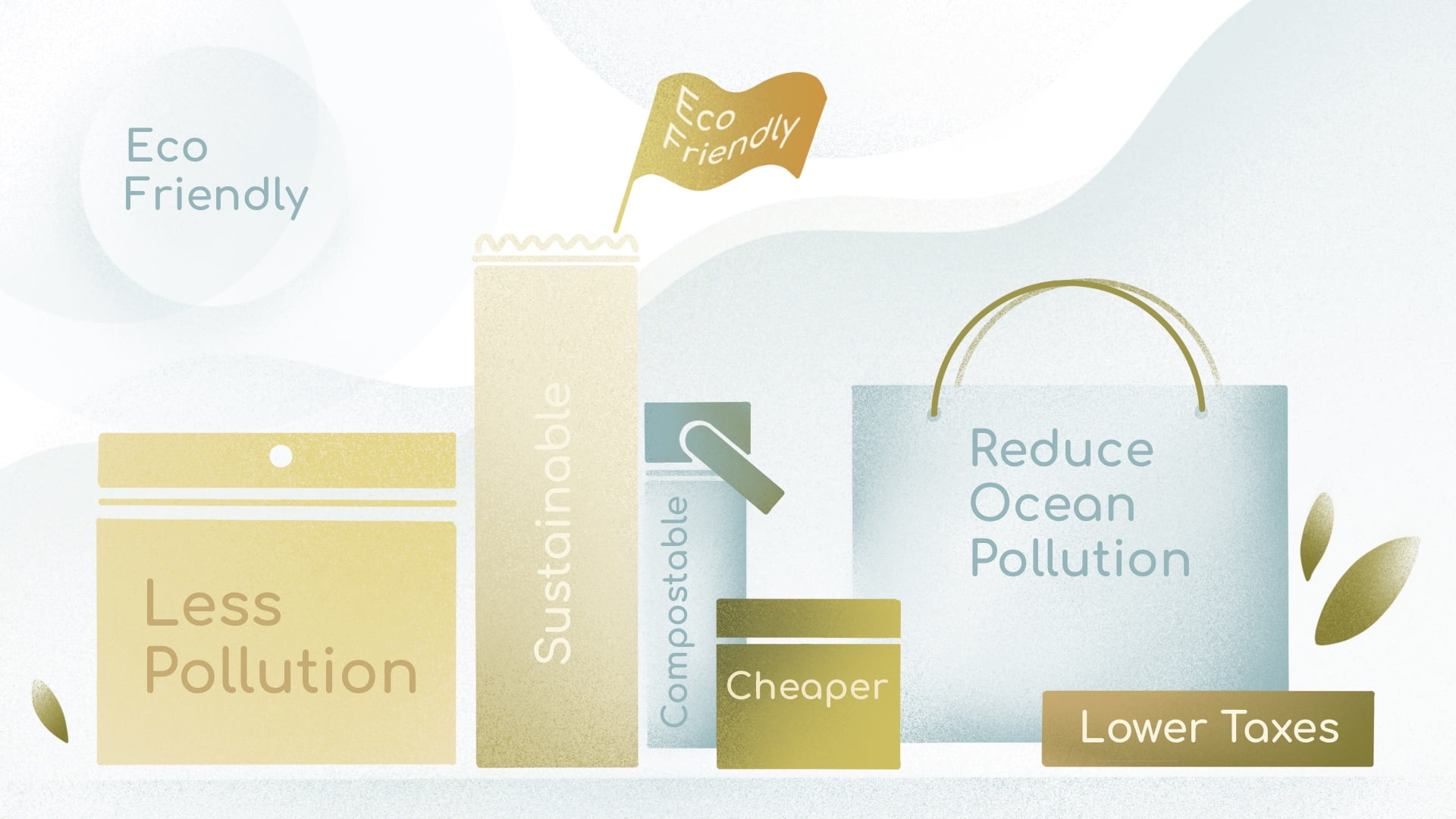
    Despite having less barrier, being less durable and more expensive, eco friendly packaging compensate these issues  being compostable, sustainable, helping reduce ocean pollution.

    Pros and Cons of Sustainable Packaging and Eco Friendly Materials

    Advantages

    Public Perception

    Businesses willing to spend a little more on sustainability and eco-friendly packaging will be viewed as socially responsible and likely have a better public perception. Customers that care about the environment have shown a strong interest in reducing the impact of their purchases. Sustainable packaging such as recyclable and biodegradable packaging improve consumers impression of your brand. 

    Enhanced Regulatory compliance

    The EU, Canada and other nations have already started to move towards a more sustainable packaging future. They are in the process of enacting taxes on packaging which is not eco-friendly. “[T]he EU is moving to slap a tax on non-recycled plastic packaging in the new year.” 

    Reduce Ocean Pollution from plastic products

    Bags made from plastic and plastic waste are major contributors to ocean garbage. While recycling is a advantage, the process of recycling requires energy. The real future of packaging is biodegradable bags that will biodegrade either through industrial processes or in a land fill. Informed customers will love the fact that their bags can be composted. 

    Disadvantages

    More expensive

    Unfortunately, as is usually the case, using renewable resources, the materials used are more costly, so the price point of eco-friendly bags is higher in comparison to bags made from traditional plastic bags.

    Less Barrier Packaging

    While the technology continues to improve currently eco-friendly packaging like compostable and recyclable bags have a lower barrier from moisture and oxygen, which means a shorter shelf-life for packaged products. This can be mitigated with oxygen and moisture-absorbing additives and new coatings are being developed, currently if you need a high barrier packaging solution eco-friendly will not be as effective. 

    Less Durable

    This packaging has less tensile strength, so it is not as immune to punctures and tears as traditional barrier bags. Common uses that need high tensile strength including protein powder, flours, and other granulated products. Also any product which is heavy, needs extra strength. 

    Some Eco Friendly Packaging Printing Limitations

    The materials used for less expensive compostable barrier bags require printed materials to be printed directly onto the paper, limiting the design and colors one can use. Higher-end biodegradable packages do not have these same limitations.

    Pros and Cons of Sustainable Recyclable Packaging

    Many of the advantages and disadvantages of recyclable bags are the same as compostable bags, with a few added considerations.

    AdvantagesPrice

    Because the materials are recyclable, these products are said to be less expensive than compostable bags.

    Disadvantages

    Recyclable barrier bags look more like traditional barrier bags, so recycling facilities will often remove them from the recycling, and throw them away because they don’t have the time or reason to check bags for a recyclable stamp.

    4 Tips When Considering Eco-Friendly Packaging

    1. Printing Needs

    Since the package is what the customers see first, it helps to convey the brand’s message. Having a package that offers lots of printable space facilitates this because the manufacturer can label the product and still be left with enough room to list the attributes that differentiate it from competitors. Square bottom pouches come in handy in such instances because they are fully printable on the front, back, bottom and sides. Custom eco-friendly poly mailers are also great options, as they are strong enough to hold up in the mail, won’t take up unnecessary space in landfills and can be custom printed with the company’s branding

    2. Are Big Retailers Looking for It?

    You have to dream big even if you are only a startup. One significant way to grow more quickly is by partnering with leading retailers. Walmart released a Sustainable Packaging Playbook to help companies improve their packaging methods. One of the nine metrics they consider for their eco-friendly packages is the recycled content. Amazon, on the other hand, wants packaging that is frustration-free and eco-friendly. If you can adhere to the guidelines that such leading retailers are looking for, your eco-friendly packaged products will boost your startup in no time.

    3. Strength

    The packaging material should be strong enough for your bag use. Tensile strength ensures it can resist a direct pull which is very instrumental in child food packaging. The tearing resistance, puncture resistance, impact strength, and bursting strength should match your bag use. Generally speaking most eco-friendly pouches will have a lower strength and tear resistance than the most advanced non-eco friendly bag material laminations. 

    4. Is it Recyclable or Compostable (it can’t be both!)

    Eco-friendly packaging material may be recyclable, compostable, or biodegradable, and most people use the terms interchangeably, which is wrong. Biodegradable materials must completely break down, decompose into natural elements and return to nature; some of these materials include corrugated cardboard. On the other hand, compostable materials provide nutrients to the earth thus can be added to compost piles. Since they require special composting conditions, ensure that the packaging materials meet those standards to make decomposing at home attainable.

    Make the Switch to a more Eco Friendly Packaging

    The extra upfront cost of choosing eco-friendly barrier bags can lead to higher sales and more profit in the long run. Thanks to their advantages, customers will love businesses that choose a socially responsible route for packaging your products. And some disadvantages to these products, like the fact that customers may not know that they are biodegradable or recyclable, can easily be rectified with a environmentally green design and information on the label about proper disposal and subtly notifying them that you have decided to be a more eco-conscious company. If you are ready to make the switch to sustainability, eco-friendly packages and get all the benefits that come with it, or if you have any other questions about the product or ordering, contact us today!

  • 10 Tips When Considering Eco-Friendly Packaging

    10 Tips When Considering Eco-Friendly Packaging

    More than 70% of customer purchasing decisions are made at the shelf because the packaging is what a customer first sees when shopping.  As brands move towards eco-friendly solutions, they are bound to attract more customers since 70% of customers say they would not mind paying more for sustainable packaging.  Therefore, it is imperative to consider making a shift towards a more environmentally-friendly solution, and here are the ten tips you should consider when making your decision.

    1. Printing Needs

    Since the package is what the customers see first, it helps to convey the brand’s message. Having a package that offers lots of printable space facilitates this because the manufacturer can label the product and still be left with enough room to list the attributes that differentiate it from competitors. Square bottom pouches come in handy in such instances because they are fully printable on the front, back, bottom and sides. Custom eco-friendly poly mailers are also great options, as they are strong enough to hold up in the mail, won’t take up unnecessary space in landfills and can be custom printed with the company’s branding.  

    2. Is It Recyclable?

    The essence of making packaging eco-friendly is to reduce the impact on the environment, and recycling is among the best ways to do so. Kraft paper, derived from the German word “Kraft,” is recyclable and compostable. Alternatively, PET plastic provides an excellent barrier in preserving the freshness of food products and other consumables. However, before settling on using recyclable materials, ensure that the packaged products are a good fit. Recyclable plastic bags are ideal when packing, nuts and seeds, crackers and chips, pasta, and dried food. Recyclable bag materials lack the strength of other materials, and are not often a good choice for products that can transfer a lot of load to the bag, causing it to burst. 

    3. Are Big Retailers Looking for It?

    You have to dream big even if you are only a startup. One significant way to grow more quickly is by partnering with leading retailers. Walmart released a Sustainable Packaging Playbook to help companies improve their packaging methods. One of the nine metrics they consider for their eco-friendly packages is the recycled content. Amazon, on the other hand, wants packaging that is frustration-free and eco-friendly. If you can adhere to the guidelines that such leading retailers are looking for, your eco-friendly packaged products will boost your startup in no time.

    4. Strength 

    The packaging material should be strong enough not to tear at the slightest tension. Tensile strength ensures it can resist a direct pull which is very instrumental in child food packaging. You have to be sure that the little angels do not ingest dangerous items by making it hard for them to access the contents. The tearing resistance, puncture resistance, impact strength, and bursting strength should also be very high to prevent spillage of contents during transportation.

    5. The Maximum Temperature It Can Withstand

    There is a reason why the current generation is referred to as the “microwave generation.” Our hectic lives have seen us look for more convenience; therefore, customers want food products they can throw in the microwave and consume. Time for washing dishes is no longer available as we concentrate on climbing the corporate ladder. So if you can make your customers’ lives more comfortable by packaging their food in microwave-safe containers, you will be doing them a huge favor, translating to more sales. Plastic has been proven to release BPA and phthalates in food when microwaved; BPA can disrupt the natural hormonal system since it mimics estrogen.

    6. Will It Keep Products in Good Use?

    You don’t want to lose customers because your packaging has them throwing out food due to a short shelf-life. Times are hard and every dollar saved goes a long way into securing your customer’s future. Your packaging should, therefore, not only increase food safety by preventing food contamination, but it should also extend the shelf life. A European Union-funded project, YPACK, discovered that integrating oregano essential oils and zinc oxide enhances bio-papers protection against bacterial contamination, which increases the shelf life of food products.

    7. Does It Facilitate Storage in a Controlled Environment?

    It is common to read “keep product away from direct sunlight, in a cool, dry place,” which is not hard to do, but what about the moisture levels needed to preserve freshness? It is up to you to facilitate a controlled environment through your packaging material. Cannabis users want their stash to hit the right spot every time they open the package. Therefore, humidity control is essential as cannabis should not be stored in an environment above 65% RH lest it risks developing mold. Your packaging should not promote evaporation because then the cannabis will lose its potency, and imagine the damage it can cause, primarily if being used for medicinal purposes.

    8. Is it Compostable?

    Eco-friendly packaging material may be recyclable, compostable, or biodegradable, and most people use the terms interchangeably, which is wrong. Biodegradable materials must completely break down, decompose into natural elements and return to nature; some of these materials include corrugated cardboard. On the other hand, compostable materials provide nutrients to the earth thus can be added to compost piles. Since they require special composting conditions, ensure that the packaging materials meet those standards to make decomposing at home attainable.

    9. Is It Cutting Edge?

    Eco-friendly packaging should also be cutting edge to make your product competitive. Imagine being able to tell how ripe an avocado is or if the product is expired by just looking at the package. Yet such smart technology can play a critical role in minimizing cases of food poisoning considering that in the US, 48 million get sick and 3,000 die from food borne diseases every year. 

    10. Blow-outs

    The eco-friendly package should also facilitate consumer health by blowing up when the contents have toxic bacterial growth. Since your customers cannot smell the product while it is still packed, it is crucial to have a package that inflates. This is especially useful when handling meat products.

    Now that you know the most important factors to consider when choosing your eco-friendly packaging, ensure you have a reliable provider. At CarePac, we provide you with high-quality pouches at affordable rates. With our 5% price match guarantee you’ll always get the best deal. We also have a low minimum order quantity and offer you the best customer service. Contact us today and learn more about our extensive range of pouches available in different materials and with varied features to suit your needs.