Author: Jecris G

  • CareVac-NP

    CareVac-NP

    CareVac-NP

    Overview

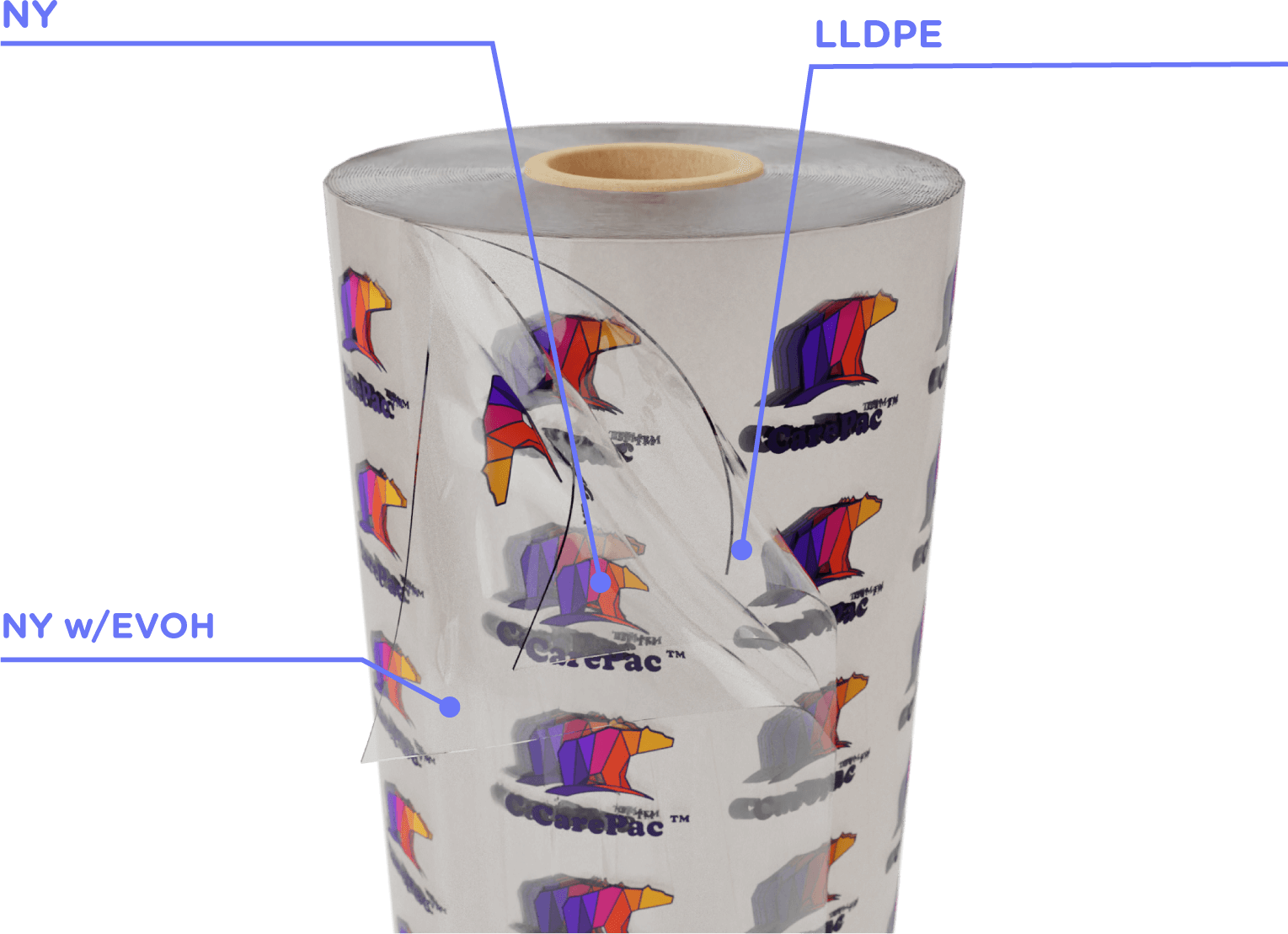
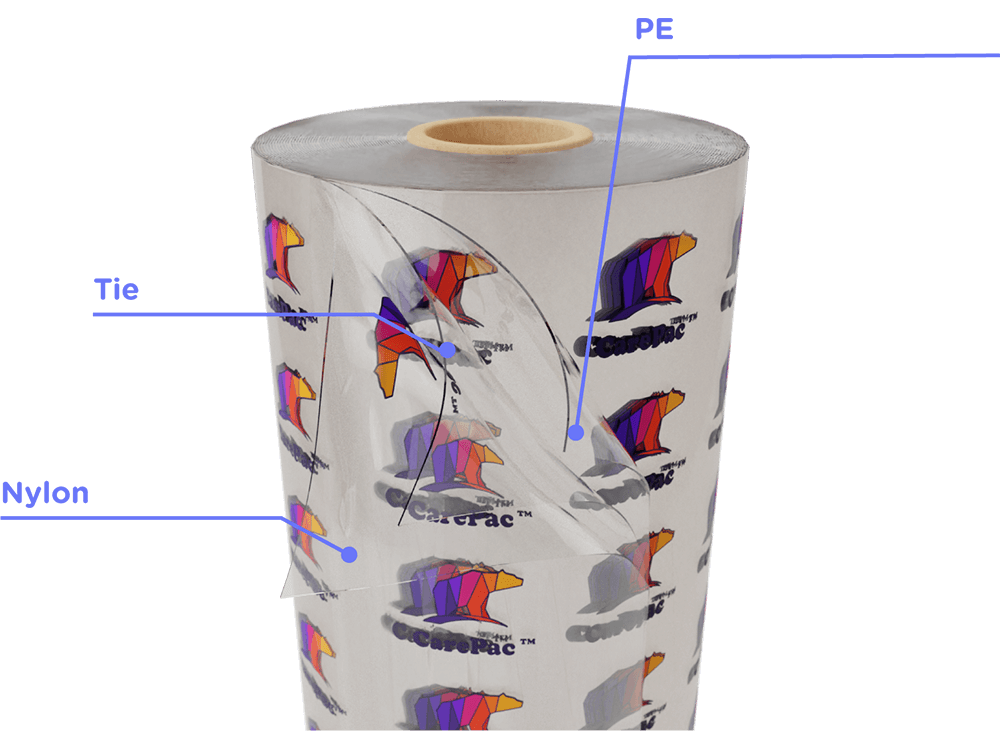
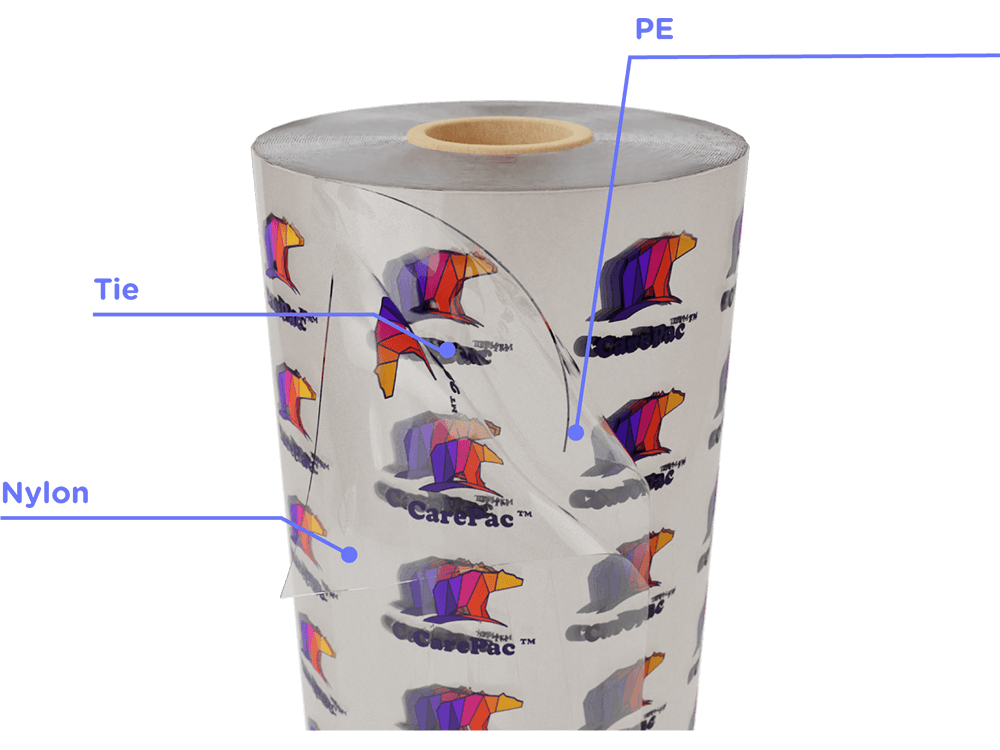
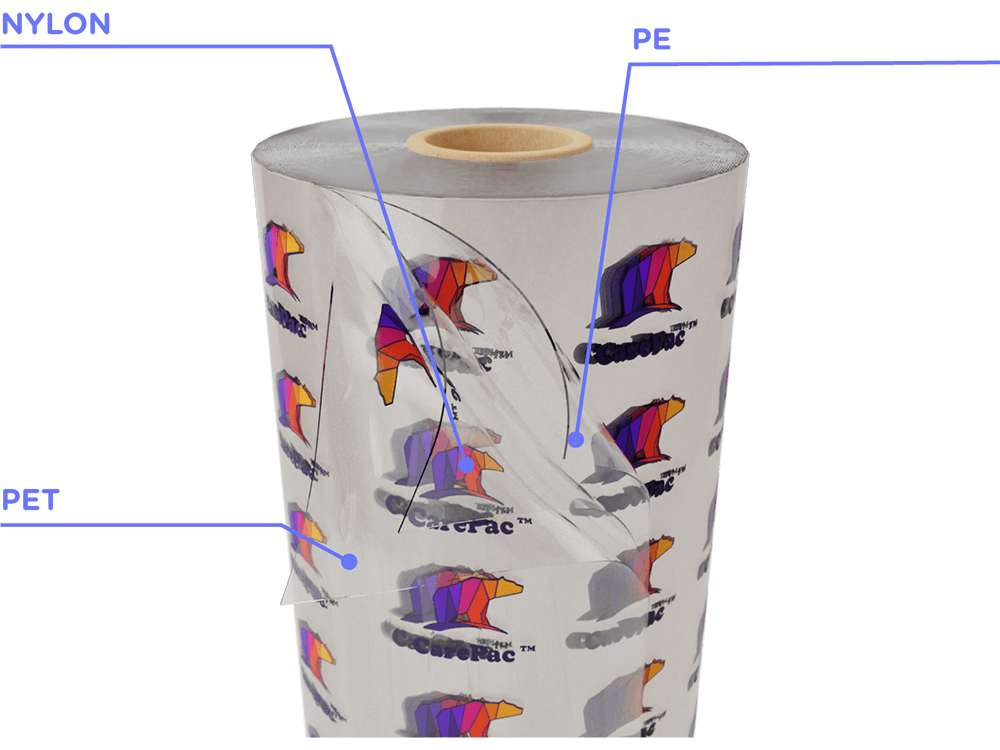
    This film is a coextruded nylon/Poly vacuum film designed for standard food and industrial chamber vacuum applications. Best for conversion into 2-seal and 3-seal pouches.  

    CareVac-NP is typically suitable for a variety of fill substances, this film displays high conformity, and economic durability. Quality extensibility, and low relative OTR makes this a good candidate for cheese, meat, sea food, jerky, dried foods and other snack products.  

    Note: The performance of any film will be influenced by a number of factors and testing must always be performed to ensure the film meets the use.

    Relative Performance Indications

    Oxygen Barrier

    Moisture Barrier

    Light Barrier

    STrength

    Heat Resistance

    Freezer Storage

    Material Data

    Here are some of the common indicated properties for this film.

    ITEM

    VALUE / RESULT / INDICATION

    Material Composition 

    NY/PE  

    Available Thickness Range 

    3mil – 7 mil nominals  

    Tested Caliper Thickness 

    3 mil 

    Tested As  

    Film 

    MVTR 

    .4 g/100in2 day  

    OTR 

    4 cc/100 in2 day  

    Tensile Strength 

    MD >4800 psi TD >5000 psi 

    Elongation at Break 

    MD >340 TD>420 

    Tearing Strength 

    MD >18N TD>15N 

    All values indicated regarding film properties or characteristics, were provided by our film supplier and are given as an indication and should be considered as average indicative values. This document is based on our film supplier statements and / or independent lab testing, data from multiple tests, or different film suppliers of the same film family may be combined in the above table. While unexpected, it is possible that the validity of the statements could change without notice.

    Environmental Impact

    This material is a multi-layer laminated plastic and will typically fall into the check-locally, or store drop off category. 

    Property
    Sample Data

    Recyclable

    Multi-Layer Check Locally

    PCR Option Available

    No

    At Home Compostable

    No

    Commercial / Industrial Compostable

    No

    Recyclability and composability varies by jurisdiction. Composability claims are limited by law, and vary by jurisdiction, consult a qualified professional in your state. 

    Compliance

    Compliance is important, and here are CarePac we can support your compliance needs with extensive film supplier and lab testing data.  
     

    BPA FREE

    FDA Food Approved

    PROP 65

    Property
    Sample Data

    CEPE/EuPIA

    Manufactured in accordance with

    Cal. H&S (25214.16)

    Compliant

    PFAS – perfluoroalkyl and polyfluoroalkyl § 37-0209, RCW 70A.222.070

    Does not knowingly add

    Prop 65 (OEHHA)

    Does not contain listed substances

    SR 817.023.021

    Not in excess of overall or specific migration

    EU directive 10/2011/ED

    Compliant

    EU directive 1935/2004

    Compliant

    FDA 21 CFR 73

    Compliant

    Cal. H&S (25214.16)

    Compliant

    RoHS Directive 2011/65/EU

    PASS

    Compliance information above is derived from lab testing, or film supplier statements. Independent verification is advised, and Lot specific testing available

    Related Materials

    CareVac-NENP

    High clarity, high temperature, and extra strength through the incorporation of nylon sets this film up as an excellent choice for heavy duty chamber vacuum applications.  

    CareClear-PNP

    This material has a higher than average moisture and strength, with good oxygen and gas barrier. As this is a clear product it has limited light barrier potential but does have good heat resistance. Enhanced heat resistance could be obtained with CareClear-PNC is required by the use application.   

  • CareVac-NENP

    CareVac-NENP

    CareVac-NENP

    Overview

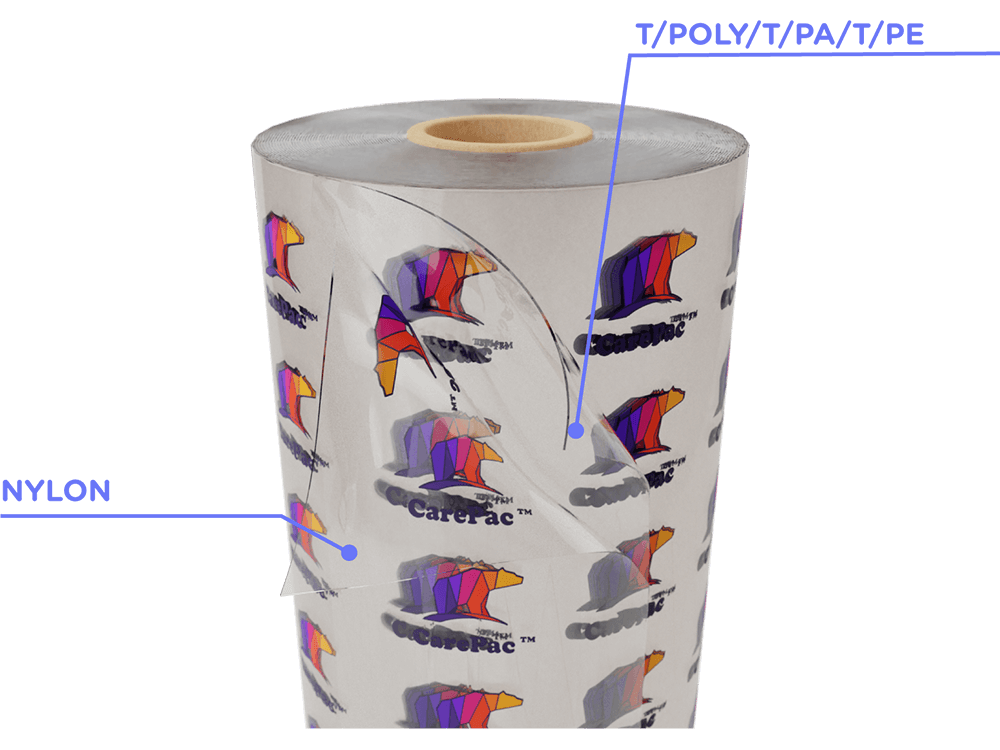
    High clarity, high temperature, and extra strength through the incorporation of nylon sets this film up as an excellent choice for heavy duty chamber vacuum applications.  

    This FDA approved film is intended primarily for demanding food applications that require wide temperature swings (freezer to boiling water) The retort tie layers exhibit high strength and low OTR. Hot fill soups, sauces, purees, and hot fill conditions for Condition b 21CFR 176.170:212F for 30 minutes for food groups II, III, IV-A, VII-B.  

    Note: The performance of any film will be influenced by a number of factors and testing must always be performed to ensure the film meets the use.

    Relative Performance Indications

    Oxygen Barrier

    Moisture Barrier

    Light Barrier

    STrength

    Heat Resistance

    Freezer Storage

    Material Data

    Here are some of the common indicated properties for this film.

    ITEM

    VALUE / RESULT / INDICATION

    Material Composition 

    Nylon/T/Poly/T/PA/T/LLDPE-EVA 

    Available Thickness Range 

    4 – 8 mil 

    Tested Caliper Thickness 

    4.0 

    Tested As  

    Roll Film 

    MVTR 

    .221 F-1248 @73F/0%fh 

    OTR 

    2.79 D-3985 @ 100F/90% rh) 

    COF 

    .10 D-1894 

    Haze 

    15.6 D-1003 

    All values indicated regarding film properties or characteristics, were provided by our film supplier and are given as an indication and should be considered as average indicative values. This document is based on our film supplier statements and / or independent lab testing, data from multiple tests, or different film suppliers of the same film family may be combined in the above table. While unexpected, it is possible that the validity of the statements could change without notice.

    Environmental Impact

    This material is a multi-layer laminated plastic and will typically fall into the check-locally, or store drop off category. 

    Property
    Sample Data

    Recyclable

    Multi-Layer Check Locally

    PCR Option Available

    No

    At Home Compostable

    No

    Commercial / Industrial Compostable

    No

    Recyclability and composability varies by jurisdiction. Composability claims are limited by law, and vary by jurisdiction, consult a qualified professional in your state. 

    Compliance

    Compliance is important, and here are CarePac we can support your compliance needs with extensive film supplier and lab testing data.  
     

    BPA FREE

    FDA Food Approved

    PROP 65

    Property
    Sample Data

    CEPE/EuPIA

    Manufactured in accordance with

    Cal. H&S (25214.16)

    Compliant

    PFAS – perfluoroalkyl and polyfluoroalkyl § 37-0209, RCW 70A.222.070

    Does not knowingly add

    Prop 65 (OEHHA)

    Does not contain listed substances

    SR 817.023.021

    Not in excess of overall or specific migration

    EU directive 10/2011/ED

    Compliant

    EU directive 1935/2004

    Compliant

    FDA 21 CFR 73

    Compliant

    Cal. H&S (25214.16)

    Compliant

    RoHS Directive 2011/65/EU

    PASS

    Compliance information above is derived from lab testing, or film supplier statements. Independent verification is advised, and Lot specific testing available

    Related Materials

    CareVac-NP

    This film is a coextruded nylon/Poly vacuum film designed for standard food and industrial chamber vacuum applications. Best for conversion into 2-seal and 3-seal pouches.  

    CareVac NPB

    CareVac-NPB has a high clarity, high temperature, and extra strength through the incorporation of nylon sets this film up as an excellent choice for heavy duty chamber vacuum applications.
  • CareClear-PEASY

    CareClear-PEASY

    CareClear-PEASY

    Overview

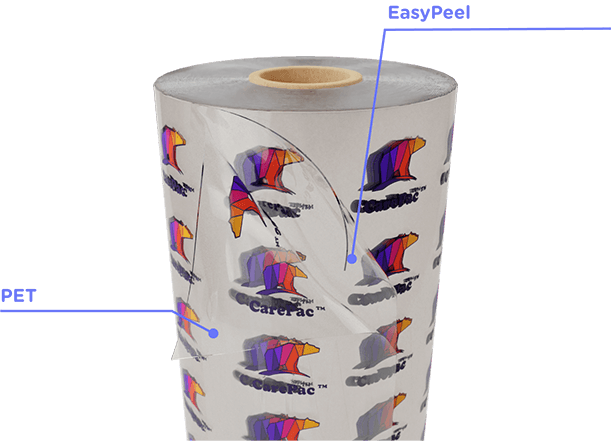
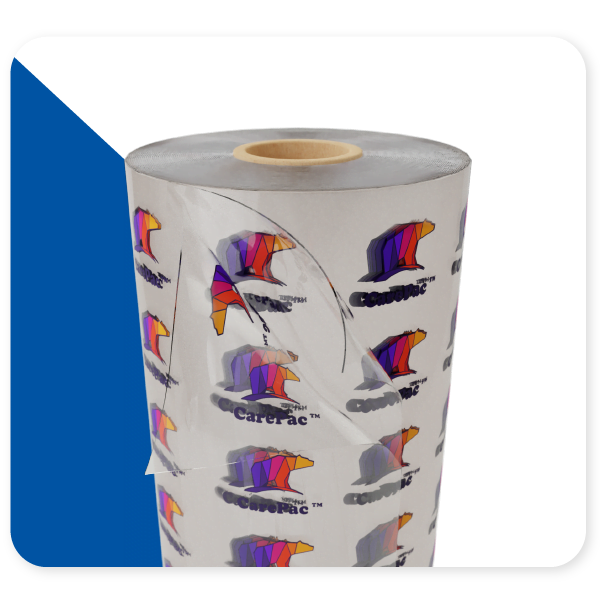
    This film is designed to provide very good moisture and oxygen barrier potential in a transparent film. The ALOX coating enhances the barrier of the PET film

    This film prints well both digitally and Rotogravure, with high clarity. ALOX is an alternative coating treatment to EVOH or PVDC.

    The ALOX coating is designed to not set off a food process metal detector. This film can also be subjected to irradiation. 
    Note: The performance of any film will be influenced by a number of factors and testing must always be performed to ensure the film meets the use.

    Relative Performance Indications

    Oxygen Barrier

    Moisture Barrier

    Light Barrier

    STrength

    Metal Detector

    Material Data

    Here are some of the common indicated properties for this film.

    Property
    Sample Data

    Available Thicknesses

    3mil – 7mil

    Sample Data Thickness

    3.0 Mil +- 5μ

    MVTR

    .34 gms/100sq.in./24 hrs

    OTR 

    7.36 cc/100sq.in./24 hrs

    Tensile Strength

    19 (MD) ASTM D-882, 22 (TD) ASTM D-882

    Tear

    48 (MD) ASTM D-882, 48 (TD) ASTM-D992

    Heat Seal Strength

    >6 SIDE kg/15mm

    Bond Strength

    >400 g/15mm

    Thrust Strength

    >84 FED-STD-101-2065

    All values indicated regarding film properties or characteristics, were provided by our film supplier and are given as an indication and should be considered as average indicative values. This document is based on our film supplier statements and / or independent lab testing, data from multiple tests, or different film suppliers of the same film family may be combined in the above table. While unexpected, it is possible that the validity of the statements could change without notice.

    Environmental Impact

    This material is a multi-layer laminated plastic and will typically fall into the check-locally, or store drop off category. 

    Property
    Sample Data

    Recyclable

    Multi-Layer Check Locally

    PCR Option Available

    No

    At Home Compostable

    No

    Commercial / Industrial Compostable

    No

    Recyclability and composability varies by jurisdiction. Composability claims are limited by law, and vary by jurisdiction, consult a qualified professional in your state. 
    Compliance

    Compliance is important, and here are CarePac we can support your compliance needs with extensive film supplier and lab testing data.  
     

    BPA FREE

    FDA Food Approved

    PROP 65

    Compliance information above is derived from lab testing, or film supplier statements. Independent verification is advised, and Lot specific testing available

    Property
    Sample Data

    CEPE/EuPIA

    Manufactured in accordance with

    Cal. H&S (25214.16)

    Compliant

    PFAS – perfluoroalkyl and polyfluoroalkyl § 37-0209, RCW 70A.222.070

    Does not knowingly add

    Prop 65 (OEHHA)

    Does not contain listed substances

    SR 817.023.021

    Not in excess of overall or specific migration

    EU directive 10/2011/ED

    Compliant

    EU directive 1935/2004

    Compliant

    FDA 21 CFR 73

    Compliant

    Cal. H&S (25214.16)

    Compliant

    RoHS Directive 2011/65/EU

    PASS

    Related Materials

    PET

    CareClear-PC PET/CPP

    CareClear-PC provides some enhancement to heat potential with the use of Cast PP but also yields a very clear bag when used in thin film thicknesses.

    CareClear-PNP PET/NYLON/PE

    CareClear-PNP is a enhanced version of CareClear-PP which includes the addition of Nylon to increase certain barrier characteristics and strength for liquid and powder applications. 

    CareClear-XP KPET/PE

    PVDC coated PET provided extra barrier for applications which need enhanced WVTR and OTR, with the greatest increase being for the OTR barrier. 

  • CareFoil-MAP

    CareFoil-MAP

    CareFoil-MAP

    Overview

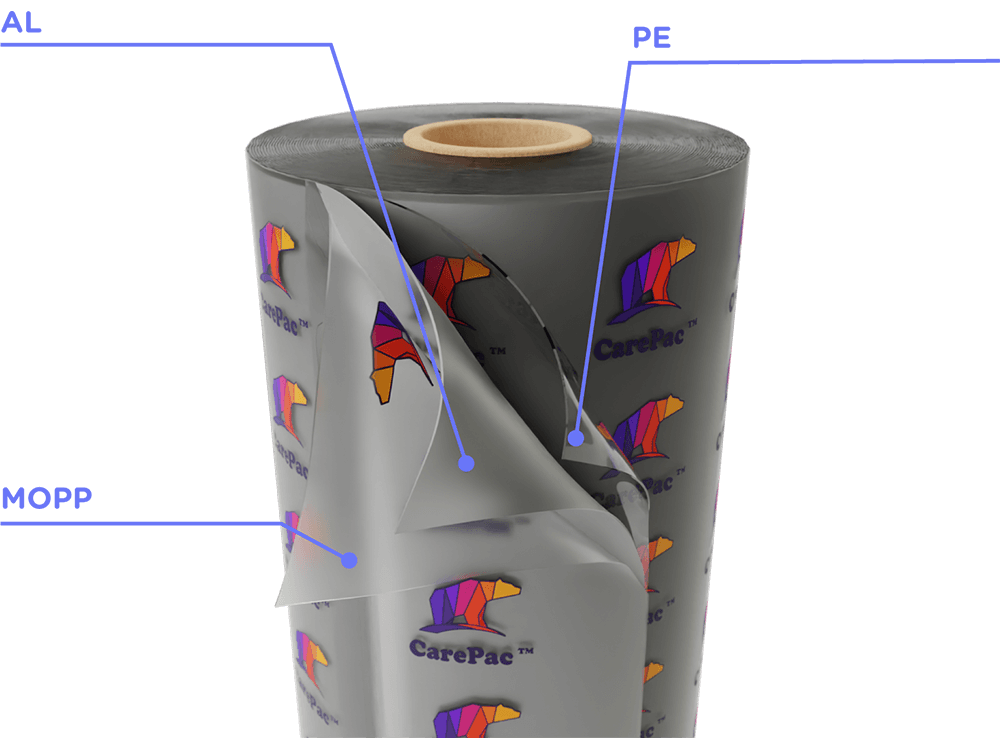
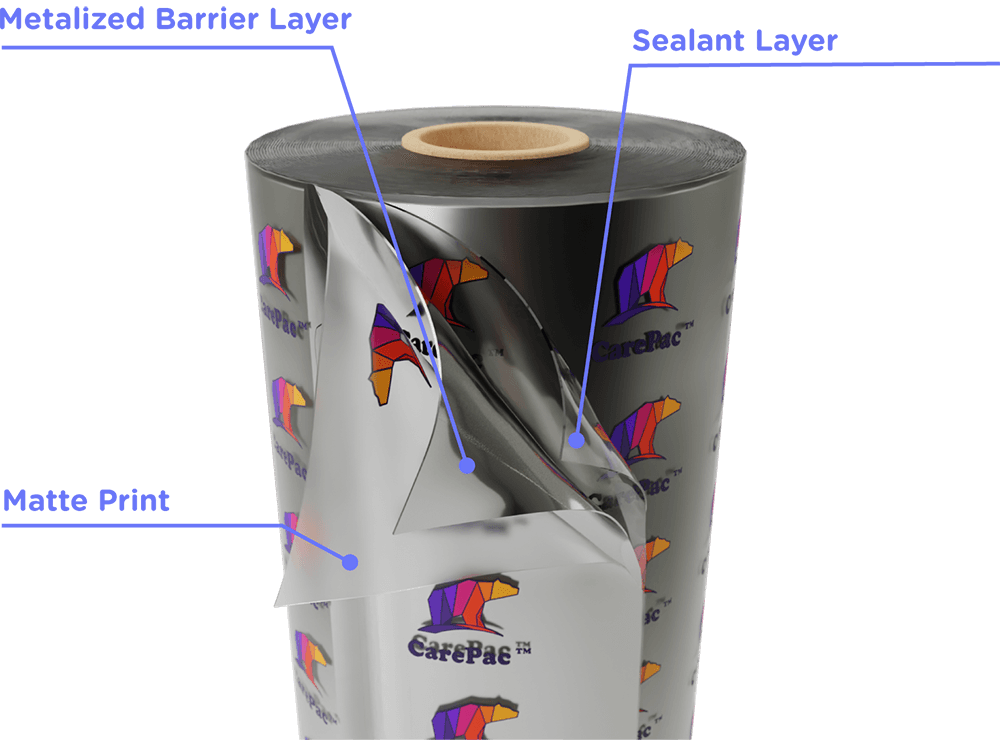
    This FDA compliant film has a matte appearance after printing, and combines a printed Matte OPP layer with encapsulated aluminum foil and a heat sealable PE food safe liner. Aluminum foil provides exceptional barrier while the MOPP outermost layer provides a quality matte appearance and finish. 

    MOPP replaces the PET layer of our standard CareFoil Lamination for matte printed bags. 

    Note: The performance of any film will be influenced by a number of factors and testing must always be performed to ensure the film meets the use.

    Relative Performance Indications

    Oxygen Barrier

    Moisture Barrier

    Light Barrier

    STrength

    Heat Resistance

    Freezer Storage

    Material Data

    Here are some of the common indicated properties for this film.

    ITEM

    UNIT

    TEST METHOD

    STANDARD

    SIZE

    WIDTH

    190 mm

    RULER

    ±1%

    LENGTH

    290 mm

    ±1%

    THICKNESS

    µ

    MICROMETER

    ±5µ

    BOND STRENGTH

    PET/AL

    g/15mm

    UNVERSAL TESTER

    200↑

    AL/PE

    g/15mm

    UNVERSAL TESTER

    200↑

    SEALING WIDTH

    mm

    RULER

    10

    SEALING STRENGTH

    SIDE

    kg/15mm

    UNVERSAL TESTER

    6.0↑

    TOP

    kg/15mm

    UNVERSAL TESTER

    6.0↑

    THRUST STRENGTH

    N

    JAS ST.(FED-STD-101-2065)

    OVER70.6

    W.V.T.R

    g/㎡.24hr

    ASTM E96-1980

    0.8↓

    O.T.R

    cc/㎡.24hr

    ASTM D1434

    1.2↓

    TENSILE STRENGTH

    (MD)

    N/m㎡

    ASTM D 882

    OVER42.1

    (TD)

    OVER42.2

    (MD)

    %

    ASTM D 882

    OVER55

    (MD)

    OVER50

    (MD)

    N

    ASRM D 1938

    OVER1.6

    (MD)

    OVER1.2

    COMPRESSIVE STRENGTH

    N

    JIS Z 0238

    OVER785

    TEMPERATURE TEST

    PILOT RETORT TESTER

    100℃/30min, 2.2kgf/c㎡

    All values indicated regarding film properties or characteristics, were provided by our film supplier and are given as an indication and should be considered as average indicative values. This document is based on our film supplier statements and / or independent lab testing, data from multiple tests, or different film suppliers of the same film family may be combined in the above table. While unexpected, it is possible that the validity of the statements could change without notice.

    Environmental Impact

    This material is a multi-layer laminated plastic and will typically fall into the check-locally, or store drop off category. 

    Property
    Sample Data

    Recyclable

    Multi-Layer Check Locally

    PCR Option Available

    No

    At Home Compostable

    No

    Commercial / Industrial Compostable

    No

    Recyclability and composability varies by jurisdiction. Composability claims are limited by law, and vary by jurisdiction, consult a qualified professional in your state. 
    Compliance

    Compliance is important, and here are CarePac we can support your compliance needs with extensive film supplier and lab testing data.  
     

    BPA FREE

    FDA Food Approved

    PROP 65

    Property
    Sample Data

    CEPE/EuPIA

    Manufactured in accordance with

    Cal. H&S (25214.16)

    Compliant

    PFAS – perfluoroalkyl and polyfluoroalkyl § 37-0209, RCW 70A.222.070

    Does not knowingly add

    Prop 65 (OEHHA)

    Does not contain listed substances

    SR 817.023.021

    Not in excess of overall or specific migration

    EU directive 10/2011/ED

    Compliant

    EU directive 1935/2004

    Compliant

    FDA 21 CFR 73

    Compliant

    Cal. H&S (25214.16)

    Compliant

    RoHS Directive 2011/65/EU

    PASS

    Compliance information above is derived from lab testing, or film supplier statements. Independent verification is advised, and Lot specific testing available

    Related Materials

    CareSilver-MVP

    This film is a multi-layer laminated film that is a strong and clear material designed for tough food and industrial applications including frozen environments. The material consists of a lamination of Oriented Polypropylene (OPP), Vapor Metalized Polyethylene Terephthalate (VMPET) and proprietary Polyethylene sealant layer designed for freezer applications.

    CareFoil-PAP

    CareFoil-PAP is our high barrier film structure which incorporates encapsulated aluminum foil as the barrier layer of this film. The exterior high grade PET serves as a great base for printed bags. The interior PE sealant layer is non-reactive and is heat sealable. CareFoil-PAP is great for FDA applications where long shelf life, or susceptibility to spoilage is a concern. 

  • CareKraft-MKVP

    CareKraft-MKVP

    CareKraft-MKVP

    Overview

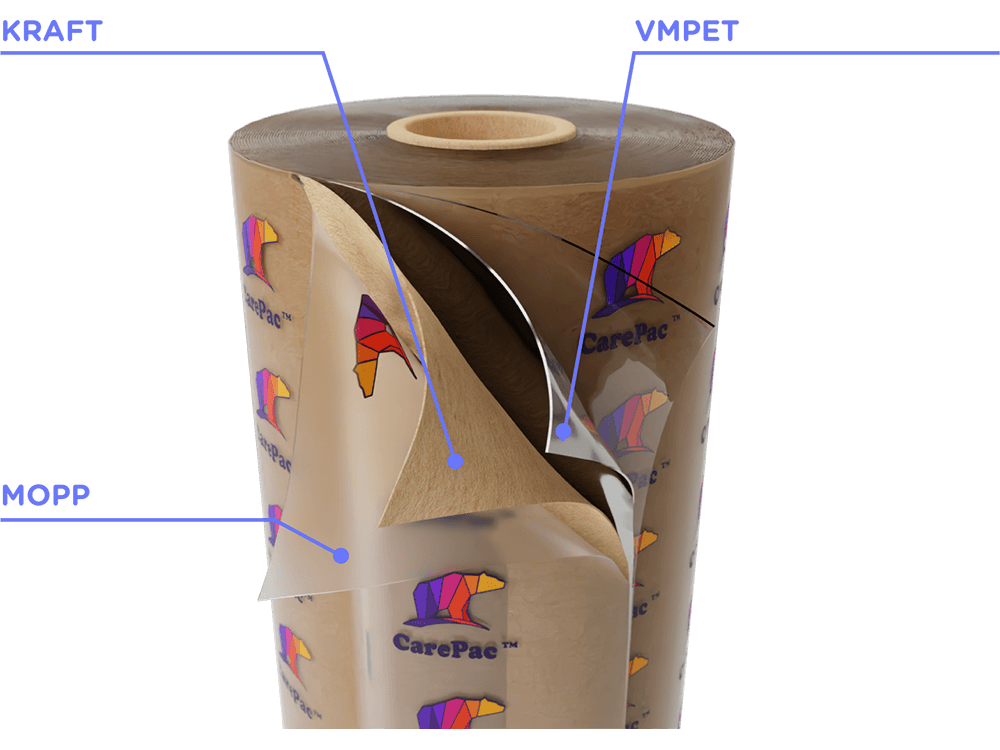
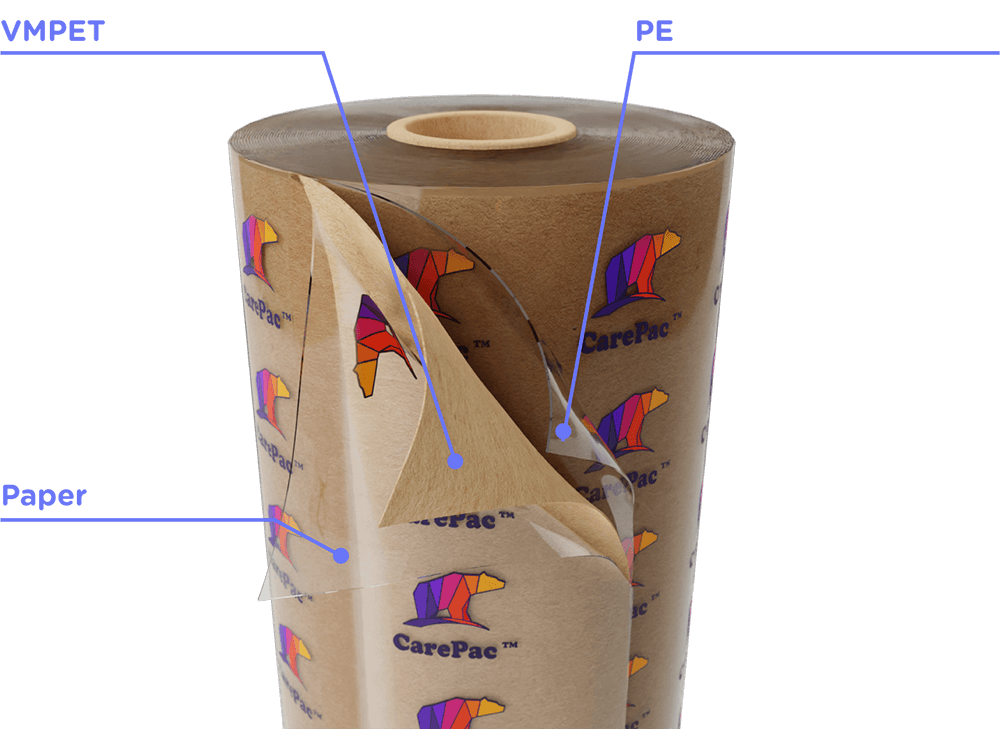
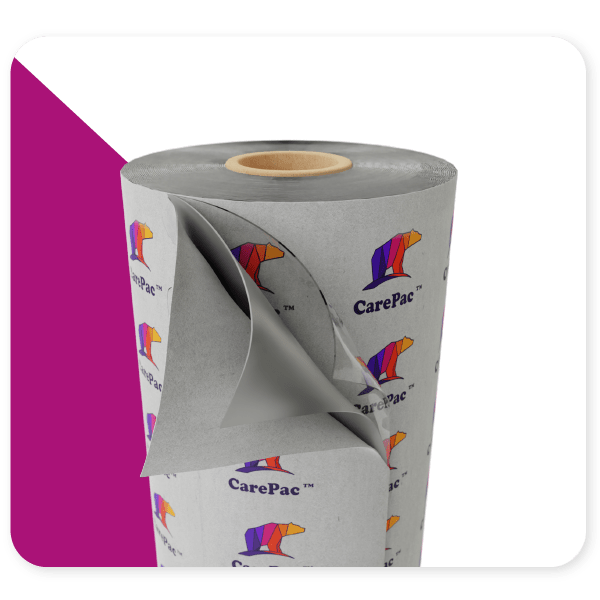
    This FDA approved film does not stretch due to the orientation of the layers during the lamination process. Great for Food and industrial uses, the kraft paper can be either White or Brown kraft and is combined with a heat sealable PE liner. This is a low barrier product which is best suited for shelf stable products that do not require high barrier packaging to extend its shelf life. 

    Note: The performance of any film will be influenced by a number of factors and testing must always be performed to ensure the film meets the use.

    Relative Performance Indications

    Oxygen Barrier

    Moisture Barrier

    Light Barrier

    STrength

    Heat Resistance

    Freezer Storage

    Material Data

    Here are some of the common indicated properties for this film.

    ITEM

    VALUE / RESULT / INDICATION

    Material Composition 

    Kraft Paper/VMPET/PE   

    Available Thickness Range 

    4.5mil – 7 mil nominals  

    Tested Caliper Thickness 

    4.5 mil 

    Tested As  

    Film 

    MVTR 

    .004 g/100in2 day  

    OTR 

    .004 cc/100 in2 day  

    Tensile Strength 

    MD >27 lbs. TD > 16 lbs 

    Tearing Strength 

    MD >64 g CD> 75 g 

    All values indicated regarding film properties or characteristics, were provided by our film supplier and are given as an indication and should be considered as average indicative values. This document is based on our film supplier statements and / or independent lab testing, data from multiple tests, or different film suppliers of the same film family may be combined in the above table. While unexpected, it is possible that the validity of the statements could change without notice.

    Environmental Impact

    This material is a multi-layer laminated plastic and will typically fall into the check-locally, or store drop off category. 

    Property
    Sample Data

    Recyclable

    Multi-Layer Check Locally

    PCR Option Available

    No

    At Home Compostable

    No

    Commercial / Industrial Compostable

    No

    Recyclability and composability varies by jurisdiction. Composability claims are limited by law, and vary by jurisdiction, consult a qualified professional in your state. 
    Compliance

    Compliance is important, and here are CarePac we can support your compliance needs with extensive film supplier and lab testing data.  
     

    BPA FREE

    FDA Food Approved

    PROP 65

    Property
    Sample Data

    CEPE/EuPIA

    Manufactured in accordance with

    Cal. H&S (25214.16)

    Compliant

    PFAS – perfluoroalkyl and polyfluoroalkyl § 37-0209, RCW 70A.222.070

    Does not knowingly add

    Prop 65 (OEHHA)

    Does not contain listed substances

    SR 817.023.021

    Not in excess of overall or specific migration

    EU directive 10/2011/ED

    Compliant

    EU directive 1935/2004

    Compliant

    FDA 21 CFR 73

    Compliant

    Cal. H&S (25214.16)

    Compliant

    RoHS Directive 2011/65/EU

    PASS

    Compliance information above is derived from lab testing, or film supplier statements. Independent verification is advised, and Lot specific testing available

    Related Materials

    CareKraft-KVP

    This material has high barrier to moisture vapor and oxygen but low physical strength and the unprocessed paper exterior can crack and crinkle, and tear easily, and must be handled and stored with more care than a plastic product. The natural paper exterior is subject to natural variations in color, texture, and all visual elements between each lot.

    CareSilver-MVP

    This film is a multi-layer laminated film that is a strong and clear material designed for tough food and industrial applications including frozen environments. This FDA approved film does not stretch due to the orientation of layers during the laminating process.  

  • CareSilver-XVP

    CareSilver-XVP

    CareSilver-XVP

    Overview

    This FDA approved film does not stretch due to the orientation of the layers during the lamination process. Great for Food and industrial uses, the film. The outermost layer is PVDC coated PET laminated to a metalized PET producing a lamination structure with enhanced barrier potential. This material is a good choice when the pouch design requires advanced printing techniques such as intricate designs that cannot be diecut into a aluminum foil based film. 

    Note: The performance of any film will be influenced by a number of factors and testing must always be performed to ensure the film meets the use.

    Relative Performance Indications

    Oxygen Barrier

    Moisture Barrier

    Light Barrier

    STrength

    Heat Resistance

    Freezer Storage

    Material Data

    Here are some of the common indicated properties for this film.

    ITEM

    UNIT

    TEST METHOD

    STANDARD

    SIZE

    WIDTH

    200

    RULER

    ±1%

    LENGTH

    ±1%

    THICKNESS

    µ

    MICROMETER

    120µ

    BOND STRENGTH

    g/15mm

    UNVERSAL TESTER

    500↑

    SEALING WIDTH

    mm

    RULER

    10

    SEALING STRENGTH

    SIDE

    kg/15mm

    UNVERSAL TESTER

    6.0↑

    TOP

    kg/15mm

    UNVERSAL TESTER

    6.0↑

    THRUST STRENGTH

    N

    JAS ST.(FED-STD-101-2065)

    OVER84.6

    W.V.T.R

    g/㎡.24hr

    ASTM E96-1980

    2.3↓

    O.T.R

    cc/㎡.24hr

    ASTM D1434

    0.8↓

    TENSILE STRENGTH

    (MD)

    N/m㎡

    ASTM D 882

    OVER42.1

    (TD)

    OVER42.2

    (MD)

    %

    ASTM D 882

    OVER55

    (MD)

    OVER50

    (MD)

    N

    ASRM D 1938

    OVER1.6

    (MD)

    OVER1.2

    COMPRESSIVE STRENGTH

    N

    JIS Z 0238

    80-600

    TEMPERATURE TEST

    PILOT RETORT TESTER

    100℃/30min, 2.2kgf/c㎡

    All values indicated regarding film properties or characteristics, were provided by our film supplier and are given as an indication and should be considered as average indicative values. This document is based on our film supplier statements and / or independent lab testing, data from multiple tests, or different film suppliers of the same film family may be combined in the above table. While unexpected, it is possible that the validity of the statements could change without notice.

    Environmental Impact

    This material is a multi-layer laminated plastic and will typically fall into the check-locally, or store drop off category. 

    Property
    Sample Data

    Recyclable

    Multi-Layer Check Locally

    PCR Option Available

    Yes

    At Home Compostable

    No

    Commercial / Industrial Compostable

    No

    Recyclability and composability varies by jurisdiction. Composability claims are limited by law, and vary by jurisdiction, consult a qualified professional in your state. 
    Compliance

    Compliance is important, and here are CarePac we can support your compliance needs with extensive film supplier and lab testing data.  
     

    BPA FREE

    FDA Food Approved

    PROP 65

    Property
    Sample Data

    CEPE/EuPIA

    Manufactured in accordance with

    Cal. H&S (25214.16)

    Compliant

    PFAS – perfluoroalkyl and polyfluoroalkyl § 37-0209, RCW 70A.222.070

    Does not knowingly add

    Prop 65 (OEHHA)

    Does not contain listed substances

    SR 817.023.021

    Not in excess of overall or specific migration

    EU directive 10/2011/ED

    Compliant

    EU directive 1935/2004

    Compliant

    FDA 21 CFR 73

    Compliant

    Cal. H&S (25214.16)

    Compliant

    RoHS Directive 2011/65/EU

    PASS

    Compliance information above is derived from lab testing, or film supplier statements. Independent verification is advised, and Lot specific testing available

    Related Materials

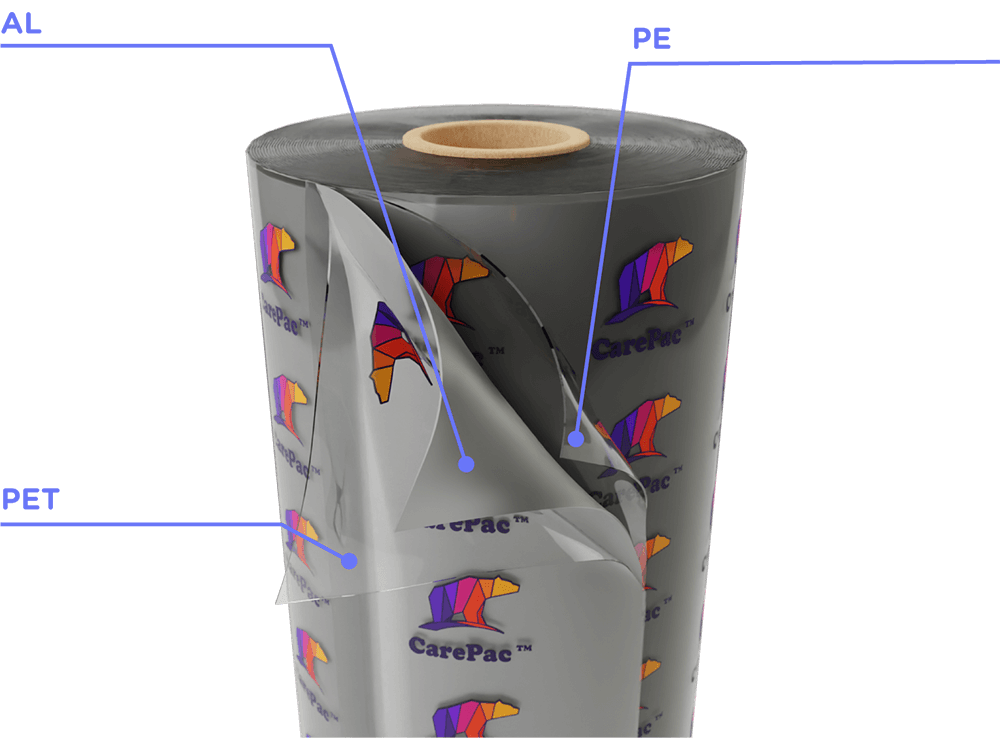
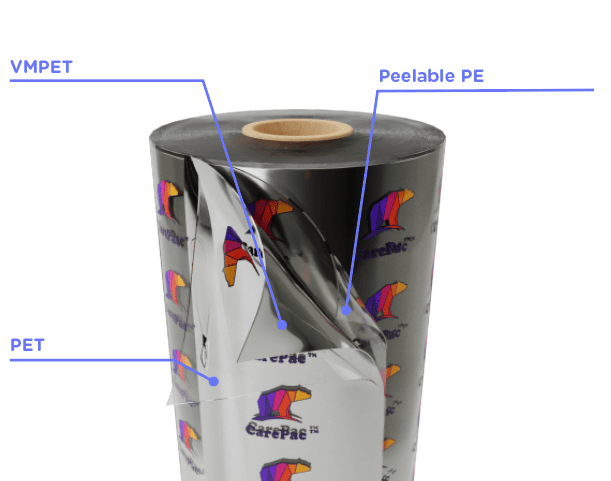
    PET/VMPET/PE

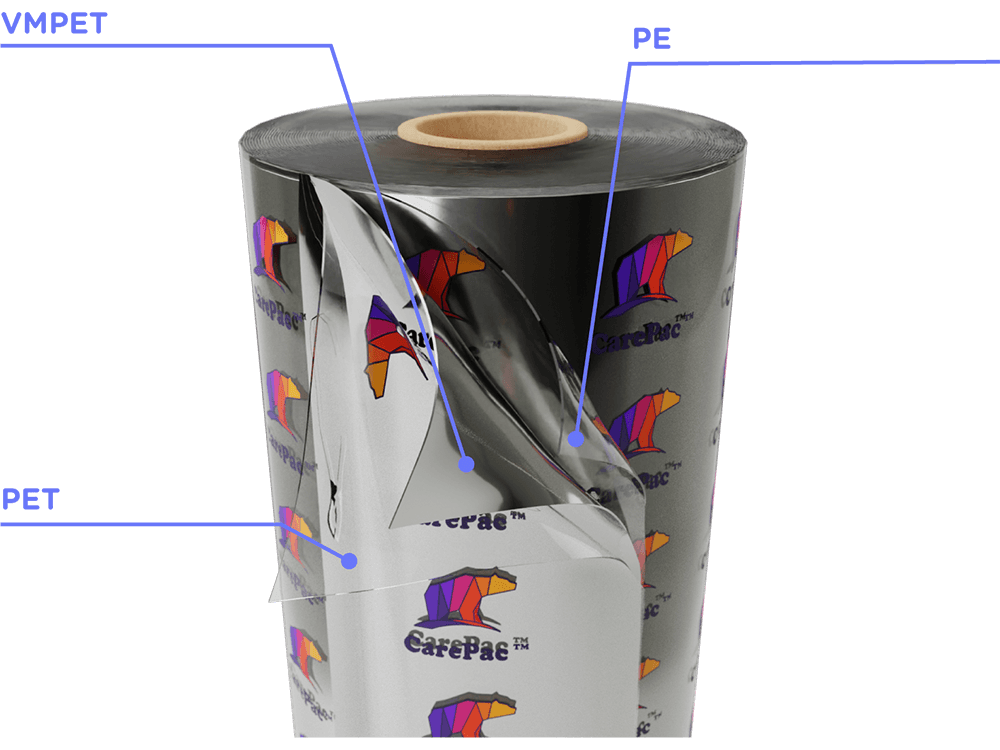
    The plastic material comes in rolls, and this material is then used to create high-quality aluminum bags. If you’ve seen pouches that have a shiny sheen and resemble mylar balloons, then you’re looking at PET VMPET PE printing. 

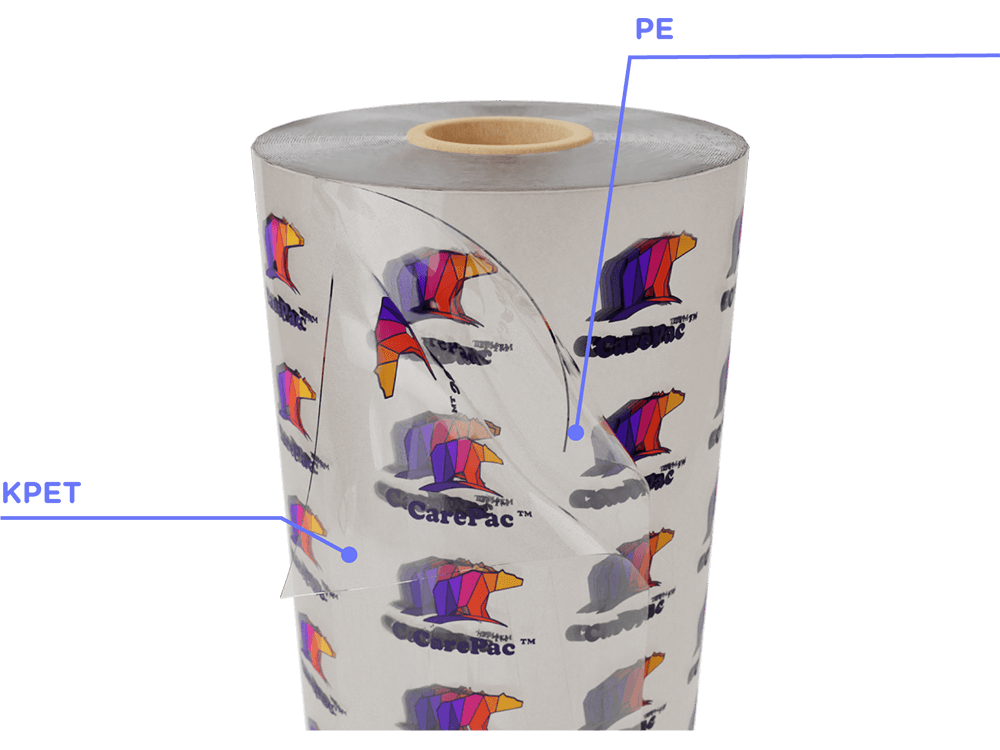
    KPET/PE

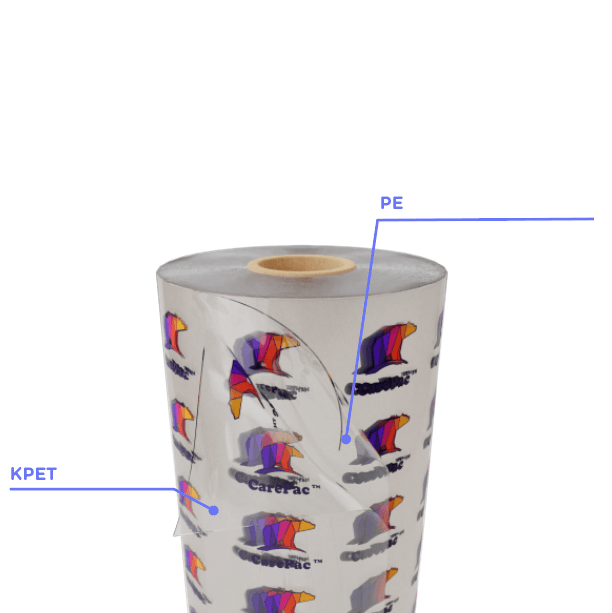
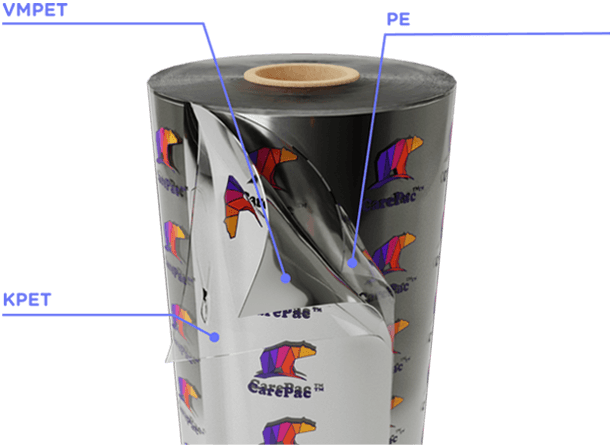
    PET is by far an excellent packaging material due to its high oxygen barrier, durability, and heat resistance. It’s also known for being a great laminating substrate. PET coated with PVCD (Polyvinylidene chloride) results in a laminate called KPET or saran coated PET, which offers higher moisture and gas protection.

  • What Materials to Consider for Your Dog Treat Packaging

    What Materials to Consider for Your Dog Treat Packaging

    What Materials to Consider

    for Your Dog Treat Packaging

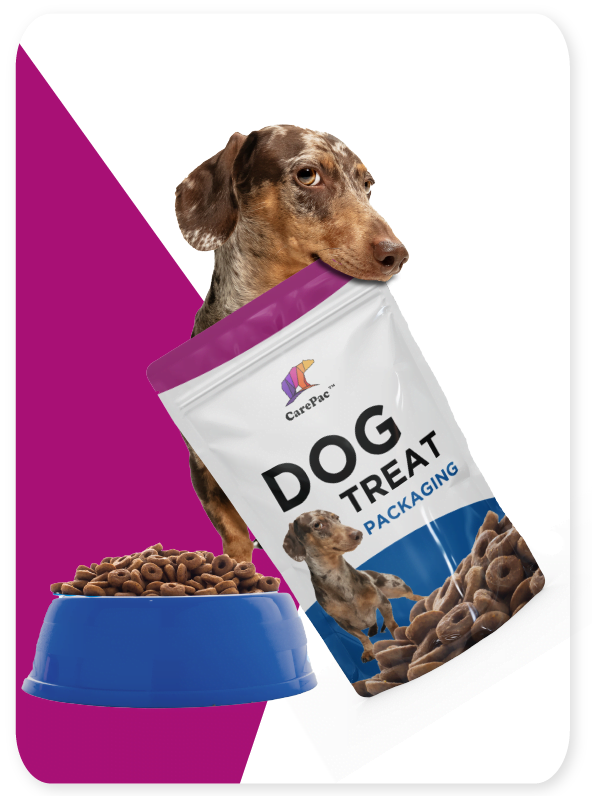
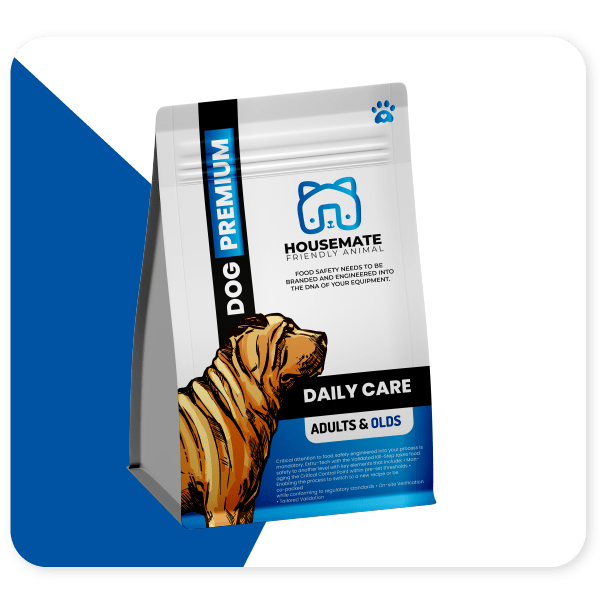
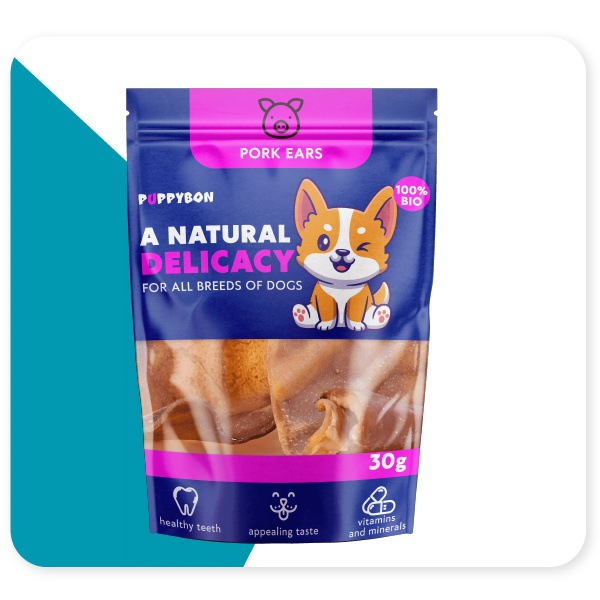
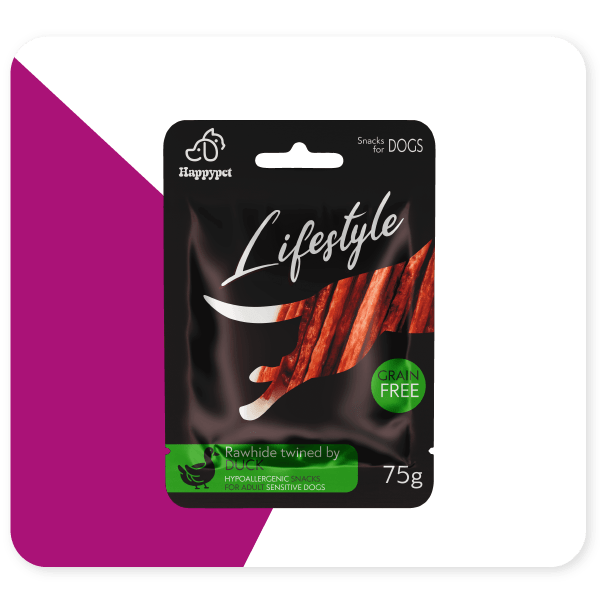
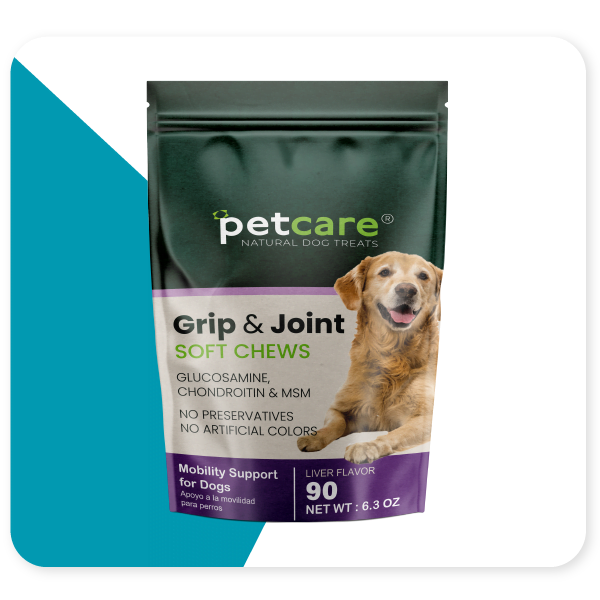
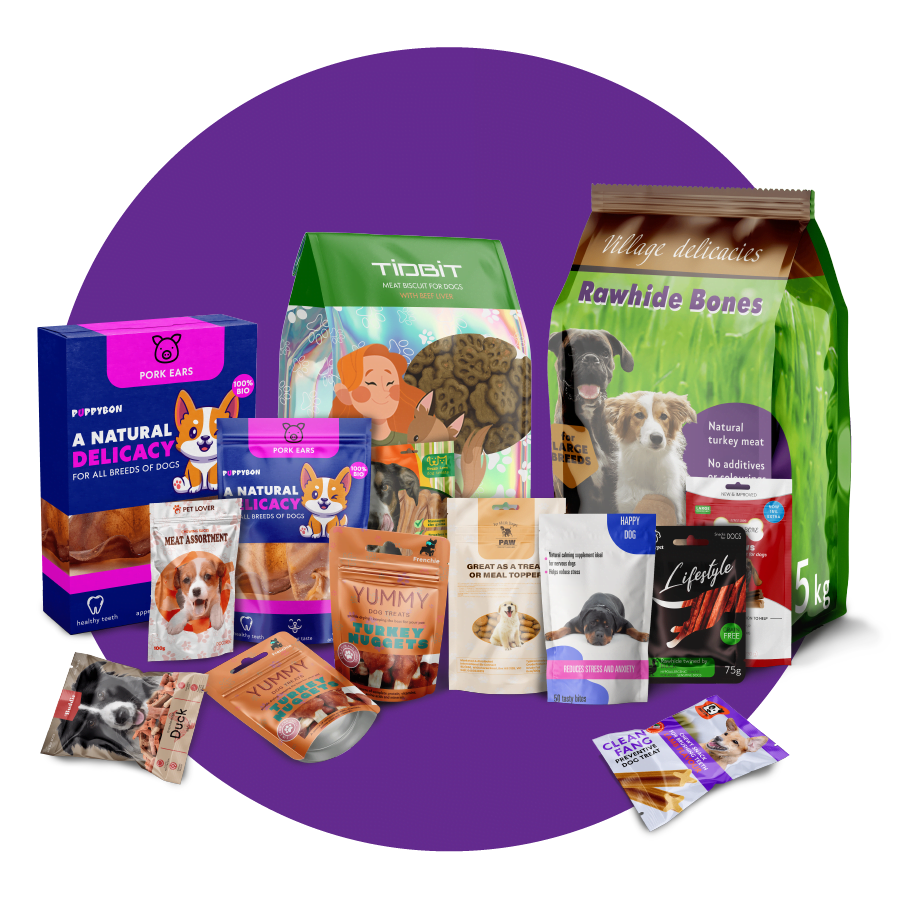
    As a manufacturer of dog treats, you know how important it is to differentiate your pet products from all the other dog food brands out there. After all, the industry is very competitive, and you need to do everything you can to attract customers as they wander the aisles and are overwhelmed with options.

    That’s where the perfect pet food packaging comes in. Fortunately, CarePac has decades of experience with flexible packaging, including treat packaging manufacturing, design, and development.

    In this blog post, we’ll cover the important things to consider when choosing a dog treat packaging material for pets before discussing our Barrier, CareFoil, CareSilver, CareClear, and CareClear-XP materials. Continue reading to learn more about packaging design and custom printing packaging for your pet food.

    Factors to Consider When Choosing Dog Treat Packaging Materials

    Pet food packaging is a very tricky industry. First, you need to make sure your product is food safe and healthy for our furry friends! Your packaging should also be durable and sustainable so your customers feel confident in your company and its impact on the environment.

    Other important factors to consider for your dog treat packaging bags include the below items.


    Product freshness

    Will the packaging design keep the pet treats inside safe from spoilage? Our dogs deserve only the best, so your flexible pouches need to pass the sniff test! Tear notches can also help keep your pet food fresh.

    Branding opportunities

    Your pet treat package needs to stand out from others at the market and should provide plenty of opportunities for you to include your company name differentiators.

    Print quality

    There is no point in selling dog treats in a bag with low print quality. You need a bag that represents your brand in the best way possible with high-quality custom printing.

    Product viewing windows

    A high-quality product like yours deserves to be SEEN! Dog treat packaging bags with viewing windows will help pet owners see the organic ingredients inside with their own eyes.

    Cost concerns

    Most dog treat brands require dog treat packaging that’s as beautiful as it is affordable. This way, you have money left over for marketing, paying employees, and coming up with more tasty treats that’ll please dog owners and pets alike.

    Bonus: Consider DMET

    For the best of both (or all!) worlds, consider DMET. With DMET, you’ll have a high-quality barrier bag that’ll keep your product fresh, but it also has a clear window inside of a metalized material. This gives your product a great backdrop with superior color fidelity, all while maintaining freshness! And yes, it’s perfectly safe for Fido!

    In the next section, we will discuss common materials we use in our pouches.

    Common Dog Treat Packaging Materials

    As mentioned above, the best materials for dog treat packaging are those that are durable, cost-effective, and have a low impact on the environment. Learn more about our materials below.

    CareFoil

    CareFoil offers the highest barrier, which means it has the longest shelf life. It is good for printing and will protect the pet treats within from spoilage. CareFoil prints well and will ensure your treats are well preserved and look great. 

    CareSilver

    CareSilver is a metalized PET lamination in the line of a mylar type material. Which provides quality oxygen and moisture barrier at a economical price. It’s a great base for printed pouches  that helps colors come to life.

    CareClear

    This material allows for a viewing window but has a lower barrier than both CareSilver or CareFoil. As such, it is best used for short-term storage. This material is also an economical choice and is one of the packaging options that can help lower costs.

    CareClear-XP

    Treat bags made from this material provide an enhanced barrier material, which can help increase the shelf life of your dog treats. This product still allows for a viewing window and can help your packaging bags stand out on the shelves.

    Sustainable Materials for Treat Bags

    Last but not least, don’t forget about sustainability!

    Unless you’ve been living in a dog house, you’ve probably noticed the growing trend of customers caring more and more about supporting a business that uses eco-friendly materials. This applies to dog treat bags, too! When selecting a packaging design for pet food, it’s important to use these types of products.

    Biodegradable, compostable paper, and recycled materials are all things that customers care about for both pet and food products. Fortunately, CarePac specializes in designing and manufacturing dog treat bags that use eco-friendly materials.

    Contact us today to learn more about our sustainable packaging design options for dog treat packaging bags.

    Trust CarePac with Your Pet Treat Packaging

    After reading this blog, it should be obvious that choosing the right materials is essential for your packaging. As the market becomes inundated with more and more options, consumers are becoming more and more selective. As such, your brand and package need to stand out.

    You’ll need to consider factors like safety, durability, and sustainability when making decisions about the materials you use to create your pouches, and CarePac is the perfect brand to work with. Your consumers will love the package, and you’ll love working with us.

    Ready to get started with designing the perfect stand up pouch? We are, too! Contact us today to get started.

  • CareSilver-PVEASY

    CareSilver-PVEASY

    CareSilver-PVEASY

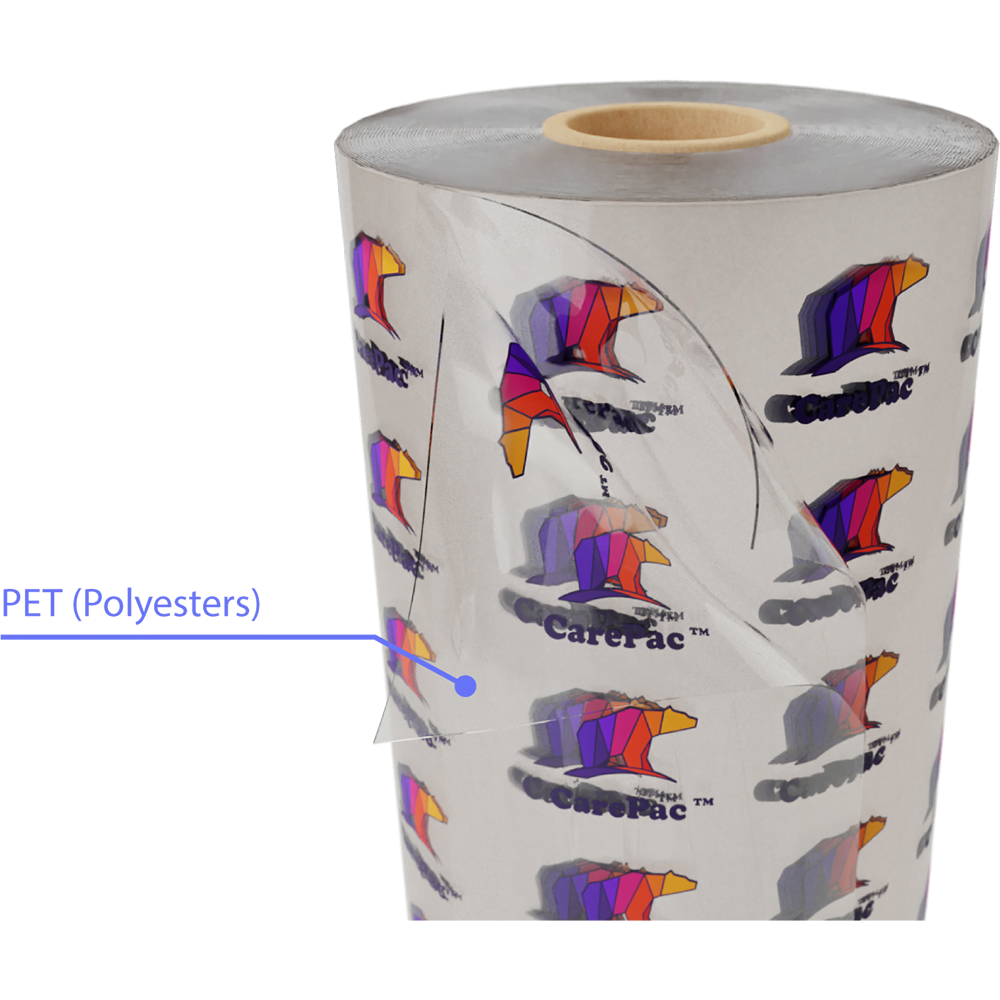
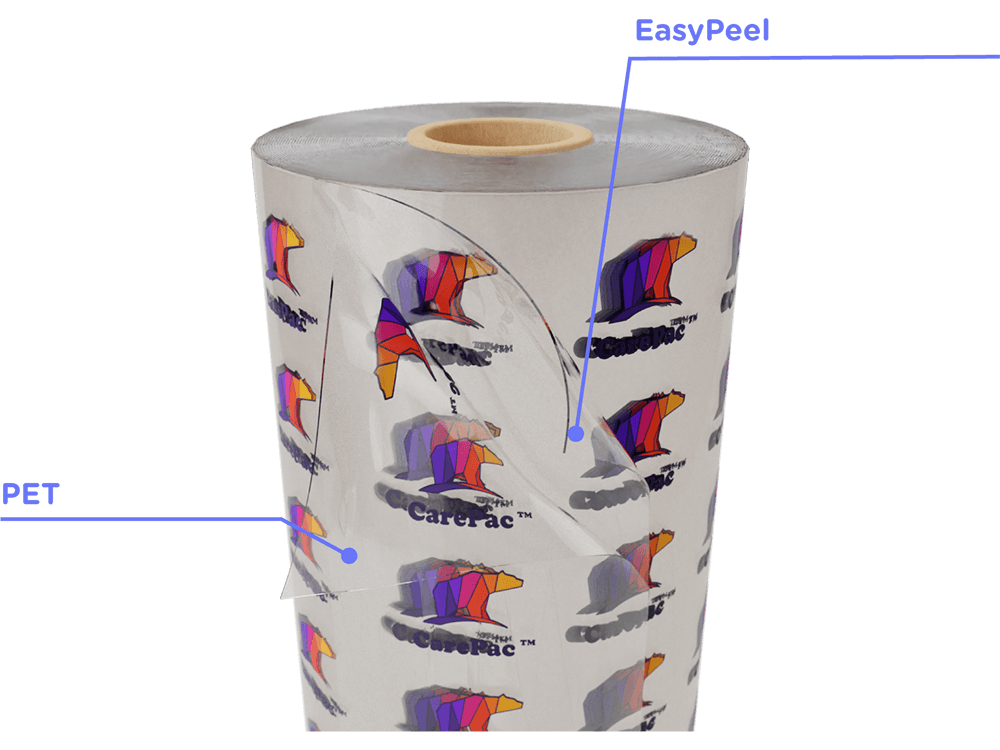
    EasyPeelable VMPET roll image

    Overview

    This FDA approved film does not stretch due to the orientation of the layers during the lamination process. Great for Food and industrial uses, the film.

    CareSilver-PVP is a PET/VMPET/PE barrier lamination film that serves as a great base for printed bags, and provides a quality general use barrier to protect the contents from oxidation, moisture, and premature spoilage. Combine with EASY peel material usually use for face care, samples etc. , that delivers effortless, consistent opening for a frustration-free, accessible consumer experience. 

    Note: The performance of any film will be influenced by a number of factors and testing must always be performed to ensure the film meets the use.

    Relative Performance Indications

    Oxygen Barrier

    Moisture Barrier

    Light Barrier

    STrength

    Heat Resistance

    Freezer Storage

    Material Data

    Here are some of the common indicated properties for this film.

    Film Property
    Sample Data

    Available Thicknesses

    2mil – 8mil

    Sample Data Thickness

    4mil

    MVTR 

    <1.5 JIS Z 0208

    OTR 

    <0.9 JIS Z 1707

    Elongation at Break

    MD > 55 TD > 50

    Bond Strength

    PET/VMPET >400g/15mm VMPET/PE >400g/15mm

    All values indicated regarding film properties or characteristics, were provided by our film supplier and are given as an indication and should be considered as average indicative values. This document is based on our film supplier statements and / or independent lab testing, data from multiple tests, or different film suppliers of the same film family may be combined in the above table. While unexpected, it is possible that the validity of the statements could change without notice.

    Environmental Impact

    This material is a multi-layer laminated plastic and will typically fall into the check-locally, or store drop off category. 

    Property
    Sample Data

    Recyclable

    Multi-Layer Check Locally

    PCR Option Available

    No

    At Home Compostable

    No

    Commercial / Industrial Compostable

    No

    Recyclability and composability varies by jurisdiction. Composability claims are limited by law, and vary by jurisdiction, consult a qualified professional in your state. 

    Compliance

    Compliance is important, and here are CarePac we can support your compliance needs with extensive film supplier and lab testing data.  
     

    BPA FREE

    FDA Food Approved

    PROP 65

    Compliance information above is derived from lab testing, or film supplier statements. Independent verification is advised, and Lot specific testing available

    Property
    Sample Data

    CEPE/EuPIA

    Manufactured in accordance with

    Cal. H&S (25214.16)

    Compliant

    PFAS – perfluoroalkyl and polyfluoroalkyl § 37-0209, RCW 70A.222.070

    Does not knowingly add

    Prop 65 (OEHHA)

    Does not contain listed substances

    SR 817.023.021

    Not in excess of overall or specific migration

    EU directive 10/2011/ED

    Compliant

    EU directive 1935/2004

    Compliant

    FDA 21 CFR 73

    Compliant

    Cal. H&S (25214.16)

    Compliant

    RoHS Directive 2011/65/EU

    PASS

    Related Materials

    CareClear-PEASY

    This film is designed to provide very good moisture and oxygen barrier potential in a transparent film. The ALOX coating enhances the barrier of the PET film.

  • Popular Paper Bag Materials

    Popular Paper Bag Materials

    Popular Paper Bag Materials – Paper Bags & Their Materials

    Popular Material for Paper Bags

    Paper bags have been gaining a lot of attraction in the packaging industry. Not only are they cheap to purchase in bulk and easy to customize, but as cities and states pass laws against plastic bags, they’re becoming the only packaging option for many companies. Even if plastic isn’t currently banned where you do business, transitioning away from plastic to recyclable, biodegradable, and eco-friendly materials like paper is a good move to make.

    As with bags made from other materials, paper bags come in many shapes and sizes. Each of these bags serves a different purpose and are manufactured for different properties. In this blog, we’ll discuss the most common paper bag materials before diving into the different types of paper bags that are manufactured from these materials.

    Bags Made from Paper

    Paper bags have been gaining a lot of attraction in the packaging industry. Not only are they cheap to purchase in bulk and easy to customize, but as cities and states pass laws against plastic packaging, they’re becoming the only packaging option for many companies. Even if plastic isn’t currently banned where you do business, transitioning away from plastic to recyclable, biodegradable, and eco-friendly materials like paper is a good move to make. 

    As with bags made from other materials, paper bags come in many shapes and sizes. Each of these bags serves a different purpose and are manufactured for different properties. In this blog, we’ll discuss the most common paper bag materials before diving into the different types of paper bags that are manufactured from these materials.

    What’s the difference between Kraft Barrier and Normal Paper Bag Material

    Kraft Barrier materials are laminated films which combine kraft paper with other materials like aluminum or nylon as well as polyethylene. kraft barrier materials are not glued, but are laminated, while normal paper bags are made of paper that is glued together. 

    Common paper bag materials

    Though the raw material for making paper bags is natural wood fiber, each of the materials included in this list has different properties because of different processing methods. Think of it like this: apple juice, applesauce, and apple cider are all made from apples, but since they’re processed differently the end result is different. 

    Kraft paper 

    This is the most common kind of paper used in making paper bags, and customers come across Kraft paper bags most often at grocery stores. It typically weighs 80-120/g square meters, making it a light, yet strong, packaging option. It has great flexibility and tear resistance, so it can be used to carry heavy things. Its natural look is brown, but the fibers can be bleached white or dyed a different color after bleaching. 

    The largest advantage of brown Kraft paper is its cost. It is the lowest cost option on this list, making it the ideal choice for even the most for cost-conscious customers. 

    White cardboard

    As the name would suggest, these bags are composed of single or multiple layers of bleached chemical pulp. The end result is a firm white bag with a smooth surface. If you’re looking for top-of-the-line gift boxes or bags, they will likely be manufactured from white cardboard. They tend to be thicker with a more premium texture, so they make wonderful promotional items for clients who expect something with a bit more oomph. These bags also often have handles

    Coated paper 

    This is another common material used for shopping bags. It’s a little thicker than Kraft paper, typically flailing between 80-250g/square meters. It is also softer than white cardboard and can be coated on one or both sides. One of the primary benefits of coated paper is that ink latches onto the paper better, so it’s a great choice for companies that plan on using a lot of color on their bags. 

    Recycled/eco-friendly paper 

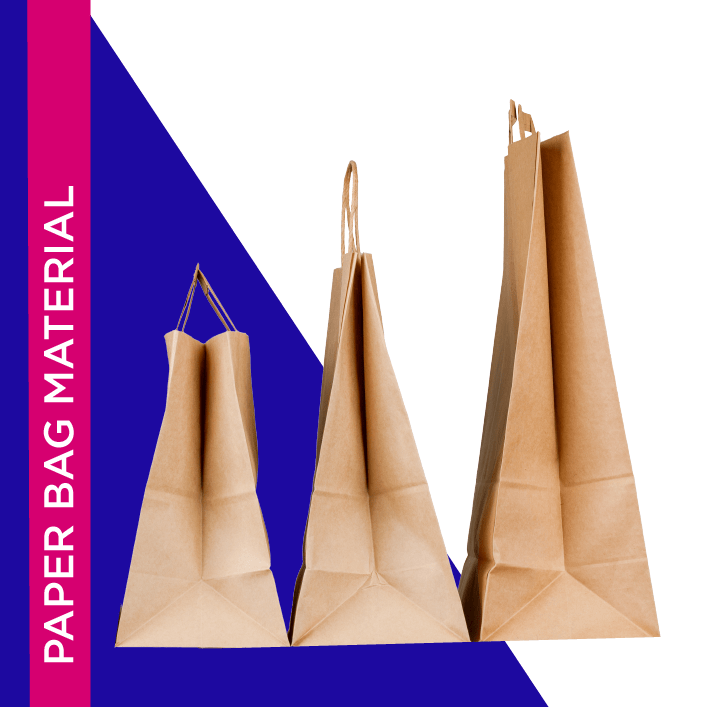
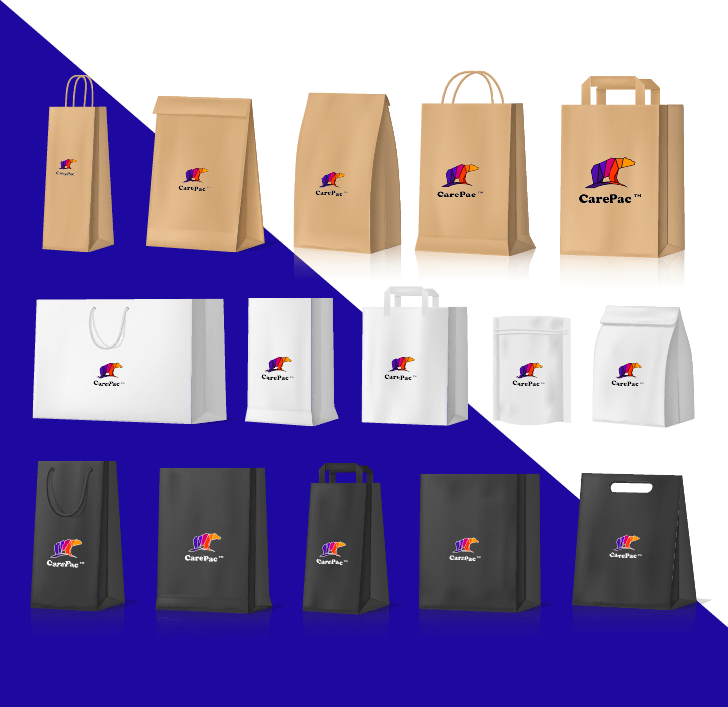
    A family group shot of all the different types of Custom Shopping Bags Carepac offers

    This is another common material used for shopping bags. It’s a little thicker than Kraft paper, typically flailing between 80-250g/square meters. It is also softer than white cardboard and can be coated on one or both sides. One of the primary benefits of coated paper is that ink latches onto the paper better, so it’s a great choice for companies that plan on using a lot of color on their bags. 

    Common paper bag types

    So, now that you understand the different types of paper bag materials, we think it’s important to explore the different types of paper bags made and their applications. Here are some of the most common paper bag types and their uses: 

    Stand on shelf bags

    Sometimes called SOS bags, these are most often used for carrying food and drinks (think: brown paper bag lunches!) SOS bags come in a wide range of colors and are a great option for companies looking to package their products in an affordable and attractive way. 

    Pinch bottom bags

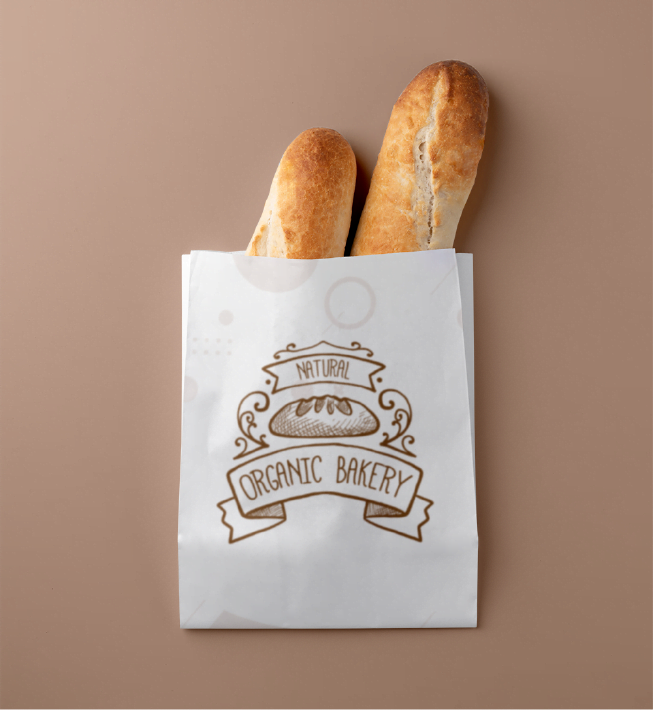
    Similar to envelopes, these bags are most commonly used in bakeries. They tend to have a built-in grease-resistant lining, making them a great option for packaging food. 

    Merchandise bags

    Retail chains and smaller brick and mortar shops both use merchandise bags to package their products and clothing. Sometimes online retailers ship their products in merchandise bags, too! They’re colorful, stylish, and often include the name or logo of the shop. 

    Party bags

    These take the shape of standard Kraft paper bags but are bright and colorful – perfect for parties and to package gifts. 

    Mailing bags

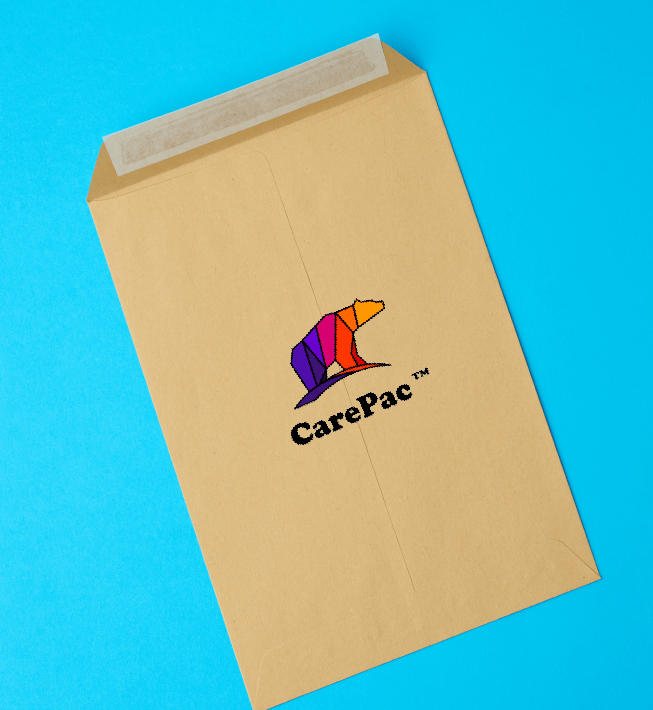
    These bags are used to ship small and large items, and often have a self-adhesive stirp for easy sealing and mailing. 

    Recycled bags

    Like the bags mentioned in the previous section, these are manufactured from recycled materials (paper) or other waste materials (sugarcane pulp.)

     FAQ on Brown Paper Bags

    As one of the largest manufacturers of packaging, including paper bags, we get a lot of questions from prospective customers about our bags. Here are a few of the most frequently asked questions about paper bags in particular. 

    Q: Are all paper bags eco-friendly? 

    Yes, since paper bags are made from a natural material (paper) that easily degrades over time or recycled materials, paper bags are an eco-friendly packaging option for your organization. Some dyes are difficult to recycle, so check with CarePac before customizing your bag if recycling is important to you. 

    Q: Are all paper bag materials safe? 

    If you’re purchasing food-grade paper bags, yes — they are safe to come into contact with food and drinks. Some bags, though, particularly coated bags, can be toxic if burned.

    Q: What other options can I add to my bags? 

    At CarePac, we’re all about customization! This means you can add your logo, an image, brand colors, or other design elements to your bag. Some of the customizable features we can add to bags include zippers and hang holes.

    The CarePac Guarantee

    Still not sure? CarePac focuses exclusively on barrier bags and custom packaging for a variety of industries, from cannabis wholesalers to food and beverage distributors. We have exceptional customer service reps who are committed to making sure your order bundle is completed to perfection. With our CareDesign® process  you can rest assured that your barrier pouches will be done right, no matter what. 
    Ready to experience the CarePac difference? 
    We think now is the right time to give us a try.
  • How is Commercial Cannabis Dried

    How is Commercial Cannabis Dried

    How Is CommercialCannabis Dried – Cannabis Drying Tips

    Cannabis Growing and Processing Strategies

    Although cannabis growing and processing strategies vary from one facility to the next within the hemp industry, all cannabis companies have the same goal: to provide the best-quality cannabis at an affordable price. By doing so, more and more people can take advantage of cannabis’ medicinal properties without having to worry about the affordability.

    One very important area of the cannabis lifecycle that’s often overlooked and doesn’t vary much between wholesalers is the drying and curing process. Whether you’re a new company in the cannabis space or a curious customer that’s wondering how their favorite cannabis strain is harvested and dried, this blog is for you. Read on to learn more about how commercial cannabis is dried before distribution.

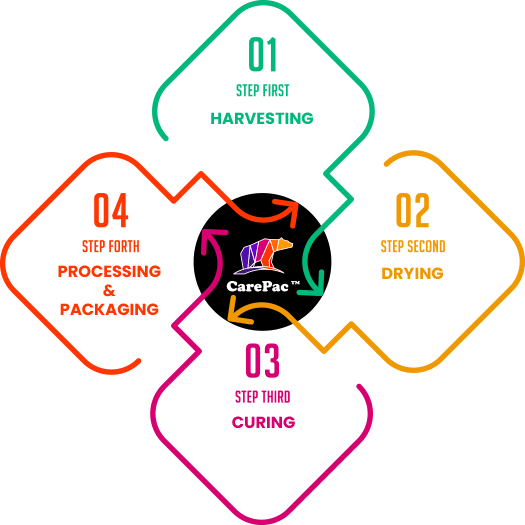
    Step 1: Cannabis Grow & Harvesting

    First things first is harvesting. During harvesting season, usually late September into October, cannabis farms throughout the United States begin harvesting their cannabis crops. This time of the season is often affectionately referred to as “Croptober” since it combines the words “crop” and “October.” Please note: Croptober is for sun-grown/outdoor cannabis only — indoor cannabis can be harvested at any time, as the lighting, humidity, and other elements that promote growth can be manually adjusted. 

    To learn more about Croptober, check out this blog.

    Step 2: Cannabis Drying

    Once the cannabis is harvested, it’s time for drying cannabis on racks or bins. During cannabis drying, the initial moisture is removed from the plants via traditional drying methods. During drying, cultivators hang the whole plant or wishbone-shaped branches to dry when they’ve cut it down, and this is done in an environmentally controlled space. This is one of the most important, if not the most important, aspects of the cultivation process. If rushed or done incorrectly, the quality of your end product can be severely impacted. In some cases, an improper drying process can lead to cannabis that’s unusable. 

    When it comes to drying via traditional drying methods, the environment where drying takes place is everything. Drying always occurs indoors because cultivators must be able to control all environmental factors, from temp and humidity to light and airflow. Although most commercial growers dry their plants in 10 days or less, it’s not uncommon for drying to take as long as 21 days or as few as 5. The actual length varies less than the end product — a properly dried cannabis plant.

    Step 3: Curing

    Once cultivators have completed the drying process, it’s time to move on to the next step: curing. Curing is important because, although drying does remove excess moisture, there will always be additional moisture that needs to be removed. 

    The curing process removes any remaining moisture, by encouraging it to move from the center of the plant toward the outside of the buds. Each grower has their own cure method, and most cultivators learn how to cure from someone on the team who has done it before. 

    Not only does curing involve knowing the perfect temperature and humidity levels, but it also requires special containers, equipment, and environmental monitoring. Curing has many benefits, including: 

    • It helps improve the taste 
    • It preserves and enhances terpenes and cannabinoids
    • It breaks down sugars that can encourage mold growth 

    Ultimately, curing recreational retail hemp is important because it makes your product better, tastier, and less prone to mold.

    Step 4: Processing and packaging

    Once cannabis is harvested, dried, and cured, it’s time to process and package. Processing refers to getting the cannabis ready for whatever its intended purpose is — trimmed for smokable hemp flower, ground for pre-rolls or edibles, or turned into a distillate for vape cartridges or oils. Afterward, the product is packaged for sale and distributed to dispensaries.

    Cannabis Curing & Drying Process FAQs

    Here are some common cannabis drying, curing, and processing FAQs.

    Q. How long does cannabis need to be dried on racks?

    The average drying time is about ten days, although some cultivators dry for as few as five days and others as long as 21 days. The amount of drying time doesn’t matter — what matters is that the cannabis is properly dried before being cured, and, ultimately, processed, packaged, and sold.Q. How long does cannabis need to be dried? As cannabis dries, any excess moisture is released from the plant. By removing this moisture, the plant won’t attract mold or mildew and will last longer on the shelves. If you’ve ever come across moldy cannabis, this is almost always the direct result ofimproperly drying and curing.

    Q: What are the perfect conditions for dryingcannabis?

    To effectively dry cannabis, there needs to be the perfect blend of lighting, humidity, and airflow. Those conditions vary from cultivator to cultivator and are adjusted depending on the moisture content of the cannabis they harvested.

    Q: Can cannabis complete drying in 2 days? 

    No, in most cases cannabis won’t be dried in two days, and especially not faster. The industry’s average is around 10 days we don’t recommend drying cannabis for anything less than five days. In some cases, it generally takes three to four weeks to properly dry and cure cannabis. 

    Q: Can you dry bud too long?

    Yes, just like you shouldn’t dry cannabis for only two days, you shouldn’t dry cannabis for longer than a month. Like under-drying, over-drying can also cause mold to grow.

    Q: Can you dry buds without hanging them?

    Yes! If you prefer not to hang your buds to dry them, you can trim them and use a flat rack. Flat racks are circular and have layers of mesh, which is ideal for airflow. If you use the flat rack method, the buds should be checked every 2-3 days. Note: this methodrequires that the buds be trimmed before drying.

    Protect your product with the right packaging     

    Properly drying and curing cannabis occurs after harvest is only the first step in producing quality smokable flower and protecting cannabis from mold, mildew, and other environmental contaminants. Ensuring that you’re using the right cannabis packaging is just as important. All custom cannabis packaging should protect the cannabis within from exposure to the elements, including air and light, and should be resealable so customers can close their package and keep their cannabis fresh in between use.

    For the best cannabis packaging on the market, look no further than CarePac. As a California-based company, we were an early adopter and have had time to perfect our cannabis packaging. The process is simple, our customer service team is helpful, and we offer many different sizes, styles, and bag materials. To get the process started, get an Instant Online Quote today!

    Overwhelmed withall the options?