Author: Jecris G

  • Cannabis as a Consumer Packaged Good

    Cannabis as a Consumer Packaged Good

    Is Cannabis a Consumer Packaged Good? | Cannabis as a CPG

    Legal Cannabis as a CPG

    If you live in a state that has a legal cannabis market, it’s a game-changer for the consumer packaged goods (CPG) industry. Why? Well, basically every single mainstream product on the shelves, from lotions and shampoos to drinks and snacks, can be infused with tetrahydrocannabinol (THC) or cannabidiol (CBD), the most common (and popular) cannabinoids found in cannabis.

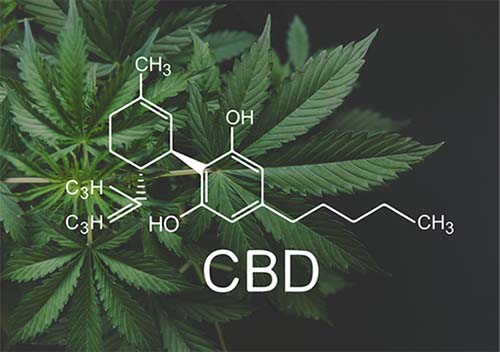
    Unless you’ve been living under a rock, you’ve probably seen (or even tried!) a product infused with CBD – it’s a billion dollar cannabis industry! Long heralded as the property of cannabis that “heals”, cannabidiol is growing in popularity. In fact, major food and beverage companies and brands — including Ben and Jerry’s, Coca-Cola, Hershey Co., and General Mills — have shown interest in incorporating CBD into their products. 

    Cannabis, particularly CBD, is no longer a product consumers use in secret. Now that it is legal in almost every state, you can guarantee that more and more CBD-infused products will pop up on the shelves. So, what does this mean for the billion-dollar consumer packaged goods CPG cannabis industry? Read on to learn more.

    It All Started With The 2018Farm Bill Impacting CBD Market
    The 2018 Farm Bill, officially The Agriculture Improvement Act of 2018, was groundbreaking for the cannabis industry. It authorized the industry to produce hemp and removed hemp and hemp seeds from the DEA’s schedule of controlled substances. Additionally, it directed the USDA to issue regulations and guidance to implement a program to create a consistent regulatory framework around the production of hemp in the United States. 

    Although it did not legalize cannabis to the level it’s legalized today (cannabis with THC was still illegal!), it did pave the way for a billion products containing CBD to become more mainstream and make their way into the legal cannabis market. Without the 2018 Farm Bill, cannabis as a consumer packaged goods CPG wouldn’t exist. 

    Snacks As A ConsumerPackaged Good

    Cookies. Crackers. Candy. What do they all have in common? Well, they can all be infused with CBD, and in states where marijuana is legal beyond just CBD, they can even be infused with THC. Beyond CBD and THC-infused snacks themselves, it’s no secret that using cannabis can increase your appetite. This means that if cannabis is legalized in your state, you can expect snack sales to go up. In fact, Nielsen data shows that the growth rates for candy and snacks are rising faster in areas where cannabis is legal for recreational use than in states that haven’t yet legalized it.

    Whether customers are snacking ON cannabis or snacking AFTER they use cannabis, one thing is for sure: the legalization of American and Canadian cannabis will increase the demand for packaged snack foods in one way or another.

    The Cannabis Market And C​ustomersAre Diverse

    The other important thing to consider is that mainstream cannabis consumers are super diverse. Although the average cannabis consumer is men and women in their early 40s, individuals as young as 18 and as old as 100+ use cannabis, either in its flower form or in more mainstream lotions or foods infused with CBD and THC.

    Although 26% of consumers purchase their products at a dispensary, 18% purchase them online and 9% at the grocery store. All this to say: as with other CPGs, how you package and present your product to the public is essential. The cannabis market is saturated with competition, so standing out from the crows through superior and stylish packaging is a must.

    Cannabis As a CPG FAQ’s

    Here are some frequently asked questions about cannabis consumers and cannabis as a consumer packaged good:

    Q. Who is the typical cannabis consumer?

    Data shows that there is no typical cannabis consumer, as many different people use cannabis for many different reasons. Although most users are in their 40s, it’s legal for individuals as young as 18 or 21 to use cannabis or cannabis-infused products. It has also been growing in popularity among senior citizens and the elderly. 

    Q: What is a CPG business?

    A CPG business often produces on a large scale and with a short lifespan. CPG companies sell their goods to retailers, who then sell directly to consumers. They often rely on big data technology and analytics to perfect their products and marketing and improve their CPG economic indicators. 

    Q: Which state consumes the most cannabis?

    Unsurprisingly, big data and market performance shows that the states with the highest cannabis consumption are states with legal cannabis sales. The number one state is Oregon, followed by Colorado, Vermont, Maine, and Alaska.

    Q: What do cannabis consumers want?

    Most cannabis consumers want a potent product at a low price. To help keep costs down, we recommend partnering with CarePac for your cannabis packaging needs. With low MOQs and competitive pricing, we can help you keep your costs down.

    Q: Which country consumes the most cannabis?

    As of 2022 news, Chile consumes the most cannabis, with Canada, Papa New Guinea, Israel, and Australia rounding out the top 5. The United States is #9 on the list of countries that consume the most cannabis. 

    Q: What age group uses cannabis the most?

    Although all age groups use cannabis, big data and market performance show it is most prevalent among users 18-25

    Don’t forget retail cannabis itself as a CPG

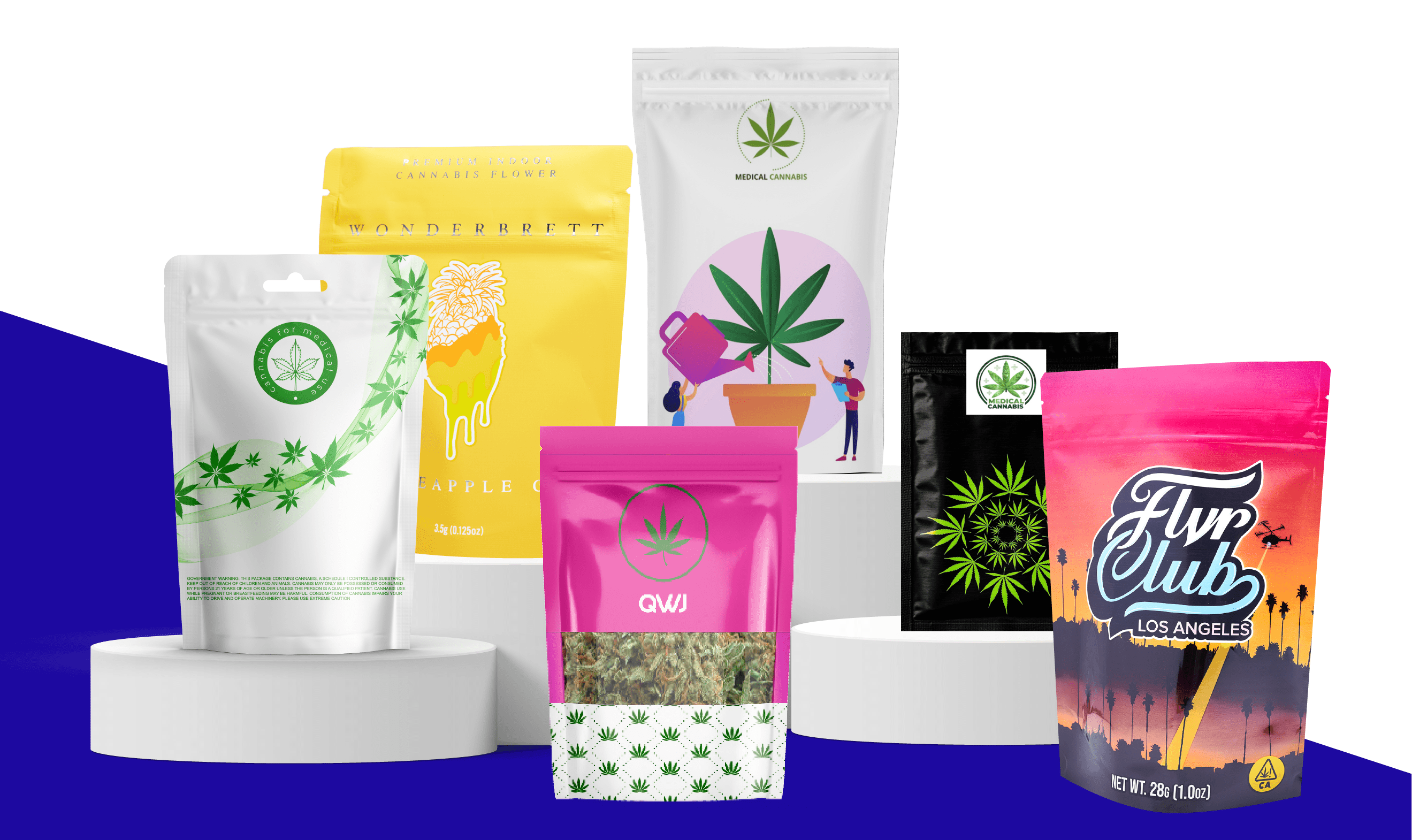
    Though most of this article has focused on items infused with CBD and THC, it’s important to note that cannabis itself needs to be packaged and has an influence on the CPG industry. After all, cannabis as the product itself remains foundational to cannabis as  CPG. Cannabis comes in so many forms (flower, edibles, drinks, vapes, oils, etc.), and each type of cannabis product needs to be packaged in a way that’s compliant with the cannabis industry laws and regulations.People tend to use cannabis for many different reasons, from pain relief or medical purposes to those who use it as a replacement for alcohol or nicotine during a night out with friends. Cannabis can also be used topically, either through creams infused with CBD or by rubbing a tincture into your skin.All this to say: not only are cannabis-infused products a CPG but so is cannabis itself and in many different formats. Whether you package cannabis itself or products infused with cannabis, you need to package it in a stylish and compliant way.

    Trust CarePac With Your Cannabis Packaging
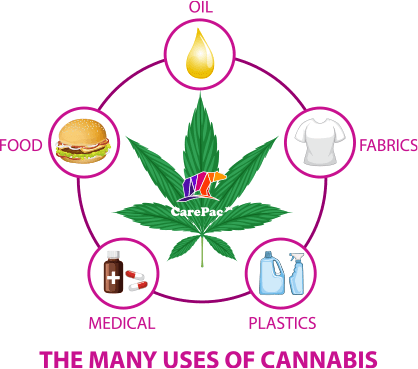
    If you’re interested in cannabis as a CPG, we’re your one-stop shop for weed packaging of all shapes and sizes. Whether you’re packaging edibles, flower, vape cartridges, or anything in between, our selection of stand-up pouches and other types of cannabis packaging are guaranteed to exceed your expectations.

    All our packaging can be custom ordered or, for quicker delivery, purchased in standard sizes. Want to learn more? Reach out to us today, or get an Instant Quote now. 
  • Foods To Package in Mylar

    Foods To Package in Mylar

    Foods to Package in Mylar Bags | Mylar Food Storage

    Mylar Bags for Long-TermFood Storage: A Guide

    Ever noticed that “space food” and camping/hiking “survivalist” type foods are often packaged in shiny mylar packaging instead of plastic bags? Well, it isn’t because it looks futuristic — it’s because mylar packaging is accessible and is simply the best packaging and long-term storage method for sundries and dry foods like rice, beans, and flour. In fact, some foods packaged in mylar can last for up to 30 years, and others can even be kept indefinitely!

    In this guide, we’ll discuss why mylar packaging is ideal for long term food storage, what types of food can be packaged and stored in custom mylar bags, which foods should NOT be stored in mylar, and how to select the mylar packaging that’s right for your meal. Learn more about how to store food in mylar. 

    Using Mylar to Store Food

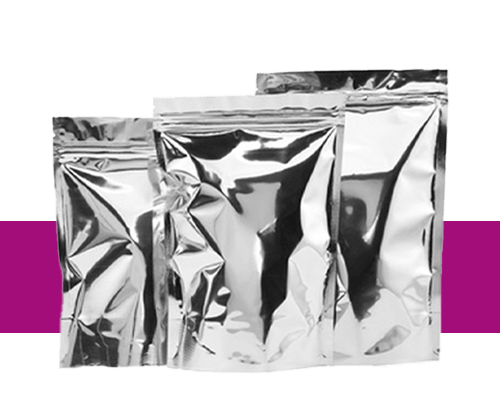
    Mylar packaging is made from several layers of laminated food-grade plastic and aluminum. The fact that there are multiple layers means that the food inside is protected from exposure to oxygen and the elements. They’re ideal for long-term food storage for a few reasons. First, they are very strong and can resist punctures, rips, and tears, at least to a degree. Second, the material is flexible, meaning you can store foods of many shapes and sizes in mylar. And finally, it has built-in barrier properties. As mentioned above, this means the food inside is protected from light and air. 

    If purchased from a company like CarePac, mylar bags are also an economical choice to store food, as you can purchase them in bulk and save money. But, you also aren’t tied to large quantities with CarePac, as we’re proud to offer low MOQs for small companies or product runs. 

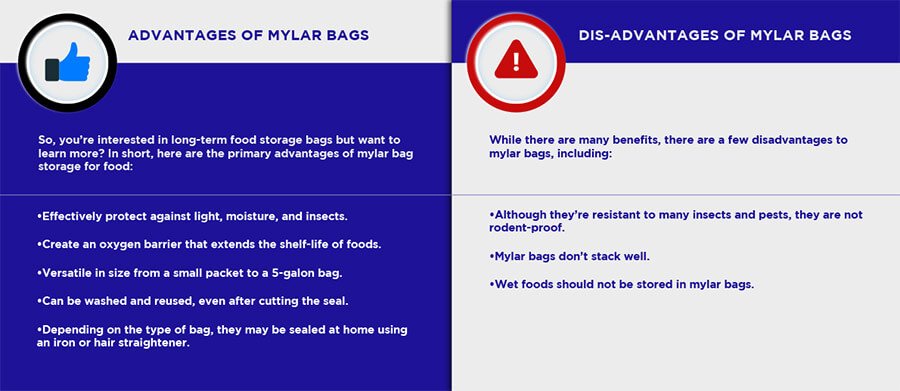
    Advantages and disadvantages of storing food in a mylar bag

    As you can see, a sealing mylar bag is best for dry food storage, such as nuts, crackers, dehydrated fruits and vegetables, and sundries, like flour and rice. We’ll discuss which foods can be stored in a mylar bag (and for generally how long) in the next section.

    Which foods can be stored in mylar bags?

    Dry, low-fat foods can be stored in mylar food bags long-term. Any food with moisture content may start to go bad in mylar bag storage, and there is a risk of botulism if food is packaged and stored incorrectly. All food should be stored with an oxygen absorber, and only foods with 10% or less moisture content can be packaged in mylar bags with an oxygen absorber. Here is just a small sampling of the types of food that can be stored in mylar food bags long-term with an oxygen absorber and how long you can expect them to last: 

    Common Mylar Bag Food Storage Times
    Less than 1 year:
    • Nut
    • Chip
    • Chocolate and candy 
    • Brown rice
    1-3 years:
    • Dehydrated meat
    • Dry biscuits
    • Crackers
    • Roasted coffee beans (if placed in the freezer)
    3-5 years:
    • Baby formula and powdered milk
    • Cornmeal
    • Ground herbs
    • Sprouting seeds
    • Unroasted coffee beans
    5-10 years:
    • Granola
    • Herbs (whole)
    • Quinoa
    • Peanut butter powder
    • Powdered egg
    • Unbleached flour
    • Wheat flakes
    10-20 years:
    • Black-eyed peas
    • Buckwheat
    • Powdered butter/margarine
    • Chickpeas
    • Cocoa powder
    • Flax
    • White flour
    20-30 years:
    • Instant coffee
    • Freeze-dried fruit and veggies
    • Lentils
    • Lima beans
    • Noodles and pasta
    • Rolled oats
    • Tea (bags or loose)
    • White rice
    Indefinitely:
    • Baking soda
    • Baking powder
    • Honey
    • Salt
    • Sugar

    Please note: the list above is a generalization, and assumes that the food was initially preserved, packaged, and stored correctly. If the bag is bulging, this is a sign that bacteria is growing inside, and the bag should be thrown awayimmediately.

    Which Foods CANNOT Be Stored In Mylar Bags?

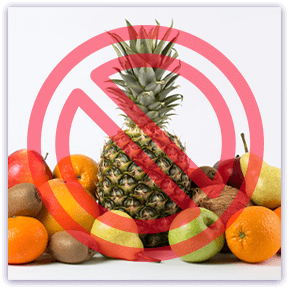
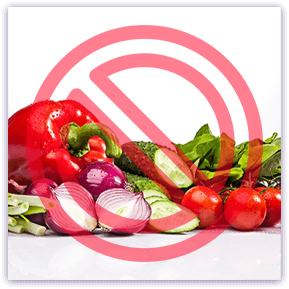
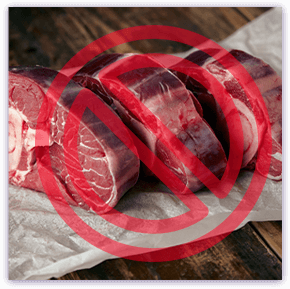
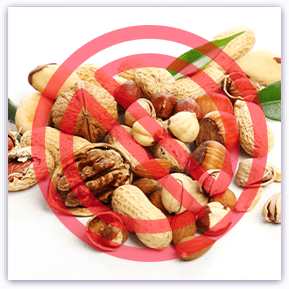
    Due to their moisture content and the risk of botulism, any foods with more than 10% moisture content cannot be stored in sealing mylar bags and should be stored in another type of bag, like plastic bags. Fruits and vegetables must be dehydrated before storing, and meats, nuts, and legumes will go rancid regardless of how they’re prepped or stored.

    Mylar bags for food storage: FAQs

    Here are some common questions we receive about packaging foods in mylar bags for long-term storage:

    Q. How long will foods last in mylar bags?

    If prepped and stored correctly, some foods can last up to 30 years in mylar bags. Foods like coffee beans and brown rice can last 1-3 years, while items like baking soda/powder and salt can last indefinitely in mylar bags.

    Q: How long will pasta last in mylar bags?

    On average, noodles and pasta can last 20-30 years in mylar bags.

    Q: Which foods cannot be stored in mylar bags?

    Anything with moisture content that exceeds 10% cannot be stored in mylar bags. This includes fruits and vegetables, meats, nuts, and legumes.

    Q: What foods are best stored in mylar?

    Dried foods (10% or less moisture content) are best stored in mylar bags. This includes rice, flour, pasta, granola, beans, rolled oats, coffee, and tea.

    Purchase food storage mylar bags at CarePac

    So, interested in long-term food storage bags but aren’t sure where to start? CarePac has you covered with our wide selection of mylar food bags. Shop our selection today! If you plan on customizing your bags, we’ve got you covered there, too. We can add custom colors, labels, tear notches, or anything else you’d like to add to your bags. Get an Instant Quote now to get started. 

  • Utah Marijuana Laws 2022

    Utah Marijuana Laws 2022

    Utah Marijuana Laws 2022

    Utah Marijuana Laws – Marijuana Law in Utah

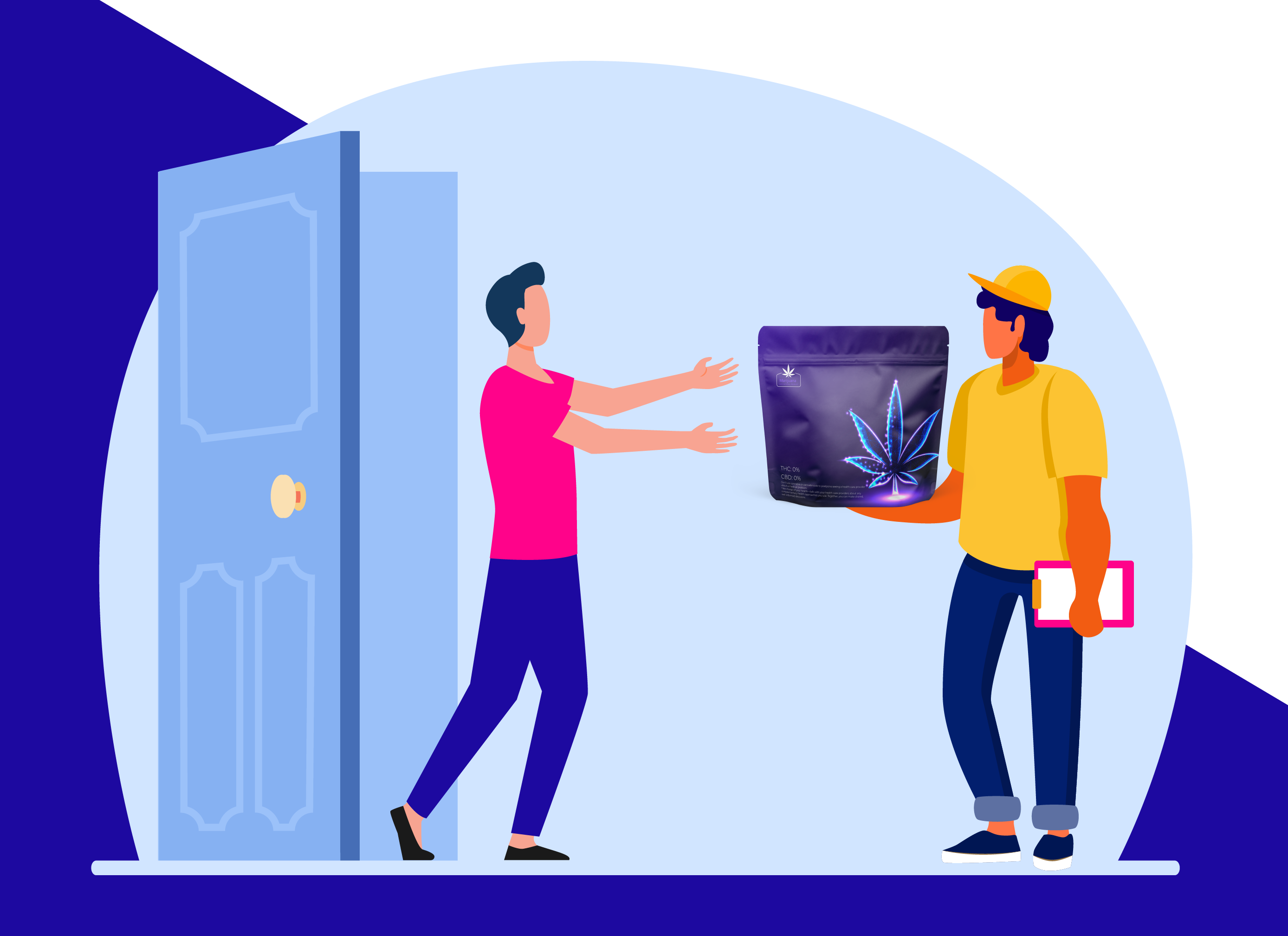
    On Monday, March 2, 2020, the first Utah medical cannabis “dispensary” opened in Salt Lake City. After two years of legal cannabis sales, Utah’s medical cannabis program has made improvements. Patients can now have medical marijuana delivered to their home or have cannabis delivered through a drive-thru. This is especially important for maintaining the health of the medically vulnerable in the light of COVID. And in 2022, a range of bipartisan bills passed during legislative session expanding Utah’s medical cannabis program. These Utah marijuana laws aim for clearer protections for patients to expanded access to cannabis for qualifying conditions and more regulatory labeling. Learn more about the laws below. 

    These new 2022 laws in Utah for medical weed are as follows:

     Hemp and CBD THC Amendments

    These laws make it illegal to distribute, sell, or market any industrial hemp product with a THC concentration of more than 0.3%.It also makes it illegal to transport these materials out of state and manufacture, sale or use of cannabinoid products to add to traditional foods and beverages, attract children or smokable flowers.Additionally, the involvement of the Utah Department of Agriculture in regulating hemp cultivation is eliminated.This bill was passed and signed by the governor on 21st March 2022.

    State amendment in the definition of marijuana

    This changes the definition of cannabis or “marijuana” in current Utah code to include all species of the cannabis genus and all parts of the genus which are growing or not. It contains synthetic equivalents of substances found in the sativa cannabis plant. Any component or cannabinoid extracted or isolated from plants, including extracted or isolated tetrahydrocannabinol.This bill passed as was signed by the governor on 22 Mar 2022.

    Medical Cannabis Patients Protection Amendment

    This Utah law would amend the Utah Medical Patient Protection Act to ensure that government employees are protected from discrimination for having a medical card, which it says should be treated like any other prescription. This cannabis bill only covers Utah’s government employees, not private citizens.This bill passed as was signed by the governor on 23 Mar 2022.

    Medical Cannabis Governance Study

    This legislation would require Utah’s Health and Human Services Interim Committee to create a subcommittee to study and recommend a single state agency to oversee all regulations and laws related to Utah medical cannabis. In addition, the Department of Agriculture and Food and the Department of Health should report to the sub-committee if requested.This bill was passed and signed by the governor on 21st March 2022

    Medical Cannabis Act Amendments

    This bill made amendments to the provisions and laws related to the production and distribution of medical cannabis in Utah. Notable law changes include the following:

  • Clarifies the distinction between allowable hemp products and medical cannabisProducts based on their tetrahydrocannabinol (THC) and THC analog concentration;
  • Requires certain retailers marketing a hemp or cannabinoid product to include a statement that the product is not cannabis or medical cannabis;
  • Makes unlawful the act of distributing, selling, or marketing an industrial hemp product that contains a certain amount of THC or a THC analog;
  • Includes an aerosol as an approved medicinal dosage form;
  • Allows the Utah Department of Health (UDOH) to issue conditional medical cannabis caregiver cards in relation to designating patients with a terminal illness;
  • Allows UDOH to issue a conditional medical cannabis pharmacy license when a license renewal process is not complete before the pharmacy’s license expires.
  • This bill passed as was signed by the governor on 23 Mar 2022.
  • Medical Cannabis Access Amendments

    This bill and Utah law amends provisions regarding patient access and medical professionals in relation to medical cannabis. It includes the following:

    • Requires a hospice program to provide at least one qualified medical provider;
    • Renames the Cannabinoid Product Board as the Cannabis Research Review Board;
    • Requires physician members of the board to be qualified medical providers;
    • Adds acute pain for which a medical professional may generally prescribe opioids as a qualifying condition for a limited supply of medical cannabis;
    • Requires a recommending medical provider to consider a patient’s history of substance use or opioid use disorder before recommending medical cannabis;
    • Requires certain individuals overseeing certain higher education medical training to be qualified medical providers

    This bill passed as was signed by the governor on 24 Mar 2022.

    Utah Marijuana Laws & Legalization

    These are some of the laws and changes brought in Utah Cannabis Law in January-December 2022. We can see that lawmakers and criminal defense attorney are listening and continue to implement programs and Utah laws that address the needs of patients, but it must be ensured that cannabis is used for medical purposes and not for recreational purposes. For more information on these laws or other marijuana laws, speak with your criminal defense lawyer. 

  • What to Look For in a Coffee Bag

    What to Look For in a Coffee Bag

    What to Look For in

    a Coffee Bag?

    Coffee Bags

        Coffee roasters will tell you that maintaining the freshness of their coffee beans is essential. As a specialty coffee manufacturer, you want coffee packaging that keeps your beans smelling and tasting as fresh as the day you first roasted them. Fancy-looking packaging will only get you so far. High-quality coffee packaging has two jobs. One is to make sure your specialty coffee beans retain all the freshness and flavor you work so hard to create during the roasting process. The other is to make your brand recognizable, so customers keep coming back for more. You can even make the argument that your packaging is almost as important as roasting the beans. 

         It’s important to know what to consider in a coffee bag, and you want to work with a company that asks the right questions. How do you fill your bags? What is the scale of your business? What type of audience do you serve? Do you sell to companies or end-users? Here are some tips to consider when you trying to find the best kind of coffee bags for your business.

    The Perfect Pouch for Coffee Packaging

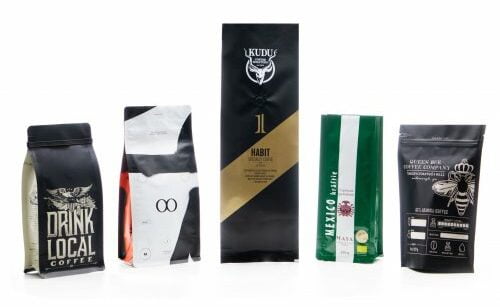
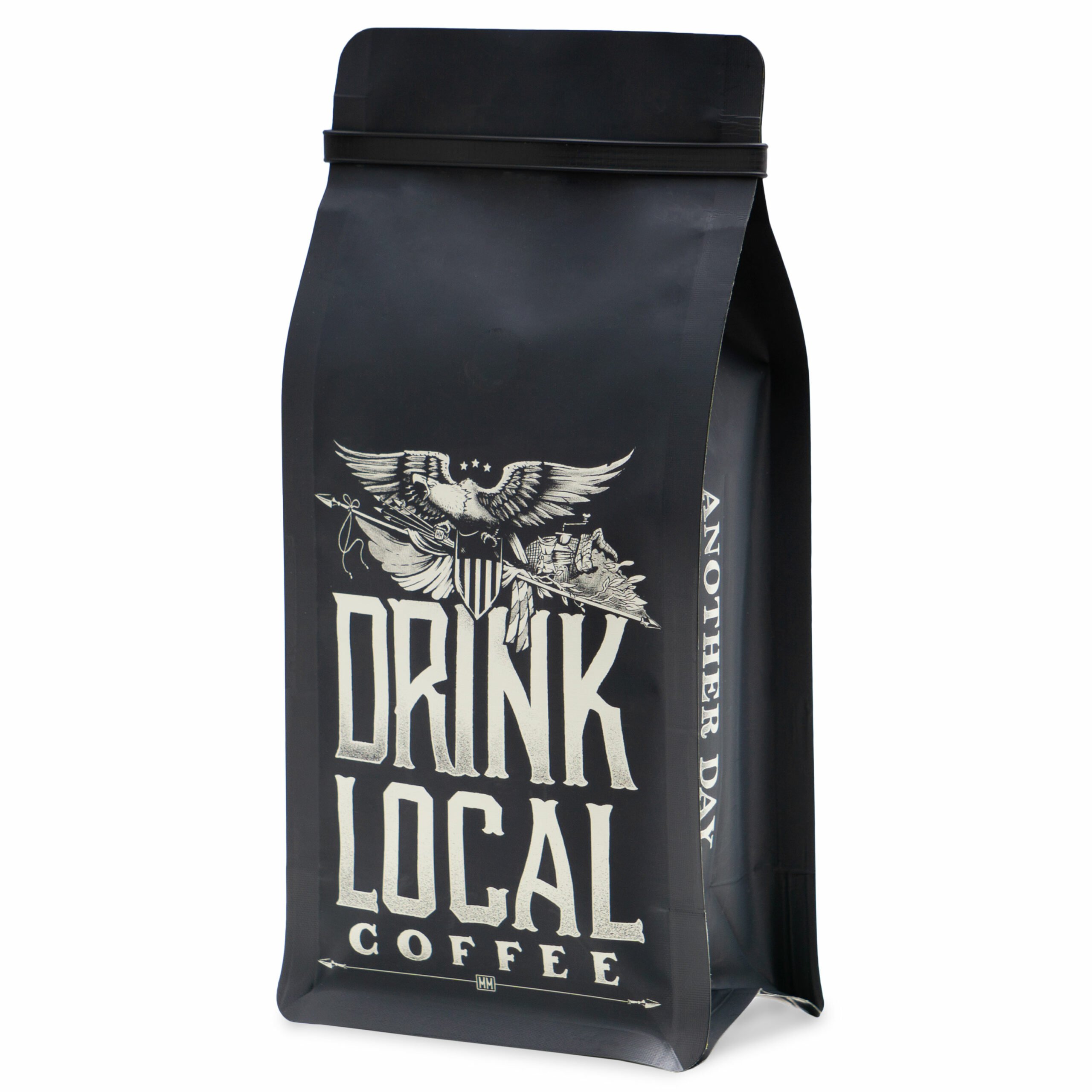
    A good pouch or bag for your roasted coffee beans has several benefits over the traditional coffee can. Bags and pouches are lightweight and pack well into shipping containers and other equipment, yet they also stand upright on a retail shelf. CarePac features several different style bags to choose from.

    Side Gusseted Pouch

    Side Gusseted Coffee Bag

    This machine made side gusset pouch is a stylish design that holds its shape well while supporting more weight than most types of coffee bags. Works well with supporting features such as an EZ-Pull closure, making the bag easy to open and close for future use. A convenience factor that customers love!

    Quad Seal Coffee Bag

    Another gusseted pouch, but this time all four corners include a nice and tight seal. This offers a clean, square look that is very popular in coffee packaging as it gives you extra room for design and branding. Pair a quad seal bag with a recloseable zipper, and you have a real winner.

    8-Seal Square Bottom Coffee Bag

    Another gusseted pouch, but this time all four corners are sealed nice and tight. This offers a clean, square look that is very popular in coffee packaging as it gives you extra room for design and branding. If you’re a specialty coffee brand, this is a style you’ll want to look into. Pair a quad seal bag with a recloseable zipper, and you have a real winner.

    Stand Up Pouches

    Stand Up Pouches Highly economical, stand-up pouches are considered more of a “new school” design and offer several benefits over other types of bags. It stands up nicely on a shelf and displays clean lines while presenting a familiar shape to consumers. It also allows for the use of an insert zipper, which is excellent for the customer to ensure freshness and means it’s easier for the manufacturer to fill.

    Flexible Barrier Packaging Keeps Coffee Fresh, Like It Should Be

         Whether you specialize in ground coffee or freshly roasted beans, your customer wants it fresh and flavorful, regardless of the roasting notes. Specialty coffee beans are highly susceptible to oxygen, UV, and other environmental factors making airtight packaging essential to the integrity of your beans. Flexible packaging also requires a barrier. You can usually choose between a genuine aluminum barrier or go with a more environmentally friendly high-barrier polyester.

         Aluminum has been used for a long time to keep foods fresh. Our CareFoil line of flexible barrier packaging materials is top-notch. We offer several variations, but all of them provide the ultimate barrier protection of aluminum with the added strength of Mylar. It’s an excellent barrier to both oxygen and moisture. Suppose your audience prefers a more natural look. In that case, our CareKraft barrier materials provide superior barrier protection in a kraft paper exterior look and feel. CareKraft nags are made with encapsulated foil, or high-strength nylon reinforced laminated coating.

          You also want to make sure your product is protected from UV light. UV light can sap the potency right out of your beans, leaving them pale and not tasting that great. Choose an opaque bag that effectively blocks your product from all UV rays. As you can see, there are many choices here and a lot to think about. But don’t worry, you don’t have to know what’s best for your particular product. Our packaging specialists will help you choose the perfect films for what you need.

    Include a Degassing Valve

    After coffee beans are roasted, they continue to emit gases for quite a while. Suppose you package your beans before all the gasses have dissipated. In that case, the gas will be trapped inside the package, causing it to look misshapen and bloated. Not only is this unsightly, but it can also cause the bag to burst open during transport. Adding a degassing valve to your coffee bag takes care of this problem.

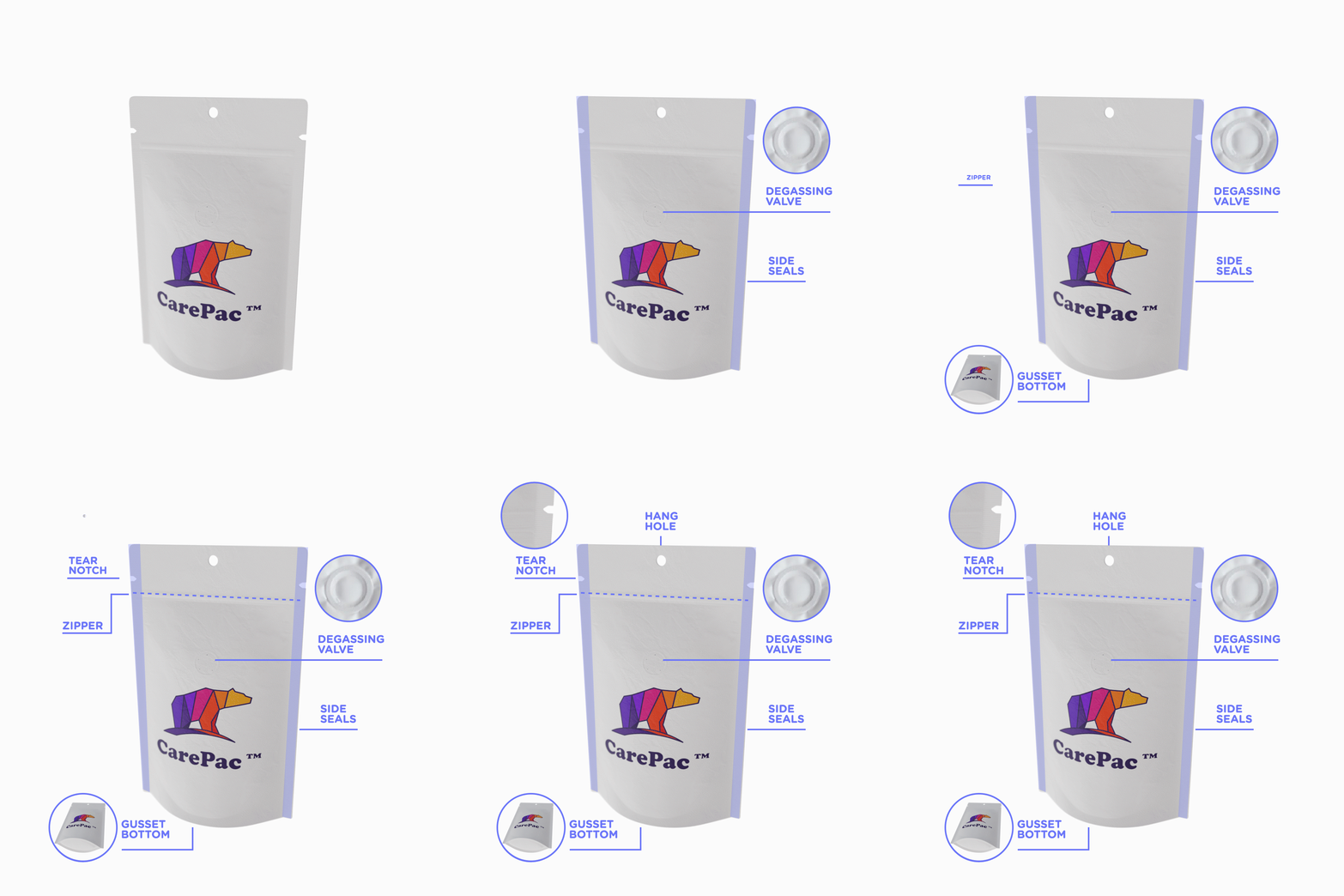
    A degassing valve is a one-way valve that allows gas to escape from the bag while not allowing any gas in. It maximizes the freshness of your coffee by allowing unwanted gas to escape while keeping oxygen from entering into the bag’s environment. Oxygen degrades coffee beans, turning them stale and significantly affecting the flavor. Adding a degassing valve not only locks in the taste of your beans, it greatly adds to the shelf-life of your product.

          Also, consider that using a degassing valve can increase your productivity and efficiency. Instead of waiting for your freshly roasted beans to finish emitting gases, you can now package them right away. Any natural gases produced during roasting will escape via the one-way valve.

    Closures & Seals

    Normal Zipper

    NORMAL ZIPPER

    Pull Tab Zipper

    PULL TAB ZIPPER

    TIN – TIE

         Anyone serious about keeping their coffee tasting great knows that you don’t keep your beans in the refrigerator or freezer. What you want is to provide packaging that allows your customers to reuse the original pouch the coffee came in. We already know that coffee should be kept in an airtight bag. But as soon as someone opens the package, it’s no longer airtight! That’s where a reclosable zipper or a tin-tie comes in. You want your customer to take out the amount of coffee they need and then close the bag up tight to keep it fresh.

          Plus, if you have invested in artwork and branding on your packaging, the last thing you want is for your customer to remove the beans and put them in a different container. You want your customer to think of your company each time they make a cup of joe. Adding a reclosable feature is almost a necessity to work toward increased brand loyalty.

    Design a Custom Look for your Coffee Bag

    Coffee Bags

         Since we’re talking about customer loyalty, marketing, and branding, it’s important to remember that grocery stores continually reconfigure their shelving. If your product winds up below or above eye level, you could lose your competitive edge at any time. Small coffee roasters have become more numerous in recent years, which means less shelf space for everyone. Another challenge is that coffee buyers are more concerned with how much a bag of coffee costs as opposed to how much coffee is inside. 

    Your 16oz bag of specialty coffee looks more expensive than that 12oz bag, even if your brand is less money per ounce. Your customer is more apt to grab the cheaper bag even though it’s costing them more money. We know how to configure your coffee packaging to make it perfect for your product. We’ll look at the size of your bag, how your branding is printed, and where it might be sitting on the shelf, so you get the most bang for your buck.

    Do Right By Your Coffee Shop or Coffee Business

         Choosing the right specialty coffee bag means protecting your coffee from air, moisture, light, and heat, which helps to ensure that it is always tasting great. It means knowing the right questions to ask so your packaging comes out just the way you want it. We specialize in working with small-to-medium-size coffee businesses to get them noticed. If you run a coffee shop and want to learn how to create your own coffee business with our packaging, contact us. We can’t wait to work with you!