Author: Heather Terry

  • Implementing Circular Economy Principles in Flexible Packaging Design

    Implementing Circular Economy Principles in Flexible Packaging Design

    Implementing Circular Economy Principles in Flexible Packaging Design

    What is the Circular Economy?

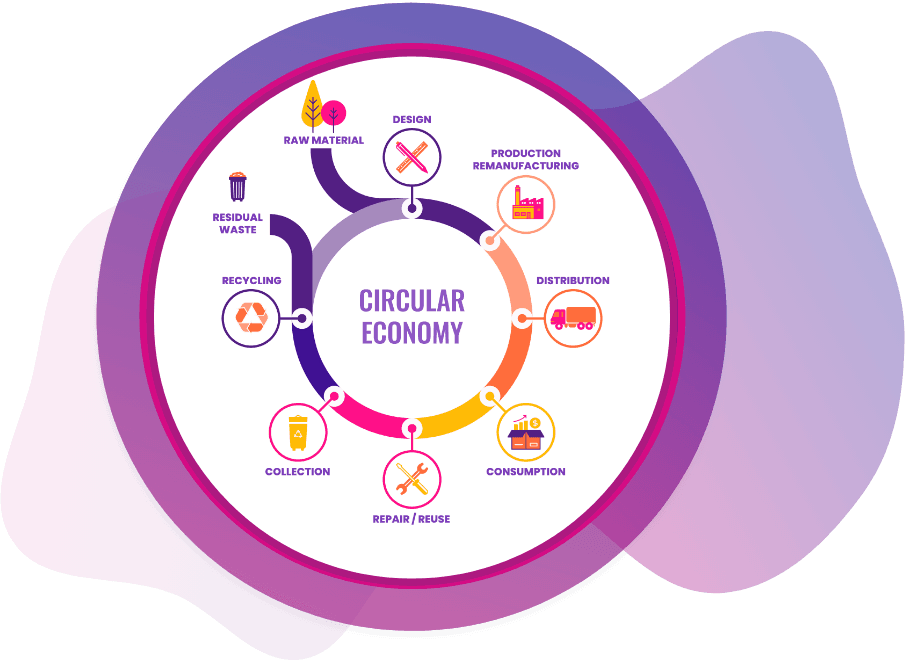
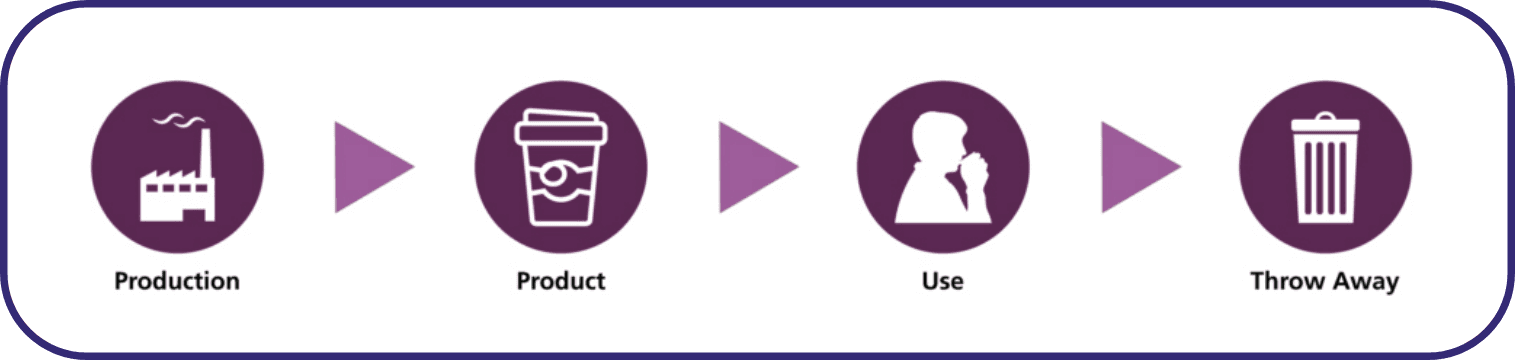
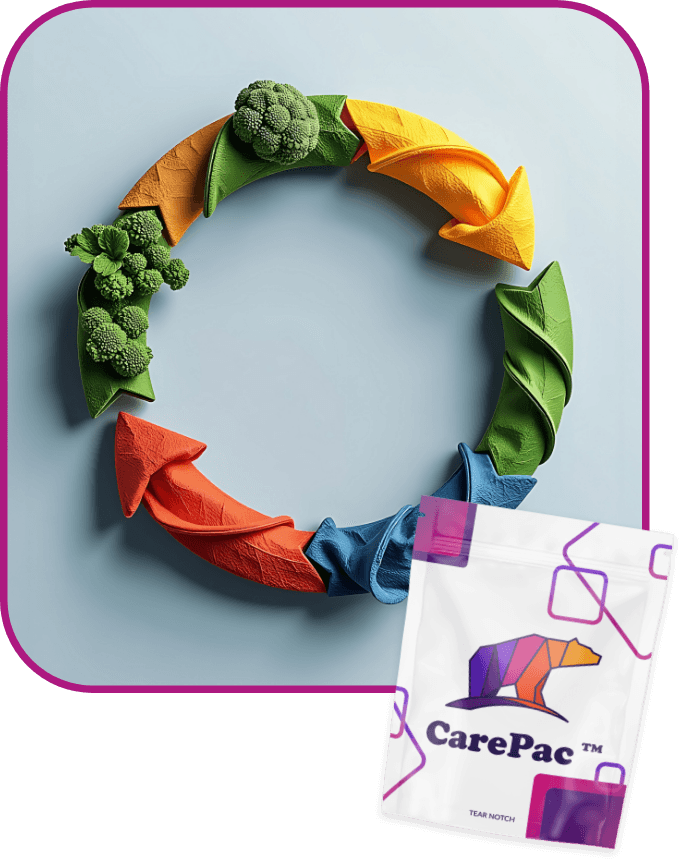
    A circular economy aims to minimize waste and maximize resource consumption by keeping materials, particularly packaging materials and plastic packaging, in use for extended periods of time (instead of using raw materials for every package or pouch.) This is done via strategies like reusing, recycling initiatives, and regeneration. At its core, the circular economy focuses on creating a closed loop system where materials are circulated and regenerated via innovative recycling systems, reducing reliance on using virgin materials and minimizing the environmental impact of packaging materials.
    Circular Packaging and Recycling Systems for Sustainability

    How Circular Economy Principles Apply to Plastic Packaging

    The principles of a circular economy apply to plastic packaging because plastic waste is one of the number one culprits behind climate change. When it comes to reducing your carbon footprint with your packaging, there are several things you can do to improve the sustainability of your packaging, including:

    • Making sure packaging is designed for reuse or used recyclable materials
    • Minimizing material inputs by leveraging innovative technologies like lighter materials or thinner films, which effectively turns single-use plastic into sustainable packaging
    • Using a more sustainable alternative like renewable, compostable, or biodegradable materials, like paper packaging or packaging that uses recycled material
    • Use recycled material whenever possible (and avoid using raw materials.)
    • Planning for end-of-life reuse or recovery, such as partnering with a materials recovery facility to responsibly turn recycled plastic into new packaging via a state-of-the-art recycling process, effectively closing the loop.

    The circular economy offers a promising path towards a more sustainable future for recycled plastic packaging. By embracing principles of designing for reuse or recycling, minimizing materials, utilizing non-virgin plastics, and planning for end-of-life recovery, businesses can significantly reduce their environmental footprint and contribute to a reduction in their carbon footprint and a healthier planet. This also helps provide consumers with peace of mind knowing their packaging is designed with the environment in mind.

    Benefits of Circular Economy Packaging for Your Brand

    When it comes to participating in a circular economy, there are several benefits to your brand. Some are more obvious, while others aren’t as obvious. Here’s how your brand can benefit from participating in a continuous loop system for your packaging.

    Environmental Benefits   – Of course, the primary reason for participating in a circular economy is to protect our finite resources and to create a more sustainable future. The environmental benefits of using recycled plastic and avoiding the use of raw materials in packaging include reduced waste and pollution, reduced resource and energy consumption, a reduced carbon footprint, and the protection of biodiversity and ecosystems. Although there are other benefits to meeting ambitious targets re: greenhouse gas emissions and the use of fossil fuels, the environment should be the primary reason brands switch to circular packaging and a closed loop system.

    Financial Benefits  – There are several financial benefits to brands focusing on greater sustainability with their packaging. These include reduced costs, increased operational efficiency, tax advantages and incentives, and access to new markets and investments. Additionally, as local governments continue to place a strong focus on circular packaging and reducing greenhouse emissions, your company may also be able to avoid fines and fees if you stay one step ahead of these regulations. 

    Brand and Reputation Benefits Finally, there are several circular packaging benefits that will help support the reputation of your brand among consumers. By demonstrating a commitment to using recycled material and avoiding virgin plastics, consumers, investors, and stakeholders will have a positive opinion about your brand. You’ll also be able to leverage your use of recycled content to differentiate yourself in a competitive market and attract and retain top talent as employees, especially younger generations, are increasingly drawn to companies that leverage recycling infrastructure to use recycled content instead of new materials. 

    How to Start Transitioning to Innovative Packaging Design

    As a small business, moving to a circular packaging infrastructure might seem daunting. Fortunately, there are several things you can do right now to make the shift towards greater sustainability, including:

    Audit current packaging for waste- Evaluate your current packaging materials to identify areas where waste can be reduced. Assess if your packaging aligns with principles of a circular packaging economy and consider conducting a full packaging audit to identify wasteful elements, set sustainability goals, and evaluate the effectiveness of your current practices.

    Choose mono-material or compostable materials-Switching to mono-material packaging (where the packaging is made from a single type of material) or post consumer materials can help improve the sustainability of your brand. Consider using a life cycle assessment tool to determine the most sustainable option for your packaging needs

    Reduce layers and the complexity of your packaging-Do you really need to have multiple layers for your packaging? Unless you need it to make the packaging food safe or to include important consumer information, consider switching to minimalist packaging and focus only on including layers that are there for protective reasons

    Prioritize material sourcing and lifecycle- Finally, you can source sustainable materials like recycled cardboard, bioplastics, or materials made from renewable resources. Seek feedback from stakeholders, including suppliers and customers, to improve your sustainable future.
    Sustainable Design with Recycled Materials

    CarePac’s Role in Supporting Circular Packaging

    At CarePac, we’re committed to support improved infrastructure when it comes to all types of packaging. From paper packaging to packaging that uses recyclable materials, we offer several varieties of sustainable packaging and strategies to help make them more sustainable. From using recyclable barrier films to custom sizing your pouches to eliminate waste, we can provide expert guidance to help businesses navigate the evolving packaging landscape. 

    Ready to explore how we can help you achieve your circular packaging goals? Explore our diverse range of recyclable barrier films, custom sizing options, and sustainable packaging solutions today. Request a quick quote today or connect with one of our packaging experts for a personalized consultation.
    Recycled Materials and Sustainable Solutions

    Lets Get Started

    Made In The USA

    Full PouchCustomization

    Scalable Printing Digital & Plate

  • Why Degassing Valves Fail

    Why Degassing Valves Fail

    Degassing Valve Failure, Analyzed: What Goes Wrong & How to Prevent It

    When it comes to packaging fresh-roasted coffee, every detail matters—especially the addition of a degassing valve system. These small, often-overlooked valves have a critical effect on preserving product freshness and ensuring customer satisfaction by allowing carbon dioxide to escape while blocking hot air, oxygen, and moisture from entering the pipeline. But what happens when these valves result in a failure? From bloated bags and stale beans to product returns and reputational damage, valve failure can have costly consequences on your leads and bottom line. 

    In this blog, we’ll explore why degassing valve systems sometimes don’t work as intended, break down the most common problems that cause valve failure, and share how to prevent these situations with the right equipment, materials, instruments, and packaging expertise.

    A close-up of a pile of fresh coffee beansCustom printed stand-up coffee pouch featuring a one-way degassing valve for freshness and aroma control.

    What Degassing Valves Are Designed to Do

    Coffee beans and some other fermented products (like sauerkraut or kimchi) are prone to release gas after they’ve been roasted or processed. The process usually only lasts for a few hours to a day after the beans have been roasted, but many roasters want to bag the beans as quickly as possible. Others want insurance that there won’t be a possibility for the bag to bloat and explode under pressure if the beans continue to release gas long after packaging. This is where one-way degassing valves come into play. 

    One-way degassing valves are designed to release or remove Co 2 from inside the bag without introducing oxygen or moisture into the bag. Think of these valve systems like a pool vacuum pump: when turned on, the vacuum pump pulls water out of the pool, pushes it into a filter to get cleaned, and then the vacuum pump returns the water back inside the pool. A degassing valve system is like this except the final step is skipped. The result? Fresh, tasty beans that are saturated with their own natural oils and nothing else.

    Why Degassing Valves Fail: Common Causes

    When it comes to degassing valves in practical applications, there are several reasons why these valves can fail. Here are some of the most common reasons for valve failure.

    Adhesion issues from mismatched materials

    Contrary to popular belief, glue is not actually used when adding a degassing valve to packaging. Instead, the valves are heat-sealed into the bag, but the heat can fluctuate due to various reasons. Different materials require different amounts of heat and dwell time for the valve to adequately adhere to the bag. When it doesn’t adhere properly, the degassing valve can pop off. 

    Misplacement on bag (too far from gas pressure zones)

    Some customers want the valve position moved, and if it’s new location is not anywhere near where the gas is getting the most degassed, it can create a problem. This is not very common, but it’s an issue worth pointing out as the pressure from the gas can build up if the valve is improperly placed. 

    Non-functioning valves are blocked due to design defects

    There’s a constant pressure to reduce the cost of packaging. One of the more costly elements is the degassing valve because it consists of a very small one-way valve. We found that valve quality can vary between manufacturers and between lots. It’s very hard to QC a lot of valves because you only know if they’re working if they’re degassing. You can test individual valves out of the lot that you received, but unfortunately it’s not something you can systematically visually inspect.

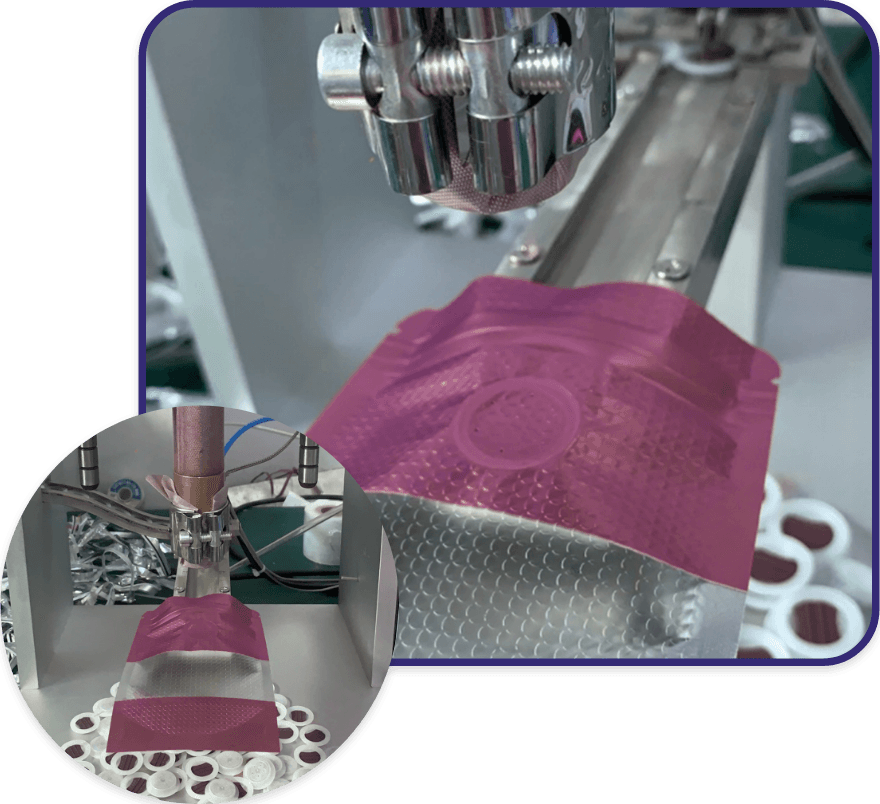
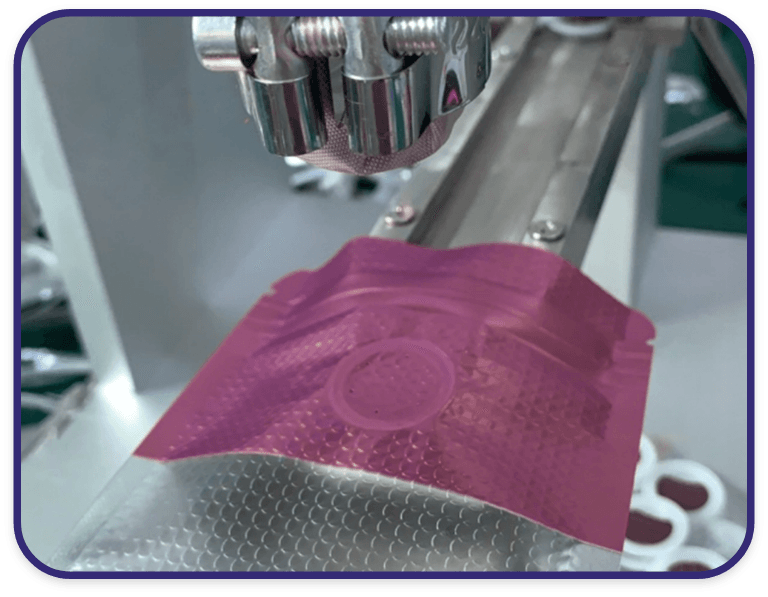
    Close-up of a degassing valve being installed on a custom printed coffee pouch using precision heat sealing equipment.

    The Real Impact of Valve Failure

    If the “atmospheric pressure” (i.e., built up carbon dioxide) is not released properly via the valve, it can have huge impacts on both the product itself and the business. For the sake of this blog, we’ll divide these impacts into two sections: product consequences and business consequences, so you can better understand how essential proper valve systems are to a coffee manufacturer.

    Product Consequences

    If your degassing valve is not effective, it can cause your coffee to become stale and oxidized. Not only does this impact the taste of your product, but it can also impact the reputation of your brand. Nobody wants stale, discolored coffee beans that don’t even reach their “use by” date. A happy customer commonly means a repeat customer, so keep your customers happy with fresh, tasty coffee beans.

    Business Consequences

    In a day and age where everyone posts everything on social media, negative customer reviews and complaints can generally eat into your bottom line. Bags that are inflated, leaking, or collapsing on the store shelves won’t do your brand reputation any justice, and having to replace misshapen bags or oxidized coffee products can result in significant economic loss.

    CarePac’s Engineering-First Solution

    At CarePac, we take an engineering-first approach to our packaging. From understanding the chemistry behind off-gassing, the pressure it can create inside the bag, and the connection it has to packaging, we’ve crafted the perfect system to help relieve some of that built-up pressure. Our JW2 degassing valve application machines are capable of applying 1,500 valves per hour, and the alignment of the valve is controlled by an adjustable depth gauge and laser sight. 

    These state-of-the-art innovations are present in our valve application system and our equipment is calibrated, clean, and expertly maintained. We understand that coffee beans are sensitive to air and moisture but also release carbon dioxide, which is why our system pumps out the CO2 while keeping air and moisture out. If you have questions about the difference a valve installation can make when applied in your packaging pipeline, contact us for more information.

    Close-up of a degassing valve being installed on a custom printed coffee pouch using precision heat sealing equipment.

    Partner with a Packaging Company That Understands Valve Science

    Are you a roaster or CPG brand looking for a packaging partner who understands your needs and can help you avoid costly mistakes? CarePac is here to help you get out of the past and create future-proof packaging that will benefit your bottom line and help your product sell.

    So, why CarePac? We’ll help you:

    • Solve problems before they start: CarePac helps you navigate the ever-changing packaging landscape, offering custom solutions tailored to your specific needs.
    • Expert guidance and support: Helpful guidance on material choices, design updates, compliance, and more, ensures a seamless transition to better packaging. We’ll respond to your questions and won’t force our opinions on you. 
    • Customer-focused approach: Deeper data knowledge, a wider product selection, and higher quality service are offered compared to competitors. 
    • Long-term partnership: CarePac is committed to helping you create packaging that remains competitive, compliant, and consumer-friendly. Generally speaking, we’re a cut above the rest.

    Level up your coffee packaging and contact CarePac today to schedule a free consultation and discuss how we can fit into your coffee packaging pipeline. There’s no time like the present to take action.

    Premium custom printed coffee pouch with colorful geometric pattern and a functional degassing valve for maintaining coffee freshness.

    Degassing Valves: FAQs

    Lets Get Started

    Made In The USA

    Full PouchCustomization

    Scalable Printing Digital & Plate

  • Tin Tie Machines

    Tin Tie Machines

    Introducing CarePac’s Tin Tie Machine for Coffee Packaging

    Why Tin Tie Closures Are Essential in Coffee Packaging

    Ground coffee and coffee beans are just as delicate as most foods. They need to be stored at the appropriate temperature and exposure to oxygen and moisture can impact its aroma and taste. While instructing customers to store their coffee in a cool, dry place is a great place to start, the best way to ensure your customers enjoy fresh and aromatic coffee beans is to use resealable coffee bags, and ideally not bags that use clear tape. This is where tin tie reclosures enter the conversation. 

    If your existing coffee packaging isn’t resealable, your best option is to add high-quality tin-ties to your coffee bags. Tin tie applicators will protect the coffee inside as intended without having to introduce extra stress or equipment into your customer’s life. Fortunately, CarePac’s tin tie machines can take the guesswork out of the entire process.

    Colorful custom printed coffee bags lined up on a counter with roasted coffee beans and green leaves in the foreground, showcasing premium specialty coffee packaging designs.

    Technical Overview of CarePac’s Tin Tie Applicator Machine

    CarePac uses the Bedford Industries peel and stick applicator machine for our most rigorous tin-tie applications. This tin tying machine is incredibly precise and uses a high-quality adhesive that can easily apply the adhesive tape to most materials, regardless of its weight. 

    Each Bedford tin tying machine is capable of applying about 1,500 tin ties per hour. With these state-of-the-art tin tying machines, you won’t need to deal with the headache of hot melt adhesive and you’ll save time and labor on fast product application. 

    With our model machinery, your desired length bag enters the machine and the tin-tie is applied in one continuous motion. You won’t need to spend time training a variety of staff on how to apply tin-ties or address common issues that pop up due to user error. Using an automated machine can improve your time-to-market, allowing you to get your items into the hands of your target market more quickly.

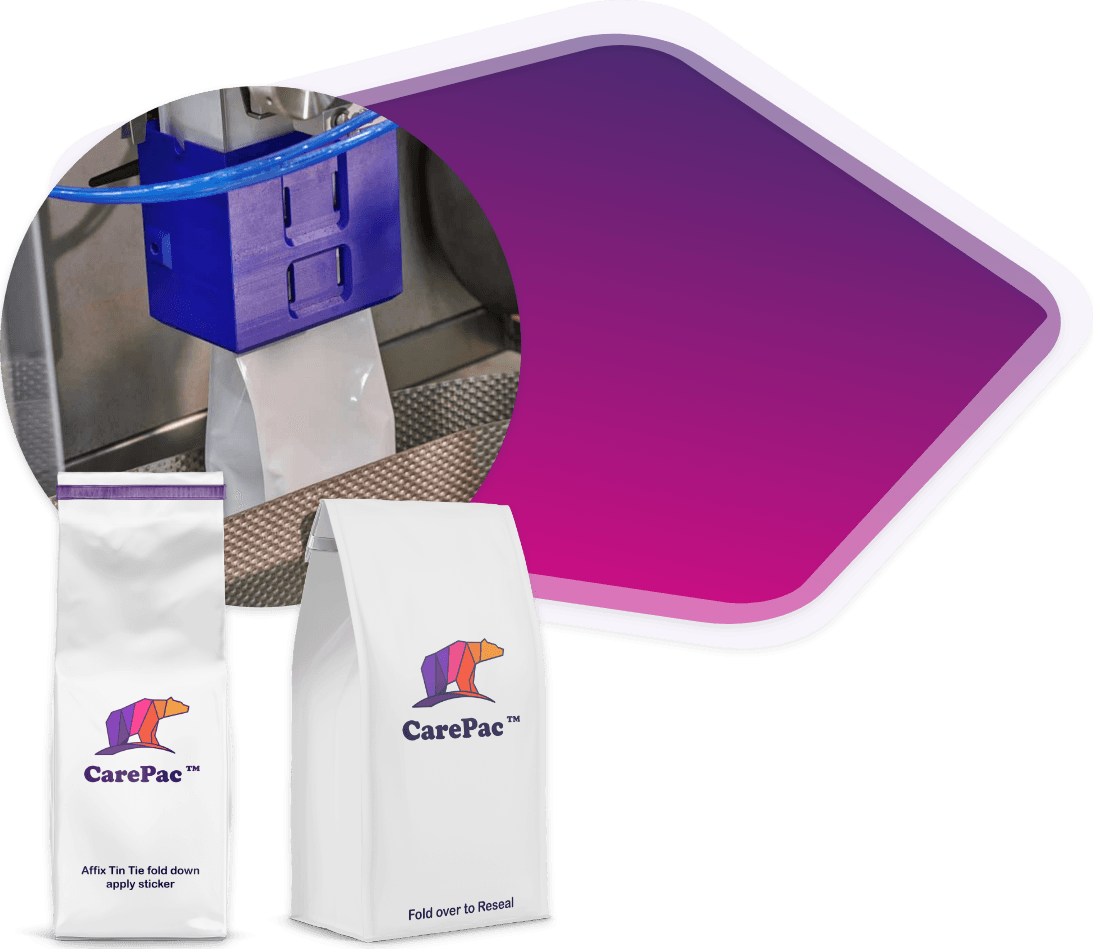
    White CarePac coffee bags shown in a packaging machine with resealable tin tie closure, demonstrating coffee bag manufacturing, branding, and custom food-safe packaging.

    Performance Benefits for Coffee Roasters

    There are several reasons why our tin tying machines can dramatically improve packaging workflows for small-to-medium coffee roasters just like you. Whether you’re scaling up production or simply trying to streamline repetitive tasks, investing in impressive and automated packaging equipment is one of the fastest ways to boost efficiency without sacrificing quality. 

    Our tin tying solutions are built with the everyday challenges of independent roasters in mind—and they’re designed to make an immediate impact where it matters most. Here are just a few of the areas where your business will notice the difference after leveraging this unique innovation:

    Labor savings and automation ROI

    Automating your tin tie application can significantly reduce the time and manual labor costs associated with manual packaging. What used to take a team member several minutes per bag can now be done in seconds, allowing your staff to focus on higher-value tasks. Over time, this kind of efficiency adds up to a measurable return on investment.

    Consistency of application

    A key advantage of using automation machinery is the uniformity it brings to your final product. Our machines apply tin ties with the same precision every time and without hot melt adhesive, ensuring a clean, consistent seal that reflects the quality of your brand. No more crooked ties or uneven folds—just professional packaging that your customers will notice.

    Minimal downtime or maintenance expectations

    We understand that small roasters can’t afford things like frequent interruptions, which is why our machines are built for durability and long-term performance. With minimal maintenance requirements and quick-change parts, you can count on efficient and reliable uptime and fewer production headaches.

    Operator ease of use

    No need to be a mechanical expert to use the machinery. Our tin tying machines are user-friendly, intuitive, and easy to train on, so our team can get up and running with minimal ramp-up time—making it easier than ever to integrate automation into our existing workflow.

    Freshness, Appearance, and Brand Value

    Automating your tin tie application can help improve shelf presentation. If you take the time to compare hand-applied vs machine-applied tin-ties, you’ll notice the difference right away. Not only do tin-ties adhered via machine application look better, but they often are more durable and create a stronger seal. This type of application can save you money in the long run, as your coffee will remain fresh and your customer service team won’t be dealing with as many unhappy customers. 

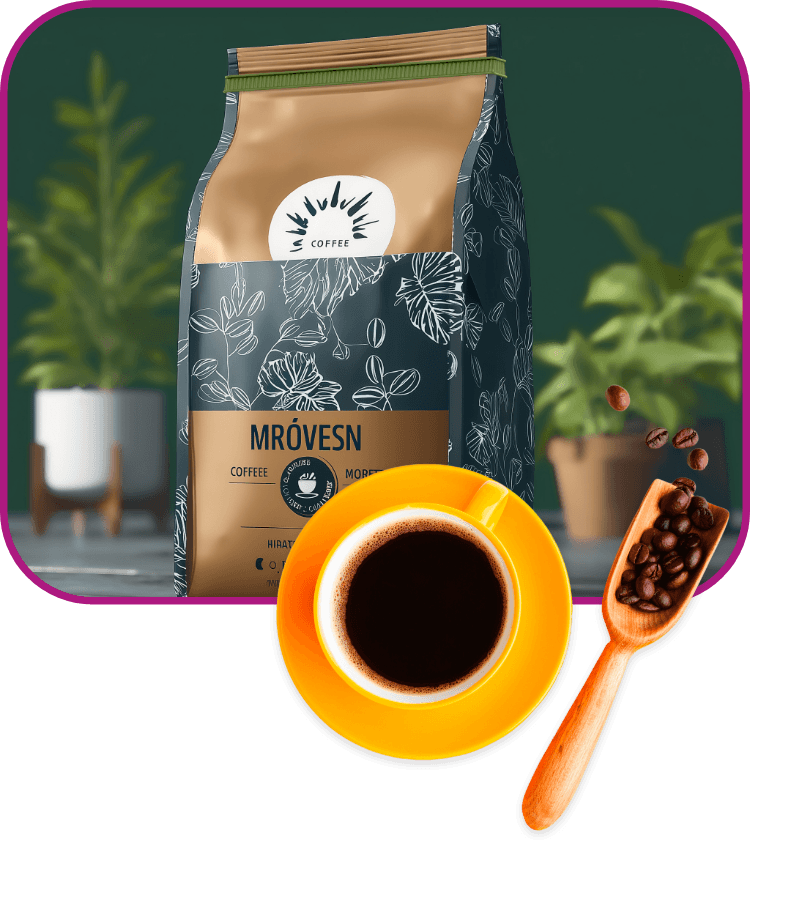
    Modern coffee packaging bag with botanical design labeled "MRÓVESN," displayed alongside a steaming cup of black coffee in a yellow saucer and wooden scoop of roasted coffee beans.

    How CarePac Supports Coffee Producers Beyond Our Packaging Equipment

    At CarePac, our packaging equipment is state-of-the-art, but the benefits of working with us extend beyond our equipment. If you’re looking for a coffee packaging partner that understands your brand and will help you thrive, you’ve come to the right place. By partnering with a coffee packaging company that understands coffee, like us, here’s what you can expect:

    Customization capabilities – We’re proud to offer customization options that span the entire bag. From the look and feel of the bag to what’s written on it, we can customize every square inch and will keep you up-to-date with our progress every step of the way.

    Sustainable material options – As climate change continues to have a negative impact on the world around us, we’ve created more sustainable materials and have incorporated more green practices into our entire manufacturing process.

    Flexible lead times – If you need your order fast, we offer a flexible lead time menu so you have the ability to choose the items that make sense for you.

    Low MOQs – We understand that you likely aren’t ready to buy 100,000 coffee bags today, and we’re proud to offer low minimum order quantities for our smaller customers. As you grow we can adjust our sizing and product volume to match.

    Excellent customer service – Our customer service team will be with you every step of the way. Whether you need an issue resolved or simply need someone to walk you through the process, our support team is here to help.

    Get a Sample or Packaging Consultation

    Ready to partner with CarePac to elevate your coffee packaging? Have questions about our equipment or machines? Talk to a packaging expert today to discuss your specific needs, troubleshoot any issues you’ve experienced with past suppliers, and find the perfect tin-tie packaging solution for your coffee. Contact us today to get started.

    Let’s Get Started

    Made In The USA

    Full PouchCustomization
    Scalable Printing Digital & Plate

  • Degassing Valves for Flexible Packaging

    Degassing Valves for Flexible Packaging

    Inside CarePac’s New Degassing Machine: Fresher Flexible Packaging Starts Here

    What Is a Degassing Valve — and Why It Matters

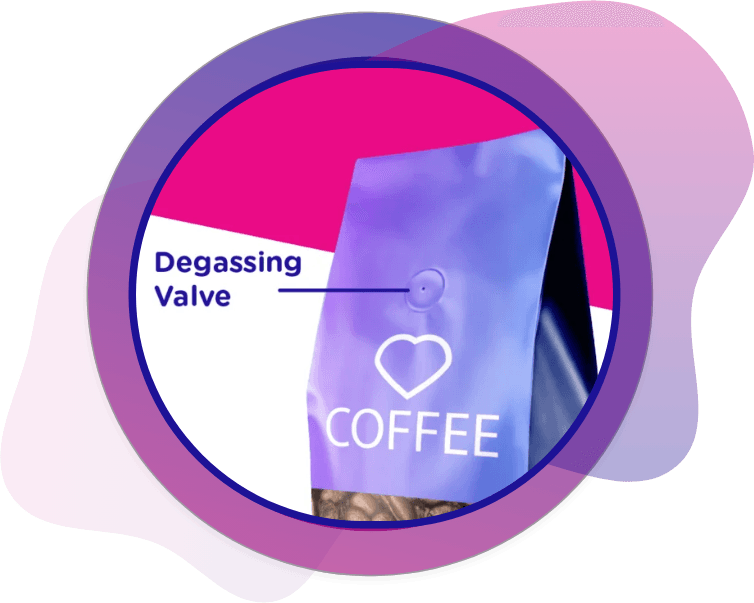
    A degassing valve, also called a one-way degassing valve, is a small, specialized valve used in flexible packaging solutions that release gases. This one-way vent integrates into your packaging and allows gas to escape while preventing outside air, dust, moisture, or bacteria from entering the packaging. It’s especially popular in coffee packaging because coffee, especially beans with natural oils, continues to release gases after it goes through the packaging process. These gases build up pressure inside the sealed packaging, and if the gas isn’t released through valves in the lid it can cause the package to burst.

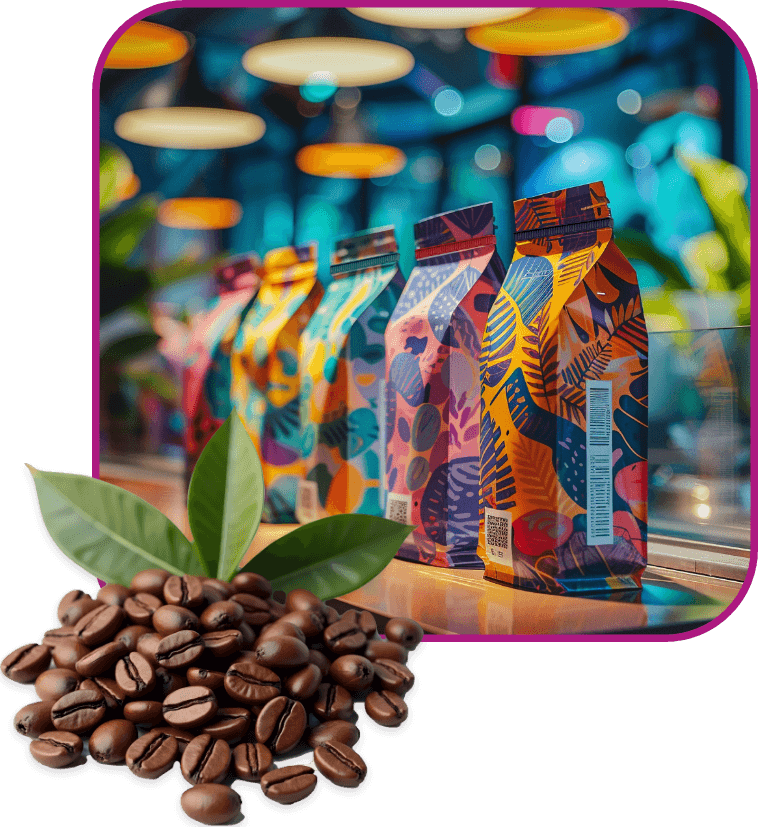
    Custom printed stand-up coffee pouch featuring a one-way degassing valve for freshness and aroma control.Custom-printed coffee packaging pouches with degassing valves displayed in a premium café environment for retail-ready presentation.

    Degassing valves are critical for coffee quality, pouch integrity, and customer satisfaction. Here’s more info about the impact degassing valves have on product quality and customer happiness:

    Coffee freshness: Degassing valves prevent the build-up of excess carbon dioxide or days or even weeks after packaging. It also keeps oxygen out of the package. Both of these can help pre-oiled, powder, or ground coffee retain its rich aroma and strong flavors. 

    Maintaining pouch integrity: Most coffee drinkers want to keep their coffee in the vertical packaging it came in. Imagine how upset they would be if the coffee packaging didn’t have a degassing valve and the package exploded after just a few days in storage? 

    Enhancing customer satisfaction: Since degassing valves work to keep the product fresh and the packaging intact, they help ensure that customers receive a high-quality product that retains its smell and flavor for a long time. And happy customers = repeat customers.

    With the right packaging partner, these degassing valves can be seamlessly integrated into your coffee packaging, helping to keep oxygen and moisture out of your pre-oiled coffee beans.

    Common Issues with One-Way Degassing Valve Applicators

    When it comes to applying degassing valves to coffee packaging, there are several common issues that can cause the one-way degassing valves to operate incorrectly or not at all.

    Misaligned valve application: If the valves aren’t aligned correctly on the bag, the integrity of the seal can be impacted. This can cause leaking, reduced valve efficiency, and compromised sealing performance, among other issues.

    Inconsistent adhesion: In this case, valves don’t adhere properly to the bag film, resulting in detachment or leaks. These leaks can lead to product loss from degradation, compromised seal integrity, and reduced resistance to chemicals and high temperatures.

    Poor valve placement or incompatible film: When the valves aren’t compatible with the film, functional issues such as incomplete valve closure, leakage, reduced efficiency, and premature wear can occur.

    Labor bottlenecks: If the valves are placed manually, this can lead to slower production rates and increased labor costs. Manual valve application is extremely time-consuming, so finding an automated way to add one-way degassing valves is key. 

    Issues with semi-automatic valve application machines: Issues with valve application machines can also occur, such as issues with power indicators, clogged filters, and maintaining consistent fill line volumes. 

    Industrial-grade packaging equipment applying one-way degassing valves to flexible coffee pouches on a high-speed production line.

    Introducing CarePac’s Degassing Machines for Flexible Packaging

    If you’re concerned about the packaging machinery your current provider uses running into any of the above degassing valve issues, consider outsourcing your coffee packaging needs to a company with plenty of valve applicator experience, like us. CarePac uses state-of-the-art JW2 degassing valve application machines. Each machine is capable of applying 1,500 one-way degassing valves per hour. Alignment of the valve is controlled by an adjustable depth gauge and laser sight control system. 

    With CarePac’s degassing valve machinery, you’ll achieve automation speed and consistency, accurate valve placement, compatibility with all types of bag types and film materials, and efficiency gains vs. manual or older semi-automatic models. Plus, it integrates into our existing workflows so you can continue to experience the customized and cost-effective CarePac flexible packaging you’re already accustomed to.

    This professional and seamlessly integrated machinery allows us to process a higher number of bags per hour with higher accuracy of valve placement. Typically between 10 and 20 bags are destroyed during the heat calibration process. Our valve applicator machine is capable of using different valve molds, so we can apply one way degassing valves from different manufacturers. This way, air and carbon dioxide can escape from your packaging, regardless of its material or individual features.

    Close-up of a degassing valve being installed on a custom printed coffee pouch using precision heat sealing equipment.

    What Makes CarePac a Trusted Coffee Packaging Authority

    For companies seeking a flexible packaging expert with valve applicator capabilities, you can’t go wrong with trusting us for your coffee packaging needs. We specialize in providing FDA-approved, food-safe packaging for a variety of industries and other markets, including coffee, snacks, and pet food. If you’re looking for flexible packaging with valves, we’ll keep the oxygen and moisture out of your product. Here are a few benefits to working with CarePac for your coffee packaging needs:

    Responsive customer service

    We pride ourselves on our customer service and strive to make the entire process as hassle-free as possible. While we use automation in the packaging plant, we maintain a human touch throughout our sales and customer service functions.

    Low MOQs

    With CarePac, you won’t be tied to a huge minimum order volume. We offer low MOQs so businesses of all sizes can get started with customized products. For even faster turnaround, consider CarePac Express, which offers digitally printed pouches with MOQs as low as 100 bags.

    R&D capabilities

    We love pushing the needle on all things packaging, and one of the benefits of working with us is that we use our years of research and development to continuously improve our packaging. From enhancing the sealing capabilities of our bags to designing freshness systems, we’ll make sure you’re supplied with the best bags technology can offer.

    Is Your Packaging Losing Freshness? Let’s Fix That.

    If your coffee is being exposed to air and losing freshness, it’s time to draw the line and talk to professionals about your issues. Our helpful sales team is on hand to create the customized coffee packaging you’ve always dreamed of. We’ll integrate with your current processes and will always be available to answer questions and support your packaging goals. 

    Contact us today to learn more about our new degassing machine or request a quote today!

    Premium custom printed coffee pouch with colorful geometric pattern and a functional degassing valve for maintaining coffee freshness.

    Let’s Get Started

    Made In The USA

    Full PouchCustomization

    Scalable Printing Digital & Plate

  • Packaging Life Cycle Analysis

    Packaging Life Cycle Analysis

    Packaging Life Cycle Analysis: Why It Matters

    What Is Packaging Life Cycle Analysis (LCA)?

    A life cycle assessment (or analysis) is defined as the methodology used to assess the environmental impact of a product throughout its life cycle. It’s used in the packaging industry, specifically, to determine the product life cycle and environmental impact of different types of packaging, from cartons and flexible packaging materials to plastics and aluminum cans. A packaging life cycle assessment is crucial to reducing your environmental footprint, as it can have a positive impact on ocean plastic pollution, methane emissions, greenhouse gas, energy and water usage, and other key environmental impact categories that affect sustainability. 

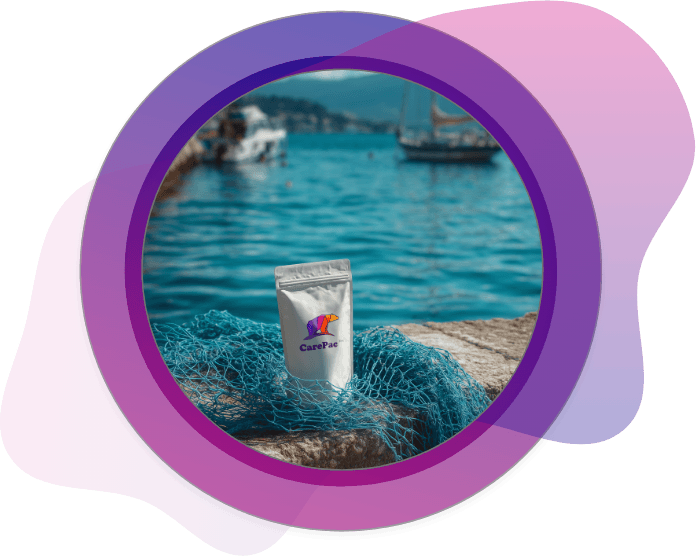
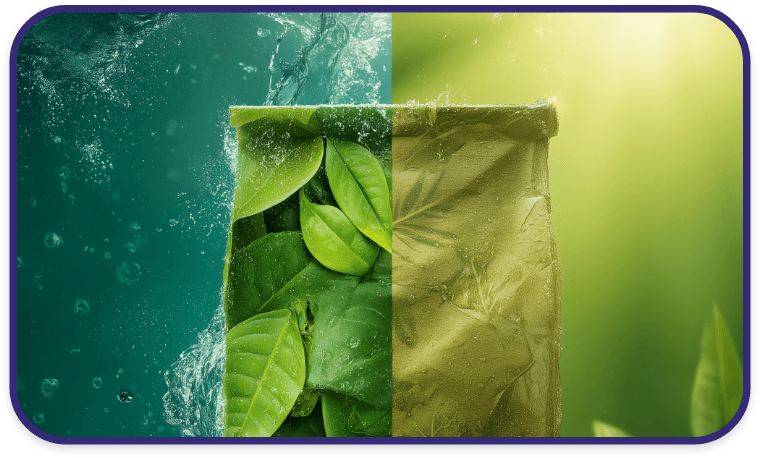
    Compostable white stand-up pouch with CarePac logo resting on a fishing net near the ocean, promoting eco-friendly packaging in coastal environments.Sustainable stand-up pouch design with split background—underwater and forest—with green leaves on the left and kraft-style paper on the right, highlighting eco-conscious duality.

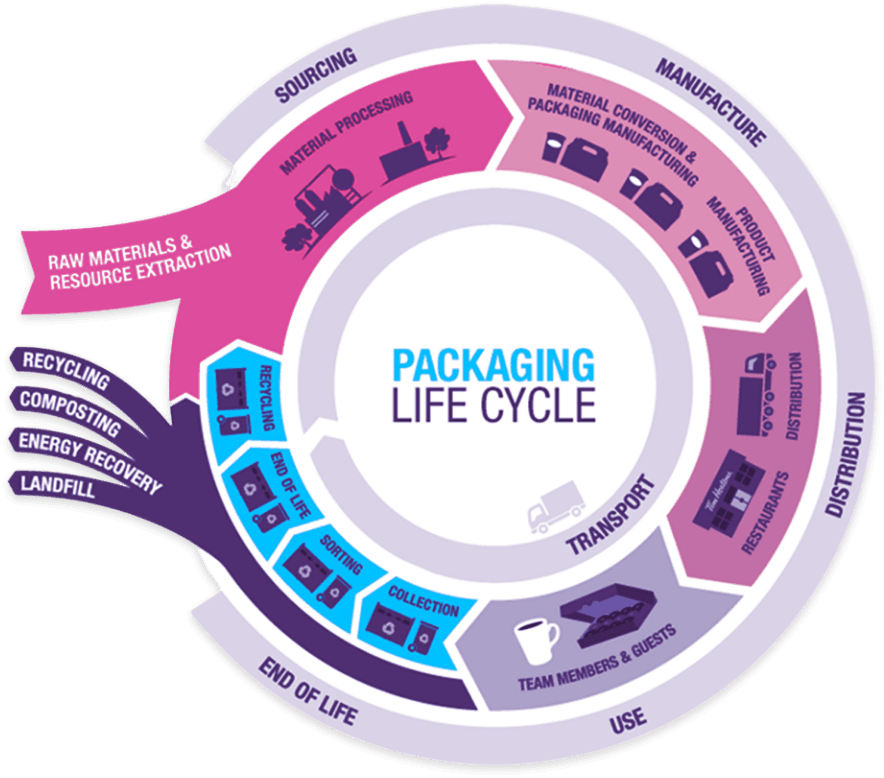
    The key stages of a packaging life cycle assessment include looking at raw material extraction, manufacturing, transportation, use, and the packaging’s end-of-life (disposal, recycling, composting.) Several tools used for life cycle assessments of packaging materials include specialized software like SimaPro, GaBi, and PIQET, and screening tools like EcoImpact-COMPASS. These tools and software don’t just make assumptions — they assess the entire life cycle of a packaging solution so companies can make informed decisions about the materials and manufacturing process of their existing (and future) packaging solutions.

    Circular infographic showing the full packaging life cycle from raw materials to recycling, composting, and landfill, illustrating sustainable packaging practices.

    Why Packaging LCA Matters in Design

    The life cycle assessment of your packaging has a huge impact on packaging design. Businesses use the results of their life cycle assessment (LCA) to choose smarter, more sustainable materials and plastics. This helps them reach their sustainability commitments and reduce their carbon footprint. Since the LCA is a comprehensive review that looks at things like raw material extraction, end of life, and multiple aspects of the supply chain, it also helps prevent greenwashing (the practice of appearing to be eco-friendly on the surface but not actually having any impact or making progress on environmental goals.)

    In addition to helping evaluate material selection, packaging research also informs design decisions related to functionality, weight, disposal, and recyclability. For example, a company may discover through an LCA analysis that reducing packaging weight or eliminating unnecessary layers can significantly lower emissions during transport and manufacturing. It can also highlight opportunities to progress towards a shift toward mono-material designs that are easier to recycle. 

    By incorporating LCA assumptions and insights early in the design process, businesses can focus on creating packaging that balances performance, consumer appeal, and environmental responsibility—leading to more transparent, data-driven decisions across the product life cycle.

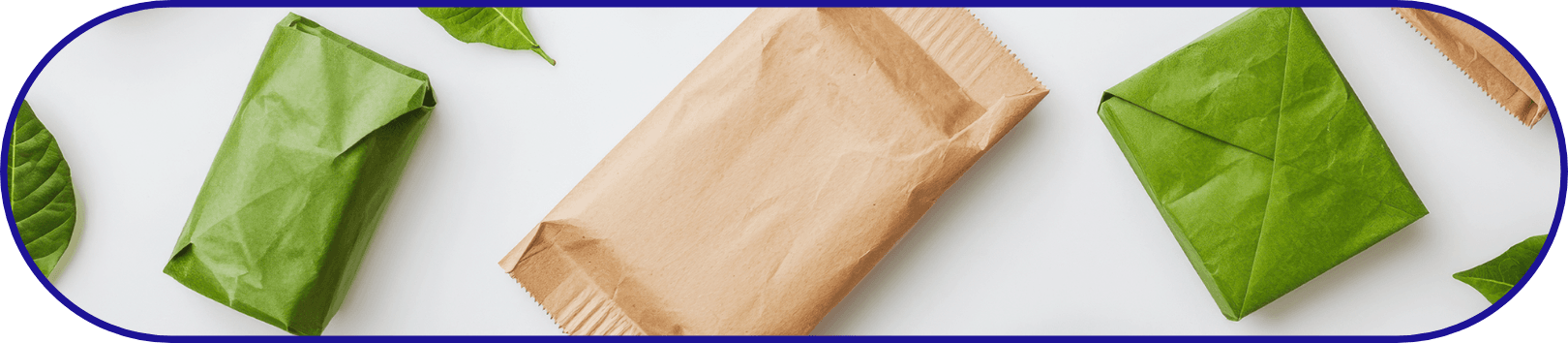
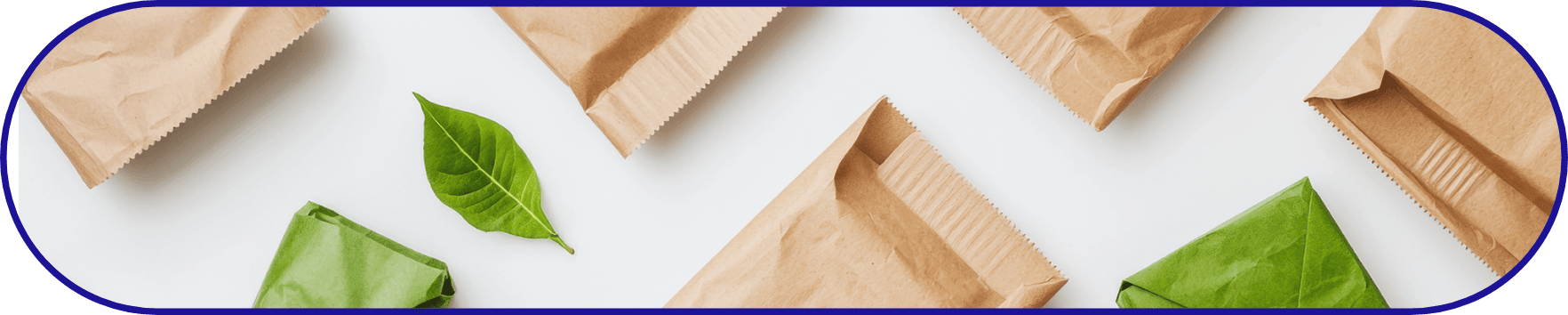
    Multiple kraft paper pouches and green leaves laid out on a white surface, showcasing compostable and sustainable flexible packaging options for eco-conscious brands.

    Comparing Packaging Materials Through an LCA Lens

    If you’re wondering what the results of a life cycle assessment might look like in real life and how companies evaluate the info to make packaging decisions that can impact climate change, here’s an example. Say you’re comparing the environmental performance and impact of a glass bottle vs. a flexible pouch — here are some of the takeaways you might expect from your LCA results:

    Detailed view of a brown kraft stand-up pouch featuring the colorful CarePac bear logo, emphasizing custom printed compostable packaging.

    Flexible pouches waste less energy and use fewer materials, making it more resource efficient. On the other hand, glass is heavier than most plastics and uses more energy, but is made from abundant natural materials and is often easier to recycle. 

    When it comes to transportation, pouches can reduce the carbon footprint during transport while glass’s weight and fragility can increase its environmental impact. 

    Glass has a circular life if properly collected and recycled, while pouches have limited recycled content and even less recycling infrastructure.

    As you can see, no packaging alternatives are better than something else. The best choice depends on context, including manufacturing, transportation, water usage during the production life cycle, and end of life plans for the product. You’ll need to evaluate the data and choose the materials and services that make the most sense for you and the overall environmental impact of your company.

    How CarePac Helps You Make Sustainable Packaging Choices

    At CarePac, we provide ourselves on providing a variety of material options to our customers, and we’re constantly working on the sustainable development of new product offerings. If you’d like to review the life cycle assessment (LCA) of any of our products or materials, we’d be happy to provide them and answer any questions you have about our sustainable products. Currently, we offer packaging materials that include PCR plastic, recyclable packaging, PFAS-free food packaging, and several biodegradable and compostable options. We’re all about reducing our carbon footprint and can help you do the same. 

    A person holding a heart-shaped leaf in front of their chest, symbolizing eco-friendly values

    By working with us, you can also reduce your environmental impact in other ways. For example, you can avoid unnecessary overpackaging or poor end-of-life options. Whether you’re concerned about the raw material used in your packaging or the energy and tools required during the manufacturing process, we can help you make informed packaging decisions that’ll have a positive environmental impact. We’re all about transparency with our packaging design and services.

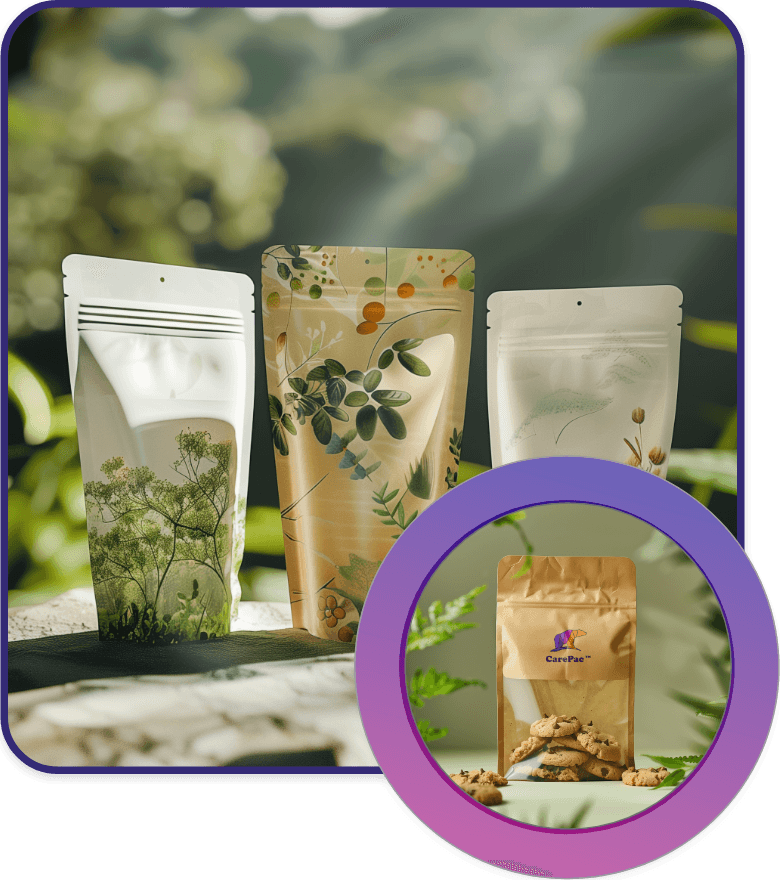
    A trio of plant-themed stand-up pouches with botanical designs, emphasizing sustainable and visually appealing packaging for organic products.

    Final Thoughts: Think Beyond the Circular Economy Buzzwords

    When it comes to packaging design and life cycle assessment, it’s important to emphasize data-driven decision making over “eco-friendly” marketing claims that have zero substance. If you truly care about improvement in sustainability, we can help you evaluate your existing packaging framework and system boundaries and identify areas where you can enhance sustainability and minimize your environmental impact. 

    Today’s consumers and stakeholders are looking for authenticity and measurable impact when it comes to sustainability—not just green-colored packaging or buzzwords. CarePac is your trusted partner in navigating the innovation and complexities of sustainable packaging. With our expertise in materials, compliance, and life cycle assessment (LCA), we can help you align your packaging choices with real sustainability metrics and data, ensuring that your environmental efforts are both credible and effective—not just cosmetic.

    White box bottom pouch and stand-up pouch placed in a vibrant wildflower meadow and a scenic mountain waterfall, showcasing natural, compostable packaging in an outdoor setting representing eco-friendly packaging solutions inspired by nature.

    Packaging LCA FAQs

    Here are some common questions we receive about sustainability and how the proper packaging choices can help reduce your environmental impact.

    Let’s Get Started

    Made In The USA

    Full PouchCustomization
    Scalable Printing Digital & Plate

  • Guide to Environmental Holidays

    Guide to Environmental Holidays

    Environmental Holidays: A Year-Round Guide to Celebrating the Planet

    Why Celebrate Environmental Awareness Days?

    As climate change continues to impact the world around us, environmental awareness is growing in popularity all around the world, and not just during the holiday season. As such, it’s incredibly important to honor and celebrate all the environmental holidays that pop up throughout the year. Not only does honoring special environmental days, like World Migratory Bird Day, National Park Week, and Energy Efficiency Day help bring attention to these important issues, but it can help you connect with your consumers and loved ones on a much deeper level. 

    In this blog, we’ll discuss some of the most popular environmental holidays (sometimes called green holidays) and how you can use them to get more involved in sustainability efforts and eco friendly awareness throughout the year.

    A person holding a heart-shaped leaf in front of their chest, symbolizing eco-friendly values, with an overlay of a tree growing from the Earth, representing sustainability in packaging design.

    Earth Day & Other Green Holidays & Environmental Days

    When people think about sustainable or environmental holidays, the first thing that comes to mind is Earth Day in April, but there are many other opportunities to celebrate biological diversity and the Earth all year long. The United Nations and other environmental organizations have created various awareness days and environmental days to promote sustainability and conservation throughout the world. Celebrating these environmental holidays can help individuals and communities make a huge difference in protecting the planet by bringing awareness to the cause.

    Here is an ultimate list of all the major environmental holidays that focus on reducing our environmental footprint and food waste, improving clean air, helping endangered species, and making greener choices. By celebrating these national and international days you can help bring some much-needed attention to environmental issues that deplete the ozone layer and impact everyone around the world.

    Here are some environmental awareness days and eco friendly holidays to mark down in your calendars:

    World Wetlands Day- Second day of February
    World Wildlife Day- March 3
    International Day of Forests- March 21
    World Water Day- March 22
    Arbor Day- April 25
    World Migratory Bird Day- May 10 
    Endangered Species Day- Third Friday in May 
    World Environment Day- June 5
    World Oceans Day- June 8
    World Rainforest Day- June 22

    World Habitat Day- October 6

    International Day of Climate Action- October 24
    America Recycles Day – November 15
    World Soil Day- December 5

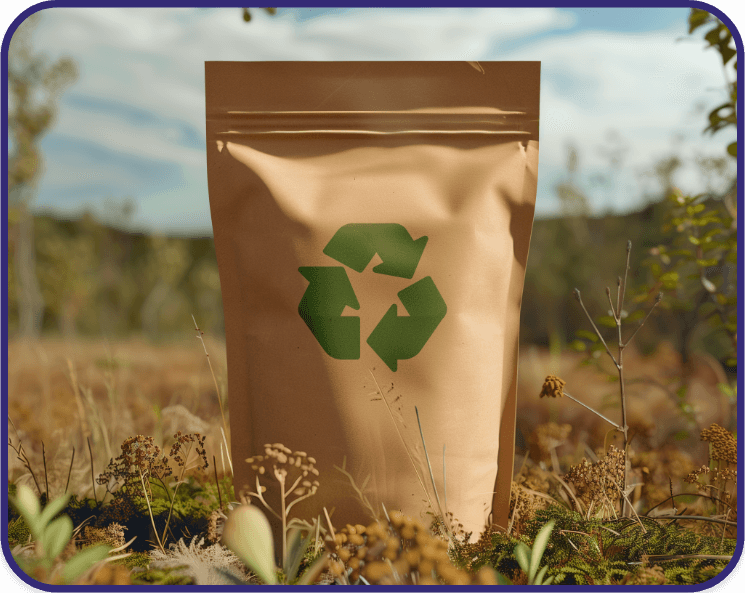
    Multiple kraft paper pouches and green leaves laid out on a white surface, showcasing compostable and sustainable flexible packaging options for eco-conscious brands.A brown kraft stand-up pouch with a green recycling symbol, displayed outdoors in a natural environment, highlighting compostable and environmentally responsible packaging.

    Other environmental days occur on a more recurring basis, like Meatless Mondays, which encourages people to avoid eating meat every Monday. Other environmental days, like Earth Hour, Plastic Free July, or Zero Waste Week occur across a hour, an entire month, or an entire week, respectively. Regardless of when they occur or how long they last, these environmental holidays are a great opportunity for brands to focus on their sustainability and promote important organizations like the Environmental Protection Agency and the United Nations General Assembly. 

    Whether the eco friendly holiday falls on a Friday, Saturday, Sunday, Monday, or any other day of the week, mark it down and prepare to celebrate these awareness days.

    Easy Ways to Honor These Holidays as a Business

    As a brand, there are several ways you can get involved and help combat desertification. First, you can use social campaigns to raise awareness for these important world days, and use the holidays as a way to bring your team closer together (think employee beach clean up days or other fun family outings for a good cause.) Align your sustainable actions with your company goals so your customers have insight into your overarching sustainability goals. 

    If you haven’t yet switched to eco-friendly packaging, there is no time like the present to invest in the future. Whether you manufacture holiday decorations specifically for the holiday season or products used all year long, a greater focus on the environment never goes out of style.

    A trio of plant-themed stand-up pouches with botanical designs and a CarePac kraft pouch in the foreground, emphasizing sustainable and visually appealing packaging for organic products.

    How CarePac Supports Your Eco-Friendly Goals

    At CarePac, we understand that sustainability is more than just a trend — it’s a commitment to the future. That’s why we offer a range of eco-conscious packaging solutions that help your business reduce its environmental footprint without compromising on quality or performance. Our eco-friendly packaging options include recyclable, compostable, and packaging made from plant-based materials, each with its own unique advantages.

    Recyclable Packaging

    Our recyclable pouches and bags are designed to be easy to sort and process in existing recycling streams. This is ideal for brands looking to reduce landfill waste and contribute to a circular economy by using recycled materials.

    Compostable Packaging

    Made from renewable plant-based resources, our cost effective compostable packaging breaks down in commercial composting facilities — returning nutrients to the earth instead of creating lasting waste. Perfect for food, cosmetics, and specialty products.

    Plant-Based Materials

    CarePac offers innovative packaging made with bioplastics derived from sources like corn, sugarcane, and cellulose. These renewable alternatives to petroleum-based plastics help lower your carbon footprint and dependence on fossil fuels.

    Why Choose CarePac as Your Partner in Sustainability?

    At CarePac, our celebration of green holidays isn’t just symbolic — it can (and does!) drive real change. If you’d like to celebrate these international days all year long, whether they take place on a Friday, Sunday, or some other day of the week, now is the perfect time to start. Whether you’re looking for sustainable gift wrap this holiday season or want to add special touches to your eco-friendly packaging with high-gloss features or QR codes, we’re here to help.

    Here are several important benefits of working with CarePac to make your brand more eco friendly and sustainable:

    • Custom Packaging with Purpose – Our design team helps you balance sustainability with functionality and brand appeal. You’ll be able to protect nature without losing your brand messaging. 
    • Low Minimum Orders – Small businesses can go green without over-ordering or creating excess waste. With our low MOQs you can help reduce waste and energy while still having enough packaging to meet the extra holiday demand. 
    • Future-Ready Innovation – We continuously research and add the latest green packaging technologies to our product line. At CarePac, we’re always on the hunt for energy conscious packaging that gets the job done while still protecting the environment.

    Ready to get started? Have questions? Request a quote today to get started.

    Let’s Get Started

    Made In The USA

    Full PouchCustomization

    Scalable Printing Digital & Plate

  • Packaging Seal Integrity Testing: Why It Matters

    Packaging Seal Integrity Testing: Why It Matters

    Packaging Seal Integrity Testing: Why It Matters and How It’s Done

    What is Seal Integrity Testing?

    Seal integrity testing is exactly what it sounds like: it’s the process used to identify quality control issues regarding the seal strength of a package. Packaging seal integrity testing ensures a bag can withstand external pressures and avoid small leaks or issues with internal pressurization. It goes beyond a simple visual inspection and uses a standard test method (or a combination of methods) to verify the package integrity, specifically the integrity of the seal. 

    Many people use the terms “seal strength” and “seal integrity” interchangeably, but they actually refer to two different things. Seal strength refers to the ability of the seal to withstand a specific pressure or load, and seal integrity refers to the ability of the seal to maintain a proper seal and prevent gross leaks. This blog will discuss packaging seal integrity specifically, and why packaging integrity testing can help extend the shelf life of your product.

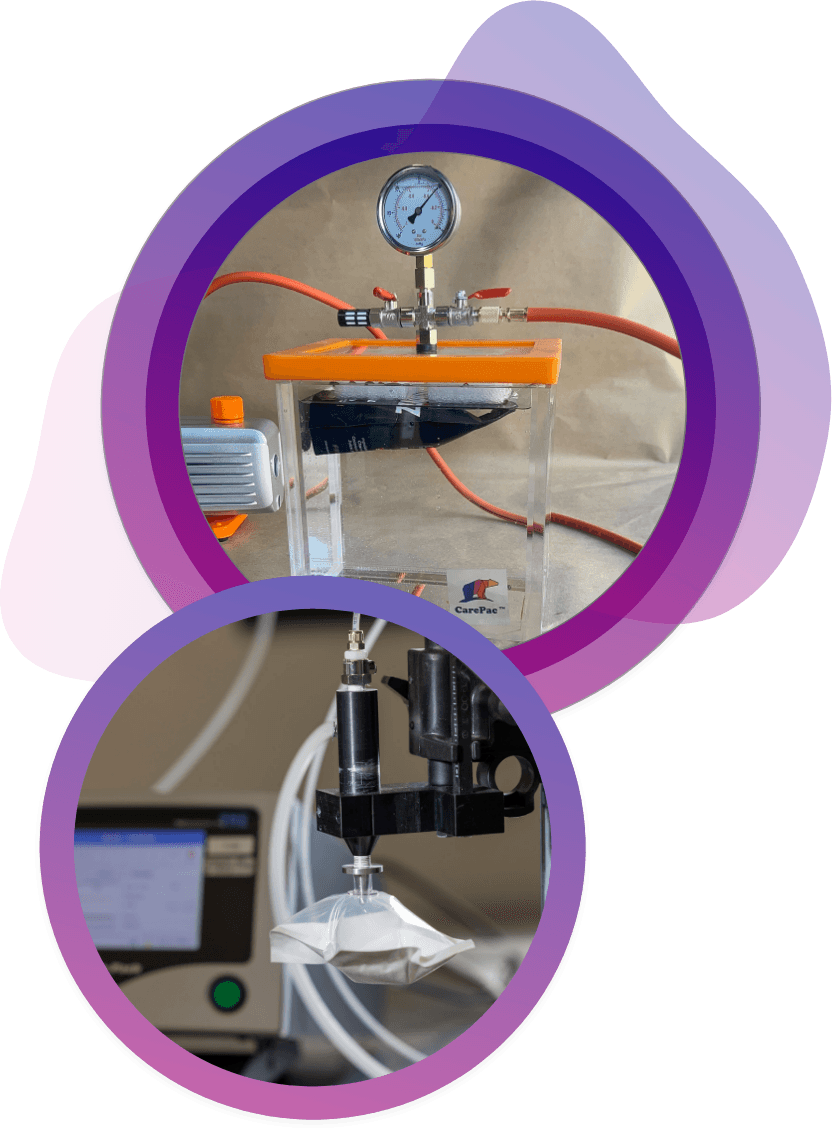
    Vacuum chamber pouch seal test with pressure gauge for flexible packaging durability at CarePac lab

    Why is Seal Integrity Testing Important?

    Seal integrity testing is important for several reasons. This type of flexible package testing can aid with leak detection, ultimately ensuring your product stays safe during manufacturing, transport, and storage. It can also ensure you comply with industry standards and regulations.

    Ensuring Product Safety and Quality

    A compromised seal, regardless of the package shapes, can cause your product to be exposed to various environmental conditions, like moisture and oxygen. This can lead to contamination, which can impact food safety or, if it’s medical packaging, can lead to sickness or death. 

    Meeting Industry Standards and Regulations

    There are several regulatory standards that must be met, particularly in the food and pharmaceutical industries. If you go through package testing and are confident that your seal will stay intact through the life cycle of your product you’ll be in a better position to meet these regulations.

    Extending Shelf Life and Saving Costs

    Testing for seal integrity reduces product waste by identifying weak or faulty seals early in the process — before they become a major problem for you or your customers. This can lead to cost savings and an improved bottom line, since your quality control process will be enhanced with this type of testing.

    Common Methods for Seal Integrity Testing

    There are several popular methods for seal integrity testing, including bubble leak testing and dye penetration testing. We’ll discuss some of the more popular product quality testing methods below.

    Vacuum Decay Testing

    Vacuum decay testing detects leaks in sealed packaging by placing the package inside a chamber, evacuating the air to create a vacuum, and then monitoring the pressure inside the chamber over time. If the pressure rises significantly, this is an indication of a leak.

    Burst Testing and Peel Testing

    This type of leak testing measures the force required to burst or peel a part a sample strip cut from the seal material. This is a popular method of detecting gross leaks in medical or pharmaceutical packaging.

    Bubble Emission Testing

    Bubble leak testing involves submerging the flexible package into a water or solution. The package is then inspected for bubbles. Any issues with the package seal can be identified as a steady stream of bubbles being released by the entire package during testing. 

    One of the most widely used methods for this test is ASTM D3078, the Standard Test Method for determination of leaks in flexible packaging by bubble emission. This method is particularly effective for detecting gross leaks in sealed packaging. The package is submerged in water, and a vacuum is applied to detect leaks by observing air bubbles escaping. It is commonly used in food, pharmaceutical, and medical device industries to ensure package integrity. For more information on vacuum-based leak detection, visit Haug Quality’s Pack-Vac Leak Detectors.

    Watch our video on Bubble Emission Testing

    Best Practices for Seal Integrity Testing

    When it comes to inspecting your packaging materials for leaks or tears, there are several best practices to keep in mind:

    • Conduct regular testing 
    • Make sure to choose the right leak testing method for your product
    • Integrate testing into your production workflow to improve outcomes 
    • Establish clear acceptance criteria 
    • Perform regular calibration checks on your testing equipment 
    • Always use standardized testing method that are suitable for your packaging types

    Make sure to establish a process, and that your entire team is trained on the appropriate testing measures for whatever you’re manufacturing

    Blue food pouch undergoing pressure resistance test with electronic monitoring for packaging strength analysis

    How CarePac Supports Seal Integrity for Flexible Barrier Packaging

    CarePac is a leader in the flexible packaging industry and is proud to provide packaging solutions that are strong, compliant, and of the highest quality. Our packaging expertise focuses on delivering products that meet the strict requirements of various industries, including the food, pharmaceutical, and medical device industries. 

    Our flexible barrier packaging is designed for optimal protection, ensuring that your products remain safe and secure throughout their lifecycle. We place a strong emphasis on regulatory compliance, and our packaging adheres to global standards outlined by the FDA and other relevant regulatory bodies. One of the standout features of our products is our focus on strong, reliable seal integrity. We use state-of-the-art materials and manufacturing techniques that will help extend the shelf life of your products. 

    If you’re ready to start your project or have questions about our manufacturing process, contact us today to get started.

    Vacuum chamber pouch seal test with pressure gauge for flexible packaging durability at CarePac lab

    Let’s Get Started

    Made In The USA

    Full PouchCustomization

    Scalable Printing Digital & Plate

  • How to Package Your Product for National Retailers

    How to Package Your Product for National Retailers

    How to Package Your Product for National Retailers

    Why Retail Product Packaging Matters

    Retail product packaging is incredibly important for the success of your product. Not only does it help your product stand out on the store shelves and acts as an extension of your brand identity, but your overall packaging strategy can actually improve your ROI, help minimize waste, and improve brand recognition by generating consumer interest as they walk through grocery stores.

    If you’re curious about how your product can stand out on grocery store shelves, you’ve come to the right place. In this blog, we’ll dive into how to ensure your product packaging meets national retailer standards for food packaging and will discuss key considerations to ensure your product packaging is ready for retail stores. 

    Whether you’re new to the food industry or are simply looking to enhance store visits for already-popular food brands, we can help! 

    Steps to Ensure Your Product Packaging Meets National Retailer Standards

    Have you ever browsed through grocery shelves and been drawn to a product with especially attractive packaging? Whether you’re showcasing your product at trade shows, on social media, or grocery chains on a national or regional scale, market research shows that you only have one opportunity to attract your target market — and that opportunity is through great packaging design that gives your product a competitive edge. 

    From understanding retail packaging requirements to choosing the right packaging materials, here are some tips for ensuring your product meets national retailer standards and convinces your target audience to make repeat purchases.

    Understand Retail Packaging Requirements (Size Matters!)

    National retailers and local distributors (and wholesale distributors) have specific requirements for their packaging. Some may require that you use recycled materials and others have very specific dimensions you need to meet so the product will fit on their existing store shelf space. Check with the food business, store manager, or store owner for specific requirements your product packaging will need to meet. Luckily CarePac offers totally custom solutions for packaging you can customize the size, configuration, and material to match your needs. We also offer prototyping services so you can be sure you have it right before ordering 100,000. 

    Design Packaging That Stands Out on Store Shelves

    As discussed, your first opportunity to attract potential customers is your product packaging. Whether you use Kraft paper, recycled paper, eco-friendly materials, or other custom solutions, the way your product packaging looks can influence a consumer’s purchase decision heavily. You’ll need to design visually appealing packaging that aligns with your unique brand identity. Make sure to balance your packaging design with functionality and durability — after all, perfectly designed external packaging means nothing if the food items inside spoil due to improper packaging.

    Choose the Right Packaging Materials

    When it comes to packaging design, selecting the right materials cannot be stressed enough. Flexible barrier packaging is the superior choice for most consumer goods, including food products sold at grocery stores. This type of product packaging is durable, fully customizable, and can be made using eco-friendly packaging materials. To browse our full selection of materials, including sustainable packaging materials, please visit our materials page.

    Key Considerations for Packaging Ready for Retail Stores

    Printing and Labeling Requirements

    Whether you opt for eco-friendly packaging or some other type of food packaging, it’s essential that the printing of your multiple products is clear and accurate. You should include any relevant UPC codes, product details, and anything else that might speak to the buying habits of your target audience. We can handle custom printed food packaging for manufacturers of all sizes. Just contact us to get started!

    Packaging That Meets Shipping Demands

    One benefit of working with CarePac for your eco-friendly packaging is we can help food brands ensure their packaging will hold up during shipping and distribution as it heads to grocery stores. In addition to investing in our high-quality packaging, we also recommend using packing peanuts, Kraft paper, and bubble wrap as necessary. This way, your product will be delivered intact while meeting all necessary shipping and industry standards.

    Sustainable Packaging Trends

    Another way to help your product stand out is to meet the demand for eco-friendly packaging solutions. Sometimes customers are even willing to pay a higher retail price in grocery stores if they know the product in question takes sustainability into consideration. If you’re shipping a product, consider skipping the bubble wrap for recycled packaging peanuts or some other kind of sustainable option. We can support your sustainability initiatives — just discuss your desires with us and we can work them into your packaging design.

    How CarePac Simplifies Retail Packaging for Manufacturers

    CarePac simplifies retail packaging for manufacturers by offering custom packaging design that meets retailer standards. Since we specialize in flexible packaging, we provide manufacturers with tailored product packages that not only protect products but also enhance their presentation on the retail shelf.

    With CarePac’s expert custom design services, businesses can ensure their packaging is optimized for functionality and retail requirements. Whether you’re a large enterprise or a small business, CarePac delivers packaging solutions that streamline the manufacturing process, ensure compliance, and meet the unique needs of each retailer. If you’ve gone through a competitive analysis and have consumer feedback to incorporate into your design, just let us know! 

    By choosing CarePac, businesses can improve their packaging strategy with flexible packaging that balances cost-efficiency with high-performance standards. CarePac helps manufacturers stand out on retail shelves while offering durable solutions that support their business goals.

    Packaging Design FAQs for Small Businesses

    Based on customer feedback, online reviews, and sales data, here are some common questions we receive about food packaging and how it can enhance your brand identity in grocery stores. 

    Let’s Get Started

    Made In The USA

    Full PouchCustomization

    Scalable Printing Digital & Plate

  • Navigating FDA & USDA Regulations for Frozen Food Packaging

    Navigating FDA & USDA Regulations for Frozen Food Packaging

    Navigating FDA & USDA Regulations for Frozen Food Packaging

    Why Compliance Matters for Frozen Food Packaging

    Ensuring your frozen food packaging materials meet regulatory standards for food contact substances is important because, at its core, these global and FDA regulations protect the consumer from harm. Since the USDA and FDA regulations for frozen food packaging prevent harmful substances from contaminating food, the food won’t pose a health risk to consumers. These food safety regulations ensure frozen fruits and foods are safe to eat and that the quality of the food doesn’t degrade during storage regardless of its shelf life.

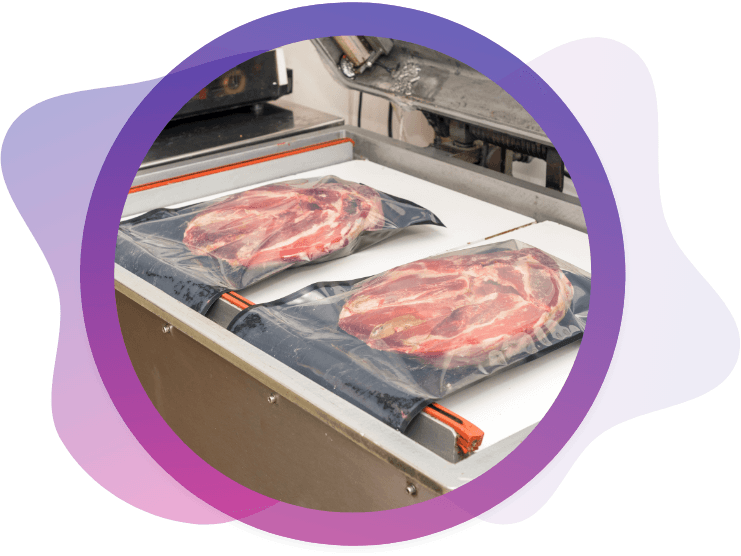
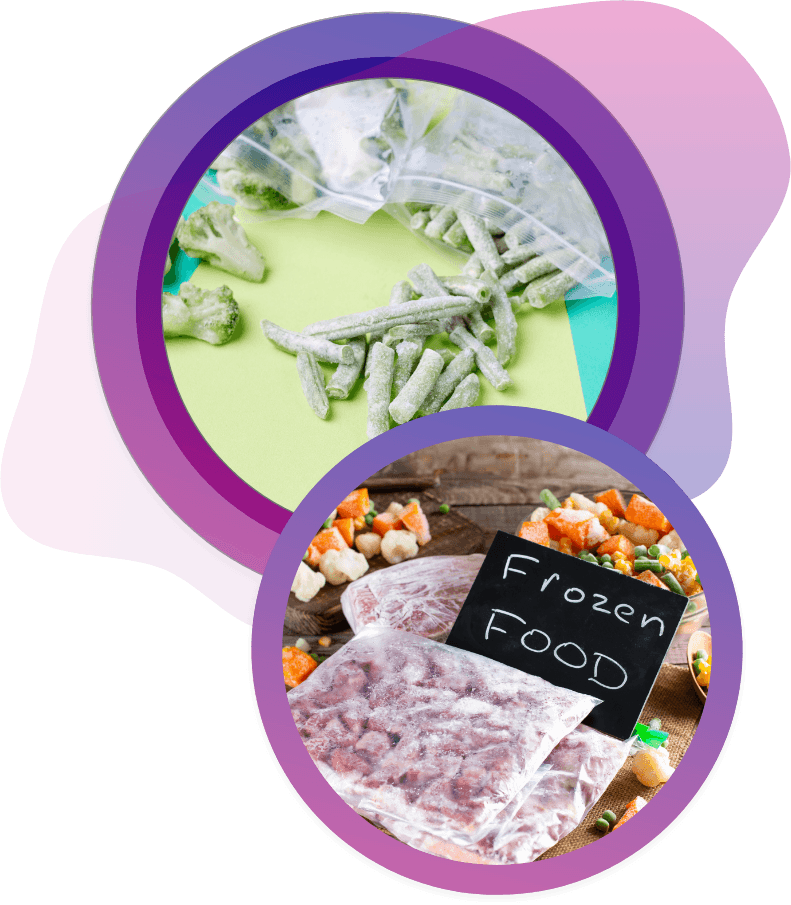
    Frozen cubes of carrots, corn, green beans, and peas stackedVacuum-sealed beef cuts in clear chamber vacuum pouches during industrial food packaging process.

    By complying with the food labeling requirements and other regulations set forth for the food industry, not only are you effectively avoiding litigation due to non-compliance, but you’re helping build trust with your customers. Yes, the Food and Drug Administration sets proper packaging standards to protect the health of consumers, but adhering to these strict regulations plays a crucial role in your brand’s reputation in the market.

    If you’re able to avoid giving your customers foodborne illnesses by ensuring compliance and therefore preventing contamination during the transportation, cooking, or freezing process, this is a well known example of the crucial role packaging plays in customer satisfaction.

    Global Regulations for Food Contact Materials

    Although this blog focuses primarily on the federal food regulations of the USDA and FDA, it’s important to note that several food safety standards for food manufacturing and storage exist globally. From the European Union to South American regulations, here are some of the more popular regulations set for packaging manufacturers on a global scale. These apply to manufacturers of all sizes in these markets, including those that supply and package frozen food for consumers.

    European Union No 10/2011

    Commonly referred to as the Plastics Regulation, this piece of EU legislation establishes safety standards for plastic packaging materials that come in contact with food. These food contact substances have specific requirements for composition, migration limits, and compliance testing. The regulation defines which monomers, additives, and other substances can be used in the plastic materials and has been amended three times to reflect new scientific assessments. Ultimately, it protects consumers from plastic contamination in their food.

    MERCOSUR GMC n 3/92

    This consumer safety regulation establishes protocols for food packaging manufacturers within MERCOSUR (Southern Common Market) countries, including Argentina, Brazil, Paraguay, and Uruguay. Like other safety regulations, this standard defines approved materials, additives, and monomers used in food packaging and requires mitigation testing and harmonization with other standards. MERCOSUR is updated regularly to reflect the latest advancements in food science, and always puts the safety of consumers first.

    Brazil RDC n 91/2001

    Brazil RDC Resolution No. 90/2001 is a regulation issues by ANVISA, and it establishes requirements for food contact substances within Brazil. Like the others, it sets specific migration limits, outlines testing and compliance requirements, and ensures that plastic materials do not alter the taste, odor, or composition of food products. If your company produces or sells food products in Brazil, you’ll need to familiarize yourself with these food packaging requirements.

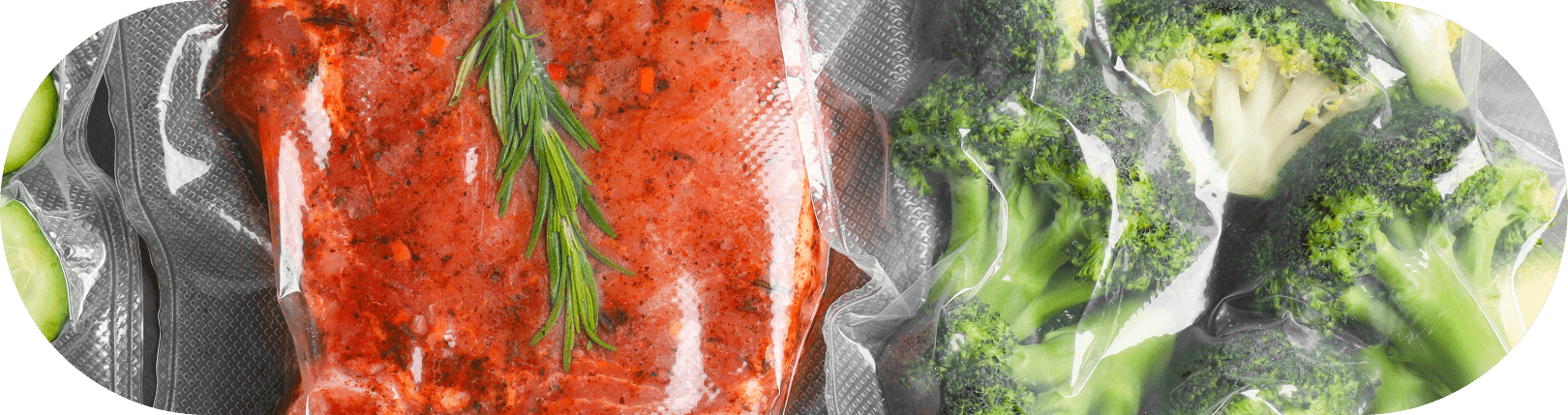
    Vacuum-sealed packaging containing seasoned meat and fresh broccoli in textured high-barrier pouches.

    21 CFR: Understanding FDA Regulations for Frozen Food Packaging

    In the United States, specifically, the FDA maintains Title 21 of the Code of Federal Regulations (21 CFR), which governs food and drug safety, and includes regulations for food contact materials. It is enforced by the FDA. Here, we’ll discuss the key food safety sections relevant to food contact materials.

    Key Sections Relevant to Food Contact Substances

    21 CFR Part 174 – General provisions for indirect food additives, including basic safety requirements. It outlines Good Manufacturing Practices (GMPs) and if a material complies with an existing CFR regulation it doesn’t require further FDA approval. 

    21 CFR Part 179 – This part of the FDA standard regulates the use of ionizing radiation (irradiation) during the production, processing, and handling of food-contact materials. Though it’s not super applicable to packaging materials that come in contact with food, it is still worth mentioning. 

    21 CFR Part 175 – Establishes FDA regulations for adhesives and coatings used in most food packaging (e.g., can coatings, paper coatings). These regulations ensure that these packaging materials do not transfer harmful chemicals to food under normal conditions and during intended use. 

    21 CFR Part 180– Establishes regulations for food additives that are permitted for use by manufacturers in food processing. These substances are sometimes added to fresh and frozen food items, like canned food, to preserve freshness, improve flavor, and extend shelf life. 

    21 CFR Part 176 – Provides safety regulations for paper and paperboard that comes in contact with food. This includes paper-based packaging materials such as boxes, wrappers, bags, and takeout containers that come in direct or indirect contact with food. 

    21 CFR Part 181– Outlines the regulations for substances that are classified as Generally Recognized as Safe (GRAS) when used in food. This part provides the criteria for determining whether a substances qualifies as Generally Recognized as Safe or if it needs to go through the FDA approval process. 

    21 CFR Part 177 – This FDA safety regulation applies to plastic materials and resins. It establishes the requirements for the safety and suitability of polymers used in food-contact applications and lists approved substances and conditions for their use.

    21 CFR Part 186 – Governs the use of polymers and other similar substances as indirect food additives in food packaging, processing, and handling. It ensures that polymers used in food-contact applications are safe and comply with FDA standards for migration limits and material safety. 

    21 CFR Part 178 – Lists food-contact additives, such as antioxidants and stabilizers for packaging, and provides regulations for them. Part 178 includes substances used in the production of food-contact materials such as plastics, coatings, adhesives, and paperboard, and ultimately focuses on preventing contamination. 

    21 CFR Part 189– This outlines a comprehensive list of food ingredients that are prohibited from being used in human food because of their potential to harm human health. This is part of the FDA’s broader effort to ensure the safety of the food supply and protect consumers from contamination and dangerous ingredients or chemicals.

    Key Packaging Considerations for FDA & USDA Compliance

    If you’re currently designing or manufacturing packaging for food manufacturers, here’s how the USDA and FDA regulations impact packaging design and manufacturing.

    Steps to Ensure FDA Compliance

    Ensuring that your food packaging gets FDA approval is essential for consumer safety and the compliance of your company. Here’s a quick checklist that can help you navigate the regulatory process effectively:

    • Identify applicable FDA regulations 
    • Select safe and approved materials and substances for your original packaging 
    • Conduct in-house safety and migration testing, and write down anything worth noting
    • Submit documentation for review and FDA approval 
    • Maintain ongoing compliance by establishing an internal audit process

    By following these steps, you can ensure that your packaging materials meet the requirements outlined by the FDA. Additionally, the food itself should be free from harmful additives and the packaging may need to include nutrition labeling, a breakdown of net quantity, nutritional content, information about the packaging’s environmental impact, nutrition facts, or other information.

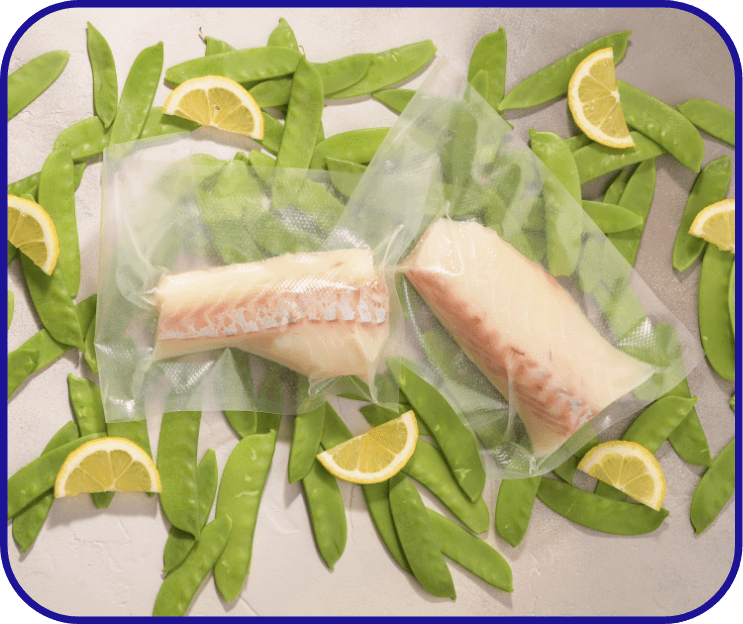
    Clear vacuum pouches with cod fillets, surrounded by snow peas and lemon slices, emphasizing freshness and quality.

    Steps to Ensure Your Frozen Food Packaging is Compliant

    When it comes to ensuring your packaging materials meet the standards set forth for both direct and indirect food contact applications, there are a few things you can do:

    Partner with an Experienced Supplier

    By partnering with an experienced supplier, they’ll guide you towards using materials that don’t require FDA approval, ensuring compliance and product integrity.

    Conduct Migration and Durability Testing

    As discussed in the previous section, you should be testing your products for migration and durability. Additional testing for heavy metals, especially in high exposure applications, can also help.

    Ensure Labels meet FDA and USDA Standards

    Finally, you need to make sure your labels meet FDA and USDA standards; they should include specific labeling requirements like nutritional content or how to store your product for extended periods of time.

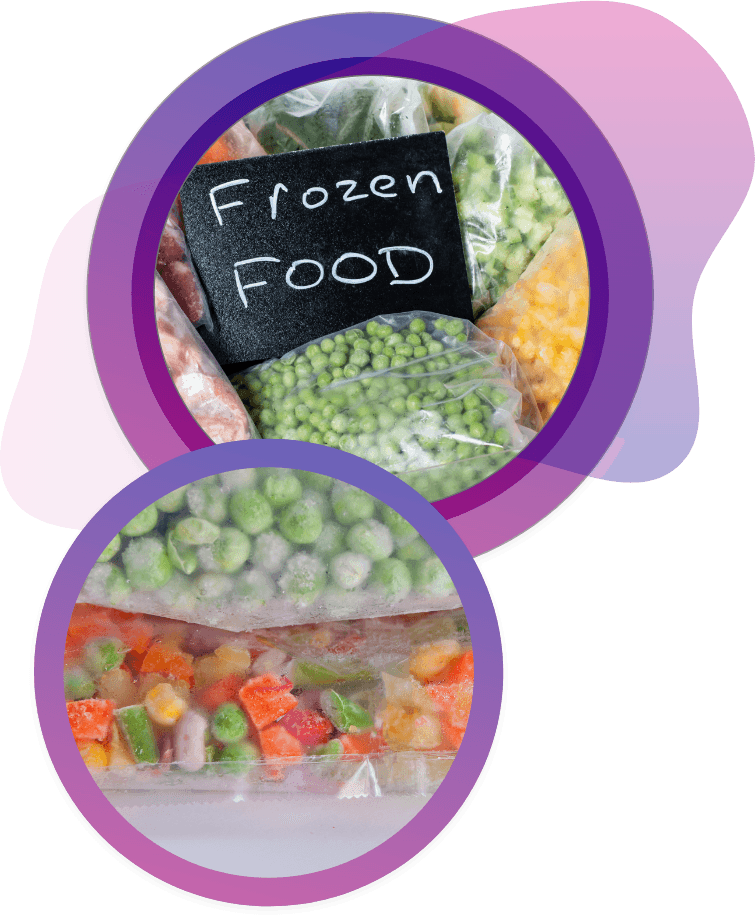
    Assorted frozen vegetables like peas, carrots, and corn sealed in clear flexible packaging labeled “Frozen Food.”Frozen green beans and broccoli in resealable clear plastic vacuum pouches on colorful background.

    How CarePac Helps You Meet FDA Approval

    At CarePac, we understand the importance of compliance with FDA and USDA regulations in ensuring the safety and quality of food products. Our custom flexible barrier packaging solutions are meticulously designed to align with all relevant regulatory standards, offering both protection and compliance for businesses in the food industry. If you’re seeking FDA approval, we can help. 

    If you’re looking for FDA-compliant, USDA-approved packaging solutions tailored to your business’s needs, CarePac is here to help. Whether you need custom designs for frozen foods or other specialized packaging requirements, our team is ready to guide you through the process and provide the best solution for your product.

    Contact CarePac today to learn more about our compliant packaging solutions and how we can help your business stay ahead of regulatory requirements while preserving product quality and safety.

    Food and Drug Administration Packaging FAQs:

    Let’s Get Started

    Made In The USA

    Full PouchCustomization
    Scalable Printing Digital & Plate

  • Prevents Supply Chain Bottlenecks

    Prevents Supply Chain Bottlenecks

    How the Right Packaging Partner Prevents Supply Chain Bottlenecks

    Understanding Supply Chain Bottlenecks

    A supply chain bottleneck is the point or stage in the supply chain where the flow of goods or materials is slowed down or completely obstructed. Supply chain bottlenecks (and production bottlenecks) can lead to delays, inefficiencies, increased costs, and a noticeable decrease in customer satisfaction. In worst case scenarios, these chain disruptions can also lead to a decrease in customer demand.

    Overcoming supply chain bottlenecks and enhancing supply chain resilience is a key pain point for the global supply chain as a whole. Maintaining smooth operations and avoiding supply chain issues is essential for businesses of all sizes, regardless of consumer demand for their products, and learning how to measure supply chain bottlenecks is key. Whether it’s due to labor shortages, less-than-agile supply chains, a lack of personal protective equipment at the manufacturing plant, or poor inventory management, overcoming supply chain bottlenecks is essential. 

    From identifying and resolving bottlenecks in the supply to the role packaging plays in supply chain efficiency, here’s how you can avoid supplier related bottlenecks while still meeting customer demand.

    Identifying & Resolving Bottlenecks in the Supply

    Identifying and resolving supply chain disruptions is crucial for optimizing inventory levels. Strategies can include diversifying suppliers, optimizing internal production processes, investing in new technology, building a resilient supply chain, and continuous improvement re: communication and coordination with all the parties involved in your supply chain. All of these, when combined, can proactively help prevent supply chain bottlenecks, and if a bottleneck occurs, help you react to it more effectively. 

    Though these supply chain bottlenecks and strategies apply to all aspects of your supply chain operations, the rest of this blog will focus specifically on supply chain issues with product packaging and how these issues can lead to inefficient processes and shipping delays.

    The Role of Packaging in Supply Chain Efficiency

    Packaging plays a vital role in supply chain operations and avoiding potential bottlenecks and chain disruptions. It quite literally protects your product during transport and storage, and poor packaging can disrupt your sales, negatively impact the environment because of excess inventory waste or food spoilage, and can overall impact your day-to-day operational costs. But did you know that your packaging choices can actually create potential bottlenecks? Here’s how:

    1. Inefficient Space Utilization

    Oversized or poorly designed packaging can lead to unused space in trucks or warehouses. This leads to an increase in shipping costs and storage requirements. In a day and age where every aspect of supply chain processes is getting more expensive, any extra money spent is a detrimental to your brand.

    2. Damage During Transport

    If you purchase the wrong packaging and it doesn’t provide the right amount of padding or protection, your product will more than likely be damaged during transport. This can lead to returns, replacements, wasted resources, and a decrease in consumer demand if your brand’s reputation is tarnished. This can be especially detrimental if you’re experiencing labor shortages or a lack of raw materials.

    3. Increased Costs Due to Poor Inventory Management

    There is a balance between buying the right packaging and over-spending on packaging that provides too many features that you don’t really need. Plus, over-packaged items can raise production costs and impact profitability since you’ll be spending more on supporting inefficient systems. This is one area where supply chain improvements would be noticeable.

    4. Sustainability Concerns

    In a day and age where customer loyalty is tied to your brand’s ethics, you never want to cause additional environmental challenges with your packaging. Again, there’s a fine line between purchasing just the right amount of packaging vs purchasing excess and letting it go to waste.

    5. Slowed Supply Chain Operations

    Finally, if your packaging doesn’t contribute to effective supply chain management it can slow down processes and lead to inventory delays. While packaging won’t disrupt global supply chains, it can create potential supply chain bottlenecks within your own organization.

    Common Causes of Supply Chain Logistical Challenges

    Common causes of supply chain bottlenecks often come down to human issues (i.e., resource or equipment challenges) and unexpected issues (i.e., unanticipated surges in demand or natural disasters). When it comes to supply chain bottlenecks in the supply of product packaging, specifically, the bottlenecks can usually be categorized into one of the following:

    Delayed Packaging Production & Issues with Modern Supply Chains

    This is one of the inventory related bottlenecks that’s more or less out of your hands. You can plan for the most extreme supply chain challenges and still be surprised by just how delayed the your packaging shipping is. We cannot emphasize freight delays enough — ocean freight is delayed, rail car freight is delayed, and the biggest delay is often intermodal freight. These delays can be caused by labor shortages, unanticipated supply chain pressures, poor manufacturing processes, and a lack of supply chain visibility. Fortunately, there are some things you can do to enhance your supply chain resilience.

    What You Can Do

    First, always have excess inventory. Next, establish strong supplier relationships, in case you need to find an emergency supplier in a pinch. In addition to maintaining optimal inventory levels and taking proactive measures to establish relationships, you should diversify those relationships. This helps add a buffer in case the production processes are delayed due to natural disasters or political strife.

    Enter your text here…

    Poor Packaging Design That Cause Shipping Inefficiencies

    While the previous point is more or less out of your hands, the packaging design is one area that is a supplier or manufacturer’s responsibility. During the design process, you should seriously consider what is going to be shipped, how long it will take to ship, and how it will be shipped. You don’t want to purchase too much packaging or packaging that is too large for your product, but you also don’t want to purchase packaging that is too small or will cause your product to spoil or leak.

    What You Can Do

    Fortunately, not all of this responsibility falls on you, as long as you work with a packaging partner that is accustomed to complex supply chains and can help guide you through the process. By working with a professional and experienced packaging partner, like CarePac, you’re taking the first step towards resolving this issue. Be honest with your packaging supplier about what you need and what you’re hoping to accomplish with your packaging.

    Navigate Supply Chain Bottlenecks With the Right Packaging Partner

    Fortunately, the right packaging partner can help you meet key performance indicators and improve your entire production line. If you’re concerned about your supply chain performance, here’s how your packaging partner can help you establish a more resilient supply chain:

    • Faster turnaround to help meet customer demand
    • Reliable e-commerce supply chain support 
    • Custom packaging solutions for efficient fulfillment 
    • Scalable packaging to adapt to changing supply needs 
    • Customized support to help avoid inventory related bottlenecks

    By partnering with the right packaging provider, you can identify bottlenecks, streamline your production processes, reduce delays, and ensure a seamless supply chain. Whether you need faster turnaround times, dependable support, or scalable solutions, a strong packaging partner helps keep your production line running smoothly—so you can focus on growing your business with confidence.

    Choosing a Packaging Partner That Supports Your Supply Chain

    Selecting the right packaging partner is crucial for maintaining an efficient and resilient supply chain. They can help you streamline processes, avoid raw material shortages and logistics bottlenecks, or eliminate bottlenecks altogether. Whether you’re fearful of limited production capacity due to the tariffs or international strife or are simply interested in increasing production capacity with improved packaging, the right partner can help you avoid chain disruptions while still meeting customer demand. 

    The ideal partner goes beyond just providing packaging—they help identify bottlenecks, optimize workflows, reduce bottlenecks, and adapt to your evolving needs with accurate forecasting, continuous improvement, risk management capabilities, and enhanced production capacity. 

    Look for a provider that offers fast turnaround times, reliable supply chain support, and scalable solutions that grow with your business. With the right packaging partner, you can meet consumer demand, enhance efficiency, minimize disruptions, and keep your operations running at peak performance.

    Conclusion: Overcoming Supply Chain Bottlenecks with Smart Packaging

    A well-optimized supply chain depends on more than just sourcing materials or identifying supply chain issues—it requires continuous improvement and strategic partnerships that enhance efficiency and adaptability. By choosing a packaging provider that offers reliable support, custom solutions, and scalability, you can mitigate production bottlenecks and keep operations running smoothly. And, if a bottleneck occurs, you’ll be able to react to chain disruptions more quickly and effectively.

    To ensure your packaging aligns with your supply chain goals, evaluate potential partners based on their responsiveness, flexibility, and track record in supporting businesses like yours. Look for a provider that understands your industry’s challenges and can offer tailored solutions that grow with your needs. Investing in the right partnership today can lead to long-term operational success.

    If you want to stop supply chain bottlenecks with improved inventory management and better packaging, contact us today to get started.

    Lets Get Started

    Made In The USA

    Full PouchCustomization
    Scalable Printing Digital & Plate