Author: Heather Terry

  • Reduce Lead Time in Supply Chain

    Reduce Lead Time in Supply Chain

    How to Reduce Lead Time in Supply Chain: Strategies for Faster Operations

    What is Lead Time in Supply Chain Management?

    In supply chain management, lead time refers to the total time required to move a product or material from the initial order placement to its delivery. In the case of product packaging, specifically, it’s the time you spend waiting for your packaging to be delivered to your door after you finalize, confirm, and pay for your order. 

    It’s important to note that several types of lead times are incorporated into supply chain processes: supplier lead time (also called production lead time), transportation lead time, and customer lead time. All have an impact on customer satisfaction, but none as much as customer lead time. 
    Excessive production lead times in your supply chain can impact costs, customer satisfaction, and overall operational efficiency. Several key factors can cause excess supply chain lead times including issues with shipping disruptions, labor shortages, production constraints, and poor demand forecasts. 

    In this blog, we’ll discuss just a few ways to streamline the supply chain lead time for your product packaging and how working with a company like CarePac can help give you a competitive advantage, meet customer demand, and reduce manufacturing lead time in your supply chain.

    Streamlining Packaging Procurement to Reduce Lead Time

    By taking a proactive approach to packaging procurement, you can minimize your supply chain lead time and keep your production schedule on track. Working with a reliable partner like CarePac ensures consistent quality and final delivery in a timely manner. Strategies like bulk purchasing, pre-planning, and local sourcing further optimize lead times and improve production efficiency. A well-structured packaging strategy not only helps you optimize inventory management, but also strengthens your overall supply chain, allowing you to meet customer demand with confidence.

    Many customers work with unreliable suppliers who promise high-quality, inexpensive packaging that’s produced extremely quickly and produced by a promised delivery date. Unfortunately, you can really only have two and this is why effective supply chain planning is so important. You don’t want issues with your packaging procurement process or supplier performance to lead to lost sales, excess stock, and unhappy customers. Your supply chain and customers are precious — treat them that way.

    Inventory Optimization: Reduce Lead Time Delays with Better Inventory Management

    Did you know that you can reduce supplier lead time delays with a better inventory management system? By leveraging key performance indicators such as total cost analysis, historical data, real-time tracking of inventory levels for your finished product, advanced forecasting algorithms to predict your future demand, and market trends, you’ll be able to order just the right amount of packaging and avoid overstocking or understocking, both of which can have a detrimental impact on your entire supply chain and cash flow. One of the best ways to reduce lead times is to establish appropriate ones.

    A couple popular value stream mapping and inventory optimization strategies used by inventory management professionals are Just-In-Time (JIT) and Safety Stock. Both use a mix of historical sales data to reduce lead times and enhance your competitive edge with your supply chain operations.

    Just-In-Time (JIT)

    This supply chain strategy aims to minimize excess inventory and reduce lead times by ordering goods and raw materials only when they are needed. This reduces storage costs and waste but requires accurate demand forecasting and reliable suppliers to avoid supply chain shortages or negative impacts to your production process or lead times. Many businesses eliminate waste by using the JIT strategy to identify when it’s time to make bulk purchase orders for raw materials or product packaging.

    Safety Stock

    This supply chain strategy maintains a buffer of inventory (“safety stock levels” or “stock outs”) to account for unexpected demand fluctuations or supply chain disruptions, ensuring availability even when there are delays in delivery expectations. One of the disadvantages of maintaining safety stock levels is that it can potentially increase storage costs, especially if you’re purchasing from multiple suppliers.

    Relationships with Local Suppliers: How to Ensure Faster Lead Times

    Another factor of supply chain management that can lead to excess inventory or impact lead times is issues with internal and external communication. If you aren’t talking to your internal team about your operational efficiency or discussing lead time expectations with your product packaging team, how would you even know what the expected lead time is, let alone that you need to reduce lead times? 

    By keeping the line of communication open, you can also negotiate faster turnaround times and secure priority treatment. Ask your existing product packaging supplier for a lead time menu so you have accurate lead times and can incorporate these lead times into your production process. 

    Finding backup suppliers is also incredibly important to keep your production schedules on track. You should find key suppliers and multiple vendors in different areas of the United States (and world.) This way, your manufacturing processes won’t be delayed if there’s natural disasters, issues with raw material procurement, or labor shortages. If you want to optimize inventory management, establishing additional supplier relationships is one area that’s often overlooked.

    Leveraging Supply Chain Software & Demand Forecasts to Improve Inventory Lead Time

    If you have extended lead times that you want to reduce (whether it’s raw material lead time or your packaging lead time), leveraging supply chain software can help improve your production process. These tools provide real-time insights, optimize ordering schedules, and prevent stock shortages, ensuring a smoother production flow. 

    Partnering with a reliable packaging provider like CarePac further strengthens your supply chain by offering consistent lead times, flexible ordering options, and dependable support. By combining technology with the right packaging partner, you can streamline operations and keep production running efficiently. Have questions about how your product packaging can help reduce lead times? Take a look at our convenient lead time menu or contact us today for more information.

    Let’s Get Started

    Made In The USA

    Full PouchCustomization

    Scalable Printing Digital & Plate

  • Smart Cost Reduction Strategies for High-MOQ Packaging

    Smart Cost Reduction Strategies for High-MOQ Packaging

    Smart Cost Reduction Strategies for High-MOQ Packaging

    With talks of a recession looming and prices for virtually everything reaching astronomical highs, many organizations are looking into cost savings measures, including how to reduce packaging costs and shipping costs. From making an effort to reduce labor costs to removing inefficient manufacturing models, there are quite a few ways for companies of all sizes to improve their warehouse operations and packaging process. 

    If you’re looking for ways to reduce expenses and shipping costs, one area to explore is your packaging strategy, including your current packaging expenses and packaging process. From packaging materials to your shipping operations, you can experience significant savings in this area. In this blog, we’ll explore the challenges of high-MOQ packaging costs, and some proven strategies for reducing packing costs and material waste.

    The Challenge of High-MOQ Packaging Costs

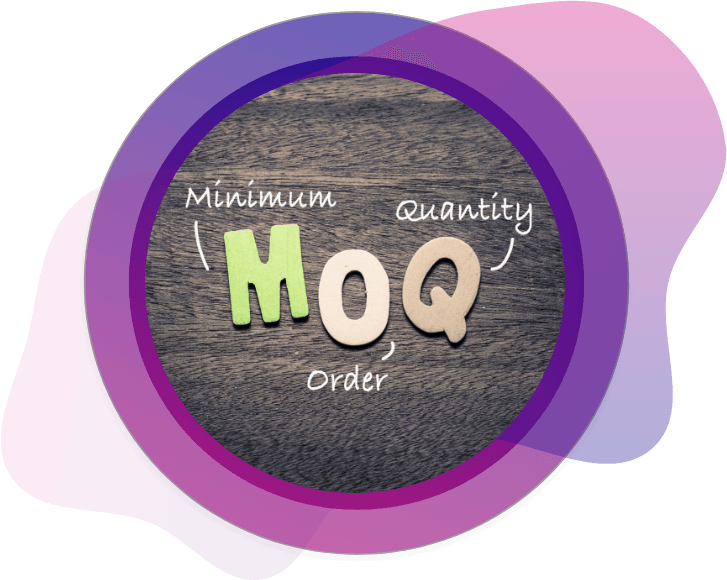
    Minimum order quantity (MOQ) packaging has many challenges. First, you need to commit to a certain packaging threshold before you can even move to the next step of the packaging process: product packaging design. Next, you need to figure out how to maximize packing space in your warehouse so you aren’t wasting money on warehouse space you don’t actually need. 

    Fortunately, CarePac has expertise in providing cost-effective solutions for businesses with high MOQ needs. If you need high volumes of packaging, we can offer significant cost savings by looking at things like packaging materials and design and customization costs.

    Understanding the Cost Drivers in High-MOQ Packaging

    The main cost drivers of high-MOQ packaging is packaging materials and the cost of designing custom packaging. Here, we’ll discuss how each impacts your packaging strategy a bit more in depth. 

    Packaging Materials & Their Impact on Costs

    Materials play a pivotal role in determining overall packaging expenses, as they directly affect both the production costs and the long-term sustainability of packaging solutions. The cost of raw materials can vary significantly depending on their type and quality, and different materials require specific processing methods that may be more (or less) expensive than others.

    Here are some of the key material packaging strategy for reducing cost of the packaging.

    Reduce packaging materials by reducing thickness: Thickness of your film can directly corollate to direct costs and indirect costs like transportation costs because thicker material is heavier. A bit of time and money spent doing R&D on what the minimum thickness you need is, can save you thousands of dollars over time. Have you researched if a 3mil film can work in your application as well as 4 mil film? Luckily with CarePac’s prototyping services you can test out actual bags before major orders.

    Change lamination structure: Sometimes the solution is not to reduce thickness, but to change the lamination structure. Incorporating a variation in the material used can reduce costs without sacrificing performance. A common source is by adding or removing coatings, like EVOH, PVDC, and more.

    It’s important to balance the above with the durability of the packaging. Durable packaging holds up better during the shipping processes, so you can minimize waste from having to throw away your product if it opens or spoils during shipping. Using recycled materials, like corrugated cardboard or mushroom packaging that reduce your carbon footprint can also have an impact on your costs.

    Design and Customization Costs

    Design features and customization play a significant role in influencing packaging costs, as they impact the complexity, material usage, manufacturing processes, and the overall efficiency of packaging. The more complex your packaging design is, the more expensive it will be to produce. While customization and branding is important within the packaging industry, it does increase the cost of packaging. Next, using bulky packaging that isn’t made from sustainable packaging materials can increase your waste management costs. 

    If you aren’t thinking about the complexity of your packaging solutions and how the bulkiness of your product packaging might be increasing shipping costs, now is the time to start considering the impact of these on your bottom line.

    Proven Strategies to Reduce Packaging Cost

    If you’re concerned about high packaging costs, there are several things you can do to improve your packaging operations. In this section, we’ll discuss ways to reduce packaging costs and shipping expenses with better product packaging solutions.

    Optimize Packaging Specifications

    Your product packaging should be perfectly sized for the product it’s intended to contain. You shouldn’t be wasting money on high material costs by using more packaging than you really need. At the same time, though, you shouldn’t be having to throw away perfectly good corrugated cardboard boxes or bubble wrap because it’s too small for your product. A custom-fit, right-sized package helps you save money on shipping costs, too. 

    The benefits of optimizing packaging specifications trickles down to your customers, too. They’ll appreciate packaging that fits the product well, and won’t have to deal with the frustration of poor packaging materials that impact the quality and functionality of their product.

    Streamline Production and Supply Chain Management

    If you’re looking to reduce packaging cost, collaborating with collaborators is a critical strategy. It can help you reduce lead times, lower costs, and can ultimately lead to improved customer satisfaction. Work with your partners to forecast your company’s needs and produce packaging materials in advance. Improving your communication can help prevent out-of-stock items, rush orders, or last minute production needs that can cause the cost of packaging to skyrocket. 

    At the end of the day, streamlining production and supply chain management can help businesses just like yours secure better pricing, make lead times more favorable, and can help reduce the risks of delays or fluctuations in price.

    Leverage Cost-Effective Printing Solutions

    When trying to reduce packaging costs, businesses must weigh the pros and cons of digital printing and plate printing. Both methods have their unique advantages and disadvantages, especially when it comes to the per-unit-cost of your heavy, mid, and lightweight packaging.

    Digital Printing

    Digital printing uses digital files to print onto a variety of materials, including eco-friendly and sustainable materials. It has lower setup costs, more flexibility and customization, a faster turnaround, and typically has low MOQs. It does have some disadvantages, though, namely it has a higher per-unit cost for large quantities, has limited material options, and a lower print quality. It’s best for short runs or projects where quick turnarounds and customization is important.

    Plate Printing

    Plate printing is a more traditional printing process for the packaging industry, and involves transferring ink from a metal plate onto the printing surface. It’s the most common printing method for high-volume materials, like books made from recycled paper and plastic bags. Its advantages include a lower cost per unit at high volumes and a higher print quality, making it ideal for larger runs. It does have higher set up costs, longer lead times, and less flexibility, but these higher packing costs are offset by its many advantages for high-MOQ packaging.

    The Role of Shipping and Fulfillment in Cost Reduction

    Shipping expenses and fulfillment costs play a crucial role in the cost of your packaging solutions. By making your shipping and fulfillment processes more streamlined, you can reduce both labor and material costs. Here, we’ll explore how you can reduce shipping costs via packaging optimization and how you can cut costs on warehouse space by keeping a better eye on your inventory.

    Reduce Shipping Costs Through Optimized Packaging Design

    We don’t have to tell you that using proper packaging like lightweight packaging costs less than big and bulky packaging. Lighter packaging reduces the weight of your shipments, allowing you to reduce shipping costs throughout your packaging supply chain. Compact packaging also reduces the amount of money you need to spend on warehouse space, which is one cost saving measure that’s often overlooked. Finally, optimized packaging operations means spending less money on filler materials, helping you make sustainable packaging and shipping processes the core of your focus.

    Warehouse Efficiency for High-MOQ Inventory

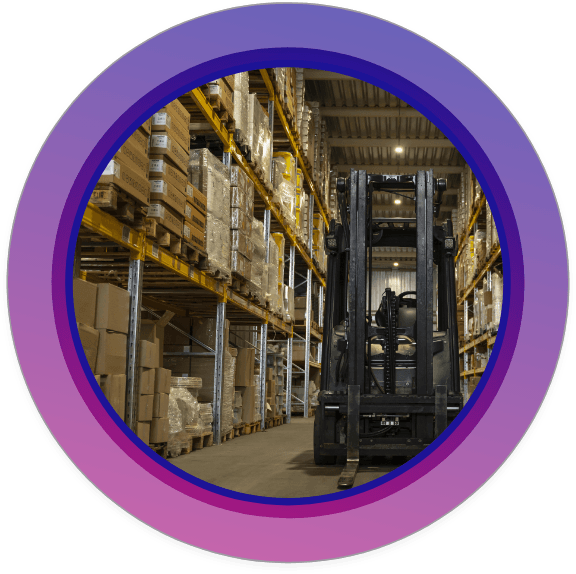
    One of the best ways to reduce packaging costs is to look at your warehouse space and related labor costs. Stacking inventory strategically is one packaging strategy that can help you reduce costs and enhance your shipping operations. Utilizing proper storage systems, like shelving units or customized racks, can help keep your inventory (i.e., plastic packaging, eco friendly packaging, and stuffing materials) organized and always within reach. 

    Regularly rotating your stock and investing in automated packaging lines can reduce costs across the board. The time you spend improving your warehouse efficiency can result in other improvements, including improving your shipping efficiency, and reducing your transportation costs.

    Why CarePac is the Ideal Partner for High-MOQ Packaging

    Partnering with CarePac for your high-MOQ packaging is one of the best steps you can take when it comes to reducing waste. We are able to offer competitive pricing for large orders by leveraging our strong packaging supplier relationships and eco friendly practices. We have fast turnaround times, which can help you meet your high-volume demands with ease. Finally, we prioritize using eco-friendly and sustainable packaging solutions. 

    Through these strategies, we can provide a comprehensive, cost-effective solution for businesses needing high-MOQ inventory, ensuring both operational efficiency and environmental responsibility. Contact us today!

    Let’s Get Started

    Made In The USA

    Full PouchCustomization
    Scalable Printing Digital & Plate

  • Packaging Procurement Strategy: Choosing the Right Packaging Partner

    Packaging Procurement Strategy: Choosing the Right Packaging Partner

    Packaging Procurement Strategy: Choosing the Right Packaging Partner

    What is a Packaging Procurement Strategy?

    A packaging procurement strategy is a systematic approach to sourcing and acquiring packaging materials and supplies. At its core, the packaging procurement process aims to find a balance between cost-effectiveness, material quality, and operational efficiency. 

    A company’s packaging procurement process impacts several areas of the business, including supply chain resilience and overall business performance. When done correctly, it can also improve their competitive advantage, help streamline operations, and enhance their sustainability goals. 

    Businesses need to take a structured approach to their packaging procurement efforts because it plays a vital role in every business operation. Key elements include supplier collaboration and selection, material sourcing, quality assurance, logistics, and technology. If your business puts an emphasis on customized packaging solutions, it’s time to consider implementing a packaging procurement strategy.

    How to Establish Your Packaging Procurement Process

    Are you looking to improve your existing packaging procurement process? If you want to enhance supply chain resilience by improving your packaging solutions, here are some tips.

    Evaluate Your Current State

    Before you can make more efficient packaging procurement for your company, you’ll need to evaluate where you’re currently at. To thoroughly assess the current state of your packaging procurement, you can analyze your spending trends, identify your key suppliers, and honestly assess your current process. Identify what’s working, what’s not, and what you think can be changed.

    Engage Team Members Across the Company

    Evaluating or finding a packaging supplier is a cross-functional process that involves every part of your organization. If you’re evaluating packaging material quality and other packaging details on your own, consider using collaboration tools like a shared document or project management software to get others involved. You should be regularly reviewing your processes with others on an ongoing basis.

    Analyze Your Current Packaging Solutions

    From packaging printers to the different suppliers involved in designing and manufacturing your packaging solutions, you need to make sure to assess the capabilities of your existing procurement teams. What are their strengths and weaknesses?

    Minimize Planning Fallacy

    Planning fallacy isn’t often discussed, but it’s a major issue within the packaging industry. It also impacts everyone from procurement teams to the print provider and everyone in between. People always underestimate how long it will take to get packaging. They underestimate the utilization and almost always purchase less than they will actually use. This is one major benefit of working with a packaging partner with a lead time menu.

    Develop a New Framework

    Now that you’ve analyzed your existing state, gotten various stakeholders’ feedback, and understand the impact planning fallacy has on your packaging supply chain, it’s time to use all that intel to develop a brand new framework. Things to include: a clear strategic sourcing process, your desired results, a clear timeframe, define roles and responsibilities for various team members, and any technology solutions you’ll be using as part of your new strategy.

    Execute, Execute, Execute

    With a clear strategy in place, the final step is execution. Communicate the strategy, make sure your employees are trained, assign responsibilities, and monitor progress. Consider outside elements like customer satisfaction, transportation costs, a customer’s location, your carbon emissions, and other aspects as you execute your new packaging vision.

    Managing Inventory for Packaging Success

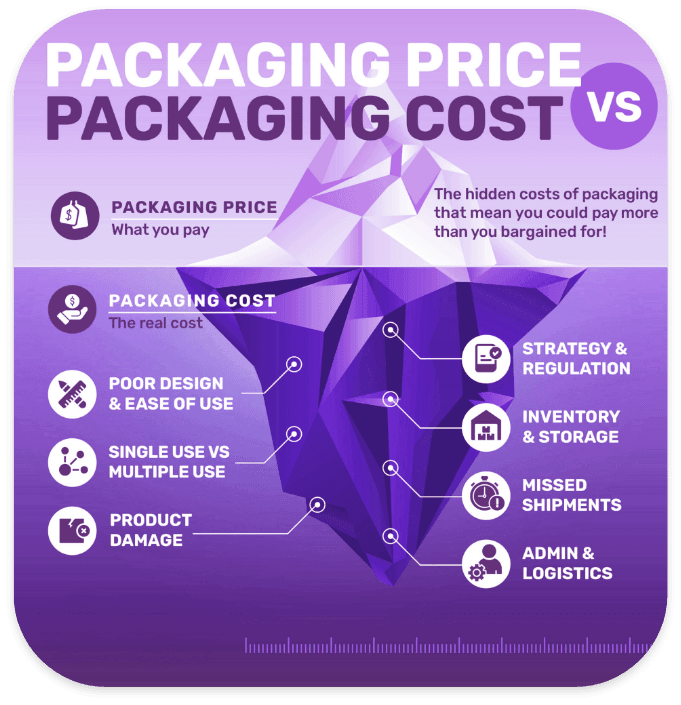
    Managing inventory properly is an essential part of the packaging process. You want to source eco friendly packaging materials in the right volume, so you aren’t running out of packaging too quickly. But, at the same time, you don’t want to purchase too many packaging materials and have to pay extra for storage. There is a fine balance, which is why minimizing planning fallacy is so important. 

    By working with a professional and experienced packaging supplier, you can avoid some of these pitfalls. Leverage their tools and expertise and seek advice on the right packaging materials (and volumes) for your job.

    The Role of Software in Packaging Procurement Strategy

    So, you’ve found the best packaging supplier and have ensured your packaging solutions align seamlessly with your company’s larger goals. If you’re not using a procurement software solution, it’s time to enter the 21st century. A robust procurement process utilizes technology, like specialized software, to enhance their organization’s procurement strategy. 

    Look for procurement software that’s functional, scalable, user-friendly, can integrate with your existing platform of tools and technology, and offers robust security features.

    Choosing the Right Packaging Supplier for Your Business

    Selecting the right packaging supplier is just as important to your procurement strategy as finding opportunities to reduce costs or enhance your brand image. Whether you’re seeking food safe folding cartons, packaging that meets the regulatory compliance standards in your industry, or hope to find packaging options that will help minimize waste, finding a packaging supplier you can trust is key.

    When evaluating potential partners, consider these essential factors: 

    Materials​​​​

    Does your packaging provider offer high quality materials? What about eco friendly materials that can help enhance your sustainable practices? Your supplier should offer packaging to suit your diverse product lines, and should offer several options to support consumer preferences.

    Customizabili​​​​ty

    If your packaging partner can’t customize your packaging to enhance your brand’s essence, it’s time to find a new partner. A good supplier should offer tailored solutions, including sizing, printing, and design flexibility. 

    Production & Lead Times

    If your supplier isn’t consistent with their delivery schedules, it’s time to find one who is. We provide a clear lead time menu so you know exactly what to expect and how long you’ll be waiting for your finalized design files and packaging.

    How CarePac Delivers Tailored Packaging Solutions

    We specialize in custom, flexible barrier packaging designed to meet the unique needs of businesses across industries. With a focus on quality, compliance, and customization, CarePac helps brands create durable, visually appealing, and functional packaging solutions. Whether you need stand-up pouches, child-resistant bags, or eco-friendly alternatives, CarePac offers flexible MOQs, fast lead times, and expert guidance to ensure your packaging aligns with your business goals.

    Want to learn more? Explore our custom packaging solutions today!

    Let’s Get Started

    Made In The USA

    Full PouchCustomization
    Scalable Printing Digital & Plate

  • Contract Converting Services Tailored to Your Packaging Needs

    Contract Converting Services Tailored to Your Packaging Needs

    Contract Converting Services Tailored to Your Packaging Needs

    What is Contract Converting?

    Contract converting is the process in which manufacturers (like you) outsource their converting needs to a third-party provider (like us). Instead of doing all the converting in-house themselves, manufacturers can ship their materials to a third-party company that will convert the materials on their behalf. It’s easy, cost-effective, and can help free up time to focus on important pursuits like gaining more customers or improving your cashflow.

    CarePac’s Converting Capabilities

    CarePac is proud to be expanding our service offerings to include several common contract converting services for laminated barrier plastics, including:

    Slitting

    If you’re seeking a high quality custom slit, we can certainly help. Send your materials to us and we’ll help you cut wide rolls of material (Kraft paper, film, foil, fabric, etc) into narrower rolls or slits. Contact us to learn more about our custom slitting options.

    Laminating

    We offer solventless laminating of printed and non-printed skins to base materials such as VMPET, AL, or NY.

    Die-Cutting

    We can help cut, shape, and form your raw fill stock into specific shapes or patterns through our die-cutting contract converting services. Whether you need die-cutting for pouches big or small for your retail or promotional items, contact us today to learn more.

    Converting

    Most importantly we offer pouch converting of your roll stock into finished pouches.

    Stand Up Pouches

    Flat Pouches

    Other Pouch Configurations

    At CarePac, we have access to state-of-the-art equipment and use the latest technology to help support you with your contract converting services. Whatever challenge you have, contract it to us and we’ll offer you exceptional service and quick turnaround.

    Industries We Serve

    There are several industries that can benefit from CarePac’s converting services, including food and beverage, health and wellness, beauty and personal care, pet food, and industrial applications. We offer tailored solutions for specific industry needs, and will earn our customer trust by listening carefully to their needs. For a full look at the industries served by CarePac, browse our website.

    Why Choose CarePac for Contract Converting?

    By partnering with CarePac, businesses can tap into the company’s extensive experience and expertise in converting materials and packaging. Here’s a deeper dive into the key benefits of partnering with CarePac for contract converting:

    Expertise and Experience in Packaging and Converting

    We bring decades of industry knowledge and technical expertise to the table, meaning we can handle complex converting processes with precision and efficiency.

    Commitment to Quality and Precision

    CarePac is committed to maintaining high-quality standards across all our contract converting services, ensuring that every product produced meets or exceeds client specifications, carefully executing with precision each toll converting job.

    Flexible and Scalable Solutions

     We understand that businesses have unique needs that can vary in scale, and we’re equipped to meet the demand. We can cater to short-run, custom orders as well as large, long-term projects with seamless scalability.

    Cost-Effective Services

    Partnering with CarePac provides cost-effective solutions without compromising on quality. Our production processes and inventory of high quality stock available for shipment allow us to offer competitive pricing on our converting services.

    Quick Turnaround Times

    Time is often a critical factor in business, especially when it comes to packaging and converting. We’re proud to offer quick turnaround times without sacrificing quality.

    Other converters might claim to offer all of the above, but our technical abilities go beyond what many other converters are able to offer. From our distribution logistics management to our knack for precision and exceeding expectations, we’re a cut above our competition.

    Our Process 

    Here’s a quick look at how we handle our contract converting projects:

    Initial Consultation and Needs Assessment

    The first step is understanding your requirements and objectives. During our initial consultation, we’ll work with your team to assess your needs.

    Material Selection and Sourcing

    With a clear understanding of your needs, we’ll move forward with selecting the most suitable materials for your project.

    Custom Converting Process

    Whether it’s slitting, laminating, printing, sheeting, or other specialized converting processes, we use advanced equipment and techniques to produce high-quality results.

    Quality Control and Assurance

    Quality is a top priority throughout every phase of the converting process and our dedicated quality control team inspects the materials, processes, and final products to ensure everything is defect-free.

    Packaging and Delivery

    We ensure that the final products are packaged securely and according to your specific requirements and coordinate the timely and efficient delivery to ensure that your products arrive on schedule and in perfect condition.

    Get Started with CarePac’s Contract Converting Services

    Are you ready to streamline your manufacturing process, improve product quality, and enhance your packaging solutions? At CarePac, we offer comprehensive contract converting services tailored to your needs, helping you transform raw materials into finished products that meet your exact specifications. Contact us today to get started.

    Contract Converting FAQs

    Can CarePac customize converting services to fit my needs?

    Absolutely! At CarePac, we understand that every project is unique, and we pride ourselves on offering customized converting services tailored specifically to your requirements.

    What Quality Control measures are in place?

    We are deeply committed to delivering high-quality products, and we have rigorous quality control measures. These measures include material inspection, quality testing, and final inspection.

    What is the typical lead time for contract converting orders?

    A typical lead time for contract converting orders can range from 2 to 4 weeks, depending on the complexity of the product and the volume of the order. This range can be shorter or longer, depending on several factors, so please contact us for a better idea of our lead times for your specific project.

    Let’s Get Started

    Made In The USA

    Full PouchCustomization
    Scalable Printing Digital & Plate

  • Meeting Food Safety Standards for Large-Scale Distribution

    Meeting Food Safety Standards for Large-Scale Distribution

    Meeting Food Safety Standards for Large-Scale Distribution

    Why Food Safety Standards Matter for Large-Scale Distribution

    Food safety is critical for large-scale operations because it protects consumers from potential hazards, can help prevent cross contamination, and reduce the likelihood of food-borne illnesses from inefficient processes or dirty equipment. Not only do food safety regulations protect consumers, but good manufacturing practices can protect food manufacturing companies from legal repercussions and severe damage to their reputation. 

    Regular inspections, refresher training courses, adhering to regulatory requirements, routine pest control, proper storage processes, equipment inspections, and good record keeping can reduce food safety risks and enhance consumer trust. Risks of non-compliance with established regulations for food manufacturing facilities include product recalls, health hazards due to an increased risk of cross contamination, legal issues, and a loss of consumer trust. 

    Fortunately, a comprehensive food safety manufacturing plan, including proper packaging and distribution practices across the food industry, is essential to preventing food-borne illnesses and maintaining consumer confidence. Even if your customer will end up cooking the food, the bulk of food safety falls on food manufacturing companies.

    Key Food Safety Regulations for Large-Scale Distribution

    Major food safety regulatory bodies in the United States include the FDA, USDA, and the Food Safety Modernization Act. These regulatory bodies provide general guidelines for food safety across many aspects of the food industry, including food production and food manufacturing, how raw materials are handled during manufacturing and distribution, and safe food handling practices. Below we’ll discuss a little more about these food safety procedures and processes.

    FDA Food Safety Standards

    The food safety guidelines outlined by the FDA focus on proper food manufacturing processes, including sanitation, hazard analysis, and critical control points for food production facilities. The FDA has very specific regulations for different food categories, including seafood, juice, frozen food, and quality standards for other foods. They also regulate the proper temperature a food thermometer needs to reach to prevent foodborne illnesses and things like avoid thawing chicken under cold water.

    Food Safety Modernization Act (FSMA)

    The Food Safety Modernization Act requires food facilities to develop and implement food safety plans and tips with hazard analysis and risk-based preventive controls. Key components of the FSMA include regulations for handling fresh produce and specific food safety temperatures during transportation.

    USDA Food Safety Requirements for Meat, Poultry, and Dairy

    The USDA food safety regulations focus on meat, poultry, and dairy specifically. Their corrective actions include mandatory inspections of meat and poultry processing plants, which includes pathogen testing and grading based on manufacturing quality. Not only do they focus on the food production process, but they also have strict guidelines for distribution of food products, so the meat, poultry, and dairy products are regulated throughout the supply chain.

    Food Safety Packaging Best Practices for the Food Industry

    When it comes to food packaging and safety, specifically, there are several food safety best practices to keep in mind. These are intended to protect the safety and quality of food products as they make their way through the supply chain. Below are a few things to keep in mind:

    Choose the Right Packaging Materials

    To adhere to the critical control points for food packaging, you’ll need to choose packaging that’s FDA-approved, durable, and leak-proof. Proper packaging can prevent raw materials from coming into contact with each other during transport and protects things like fresh beef and dietary supplements from spoilage during transport. Browse our materials here.

    Pay Attention to Barrier Properties

    By selecting the appropriate barrier properties, you can prevent moisture, oxygen exposure, and contamination. After all, what’s the point of going through risk assessment, training programs, and maintaining proper hygiene and equipment safety at the food manufacturing plant if your transport and storage practices cause the food to spoil before arrival?

    Use Tamper-Proof and Resealable Features

    Another important thing to keep in mind is adding tamper-proof or resealable features to your packaging. Although these safety standards aren’t mandated by the FDA or USDA, it can enhance food security during transit and throughout the food supply chain. The best food defense is taking the extra steps during both transport and during the manufacturing process.

    Preventing Contamination & Ensuring Safety Throughout Food Production & Distribution

    There are several food safety best practices to keep in mind as you package and distribute your product, whether you’re producing raw materials like flour or sugar or processed food products that are ready-to-eat. These corrective actions and internal processes can help ensure your products meet safety standards and protect the American food supply chain from major issues.

    Temperature control & cold chain logistics

    Ensuring proper temperature control and cold chain logistics throughout your operations can help keep perishable foods safe. Even if your customers will be cooking food to the appropriate temperature before eating, the responsibility still falls on you to maintain the proper temperature of your finished products during transport.

    Proper storage & handling

    If you haven’t already, you’ll need to come up with standards to help avoid cross-contamination in warehouses. Some standards to consider include how to handle dirty cutting boards, if your employees need to change clothes after coming in contact with certain raw materials, hygiene standards for your employees and contractors, washing hands with soapy water, ensuring running water in your facility is clean, and outlining other operations processes you can think of.

    Labeling & tracking

    Another thing you’ll need to ensure is accurate food product identification for consumers. Do your labels outline proper cooking instructions? Does it provide tips for keeping the food fresh and safe? Food safety might start with the individuals in the food manufacturing industry, but it ends with the consumer. Make sure they have the hygiene and sanitation tips they need for proper cooking, storage, or consumption.

    How CarePac Helps You Meet Food Safety Manufacturing Standards

    When it comes to food safety, compliance with food manufacturing regulations isn’t just important—it’s essential. Our food-safe packaging solutions are designed to help food manufacturing businesses meet strict FDA, USDA, and other industry standards. Our packaging is made from food-grade materials that meet regulatory requirements and will protect your food products against product contamination. This way, your food products stay safe for consumption throughout their life cycle. 

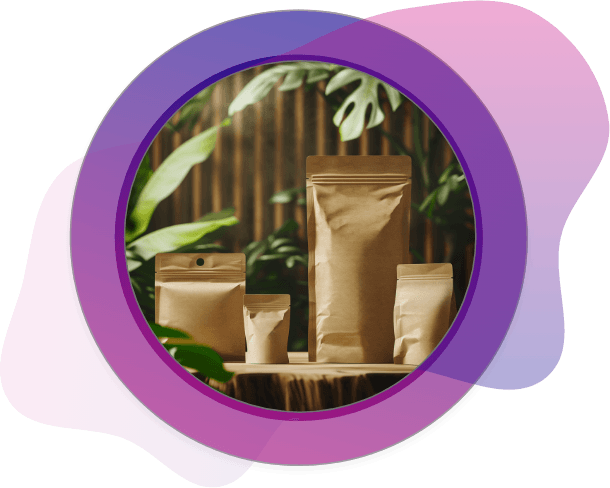
    We’re proud to provide custom packaging solutions for large-scale food distributors, whether you need packaging for bulk food distribution, ready-to-eat meals, or fresh food products, like fruits and vegetables. Choose barrier films, resealable pouches, and tamper-evident options to ensure the safety and quality of your food after manufacturing. 

    Don’t leave the safety and quality of your food to chance. Contact us today to find the right packaging solutions that will keep your business compliant and customers safe.

    Packaging for Food Safety: FAQs

    Here are some common questions we receive about food safety and how it is impacted by proper packaging.

    Lets Get Started

    Made In The USA

    Full PouchCustomization
    Scalable Printing Digital & Plate

  • FDA Food Packaging Requirements

    FDA Food Packaging Requirements

    FDA Food Packaging Requirements: What You Need to Know

    What Are FDA Food Packaging Requirements?

    The FDA regulates many aspects of the food supply chain, including how food products are packaged, labeled, and prepared. The FDA’s food packaging requirements ensure that food does not become contaminated by its cardboard or plastic packaging, is safe for consumers to eat, and doesn’t pose a health risk. This impacts packaging suppliers directly since this requirement regulates direct food additives and contact substances and ensures that food labels and packaging doesn’t change the food’s smell, taste, or composition. 

    Although the FDA does not require testing for all of its requirements, typically testing or vendor assurances are permitted for its packaging regulations for food products. In order to be FDA compliant, the FDA requires tests to ensure that the packaging material is safe for use in contact with food.

    Considerations when selling food products in the Global Market

    As you might imagine the FDA is not the only regulator of food products in the world. While the FDA has stringent standards there are other regulatory bodies that you should be aware of that also will regulate your food, its labeling, and container packaging. 

    Key FDA Regulations for Food Packaging Materials

    There are several specific regulations the FDA requires food packaging providers to comply with, these regulations are found in the CFR Code of Federal Regulations. There are various regulations from food contact material requirements, to nutrition facts label requirements, and the requirements for other information panel contents.

    Understanding FDA’s CFR Parts 170-199

    The FDA’s Code of Federal Regulations (CFR) Parts 170-199 are a set of rules and regulations that govern food products and drugs intended for human consumption. These parts focus on direct and indirect food additives, food additive petitions, and irradiation of food. These regulations are generally recognized as the holy grail of FDA regulations for food packaging suppliers.

    The CFRs worth noting for food contact are found in Title 21 and include: 

    Food Contact Substances and Indirect Food Contact Materials

    Food contact substances are exactly what they sound like: materials that come into direct contact with food during processing, packaging, transport, or storage. These substances are generally recognized as coatings, adhesives, and the packaging materials themselves. Indirect food contact materials are substances that do not directly touch food, but may still transfer to the food through migration. Examples of indirect food additives include inks, adhesives, and processing equipment coatings.

    Notifications and FDA Approval Process

    Food packaging manufacturers that want FDA approval for a new food contact materials must comply with the complicated food contact notification process outlined by the FCN program. This process means manufacturers need to notify the FDA of their intent to use a new substance in food packaging. The steps of this notification process are as follows: safety assessment and testing, submission of notification, an FDA review period, and final authorization.

    How FDA Regulations Impact Packaging Design and Manufacturing

    In this section, we’ll discuss how the FDA’s regulations impact the design and manufacturing of your product packaging and how manufacturers and suppliers can ensure your packaging is FDA compliant.

    Packaging Materials Approved by the FDA

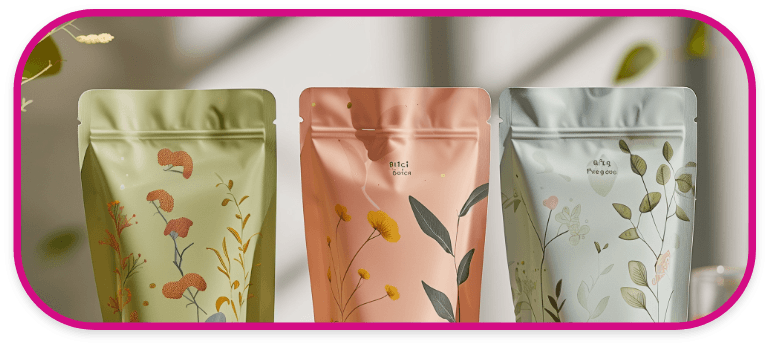
    There are several materials that are approved by the FDA for food contact applications, including plastics, metals, glass, and paper and paperboard. Flexible barrier packaging, which combines several layers of these materials, is a great option: not only does it meet the FDA’s requirements but it offers superior protection against moisture, oxygen, the elements, and other contaminants.

    CarePac is committed to providing safe, compliant, and quality flexible barrier packaging solutions for your food packaging needs. We utilize FDA-approved materials that adhere to regulatory standards and are free from chemical or food additives.

    Why Meeting FDA Food Packaging Requirements is Critical for Consumers

    Meeting FDA food packaging requirements is critical for consumers because, at its core, it protects them from harm. Since these regulations prevent harmful substances from contaminated food, this means that the food consumers consume won’t pose a health risk. By complying to these regulations, not only are you avoiding litigation due to non-compliance, but you’re helping to build trust with your customers. This can help re-enforce your brand reputation.

    Steps to Ensure FDA Compliance for Your Packaging

    Ensuring that food packaging meets FDA food packaging requirements is essential for consumer safety and the compliance of your company. Here’s a quick checklist that can help you navigate the regulatory process effectively: 

    • Identify applicable FDA regulations
    • Select safe and approved materials and substances
    • Conduct in-house safety and migration testing
    • Submit documentation for FDA review
    • Maintain ongoing compliance by establishing an internal audit process

    By following these steps, you can ensure that your packaging materials meet the requirements outlined by the FDA. Additionally, the food itself should be free from harmful additives and the packaging may need to include a nutrition facts label that outlines things like saturated fat, the net quantity that’s inside the bag, and total fat.

    How CarePac Helps Packaging Manufacturers Meet FDA Requirements

    If meeting these regulations seems complex, it certainly can be. Fortunately, we can help. Our family-owned flexible packaging company specializes in custom printed barrier packaging for a variety of industries, including the food and beverage industry. By utilizing FDA-approved materials and adhering to regulatory standards, we can help ensure that your packaging is safe for direct food contact. This enables you to maintain compliance while delivering your high-quality product to consumers.

    Learn more about our flexible barrier packaging compliance and custom FDA food packaging. Ready to get started? Get a quick quote today!

    Let’s Get Started

    Made In The USA

    Full PouchCustomization
    Scalable Printing Digital & Plate

  • The Carepac Difference

    The Carepac Difference

    The Carepac Difference

    You Only Get One Chance to Make a Good First Impression

    We Offer the Best Quality AND Price

    We know you’re passionate about your products. That’s why it’s important to choose the right packaging, but not on price alone.If you simply go the cheapest route, it might just cost you the price of your brand’s reputation. We all know you get what you pay for, and quite often those overseas “affordable” options are riddled with issues.

    This is what we hear from our customers that went that route:

    “The bags don’t seal correctly.””The labels are poorly printed.””The quality is terrible and the bag rips easily.”And the worst part is that they are stuck with a container load of bad packaging because they were forced to order a huge quantity to get the best price. But that’s STILL not the worst of it.

    Packaging sets the tone for products and might be the first physical contact you make with customers.

    So if you’re going to make a good impression, you need solid packaging, with a fast turnaround time—and, if possible, a great price.

    That’s why we’ve got a deal our competitors can’t beat: we match any competitor’s price within 5%. Plus, we have legendary customer service to keep your business rolling, and we’re located right here in the U.S.A.—so you don’t have to worry about nightmare overseas delays. After partnering with us, you’ll never go back to those cheap knock-offs that left you holding the bag.

    Free Packaging Consultation
    If you’re thinking about packaging for your product, you’re probably ready to gather as much information as possible. That’s why we’re now offering FREE Packaging Consultations
    During your call, our team members will provide clarity on:

     – Best materials for your packaging

     – Sizing and features

     – Pricing ideas

     – Lead-time options

    Design services

    Not only will you walk away with an action plan for your packaging, but you can explore if CarePac is a good fit for your products.
    Add Us to Your Address Book

    P.S. If you haven’t done so already, be sure to add Carepac to your address book so you don’t miss out on exclusive updates, promotions, or exciting new features.
    What Others Are Saying…

    “The bags are terrific! We were hand-labeling for years and it was time to take it to the next level with professionally printed pouches. We had our design in place and knew our size. With that in hand, the Carepac team took over with great pricing and communication from start to finish. I’m delighted with the finished bags and they’re helping us sell more product.”
    —Jeff Ozark, Funky Fido Dog Treats

    5% Price Match Guarantee!

    Your first step is to reach out to Carepac for a wealth of information on every aspect of packaging, for your free estimate, and for consultation with our specialists on all phases of producing the right packaging for your product—and getting it to you when you need it.
    Got a new project? Email us about it.

    And be sure to check back here regularly for information, insights, and updates on these and many more issues.

    For a quick daily “hello” and update, follow us on Twitter for new offers, reports on new developments in the field, and tip about conditions affecting the challenges we both face.

  • Food Packaging Design

    Food Packaging Design

    CarePac’s Guide

    to Food Packaging Design – Designing Food Packaging

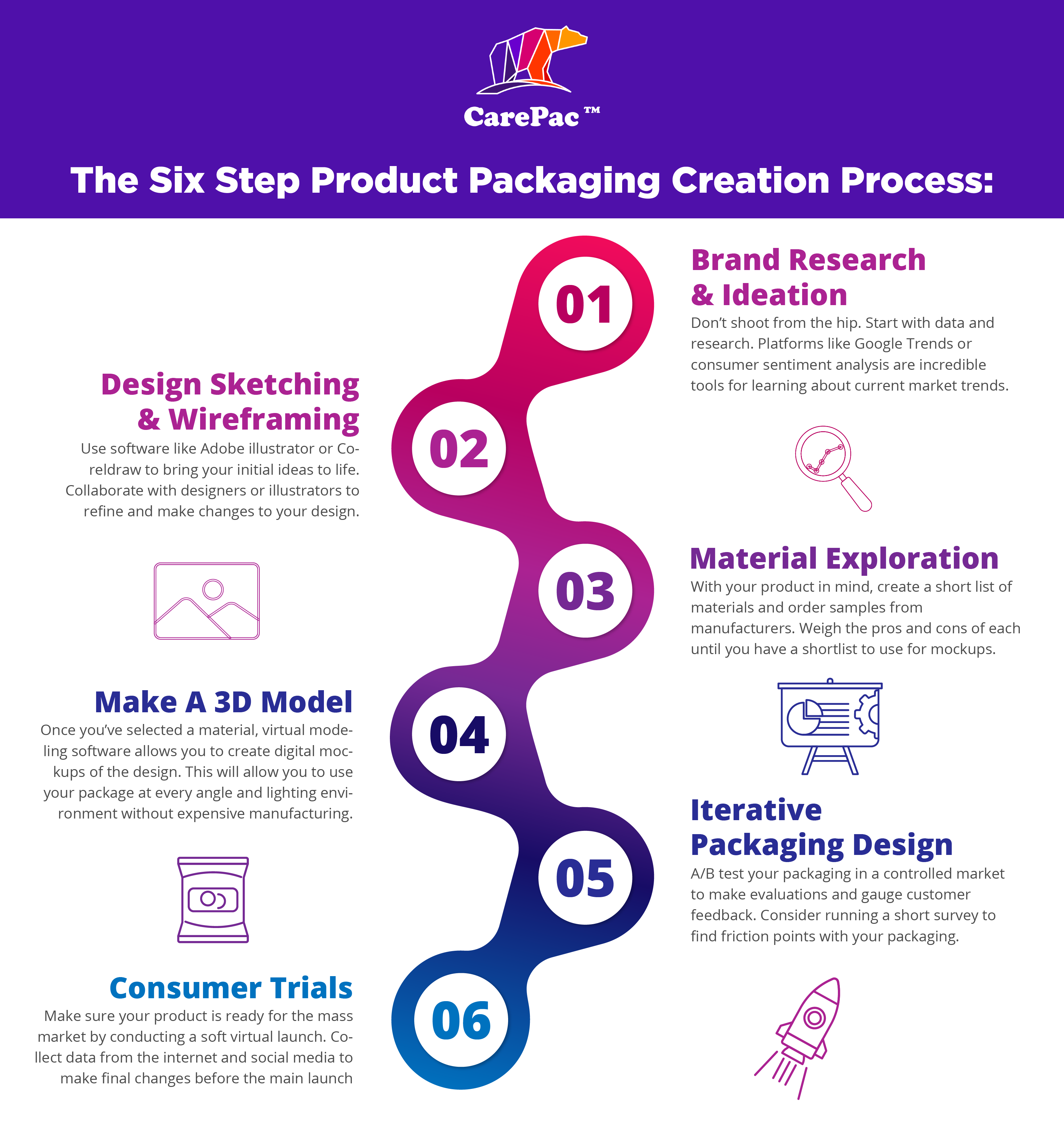
    The phrase “don’t judge a book by its cover” doesn’t apply in the world of flexible food packaging. Technology has made it easier than ever to capitalize on your new idea and build a brand, but just because the product is great, doesn’t mean that your packaging design is.

    New innovations in flexible packaging and pouches allow for even more opportunities to establish a unique brand identity with your packaging design. If you’re just “enclosing” your product, you’re missing a crucial opportunity to tell your brand’s story and build a lasting visual identity with a unique food packaging design.

    So what is the first interaction you want to have with your customer? How will you differentiate your packaging and grab consumer’s attention in a crowded market, and communicate the value of your product at first glance? If you don’t know the first thing about design or packaging, don’t worry, we’ve got you covered. 

    In this blog, you’ll learn how to increase sales, encourage repeat purchases, attract attention, and create a strong brand identity through your product packaging design. 

    #1. Food Packaging Design & Brand Strategy

    The most iconic brands in the world leave an imprint on you. 

    And the product is only one piece in a larger brand strategy puzzle.

    To give your brand the foundation and momentum it needs to become iconic and build brand loyalty, every aspect of your branding (including the packaging design process) needs to be carefully considered.How is the experience of your product different from other brands? What are the stories, emotions, and narratives that you want your customer to connect with?It doesn’t matter if sustainability, luxury, or affordability, is your primary identity, the same rules of cohesive branding and product packaging still apply in a consumer’s mind. 

    A brand promoting local tribal artisans, for example, might incorporate indigenous art into its designs or packaging. A brand that focuses on organic produce may want to tell potential customers or their target market about how they source their food products. 

    A luxury brand will have a more sophisticated and exclusive brand voice. They may want to talk about their different flavors, safety concerns, their use of natural ingredients, environmentally friendly packaging, or anything else their ideal customer may be concerned with. 

    But brand strategy goes beyond visually appealing packaging and a focus on sustainable materials; think about that first experience your customer has with your product. What emotions do you want them to feel? What type of materials and details can you add for a truly unique brand experience in the grocery store?

    #2. Finding The Target Audience of Your Product

    If you try to sell to everyone, you sell to no one.In order for your brand to be successful, it needs to speak to a specific customer avatar.Is your product for kids or teens? Men, women, or both? Now go deeper. The more layers you can pull back, the easier it will be to market and sell your product. Does your product packaging need to be aesthetically pleasing and forward thinking, or should the label design use bold colors in its unique design? 

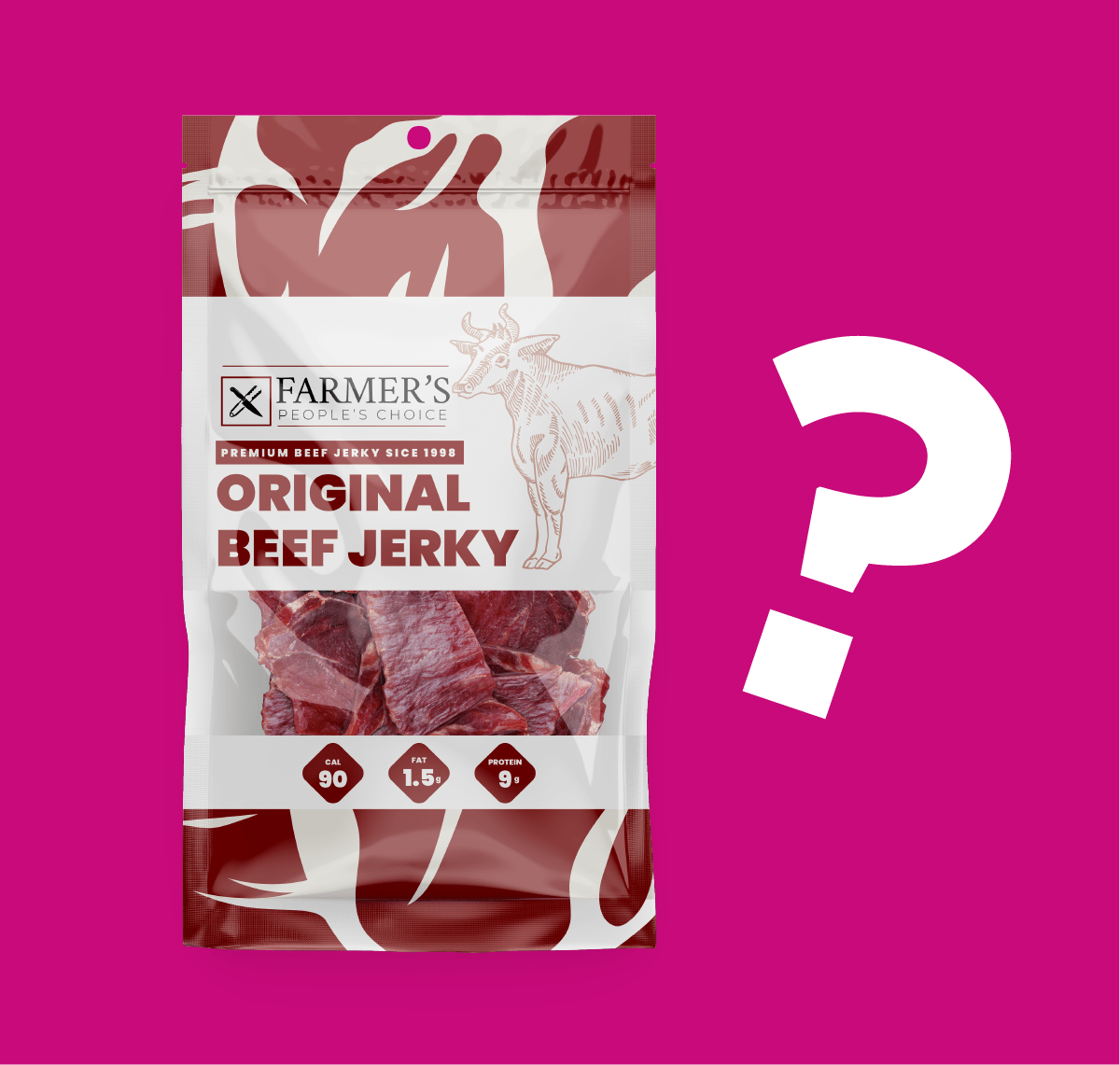
    Let’s look at a quick example.Are you selling beef jerky to younger men who live an rural lifestyle?Or are you selling beef jerky to 22-35 year old men who spend a majority of their time developing self-sufficiency skills and exploring the outdoors with their dog?See the difference? Your brand’s identity should be specific. Otherwise, your talented designers won’t know which key element to incorporate into their great packaging. 

    The latter gives us a much better idea of our ideal target audience.From here, we can imagine the type of media they consume, where they shop, and what other products they might buy. And we can begin to explore durable product packaging options that will correspond to their lifestyle.Imagine the ideal person that you’d like to sell to, and create a detailed list of their traits, interests, and demographics. If they share the same values, this is a great example of something you’d want to incorporate into your great food packaging design. 

    #3. Packaging Design: 

    Analyzing Competition and Listening to Consumers

    In order to know what you may need to change about your food package design,

    you need to have an eye on your competition and their brand identity.

    Competitive Analysis: The first step in understanding the market and your brand identity is to identify both direct and indirect competitors in the food industry. Gather physical or digital samples of competitor product packaging and pouches and analyze designs, size, information provided, material used, information about their packaging label, and the overall ease of use with their packaging. Look for things you like, things you might change, and opportunities to be different when you create packaging for your own product.

    Consumer Feedback: If you have an amazing product, incorporating this into your product packaging should be one of your major goals. You need functional, aesthetic, durable, and effective food packaging design. And the best way to find out what customers like, is to go directly to them.  There are numerous social listening tools that allow you to gauge real-time feedback on competitors’ packaging. Direct from the consumer insights provide a clear picture on market trends and consumer frustrations and needs. 

    #4. Product Packaging – 

    How To Make An Impression On Consumers

    Consumer Experience: Flexible, textured, and unique packaging materials, turn the mundane act of opening your product package into an experience. It can create polarity and give your brand an immediate “wow” factor. The package is the first physical experience your customer will have with your brand, so why not make it special? In the internet age, small details or adding a new spin on an old packaging concept, can bring an element of virality to your brand. It shows your customer that care and attention to detail aren’t just reserved for the product itself.

    Think of resealable pouches for portion control or transparent sections to tease your product. The only limit is your imagination.

    Food Packaging Shelf-Presence: It’s important to develop collaborative relationships with retailers to ensure you know where your product will be physically placed. For example, if your product is being placed on a grocery aisle end cap rather than a bottom shelf, you may want to change certain design elements or materials. For flexible food packaging pouches, controlling for light, moisture, and oxygen is crucial to ensure a fresh product.

    There are countless options, each with their own pros and cons. Durable plastics like polyethylene are cheap and moisture resistant, but they are conventional and have a large environment footprint. Wax coated paper packaging will be more expensive, but will add a unique appeal to your product and help reduce plastic waste. Most importantly, do research and look at your competitors to see what packaging and pouches they’re using.

    #5. The Art and Science of Packaging Materials & Design

    Eye-catching packaging design influences consumer decisions and perceptions, and elevates your product from your competition. On a crowded store shelf aisle, you want to stand out and become one of the favorites, and the only way to do that is to take your packaging design seriously.If you want to go from “just another product”, to an industry leader, read this next section carefully…

    Color Psychology for Packaging Design: Different colors speak to us at a deeply subconscious level. And if you start to pay attention to the brands around you, you’ll start to see patterns. Certain colors can evoke emotions, influence perceptions, and drive specific buying behavior. A luxury brand might choose a refined monochrome color palette, while a brand emphasizing environmental awareness might use greens and natural earth tones. Regardless of what you choose, make sure it connects to your target consumer and the overall message of your brand

    Packaging Typography: Choosing the right font is crucial to bring your brand’s personality, message, and story to life. The font should align with your brand’s aesthetic, voice, and packaging materials while remaining readable across various sizes and mediums. There are thousands of fonts, so get ready to experiment. If you’re a brand trying to leverage your history, try a classic serif typography. For a clean and minimalist look, try a modern and sleek sans-serif. To ensure readability on your flexible packaging and pouches, make sure your text placement is carefully considered.

    Design Elements and Limited Editions: How many of your customer senses can you engage? Interactive design elements in your packaging help your product stand out and build long-term trust with your customers. These elements can be QR codes that link to digital content or even tactile textures that enhance the package itself. Carefully curated and designed limited edition packaging can also turn your package into a product itself, deepening consumer engagement and adding value and exclusivity

    Sustainable Packaging & Eco-Friendly Packaging Materials

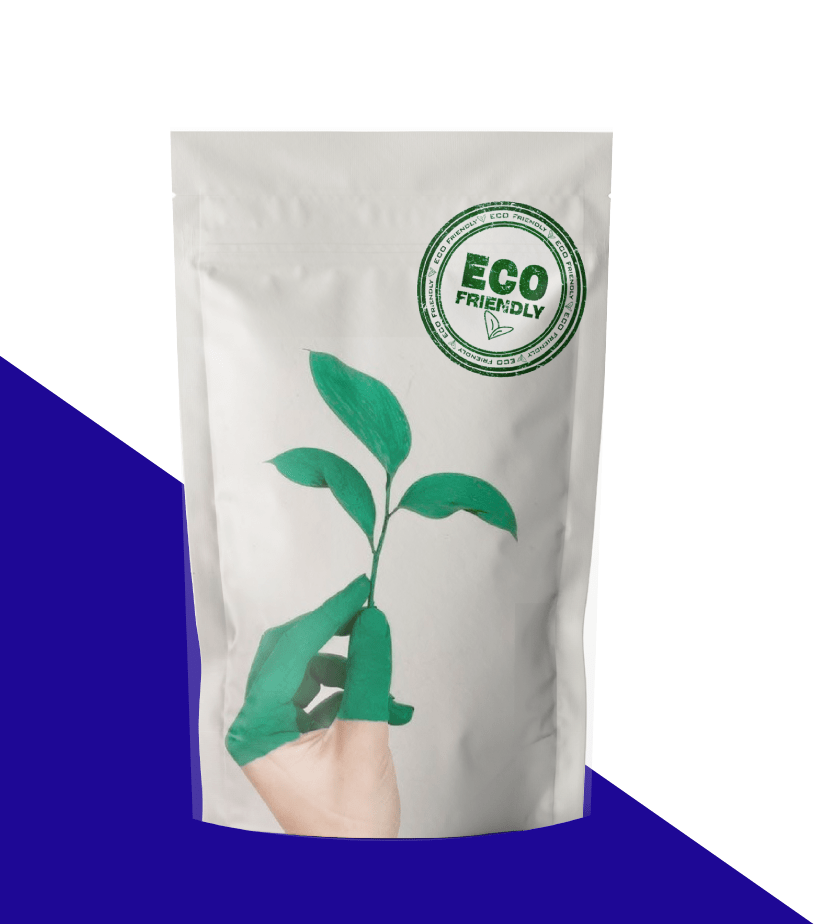
    In today’s market, being an eco-conscious brand that uses sustainable packaging is a win-win. Not only are you helping to contribute to a greener planet, you’re also tapping into consumer demand. Your packaging can be more than just another pouch, it can be a statement of your brand’s commitment to the planet. And by choosing a flexible package option, you’re already committing to a green solution. Flexible sleeves, pouches, and containers require much less energy to manufacture and transport. And they can also be made with a variety of earth-friendly materials like bioplastics, edible material such as seaweed, and plant-based cellulose films.

    When considering your eco-friendly packaging, keep these three things in mind: 

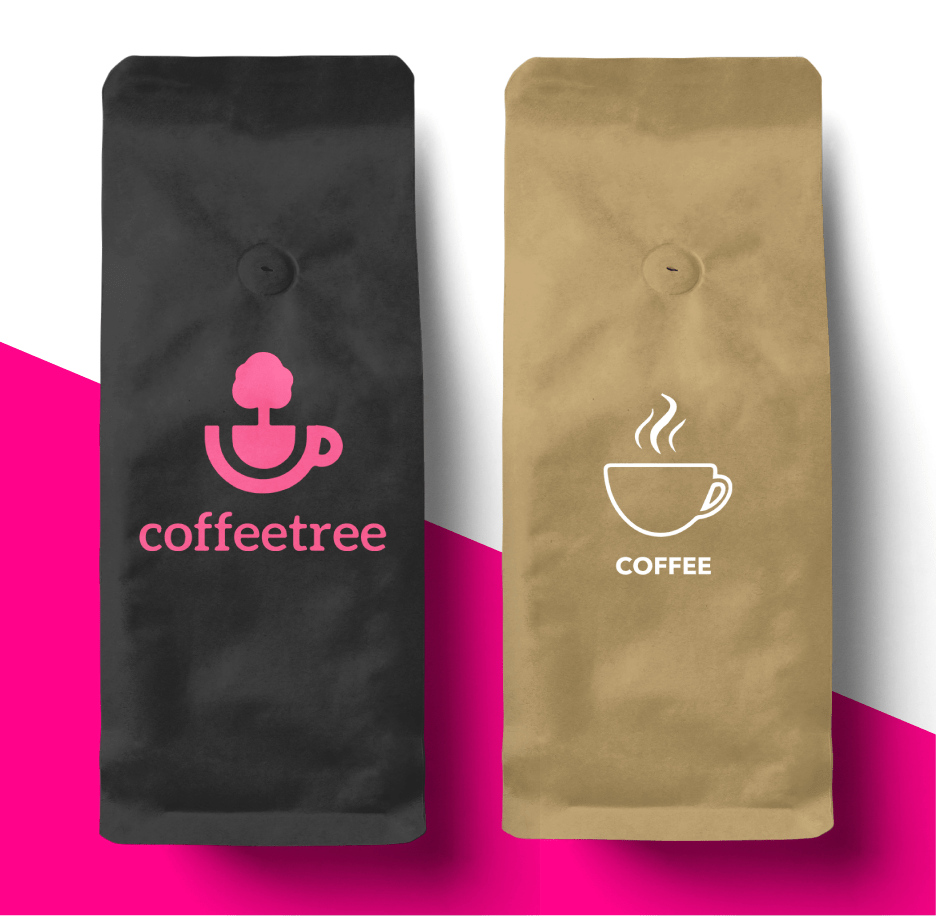
    Eco-Friendly Packaging Materials: Current eco-friendly options give brands an option to go beyond having just biodegradable packaging. There are numerous upcycled or recycled materials that can be used to create effective, eye-catching, and durable packaging. For example, if you’re selling organic free-range coffee, you might consider swapping plastic for an eco-friendly plant-based cellulose alternative.

    Product-Package Harmony: It’s crucial that you choose the eco-friendly option that ensures the best experience for your customer. If you’re selling homemade pickles made from an old family recipe, the last thing you want is to lose that fresh out of the jar flavor. When choosing your eco-friendly flexible packaging, consider the shelf-life, temperature, and overall durability needed to ensure your product arrives pristine.

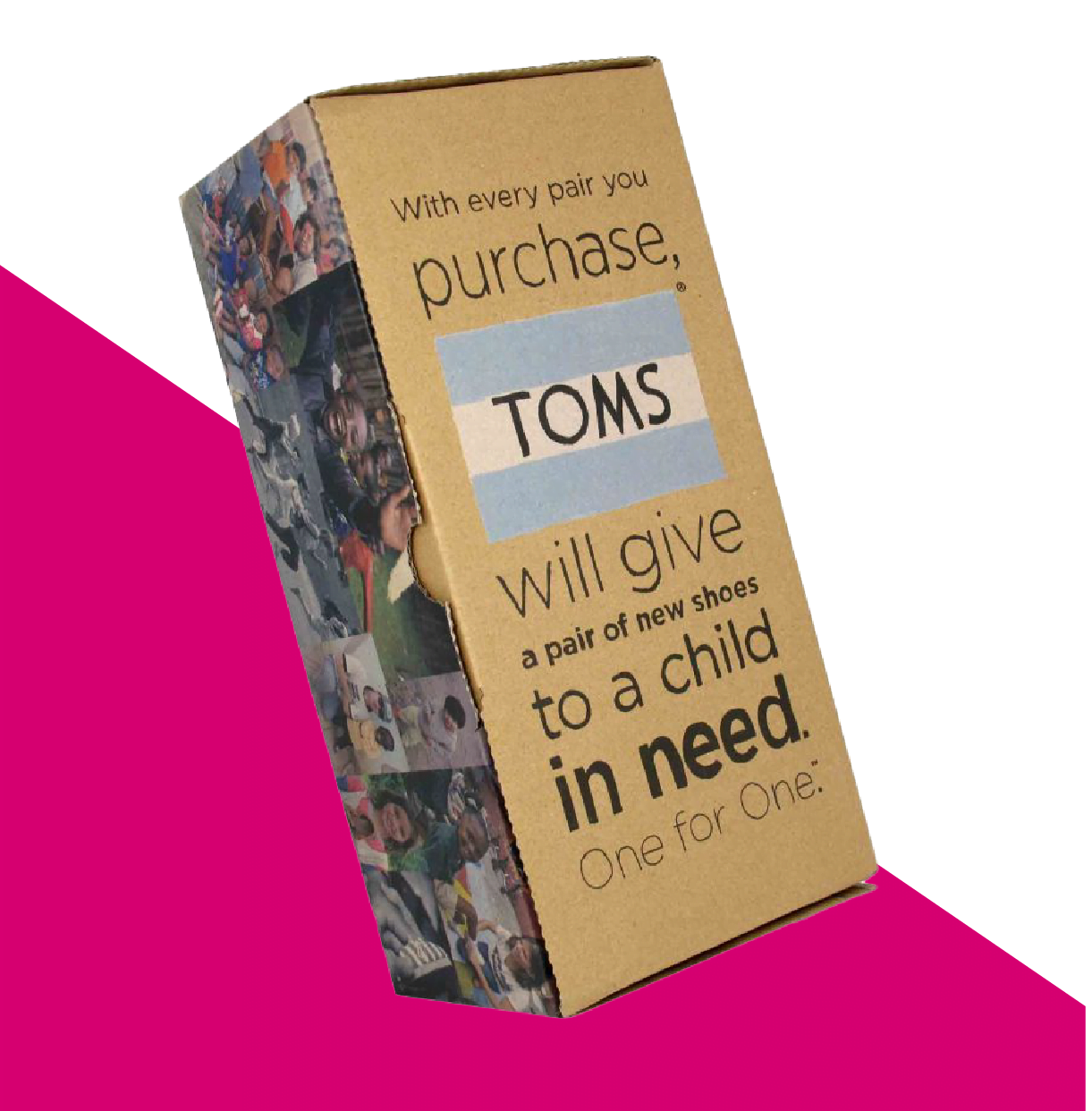
    Inspiring Call-to-Action: Your packaging can also serve as a call to action. An inspirational partnership or compelling brand story can turn the ordinary to extraordinary. For example, TOMS shoes used their packaging to highlight their humanitarian mission to bring quality shoes to those in need.

  • Six Tips when buying flexible packaging

    Six Tips when buying flexible packaging

    Buyer Tips When Buying Flexible Packaging: A Flexible Packaging Buyers Guide

    Looking for printed pouches and packaging that will build your business?

    Discovering that buying flexible packaging harder than you thought? This buyer guide can help! 

    Retort Pouch Ready To Eat Flexible Food Packaging

    With so many different kinds of pouches from so many different package suppliers at so many different prices… how do you even begin to choose the right packaging solution for your product, one that attracts and retains customers and maximizes your return?

    So we’ve assembled our top tips to make getting the right pouches easier and added them to this buyers guide. Spoiler alert: we’ve saved the most important tip for last.

    You’re probably looking for pouches because you know they look terrific on the shelf, they’re cheaper than traditional packaging and they’re better at keeping your product in top condition. The only thing left to decide is… what material, what pouch format, what printing process, what closure type, what quantity… and many factors you may not have considered…

    Without further ado, here is our flexible packaging buyer’s guide, written just for you! Your search for the perfect stand up packaging ends here! 

    At CarePac, we help customers navigate the dozens of variables that go in to choosing the right printed pouch. So – whether you’re looking for a new printed pouch partner, or transitioning from labelling to pre-printed, from hard sided containers to flexible pouches – we’ve put together some top tips to help you take control.

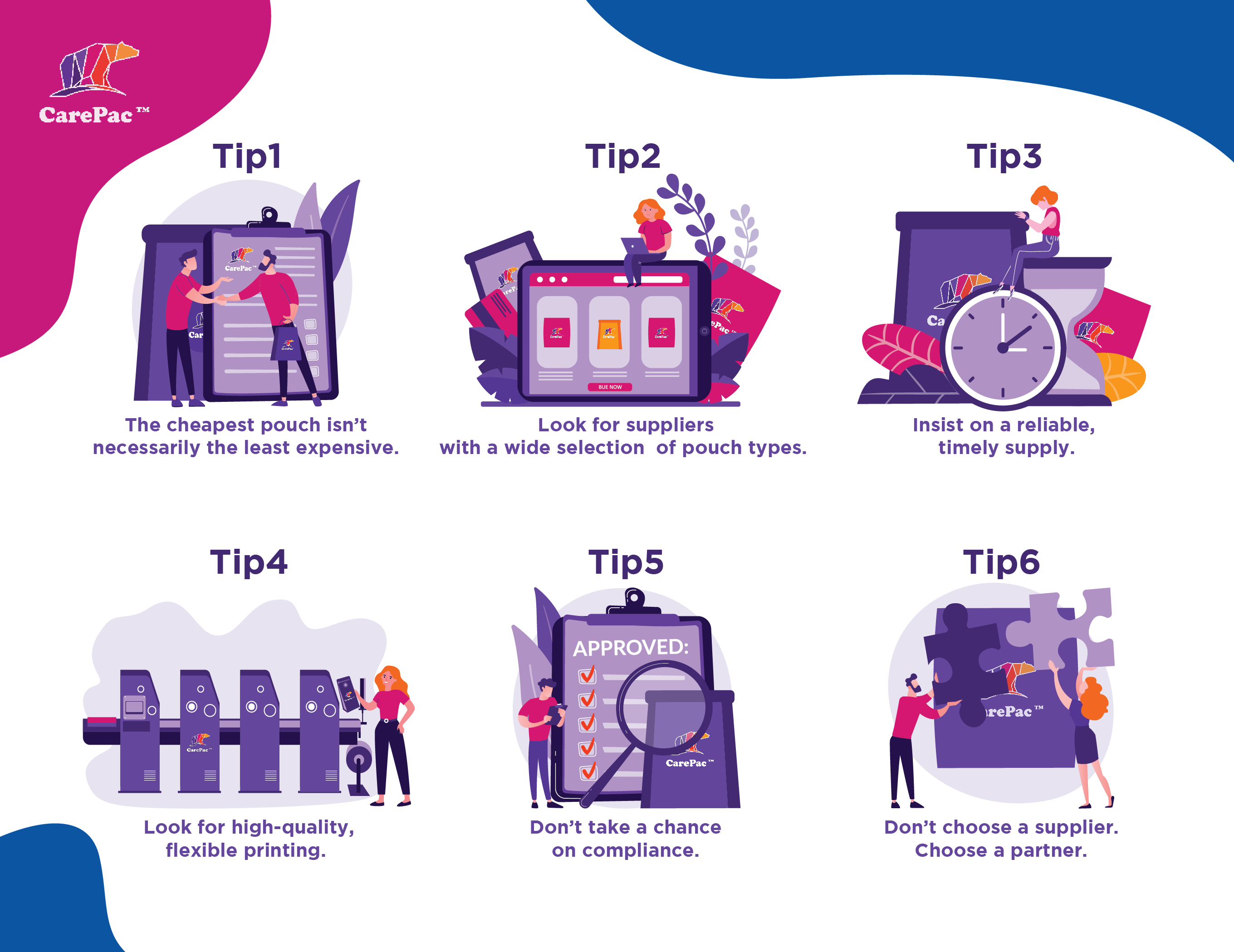
     Tip #1: The cheapest pouches aren’t necessarily the least expensive product

    If you’ve bought pouches, you may have discovered that the cheapest bag won’t necessarily save you money. Every day, we work with customers who are trying for the second or third time to find good quality containers. Maybe they’ve bought cheap pouches sourced from overseas or click-and-print websites that offer no support… and they’ve learned that pouches made with inferior or inappropriate materials won’t attract customers or keep your product fresh. But they will damage your brand. Always work with a supplier who’s ready and able to help you consider your options and takes as much pride in your success as you do.

    Tip #2: Look for suppliers with a wide selection of stand up pouch types

    How do you know which suppliers to trust? Look for the variety of options they offer. One size does not fit all! Different products need pouches of different sizes, made of different base materials to keep the product fresh, safe, and looking great. Stick frozen food in a pouch designed for trail mix and you’re going to have a lot of unhappy customers. At CarePac, our website offers a detailed industry-by-industry guide to applications – from baby food to pasta, from bath salts to vitamins – with options for nearly fifty different product types. Whatever you distribute, we can tailor pouches to suit your needs, including the latest in eco-friendly packaging. We have the machinery and packaging materials necessary to do so. 

    Tip #3: Insist on a reliable, timely supply

    Don’t wait for a surge of sales to discover that your packaging supplier can’t deliver in quantity and on time. You can’t afford to work with firms that are desperately trying to keep up with demand or who won’t work with you because of smaller order sizes. At CarePac, we offer flexible lead times to meet different customer budgets and deadlines, with shipping in as little as four weeks for custom prints and two to three weeks for stock pouches, with orders as low as small as 1000 pieces.

    Tip #4: Look for high-quality, flexible printing

    Your packaging is your calling card. It deserves better than washed-out inkjet labels, and you deserve professional printing services that can match your vision. At CarePac, we offer three printing methods – digital, flexographic, and rotogravure – so you can pick the type of printing, materials, and films that best fits your project. You can even add a logo to your specialty packaging in one simple step.

    Tip #5: Don’t take a chance on compliance

    FDA food contact, BPA and Phthalates free, REACH, and PFAS: there are a lot of compliance and sustainability requirements in the marketplace… and a lot of unreliable claims that materials are compliant. Your chosen supplier must be able to verify to your satisfaction that your pouches will pass muster.

    Tip #6: Don’t add a supplier. Choose a partner.

    Anyone can sell you packaging, but not everyone cares about your success.

    At CarePac we truly believe that we succeed when our customers succeed. We’ve worked hard to build a premium service that’s accessible for business of all sizes. Whether you’re a startup or an established brand, we’re here to anticipate your needs and make the printing process easy, to help ensure your pouches turn out just the way you want. Not sure what you want? We’re always here to help you navigate the process. Looking for something special? We’re your industry experts.

    And… we always pick up the phone when you call.

    We’re not CarePac because we only care about packaging.
    We’re CarePac because we care about you. 
  • How to Properly Seal Your Mylar Bags for Food Storage

    How to Properly Seal Your Mylar Bags for Food Storage

    How to Seal Mylar Bags for Food Storage

    Tips for Sealing Bags

    How to Seal Mylar Bags for Food Storage

    How to Seal Mylar Bags Easily for Long Term Food Storage Custom Printed Stand Up PouchesSealing your mylar bags after loading them is the critical last step before your bulk product is ready to leave your facility and journey to your customer. If your printed mylar bags are not properly or adequately sealed, your product could fall out of its container or prematurely go stale in the pantry, neither of which is ideal for your customer.

    Types of Food Storage Sealing Options 

    When it comes to properly (and professionally) sealing mylar storage bags for storinglong-term, there are four different options: impulse sealing, direct heat sealing, band sealing, or chamber vacuum sealing. Each has its own pros and cons, which you can learn more about below.Manual Heat Sealing Packing Machine for Plastic Bag Heat electric sealing machine impulse sealer

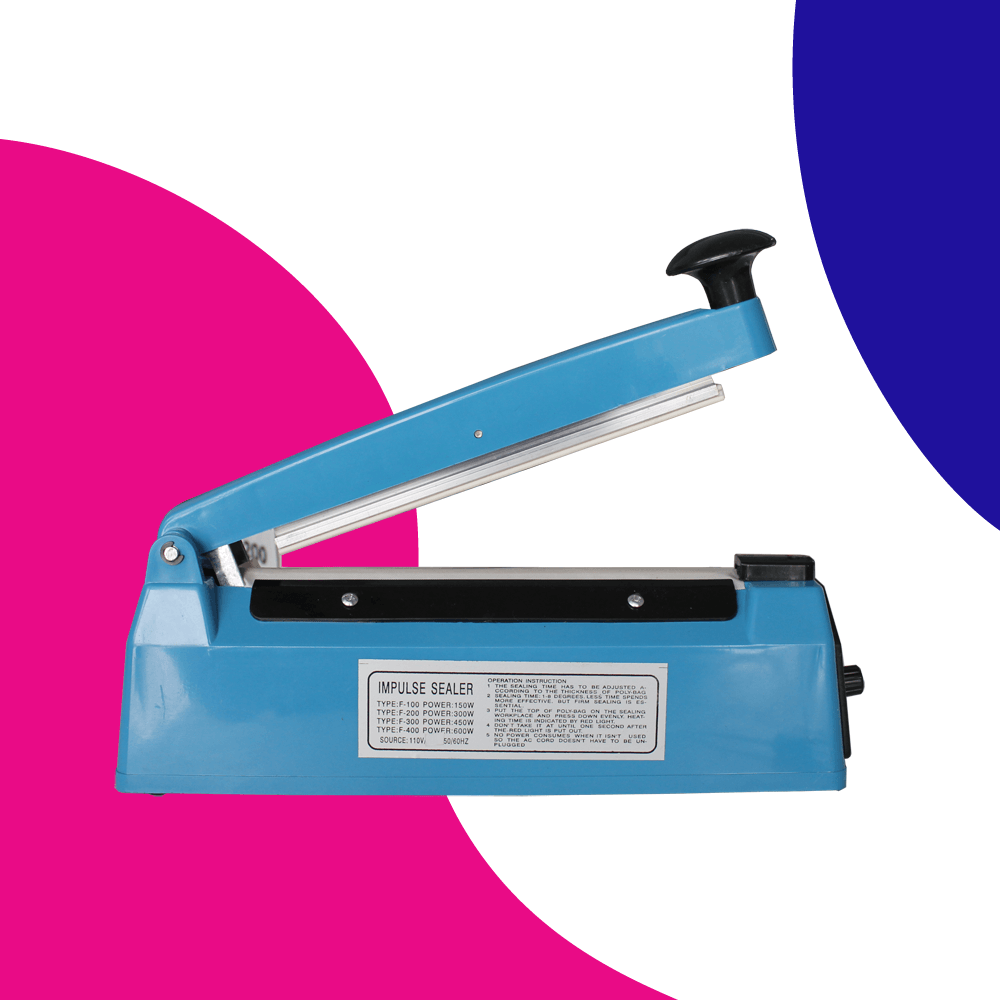
    Impulse Seal

    Impulse seals are inexpensive (starting at around $30 – $100) and provide a quick seal using a pulse of energy through the seal bars. Impulse sealers only turn on when the sealing bars are lowered onto the vacuum seal rolls.

    Positives

    Negatives

    Inexpensive

    Less control that band sealers

    Instant Sealing

    Small Seal zone

    Best for occasional use

    Manual bag line up creates inconsistent seals

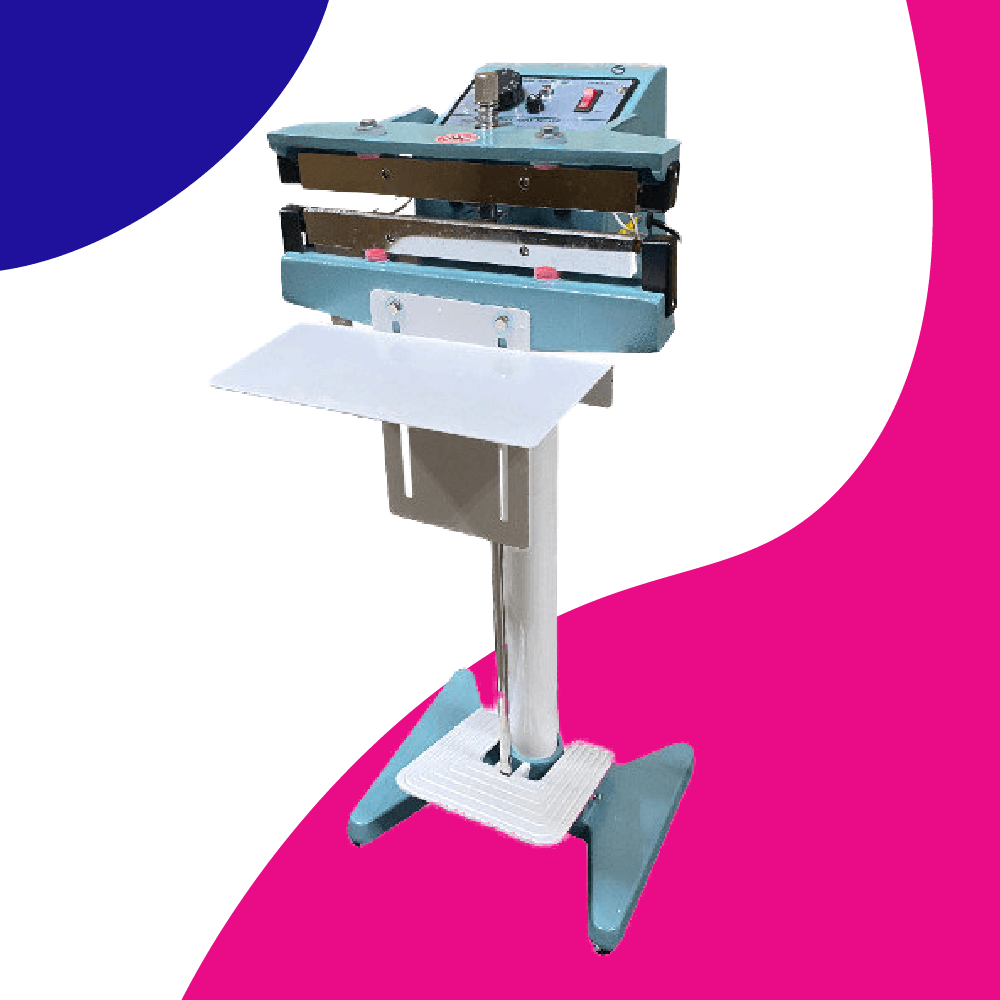
    Manual Foot Pedal Sealing Machine Direct Heat Sealer for Bags and Films with Printer and Heating Sealing Machine and Impulse Sealing Machine

    Direct Heat Manual Seal

    Direct heat sealers maintain consistent and constant heat as long as they are turned on. This can allow for better heat penetration and better seal tack.

    Positives

    Negatives

    Best for thick materials

    Cannot seal polyethylene

    Industrial bags o irregular bags

    Slower than band sealers

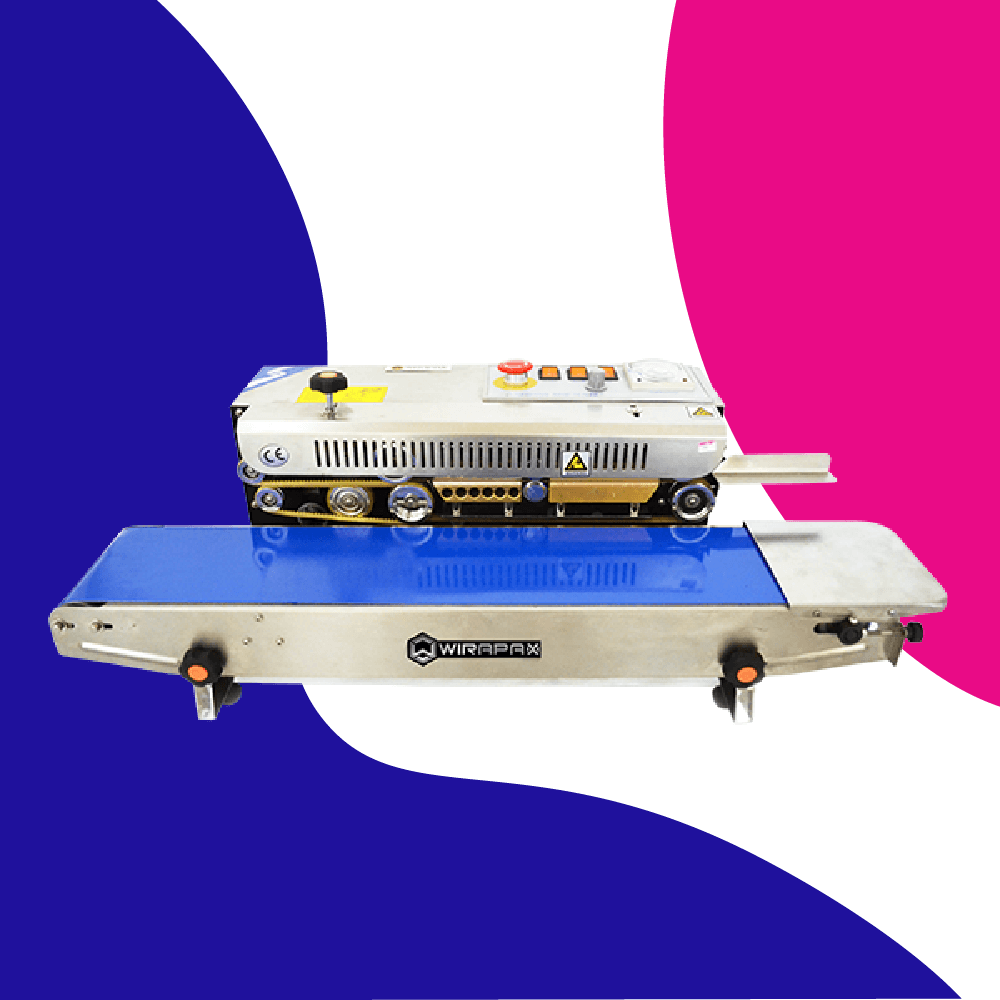
    Heavy Duty Continuous Band Sealer Sealing Machine Automatic Band Sealer Machine Horizontal Packing Machine

    Band Seal

    A band sealer is a semiautomatic sealing machine. Unlike a manual sealer, a band sealer contains both heating and cooling elements. The hot and cool elements combine to create strong, durable, and professional seals on your bags. These direct heat-style sealers typically have separate controls for both temperature and dwell time. A small conveyor with speed controls will pull your bag through the sealing mechanisms, and once set up, hundreds of bags can be processed at one time. 

    Positives

    Negatives

    Very consistent seals seal hundreds of bags in a single use

    More expensive $500+

    Accessories such as date code, serial number stamping

    Not ideal for sealing a few bags occasionally 

    Chamber Vacuum Sealer Kitchen Food Chamber Vacuum Sealer Packaging Machine Sealer for Food Saver, Home, Commercial

    Chamber Vacuum Seal

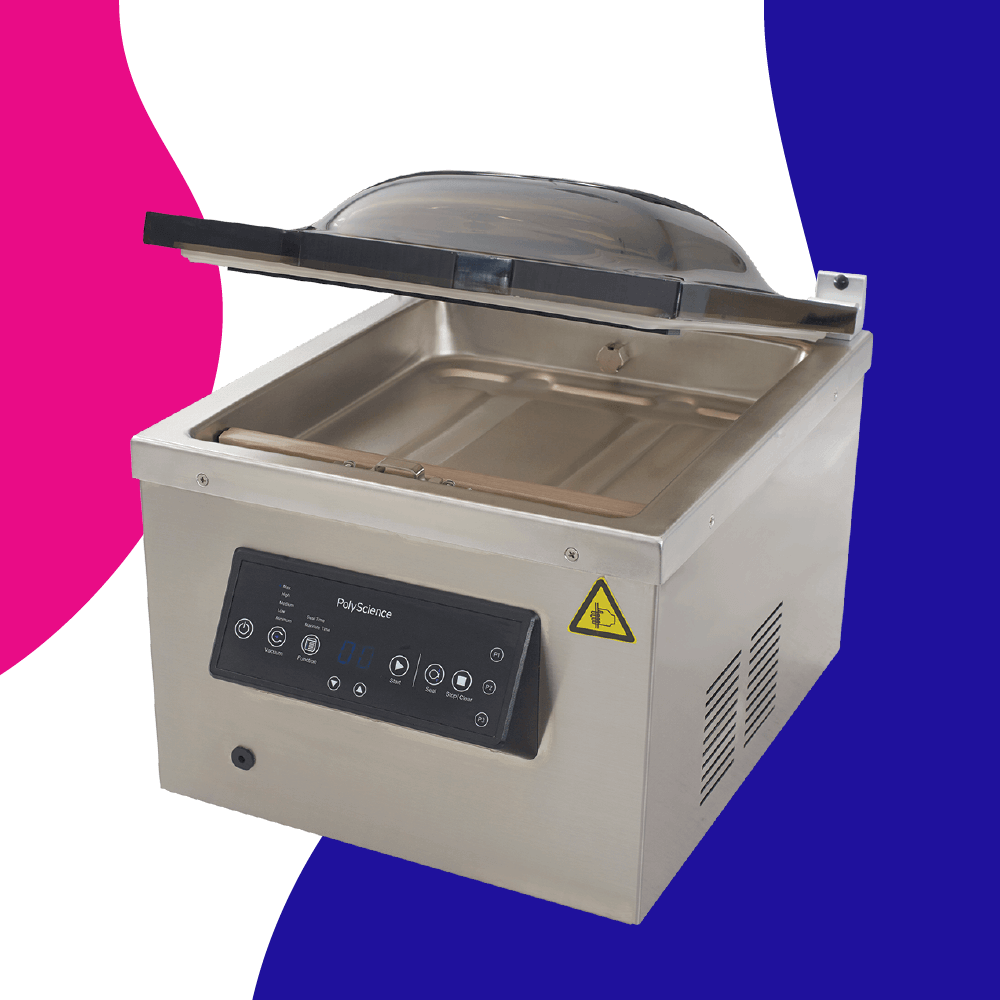
    Chamber vacuum sealers can be used to seal certain types of mylar bags. These machines are different than the traditional “at home” or food-saving type vacuum sealers that are used by preppers in their home kitchen to vacuum seal bags. A chamber vacuum sealer will both vacuum out most of the air from the bag and also heat seal it at the same time.

    Positives

    Negatives

    Removes oxygen from the pouch extending shelf life. 

    Not compatible with all materials. 

    Print can get distorted when the bag is vacuum sealed. 

    Quality chamber sealers start at around $850. 

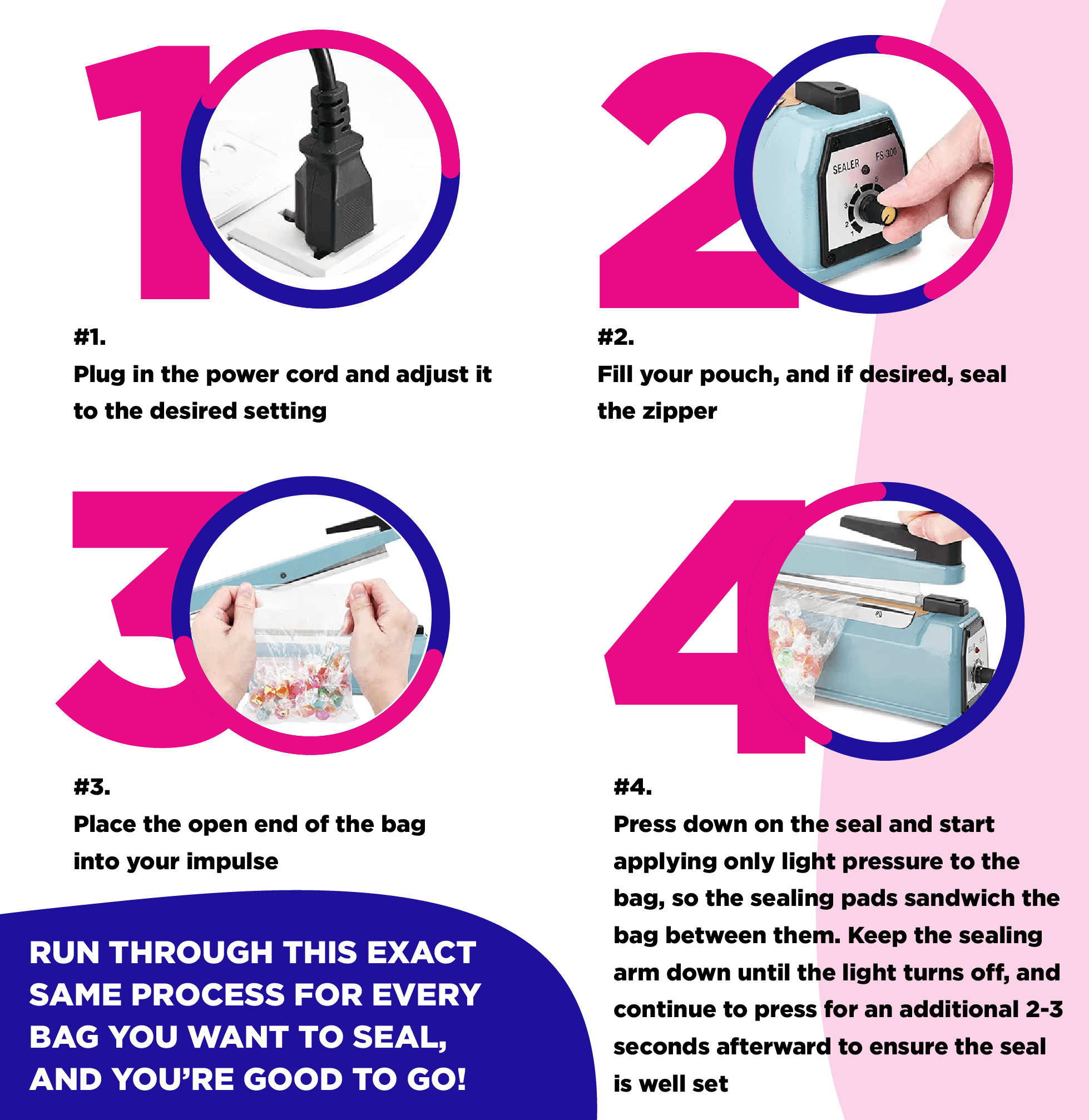
    Sealing mylar bags with an impulse sealer

    If you have an impulse sealer, here’s a visual of how you’d use it to seal a mylar bag. We’ll walk you through the process step-by-step below.Manual Heat Sealing Packing Machine for Plastic Bag Heat electric sealing machine impulse sealer

    Heat Sealer Heat Setting- Food Storage

    The question is often asked “What temperature setting do I use to seal my bags?” This question is pretty straight forward but the answer to it can be effected by many variables. Setting your heat-sealing machine to the right temperature is only one factor. Other factors include how long heat is applied to the material (dwell), and how much pressure you apply while sealing. One temperature, Dwell, and PSI setting is not uniformly recommended for each material. For example a better seal can sometimes be obtained with a lower temperature allowed to dwell longer allowing the sealant layer polymers to fully melt together.

    Material

    Temperature Setting Range

    PSI

    Dwell Time

    CareSilver (VMPET)

    350F – 400 F

    40 PSI

    1 Sec

    CareFoil (Aluminum) 

    400 F – 450 F

    40 PSI

    1 Sec – 1.5 Sec

    CareFoil-N (Nylon)

    450 F – 500 F

    40 PSI

    1.5 – 3 Sec

    CareKraft (Kraft Paper)

    400 F 425 F

    50 PSI

    2 Sec

    CareClear (PET)

    350 F – 375 F

    40 PSI

    1 Sec

    Factors effecting heat sealing settings to use

    Many customers focus on the machine settings when dialing in their heat seal settings, but all the factors below should come into consideration to get the highest strength heat seal.

    Material Type

    Seal strength, and sealer machine settings will be adjusted to the physical properties of the material  being sealed to. Clear PET based material generally will use different settings than nylon or foil based material. The material thickness, flange or surface design, physical pouch configuration, size, and feature placement will also be considerations. Some materials like Carefoil reduce the amount of heat that can get through to the sealant layer so they require more heat or long dwell time. Material Thickness can effect the overall mount of dwell that is required. 

    Dwell

    Dwell time relates to how long heat is applied to the pouch. Heat and dwell time are not independent variables, they go hand in hand and should not be evaluated separately. Dwell time requires adjustment based on the same factors that effect temperature. Some heat sealable flexible barrier materials require lower heat for a longer time to properly sell. While you can “seal” a bag with high heat for a short duration. The sealant layer may not form a high strength bond. 

    PSI

    The pressure at which heat is applied to the pouch can effect bag seal strength.The amount of pressure applied by the heat-sealing equipment will create differences in the heat and dwell settings.  Thicker materials and those which are more rigid such as CareKraft require more pressure, while with thinner materials if too much pressure is applied the heated selant layer can be pressed too thin. 

    Fouling

    Fouling can occur during the loading process particles, dust, or liquid we left in the sealing zone. If so, these contaminates can affect the settlings required on your sealing machine to seal the bag properly. Foreign material in the seal zone can also reduce the seal effectiveness. Powder products are notorious for causing fouling. Dust acts like corn meal on the bottom of a baking pan inhibiting the polymers from adhering to each other. 

    Type of Machine

    The type and condition of your heat-sealing machine will create another variable to consider.  There are several types of heat-sealing machines and how these machines apply heat. Types of heat sealers include Impulse sealers, roller sealers, platen seal.  

    External Environment

    There isn’t going to be an exact specification because proper temperature will vary widely based on the conditions mentioned in this article. But here are some of the settings that have been reported to us by customers, as well as our own understanding. 

    Tips for Sealing Mylar Bags

    If you’ve never sealed mylar bags before, here are some tips that can help:

    • The exact dial setting will vary depending on the thickness of your mylar bag, the ambient temperature, and whether there has been any fouling (foreign debris) that got into the seal area. 

    • Start with a lower setting and work your way up. You’re looking for a “just right” temperature where the inner sealant layer of the mylar bag fully melts together, but not too hot where the bag is deformed or fully melts. If the seal is too cold then the sealant layer will not fully melt together, and you’ll have a very weak seal.  

    • If you pull too much of a vacuum on your mylar bag, you’ll rip the bag. To create a high vacuum, certain types of mylar material like CareSilver-PVNP must be used.

    • Some products are very oxygen-sensitive, and exposure to oxygen causes oxidation and spoilage. An oxygen absorber can extend the shelf life of these products. 

    • An optional step to seal your mylar bags is to perform a nitrogen flush. With nitrogen flushing, the sealing machine will first vacuum out most of the air from the pouch, then replace it with.

    Mylar Bag Sealing: FAQs

    Here are a few of the questions we get a lot about sealing mylar bags for food storage. For more information, feel free to contact us directly. 

    Q: What thickness of seal should be used?

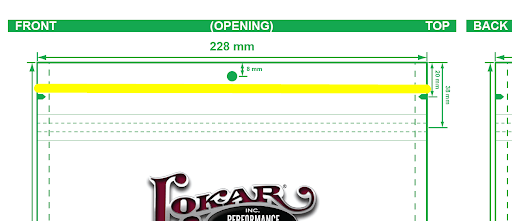
    Impulse sealers typically offer 2mm, 5mm, or 10mm seals. While thicker is usually better, you’ll want to adjust the thickness based on the type of product and bag. A 2mm seal is usually only suitable for thin polybags, most mylar bags should have at least a 5mm seal applied to it (for prospective ¼” is about 6.35mm), a 8mm or greater seal is often required to prevent bag bursting.

    Here are some typical considerations:

    1. Matching the other seals on your bag.

    2. Sealing the entire “top” of the bag is sometimes required. 

    Note: make sure that you never seal through or below the tear notch. Doing so will make your bag unable to be opened except by using scissors. 

    What thickness of seal should

    Q: Do you have to vacuum seal mylar bags for food storage?

    No, you don’t. 

    Q: What foods cannot be stored in mylar bags?

    Although most foods can be stored in mylar bags, there are some exceptions. Foods high in moisture or oil (raisins, nuts, granola, cookies, chocolate, crackers, brown rice) are not good candidates for storage in a mylar bag.

    Q: Do you need a special vacuum sealer for mylar bags?

    Yes, you’d need a chamber vacuum sealer. At-home food saver sealers cannot seal these mylar bags because they require the bag to have an embossed pattern to fill the air.

    Q: How much heat does it take to seal a mylar bag?

    It varies. You will likely need to go through a period of trial and error before determining what amount of heat is required.

    Q: Do you offer custom sized beauty packaging?

    Sealing bags for food storage is similar to sealing bags for retail. The key consideration includes investing in an inexpensive impulse sealer and adding oxygen absorbers, if necessary.