Category: Other Packaging Topics

  • Food Safety Modernization Act and Why It Matters

    Food Safety Modernization Act and Why It Matters

    What Is the Food Safety Modernization Act (FSMA) and Why It Matters

    Overview of the Food Safety Modernization Act

    The Food Safety Modernization Act (FSMA) was enacted by Congress in 2011 in response to a growing number of foodborne illness outbreaks and the increasing complexity of the global food supply system. The Food Safety Modernization Act gives the Food and Drug Administration the authority to regulate the food industry and implement preventing controls, including controls for preventing intentional adulteration of food products.

    Colored bell peppers with syringes and food additive labels such as E230 and E510 representing food safety testing and FDA oversight under the Food Safety Modernization Act (FSMA).Scientist wearing gloves inspecting a grapefruit and fresh produce, symbolizing preventive controls and food contamination testing required by FSMA regulations.

    The goal of these federal regulations is to improve food safety, prevent contamination, and make the food system safer for both humans and animals. One of the biggest impacts the FSMA had on food safety standards at the time is that it focused on preventing contamination instead of simply reacting to it, effectively enhancing public health protection. Through the act, the FDA has expanded authority over food facilities, farms, and imported foods, including food producers, food production facilities, and food businesses of all sizes throughout the United States.

    Why the FSMA Is Important for Food Safety Standards

    The Food Safety Modernization Act is important for food safety standards because it shifts the focus from reacting to foodborne illness to preventing it through a proactive approach and a specific set of safety regulations. It focuses on prevention over reaction, proactive risk management, stronger regulatory oversight, accountability across the supply chain, implementing standards for imported foods, and also focuses on food defense. In the next section we’ll go over each of the seven key rules / focus areas of the FSMA that businesses in the food industry must comply with.

    Key FSMA Rules and Their Focus Areas
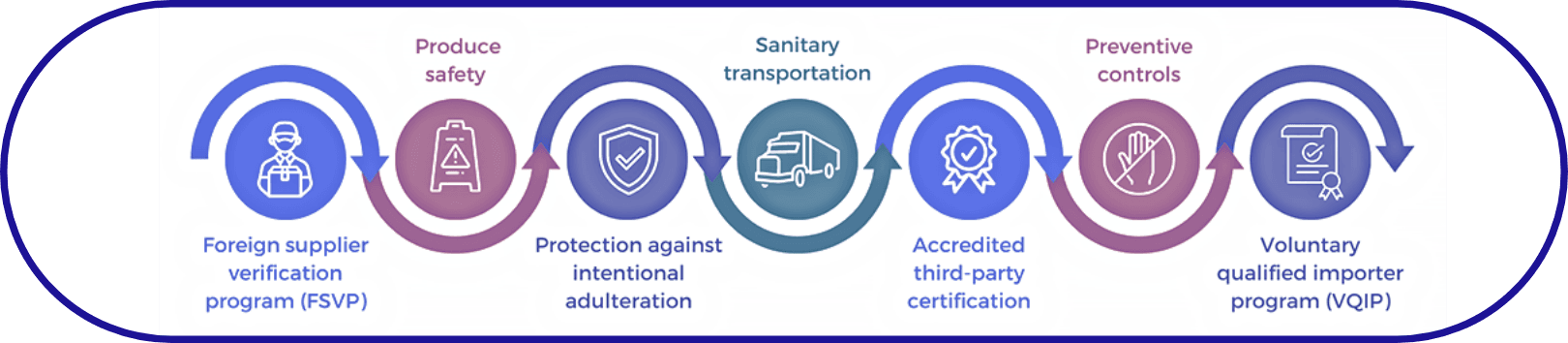
    Infographic outlining FSMA compliance steps including foreign supplier verification, preventive controls, and third-party certification for food safety modernization.

    Under the Food Safety Modernization Act, there are seven key rules that food safety agencies expect food facilities to meet, most of which are preventive control standards. Here are the key FSMA food safety standards:

    Preventative Controls for Human Food– Food facilities registered with the FDA must implement a written plan that outlines hazards and appropriate preventative controls they will take.

    Foreign Supplier Verification Program– Importers must verify that the vendors that are part of their global supply chain comply with FDA regulations, even if they are foreign food facilities. Imported foods are not exempt from these preventive controls.

    Preventative Controls for Animal Food– Animal food companies registered with the FDA must do the same as above, except tailored to the animal food they produce.

    Third-Party Certification– Accredited third party certification bodies administer voluntary consultations and regulatory audits to help companies prepare for audits or achieve certifications.

    Produce Safety– This establishes minimum standards for growing, harvesting, packing, and storing produce, including at farmers markets.

    Food Defense– This aims to avoid intentional adulteration of food. Food facilities must assess their contamination vulnerabilities, put together a hazard analysis, and document a mitigation strategy for each vulnerability outlined in the hazard analysis.

    Sanitary Transportation– Requires food businesses that transport food, including shippers, receivers, loaders, and carriers to comply with specific requirements outlined by the Food and Drug Administration and other government agencies.

    Preventive Controls for Human and Animal Food

    Preventative controls for human and animal food involve monitoring, keeping records, and performing hazard analysis in reference to both human and animal food. For human food, this means food facilities must implement comprehensive food safety plans that address hazards specific to their operation. This includes implementing specific controls that focus on allergen and sanitation controls, as required by the FDA’s rule for Preventive Controls for Human Food. 

    For animal food, the specific rules and requirements differ from those for human food. The underlying principle of preventing hazards for animal food remains the same, but the detailed regulatory requirements are tailored to animal food.


    Scientists performing food safety testing with lab equipment and inspecting fresh produce in grocery settings to ensure FSMA standards for safe food supply chains.Fresh produce including peppers, apples, and lettuce injected with syringes symbolizing testing for contaminants and chemical safety under FSMA food protection standards.

    Produce Safety Rule and Farm-Level Practices

    Through the Produce Safety Rule, the FSMA extends to farms throughout the United States. The FSMA conducts food safety audits to verify that farms have appropriate preventive controls in place. The goal of conducting food safety audits is to ensure that agricultural and food processing facilities focus on training, water testing, hygiene, and safe agricultural practices that will help protect the food supply chain. This focus on farm-level practices impacts both small and large producers and aims to significantly minimize foodborne illness and food safety risks that may occur at the growing and production level.

    The Foreign Supplier Verification Program (FSVP)

    Some mistakenly believe that the FSMA only focuses on food grown or produced in the United States, but foreign food facilities comply with it as well. Under the Foreign Supplier Verification Program, all qualified importers must verify that their suppliers meet FSMA rules. The importer is responsible for inspections, record keeping, and certification, and the goal of the FSVP is to ensure that all food imported into the United States meets the qualifications and regulations outlined by the FSMA.

    World map carved on a wooden surface surrounded by fresh vegetables, representing global food trade, FSMA import safety programs, and international compliance efforts.

    How This Food Safety Law Impacts the Packaging Industry

    Packaging plays a critical role in the food safety ecosystem—a fact recognized within FSMA’s preventive approach to keeping food safe from contamination. At CarePac, we design and manufacture packaging that supports these same goals. Our food-grade materials, controlled manufacturing environment, and robust QC processes—including VOC testing—help ensure every pouch, roll, or film aligns with FDA and FSMA expectations for safety and compliance.

    Whether you’re building a preventive control program or preparing for an audit, CarePac’s regulatory understanding and quick turnaround make it easy to stay compliant without slowing your operations. Contact us today to discuss FSMA-aligned packaging or request QA documentation to support your food safety program.

    Staying Ahead with FSMA Guidance and Updates

    FSMA guidance continues to evolve as the FDA refines its approach to preventive controls, traceability, and food-contact safety. Manufacturers and food facilities should stay informed by following the latest updates, training programs, and best practices published by the FDA and industry partners. For ongoing reference, consider bookmarking the FDA’s official FSMA resource page.
    Image of the FDA Food Safety Modernization Act logo over fresh food products, highlighting the importance of FSMA in protecting public health and ensuring food safety.

    Talk to Our Packaging Experts

    At CarePac, we understand the importance of packaging that not only protects your food product but also aligns with FSMA and retailer quality standards. Our team combines deep regulatory knowledge with fast, reliable turnaround times—helping you stay compliant with accredited third party certification bodies without slowing production. Whether you need QA documentation, VOC data, or packaging materials that are fully compliant with federal regulations, we’re ready to support your food safety program.

    Contact us today to discuss your compliance needs or request supporting documentation.

    FAQs About the Food Safety Modernization Act

    Here are some common questions we receive about the Food Safety Modernization Act.

    Lets Get Started

    Made In The USA

    Full PouchCustomization

    Scalable Printing Digital & Plate

  • CarePac’s QC VOC Testing: Verify Low-VOC Packaging

    CarePac’s QC VOC Testing: Verify Low-VOC Packaging

    CarePac VOC Testing: How We Verify Low-VOC Packaging

    What Are VOCs?

    VOCs, or volatile organic compounds, are a group of carbon-based chemicals that easily evaporate into the air at room temperature. VOC emissions come from a wide variety of products, including cleaning products, paint thinners, and industrial solvents, building materials, household products like new furniture, and even natural sources like vegetation. 

    When it comes to product packaging, certain VOCs can be found in packaging inks, adhesives, and solvents. VOCs are known to cause adverse health effects and allergic reactions, which is why CarePac aims to minimize total volatile organic compound emissions and contaminants from all our finished bags.

    Illustration showing the VOC acronym for volatile organic compounds with a molecular structure graphic, representing chemical emissions and air quality concerns in packaging production.

    Why CarePac Tests for VOC Emissions

    CarePac performs VOC testing using advanced equipment on all our products for two reasons: it helps us stay compliant with certain regulations and because we care about the environment and health of our customers. VOC testing helps reduce odor risk and certain industries with higher regulations (i.e., food, coffee, supplements) actually require that their packaging meets a certain VOC threshold. If packaging comes in contact with food, especially, it must be free from VOCs and other pollutants.

    VOC testing also provides better outcomes for customers: packaging handling is safer, it provides a better shelf experience, and helps brands remain consistent with their perception and reputation. Plus, it can help customers avoid lingering health issues from repeated exposure to VOCs.

    Scientists wearing protective lab gear conducting volatile organic compound testing using advanced lab instruments under controlled conditions to monitor packaging material emissions.

    Our VOC Analysis & Testing Procedure (Step by Step)

    At CarePac, quality and safety are top priorities, especially when it comes to many VOC emissions, which is why our quality control process includes thorough testing for volatile organic compounds (VOCs). To ensure our packaging meets the highest standards and environmental regulations, CarePac performs VOC testing using the FD-60 Meter. During the final boxing stage, three finished bags are randomly selected from each production batch. Before testing begins, the specific VOC meter is carefully zeroed out to ensure accurate readings. Each sample is then placed under the meter for 60 seconds, allowing the instrument to measure VOC content with precision down to 1 part per million (PPM). 

    This step-by-step procedure helps us make informed decisions and confirm that all products leaving our facility are clean, compliant, and safe for our customers’ end use.

    Industrial VOC detector with digital display and handheld remote, used for monitoring volatile organic compounds and ensuring safe air quality in packaging production facilities.Two floral printed flexible packaging pouches on a sunlit surface, symbolizing sustainable and low-VOC design choices for environmentally friendly packaging solutions.

    What VOC Results Mean for Your Product

    It’s difficult to discuss what the VOC results mean for your product, as different products have different thresholds for the amount of volatile organic compounds are acceptable. Generally speaking, though, a low reading implies a lower risk for odor and indoor air quality considerations. It’s important to make this note about the limits of VOC testing: testing pertains to emissions, specifically, and is not a guarantee of the absence of organic chemicals.

    Compliance & Customer Requirements

    VOC data plays an essential role in helping brands maintain consistency, compliance, and trust across every stage of their packaging supply chain. By understanding and documenting the volatile organic compound (VOC) levels in packaging, brands can verify that materials meet their own internal quality standards, adhere to retailer specifications, and comply with applicable regulatory requirements for product safety, airborne pollutants, and emissions. 

    This data-driven approach not only supports transparency but also helps prevent potential issues such as product odor, contamination, or non-compliance during audits by the Environmental Protection Agency. CarePac encourages buyers to share their VOC limits and internal specifications with our quality control team so we can align our testing process accordingly—ensuring that every batch of packaging meets your brand’s exact standards and performs safely in the marketplace.

    Manufacturing professional using a tablet in a factory environment to inspect packaging processes and verify VOC compliance for air quality and safety standards.

    Applications & Materials We Test

    CarePac offers a variety of flexible packaging formats to meet diverse product and branding needs, including stand-up pouches, flat pouches, and roll stock film. These formats can be customized using a range of high-quality materials such as PET/PE laminates, metallized films, and kraft paper laminates, each chosen for their barrier strength, shelf appeal, and compatibility with different product types. 

    Because inks and adhesives used in the lamination and printing processes can be potential contributors to VOC levels and lead to adverse health effects with repeated exposure, CarePac maintains strict process controls and sourcing standards upstream in production. This ensures that all packaging components—from raw materials to finished goods—consistently meet low-VOC expectations and align with both regulatory and brand-specific requirements.

    White CarePac stand-up pouch displayed on a reflective surface, representing sustainable flexible packaging solutions engineered to minimize volatile organic compound emissions.Variety of CarePac food-grade pouches including vacuum seal, fin seal, and 2-seal designs, made from low-VOC films for safe and sustainable food packaging applications.Roll of CarePac branded flexible film labeled “Roll Stock,” showcasing sustainable low-VOC packaging materials for high-volume manufacturing and printing applications.

    Talk to Our QA Team

    With decades of experience in custom packaging and a robust quality control program, CarePac offers configurable testing services and full documentation to meet even the most stringent brand and retailer standards. Our team is ready to support your audits, vendor approvals, and ongoing compliance needs with confidence and transparency.

    Contact us today to discuss your VOC requirements and how we can help.

    Two engineers in a factory setting discussing packaging production improvements and strategies for reducing volatile organic compound emissions in flexible film materials.

    FAQs: VOC Testing Services at CarePac

    Lets Get Started

    Made In The USA

    Full PouchCustomization

    Scalable Printing Digital & Plate

  • The Environmental Cost of Overpackaging

    The Environmental Cost of Overpackaging

    The Environmental Cost of Overpackaging: How to Reduce Waste Without Compromising Protection

    What is Over Packaging in Online Shopping?

    As the name implies, over packaging refers to using an excessive amount of packaging material, often plastic packaging or plastic containers, that exceed what’s necessary for a product’s protection, transportation, and sale. Some real-world examples of excess packaging include receiving a small item in a larger container, individually wrapped produce items (particularly items like bananas and oranges), or items that are double boxed (i.e., the product has its own box, but then that is then put into another box or plastic bag for shipping.)

    How Excess Packaging Fuels Carbon EmissionsThe Environmental Impact of Overpackaging and Waste

    Over packaging and plastic waste is very common in e-commerce and the food industry. In e-commerce, products that are shipped typically undergo more handling than those sold in traditional retail settings. They may also over package with plastic packaging in an effort to improve customer experience and reduce the number of returns, but in reality this has a negative impact on their carbon footprint and global warming. In the food industry, pre-packaged foods offer more convenience and, in some cases, over packaging can be perceived as more hygienic. 

    In this blog, we’ll discuss how excessive packaging and using unnecessary materials throughout the online shopping experience has become a huge problem for the environment, and how brands can reduce packaging waste without negatively impacting the experience of their customers.

    Why Excessive Packaging Hurts More Than Helps

    Excessive packaging and plastic waste can have a negative impact on the environment and consumer perception. If you’re interested in reducing overpackaging and packaging waste, these are two areas where you’ll benefit most: looking at its environmental impact and how consumers view you.

    Carbon Emissions, Plastic Waste, and Climate Impacts of Overpackaging

    Environmental Impact

    Excessive packaging has a huge environmental impact. From the carbon dioxide emissions and the transportation costs involved with manufacturing and shipping it, to the fact that single use plastics contribute significantly to landfill waste, there are several factors at play when it comes to excess packaging and how it impacts the natural environment. Plastic packaging, in particular, is a major source of pollution in oceans, waterways, and soil, negatively impacting marine animals, and the transportation costs/carbon footprint of shipping increases with the weight of shipments.

    How Packaging Waste and Environmental Costs Impact Brand Reputation

    Consumer Perception

    In a society where natural resources are protected and consumers prefer paper based packaging over heavier plastic packaging, companies and retailers that over package and contribute to packaging waste can be seen as being careless or outdated. A growing number of consumers prefer to buy products from retailers that use sustainable packaging materials, and some are willing to switch to companies that offer eco-friendly options or use recyclable materials

    The growing environmental concern regarding excessive packaging is shaping consumer preferences and driving the demand for more sustainable packaging solutions. From using biodegradable packaging materials to defaulting to paper packaging or recyclable materials, there are several things companies and retailers of all sizes can do now to reduce their carbon footprint and protect the environment.

    How to Reduce Packaging Waste Without Sacrificing Consumer Experience

    When switching to new sustainable packaging materials or environmentally friendly products, it’s normal for brands to be concerned about how it will impact the customer experience. Yes, reducing plastic pollution and protecting natural resources is good, but the last thing you want to do is switch to more sustainable choices and have it negatively impact our customers to the point where they abandon your brand that same year. 

    Below, we’ll provide some sustainable packaging design options for your to consider as you make the move towards reducing plastic pollution.

    Use custom-sized packaging  – Not only does using custom-sized packaging reduce packaging waste, but it can also minimize movement during transit, reducing the risk of damage or the need for bulky bubble wrap. While there may be an initial investment in this type of custom packaging design, the long-term savings from reduced material and shipping costs can be substantial. Think of this switch as an investment in the future of your company. Minimalist packaging is the new norm and this is a great way to avoid excess packaging. 

    Switch to lightweight flexible materials throughout the supply chain  – Switching to lightweight, flexible packaging materials can significantly reduce costs, improve sustainability, and enhance consumer convenience. Flexible packaging, like pouches, bags, and wraps, offers numerous benefits over traditional rigid packaging or individually wrapped options. Lightweight flexible packaging is also incredibly versatile. It can be used as the primary packaging for many items, including food items, beverages, personal care items, and household goods. Depending on the material, it can also be reused, effectively avoiding single use plastics. 

    Combine branding and function in one layer  – Have you ever had to remove a plastic layer (or even multiple layers!) before you were even able to get to the actual product packaging? Why make your customers open multiple layers of packaging when you can combine them into one? The packaging provider you work with should eventually determine if this type of packaging makes sense for you, but given its environmental impact, it is certainly worth considering. Cut back on the excessive use of plastic packaging wherever you can — your customers and the environment will thank you! 

    Reevaluate inner packaging needs  – While inner packaging plays a crucial role in protecting products during transit, many companies overdo it. Instead of wrapping fragile items in layers and layers of individually wrapped plastic packaging or bulky bubble wrap, opt for eco-friendly air pillows or biodegradable packing peanuts. Evaluate opportunities to reduce the amount of packaging material, and choose sustainable alternatives to traditional plastic packaging. Strive for packaging solutions that support a circular economy

    Choose barrier films with sustainable attributes  – Choosing the right sustainable barrier film involves balancing performance with environmental responsibility. Choose recyclable barrier films (like PE barrier films or PET packaging), compostable barrier films (bio-based polymers, packaging made out of cornstarch), or bio-based barrier films (cellulose, natural fibers). The best choice depends on the specific product, barrier requirements, desired shelf-life, and end-of-life infrastructure, but a professional packaging supplier can help you choose the film, biodegradable materials, and eco-friendly option that’s right for you.

    The Role of Smart Design in Sustainable Packaging

    Good packaging design plays a critical role in reducing waste and protecting our natural resources. The right packaging can balance aesthetic appeal with its environmental impact, resulting in positive outcomes for both the business and the consumer. Case studies of the global economy show that consumers prefer companies that care about being eco-friendly. Here’s how good packaging can enhance your success:

    • Promoting sustainable packaging can help improve your reputation 
    • Improving the unboxing experience can help reinforce your brand 
    • Protecting your product during transit can help minimize damage and loss

    By strategically integrating these elements, good packaging design elevates the overall customer experience, enhances brand value, and ensures product integrity throughout the online shopping journey. 

    Cutting Plastic Waste and Carbon Emissions with Eco-Friendly SolutionsSustainable Materials That Cut Carbon Emissions

    Work With CarePac to Reduce Waste and Costs

    CarePac helps create packaging that enhances brands, protects products, and meets market demands, including those outlines by the Environmental Protection Agency. We offer fully customized options that can enhance your consumer’s online shopping experience and are proud to offer several sustainable and biodegradable material options. We’re big fans of minimalist packaging and can help you avoid unnecessary materials in your packaging. 

    Ready to get started with reducing plastic waste? We can help. Contact us today to get started.

    Lets Get Started

    Made In The USA

    Full PouchCustomization

    Scalable Printing Digital & Plate

  • Minimalist vs Maximalist Packaging

    Minimalist vs Maximalist Packaging

    Minimalist vs Maximalist Packaging: Which One Fits Your Brand?

    Minimalist Vs. Maximalist

    When it comes to the visual aesthetics of your packaging design, it often comes down to two core design philosophies: minimalist design or maximalist design. In this blog, we’ll discuss these two design philosophies, including their pros and cons, so you can choose the design approach that’s right for you, your brand, and your consumers.

    Set of colorful stand-up pouches in green, gold, teal, brown, and black, ideal for CarePac custom coffee packaging, tea, snacks, and food storage.Vibrant CarePac coffee packaging bags with tropical and abstract printed designs, lined up on a counter in a café setting, perfect for specialty coffee branding.

    What is Minimalist Packaging Design?

    Minimalist packaging design is a design approach that emphasizes simplicity, and takes a “less is more” approach. Common features of minimalist packaging include fewer graphic elements, less intricate patterns, and more white space than its maximalist counterpart. Companies that take a minimalist design approach will often use clean lines, minimal designs, limited color palettes, and clean typography. Products with minimalist packaging often come across as being clean, high-quality, or premium. Products with natural ingredients and brands that value eco consciousness and luxury often take a minimalist approach with their packaging design.

    Example: Glossier is known for the brand’s commitment to minimalist design elements, and they use the same pink color and minimal text for its packaging.

    CarePac stand-up pouch with a clear window showing colorful gummy candies, designed for resealable food packaging and retail display.CarePac stand-up pouch with almond and leaf graphics, showcasing custom printed packaging for nuts, trail mix, and healthy snacks with resealable closure.

    What is Maximalist Packaging Design?

    Maximalist packaging design, on the other hand, is the opposite: it uses bold typography, bright colors, and bold designs. This design approach aims to stand out on shelves, tell a story, and evoke a sense of excitement just by looking at the packaging. Key characteristics of maximalist packaging include vibrant colors and patterns, rich details and texture, intricate designs and typography, and little to no white space. This type of packaging design has gained popularity in recent years, as brands try to complete for the attention of younger demographics, like Gen Z.

    Example: Fenty Beauty, the incredibly popular makeup brand owned by Rihanna, uses maximalist design principles to create packaging that’s bold, confident, and appealing to younger consumers.

    Minimalist and Maximalist Packaging: Key Differences

    When it comes to minimalist vs maximalist packaging, there are several things to consider:

    Aspect

    Visual Impact

    Branding

    Consumer Perception

    Printing Cost

    Shelf Presence

    Minimalist Packaging Design

    Clean, uncluttered look.Conveys simplicity and elegance.

    Focuses on being subtle, which helps create an opulent feel.

    Appeals to consumers looking for sophistication and luxury.

    Typically lower because it uses less colors and simpler designs.

    Stands out by being understated.

    Maximalist Packaging Design

    Bold, busy visuals. Uses large fonts and bold colors to catch the eye.

    Its bold designs help emphasize energy and personality.

    Appeals to consumers who value creativity and innovation.

    Usually higher due to complex artwork and more detail.

    Grabs attention with its visuals.

    Which Product Packaging Trend Is Right for You?

    If you’re choosing between minimalism vs maximalism for your product packaging, it ultimately depends on the message you want to convey to your consumers. Packaging plays a significant role in how your target audience views your brand, and choosing between minimalist packaging and maximalist packaging isn’t about which is better – it’s about which is right for your brand. As you’re considering the two, ask yourself these questions: 

    Who is your target audience?  

    Are they drawn to clean, modern aesthetics or expressive and playful design elements? 

    Where will your product be sold?

    Retail shelves require high-impact visibility to stand out, while direct-to-consumer sales allow for a more intimate and curated experience. 

    What are your brand values?

    If your brand values sustainability and simplicity, minimalist design is the right approach. If your brand likes to focus on creativity and fun, maximalist packaging might be the better approach.

    How complex is your product or brand story?

    If your story or ingredients need a lot of explaining, maximalist packaging design offers more space to communicate.

    As you can see, both minimalist and maximalist packaging styles can feel premium, and the right style is the one that communicates your brand personality, meets your consumer expectations, and fits the environment where your product lives.

    How CarePac Can Help You Execute Your Vision

    Whether you opt for maximalist packaging or prefer to take a minimalistic approach, CarePac can support both styles with full customization, low MOQs, and fast turnaround. We specialize in designing and manufacturing packaging of all styles, including minimalist and maximalist packaging, and can help bring your packaging vision to life. We offer the flexibility and support to create premium packaging that aligns perfectly with your brand, no matter the style you choose. 

    Ready to bring your packaging vision to life? Reach out today or request a quote to get started.

    Variety of CarePac flexible food packaging including a kraft stand-up pouch with leaf design, beef jerky bag, and strawberry candy pouch, highlighting custom branding options.

    Lets Get Started

    Made In The USA

    Full PouchCustomization

    Scalable Printing Digital & Plate

  • Why Degassing Valves Fail

    Why Degassing Valves Fail

    Degassing Valve Failure, Analyzed: What Goes Wrong & How to Prevent It

    When it comes to packaging fresh-roasted coffee, every detail matters—especially the addition of a degassing valve system. These small, often-overlooked valves have a critical effect on preserving product freshness and ensuring customer satisfaction by allowing carbon dioxide to escape while blocking hot air, oxygen, and moisture from entering the pipeline. But what happens when these valves result in a failure? From bloated bags and stale beans to product returns and reputational damage, valve failure can have costly consequences on your leads and bottom line. 

    In this blog, we’ll explore why degassing valve systems sometimes don’t work as intended, break down the most common problems that cause valve failure, and share how to prevent these situations with the right equipment, materials, instruments, and packaging expertise.

    A close-up of a pile of fresh coffee beansCustom printed stand-up coffee pouch featuring a one-way degassing valve for freshness and aroma control.

    What Degassing Valves Are Designed to Do

    Coffee beans and some other fermented products (like sauerkraut or kimchi) are prone to release gas after they’ve been roasted or processed. The process usually only lasts for a few hours to a day after the beans have been roasted, but many roasters want to bag the beans as quickly as possible. Others want insurance that there won’t be a possibility for the bag to bloat and explode under pressure if the beans continue to release gas long after packaging. This is where one-way degassing valves come into play. 

    One-way degassing valves are designed to release or remove Co 2 from inside the bag without introducing oxygen or moisture into the bag. Think of these valve systems like a pool vacuum pump: when turned on, the vacuum pump pulls water out of the pool, pushes it into a filter to get cleaned, and then the vacuum pump returns the water back inside the pool. A degassing valve system is like this except the final step is skipped. The result? Fresh, tasty beans that are saturated with their own natural oils and nothing else.

    Why Degassing Valves Fail: Common Causes

    When it comes to degassing valves in practical applications, there are several reasons why these valves can fail. Here are some of the most common reasons for valve failure.

    Adhesion issues from mismatched materials

    Contrary to popular belief, glue is not actually used when adding a degassing valve to packaging. Instead, the valves are heat-sealed into the bag, but the heat can fluctuate due to various reasons. Different materials require different amounts of heat and dwell time for the valve to adequately adhere to the bag. When it doesn’t adhere properly, the degassing valve can pop off. 

    Misplacement on bag (too far from gas pressure zones)

    Some customers want the valve position moved, and if it’s new location is not anywhere near where the gas is getting the most degassed, it can create a problem. This is not very common, but it’s an issue worth pointing out as the pressure from the gas can build up if the valve is improperly placed. 

    Non-functioning valves are blocked due to design defects

    There’s a constant pressure to reduce the cost of packaging. One of the more costly elements is the degassing valve because it consists of a very small one-way valve. We found that valve quality can vary between manufacturers and between lots. It’s very hard to QC a lot of valves because you only know if they’re working if they’re degassing. You can test individual valves out of the lot that you received, but unfortunately it’s not something you can systematically visually inspect.

    Close-up of a degassing valve being installed on a custom printed coffee pouch using precision heat sealing equipment.

    The Real Impact of Valve Failure

    If the “atmospheric pressure” (i.e., built up carbon dioxide) is not released properly via the valve, it can have huge impacts on both the product itself and the business. For the sake of this blog, we’ll divide these impacts into two sections: product consequences and business consequences, so you can better understand how essential proper valve systems are to a coffee manufacturer.

    Product Consequences

    If your degassing valve is not effective, it can cause your coffee to become stale and oxidized. Not only does this impact the taste of your product, but it can also impact the reputation of your brand. Nobody wants stale, discolored coffee beans that don’t even reach their “use by” date. A happy customer commonly means a repeat customer, so keep your customers happy with fresh, tasty coffee beans.

    Business Consequences

    In a day and age where everyone posts everything on social media, negative customer reviews and complaints can generally eat into your bottom line. Bags that are inflated, leaking, or collapsing on the store shelves won’t do your brand reputation any justice, and having to replace misshapen bags or oxidized coffee products can result in significant economic loss.

    CarePac’s Engineering-First Solution

    At CarePac, we take an engineering-first approach to our packaging. From understanding the chemistry behind off-gassing, the pressure it can create inside the bag, and the connection it has to packaging, we’ve crafted the perfect system to help relieve some of that built-up pressure. Our JW2 degassing valve application machines are capable of applying 1,500 valves per hour, and the alignment of the valve is controlled by an adjustable depth gauge and laser sight. 

    These state-of-the-art innovations are present in our valve application system and our equipment is calibrated, clean, and expertly maintained. We understand that coffee beans are sensitive to air and moisture but also release carbon dioxide, which is why our system pumps out the CO2 while keeping air and moisture out. If you have questions about the difference a valve installation can make when applied in your packaging pipeline, contact us for more information.

    Close-up of a degassing valve being installed on a custom printed coffee pouch using precision heat sealing equipment.

    Partner with a Packaging Company That Understands Valve Science

    Are you a roaster or CPG brand looking for a packaging partner who understands your needs and can help you avoid costly mistakes? CarePac is here to help you get out of the past and create future-proof packaging that will benefit your bottom line and help your product sell.

    So, why CarePac? We’ll help you:

    • Solve problems before they start: CarePac helps you navigate the ever-changing packaging landscape, offering custom solutions tailored to your specific needs.
    • Expert guidance and support: Helpful guidance on material choices, design updates, compliance, and more, ensures a seamless transition to better packaging. We’ll respond to your questions and won’t force our opinions on you. 
    • Customer-focused approach: Deeper data knowledge, a wider product selection, and higher quality service are offered compared to competitors. 
    • Long-term partnership: CarePac is committed to helping you create packaging that remains competitive, compliant, and consumer-friendly. Generally speaking, we’re a cut above the rest.

    Level up your coffee packaging and contact CarePac today to schedule a free consultation and discuss how we can fit into your coffee packaging pipeline. There’s no time like the present to take action.

    Premium custom printed coffee pouch with colorful geometric pattern and a functional degassing valve for maintaining coffee freshness.

    Degassing Valves: FAQs

    Lets Get Started

    Made In The USA

    Full PouchCustomization

    Scalable Printing Digital & Plate

  • Tin Tie Machines

    Tin Tie Machines

    Introducing CarePac’s Tin Tie Machine for Coffee Packaging

    Why Tin Tie Closures Are Essential in Coffee Packaging

    Ground coffee and coffee beans are just as delicate as most foods. They need to be stored at the appropriate temperature and exposure to oxygen and moisture can impact its aroma and taste. While instructing customers to store their coffee in a cool, dry place is a great place to start, the best way to ensure your customers enjoy fresh and aromatic coffee beans is to use resealable coffee bags, and ideally not bags that use clear tape. This is where tin tie reclosures enter the conversation. 

    If your existing coffee packaging isn’t resealable, your best option is to add high-quality tin-ties to your coffee bags. Tin tie applicators will protect the coffee inside as intended without having to introduce extra stress or equipment into your customer’s life. Fortunately, CarePac’s tin tie machines can take the guesswork out of the entire process.

    Colorful custom printed coffee bags lined up on a counter with roasted coffee beans and green leaves in the foreground, showcasing premium specialty coffee packaging designs.

    Technical Overview of CarePac’s Tin Tie Applicator Machine

    CarePac uses the Bedford Industries peel and stick applicator machine for our most rigorous tin-tie applications. This tin tying machine is incredibly precise and uses a high-quality adhesive that can easily apply the adhesive tape to most materials, regardless of its weight. 

    Each Bedford tin tying machine is capable of applying about 1,500 tin ties per hour. With these state-of-the-art tin tying machines, you won’t need to deal with the headache of hot melt adhesive and you’ll save time and labor on fast product application. 

    With our model machinery, your desired length bag enters the machine and the tin-tie is applied in one continuous motion. You won’t need to spend time training a variety of staff on how to apply tin-ties or address common issues that pop up due to user error. Using an automated machine can improve your time-to-market, allowing you to get your items into the hands of your target market more quickly.

    White CarePac coffee bags shown in a packaging machine with resealable tin tie closure, demonstrating coffee bag manufacturing, branding, and custom food-safe packaging.

    Performance Benefits for Coffee Roasters

    There are several reasons why our tin tying machines can dramatically improve packaging workflows for small-to-medium coffee roasters just like you. Whether you’re scaling up production or simply trying to streamline repetitive tasks, investing in impressive and automated packaging equipment is one of the fastest ways to boost efficiency without sacrificing quality. 

    Our tin tying solutions are built with the everyday challenges of independent roasters in mind—and they’re designed to make an immediate impact where it matters most. Here are just a few of the areas where your business will notice the difference after leveraging this unique innovation:

    Labor savings and automation ROI

    Automating your tin tie application can significantly reduce the time and manual labor costs associated with manual packaging. What used to take a team member several minutes per bag can now be done in seconds, allowing your staff to focus on higher-value tasks. Over time, this kind of efficiency adds up to a measurable return on investment.

    Consistency of application

    A key advantage of using automation machinery is the uniformity it brings to your final product. Our machines apply tin ties with the same precision every time and without hot melt adhesive, ensuring a clean, consistent seal that reflects the quality of your brand. No more crooked ties or uneven folds—just professional packaging that your customers will notice.

    Minimal downtime or maintenance expectations

    We understand that small roasters can’t afford things like frequent interruptions, which is why our machines are built for durability and long-term performance. With minimal maintenance requirements and quick-change parts, you can count on efficient and reliable uptime and fewer production headaches.

    Operator ease of use

    No need to be a mechanical expert to use the machinery. Our tin tying machines are user-friendly, intuitive, and easy to train on, so our team can get up and running with minimal ramp-up time—making it easier than ever to integrate automation into our existing workflow.

    Freshness, Appearance, and Brand Value

    Automating your tin tie application can help improve shelf presentation. If you take the time to compare hand-applied vs machine-applied tin-ties, you’ll notice the difference right away. Not only do tin-ties adhered via machine application look better, but they often are more durable and create a stronger seal. This type of application can save you money in the long run, as your coffee will remain fresh and your customer service team won’t be dealing with as many unhappy customers. 

    Modern coffee packaging bag with botanical design labeled "MRÓVESN," displayed alongside a steaming cup of black coffee in a yellow saucer and wooden scoop of roasted coffee beans.

    How CarePac Supports Coffee Producers Beyond Our Packaging Equipment

    At CarePac, our packaging equipment is state-of-the-art, but the benefits of working with us extend beyond our equipment. If you’re looking for a coffee packaging partner that understands your brand and will help you thrive, you’ve come to the right place. By partnering with a coffee packaging company that understands coffee, like us, here’s what you can expect:

    Customization capabilities – We’re proud to offer customization options that span the entire bag. From the look and feel of the bag to what’s written on it, we can customize every square inch and will keep you up-to-date with our progress every step of the way.

    Sustainable material options – As climate change continues to have a negative impact on the world around us, we’ve created more sustainable materials and have incorporated more green practices into our entire manufacturing process.

    Flexible lead times – If you need your order fast, we offer a flexible lead time menu so you have the ability to choose the items that make sense for you.

    Low MOQs – We understand that you likely aren’t ready to buy 100,000 coffee bags today, and we’re proud to offer low minimum order quantities for our smaller customers. As you grow we can adjust our sizing and product volume to match.

    Excellent customer service – Our customer service team will be with you every step of the way. Whether you need an issue resolved or simply need someone to walk you through the process, our support team is here to help.

    Get a Sample or Packaging Consultation

    Ready to partner with CarePac to elevate your coffee packaging? Have questions about our equipment or machines? Talk to a packaging expert today to discuss your specific needs, troubleshoot any issues you’ve experienced with past suppliers, and find the perfect tin-tie packaging solution for your coffee. Contact us today to get started.

    Let’s Get Started

    Made In The USA

    Full PouchCustomization

    Scalable Printing Digital & Plate

  • Why Some Tin Ties Fail

    Why Some Tin Ties Fail

    Why Some Tin Tie Fail — and What Coffee Roasters Should Demand Instead

    The Problem: When Tin Tie Bags Don’t Do Their Job

    Tin tie failure is something we’ve all experienced with coffee bags. But for smaller specialty coffee brands and micro coffee producers, the failure of a tin tie bags can affect customer perception of the coffee quality, ultimately impacting the reputation of the coffee shop or coffee brand among customers. Tin ties are a typically an incredibly finicky type of food packaging closure; they cannot be heat-sealed to the coffee bag due to incompatibility of the materials, so tin tie closures must be glued to the bag. 

    A row of brightly colored, custom-printed coffee bags with bold patterns and barcode labels, displayed in a modern coffee shop environment.Detailed close-up of a coffee bag with geometric printed design, highlighting the one-way degassing valve that keeps coffee fresh.

    Tin tie closures can be applied either using a hot glue or a self-adhesive, but when using self-adhesive tin ties, the tin tie rolls must be ordered from the tin tie manufacturer with specific spacing for the adhesive. The hot glue method allows us to customize the length of the tin ties, which can help avoid waste and improve sustainability. Another common issue is that the tin tie closures can get misaligned during transit as the bags shuffle inside the box, leading to a less tight seal that does not keep the coffee beans at their optimal freshness.

    Where Manufacturers Often Go Wrong

    There are a number of areas where tin-tie manufacturers go wrong. Although we can’t list them all in this blog, here are some common mistakes we see with food packaging companies that manufacture food packaging for coffee producers:

    Using low-grade adhesives or incompatible materials- If low-grade adhesives or incompatible materials are used, moisture and oxygen can get inside the food packaging, causing the food products inside to go stale or spoil. 

    Poor alignment or inconsistency in application- Poor tin-tie alignment or inconsistency in tin tie application on coffee packaging bags can be a significant issue, affecting both the appearance and the effectiveness of the fold or seal.

    Lack of coffee-specific bag construction (e.g., wrong film for degassing valves + tin ties)- Some packaging companies have zero experience with coffee packaging or use discontinued materials to keep things affordable, which can result in them using the wrong film, tin-tie, or type of polyethylene.

    Ignoring operator error from hand-application- If the tin ties are applied manually to your coffee packaging, several issues can arise from operator error, including improper closure, insufficient seals, and aesthetic issues that can make your coffee packaging look bad on the store shelves.

    No QA/QC process- Finally, the lack of an in-house and established QA system can contribute to issues with the bag durability and functionality. If you’re seeking to switch to an alternative to your existing custom printing company, ask about their quality control measures. 

    Multiple kraft paper coffee bags neatly arranged in a row, ideal for eco-friendly coffee packaging and sustainable retail presentation.

    Why Coffee Packaging Demands Better Tin Tie Design

    Ground coffee and coffee beans are just as delicate as baked goods — they need to be stored and maintained at the appropriate temperature and exposure to oxygen and moisture can impact its aroma and taste. If you want to ensure your customers enjoy fresh and aromatic coffee beans, your coffee bags need to be resealable in nature (and no – we don’t just mean a bag that can fold over!)

    If your existing coffee packaging isn’t resealable, your best option is to add high-quality tin-ties to your coffee bags. These tin-ties will protect the coffee inside as intended, while giving you the rest of the space on the bag to use for marketing purposes.

    Matte green stand-up coffee bag paired with a paper coffee cup, surrounded by roasted coffee beans on an outdoor table setting.A custom-printed coffee bag with a colorful label alongside a plain metallic silver coffee pouch, showcasing versatile coffee packaging options.

    How CarePac Gets It Right

    CarePac has taken several innovative steps to try and reduce the number of tin tie closures that fall off or are misaligned. We use very specific shipping methods to reduce problems and maintain a high level of quality assurance throughout the manufacturing and shipping process. While we still offer completely custom manufactured products, we have recently steered smaller customers towards more consistent bag sizing. This helps keep things affordable and ensures the coffee inside your coffee bags is protected from the elements.

    Here’s more information about how our tin-tie coffee bags stand out from the competition: 

    • Higher-quality tin tie adhesion
    • Film compatibility for coffee use (PET, foil, Kraft with valve, etc.)
    • Lower minimum order quantity for custom printing runs
    • Responsive QA and coffee bag testing

    We even have an in-house tin tie application machine to ensure exact placement and consistent results at scale. Our goal is to protect the freshness of your coffee with tin-tie closures that work right the first time.

    Partner with a Food Packaging Company That Understands Coffee

    Looking for a coffee packaging partner that understands your brand and helps you thrive? By partnering with a food packaging company that understands coffee, like us, here’s what you can expect:

    Customization that Reflects Your Brand

    CarePac offers a wide range of options and packaging alternatives, including various sizes, shapes, and materials. Additionally, we offer printing methods like digital and plate printing, to ensure your coffee packaging perfectly embodies your brand’s unique identity.

    Sustainability Solutions

    Choose from recyclable or compostable materials to create bags that aligns with your brand’s environmental values and resonates with eco-conscious consumers.

    Flexible Lead Times

    CarePac provides flexible lead times to accommodate your needs, whether you need a quick turnaround or prefer a longer lead time for cost savings.

    Packaging Experts at Your Service

    Our team can guide you through the process, from choosing the right materials for your bags to optimizing your design for the best print quality. We’ll create the tin-tie coffee bags you never knew you needed.

    Grow with a Partner That Understands You

    CarePac focuses on building long-term relationships, providing personalized attention and scalable packaging solutions. This way, you won’t need to switch packaging providers as your business expands.

    Ready to partner with CarePac and elevate your coffee packaging? Request a sample so you can see and feel the quality of our packaging firsthand or talk to a packaging expert to discuss your specific needs, troubleshoot any issues you’ve experienced with past suppliers, and find the perfect tin-tie packaging solution for your coffee.

    Two premium stand-up coffee bags in metallic gold and copper colors, each featuring a one-way degassing valve for preserving coffee bean freshness.

    Let’s Get Started

    Made In The USA

    Full PouchCustomization

    Scalable Printing Digital & Plate

  • US Packaging Regulation Changes & Trade Tariffs

    US Packaging Regulation Changes & Trade Tariffs

    US Packaging Regulation Changes & Trade Tariffs: What Brands Need to Know

    The Evolving US Packaging Landscape: Why Brands Should Learn About These Fair Packaging Changes

    The packaging industry, like so many others, is facing increasing scrutiny from regulatory bodies and fair packaging legislation like the Federal Trade Commission, the Poison Prevention Packaging Act, the Environmental Protection Agency, the Recycling Modernization Act, and the Packaging Producer Responsibility Act. Many states have their own packaging and labeling regulation or lab testing requirements, so check the specific packaging and labeling act in your state for more information.

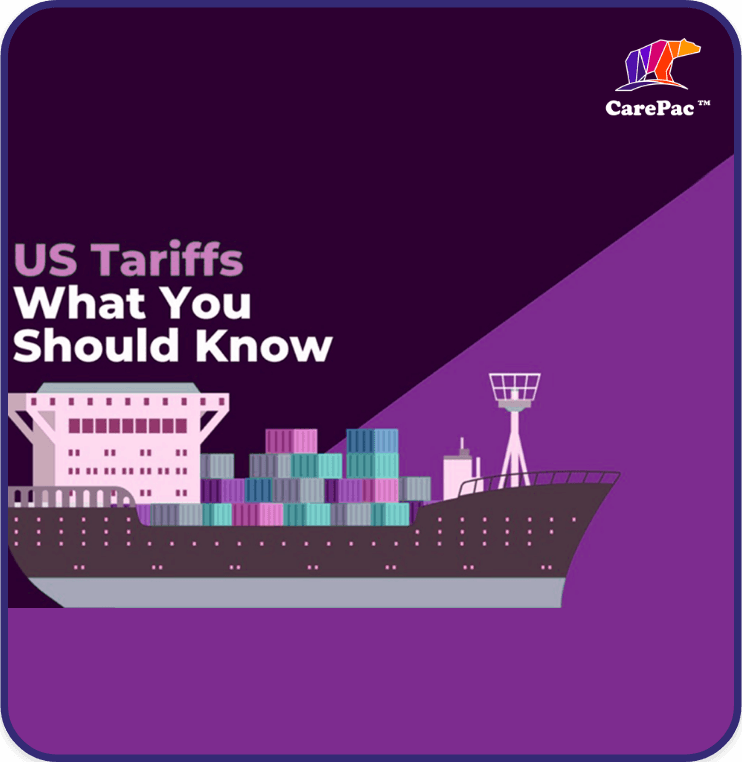
    3D illustration of miniature cardboard shipping boxes stacked on a wooden pallet placed over a delivery route map, symbolizing logistics, supply chain, and eCommerce fulfillment services.Illustration of a cargo ship loaded with colorful shipping containers under the title "US Tariffs – What You Should Know," highlighting information on import/export taxes, customs regulations, and international shipping logistics.

    These federal regulations aim to provide clear packaging and labeling requirements in an effort to reduce packaging waste, avoid unfair or deceptive packaging, protect children from exposure to microplastics, pinpoint false environmental marketing claims and exemption certificates, make packaging materials more sustainable, and ultimately aid in plastic pollution prevention.

    Businesses of all sizes, regardless of the consumer commodities they sell or the net quantity, should monitor these regulatory shifts and legal requirements. These packaging and labeling regulations apply to everyone that manufactures or sells recycled plastic or single use plastic packaging. By monitoring and adhering to the applicable packaging legislation, including the fair packaging and labeling acts in your state, you can avoid supply chain disruptions and reputational damage, and gain a competitive advantage with uniform packaging and labeling for medical devices or other consumer products.

    Extended Producer Responsibility (EPR) Programs: What’s Changing for Packaging?

    The Extended Producer Responsibility (EPR) is an environmental policy that shifts responsibility for managing products, including packaging components, throughout their lifecycle from local governments to producers. Key states like California, Oregon, Maine, and Colorado are either implementing or expanding EPR legislation for all types of packaging, including compostable packaging and sustainable packaging. These packaging legislation changes have several impacts on those packaging products. First, it places the burden of remaining compliant with packaging materials to the manufacturers themselves, and second, it can increase compliance costs for businesses. 

    So, what kind of impact does packaging EPR legislation have on packaging providers? Since each state has different packaging and labeling requirements there is no uniform packaging standard to follow. But here’s a glimpse at some individual states EPR legislation and what it means for plastic packaging providers, from those who packaging cosmetic products, personal care items, food products, and everything in between.

    • California– California’s Plastic Pollution Prevention Act was implemented in 2022, and requires producers in the plastics industry to meet specific recycling rates and design requirements. It was around this time that the now infamous plastic bag bans went into effect. 
    • Oregon– The state of Oregon passed legislation in 2021 to support municipal recycling programs and reduce waste. By promoting recyclable materials, these product packaging protocols (and other applicable labeling regulations) aim to reduce packaging waste in the landfills. 
    • Maine– Maine was actually the first state to implement EPR legislation. Established in 2021, the law aims to reduce waste management and improve recycling rates. They outlined minimum recycled content requirements and lab testing, among other sustainable packaging efforts. 
    • Colorado– Colorado’s 2022 EPR legislation also aims to increase recycling and reduce waste.

    If you package consumer products in one of these states, the law applies to you and you can expect to pay increased fees to cover the costs of collecting, recycling, and other waste management activities. You’ll likely also need to switch packaging materials (i.e., avoid rigid plastic packaging containers), implement a compliance and lab testing infrastructure throughout your organization, and invest in educating your consumers about recycling programs and how to properly dispose of plastic packaging, including rigid plastic containers and those made from restricted substances, including polyfluoroalkyl substances.

    Trade Tariffs and Global Supply Chain Challenges: How Packaging Costs May Change

    Whether you package medical devices, consumer products, or hazardous substances, the upcoming trade tariffs and global supply chain challenges will have a huge impact on the cost of all types of packaging materials, including rigid plastic packaging containers and food service ware. Since tariffs are taxes on imported goods they directly increase the cost of those materials for manufacturers. Luckily, there are several things you can do to mitigate some of these costs:

    • Diversify your supply chains so you aren’t relying on a single supplier to package your cosmetic products, personal care items, or other restricted substances. 
    • Optimize your logistics by working with suppliers and packaging providers to optimize shipping routes and minimize transportation costs. 
    • Consider switching to domestic suppliers. Not only will partnering with a domestic supplier help you avoid the tariffs on plastic bags, but they can also help you switch your product packaging to being made from recyclable materials.

    U.S-based suppliers like CarePac can provide stability by reducing your reliance on products imported, offering reliable solutions and individualized professional advice, and providing hands-on expertise and in-depth quantity comparisons. By opting for packaging materials and polystyrene containers that are made domestically, you’ll minimize your exposure to import tariffs. Connect with us today to see how we can leverage your existing packaging data to find you product packaging that’s more affordable.

    Futuristic infographic showing an airplane, trucks, and containers over a global map, representing international shipping, freight transportation, global distribution, and supply chain management.

    How Brands Can Adapt to Changing Federal Government Policies & Consumer Expectations

    Whether you’re trying to meet the packaging requirements outlines by the Federal Trade Commission, the Environmental Protection Agency, the Packaging and Labeling Act, or any other packaging and labeling regulation in your state, our professional advice is to focus on proactive planning, material selection, and transparent communication. Here’s a bit more about each of these packaging components.

    Material Selection and Innovation

    If you’ve always been resistant to recyclable and compostable options (or innovations like resin identification codes), now is the time to consider paper, cardboard, or plant-based alternatives. Minimize your packaging use by using less packaging products and consider flexible packaging options from companies like ours. We can help you meet the regulations for consumer products in your state while making sure to include accurate and adequate information about recycling on the label of your medical devices and consumer commodities.

    Sustainable Packaging and Consumer Demand

    While it is of course important to adhere to packaging and labeling regulations in your state to avoid fines and fees, it’s also important that you’re marking requirements like these because of consumer demand. Brands that embrace this trend will gain a competitive advantage, a boost to their reputation, and reducing material usage and waste can also lead to cost savings and operational efficiencies.

    Proactive Planning and EPR Legislation Monitoring

    The best thing you can do is stay up to date with the packaging and labeling regulations in your state. Monitor industry news, engage with government bodies, and develop a comprehensive strategy for transitioning to more sustainable and uniform packaging and labeling. A full transition can be daunting, so focus first on federal packaging and labeling regulations outlined by organizations like the Federal Trade Commission, before moving onto some of the smaller fair packaging requirements.

    Transparent Communication and Customer Education

    Whether you just started conforming to a specific packaging and labeling act or if you have been the entire time, you should inform your customers about the sustainable features of your packaging. Make sure they know what it’s made from, how to dispose of it, and provide value comparisons that are easy to read and understand. Continuously assess the impact of your uniform packaging and labeling and identify areas of improvement.

    Switch to Better Alternatives

    There is no time like the present to switch to packaging that adheres to the applicable regulations in your state. We can help you review the fair packaging and labeling requirements you need to adhere to, and can even provide price and quantity comparisons between different materials. Whether you’re packaging medical devices, food products, or other consumer commodities, we’ll work with you to meet the packaging and labeling requirements outlined by your state. 

    Request a free quote or contact us today to get started.

    Customer and store associate reviewing food product packaging in a grocery aisle, emphasizing consumer engagement, custom printed packaging, point-of-sale experience, and product display design.

    Lets Get Started

    Made In The USA

    Full PouchCustomization
    Scalable Printing Digital & Plate

  • Packaging Life Cycle Analysis

    Packaging Life Cycle Analysis

    Packaging Life Cycle Analysis: Why It Matters

    What Is Packaging Life Cycle Analysis (LCA)?

    A life cycle assessment (or analysis) is defined as the methodology used to assess the environmental impact of a product throughout its life cycle. It’s used in the packaging industry, specifically, to determine the product life cycle and environmental impact of different types of packaging, from cartons and flexible packaging materials to plastics and aluminum cans. A packaging life cycle assessment is crucial to reducing your environmental footprint, as it can have a positive impact on ocean plastic pollution, methane emissions, greenhouse gas, energy and water usage, and other key environmental impact categories that affect sustainability. 

    Compostable white stand-up pouch with CarePac logo resting on a fishing net near the ocean, promoting eco-friendly packaging in coastal environments.Sustainable stand-up pouch design with split background—underwater and forest—with green leaves on the left and kraft-style paper on the right, highlighting eco-conscious duality.

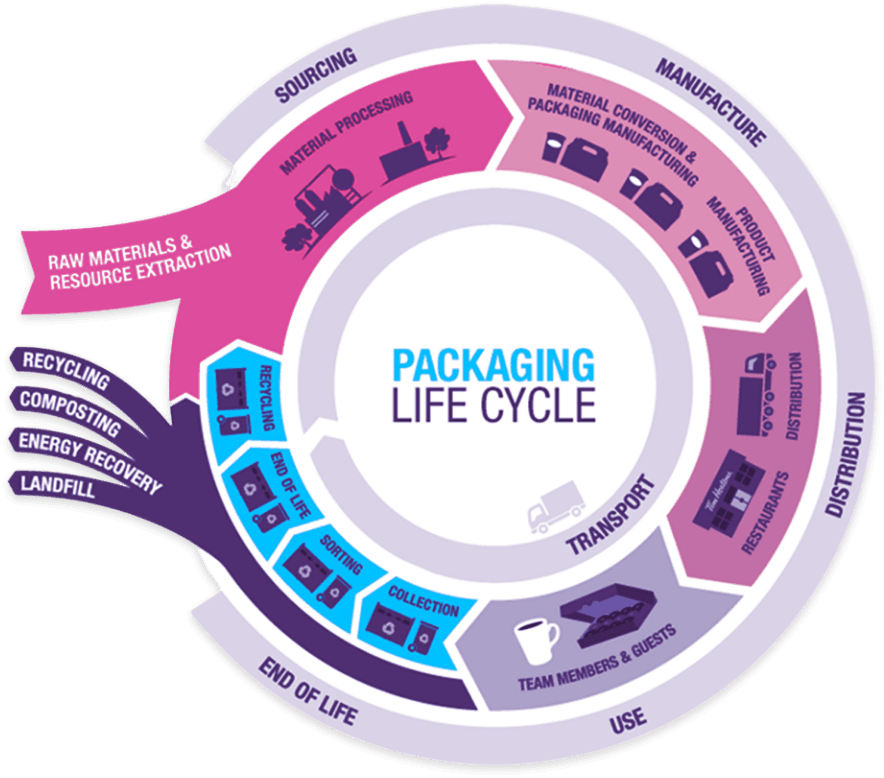
    The key stages of a packaging life cycle assessment include looking at raw material extraction, manufacturing, transportation, use, and the packaging’s end-of-life (disposal, recycling, composting.) Several tools used for life cycle assessments of packaging materials include specialized software like SimaPro, GaBi, and PIQET, and screening tools like EcoImpact-COMPASS. These tools and software don’t just make assumptions — they assess the entire life cycle of a packaging solution so companies can make informed decisions about the materials and manufacturing process of their existing (and future) packaging solutions.

    Circular infographic showing the full packaging life cycle from raw materials to recycling, composting, and landfill, illustrating sustainable packaging practices.

    Why Packaging LCA Matters in Design

    The life cycle assessment of your packaging has a huge impact on packaging design. Businesses use the results of their life cycle assessment (LCA) to choose smarter, more sustainable materials and plastics. This helps them reach their sustainability commitments and reduce their carbon footprint. Since the LCA is a comprehensive review that looks at things like raw material extraction, end of life, and multiple aspects of the supply chain, it also helps prevent greenwashing (the practice of appearing to be eco-friendly on the surface but not actually having any impact or making progress on environmental goals.)

    In addition to helping evaluate material selection, packaging research also informs design decisions related to functionality, weight, disposal, and recyclability. For example, a company may discover through an LCA analysis that reducing packaging weight or eliminating unnecessary layers can significantly lower emissions during transport and manufacturing. It can also highlight opportunities to progress towards a shift toward mono-material designs that are easier to recycle. 

    By incorporating LCA assumptions and insights early in the design process, businesses can focus on creating packaging that balances performance, consumer appeal, and environmental responsibility—leading to more transparent, data-driven decisions across the product life cycle.

    Multiple kraft paper pouches and green leaves laid out on a white surface, showcasing compostable and sustainable flexible packaging options for eco-conscious brands.

    Comparing Packaging Materials Through an LCA Lens

    If you’re wondering what the results of a life cycle assessment might look like in real life and how companies evaluate the info to make packaging decisions that can impact climate change, here’s an example. Say you’re comparing the environmental performance and impact of a glass bottle vs. a flexible pouch — here are some of the takeaways you might expect from your LCA results:

    Detailed view of a brown kraft stand-up pouch featuring the colorful CarePac bear logo, emphasizing custom printed compostable packaging.

    Flexible pouches waste less energy and use fewer materials, making it more resource efficient. On the other hand, glass is heavier than most plastics and uses more energy, but is made from abundant natural materials and is often easier to recycle. 

    When it comes to transportation, pouches can reduce the carbon footprint during transport while glass’s weight and fragility can increase its environmental impact. 

    Glass has a circular life if properly collected and recycled, while pouches have limited recycled content and even less recycling infrastructure.

    As you can see, no packaging alternatives are better than something else. The best choice depends on context, including manufacturing, transportation, water usage during the production life cycle, and end of life plans for the product. You’ll need to evaluate the data and choose the materials and services that make the most sense for you and the overall environmental impact of your company.

    How CarePac Helps You Make Sustainable Packaging Choices

    At CarePac, we provide ourselves on providing a variety of material options to our customers, and we’re constantly working on the sustainable development of new product offerings. If you’d like to review the life cycle assessment (LCA) of any of our products or materials, we’d be happy to provide them and answer any questions you have about our sustainable products. Currently, we offer packaging materials that include PCR plastic, recyclable packaging, PFAS-free food packaging, and several biodegradable and compostable options. We’re all about reducing our carbon footprint and can help you do the same. 

    A person holding a heart-shaped leaf in front of their chest, symbolizing eco-friendly values

    By working with us, you can also reduce your environmental impact in other ways. For example, you can avoid unnecessary overpackaging or poor end-of-life options. Whether you’re concerned about the raw material used in your packaging or the energy and tools required during the manufacturing process, we can help you make informed packaging decisions that’ll have a positive environmental impact. We’re all about transparency with our packaging design and services.

    A trio of plant-themed stand-up pouches with botanical designs, emphasizing sustainable and visually appealing packaging for organic products.

    Final Thoughts: Think Beyond the Circular Economy Buzzwords

    When it comes to packaging design and life cycle assessment, it’s important to emphasize data-driven decision making over “eco-friendly” marketing claims that have zero substance. If you truly care about improvement in sustainability, we can help you evaluate your existing packaging framework and system boundaries and identify areas where you can enhance sustainability and minimize your environmental impact. 

    Today’s consumers and stakeholders are looking for authenticity and measurable impact when it comes to sustainability—not just green-colored packaging or buzzwords. CarePac is your trusted partner in navigating the innovation and complexities of sustainable packaging. With our expertise in materials, compliance, and life cycle assessment (LCA), we can help you align your packaging choices with real sustainability metrics and data, ensuring that your environmental efforts are both credible and effective—not just cosmetic.

    White box bottom pouch and stand-up pouch placed in a vibrant wildflower meadow and a scenic mountain waterfall, showcasing natural, compostable packaging in an outdoor setting representing eco-friendly packaging solutions inspired by nature.

    Packaging LCA FAQs

    Here are some common questions we receive about sustainability and how the proper packaging choices can help reduce your environmental impact.

    Let’s Get Started

    Made In The USA

    Full PouchCustomization
    Scalable Printing Digital & Plate

  • Guide to Environmental Holidays

    Guide to Environmental Holidays

    Environmental Holidays: A Year-Round Guide to Celebrating the Planet

    Why Celebrate Environmental Awareness Days?

    As climate change continues to impact the world around us, environmental awareness is growing in popularity all around the world, and not just during the holiday season. As such, it’s incredibly important to honor and celebrate all the environmental holidays that pop up throughout the year. Not only does honoring special environmental days, like World Migratory Bird Day, National Park Week, and Energy Efficiency Day help bring attention to these important issues, but it can help you connect with your consumers and loved ones on a much deeper level. 

    In this blog, we’ll discuss some of the most popular environmental holidays (sometimes called green holidays) and how you can use them to get more involved in sustainability efforts and eco friendly awareness throughout the year.

    A person holding a heart-shaped leaf in front of their chest, symbolizing eco-friendly values, with an overlay of a tree growing from the Earth, representing sustainability in packaging design.

    Earth Day & Other Green Holidays & Environmental Days

    When people think about sustainable or environmental holidays, the first thing that comes to mind is Earth Day in April, but there are many other opportunities to celebrate biological diversity and the Earth all year long. The United Nations and other environmental organizations have created various awareness days and environmental days to promote sustainability and conservation throughout the world. Celebrating these environmental holidays can help individuals and communities make a huge difference in protecting the planet by bringing awareness to the cause.

    Here is an ultimate list of all the major environmental holidays that focus on reducing our environmental footprint and food waste, improving clean air, helping endangered species, and making greener choices. By celebrating these national and international days you can help bring some much-needed attention to environmental issues that deplete the ozone layer and impact everyone around the world.

    Here are some environmental awareness days and eco friendly holidays to mark down in your calendars:

    World Wetlands Day- Second day of February
    World Wildlife Day- March 3
    International Day of Forests- March 21
    World Water Day- March 22
    Arbor Day- April 25
    World Migratory Bird Day- May 10 
    Endangered Species Day- Third Friday in May 
    World Environment Day- June 5
    World Oceans Day- June 8
    World Rainforest Day- June 22

    World Habitat Day- October 6

    International Day of Climate Action- October 24
    America Recycles Day – November 15
    World Soil Day- December 5

    Multiple kraft paper pouches and green leaves laid out on a white surface, showcasing compostable and sustainable flexible packaging options for eco-conscious brands.A brown kraft stand-up pouch with a green recycling symbol, displayed outdoors in a natural environment, highlighting compostable and environmentally responsible packaging.

    Other environmental days occur on a more recurring basis, like Meatless Mondays, which encourages people to avoid eating meat every Monday. Other environmental days, like Earth Hour, Plastic Free July, or Zero Waste Week occur across a hour, an entire month, or an entire week, respectively. Regardless of when they occur or how long they last, these environmental holidays are a great opportunity for brands to focus on their sustainability and promote important organizations like the Environmental Protection Agency and the United Nations General Assembly. 

    Whether the eco friendly holiday falls on a Friday, Saturday, Sunday, Monday, or any other day of the week, mark it down and prepare to celebrate these awareness days.

    Easy Ways to Honor These Holidays as a Business

    As a brand, there are several ways you can get involved and help combat desertification. First, you can use social campaigns to raise awareness for these important world days, and use the holidays as a way to bring your team closer together (think employee beach clean up days or other fun family outings for a good cause.) Align your sustainable actions with your company goals so your customers have insight into your overarching sustainability goals. 

    If you haven’t yet switched to eco-friendly packaging, there is no time like the present to invest in the future. Whether you manufacture holiday decorations specifically for the holiday season or products used all year long, a greater focus on the environment never goes out of style.

    A trio of plant-themed stand-up pouches with botanical designs and a CarePac kraft pouch in the foreground, emphasizing sustainable and visually appealing packaging for organic products.

    How CarePac Supports Your Eco-Friendly Goals

    At CarePac, we understand that sustainability is more than just a trend — it’s a commitment to the future. That’s why we offer a range of eco-conscious packaging solutions that help your business reduce its environmental footprint without compromising on quality or performance. Our eco-friendly packaging options include recyclable, compostable, and packaging made from plant-based materials, each with its own unique advantages.

    Recyclable Packaging

    Our recyclable pouches and bags are designed to be easy to sort and process in existing recycling streams. This is ideal for brands looking to reduce landfill waste and contribute to a circular economy by using recycled materials.

    Compostable Packaging

    Made from renewable plant-based resources, our cost effective compostable packaging breaks down in commercial composting facilities — returning nutrients to the earth instead of creating lasting waste. Perfect for food, cosmetics, and specialty products.

    Plant-Based Materials

    CarePac offers innovative packaging made with bioplastics derived from sources like corn, sugarcane, and cellulose. These renewable alternatives to petroleum-based plastics help lower your carbon footprint and dependence on fossil fuels.

    Why Choose CarePac as Your Partner in Sustainability?

    At CarePac, our celebration of green holidays isn’t just symbolic — it can (and does!) drive real change. If you’d like to celebrate these international days all year long, whether they take place on a Friday, Sunday, or some other day of the week, now is the perfect time to start. Whether you’re looking for sustainable gift wrap this holiday season or want to add special touches to your eco-friendly packaging with high-gloss features or QR codes, we’re here to help.

    Here are several important benefits of working with CarePac to make your brand more eco friendly and sustainable:

    • Custom Packaging with Purpose – Our design team helps you balance sustainability with functionality and brand appeal. You’ll be able to protect nature without losing your brand messaging. 
    • Low Minimum Orders – Small businesses can go green without over-ordering or creating excess waste. With our low MOQs you can help reduce waste and energy while still having enough packaging to meet the extra holiday demand. 
    • Future-Ready Innovation – We continuously research and add the latest green packaging technologies to our product line. At CarePac, we’re always on the hunt for energy conscious packaging that gets the job done while still protecting the environment.

    Ready to get started? Have questions? Request a quote today to get started.

    Let’s Get Started

    Made In The USA

    Full PouchCustomization
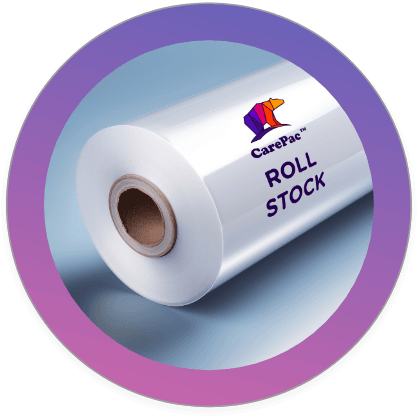
    Scalable Printing Digital & Plate