Category: Other Packaging Topics

  • LTL Shipping Tracking and FAQ

    LTL Shipping Tracking and FAQ

    LTL Carrier Tracking & Freight Shipping FAQS

    What is LTL Freight?

    LTL stands for “less-than-truckload” and refers to a freight shipment that consists of goods, commodities, or cargo that weights more than 150 pounds, but less than a full truckload. This type of shipment is usually shipped on pallets and, as the name suggests, is shipped via semi truck and only requires a portion of the truckload or trailer space. This type of shipping is often considered less urgent, which is why reliable shipping and tracking is so important.

    Carrier Tracking Links

    To make tracking your truckload shipping needs even easier, below is a list of LTL tracking pages with links. By clicking the links below, you’ll be able to more accurately access and track the freight shipping documents that were provided to you by your carrier. This way you can track your shipping status and you’ll be better prepared when your products do finally arrive. 

    FedEx Priority

    TForce Freight

    Numark Transportation

    XPO

    Estes Express

    YRC Freight

    R+L Carriers

    Dependable Supply Chain Services

    Central Transport

    Total Transportation & Distribution, Westset Logisitics

    SAIA LTL Freight

    Old Dominion Freight Line

    Reddaway Freight

    LTL FAQs

    Here are some common LTL questions we receive from businesses regarding their freight shipping and packaging.

    Let’s Get Started

    Made In The USA

    Full PouchCustomization

    Scalable Printing Digital & Plate

  • Contract Converting Services Tailored to Your Packaging Needs

    Contract Converting Services Tailored to Your Packaging Needs

    Contract Converting Services Tailored to Your Packaging Needs

    What is Contract Converting?

    Contract converting is the process in which manufacturers (like you) outsource their converting needs to a third-party provider (like us). Instead of doing all the converting in-house themselves, manufacturers can ship their materials to a third-party company that will convert the materials on their behalf. It’s easy, cost-effective, and can help free up time to focus on important pursuits like gaining more customers or improving your cashflow.

    CarePac’s Converting Capabilities

    CarePac is proud to be expanding our service offerings to include several common contract converting services for laminated barrier plastics, including:

    Slitting

    If you’re seeking a high quality custom slit, we can certainly help. Send your materials to us and we’ll help you cut wide rolls of material (Kraft paper, film, foil, fabric, etc) into narrower rolls or slits. Contact us to learn more about our custom slitting options.

    Laminating

    We offer solventless laminating of printed and non-printed skins to base materials such as VMPET, AL, or NY.

    Die-Cutting

    We can help cut, shape, and form your raw fill stock into specific shapes or patterns through our die-cutting contract converting services. Whether you need die-cutting for pouches big or small for your retail or promotional items, contact us today to learn more.

    Converting

    Most importantly we offer pouch converting of your roll stock into finished pouches.

    Stand Up Pouches

    Flat Pouches

    Other Pouch Configurations

    At CarePac, we have access to state-of-the-art equipment and use the latest technology to help support you with your contract converting services. Whatever challenge you have, contract it to us and we’ll offer you exceptional service and quick turnaround.

    Industries We Serve

    There are several industries that can benefit from CarePac’s converting services, including food and beverage, health and wellness, beauty and personal care, pet food, and industrial applications. We offer tailored solutions for specific industry needs, and will earn our customer trust by listening carefully to their needs. For a full look at the industries served by CarePac, browse our website.

    Why Choose CarePac for Contract Converting?

    By partnering with CarePac, businesses can tap into the company’s extensive experience and expertise in converting materials and packaging. Here’s a deeper dive into the key benefits of partnering with CarePac for contract converting:

    Expertise and Experience in Packaging and Converting

    We bring decades of industry knowledge and technical expertise to the table, meaning we can handle complex converting processes with precision and efficiency.

    Commitment to Quality and Precision

    CarePac is committed to maintaining high-quality standards across all our contract converting services, ensuring that every product produced meets or exceeds client specifications, carefully executing with precision each toll converting job.

    Flexible and Scalable Solutions

     We understand that businesses have unique needs that can vary in scale, and we’re equipped to meet the demand. We can cater to short-run, custom orders as well as large, long-term projects with seamless scalability.

    Cost-Effective Services

    Partnering with CarePac provides cost-effective solutions without compromising on quality. Our production processes and inventory of high quality stock available for shipment allow us to offer competitive pricing on our converting services.

    Quick Turnaround Times

    Time is often a critical factor in business, especially when it comes to packaging and converting. We’re proud to offer quick turnaround times without sacrificing quality.

    Other converters might claim to offer all of the above, but our technical abilities go beyond what many other converters are able to offer. From our distribution logistics management to our knack for precision and exceeding expectations, we’re a cut above our competition.

    Our Process 

    Here’s a quick look at how we handle our contract converting projects:

    Initial Consultation and Needs Assessment

    The first step is understanding your requirements and objectives. During our initial consultation, we’ll work with your team to assess your needs.

    Material Selection and Sourcing

    With a clear understanding of your needs, we’ll move forward with selecting the most suitable materials for your project.

    Custom Converting Process

    Whether it’s slitting, laminating, printing, sheeting, or other specialized converting processes, we use advanced equipment and techniques to produce high-quality results.

    Quality Control and Assurance

    Quality is a top priority throughout every phase of the converting process and our dedicated quality control team inspects the materials, processes, and final products to ensure everything is defect-free.

    Packaging and Delivery

    We ensure that the final products are packaged securely and according to your specific requirements and coordinate the timely and efficient delivery to ensure that your products arrive on schedule and in perfect condition.

    Get Started with CarePac’s Contract Converting Services

    Are you ready to streamline your manufacturing process, improve product quality, and enhance your packaging solutions? At CarePac, we offer comprehensive contract converting services tailored to your needs, helping you transform raw materials into finished products that meet your exact specifications. Contact us today to get started.

    Contract Converting FAQs

    Can CarePac customize converting services to fit my needs?

    Absolutely! At CarePac, we understand that every project is unique, and we pride ourselves on offering customized converting services tailored specifically to your requirements.

    What Quality Control measures are in place?

    We are deeply committed to delivering high-quality products, and we have rigorous quality control measures. These measures include material inspection, quality testing, and final inspection.

    What is the typical lead time for contract converting orders?

    A typical lead time for contract converting orders can range from 2 to 4 weeks, depending on the complexity of the product and the volume of the order. This range can be shorter or longer, depending on several factors, so please contact us for a better idea of our lead times for your specific project.

    Let’s Get Started

    Made In The USA

    Full PouchCustomization

    Scalable Printing Digital & Plate

  • Meeting Food Safety Standards for Large-Scale Distribution

    Meeting Food Safety Standards for Large-Scale Distribution

    Meeting Food Safety Standards for Large-Scale Distribution

    Why Food Safety Standards Matter for Large-Scale Distribution

    Food safety is critical for large-scale operations because it protects consumers from potential hazards, can help prevent cross contamination, and reduce the likelihood of food-borne illnesses from inefficient processes or dirty equipment. Not only do food safety regulations protect consumers, but good manufacturing practices can protect food manufacturing companies from legal repercussions and severe damage to their reputation. 

    Regular inspections, refresher training courses, adhering to regulatory requirements, routine pest control, proper storage processes, equipment inspections, and good record keeping can reduce food safety risks and enhance consumer trust. Risks of non-compliance with established regulations for food manufacturing facilities include product recalls, health hazards due to an increased risk of cross contamination, legal issues, and a loss of consumer trust. 

    Fortunately, a comprehensive food safety manufacturing plan, including proper packaging and distribution practices across the food industry, is essential to preventing food-borne illnesses and maintaining consumer confidence. Even if your customer will end up cooking the food, the bulk of food safety falls on food manufacturing companies.

    Key Food Safety Regulations for Large-Scale Distribution

    Major food safety regulatory bodies in the United States include the FDA, USDA, and the Food Safety Modernization Act. These regulatory bodies provide general guidelines for food safety across many aspects of the food industry, including food production and food manufacturing, how raw materials are handled during manufacturing and distribution, and safe food handling practices. Below we’ll discuss a little more about these food safety procedures and processes.

    FDA Food Safety Standards

    The food safety guidelines outlined by the FDA focus on proper food manufacturing processes, including sanitation, hazard analysis, and critical control points for food production facilities. The FDA has very specific regulations for different food categories, including seafood, juice, frozen food, and quality standards for other foods. They also regulate the proper temperature a food thermometer needs to reach to prevent foodborne illnesses and things like avoid thawing chicken under cold water.

    Food Safety Modernization Act (FSMA)

    The Food Safety Modernization Act requires food facilities to develop and implement food safety plans and tips with hazard analysis and risk-based preventive controls. Key components of the FSMA include regulations for handling fresh produce and specific food safety temperatures during transportation.

    USDA Food Safety Requirements for Meat, Poultry, and Dairy

    The USDA food safety regulations focus on meat, poultry, and dairy specifically. Their corrective actions include mandatory inspections of meat and poultry processing plants, which includes pathogen testing and grading based on manufacturing quality. Not only do they focus on the food production process, but they also have strict guidelines for distribution of food products, so the meat, poultry, and dairy products are regulated throughout the supply chain.

    Food Safety Packaging Best Practices for the Food Industry

    When it comes to food packaging and safety, specifically, there are several food safety best practices to keep in mind. These are intended to protect the safety and quality of food products as they make their way through the supply chain. Below are a few things to keep in mind:

    Choose the Right Packaging Materials

    To adhere to the critical control points for food packaging, you’ll need to choose packaging that’s FDA-approved, durable, and leak-proof. Proper packaging can prevent raw materials from coming into contact with each other during transport and protects things like fresh beef and dietary supplements from spoilage during transport. Browse our materials here.

    Pay Attention to Barrier Properties

    By selecting the appropriate barrier properties, you can prevent moisture, oxygen exposure, and contamination. After all, what’s the point of going through risk assessment, training programs, and maintaining proper hygiene and equipment safety at the food manufacturing plant if your transport and storage practices cause the food to spoil before arrival?

    Use Tamper-Proof and Resealable Features

    Another important thing to keep in mind is adding tamper-proof or resealable features to your packaging. Although these safety standards aren’t mandated by the FDA or USDA, it can enhance food security during transit and throughout the food supply chain. The best food defense is taking the extra steps during both transport and during the manufacturing process.

    Preventing Contamination & Ensuring Safety Throughout Food Production & Distribution

    There are several food safety best practices to keep in mind as you package and distribute your product, whether you’re producing raw materials like flour or sugar or processed food products that are ready-to-eat. These corrective actions and internal processes can help ensure your products meet safety standards and protect the American food supply chain from major issues.

    Temperature control & cold chain logistics

    Ensuring proper temperature control and cold chain logistics throughout your operations can help keep perishable foods safe. Even if your customers will be cooking food to the appropriate temperature before eating, the responsibility still falls on you to maintain the proper temperature of your finished products during transport.

    Proper storage & handling

    If you haven’t already, you’ll need to come up with standards to help avoid cross-contamination in warehouses. Some standards to consider include how to handle dirty cutting boards, if your employees need to change clothes after coming in contact with certain raw materials, hygiene standards for your employees and contractors, washing hands with soapy water, ensuring running water in your facility is clean, and outlining other operations processes you can think of.

    Labeling & tracking

    Another thing you’ll need to ensure is accurate food product identification for consumers. Do your labels outline proper cooking instructions? Does it provide tips for keeping the food fresh and safe? Food safety might start with the individuals in the food manufacturing industry, but it ends with the consumer. Make sure they have the hygiene and sanitation tips they need for proper cooking, storage, or consumption.

    How CarePac Helps You Meet Food Safety Manufacturing Standards

    When it comes to food safety, compliance with food manufacturing regulations isn’t just important—it’s essential. Our food-safe packaging solutions are designed to help food manufacturing businesses meet strict FDA, USDA, and other industry standards. Our packaging is made from food-grade materials that meet regulatory requirements and will protect your food products against product contamination. This way, your food products stay safe for consumption throughout their life cycle. 

    We’re proud to provide custom packaging solutions for large-scale food distributors, whether you need packaging for bulk food distribution, ready-to-eat meals, or fresh food products, like fruits and vegetables. Choose barrier films, resealable pouches, and tamper-evident options to ensure the safety and quality of your food after manufacturing. 

    Don’t leave the safety and quality of your food to chance. Contact us today to find the right packaging solutions that will keep your business compliant and customers safe.

    Packaging for Food Safety: FAQs

    Here are some common questions we receive about food safety and how it is impacted by proper packaging.

    Lets Get Started

    Made In The USA

    Full PouchCustomization

    Scalable Printing Digital & Plate

  • Optimizing Packaging for Cold Chain Logistics

    Optimizing Packaging for Cold Chain Logistics

    Optimizing Packaging for Cold Chain Logistics

    Introduction to Cold Chain Logistics

    Cold chain logistics is essential for maintaining the quality, safety, and sustainability of temperature sensitive products, like food and certain pharmaceuticals. If you’ve ever tried to keep food cold during a long day at the beach, though, you already understand that keeping things at a specific temperature is more difficult than it sounds. That’s where cold chain packaging solutions come into play.

    The right cold chain packaging solutions ensure the integrity of vaccines, biologics, medication, and food products as they make their way from the manufacturing and shipping facility to the store or pharmacy shelves. There are three types of cold chain packaging: active, passive, and hybrid, all of which use different methods to maintain a consistent temperature for temperature sensitive items.

    In this blog, we’ll discuss the key challenges of cold chain packaging, how cold chain packaging manufacturers can better optimize their processes, and how CarePac can help support your cold chain products with our customized and high-quality packaging.

    Key Challenges in Cold Chain Packaging

    There are several key cold chain challenges, including maintaining temperature integrity, preventing condensation and moisture damage, and ensuring compliance with industry standards. We’ll cover each of these cold supply chain challenges more in-depth below.

    Maintaining Temperature Integrity

    Whether you’re transporting vaccines or shipping frozen goods and dairy products, you’ll need to maintain temperature integrity via insulated box liners, gel packs, and robust seals. Finding packaging solutions that fit the bill can be difficult and expensive, especially for an industry that’s already strained.

    Preventing Condensation and Moisture Damage

    You’ll need to find moisture-resistant packaging that will help protect your products from moisture damage. Additionally, you’ll need to invest in expensive technology to protect your frozen foods and pharmaceuticals from drastic temperature changes in the first place.

    Ensuring Compliance with Industry Standards

    Cold chain packaging materials will need to meet strict industry standards that are set forth for the cold chain industries. This protects the end user from sickness (or even death) due to consuming spoiled food or expired vaccines or pharmaceuticals that spoiled during transport.

    Best Practices for Optimizing Cold Chain Packaging

    Optimizing cold chain packaging is crucial for ensuring product integrity and reducing costs throughout the supply chain. Here are a few best practices:

    Use Insulated and Durable Materials

    By using cold chain solutions that focus on insulated and durable materials you can avoid damage during transit. Higher quality materials may be more expensive on the onset, but they’ll save you money in the long run. Invest in materials and gel packs that retain temperature and help you avoid food waste.

    Optimize Package Design for Efficiency

    Compact, stackable designs can help maximize shipping space and reduce costs. Find cold chain packaging solutions and providers that will work with you to truly understand your shipping logistics and craft cold chain packaging that’ll fit the bill. Even better if they offer thermal packaging solutions in various sizes.

    Incorporate Real-Time Tracking Solutions

    The benefits of integrating tracking for temperature-sensitive shipments are many. Not only will you be able to track your goods throughout the transportation cycle, but you’ll be able to rest easy knowing that your temperature sensitive goods are being transported in the proper temperature environment.

    Cost-Effective Strategies for Cold Chain Logistics

    If all of the above sounds expensive, it’s because it is. Fortunately, there are a couple things you can do now to cut back on costs.

    Minimize Packaging Waste

    Use reusable or recyclable materials to lower costs. Some companies even offer discounts or other incentives for customers that send their packaging back in the mail. Whether you use expanded polystyrene or sustainable materials, anything you can do to improve sustainability is a step in the right direction.

    Streamline Packaging Processes

    You can streamline your packaging processes by partnering with trusted suppliers for efficient packaging solutions. It’s always a good idea to find a few companies that can manufacture your temperature controlled packaging; that way, if one of your temperature controlled packaging solutions goes out of business or needs to close due to bad weather, you won’t be left in a lurch.

    How CarePac Supports Cold Chain Packaging Needs

    At CarePac, we are proud to offer custom cold chain packaging solutions for temperature sensitive products. Not only will our packaging help you ensure proper temperature control for your sensitive items, like pharmaceuticals, chemicals, or food products, but our customization capabilities mean that your product will stand out to your customers.

    Ready to learn more about our cold chain solutions for packaging? Contact us today to get started!

    Lets Get Started

    Made In The USA

    Full PouchCustomization

    Scalable Printing Digital & Plate

  • The Science of Laser Cutting in Packaging Design

    The Science of Laser Cutting in Packaging Design

    The Science of Laser Cutting in Packaging Design

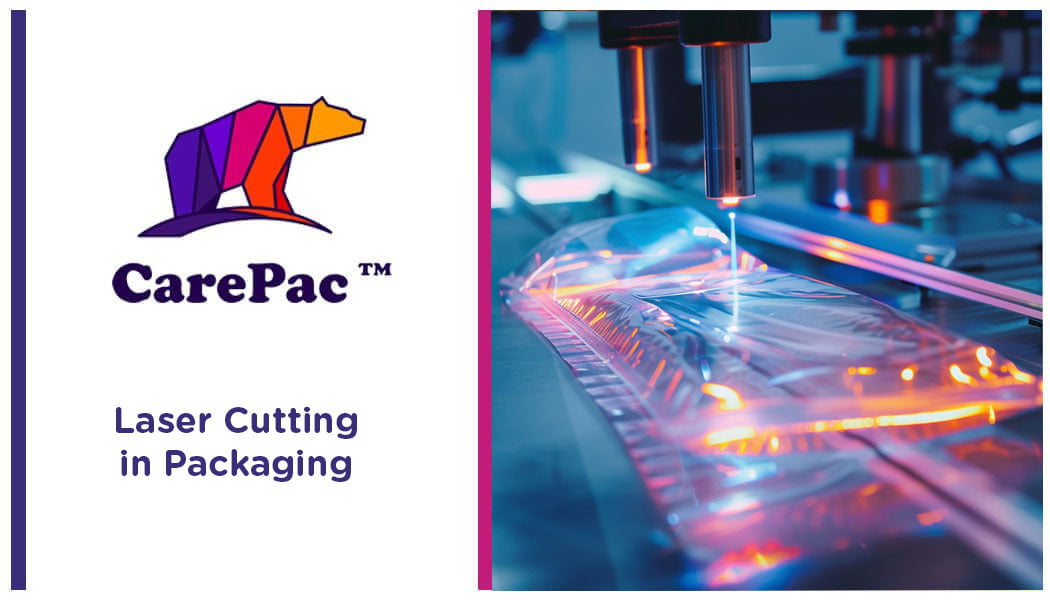
    Laser cutting is an extremely precise and versatile method that uses a laser beam to cut various shapes or objects out of plastic, acrylic, or other materials, regardless of material thickness. In packaging design, specifically, laser cutting with a focused laser beam ensures dimensional accuracy, and is more accurate than many other types of cutting, regardless of material thickness.

    Additionally, laser cutting with a laser beam is a cutting edge technology often used to cut materials for prototyping or low-volume production runs.

    Sometimes referred to as laser scoring, laser cutting also means that packages can be opened effortlessly because they’re constructed with materials that provide clean and easy opening. If you sell or manufacture products that will be opened by a consumer (think: candy, coffee, or any other type of snack), then our laser cutting capabilities should be considered. 

    How Does Laser Cutting Work?

    As you probably guessed, the laser cutting process works by using a laser cutting machine and a high-powered laser beam to cut materials. These laser beams don’t cut or melt and don’t waste heat or have high power consumption; instead, the laser beam vaporizes the material which prevents it from catching fire or degrading. The laser wavelengths can be visible or invisible to the eye, depending on the light spectrum of the wavelength. The laser beams pass through several mirrors before converging at a single spot.

    A special laser cutting software in the laser systems moves the laser head/module back and forth over different materials via an automated process, per the settings that are entered into the computer controlled machine via computer numerical control (CNC).

    As soon as the laser beam lands on the intended target, the temperature increases, causing sublimation. Depending on the strength of the laser beams, this process can be done in one pass or may require several passes to cut materials with the laser head. 

    What Materials Can Be Cut By a Laser Beam?

    As a packaging and pouch provider, we typically use the focused laser beam to cut through plastic material, paper, or cardboard, but laser cutting can be used to cut through a various materials, including very thick materials and thin materials, too.

    Since not all materials are compatible, particularly thicker materials, here just a few other materials that can work with laser cutting technologies to create extremely precise cuts. From wood to metals, learn about the various materials that can be used with a laser generator:

    Laser cutting machines are often used to cut through wood, regardless of the material thickness. If you’ve ever held a wood Christmas ornament or seen cutting boards with letters engraved into it, these are two examples of how laser cutting is often used with wood.

    Acrylic

    If your application requires an attractive, clean, and beautiful finish, using acrylic in tandem with laser cutting is a good choice. Awards, trophies, and decorative items and figurines that are made out of acrylic are often the result of laser cutting.

    Plastic

    This is where CarePac shines! Some of the plastic materials that are suitable for use with a laser cutting machine include: acrylic (PMMA), polystyrene (PS), polyethylene (PE), and polypropylene (PP), just to name a few. Different plastics have different melting points, so always check with a professional about material compatibility.

    Fabric

    Since laser cutting can create extremely clean cuts, it can be used to cut shapes out of different types of fabric, including cotton, silk, polyester, and leather.

    Paper and cardboard

    Have you ever seen a beautiful paper lantern with intricate shapes cut into it, or seen a beautiful wedding invitation with lots of embellishments? Chances are both of these items were created by using laser cutting in combination with paper or cardboard materials.

    Metals

    Since metal is so hard, it almost always requires a high powered pulsed laser beam to cut through it. For cut metal, specifically, using fiber lasers is ideal, since this type of laser is high power and produces very high energy laser pulses. Need to cut metal? Using a high power laser is key. 

    Why Laser Cutting for Custom Pouches?

    When it comes to laser cutting for custom pouches, there are a few things that separate this type of industrial cutting technology from others. Here are just a few of the core advantages of laser cutting:

    Extremely precise

    Laser cutting is perhaps the most precise cutting process, especially when compared to other manufacturing processes. If accuracy and preciseness is important, using laser technologies is the best choice.

    Very efficient

    Producing products using laser cutting is extremely efficient. The metal cutting industry, in general, has tried-and-true processes in place that can create intricate designs with laser processing in a very short mount of time.

    Customizable

    One of the best parts of partnering with a laser cutting business for your marketing materials or products is that it’s highly customizable. Since the high powered laser only cuts where you tell it to, cutting thick materials is just as easy as cutting thin ones.

    Flexibility

    The laser cutting process is often used for short runs and prototyping, so you won’t be tied to large orders. This is one of the key advantages of laser cutting machine.

    Now that you know more about the advantages of laser cutting, read on to learn more about two different manufacturing processes that use laser cutting: laser perforation and scoring. 

    Laser Perforation & Scoring

    With laser perforation and scoring, your barrier films can be made “breathable”, meaning you can package things that need to breathe, like fresh-cut produce. Some common applications for laser scoring include:

    • Fresh-cut produce

    • Steam release for microwaveable packaging, like popcorn.

    • High-altitude burst elimination

    • Venting of excess air in bulk packaging that can build up over time.

    Since laser scoring requires no tooling, it has a lower up-front cost, making it a viable alternative to more traditional plasma cutting methods. 

    Why Choose CarePac for Your Laser Cutting Needs

    With decades of experience in the flexible packaging industry, CarePac is your go-to source for all your laser cutting needs. We have access to the highest-quality laser cutting machines and technology, including fiber lasers, transverse flow lasers, and high power CNC machines. Our laser cutting services are affordable, efficient, and we proudly perform all work in the USA.

    Our CareDesign team is on hand to answer any questions you may have, from the desired cutting width to how our high energy fiber laser works. Contact us today to get your project started.

    Laser Cutting FAQs

    What materials can be laser cut for packaging purposes?

    A variety of different materials can be used with a seed laser, including paper, plastic, cardboard, stainless steel, and acrylic.

    Can laser cutting services be used for all types of packaging designs?

    Yes. As long as the high energy laser beam is compatible with the material you’re using, our laser cutting services can be used for all types of packaging designs.

    What are the cost implications of opting for laser-cut packaging?

    Though the cost of laser cutting services varies greatly depending on on the laser power and whether it’s a fiber laser or uses radio frequency energy, it does have its advantages in that it has low start-up costs.

    What is the turnaround time for producing laser-cut packaging?

    Laser cutting services typically take 2-4 days, but this depends on a variety of factors, including the project size, the types of laser used, and the type of material (i.e., stainless steel is more expensive for laser cutting machines to cut through than other materials.) 

    Lets Get Started

    Made In The USA

    Full PouchCustomization

    Scalable Printing Digital & Plate

  • Heritage Packaging Competitors & Alternatives for Custom Pouches

    Heritage Packaging Competitors & Alternatives for Custom Pouches

    Heritage Packaging Competitors & Alternatives for Custom Pouches

    Established in 1990, Heritage Packaging provides unique sustainable packaging and protective packaging solutions that can’t be bought off the shelf. Their team of packaging engineers, machine operators, and fabricators work together to create packaging solutions, including food packaging, for their clients. 

    Although Heritage Packaging is one of the leading manufacturers in the packaging industry and developed a state-of-the-art packaging feature, they aren’t for everyone. If you’re hoping to learn more about Heritage Packaging alternatives, you’ve come to the right place. In this blog, we’ll discuss some of Heritage Packaging’s key competitors and emerging players in the flexible barrier packaging space. 

    CarePac: The Preferred Vendor for Sustainable Packaging Alternatives

    Unlike some of the other Heritage competitors on this list, CarePac lives and breathes flexible packaging. We have 10+ years experience in the industry, and constantly seek plastic alternatives and sustainable packaging that will help reduce your carbon footprint. If you’re trying to avoid single use plastic and are looking for a biodegradable alternative that produces less waste, our solutions can help. 

    But, don’t just take it from us. Take it from our happy customers, who said this on Google: “This company is amazing with their customer service and fast shipping. They also have a great amount of bags and pouches that your business could use. The products are durable with great quality and a professional experience. Be sure to check them out for your needs. I am positive you will be glad you did!”

    Curious about our other products, our company, our business model, our services, the materials we use, cost, trends in the industry, or anything else? Browse our website to learn more or contact us today

    Other Heritage Packaging Competitors

    According to Semrush, an analytical tool used for digital marketing purposes, Heritage Packaging’s key organic competitors include: 

    Heritage Container

    Heritage Container is one of the leading sustainable packaging alternatives to Heritage Packaging. They believe that retail and food packaging is part of the product, and focus on offering packaging materials made out of sustainable materials. This Heritage competitor is ideal if you’re concerned about carbon emissions, greenhouse gas emissions, reducing plastic waste in the landfills, your carbon footprint, and the environmental impact using single use plastic in your packaging. 

    the heritage containerThe Packaging Company

    The Packaging Company

    Based in New Zealand, The Packaging Company is a 100% locally owned and operated packaging supplier. They have 85 years of packaging knowledge, and are dedicated to providing the best price on their packaging, promoting product integrity, and high-quality service. Although their range of packaging products includes packaging alternatives like bubble wrap, liners, cardboard boxes, produce bags, and adhesive tapes, they focus primarily on the manufacture of custom printed polythene packaging. 

    Victor Packaging

    Victor Packaging is an innovative manufacturer of plastic tube packaging in South East Asia. Composed of six different packaging companies with 450 employees in Thailand, they offer a wide range of PBL tubes and PET bottles, primarily for the beauty industry. Their packaging is trusted by leading brands like L’Oreal, Nivea, and Amika, and their packaging can be used for a variety of health and beauty applications. 

    Victor PackagingABC Packaging Direct

    ABC Packaging Direct

    ABC Packaging Direct is a global supplier of flexible packaging, including food packaging, pouches made from single use plastics, and styrofoam. They strive to be an end-to-end strategic packaging and sourcing partner for businesses of all sizes, and take a relationship-first approach to sourcing raw materials for their packaging. 

    The Need for Custom Pouch Packaging & Packaging Materials

    In recent years, there has been a growing demand for personalized and custom packaging solutions that also reduce plastic waste and protect renewable resources. Unfortunately, due to their sheer size and market value, Heritage Packaging and many of its key competitors simply cannot meet consumer expectations for packaging in this area. 

    To put it simply, fully customizing a packaging product using plastic alternatives while maintaining product integrity isn’t easy, and doing so while reducing greenhouse gas emissions and avoiding wasteful paper mills is even more difficult. 

    Fortunately, packaging companies like CarePac are moving in the right direction. We can create flexible packaging that’s 100% customized, allowing customers to create eco-friendly sustainable packaging that keeps its environmental impacts in view that accurately represents your brand. From the top of the bag to the bottom, we’ll find solutions for branding that you won’t find elsewhere in the packaging industry and do all of this while still caring for the environment. 

    Emerging Trend: Sustainability and the Environment

    One of the biggest emerging trends in flexible packaging centers on reducing the environmental impact of packaging materials. The three branches of sustainable packaging include landfill diversion through the development of materials that are easily processed by recycling facilities. Two, biodegradable plastic bags that customers can compost with other food waste, or send to a specialized composting facility. Third, using recycled plastic in the composition of the bags (also know as PCR or post consumer recycled. 

    Emerging Trend in heritage packaging Sustainability

    Sales of sustainable packaging alternatives have increased each year and with the adoption of sustainability goals by large companies such as Coca Cola which plans to “[m]ake 100% of our packaging recyclable globally by 2025— and use at least 50% recycled material in our packaging by 2030.”

    So as the composition of the plastic that is used in bags and pouches changes, brands have to stock the biodegradable, recycled, and sustainable material that their customers are looking for. 

    Lets Get Started

    Made In The USA

    Full PouchCustomization

    Scalable Printing Digital & Plate

  • A Guide on How to Get Your Product in Stores

    A Guide on How to Get Your Product in Stores

    A Guide on How to GetYour Product in Stores

    Whether you’re a brand new business trying to get your product in stores or are an existing business that’s toying with the idea of expanding your existing product line, getting your product into retail stores like Target, Wal-Mart, or another big box retailer is often times a “make it or break it” situation. If this kind of business sounds like you, here are a few tips on how to get your product in stores, from smaller stores and local retailers with only a handful of storefronts to major retailers with stores nationwide. Wondering how to get your product in stores? Read on for our helpful business tips!

    Identify the right store

    Before you approach retail stores, do market research and understand where your potential customers and target market shop. Most entrepreneurs automatically assume that getting their product onto the shelves of large chains is the best way for them to sell products, but for many businesses it’s just as important to establish relationships with small business owners in your own town.

    If you haven’t already researched your customer base, business clients, and target market, do so immediately. This will help you understand more about your potential buyers, the price points they look for in stores, and whether they shop online or in person.

    Start small and gradually

    Start small and gradually expand to more retail stores

    If you’re a small business owner yourself, the best advice we can give is to start small: consider a hybrid approach where you sell products or t shirts on online marketplaces, virtual trade shows, AND local stores. Establish a customer base, work on building relationships with your online customers and vendors, and then consider expanding to a national chain with a multitude of stores. Once you’ve identified the right retail store, it’s time to move onto the next step.

    Pitch your product to the retail store

    So, you’ve identified the right retailers and local stores. Now it’s time to pitch your product to the online or big-box retailers. In some cases you’ll be pitching your product to the store owner in person and in other instances you’ll be meeting with retail store owners virtually. In both scenarios, you’ll be meeting with key decision makers, so this is your opportunity to create hype around your brand and business.

    Partner with a marketing business

    If you’ve never pitched a product to retailers or local stores before, you may want to partner with a marketing business that’s well versed in putting together marketing emails, can calculate projected sales numbers in your target market, can project demand among your buyers, and understands what a decision maker looks for during the product pitch for their store. This is one area where you do not want to be unprepared. Sales matter, so consider hiring a sales person who understands your market.

    Partner with a marketing business

    Understand the requirements for products & product packaging

    What are the requirements larger retailers have for their new products? What are absolute must-haves for packaging? Here are a few things your small business should keep in mind, especially if you’ll be meeting with larger retailers in an effort to get your product in stores.

    Compliant packaging

    Is your packaging compliant with local regulations? Buyers care! Things like PFAS and meeting FDA standards are all very important to small, medium, and big retailers. CarePac can help ensure that all your packaging is compliant, which is something overseas suppliers can’t really provide.

    Compliant packagingPackaging size for local stores

    Packaging size for local stores

    Unlike other companies that make you fit THEIR packaging, CarePac can fully customize your the size of your packaging. This way, you’re maximizing the space you do have on the store shelves. If you approach retail stores with packaging that’s way too big for your product, this makes you look disorganized and unprepared.

    Barcodes and QR codes

    This is especially important if you’re focusing on online sales, as many online retailers require bar codes with identifying information, such as pricing information. Whether it’s an Amazon ASIN, a scannable QR code, or a standard barcode, make sure your product packaging has whatever information potential investors would be looking for.

    Barcodes and QR codes.jpg

    Come to the meeting prepared

    This is one area of finding the right store where you don’t want to fake it ’til you make it. Fortunately, CarePac can help you impress larger retailers and potential buyers with our prototyping. We’re able to print as few as 100 bags, so you can go to the meeting with actual product samples in real product packaging. This can help get your product into stores because the big-box or local retailer will be able to hold your product in their hands, packaging and all.

    Skip the mock-up; bring the real thing

    Many small businesses go to these meetings with a mock-up or an “idea” of what their packaging will look like. Why not take it a step further and show the brand you’re meeting with that you put a lot of thought into pleasing potential buyers with amazing packaging.

    Skip-the-mock-up

    Find a good co-packer

    Finding a reputable co-packer means that they’ll have the necessary equipment, production capabilities, and retailer staff to help you increase production when you need to. This way, if you see a huge boost in sales, either online sales or at retail stores, you won’t have to worry about whether or not your co-packer can handle the increase in volume. Ask your co-packer about their ability to scale up, especially if you plan on adding new products or increase sales through an intense marketing campaign.

    Find a good co-packerConsider cashflow

    Consider cashflow

    Now comes the boring part: line sheets, ledgers, managing stock and inventory, and making sure your product can be replenished repeatedly without going into the red. Many retailers and stores pay you long after your customers and buyers purchase your product, and others are notorious for running on consignment- meaning you won’t get paid until (or if!) you sell your product. Additionally, you might pay more for getting your product into stores that offer premium placement or endcaps.

    This is the dark part of how to get your product onto store shelves that nobody talks about. Make sure you have a healthy savings account and are prepared for the product in stores to sit on the shelves a bit before you make any kind of profit.

    Make sure your product stands out on store shelves

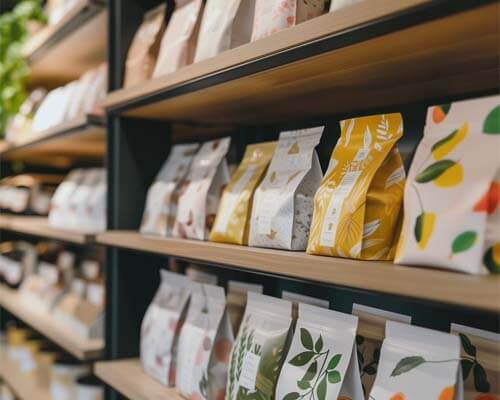
    Now that you know how to get your product in stores, it’s time to think about how to stand out from all the competitors who are selling similar things.

    Ready to sell your product in stores, online, or at local shops? If the demand is there, we can help you take your business to the next level with the very best packaging. We can help you create packaging that’s the real deal- it will help you stand out in your local area, nationwide, and everywhere in between. Regardless of what you’re selling (or where — online, in stores, it’s all the same to us!), we can help package it.

    Working with us is incredibly easy. We’re a business, too, and we have experienced a lot of the same pain points as you. Your best bet for high-quality packaging that can help you lower costs and stand out at stores, is to work with us to create the perfect packaging.

    Lets Get Started

    Made In The USA

    Full PouchCustomization

    Scalable Printing Digital & Plate

  • Prototyping In Packaging Design    

    Prototyping In Packaging Design    

    The Role of Prototyping in Perfecting Your Packaging Design

    Nothing influences a customer’s first impressions and perception of product quality more than product packaging. Customers expect their product packaging to be environmentally conscious and to provide a memorable unboxing experience. Bonus points if your product packaging can help you reduce costs, improve profit margins, and reduce your carbon footprint.

    What is prototyping?

    A prototype is an early sample, model, or release of a product that’s built during the design process to test its construction or design. In terms of packaging, a prototype is a limited run of bags or pouches that act as a sample of what the final product will look like. Some packaging prototypes just look at size, while others can be printed with the design of your choice so you can take a final look at the pouch before you put in a larger order.

    Realistic prototypes allow you to avoid costly mistakes and evaluate, test, and refine an idea before it enters mass production. The primary goal of rapid prototyping is to test the pouch for functionality, usability issues, to get user feedback, and to see all the detail of the final bag in real life. In this blog, you’ll learn more about the different prototyping offered by CarePac.

    CarePac’s High Fidelity Prototyping Process

    CarePac focuses on offering customer the most customized experience including our prototyping services. low fidelity prototypes have limited usefulness (see more below) A prototype is only useful if it accurate emulates the final product. Hence CarePac offers two main types of prototypes.

    Unprinted Sizing Prototypes:

    These are machine-made prototypes that are unprinted. They are effective for validating sizing, configuration, and material.

    • Machine made prototype
    • Great for sizing and material testing
    • Lowest cost high fidelity prototype

    digital-printed-prototype-carepac

    Digital Printed Prototypes:

    Fully customized and printed high fidelity prototypes of 100 bags. These are real bags, and fully functional prototypes made with the same processes and procedures as your final product.

    •  Machine made prototype
    • Digital print check, sizing, and material testing
    • From $250 for 100 bags

    Sink Print Prototyping:

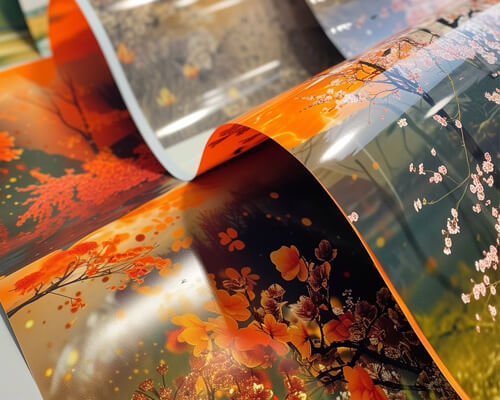
    For both digital and rotogravure printed projects, we can provide a print skin. These can be thought of as high fidelity prototypes of the bags printing. These are not useful for sizing, but only for confirming color outcomes on film.

    • Rotogravure printed or Digital printed prototype
    • Print or color check only, not for sizing or material
    • Creates delay, but no cost unless make change
    sink-print-prototype

    Understanding Prototyping in Flexible Barrier Packaging

    At CarePac, we pride ourselves on our low MOQs, meaning you can order as few as 100 functional prototype bags. Some other companies don’t offer prototyping for user testing, meaning your final design is based on clickable wireframes, rough designs in mobile apps, or the most basic form of early prototyping: low fidelity sketches. Still others only offer low fidelity prototypes such as paper prototypes, and handmade prototyping these low fidelity prototypes have some uses, but here at CarePac we focus on offering high fidelity prototypes including short digital prototypes and skin print prototyping. From unprinted samples to plate printed prototypes, here’s a little more information about the types of prototyping and the methods of prototyping we offer here at CarePac.

     Paper Prototyping

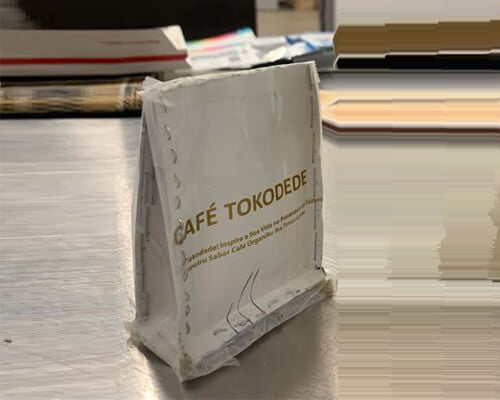
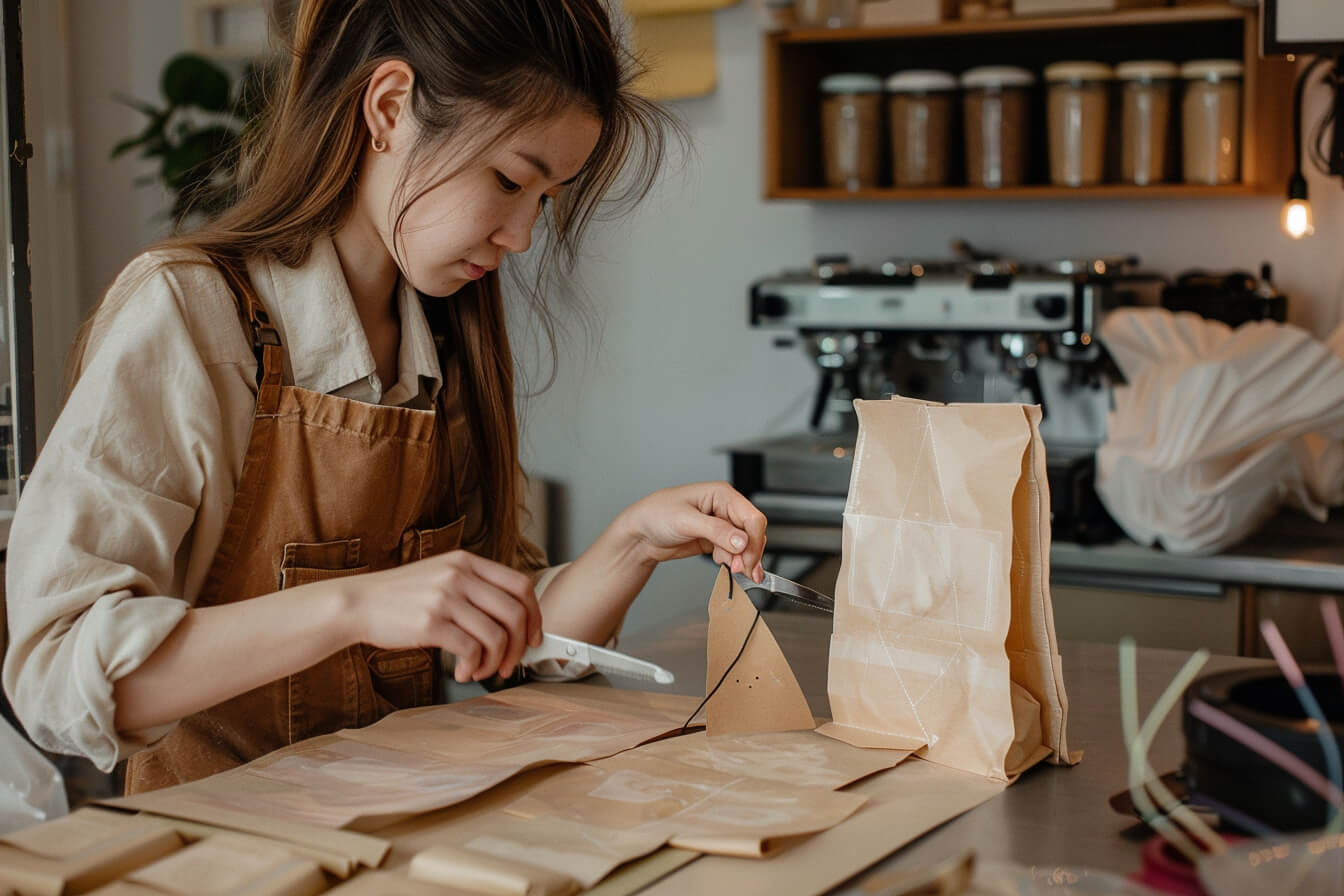
    At least in the packaging world a paper prototype is part of the design process that used by some customer to visualize the final product. A Paper Prototype is a very low fidelity prototype that is best designers to refine design thinking and processing how the design will look on a 3D surface. Paper prototypes are functionally useless beyond refining you’re thinking about a pouch design.
    paper-type-packaging-prototype

    Handmade Prototyping

    Handmade sizing samples are low fidelity unprinted prototypes offered by some of our competitors which are exactly what they sound, they are a unprinted handmade bags. These handmade prototypes are a step above paper prototypes because unlike paper prototypes, handmade prototypes are made of flexible barrier material and generally to the same size as the final product.

    But CarePac steers clear of handmade prototypes for several reasons. First, the seal quality of a handmade prototype will not be the same as a machine made product, So handmade prototypes cannot be used for technical testing (blow out, seal strength, MVTR, or OTR tests, etc). Second, if sizing is what you are wanting to confirm, why not just invest in high fidelity prototypes such as our digitally printed bags? With high fidelity prototyping you can also confirm print placement or color along with other physical parameters and material performance. Third, if the prototyping is for color check, only a high fidelity prototype such as a digital prototype or a skin print will get you close enough to the final product to satisfy what you want.

    Unprinted Sizing Samples (low fidelity prototypes)

    This is exactly what it sounds like: an unprinted bag that’s perfect for people who are only worried about the size of the bag (not its design concepts or uncovering usability issues during usability testing.) These bags are unfinished and unprinted, and are built to the specific sizing you provide and with the material you want to use on the final product.

    We consider these machine-made sizing prototypes to be a mid-ground between low fidelity prototypes such as paper prototypes or handmade prototype bags, and the high fidelity options of a digitally printed prototype or a skin print prototype. The real advantage of the unprinted sizing sample is you can try to fit your product into the prototype so you know it’ll fit into the final version of the bag or pouch. You can also test other physical attributes of the bag. Finally, it can also help with your design thinking process, as it’s a 3D object you can sometimes better visualize where you want the art placed as opposed to using paper prototyping, or other low fidelity methods.
    Digitally Printed Prototyping

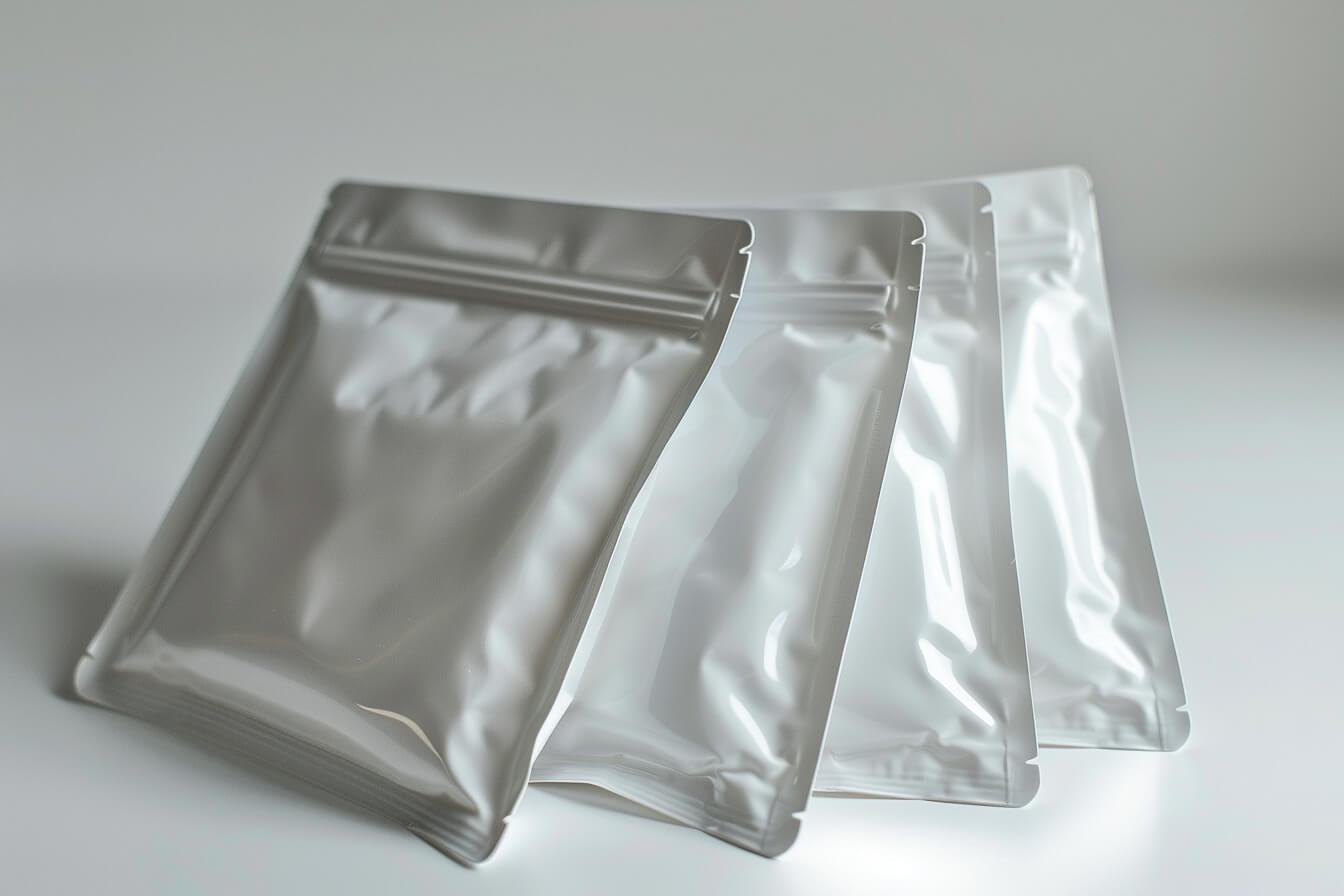
    CarePac’s digitally printed high fidelity prototypes are micro short production runs of as few as 100 bags (or 1 bag if you really just want 1 bag), and these digital prototypes can be printed onto any custom size bag you’d like, with almost any material we work with here at CarePac. Many of our customers prefer a digital prototype for a variety of reasons beyond prototyping, such as trade shows, promotional events, influencer targeting and more. The most common use of high fidelity digital prototyping, including the below.

    Solidify Sizing

    The digital prototyping process helps you ensure that the size of the bag is correct for your product. If the lo-fi prototypes are too large or small for your product, you can adjust. Again unlike paper prototyping which leaves room for error and differences in how the material reacts, our digital prototypes are made on the same machine and using the same processes as your final product would be.
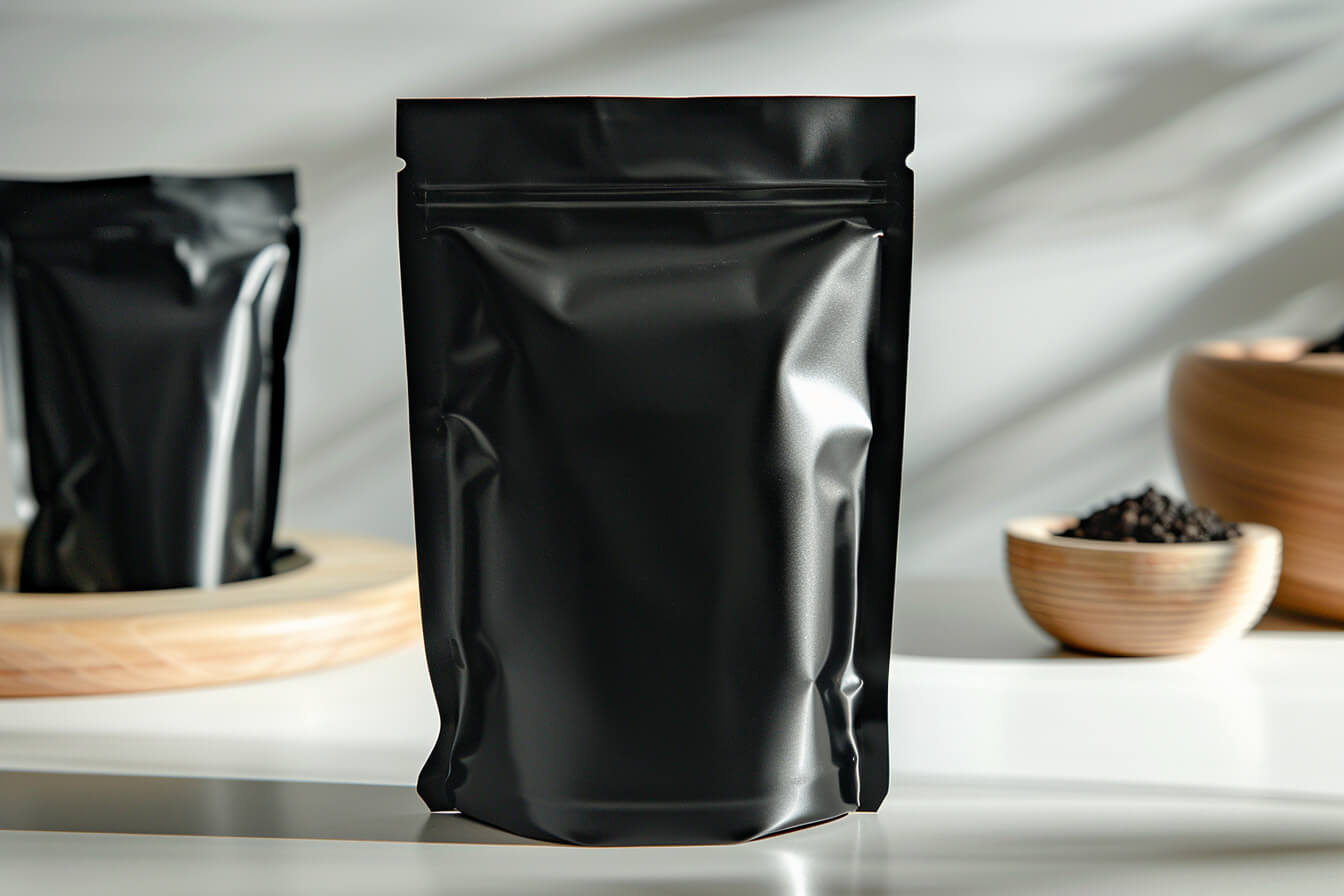
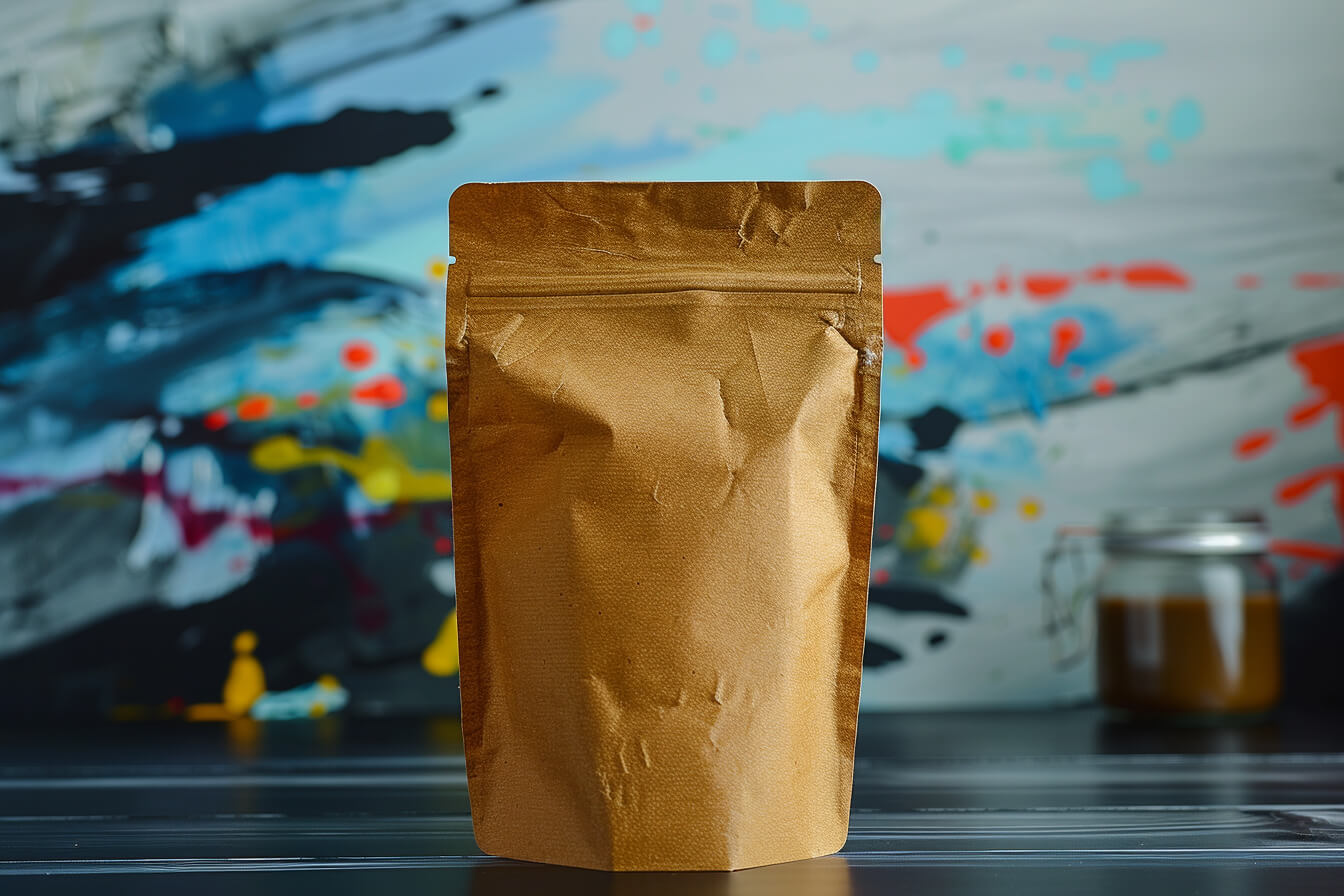
    Performance Testing

    CarePac’s hi-fi prototypes can be fully customized and made with any material we can source which allow you to conduct performance tests, so you can make sure the material meets the needs of your application (ex: you can perform test shipments to make sure the bag doesn’t burst during transit.) A common use case for our high fidelity digital prototypes would be protein powder. A low fidelity prototype like a handmade sample or paper prototype cannot be used to test whether the bag will hold up to rough handling in an Amazon warehouse.

    Meeting Preparedness

    Gives you the opportunity to show actual samples to prospective retailers and distributors. Instead of showing up to a meeting with just an idea for a preliminary model, you can actually show up to the meeting with a finished product that shows off your bags interactive elements. This really is a great example of the difference between a low fidelity prototype, such as a paper prototype and high fidelity prototypes that we can make here at CarePac.

    The old saying “Fake it until you make it” comes into play here, but in all honesty, retailers, distributors and partners can better visualize your product and its place in their store when you provide a fully finished and printed bag prototype. Spending a few hundred dollars for high fidelity prototyping from CarePac could land you a six figure distribution deal, and we think you’ll agree it’s worth it on so many levels.

    Skin Print Prototyping Method (another high fidelity prototypes)

    Think of this as a high fidelity prototype: it allows you to confirm the colors of your project on actual printed material. Using hi-fi prototypes is great if you plan a long run and want to confirm how the colors perform on the actual material of the bag. For example, if your UX designer or UX design team prefers using a specific CMYK color on a specific material but the prototype and focused feedback shows that the color bleeds into the material, you may want to consider a different material or color.

    This is also important because sometimes colors look different on different screens than they do in real life. You’ll want to see what real users will see – not what your design team sees on a screen.

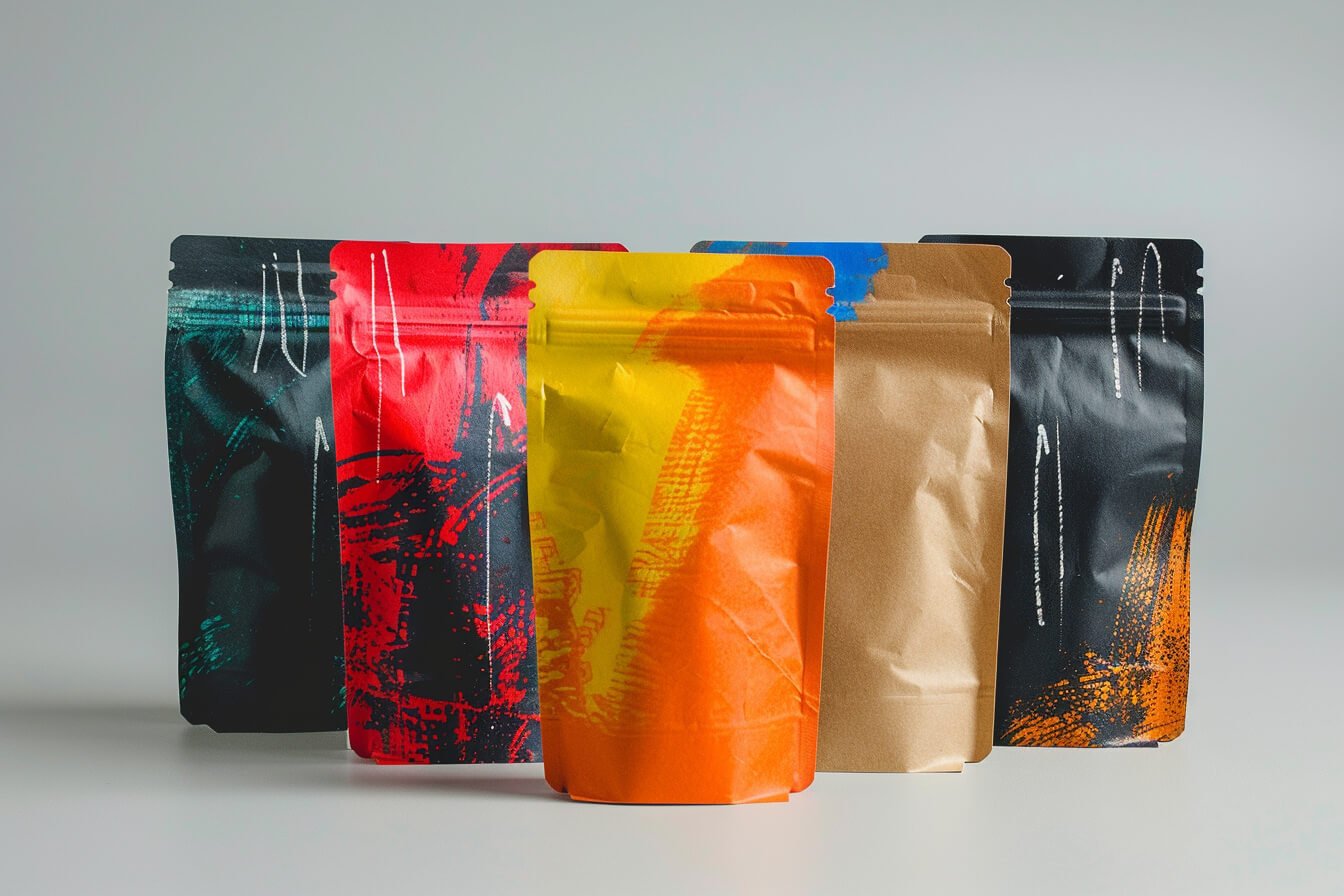
    skin-print-prototyping-method

    Plate Printed Prototypes

    This is the most complex kind of prototyping, as it requires us to use plate printing (to learn more about the complexities of plate printing, you can read more here.) With this prototyping process, your design team will lose nothing but time (approx. 2 weeks) if you approve the skin print as is. But, if you want changes after the skin print, you’ll incur the costs associated with making the change in addition to the costs of the time and the material to print along with any plate remakes.

    For this reason, we recommend skin print digital prototypes unless you are only checking for PMS color accuracy.

    Benefits of building prototypes during packaging design

    There are quite a few benefits to using a physical model of your bag or pouch to test ideas among real users.

    Risk mitigation

    Relatively speaking, incorporating interactive prototypes into your design thinking process requires minimal effort. And it’s, quite simply, the best way to catch mistakes before your bag enters mass production – potentially saving you time, money, and embarrassment.

    Enhanced communication

    Using a high fidelity prototype during the design process allows design teams, clients, and manufacturers to discuss the user’s journey and how the final product will satisfy user needs.

    User testing opportunities

    Last but not least, the only way for a UX design team to understand if their product satisfies user needs is by leveraging popular prototyping tools and services (like CarePac) during the development process.

    Other types of prototyping techniques

    There are a few different types of prototyping techniques, from clickable wireframes and audio simulations to mid-fidelity prototypes. Here are some of the user driven prototypes used by the packaging industry.
    3d-printed-prototype

    3D printing

    This is one of those digital tools that’s a good choice for complex designs since it allows for the rapid production of detailed models. One thing to keep in mind, though, is that the 3D printed version of your pouch may not be of the same material as your final product, as the types of materials that can be used with 3D printers is still limited.
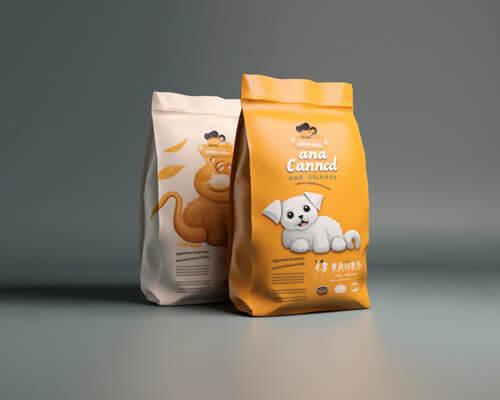
    packaging-performance-test

    Mock-ups

    Primarily used for visual presentations, this is a type of low fidelity prototyping that is less functional but visually accurate. You won’t be able to hold the finished product in your hand, but it can be a good way to test ideas related to marketing or branding during internal meetings. Mock-ups are often leveraged earlier on in the design thinking process.
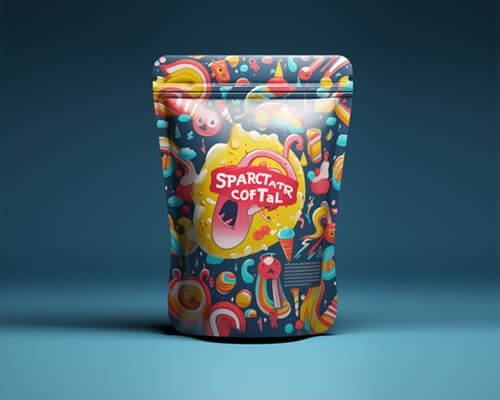
    digital-simulations-of-packaging-prototypes

    Digital simulations

    Useful for initial design evaluations, digital prototypes can help teams validate ideas without a physical model. These high fidelity prototype tools involve creating a visual representation of the packaging, that often includes logo placement and the intended user interface.
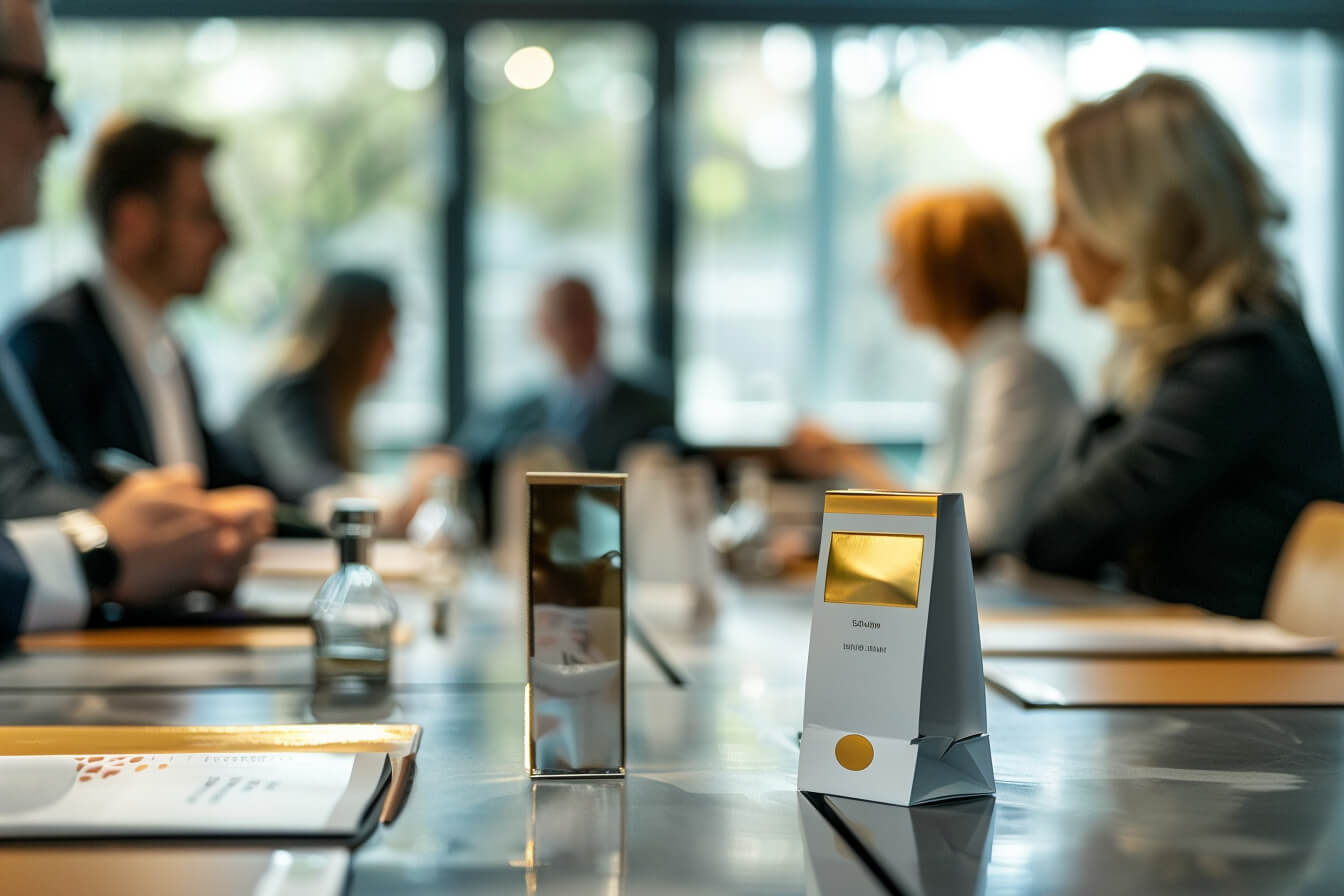
    Physical prototypes

    Physical prototypes are, simply put, the best type of prototyping. It allows teams to validate ideas, handle the finished product in real life, pursue user testing, and see each step of the design thinking process come to life. These prototyping tools create existing objects that can be passed around a room, and is a much better option than some of the low fidelity prototyping on this list. CarePac digital prototypes are physical prototypes.

    We can help you choose a prototype techniqueEach of the above method has its own place, depending on the complexity, materials, and specific project requirements of the final product. Fortunately, CarePac can help you select and create prototypes that are most appropriate for your project.

    How to integrate prototyping into your workflow

    If you’d like to create prototypes for your company, you may be wondering how to incorporate these user driven prototypes into your workflow.

    Engage the team early

    In order to best incorporate prototyping into your design process and thinking, introduce it as early on in the process as possible. This allows enough time for refinement.

    Take a collaborative approach

    Encourage all members of the team to be involved in the creation of physical models through prototyping. This includes designers, engineers, and manufacturers. Each of these groups will likely have something unique to contribute re: user interfaces and how the prototype will help the overall design process.

    It’s an iterative process

    View prototyping as an iterative process, where each prototype brings you closer to the ideal final product. Very few companies move forward with their very first prototype; instead, they tend to go through a few physical models before they decide on the right one for them. Whether you choose low fidelity or high fidelity for your prototyping, any such prototypes will greatly improve the success of your final product.

    CarePac: Your partner in packaging prototypes

    Prototyping involves several areas from design, to function, and can be more complex than you’d think, but CarePac can help. If you’re interested in leverage high fidelity prototypes for your company, connect with us to get your project started. You can also order samples here.

    Lets Get Started

    Made In The USA

    Full PouchCustomization

    Scalable Printing Digital & Plate

  • Roastar Alternatives   

    Roastar Alternatives   

    Roastar Alternatives:

    The Top 4 Competitors for

    Custom Coffee Packaging

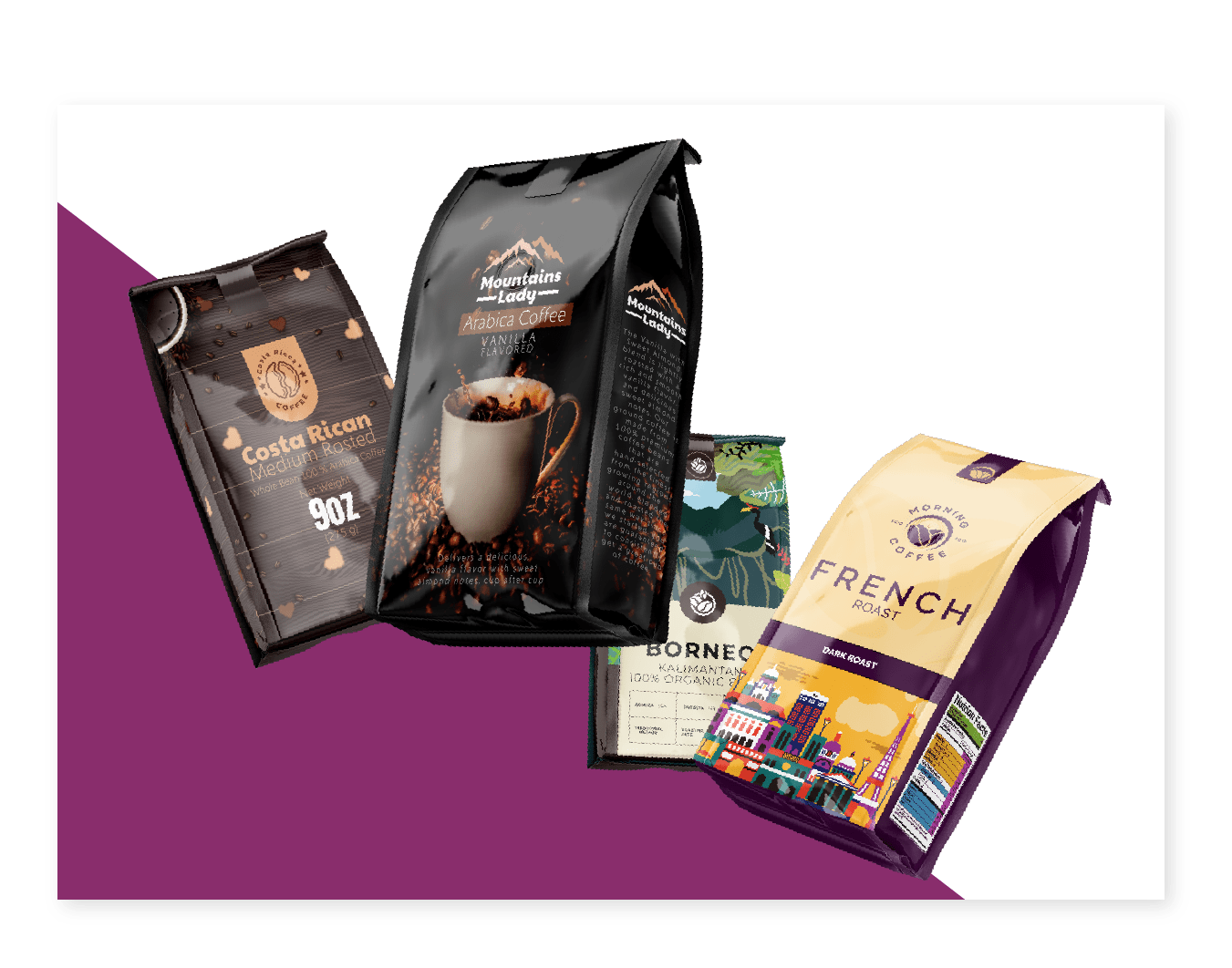
    Roaster is known for its fast turnaround in the flexible barrier packaging industry. Flexible barrier packaging materials keep coffee fresh through shipping and extend coffee’s shelf life. 

    Flexible barrier packaging is essential in the coffee industry. You won’t get far with stale coffee. This packaging method uses flexible materials that seal in freshness and keep moisture and light out.

    This post will explore the alternatives to Roastar in the custom printed label coffee bag industry.

    Who Produces the Best Custom Printed Bags?

    The two big contenders for custom-printed coffee bags are Roastar and CarePac. TriCor Braun and Savor Brands remain decent options. But neither of those brands can offer specialty flexible packaging at the same level as CarePac and Roaster.

    Roastar exclusively uses a digital printing process and primarily fixed bag sizing. This process allows the company to have a lightning-quick lead time.

    Those fast turnaround times leave something to be desired in customizability. Roastar offers customers set sizes of bags. You can’t change or modify the size of your bag to fit your style and design. 

    Roastar only offers a few sizes of genuine square-bottom bags. These bags are ideal for display. Roastar focuses more attention on side-gusseted bags. These bags are extremely common in the coffee industry. But you don’t want your brand to be common. 

    CarePac is the winner when it comes to personalization and brand development. They use digital and plate printing. Digital printing is fast, but plant printing is more cost-effective as your business expands. 
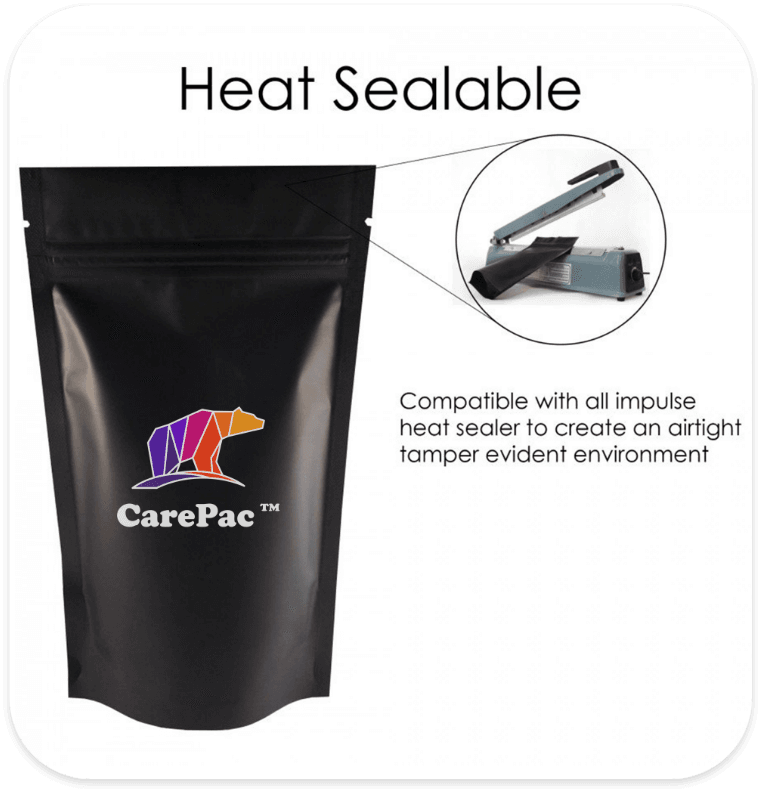
    CarePac also allows customers to pick the size of their bags. It is 100% up to the customer. They Give great personalized attention to every order. The owner is directly involved in processing new orders. 

    CarePac also provides competitive lead times, with their fastest being three weeks. That time is used to complete your packaging order to your exact specifics. The care and expertise of CarePac are worth the slightly longer wait.

    Roastar’s Alternatives for Custom Printed Labels

    Roastar

    Roastar is a custom-printed packaging company that advertises super quick lead times. The company offers some fantastic design options. This company has industry-standard bags and pouches. Roastar even offers tin cans to provide an extra strong oxygen barrier. 

    Roastar also creates excellent custom-printed bags, but they fall a little short in a few areas. If you are still looking for the perfect company for your custom packaging, here are some great companies to consider.

    Savor Brands

    Savor Brands is a company based in Hawaii with a reputation for sustainability. They promote R+R upcycling, which disposes of non-compostable high-barrier packaging.

    Savor Brands’ attractive and customized coffee bags are great for cafes and retail stores. The company has an eight to ten-week lead time, which might not be ideal for your growing business.

    TriCor Braun

    TriCor Braun is a massive international corporation. It serves businesses in multiple countries with its vast selection of packaging options.

    TriCor Bruan also has a plant-based packaging material called Biotrē. This material is compatible and eco-friendly. Biotrē also comes in a variety of styles. 

    However, TriCor Bruan is a massive company. It lacks a personal touch. Its designs and features are sleek and professional but leave little room for customization.

    CarePac

    CarePac is a family owned flexible barrier packaging that puts the customer’s experience and vision first.

    CarePac offers total customization of your pouch’s size, configuration and printing. Its high-quality, customizable, flexible barrier packaging is perfect for coffee brands large and small. The company has printing solutions that will scale with your business. 

    CarePac uses plate and digital printing. Digital is excellent for a smaller-scale business. But plate printing is a lot cheaper at a higher volume. If you plan on growing your business, you want a printer that can save you money in the long run. 


    CarePac has packaging plans that will scale with your account from 100-100,000 bags and cover everything in between.

    What does Carepac add to the experience of their Customers?

    CarePac is a family-run business. You are guaranteed to have a personalized experience from quote to delivery. The owner personally checks every new order.

    CarePac offers bags made in the USA.

    CarePac offers these coffee bag configurations:

    All of these configurations can be altered to fit your needs. They do not have standard size for their coffee bags. You are totally in control.

    Carepac: A Standout Competitor for Stand-up and Flat Bottom Pouches

    Roastar can offer speed, but is speed everything? What your company needs is flexible packaging that fits your brand. That is where CarePac outshines the competition.

    When it comes to stand-up pouches, gusseted bags, and flat pouches made the way you want them, CarPac is the flexible packaging company for you.

    Choosing the Right Custom Coffee Packaging Company for You

    No one knows your company better than you.

    You want a company with a personal touch to accommodate your brand as it grows. 

    With Roastar, you are limited to a digital printer and set sizing. These limitations make it harder to realize your dream packaging with Roastar. Though Roastar’s results are fast, they are less specific to your brand.

    CarePac does what its name suggests. The company cares about your brand and will create flexible packaging that fits your needs and design aesthetic. CarePac doesn’t push you into a solution that isn’t perfect for you.

    Roastar does offer a few different sizes and a range of customization options, but it isn’t as flexible as CarePac. Roastar’s flat pouches and square bottom bags only come in a few select sizes.

    CarePac specializes in flexible packaging. It lets the customer choose the printing process that best suits their needs. It is a family brand that will grow with small businesses and help large companies continue to flourish.

    Visit the CarePac website today, 
    order some samples, and make your flexible packaging dreams a reality.
  • Sachet vs Stick Pack Packaging

    Sachet vs Stick Pack Packaging

    Sachet vs Stick Pack Packaging

    sticky-vs-sachet-packaging

    Sachet vs Stick Pack Packaging

    Despite the rhetoric against single serve packaging, there are actually quite a few advantages of using quality single-use packaging, like stick packs and sachets, to package your products. In this blog, we’ll start by discussing the difference between stick packs and sachets, before diving into the benefits of incorporating them into your production process and using them for your own single serve packaging.

    Whether you’re packaging sugar, pharmaceuticals, single servings of coffee, quality nutritional powders, or some other kind of sugar or powder products, understanding the difference between these flexible packaging options is key. Continue reading to lear more about sachets, stick packaging, and how they can be used with a vertical form fill seal packaging machine.

    what-is-stick-pack

    What is a stick pack?

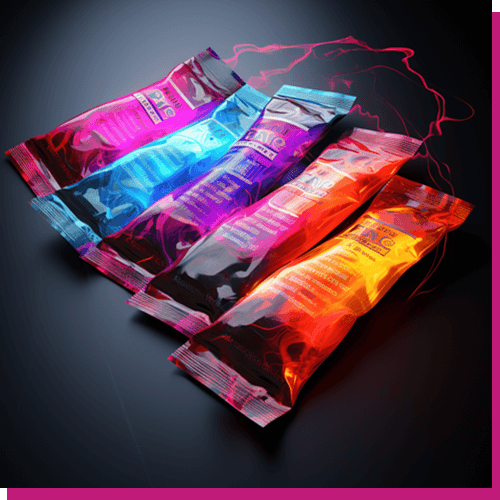
    Stick packs, also called stick packages, are the most common single dose packaging on the market. Usually used for sports drink powders or sugar, instant coffee, and other powdered products, stick pack packaging is characterized by its small size and narrow shape. These single dose packages are suitable for any kind of powder, and usually aren’t used to package liquids, gels, or semi-solids. Stick packages are easily transportable and are loved by manufacturers for their convenience.

    Stick packs are also a great marketing tool. Want to promote your nutritional supplements? Want to give your consumers a convenient way to enjoy your sugar product, while also displaying your brand name (in print!) to their friends? This is where stick pouches really come in handy. Yes, they keep your product fresh, but they’re also a great solution for advertising in a very affordable way. Simply print your name and information directly onto the sachet, and voila!

    What is a sachet?

    Sachet packages, on the other hand, are typically reserved for liquid products, dairy products, or certain kinds of food products, like apple sauce or baby food. Sachet packages are typically sealed on three or four sides and its four side sealing method means it has a very strong seal that won’t break during transport or storage.

    Regardless of your specific needs, both packaging options are great for consumers with busy lives. Their production speed is quick, and they require minimal packaging equipment.

    what-is-sachetsealing-stick-packaging

    Sealing stick packaging & sachet packaging

    Both of these types of plastic packaging can be used with standard packaging equipment and machines. Which type of packaging equipment you use depends on the type of single use packaging you’re working with. For example, stick packs are sealed using free flowing stick pack machines while sachets are used with sachet packaging machines.

    Both packaging machines use a vertical form fill seal, and both types of packs are easily sealed, even at high speeds. If you already have access to vertical packaging machines, stick or sachet packaging is a great choice for you.

    Benefits of sachet packaging and stick packs

    Whether you opt for sachets or stick packaging, or are packaging powder, food, or pharmaceutical products, you can’t go wrong with this type of packaging. Here are a few of the primary benefits of using sachet packaging or a stick pack:

    benefits-of-sachet-packaging

    • A stick pack is perfect for consumers with an on-the-go lifestyle

    • Easy for pharmaceutical industry to dose medicines and powder supplements

    • Each stick pack or sachet requires minimal equipment and machines to fill

    • Can be used for liquids, powders, and food products

    • Can work with a small packaging equipment budget

    • Has the convenience of low weight, for easy storage and transport

    • Each package is high quality and offers tons of convenience for consumers

    • Do not require volumetric fillers, auger fillers, or liquid fillers

    • Each sachet will keep dusty products from getting even dustier during transport and storage

    Get Started Today

    CarePac truly takes the guesswork out of designing and printing the perfect stick pack or sachet packaging for your powdered or liquid products. No matter your needs, we are committed to providing you with the best solution. Get a Quick Quote to learn more about our sachet and stick pack packaging solutions today!

    Overwhelmed with

    all the options?